Two days is too short. Five days is too long if you're tight on time. Four days is the sweet spot — enough to explore Zhangjiajie National Forest Park in depth (two full days instead of one), plus Tianmen Mountain and the Glass Bridge, without extending to the ancient towns.
Here's what makes the 4-day tour different from our 3-day version: you get a second day inside the National Forest Park. Instead of cramming Yuanjiajie, Tianzi Mountain, Golden Whip Stream, and Yellow Stone Village into one exhausting marathon, you split them across two days. The result? You actually have time to sit on a rock at the Ecstasy Platform and watch the clouds roll through the pillars instead of being herded to the next viewpoint.
You also get Huanglong Cave or Baofeng Lake — two spectacular attractions that the 3-day tour simply can't fit. Huanglong Cave is one of China's largest karst caves with an underground river boat ride. Baofeng Lake is a serene mountain lake surrounded by peaks, accessed by a gentle hike and a boat. Your guide lets you choose based on your preference.
Detailed Daily Itinerary
Day 1: Arrival & 72 Qilou Night Tour
Your guide and driver meet you at Zhangjiajie Hehua International Airport (DYG) or the high-speed rail station with a sign bearing your name. The drive to your hotel takes about 30–40 minutes. After checking in and freshening up, your guide will give you a brief overview of the days ahead and answer any questions.
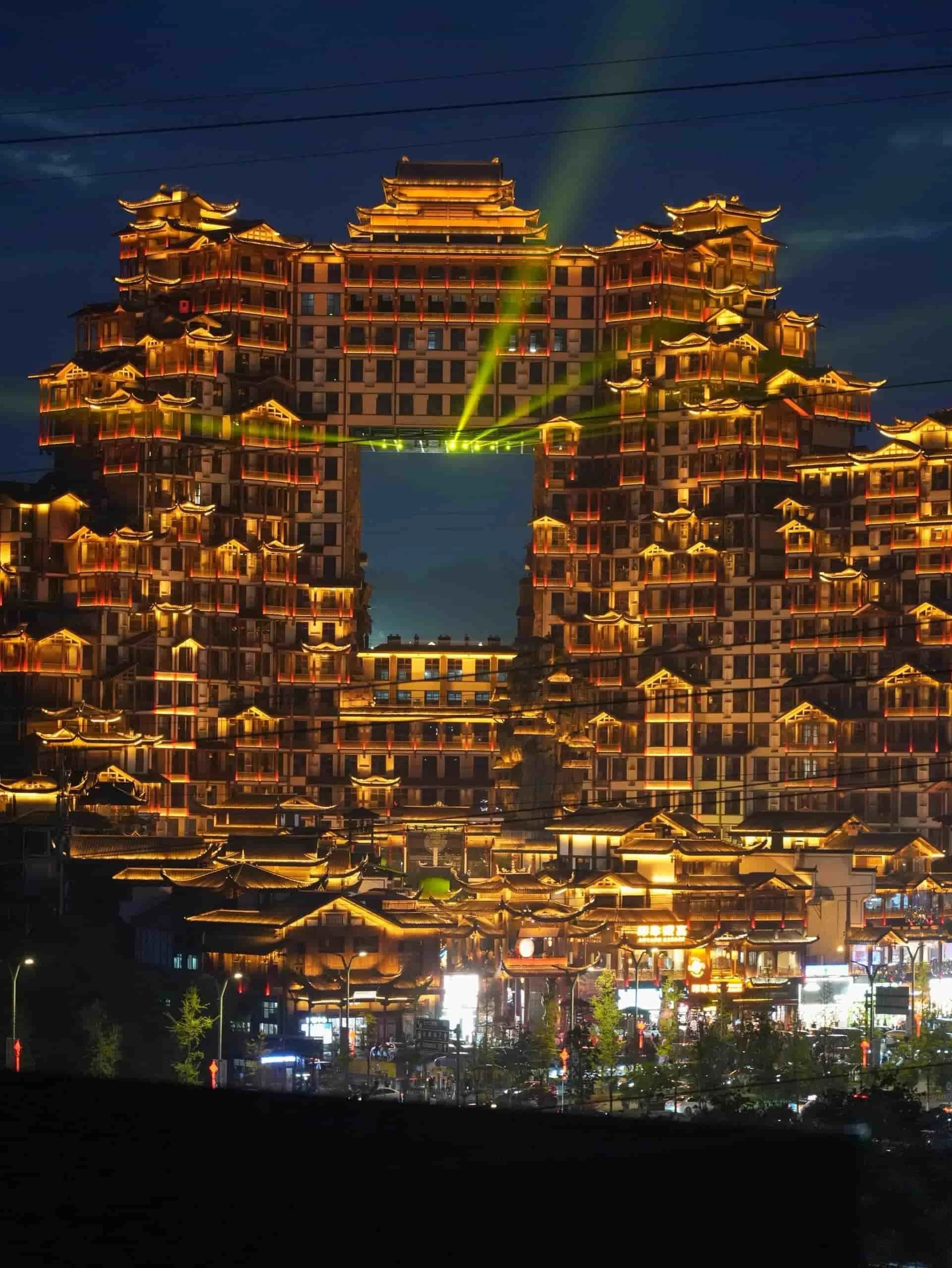
Evening highlight: 72 Qilou (七十二奇楼) — Zhangjiajie's most photogenic night spot. A sprawling complex of Tujia-style architecture with dramatic overhanging wooden structures, glowing lanterns, and cultural performances. The buildings are stacked like a vertical village — each floor reveals something new: street food vendors grilling smoky skewers, musicians playing the lusheng (a traditional bamboo pipe instrument), and artisans demonstrating Tujia brocade weaving. Your guide knows the best angles for photos and the timing to avoid the tour bus crowds.
Dinner recommendation: Ask your guide to take you to a local Tujia restaurant for smoked pork (腊肉), blood tofu (血豆腐), and Tujia three-pot stew (三下锅) — the authentic mountain cuisine that most tourists never find. Budget ¥60–80 per person.
Day 2: Zhangjiajie National Forest Park — The Avatar Mountains & Tianzi Mountain
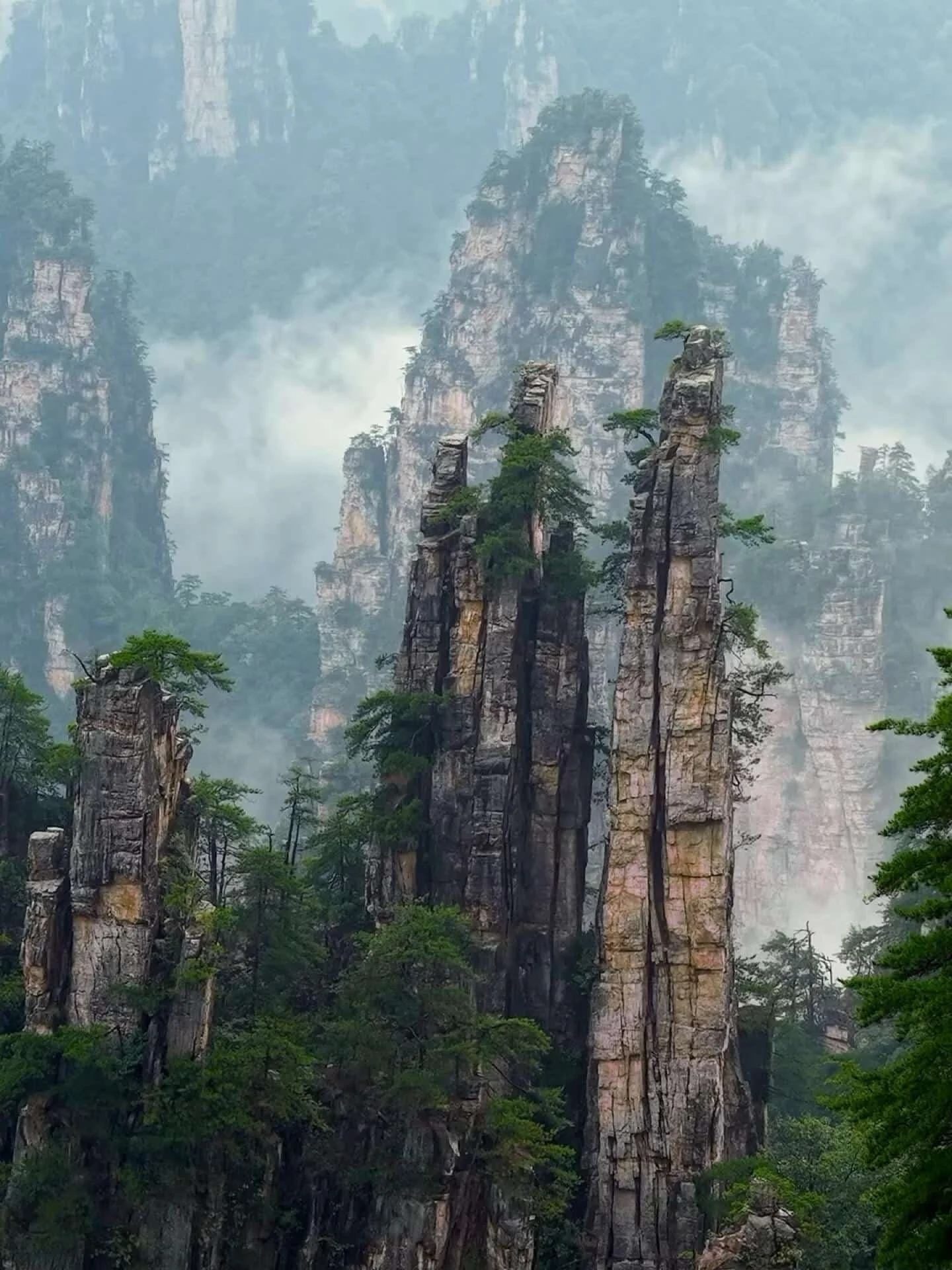
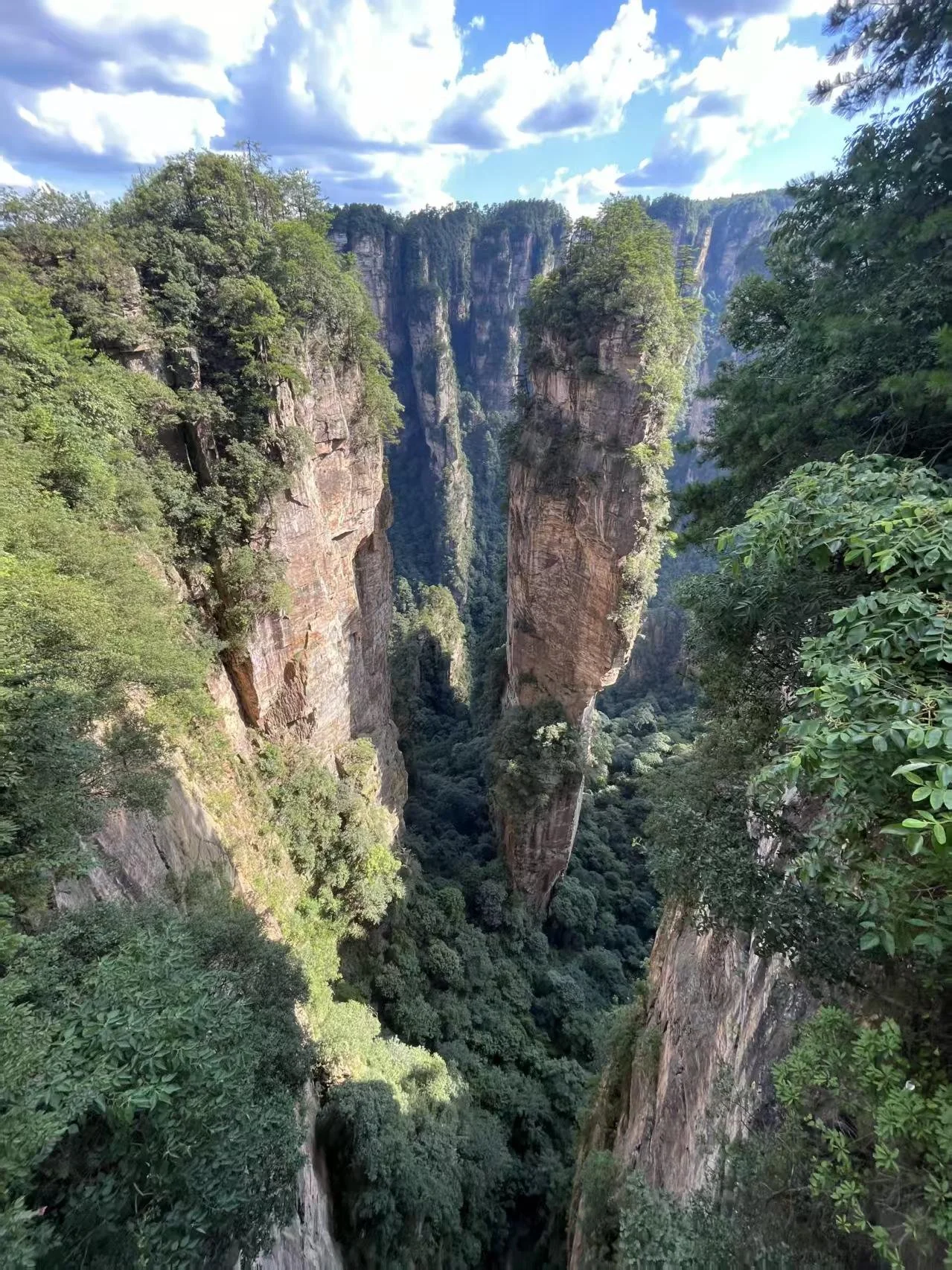
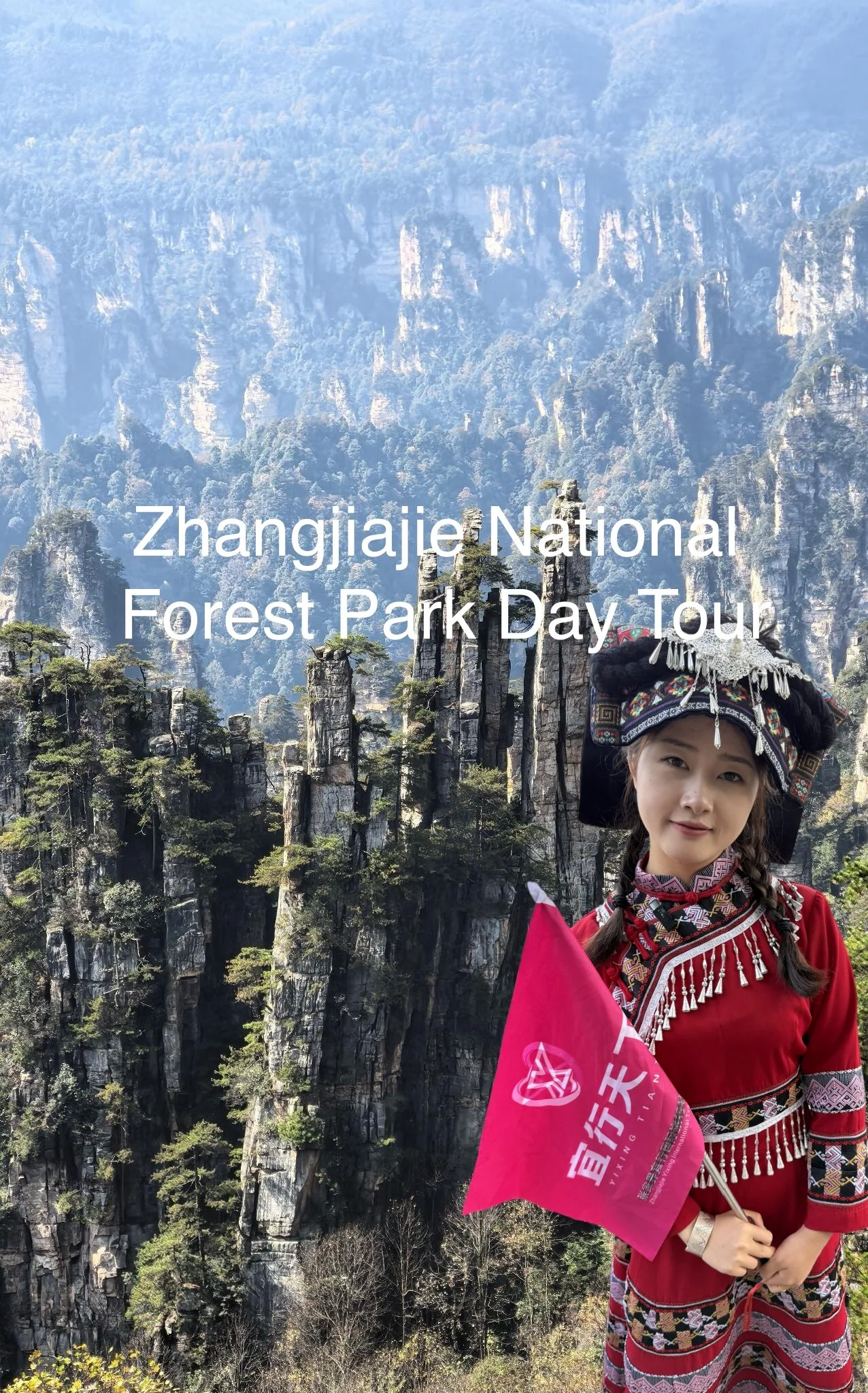
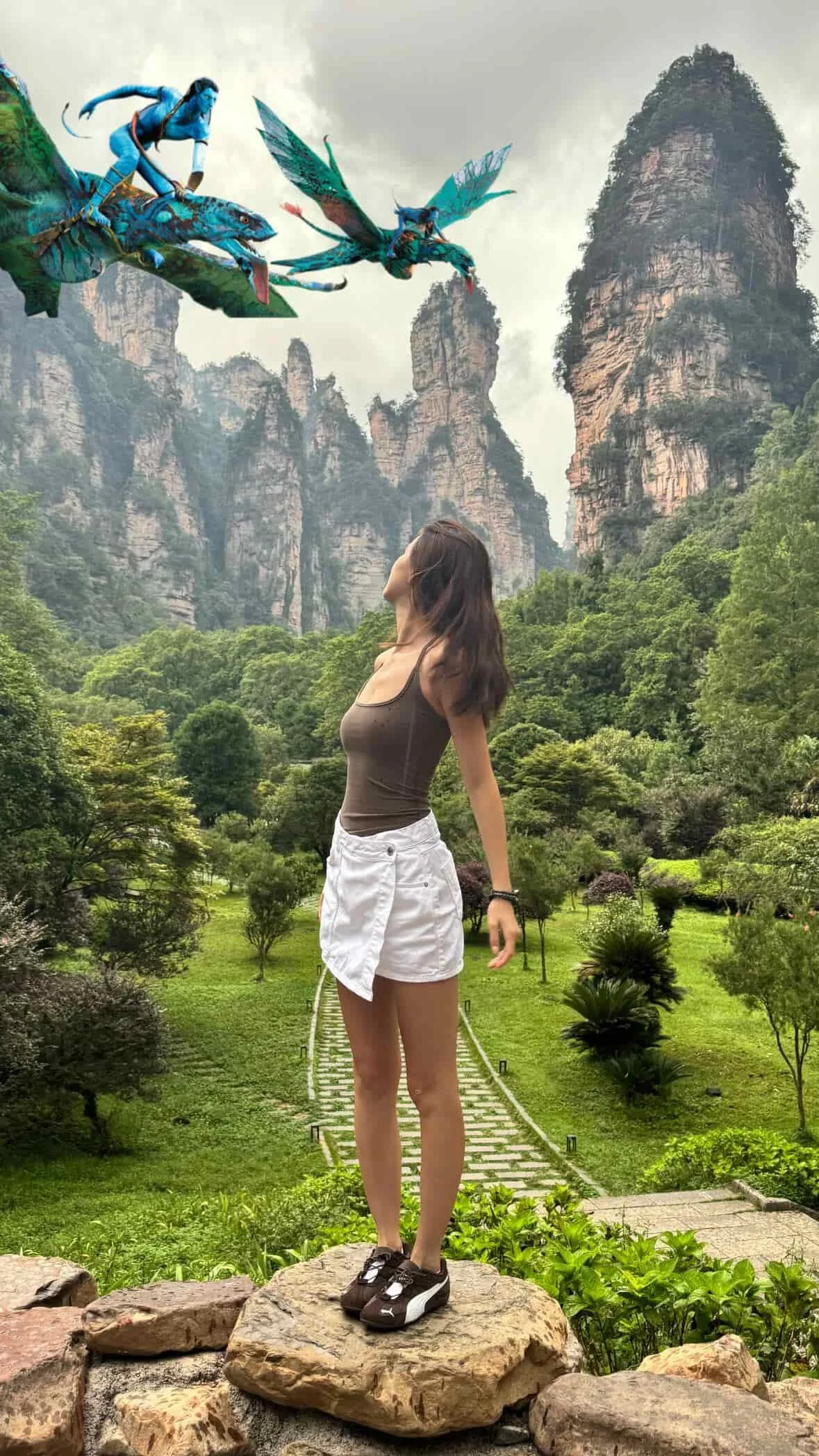
The crown jewel. Covering 11,000 hectares, this UNESCO World Heritage Site is the world's largest quartz-sandstone peak forest — over 3,000 pillars rising abruptly from the forest floor like stone swords piercing the sky.
Morning (8:30 AM – 12:30 PM):
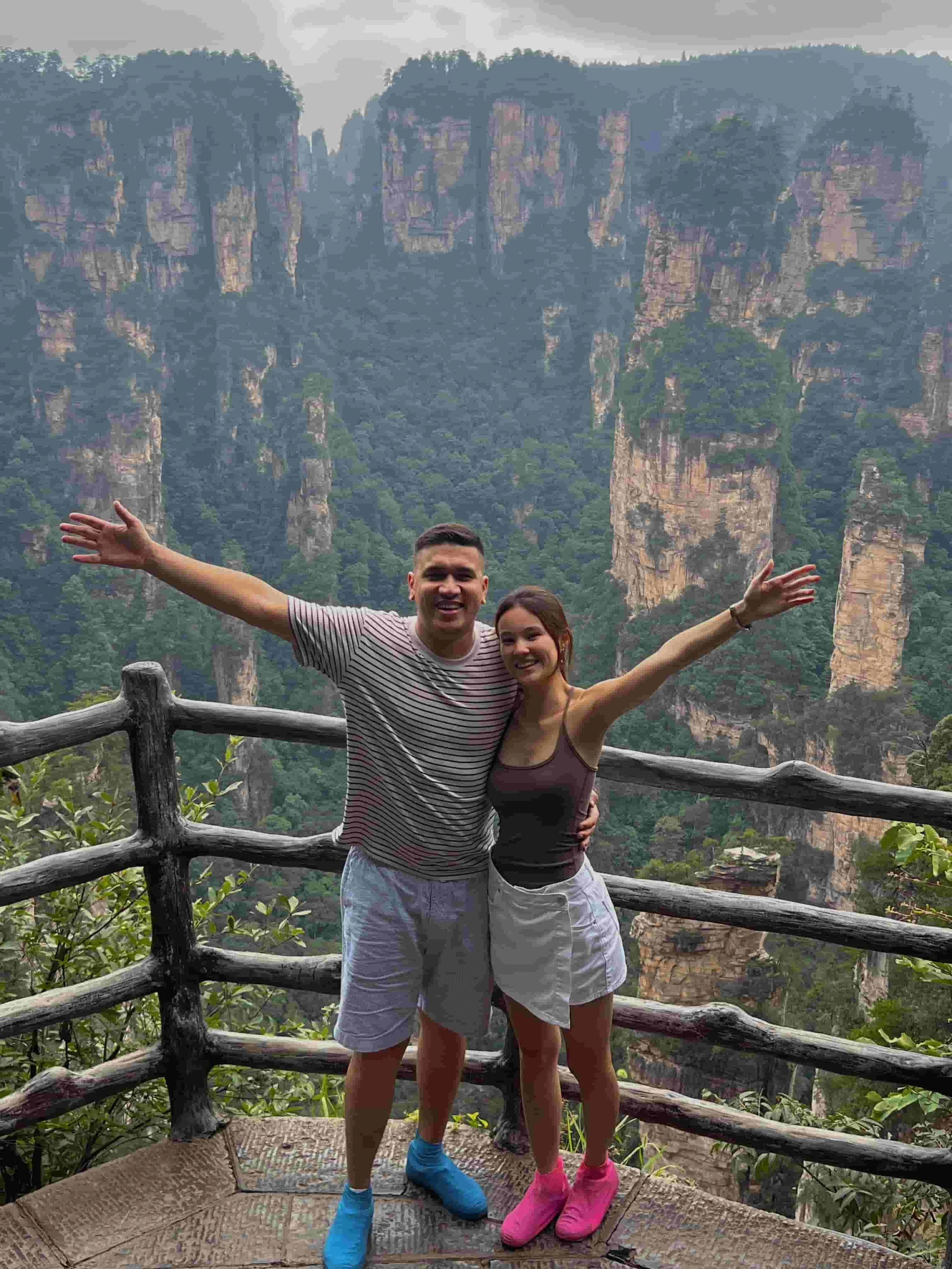
Your guide meets you at 8:00 AM for the 40-minute drive to the park's eastern entrance (Wulingyuan). Enter the park and take the Bailong Elevator (百龙电梯) — the world's tallest outdoor elevator at 326 meters, scaling a sheer cliff face in under 2 minutes. The glass-walled elevator gives you a vertiginous preview of the landscape ahead.
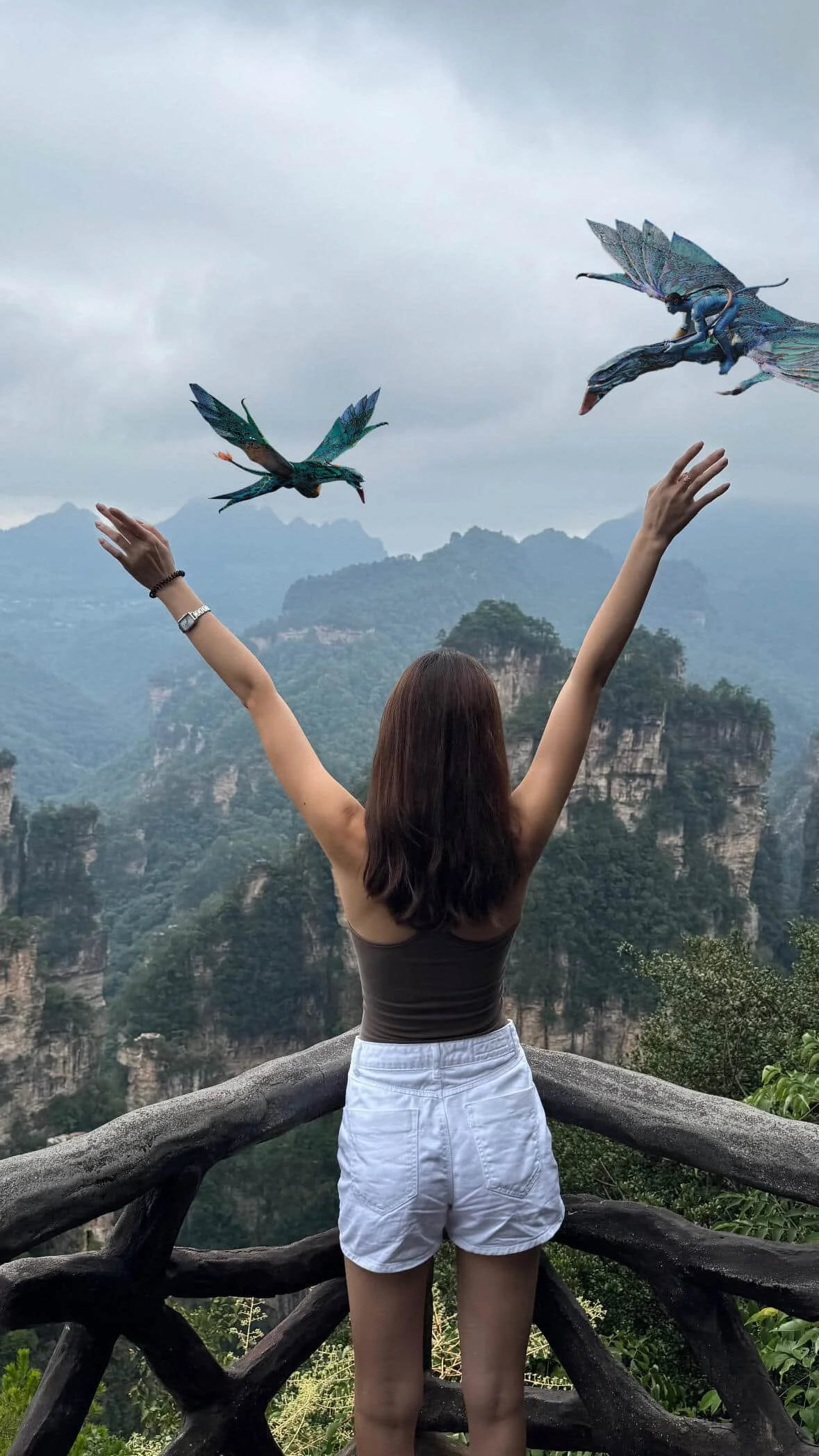
At the top: Yuanjiajie Scenic Area (袁家界), the actual filming location for Avatar's floating Hallelujah Mountains (officially renamed "Avatar Hallelujah Mountain" in 2010 after the film's director confirmed the inspiration).
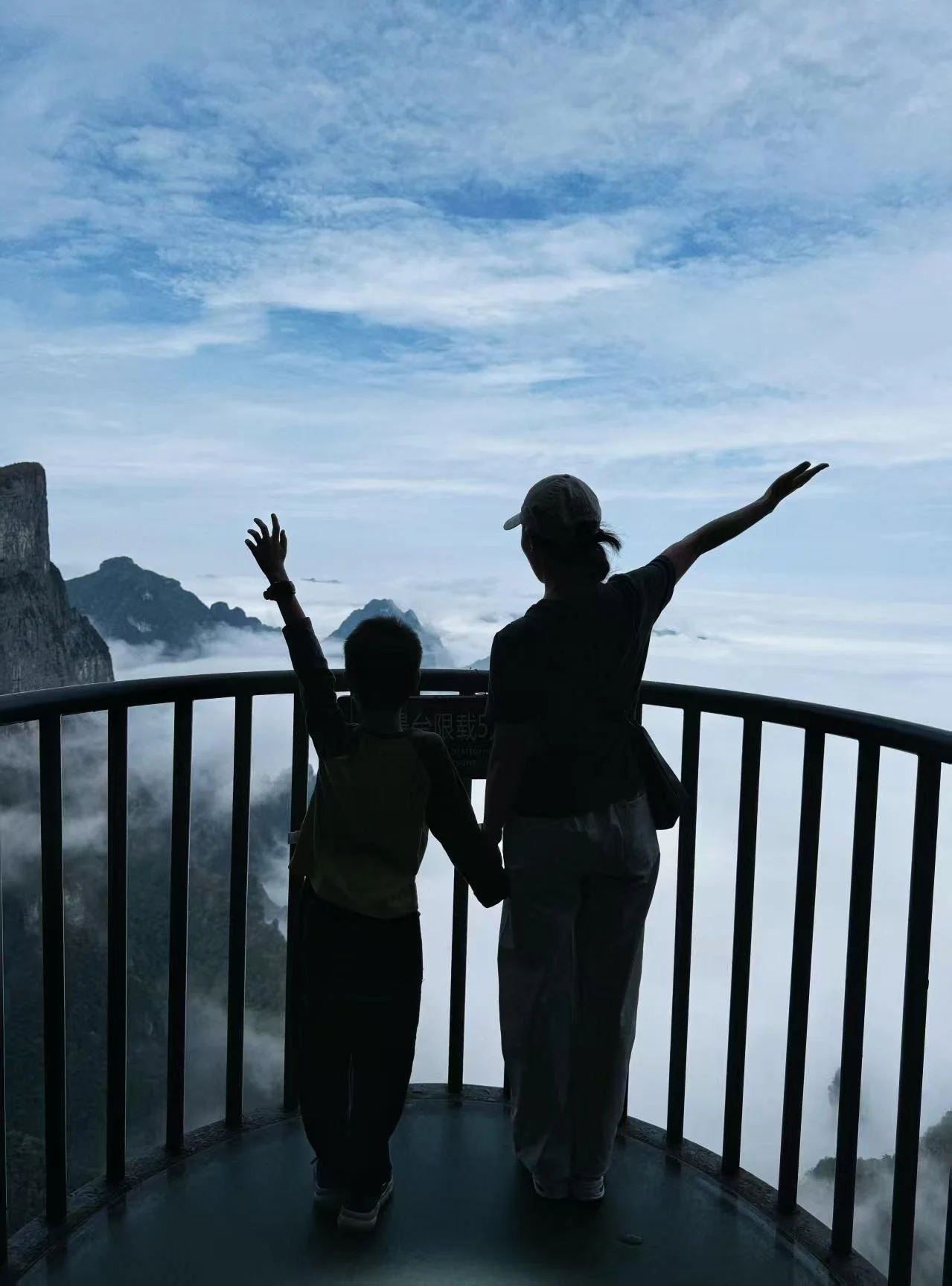
Walk the Ecstasy Platform (迷魂台) — a narrow cliff edge where the panoramic view of layered sandstone pillars disappearing into the clouds will quite literally stop your breath. Your guide will tell you the Tujia legend of the seven fairies who descended here, and why local people believe the mountains hold spirits.
Continue to the Bridge Under the Bridge (天下第一桥) — a natural stone arch connecting two pillars, formed when the rock beneath eroded away over millions of years. It's 2 meters wide, 5 meters thick, and spans 50 meters — and you can walk across it.
Lunch (12:30 – 1:30 PM):
A local restaurant inside the park serving farm-fresh mountain vegetables and free-range chicken. Your guide handles the ordering — no tourist-trap pricing, no menus with photos only. Try the stir-fried wild bamboo shoots (炒野笋) — they grow on the mountain slopes and are only available fresh in spring.
Afternoon (1:30 – 5:30 PM):
Take a park shuttle to Tianzi Mountain (天子山) — "Emperor's Mountain," named after Xiang Dakun, a Tujia chieftain who led a rebellion against the Ming Dynasty in 1368 and crowned himself "Son of Heaven" on this very peak. The views here are broader and more majestic than Yuanjiajie — the pillars spread out like a stone army marching to the horizon.
Your guide will point out the Imperial Brush Peaks (御笔峰) — three slender pillars that look like calligraphy brushes laid to rest, the emblem of Zhangjiajie that appears on the ¥100 note. Then the Cloud-Dispelling Platform (云青岩) for a view that changes with every shift of light and mist.
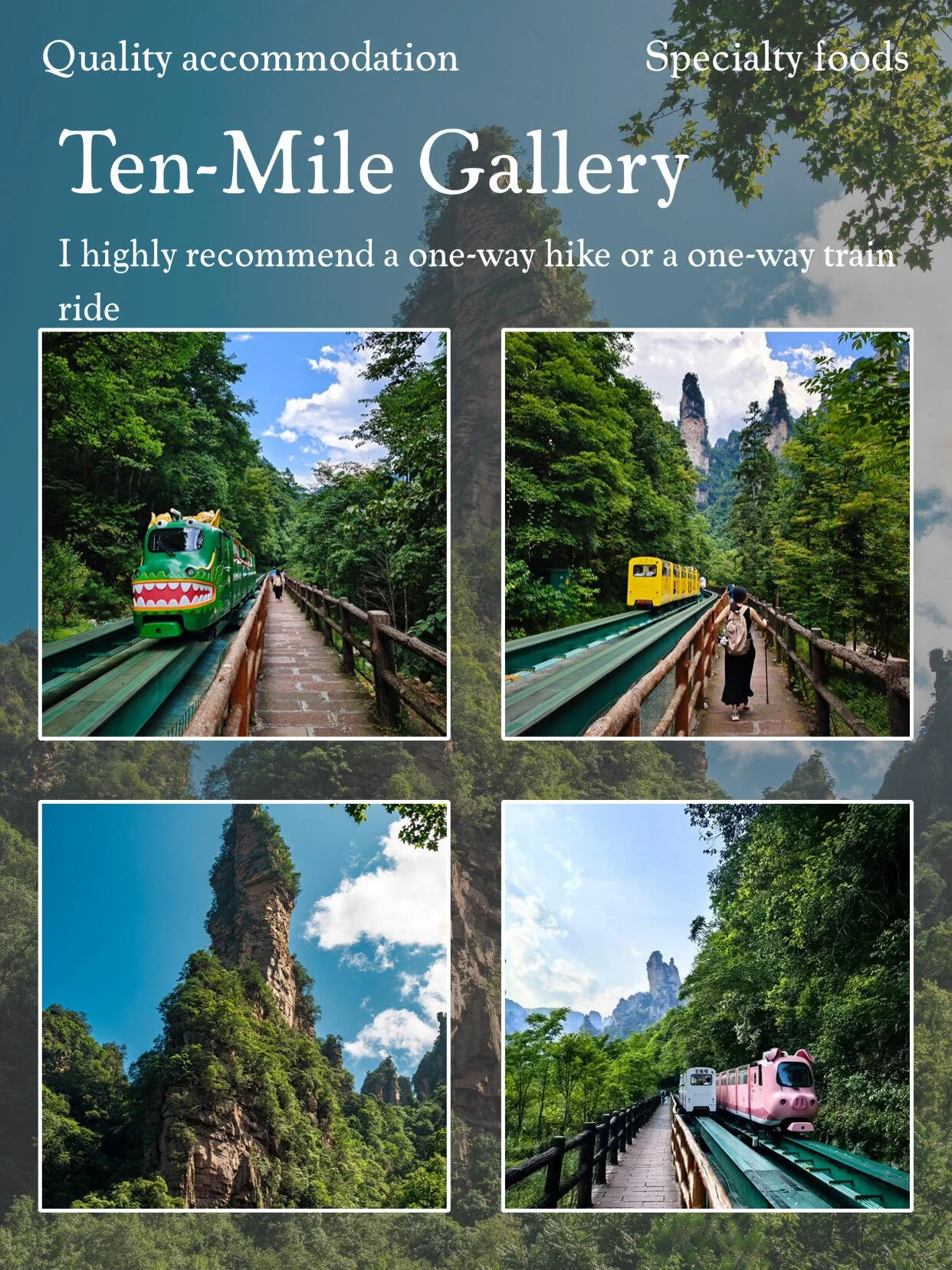
Descend via the Ten-Mile Gallery (十里画廊) — a 5-kilometer valley flanked by bizarrely shaped peaks with names like "Herb-Picking Old Man," "Three Sisters Peak," and "Goddess of Mercy." Optional electric train ride (¥38) or a gentle walk.
Evening: Return to your hotel in Wulingyuan. Dinner on your own — your guide will recommend a Tujia restaurant serving stewed sour fish (酸辣鱼) and wild mushroom hot pot (野生菌火锅).
Day 3: Golden Whip Stream, Yellow Stone Village & Huanglong Cave / Baofeng Lake
Morning: Golden Whip Stream (金鞭溪) — 8:30 AM – 11:00 AM
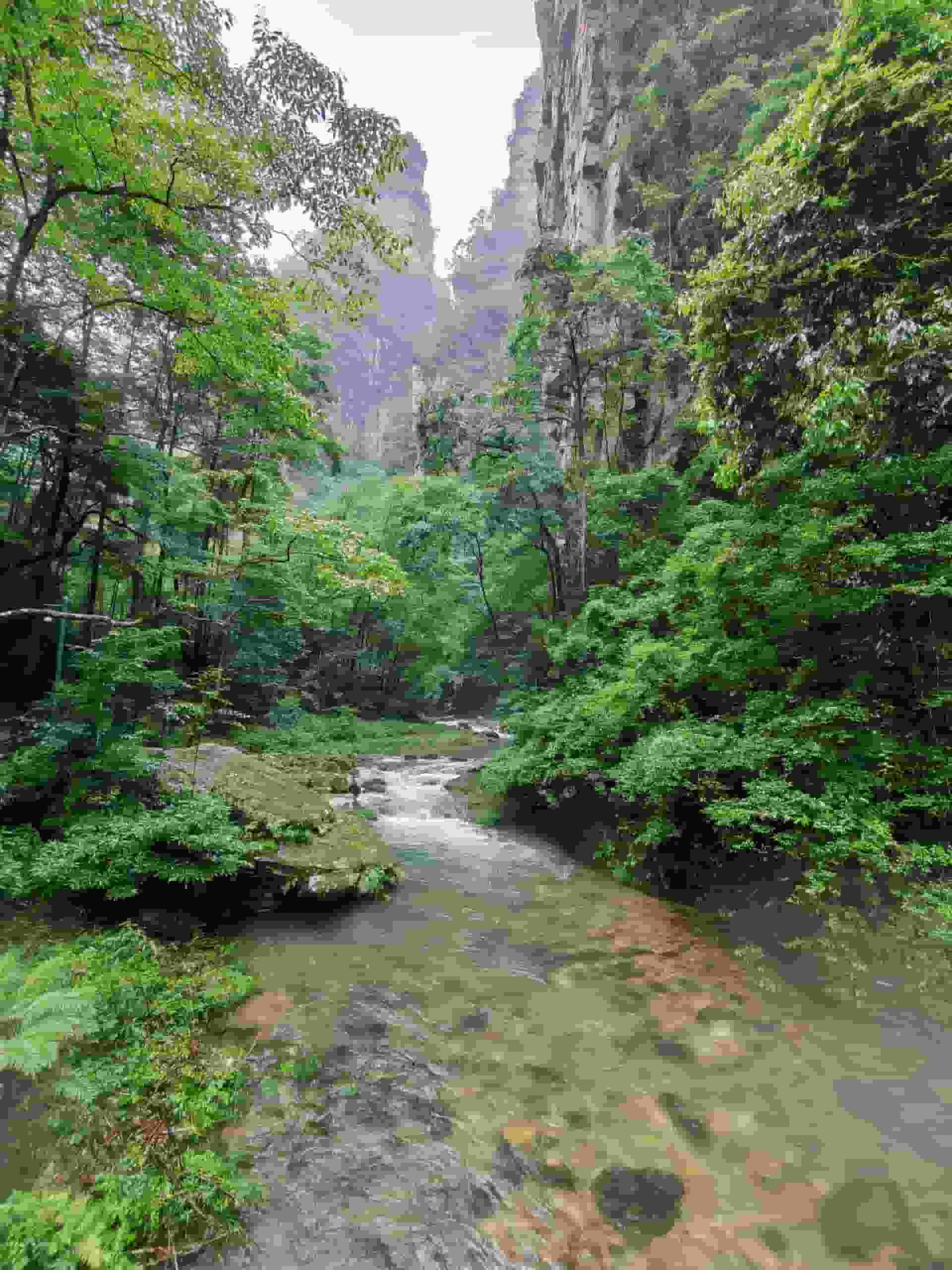
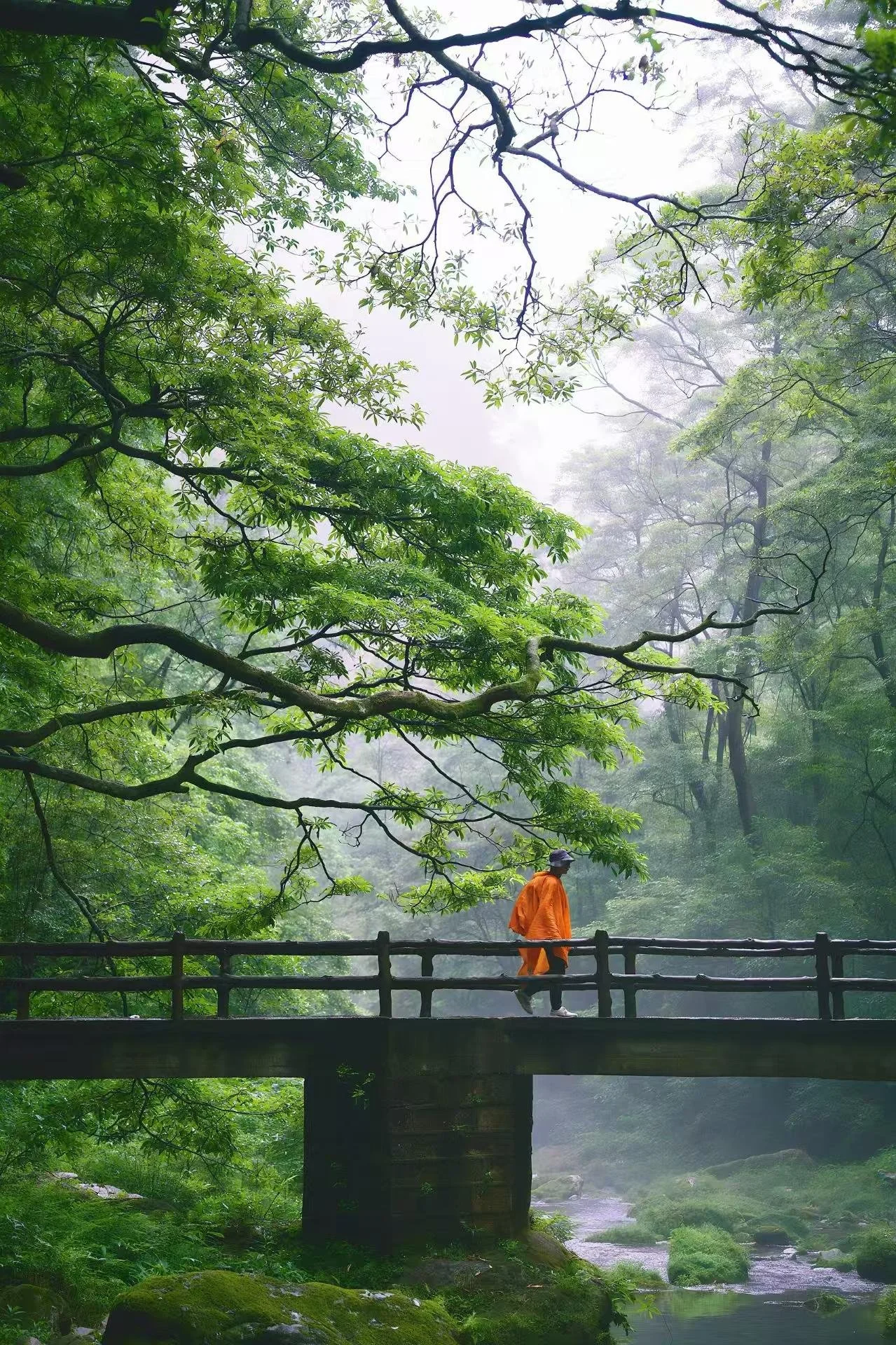
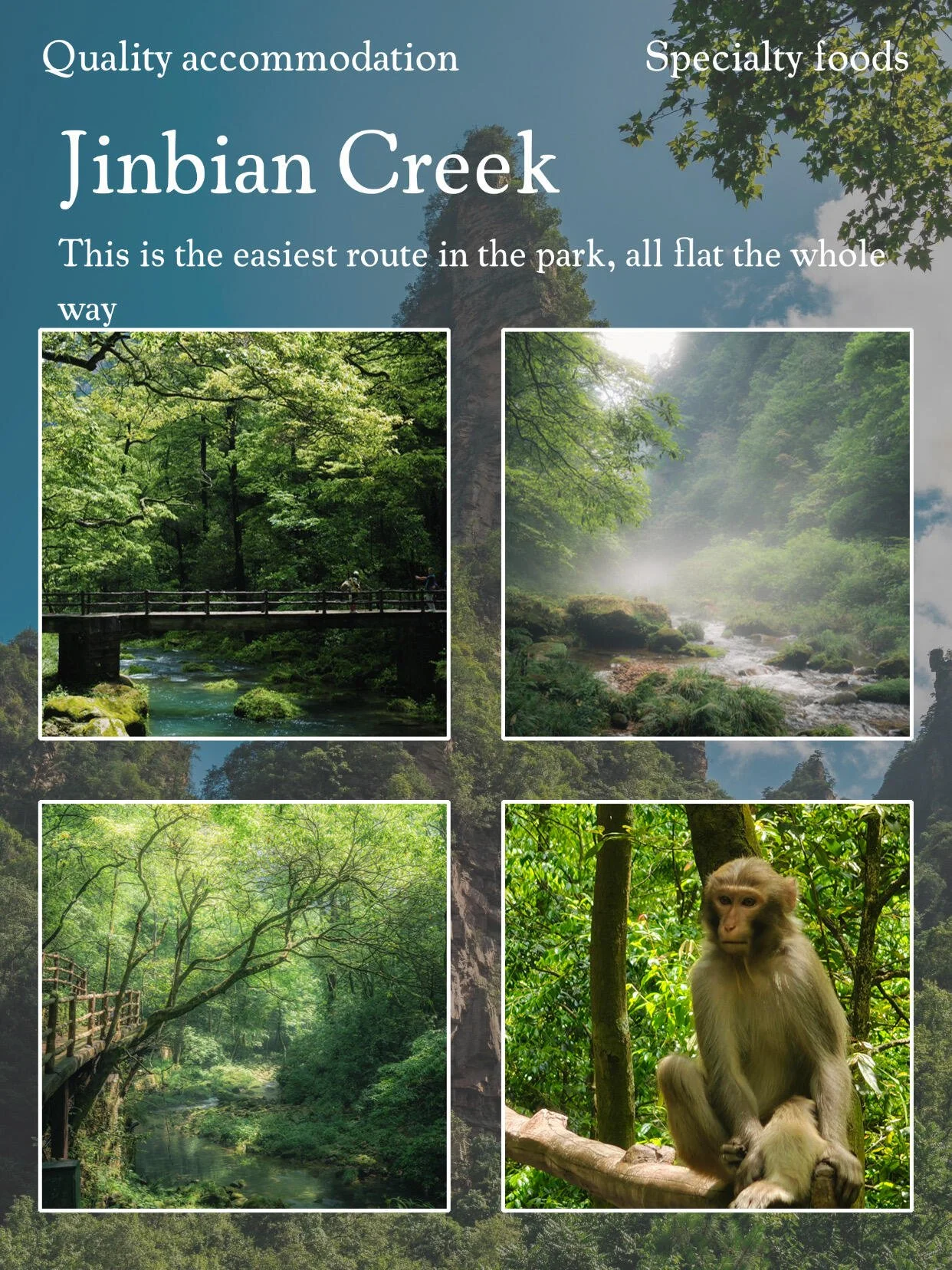
A flat, 5.7-kilometer walk along a crystal-clear mountain stream through primeval forest. The water is so pure you can see the pebbles on the bottom. Monkeys live along the stream — they're cute but mischievous; your guide carries a small bag of snacks to distract them if they get too bold. The walk takes 2–3 hours at a leisurely pace, with frequent stops for photos and stories.
Your guide will point out Golden Whip Rock (金鞭岩) — a 350-meter-tall quartz pillar rising from the stream, shaped like a whip standing upright. According to Tujia legend, it was left behind by the god of war when he came down to bathe in the stream.
Mid-day: Yellow Stone Village (黄石寨) — 11:30 AM – 3:00 PM
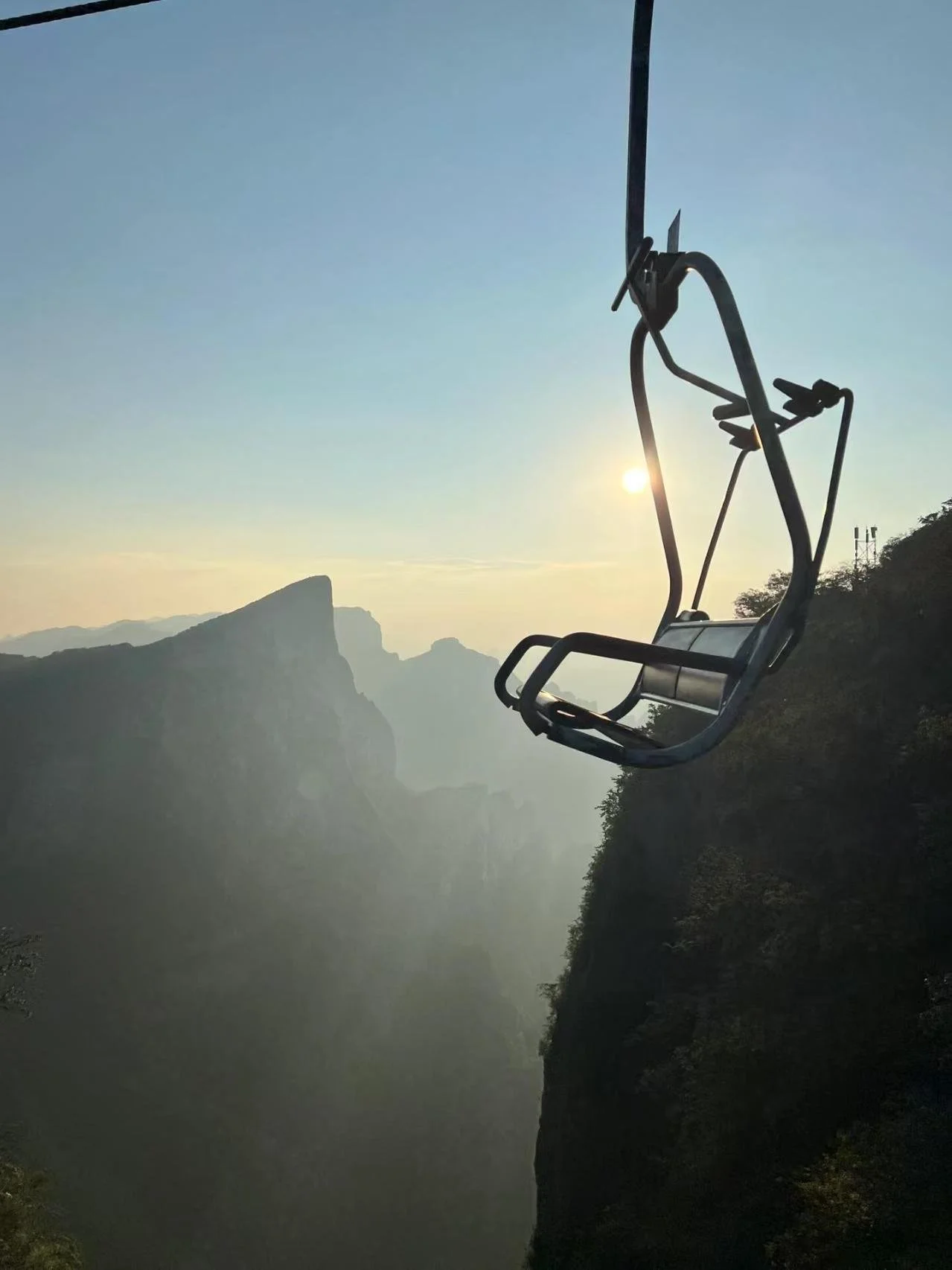
Take the cable car up to one of the park's oldest and highest viewpoints. A circular walkway along the cliff edge offers 360-degree views that locals call "the finest in all of Zhangjiajie." On a clear day, you can see over 2,000 peaks stretching to the horizon. The name comes from Huang Shigong, a Daoist hermit who allegedly lived here in the Tang Dynasty, cultivating immortality among the clouds.
Lunch at the mountaintop restaurant (simple but satisfying — noodles, rice dishes, and cold drinks).
Afternoon: Choose Your Adventure — 3:30 PM – 5:30 PM
Your guide gives you two options:
Option A: Huanglong Cave (黄龙洞) One of China's largest karst cave systems — 7 kilometers of passages, 4 levels, and an underground river. The cave's centerpiece is Dragon Palace, a cavern so enormous it could hold a Boeing 747, with a 19-meter-tall stalagmite called "Sacred Needle of Dinghai" (定海神针) that has been growing for 200,000 years. The underground river boat ride takes you through chambers lit by soft colored lights, past formations that resemble waterfalls, dragons, and terraced fields. Cool inside (16–18°C year-round) — bring a light jacket.
Option B: Baofeng Lake (宝峰湖) A serene alpine lake nestled in a bowl of sandstone peaks, 72 meters above the valley floor. The walk up takes about 20 minutes along a forested path with a waterfall. Then a 30-minute boat ride on jade-green water surrounded by sheer cliffs and pillars. Local Tujia singers sometimes perform folk songs from boats on the lake — an unexpected and memorable moment. More relaxed and less crowded than Huanglong Cave.
Evening: Return to your hotel. Your guide can recommend a foot massage spa to soothe tired legs — after two full days of mountain walking, you'll have earned it.
Day 4: Grand Canyon Glass Bridge, Tianmen Mountain & Departure
Morning: Grand Canyon Glass Bridge (大峡谷玻璃桥) — 8:30 AM – 12:00 PM
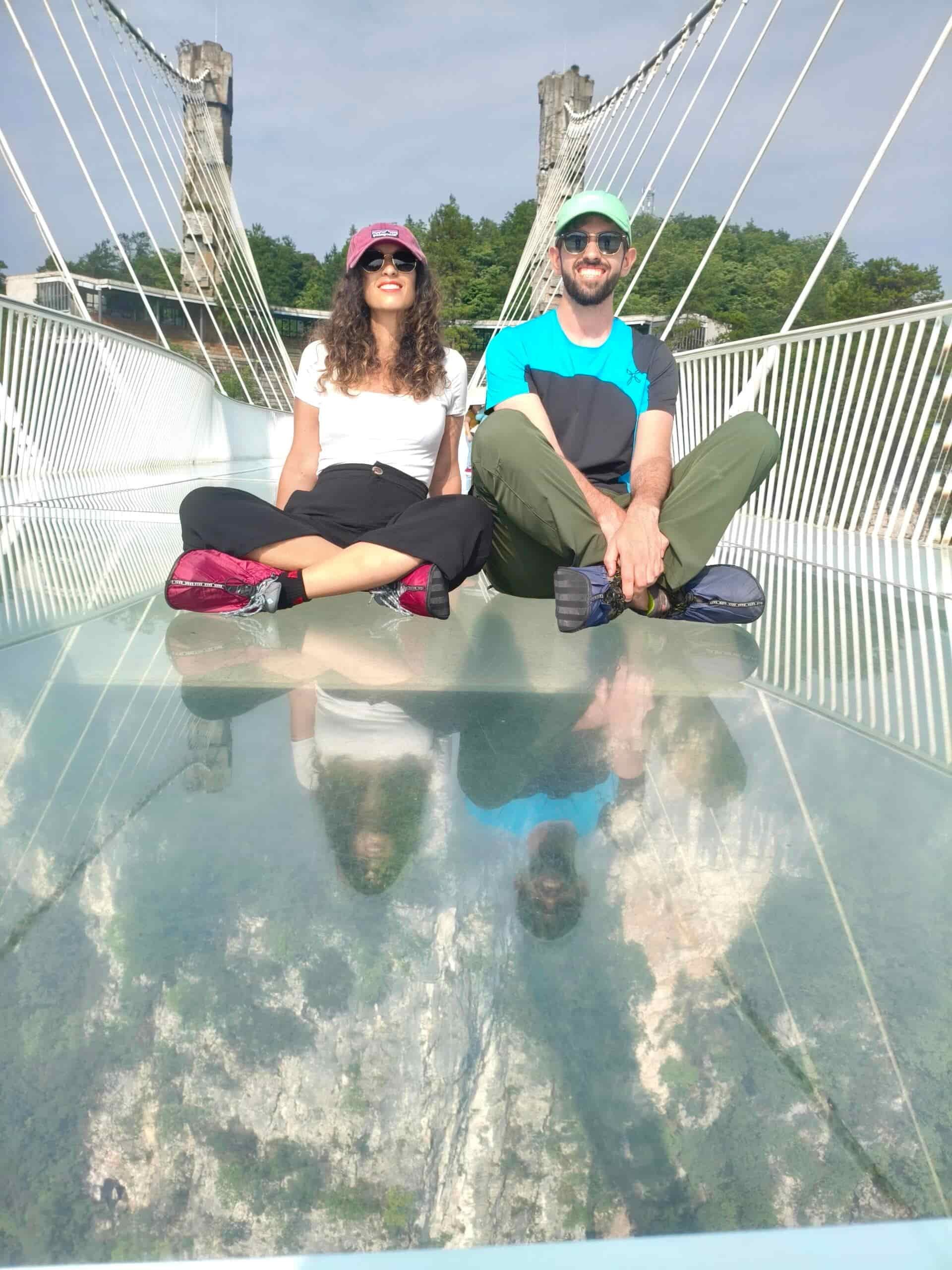
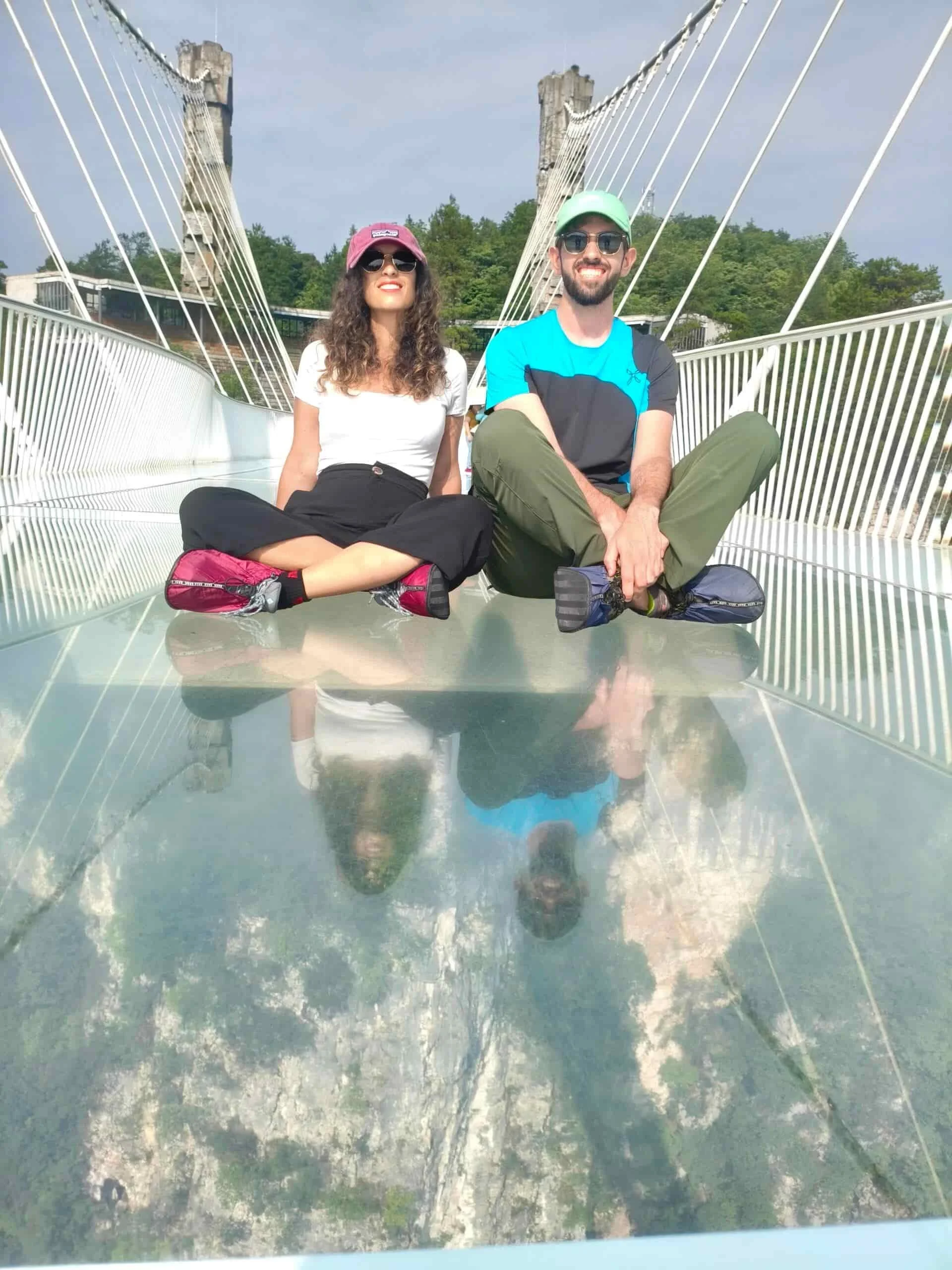
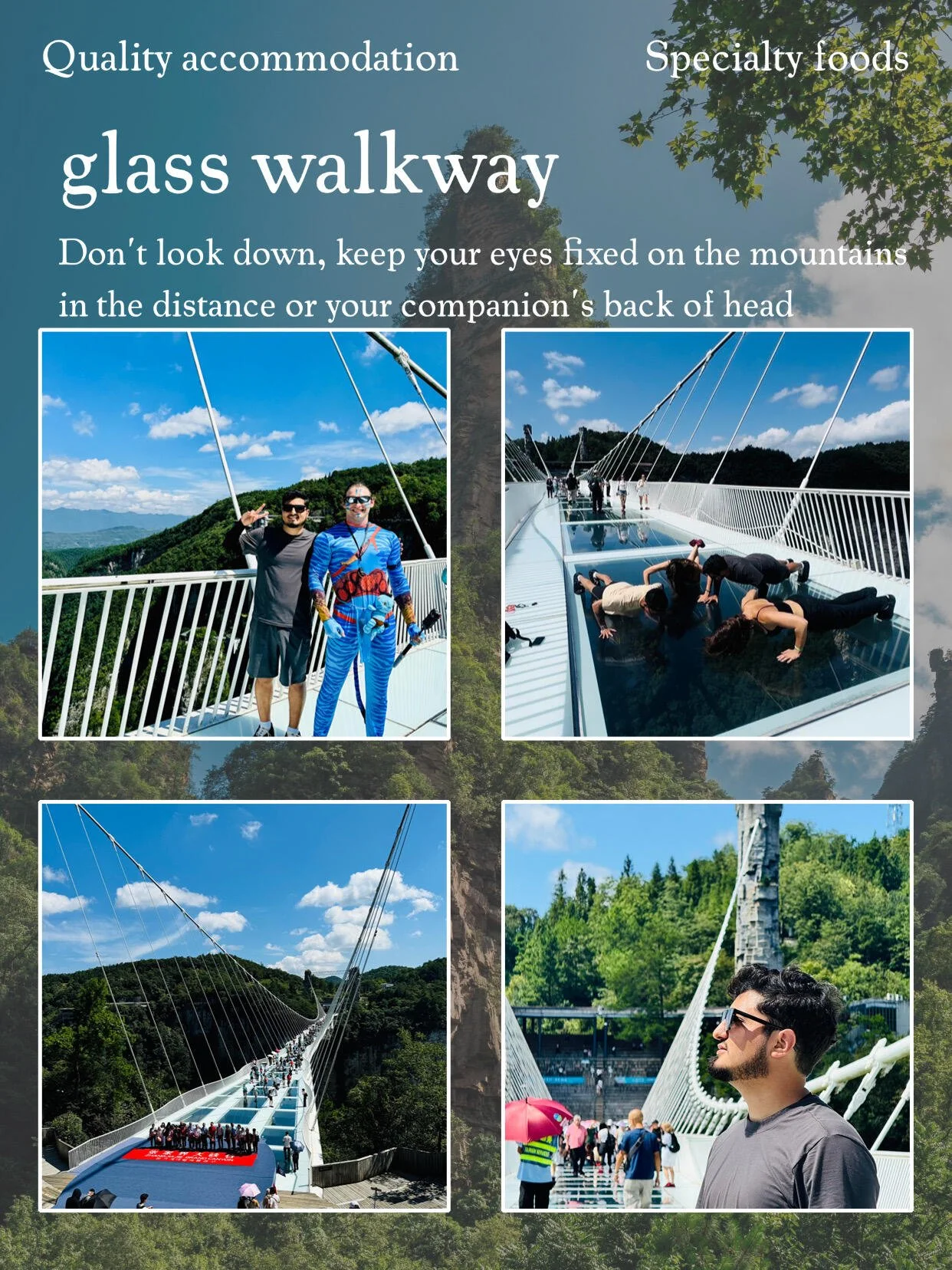
A 40-minute drive from Zhangjiajie city to the Zhangjiajie Grand Canyon. The bridge: 430 meters long, 6 meters wide, 300 meters above the canyon floor. When it opened in 2016, it set GUINNESS WORLD RECORDS for the world's longest and highest glass-bottom bridge. The architect, Haim Dotan, designed it to be "invisible" — the glass and structure blend with the sky and canyon so that, from a distance, it looks like a white thread floating in the air.
Walking across: The first few steps are the hardest. Then you realize the glass is 6cm thick (3 layers of tempered glass) and can hold 800 people at once. You're safe. The views down are breathtaking — the emerald canyon floor 300 meters below, the river a thin ribbon.
After crossing, descend into the canyon on a well-paved trail. Waterfalls cascade down the canyon walls. At the bottom: a boat ride across the emerald lake, then a short walk to the exit.
Lunch (12:00 – 1:00 PM): At a local restaurant near the canyon. Try cured pork with dried beans (腊猪肉炖干豆角) — a Tujia mountain dish that's rich, smoky, and perfect after a morning of adventure.
Afternoon: Tianmen Mountain (天门山) — 1:30 PM – 4:30 PM
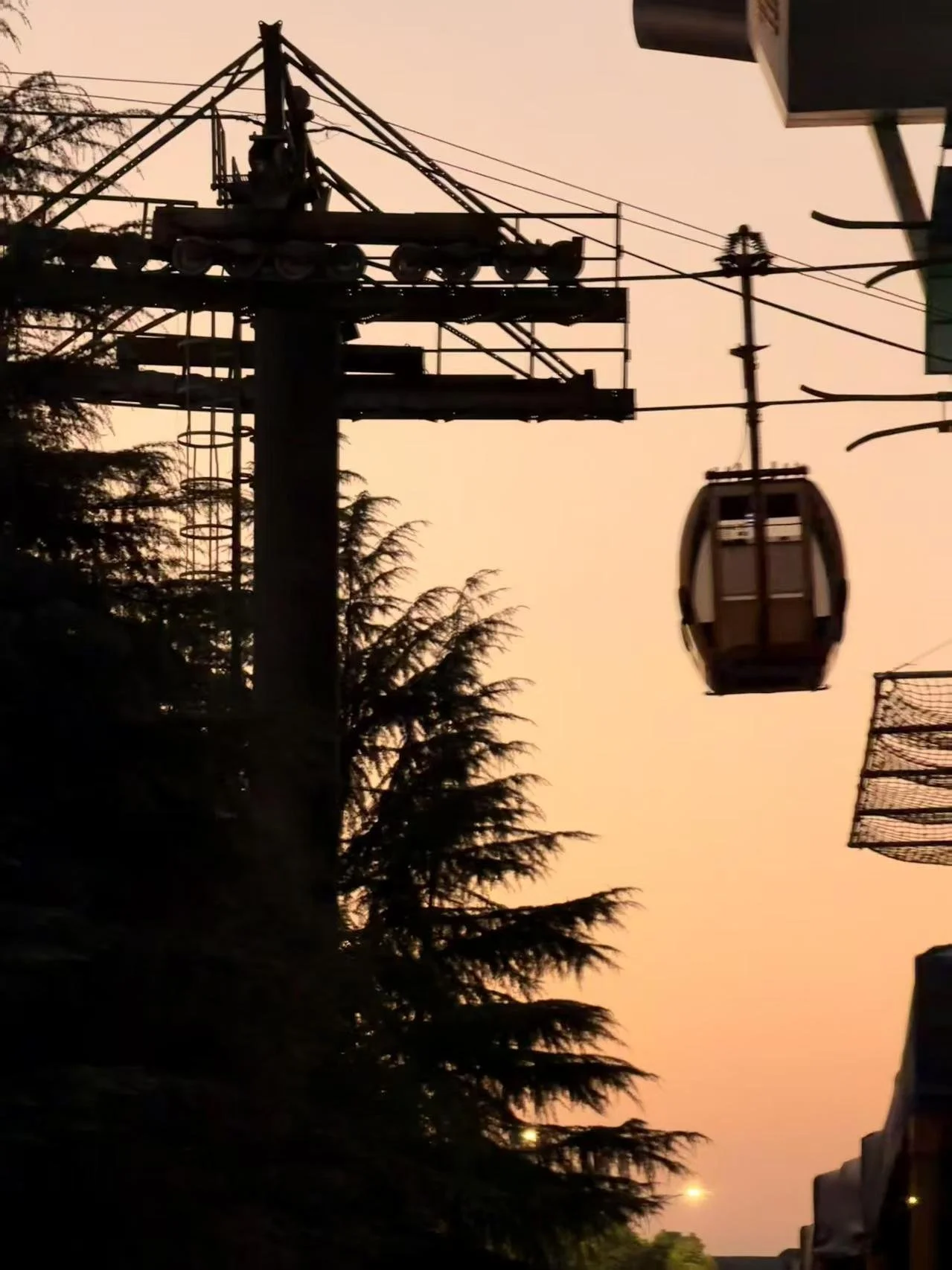
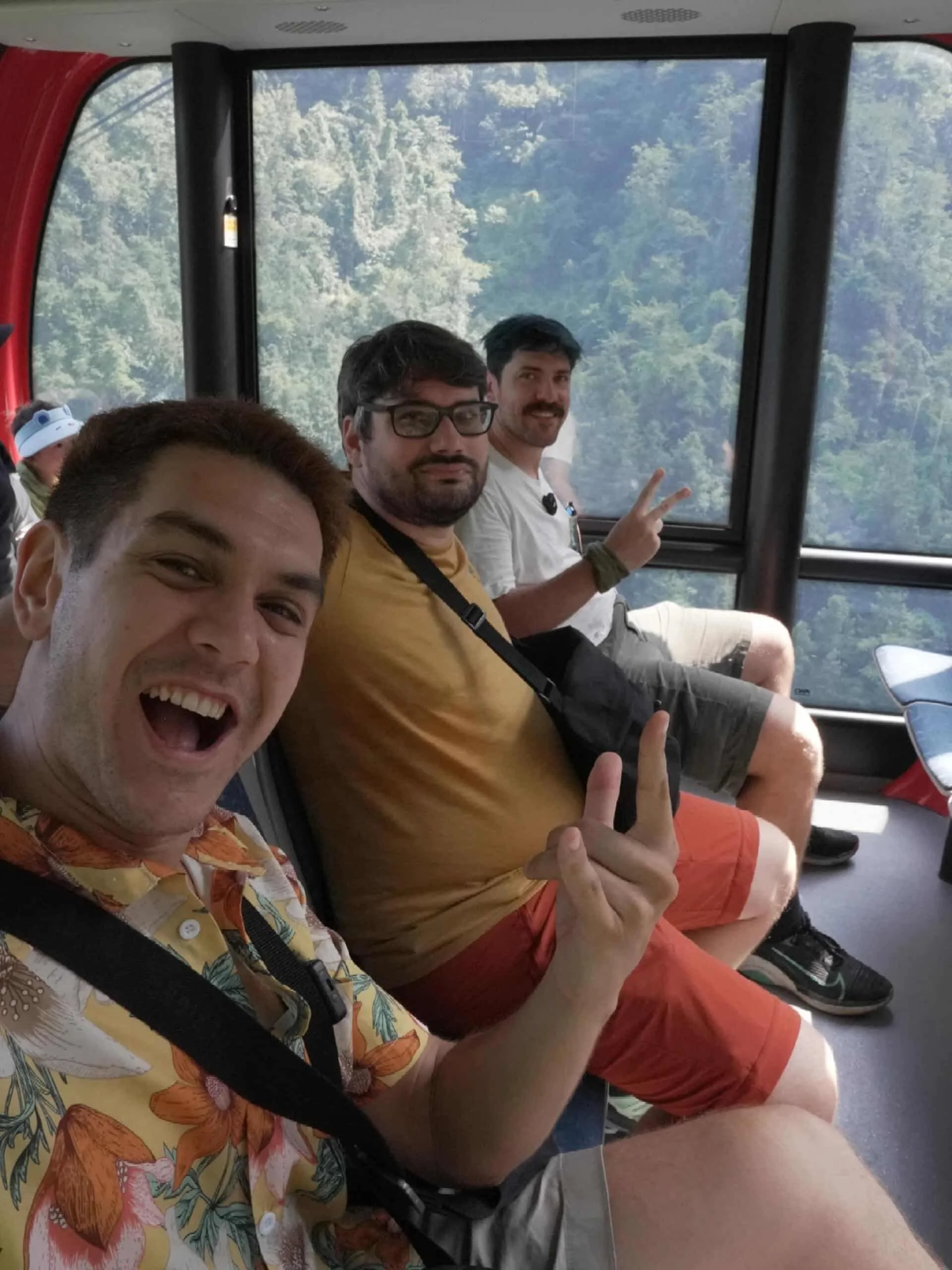
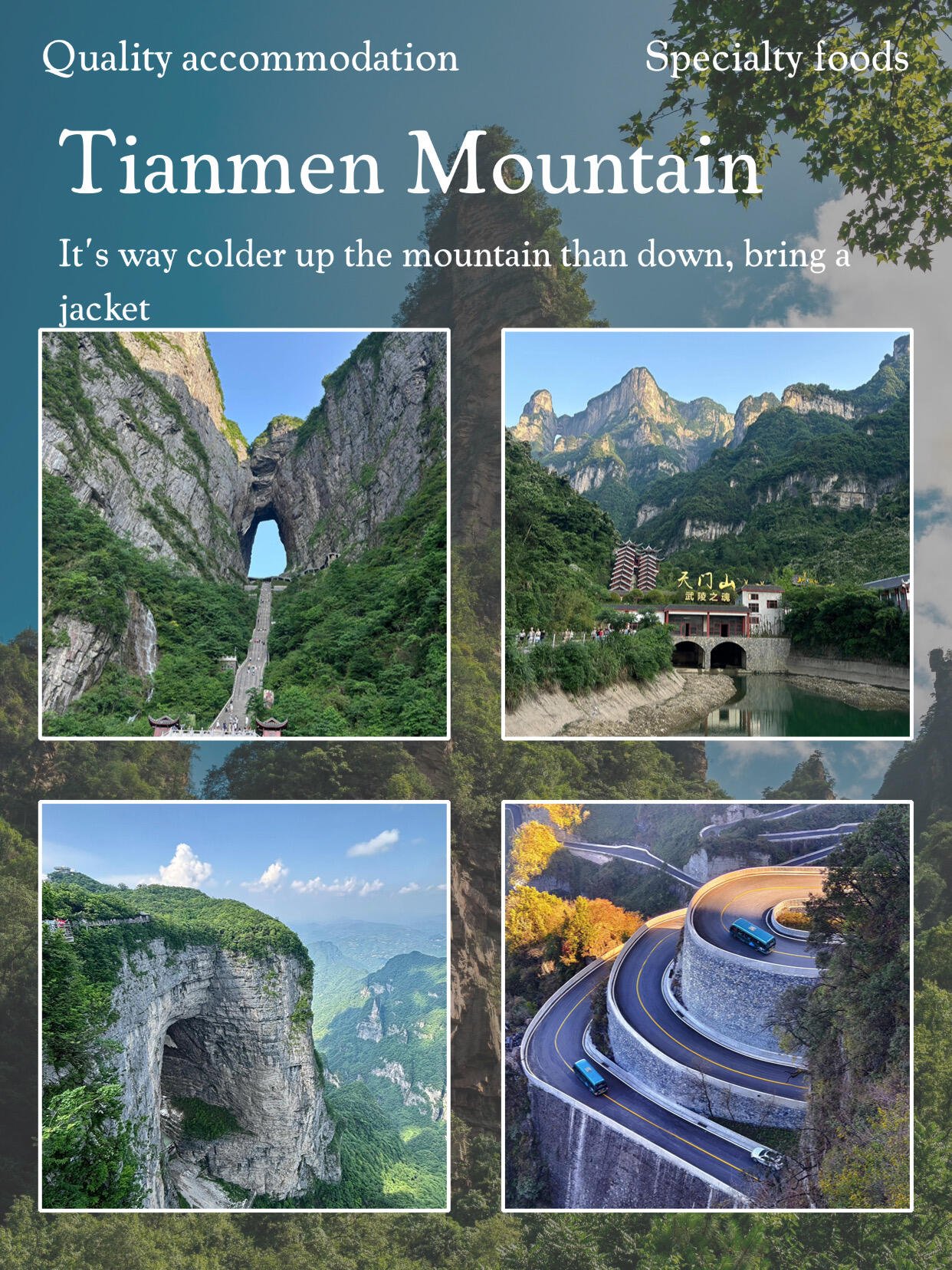
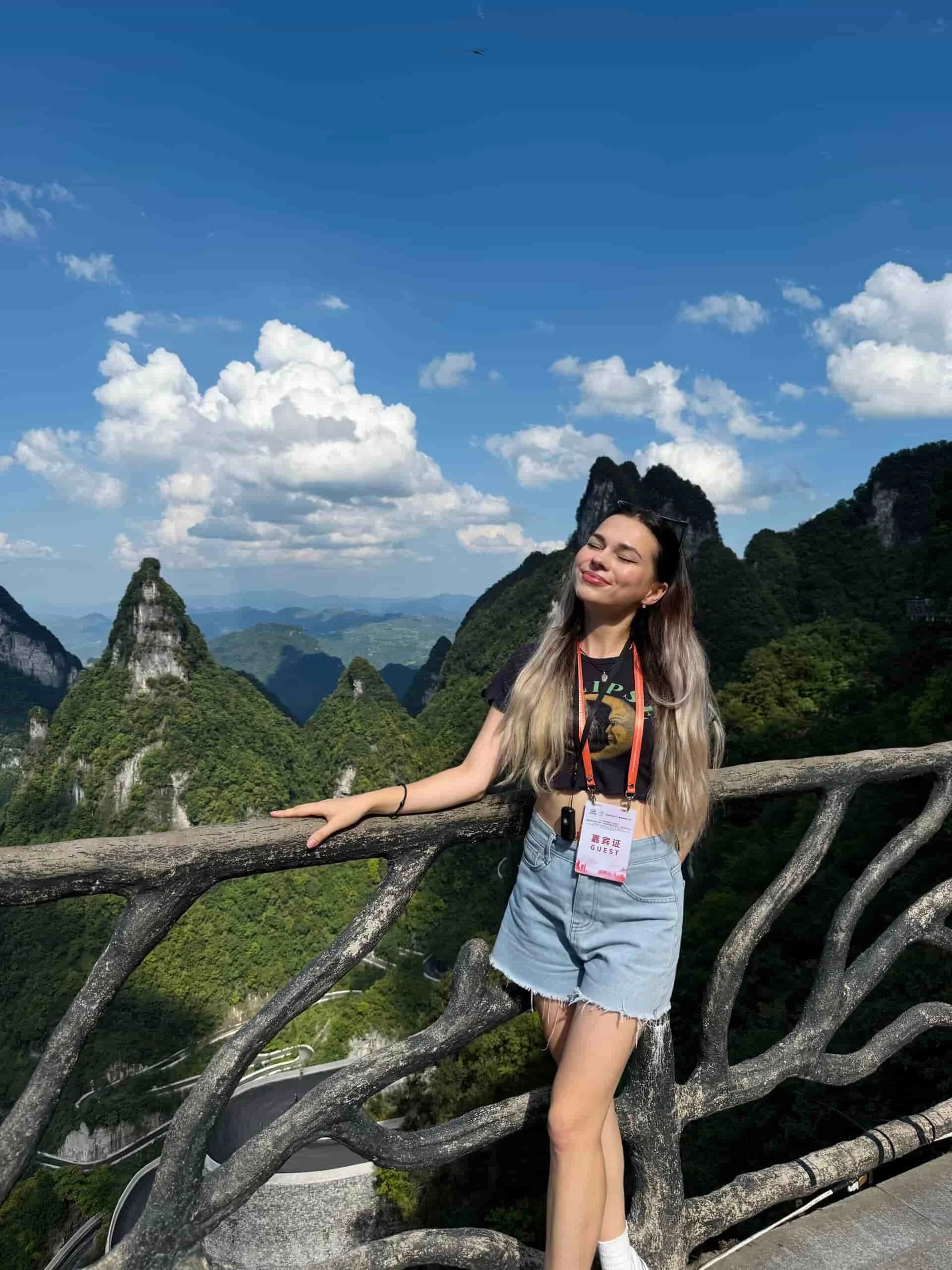
The Tianmen Mountain experience is unlike anything else in China. Begin with the 7.5-kilometer cable car from downtown Zhangjiajie — the world's longest mountain cable car, taking 30 minutes to climb 1,300 vertical meters. The city shrinks below you; the mountain grows above.
At the summit, choose your own adventure:
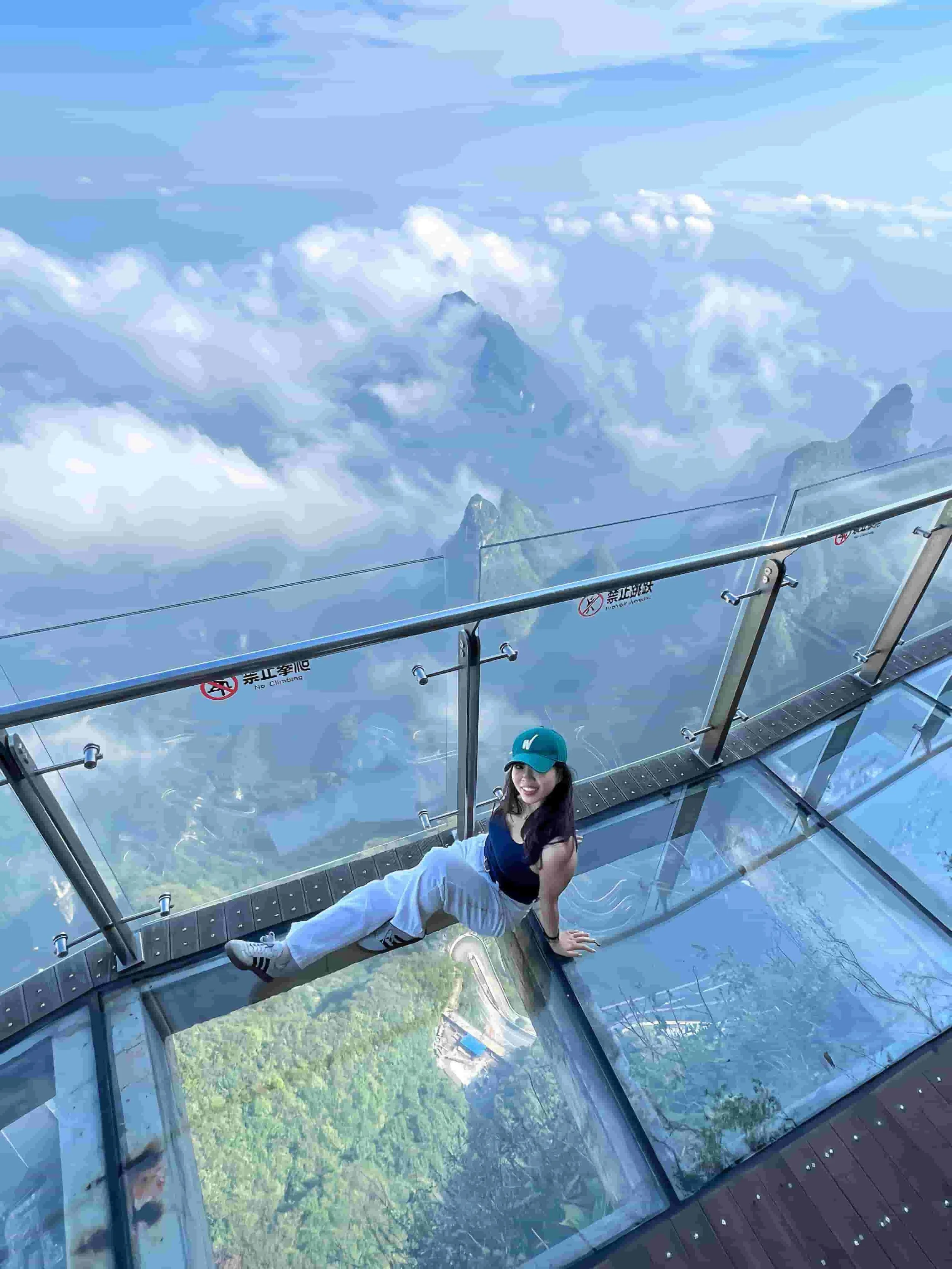
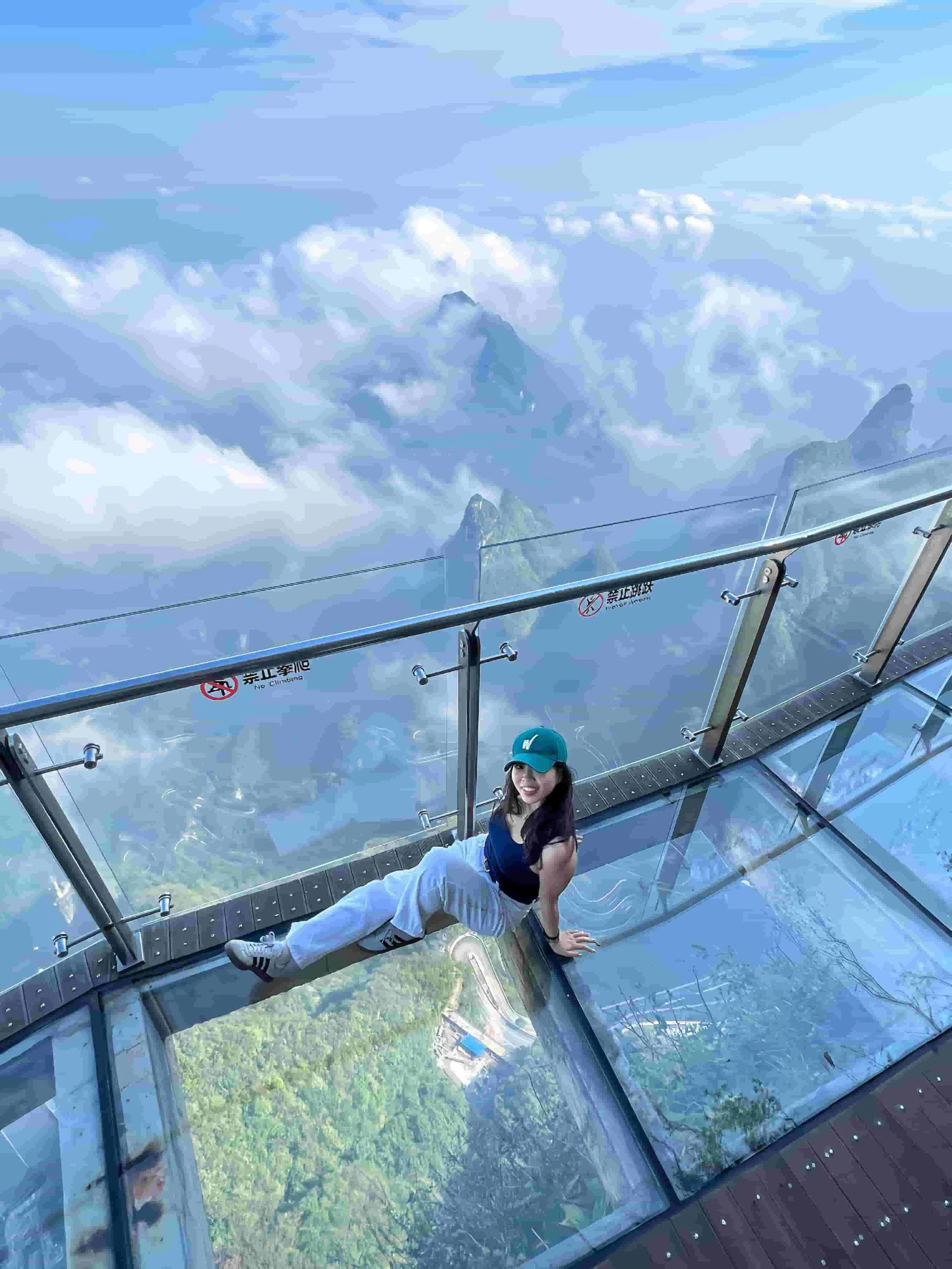
The East Line (Glass Skywalk & Buddha Peak): Walk the Glass Skywalk (玻璃栈道) — a 60-meter glass-floor section along a cliff edge, 1,430 meters above sea level. Shoe covers provided — the glass stays clean for photos. Continue to Yuhu Peak (玉壶峰) for panoramic views of the city and the winding 99 Bends Road below.
The West Line (Guigu Stalks & Guanyin Peak): The Guigu Stalks (鬼谷栈道) is a narrow plank walk built into a vertical cliff face. No glass floor — just a metal rail and a 1,000+ meter drop. It's safer than it looks but more thrilling than the glass walk. Continue to Guanyin Peak for a view of the Heaven's Gate arch from above.
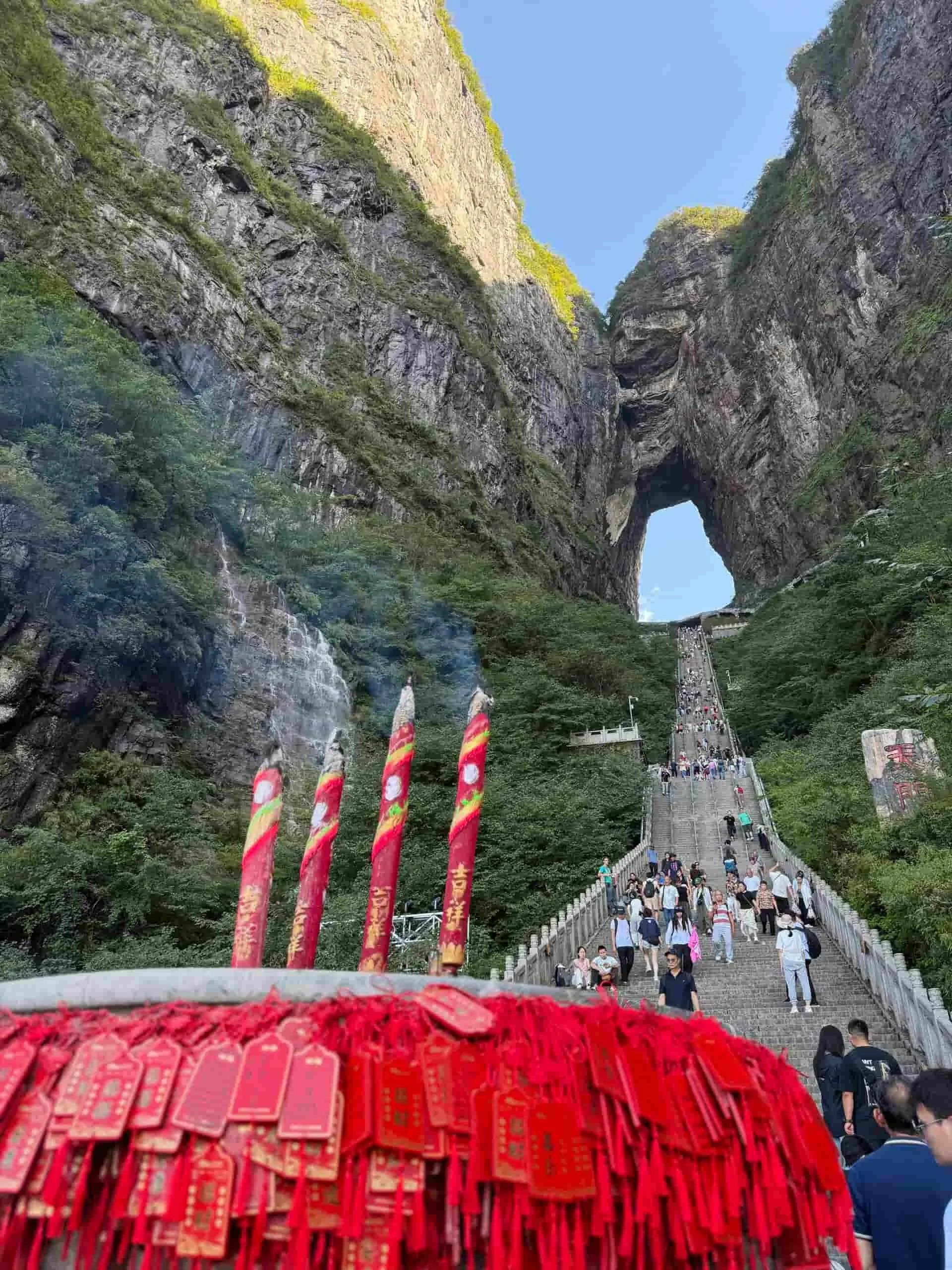
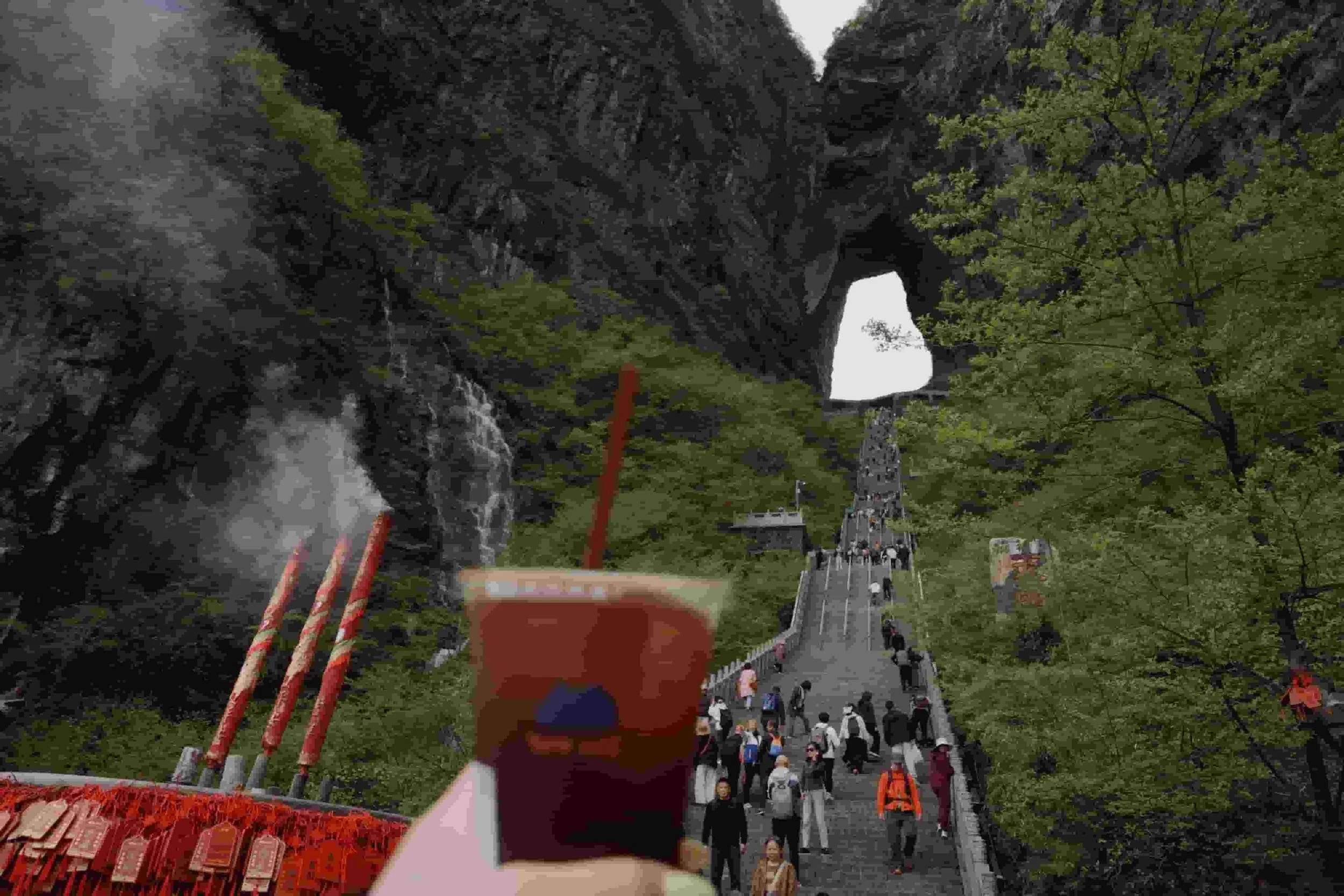
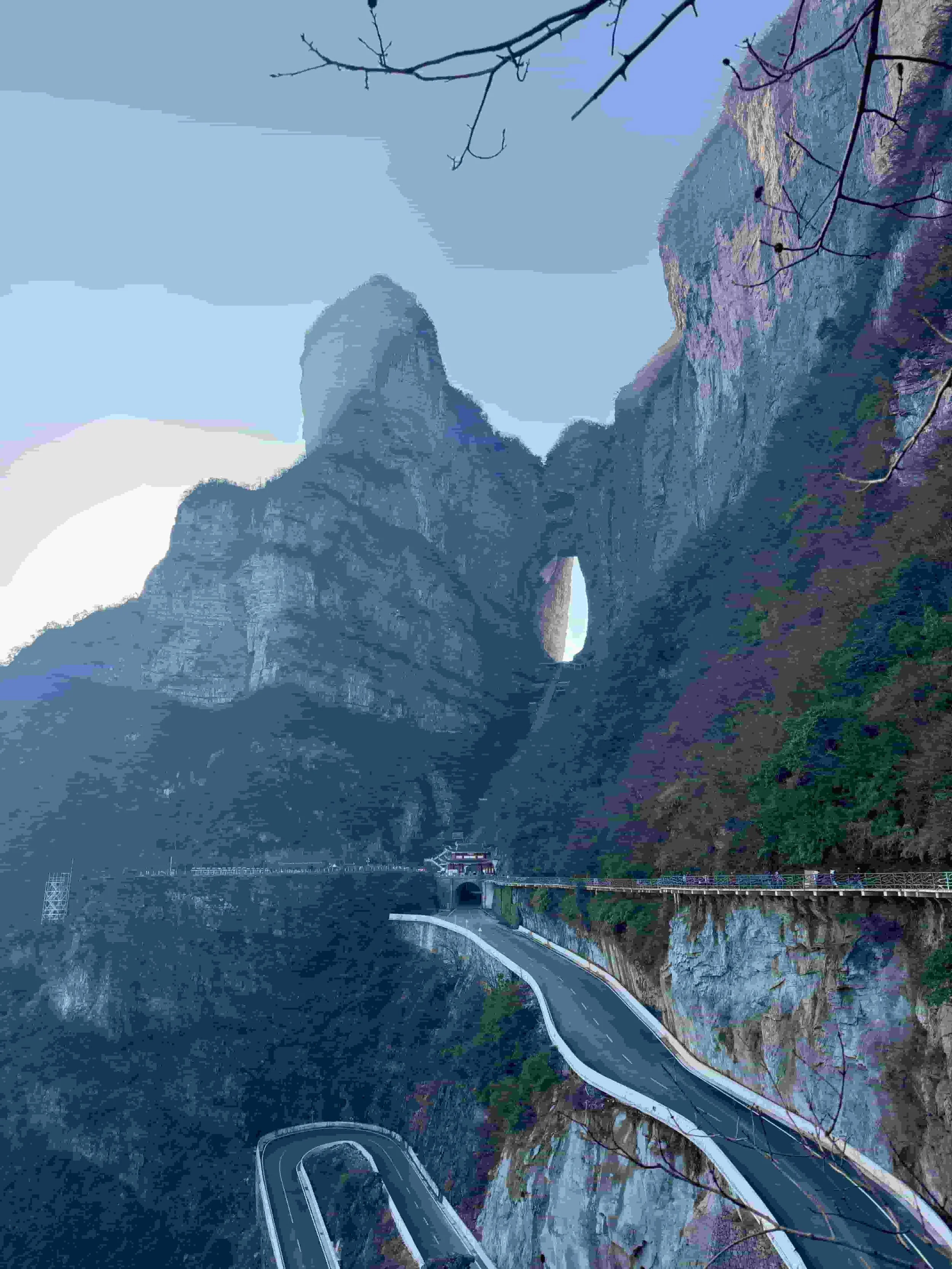
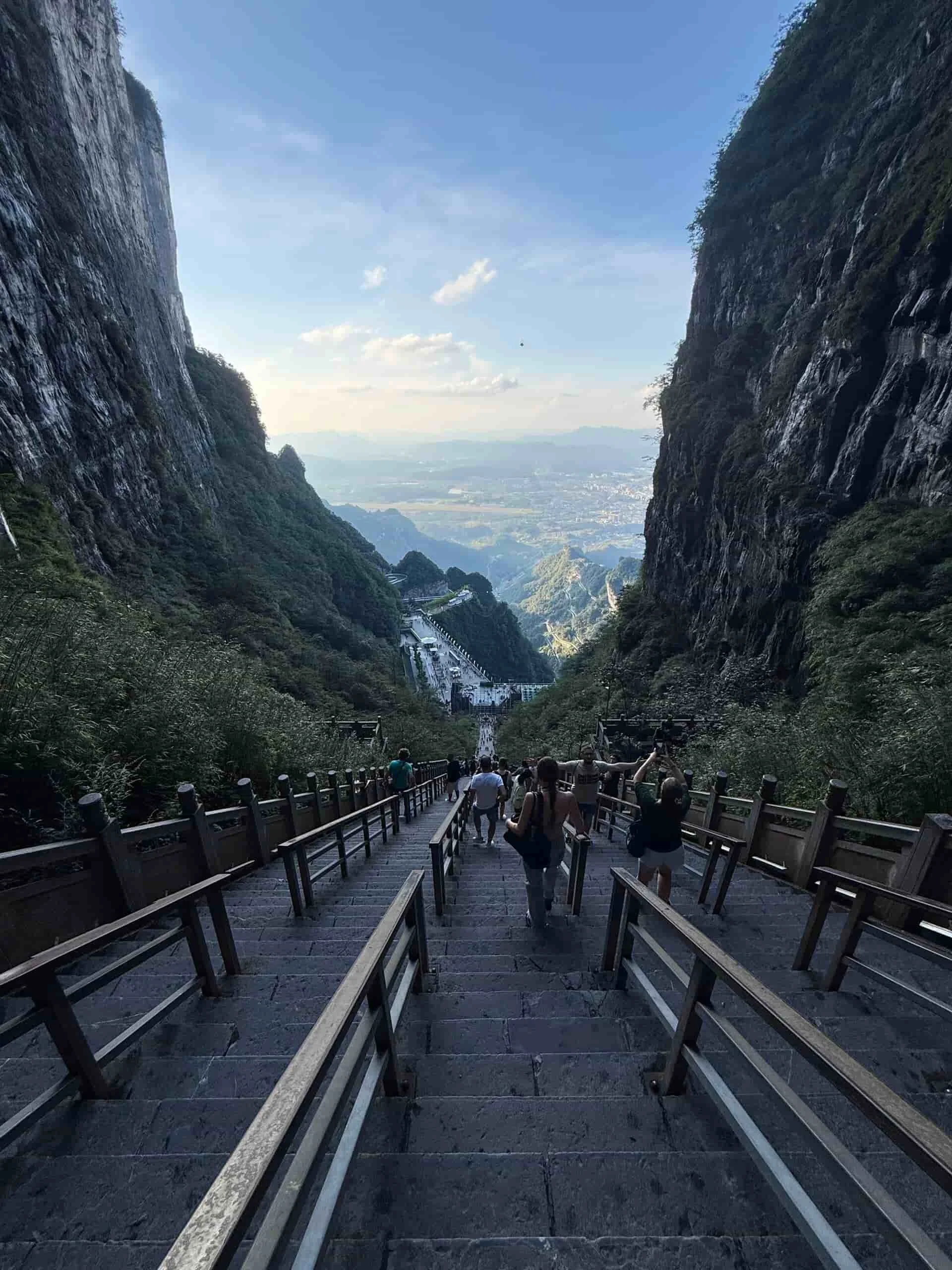
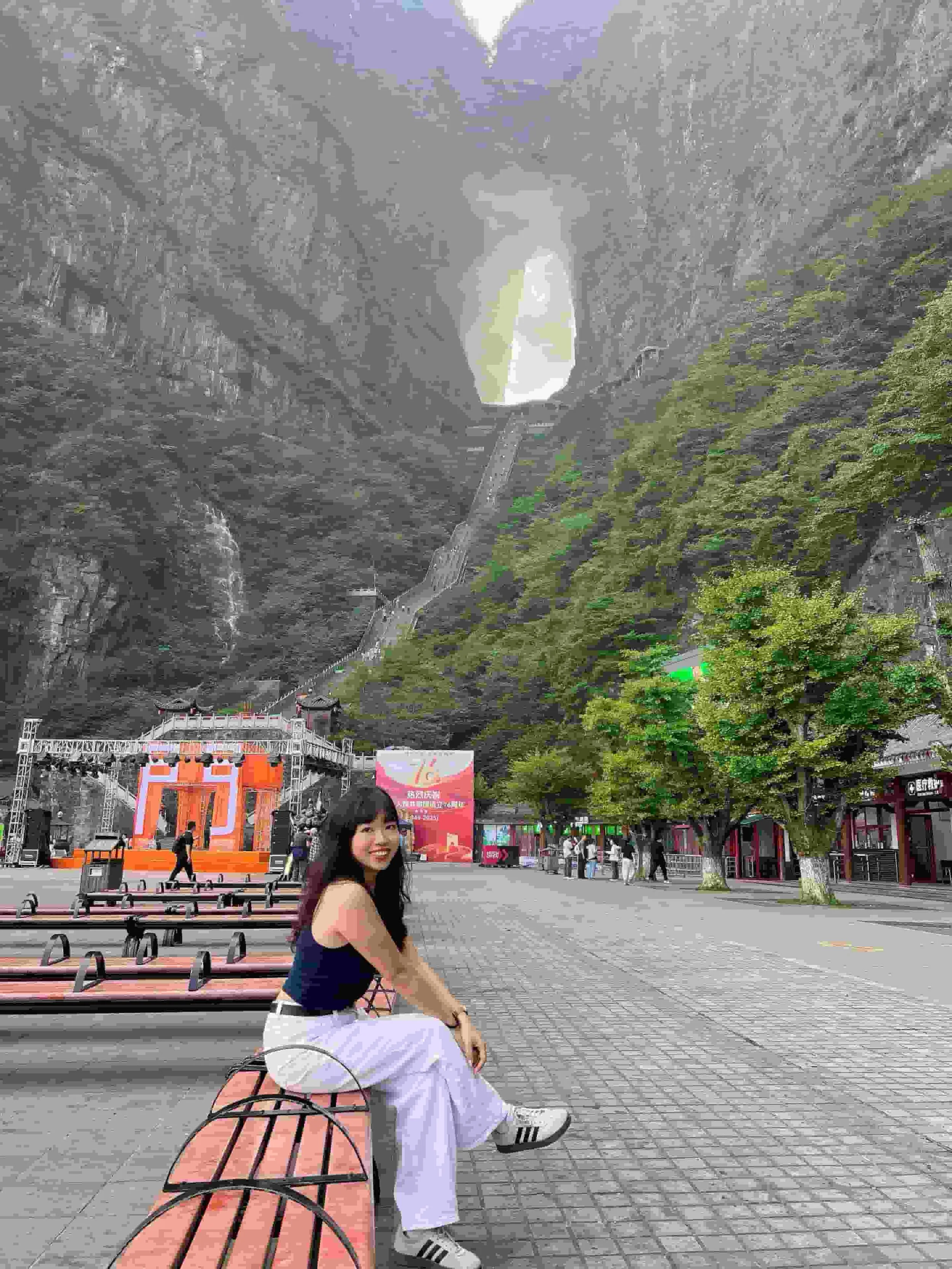
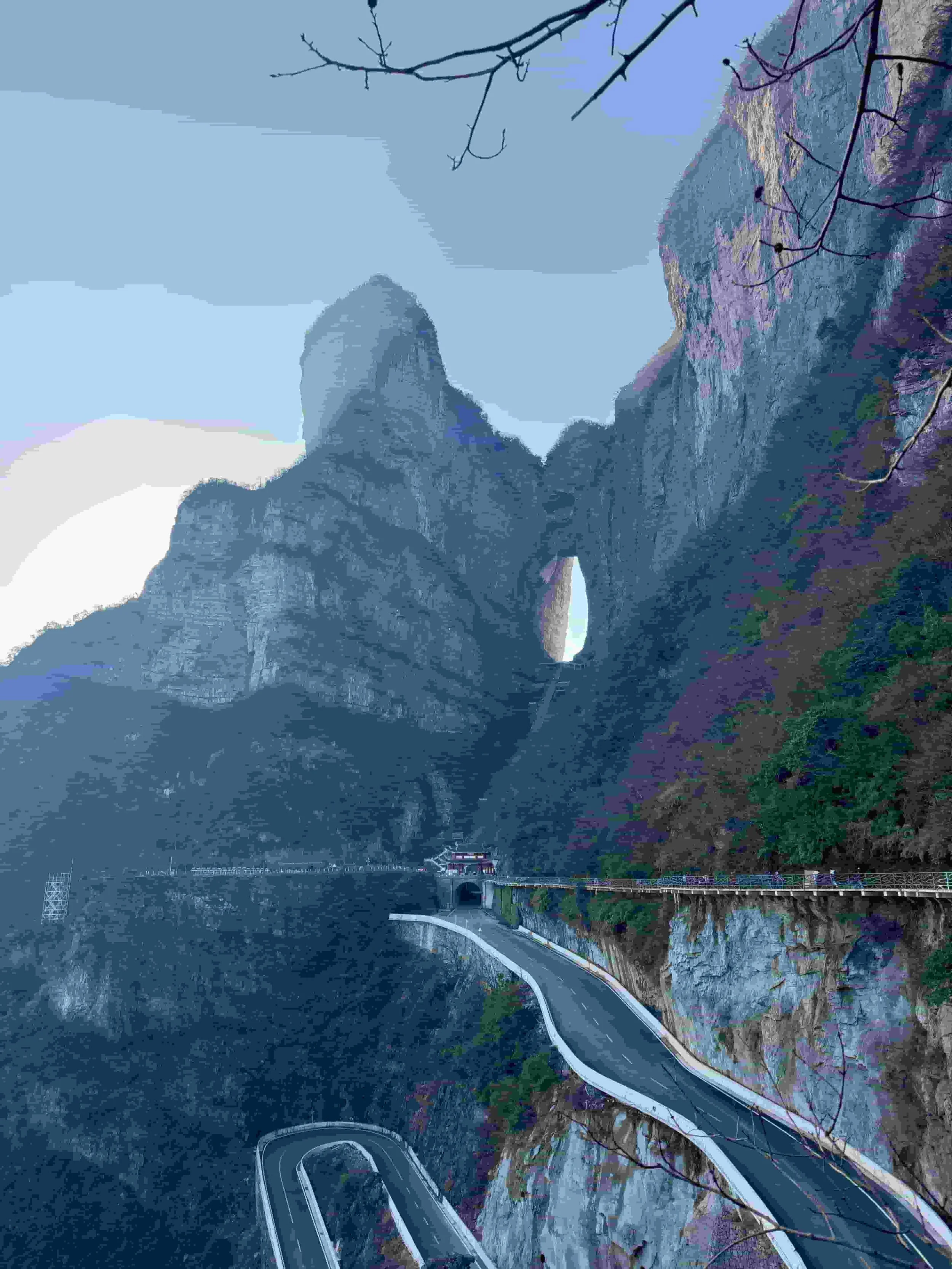
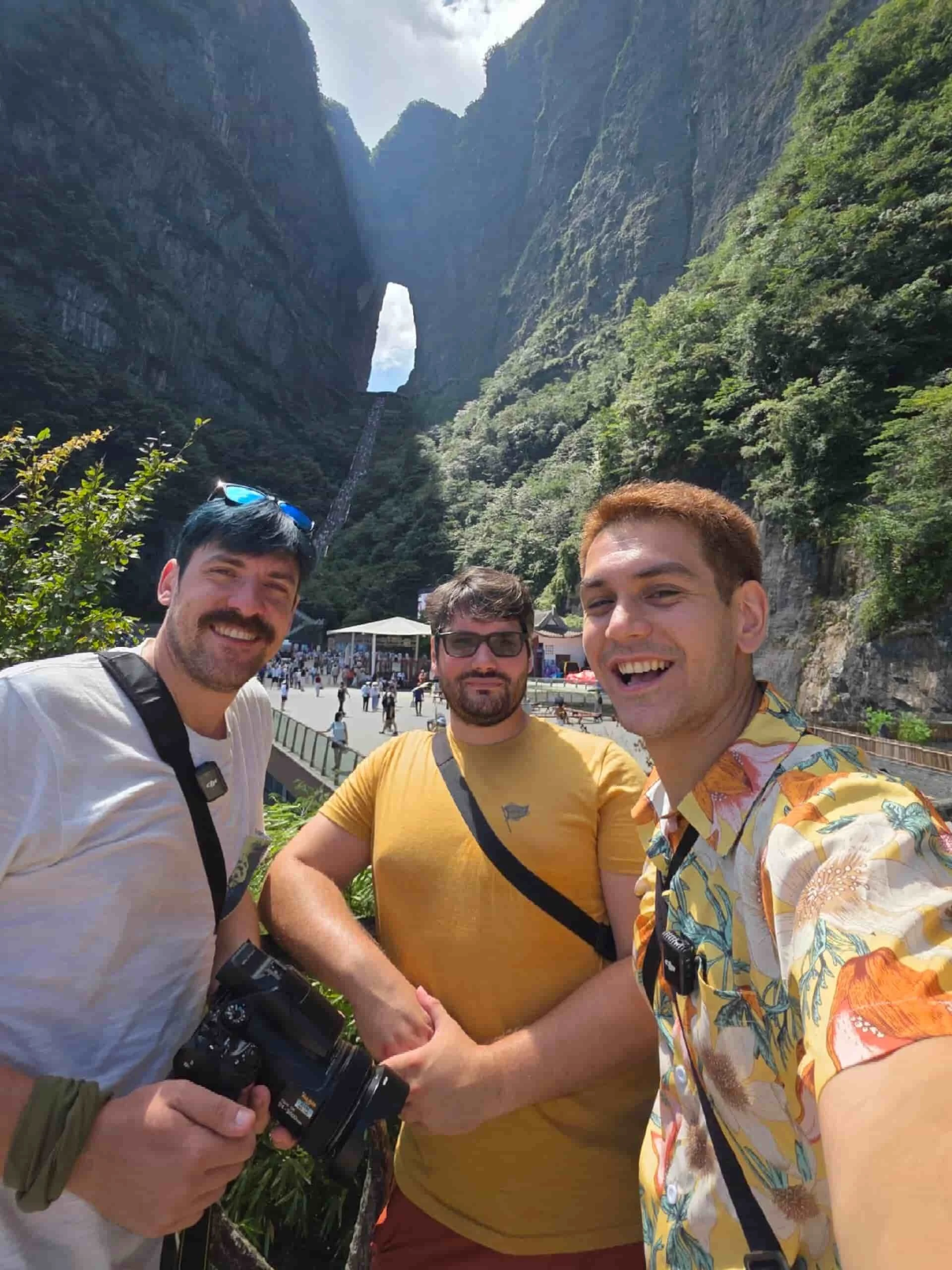
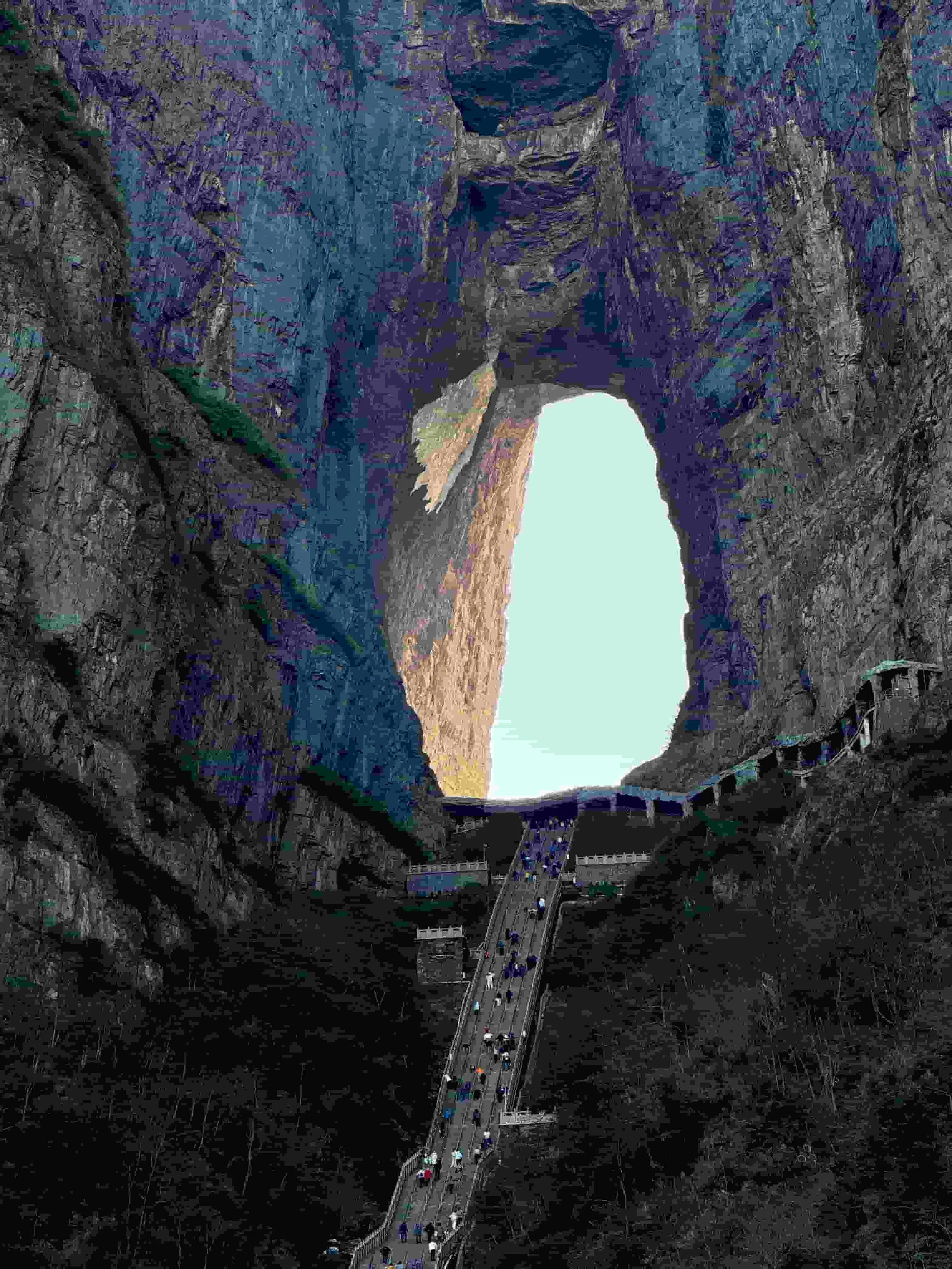
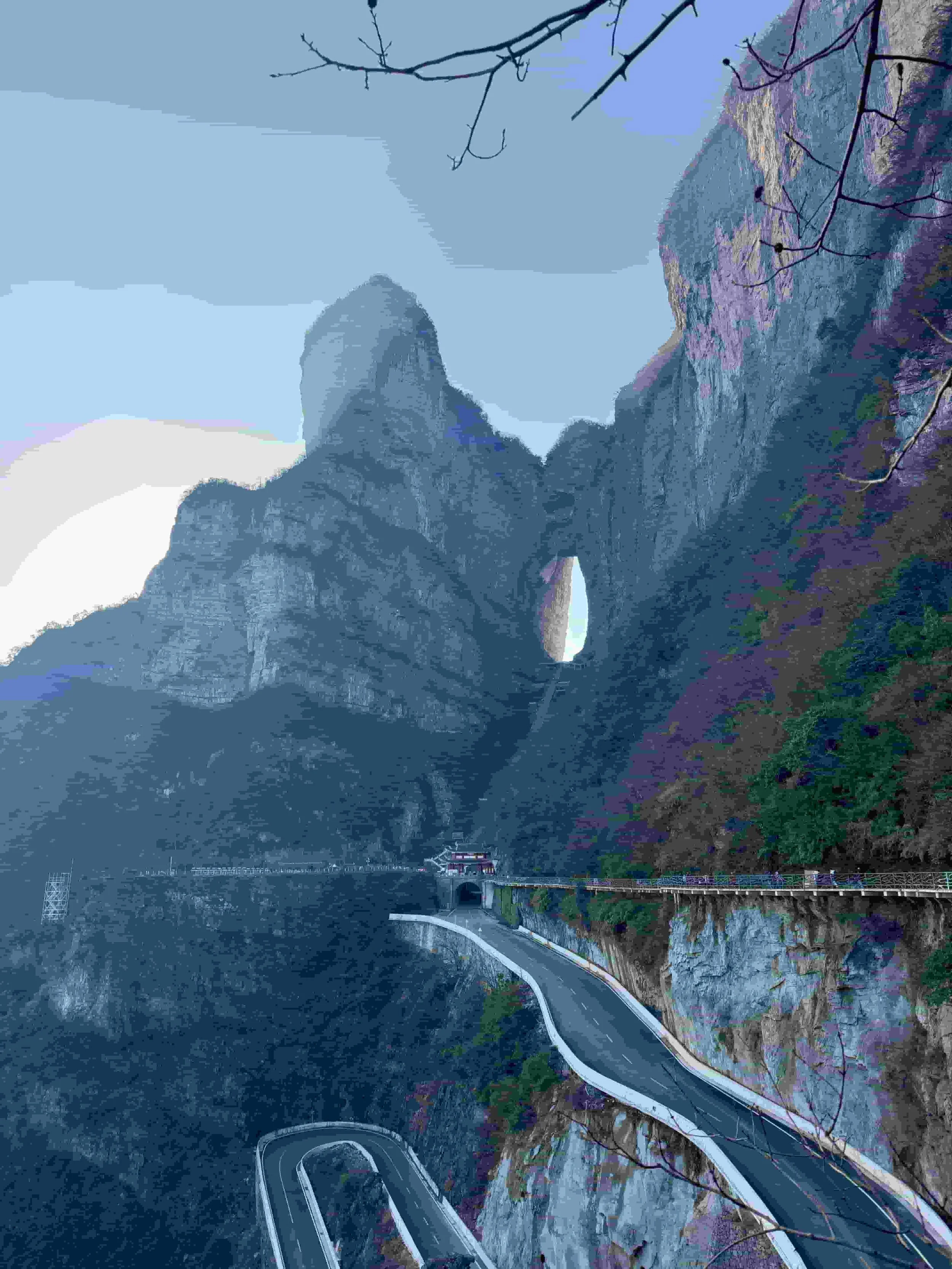
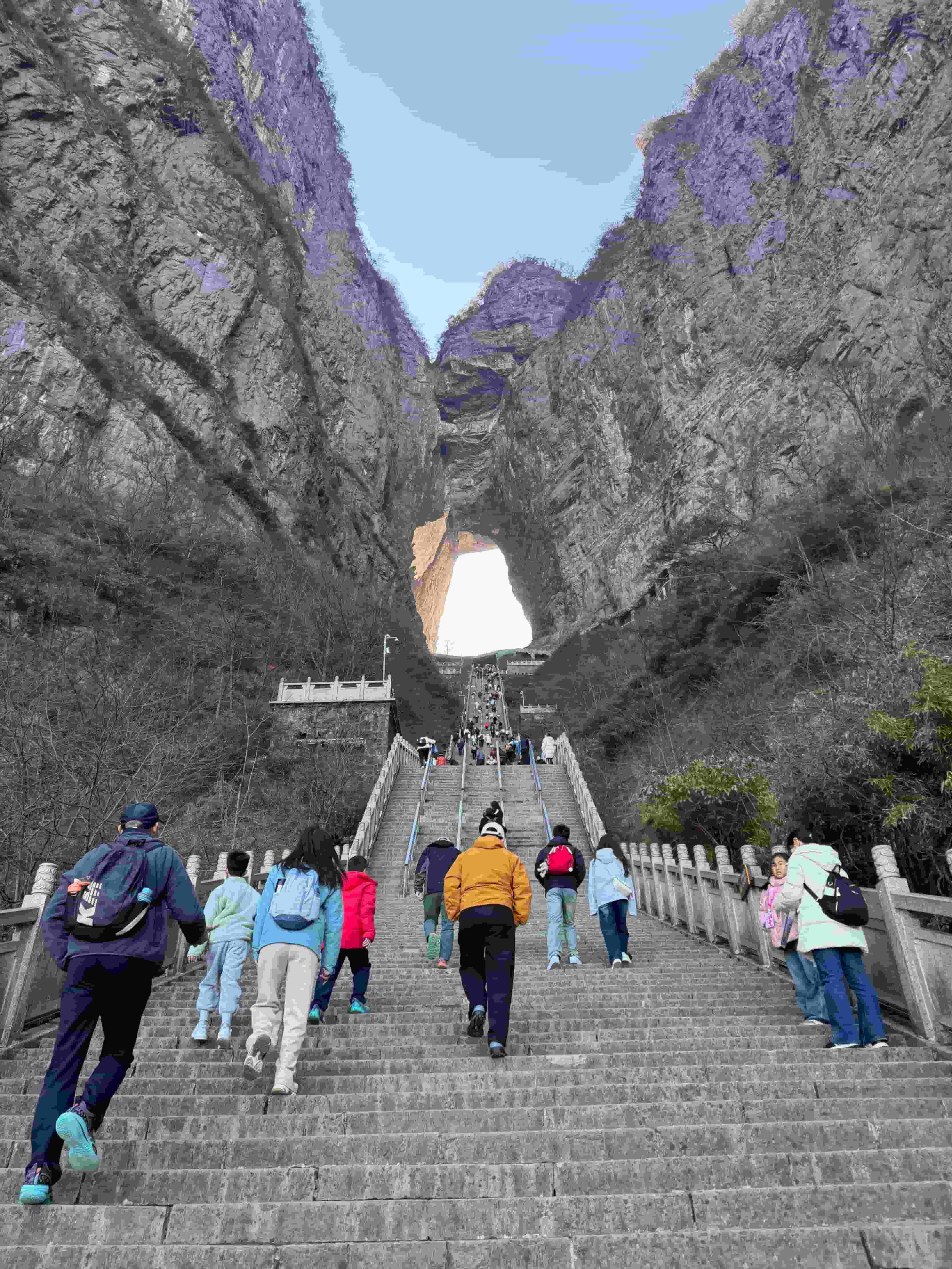
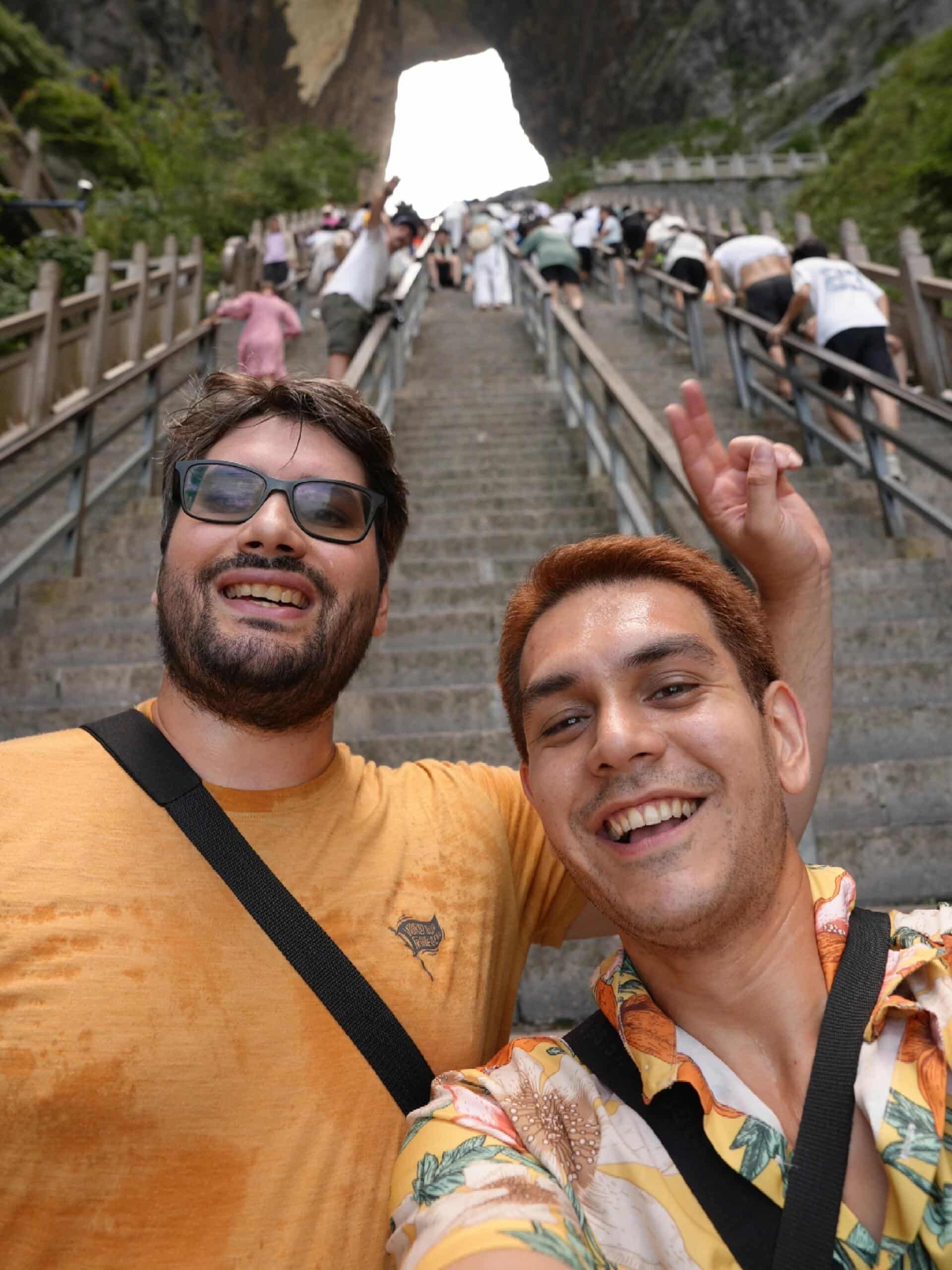
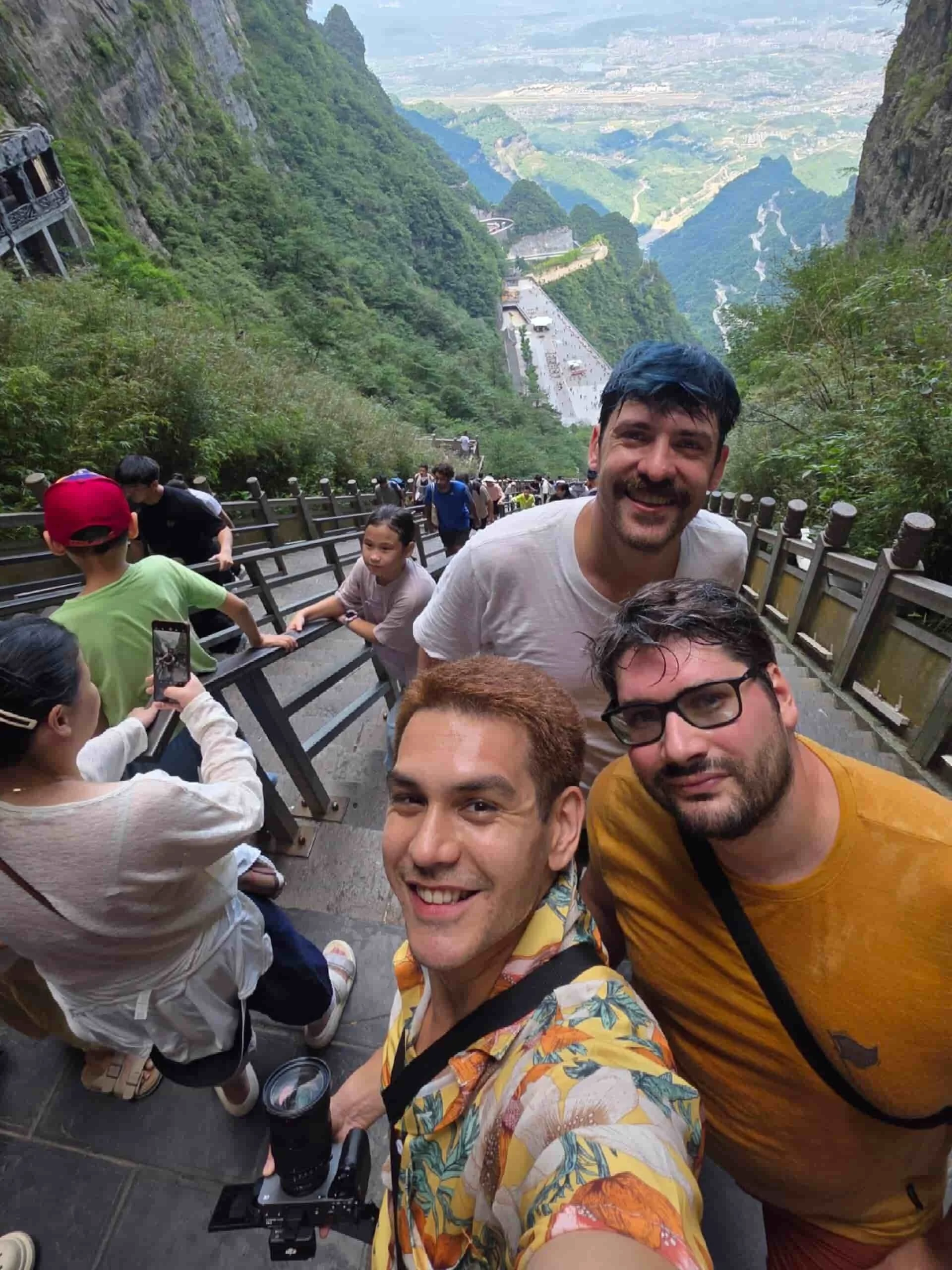
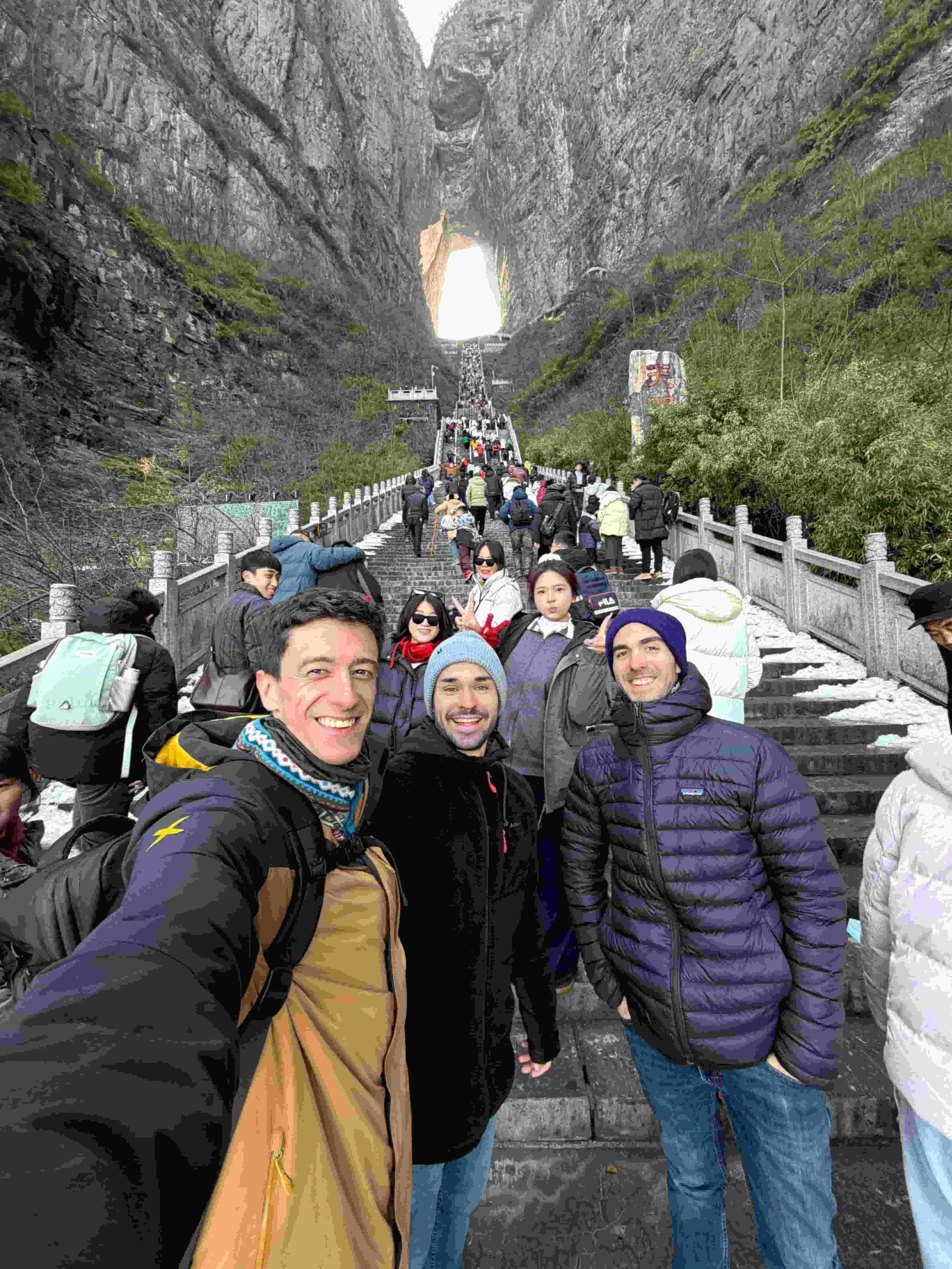
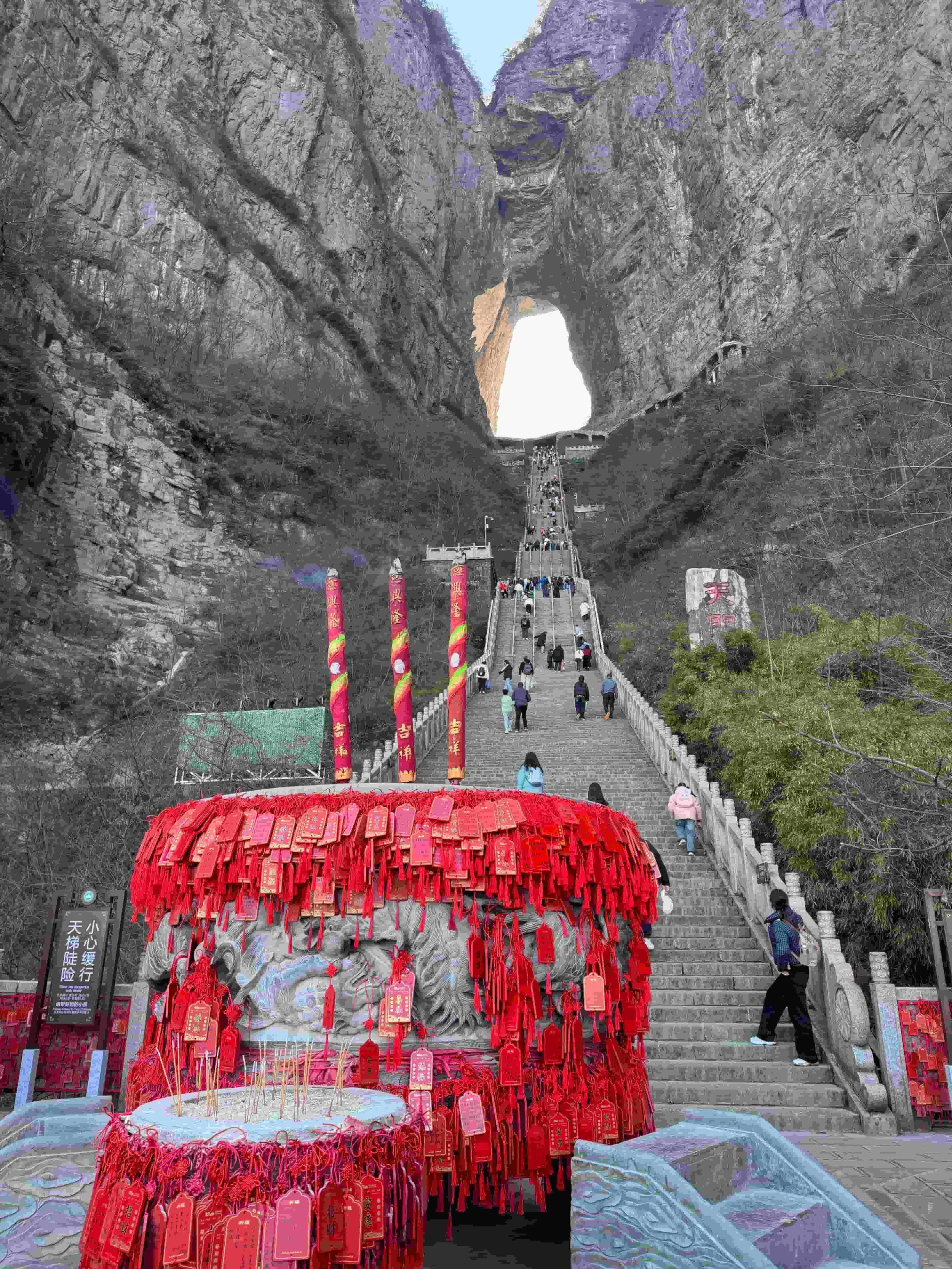
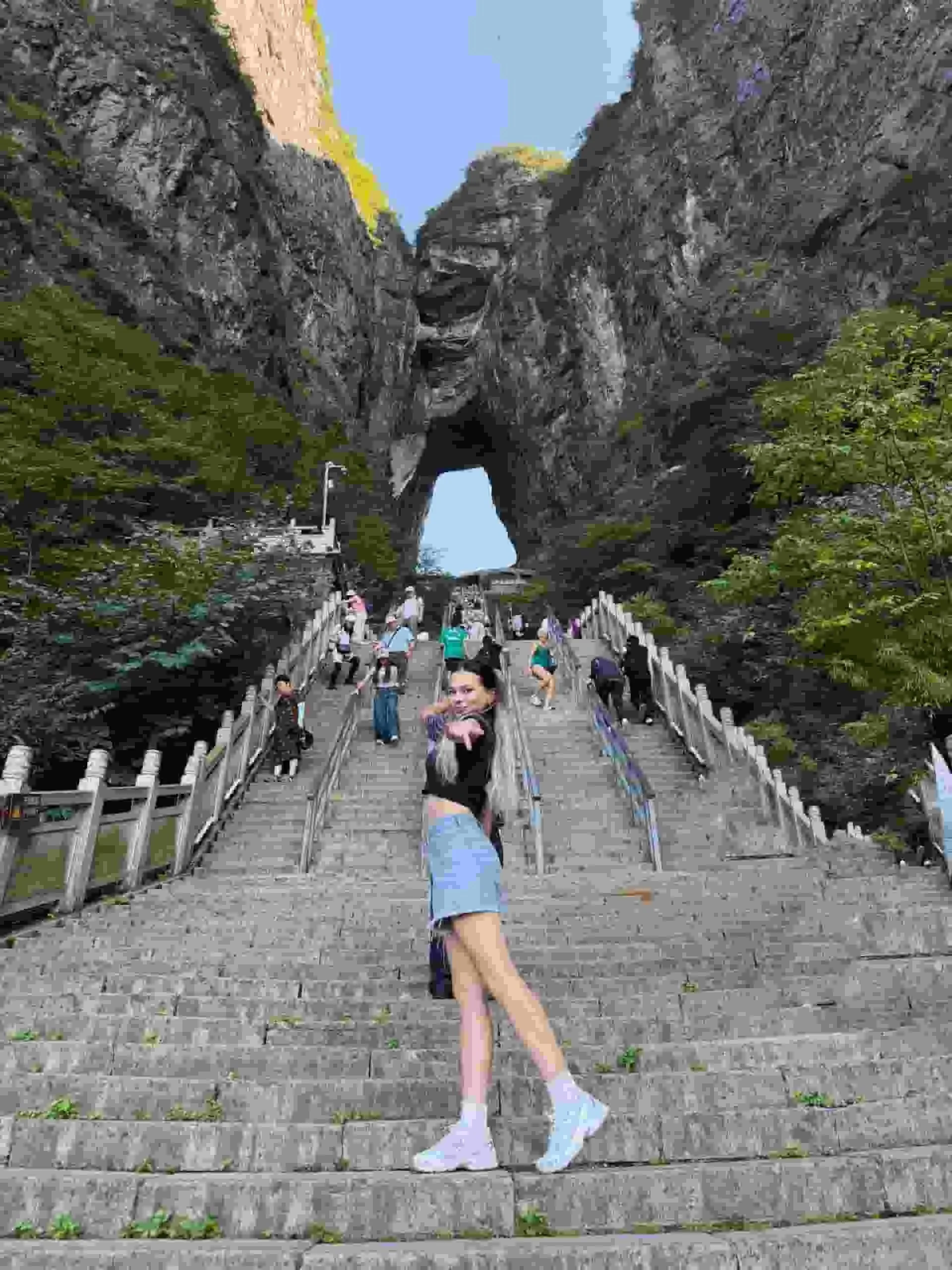
The Heaven's Gate Challenge: Descend via the world-famous 999 Steps to the Heaven's Gate Cave (天门洞) — a natural limestone arch, 131.5 meters tall and 57 meters wide, formed by a cliff collapse 2,200 years ago. Emperors throughout Chinese history performed rituals here to commune with heaven. Climbing the 999 steps is a pilgrimage; the escalator (extra fee, ¥32) is an option — no judgment.
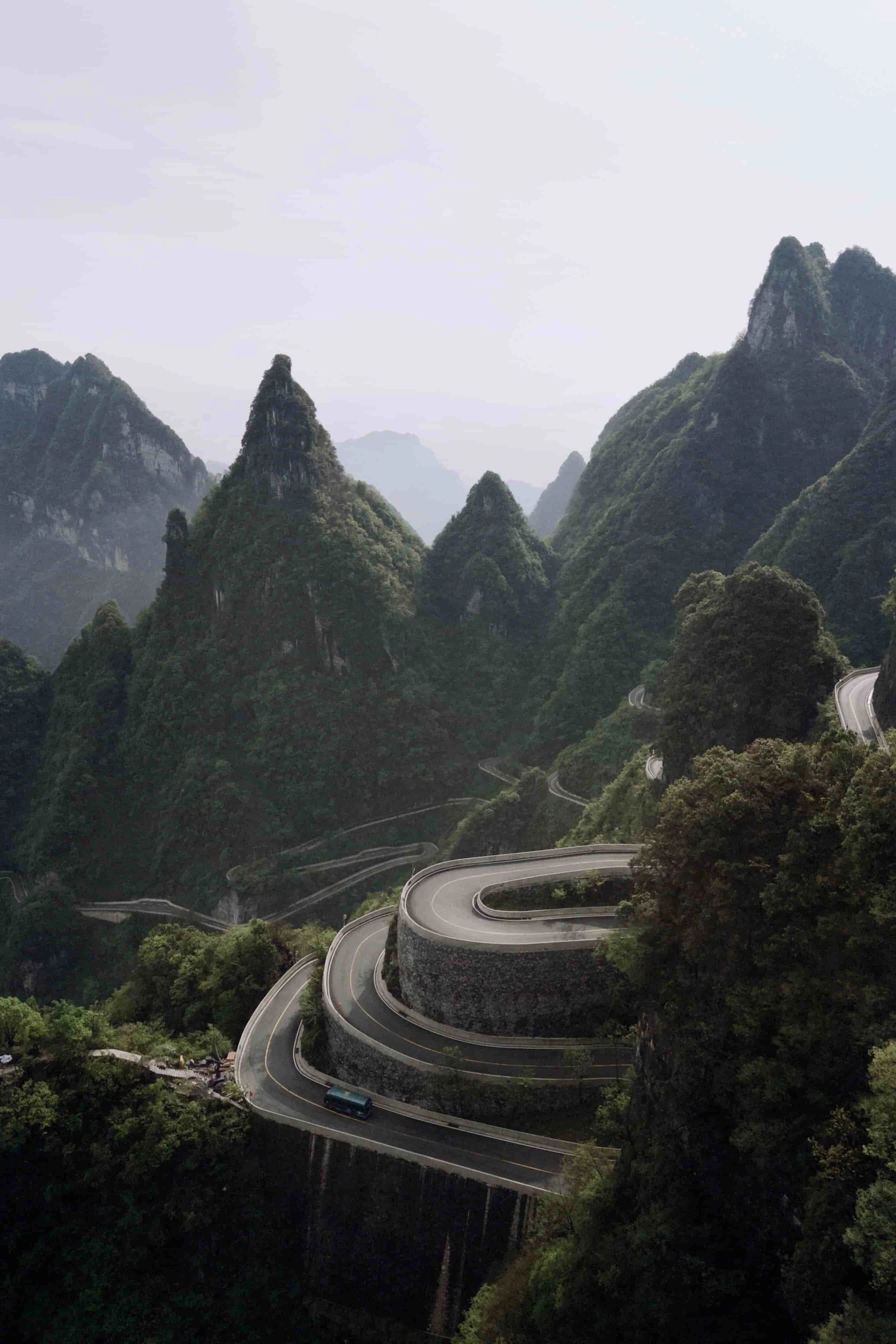
The drive down the 99 Bends Road (通天大道) — 99 hairpin turns in 11 kilometers — is an experience in itself. Your driver handles it with practiced ease.
5:00 PM: Your guide will transfer you to the airport, high-speed rail station, or your next destination. Tour ends.
What's Included
✅ All admission tickets (Forest Park 2-day pass, Tianmen Mountain, Glass Bridge)
✅ Bailong Elevator (one way up)
✅ Tianmen Mountain cable car (round-trip)
✅ Grand Canyon Glass Bridge ticket
✅ Private English-speaking guide (4 full days)
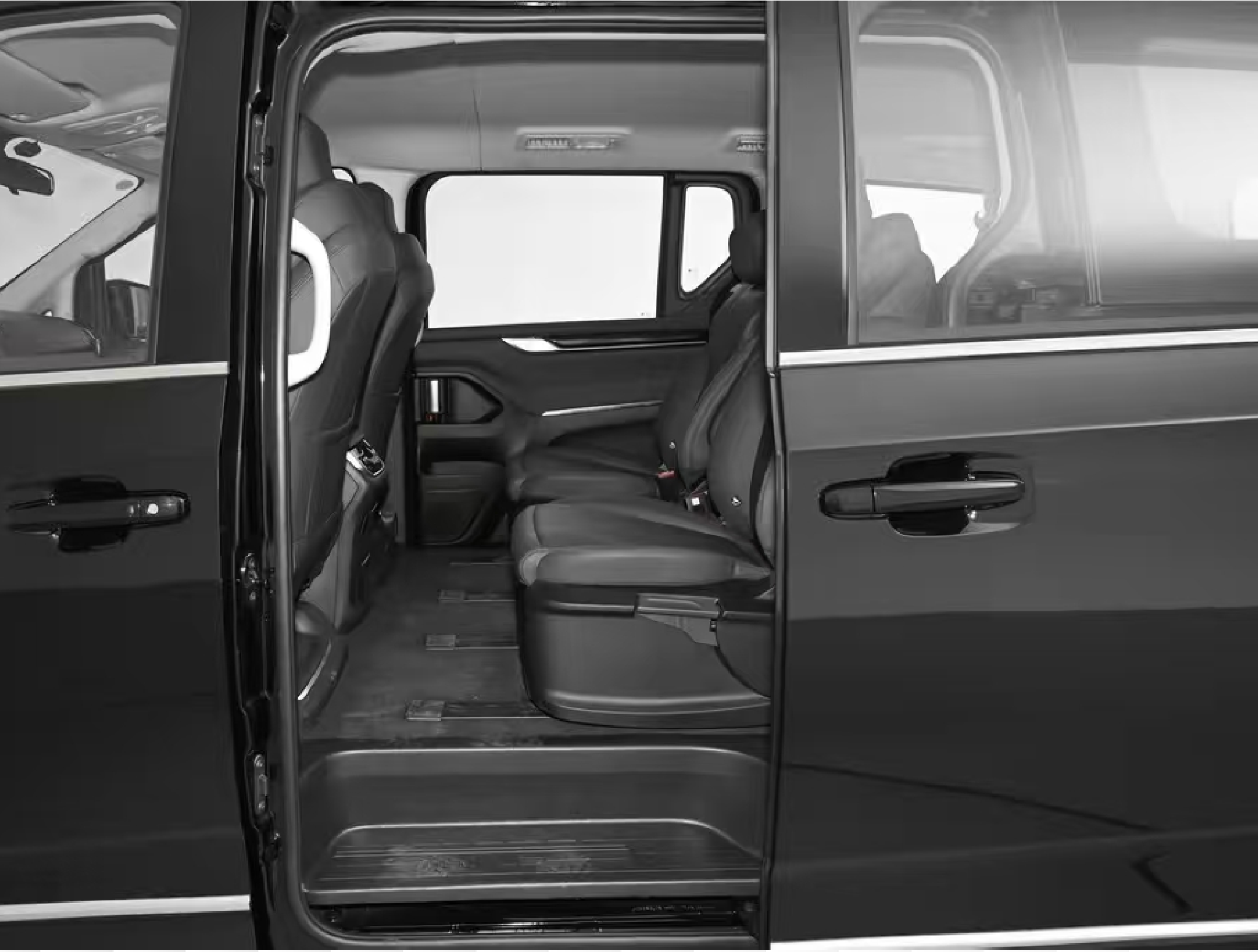
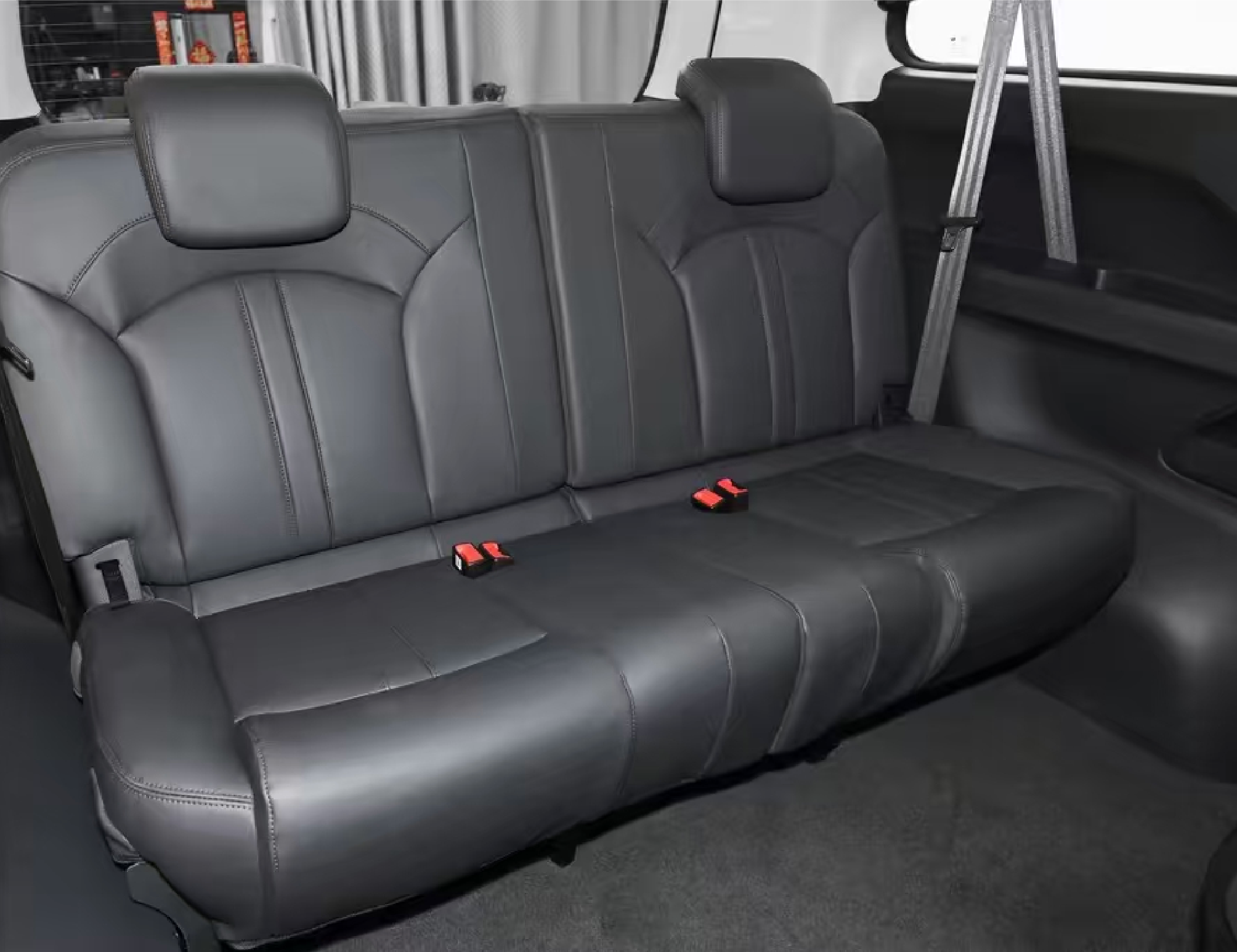
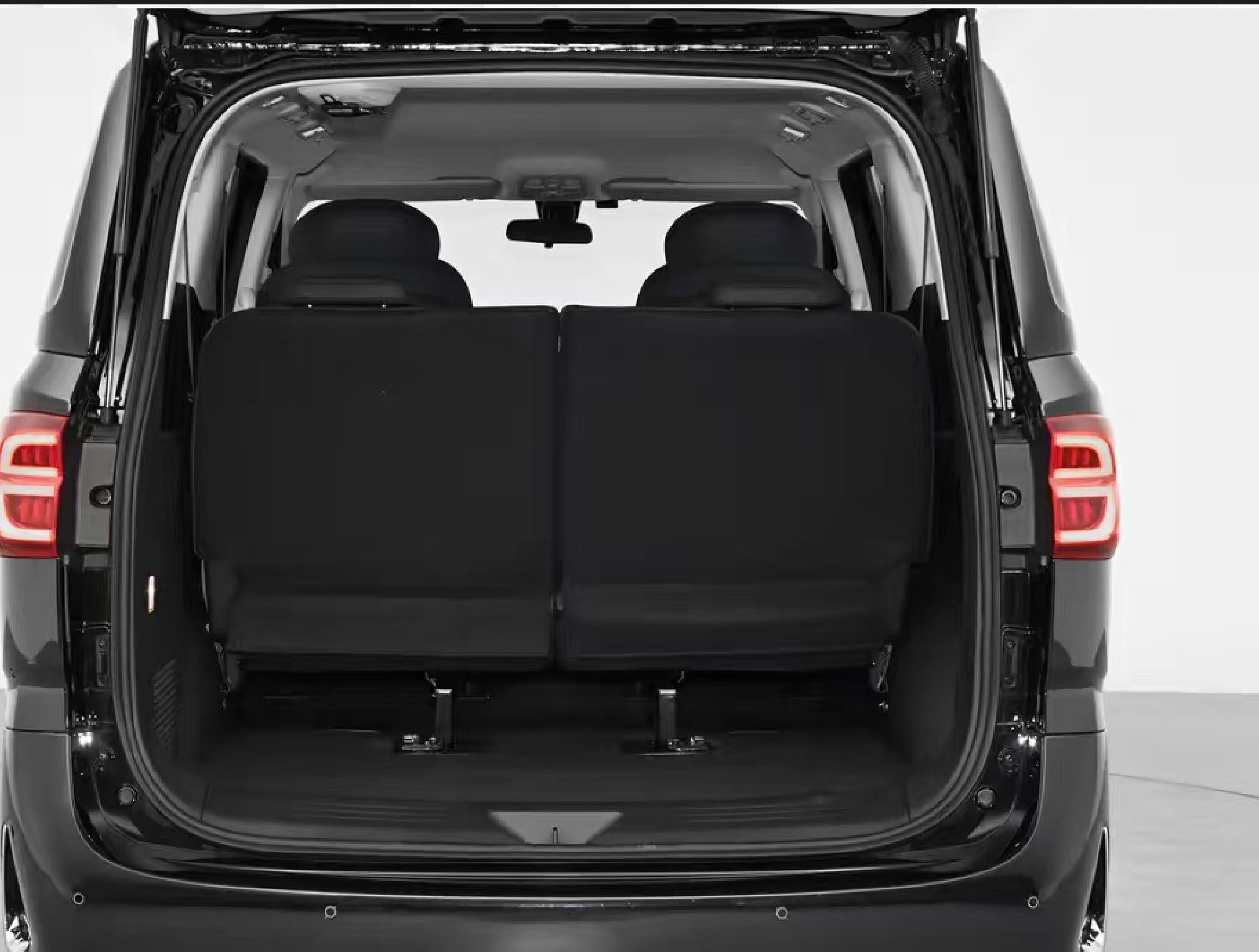
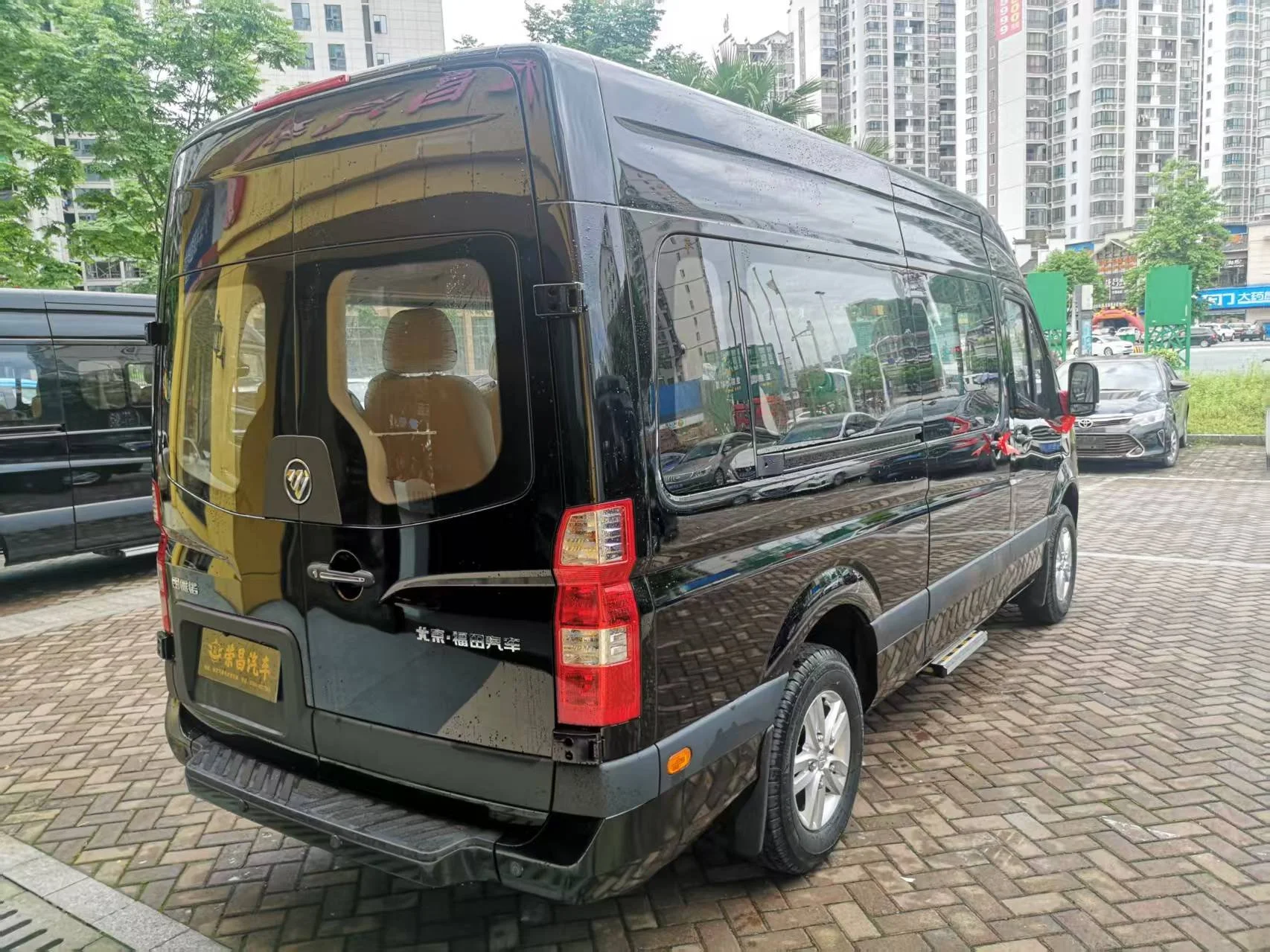
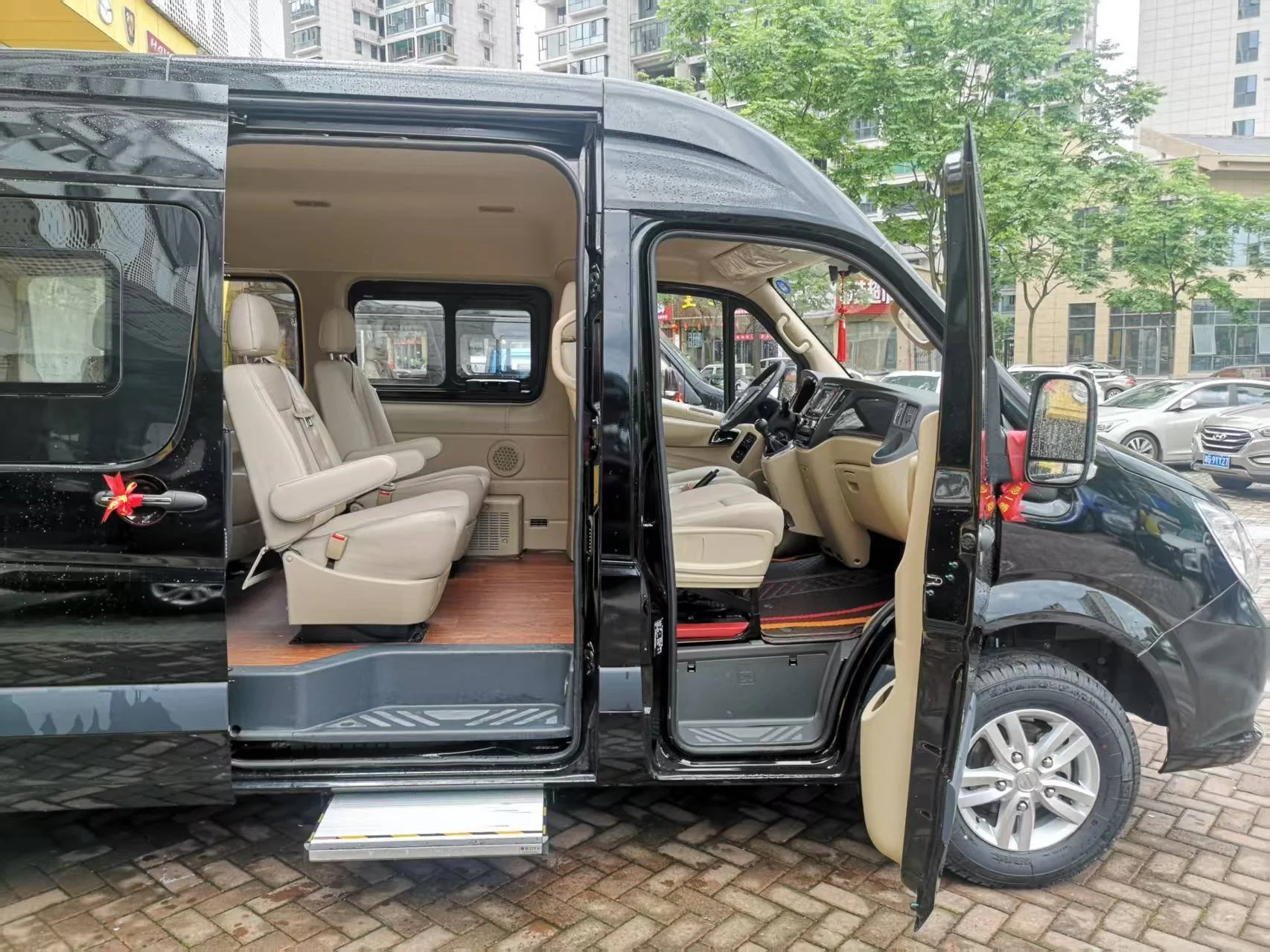
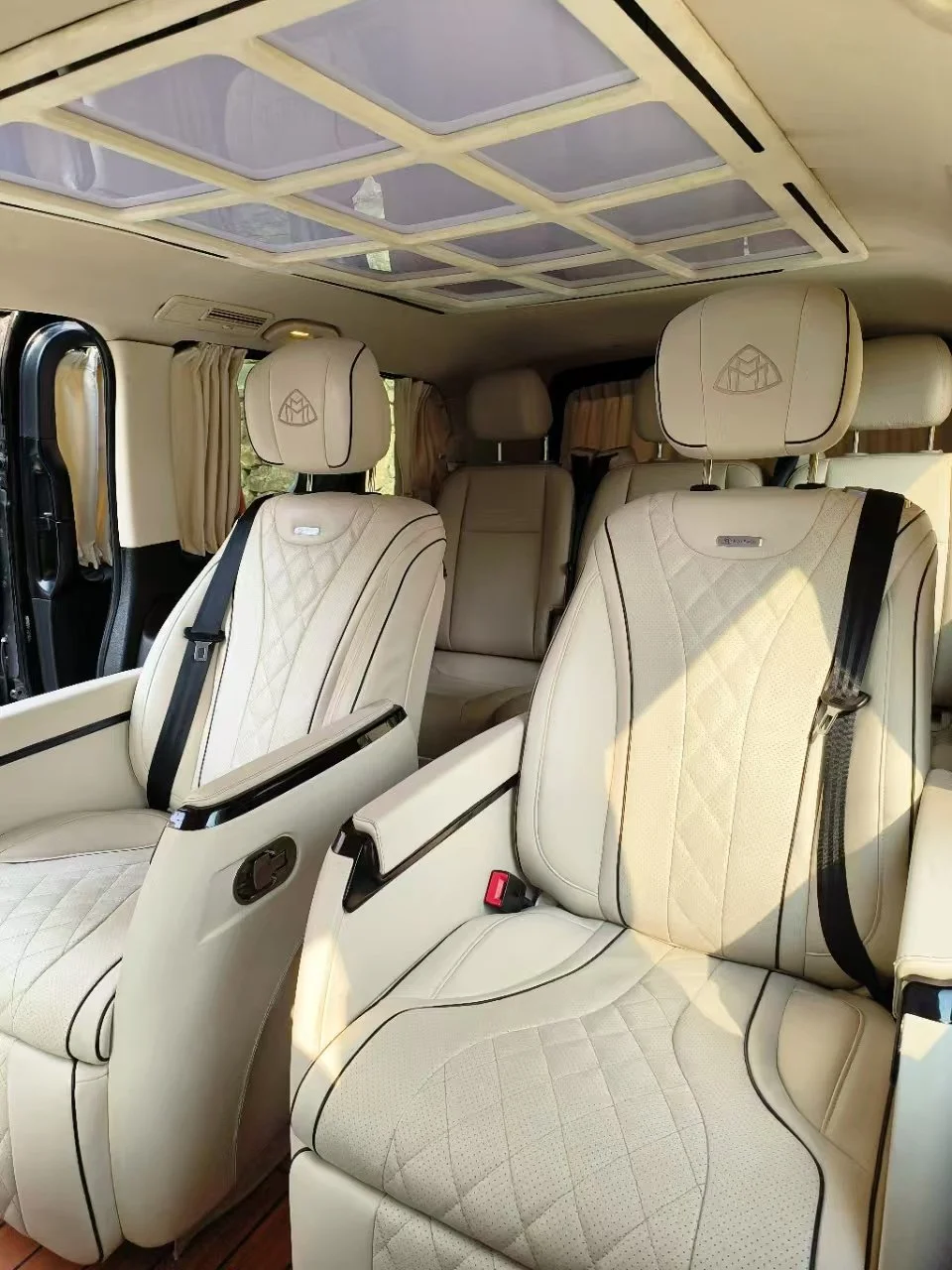
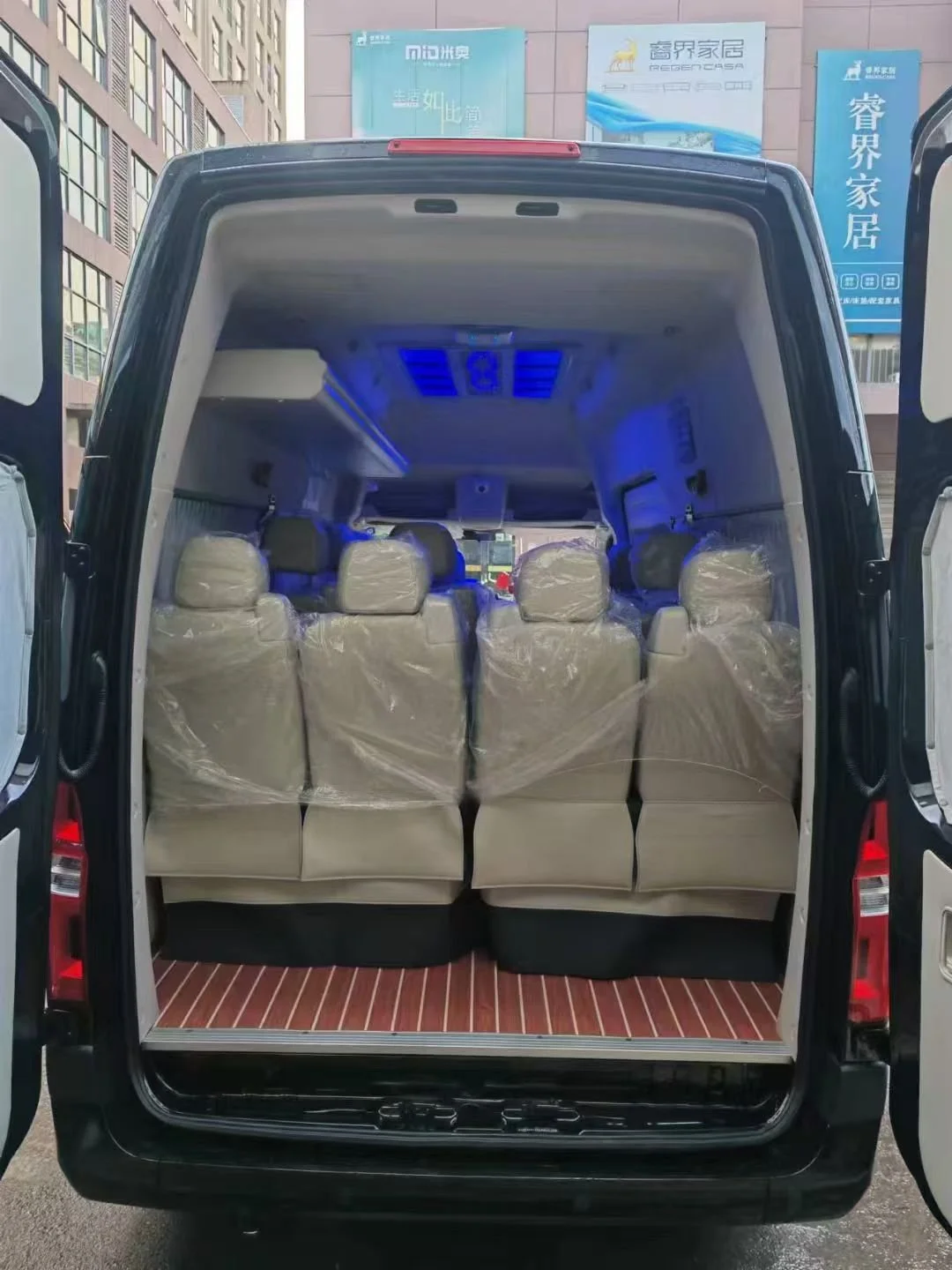
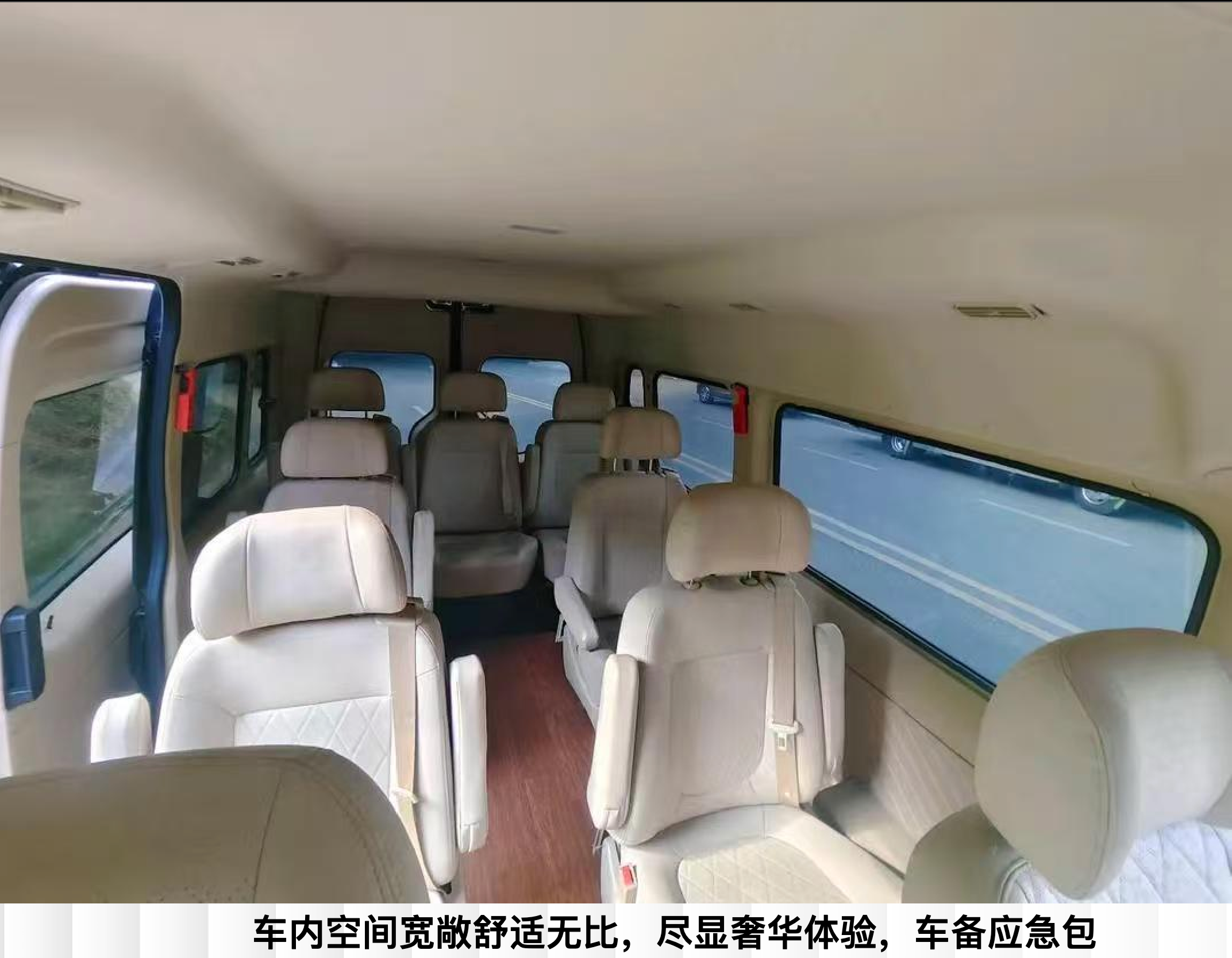
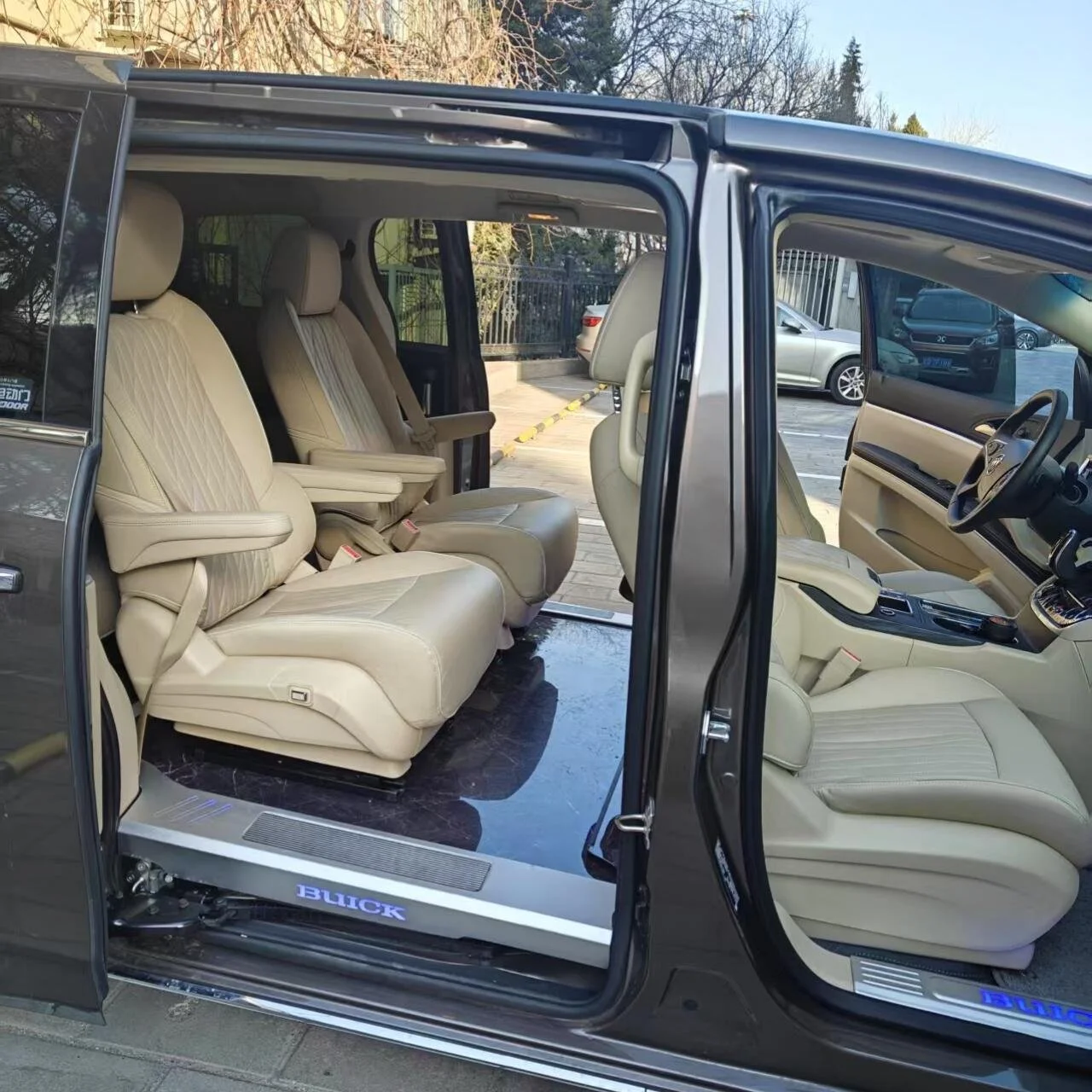
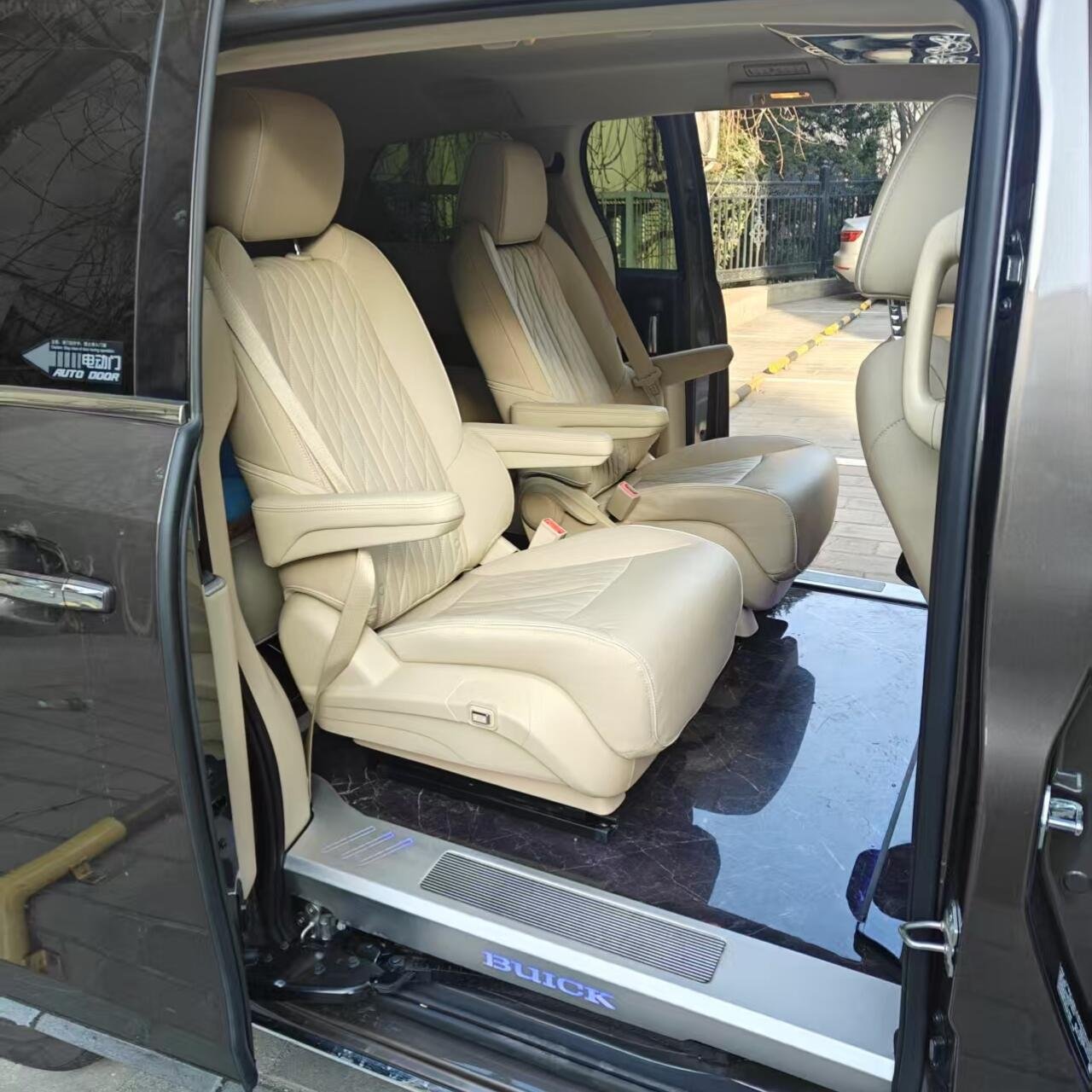
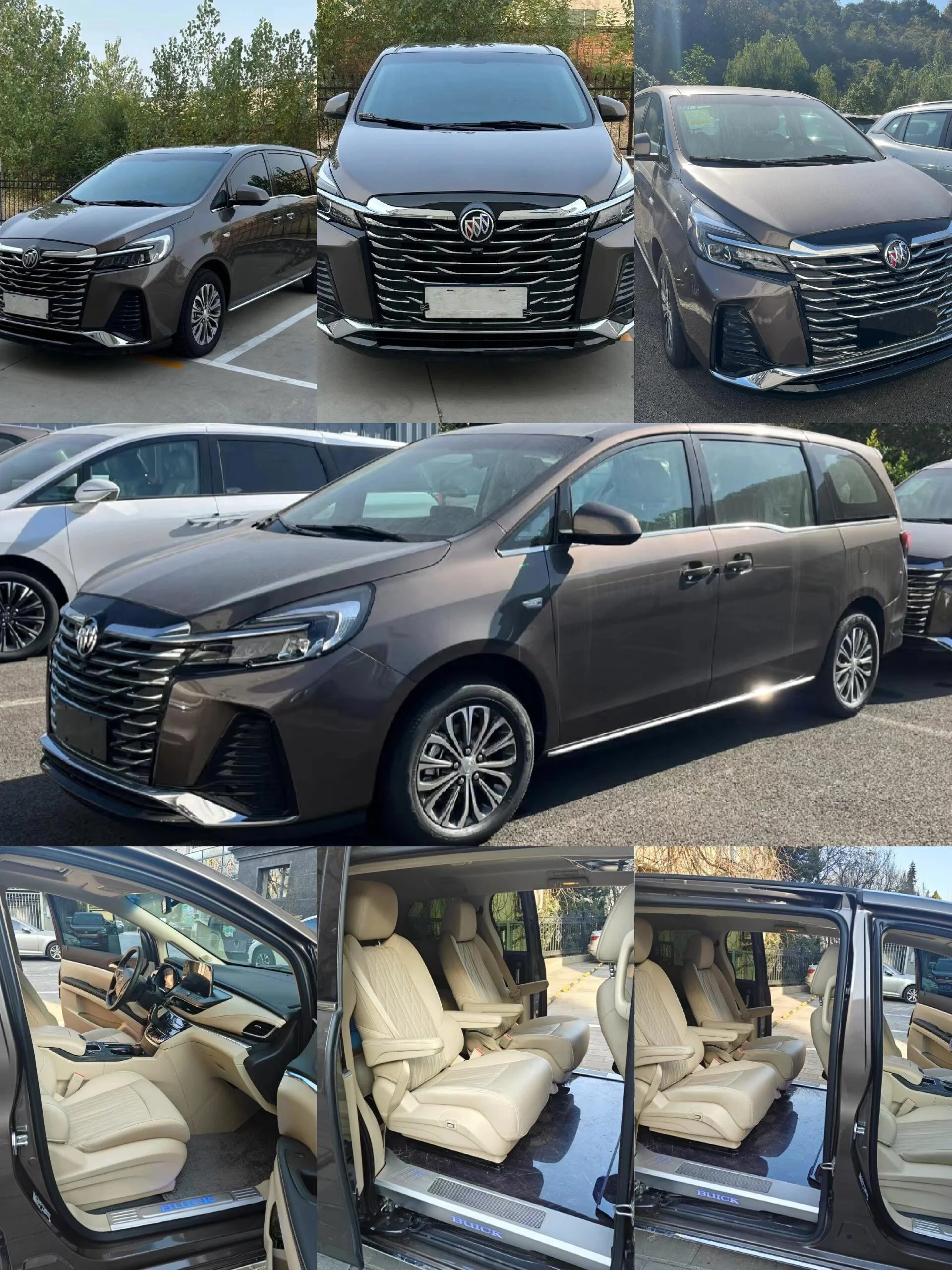
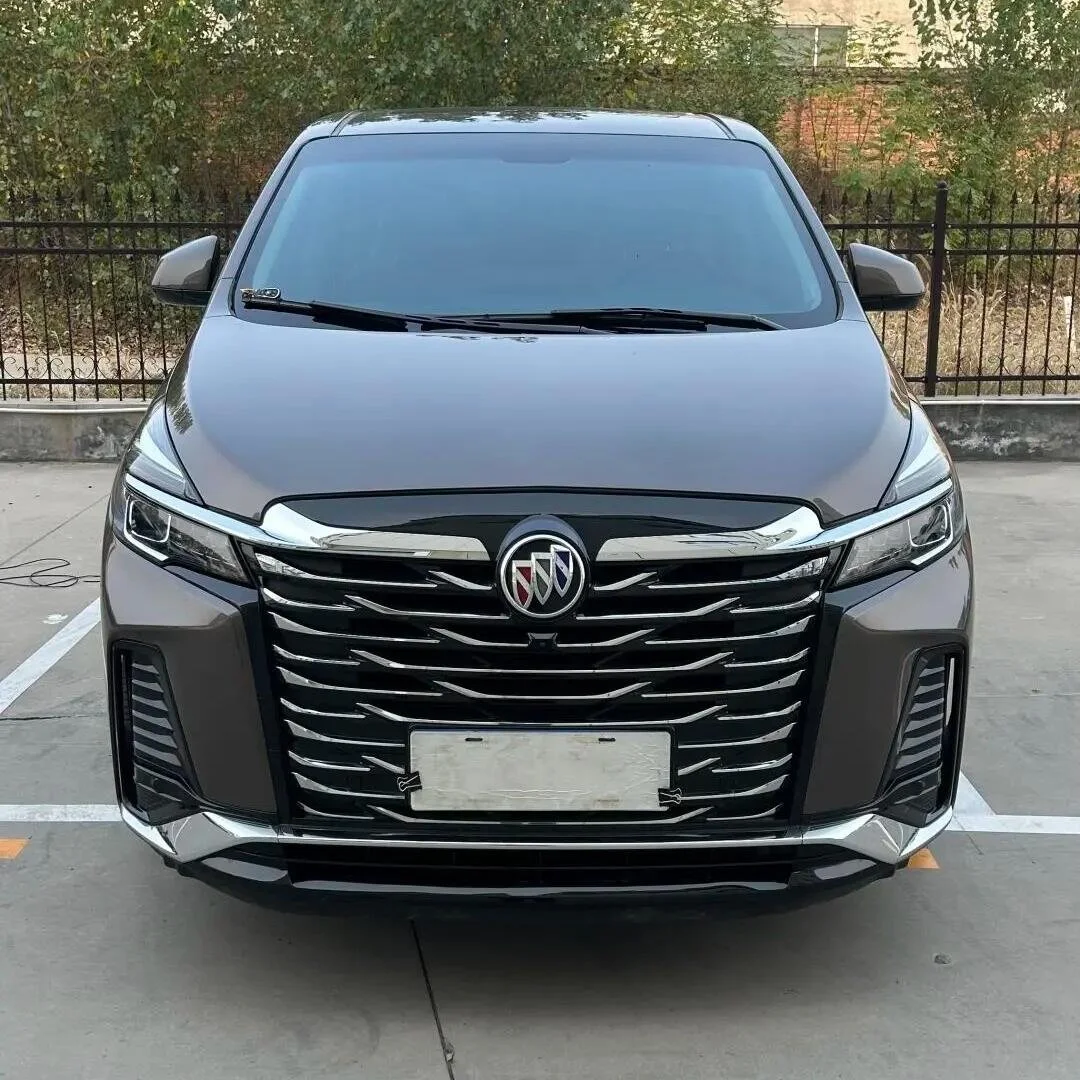
✅ Private air-conditioned vehicle with professional driver (4 full days)
✅ 3 nights hotel accommodation (4-star or above, double occupancy)
✅ Hotel pickup and drop-off daily
✅ Bottled water throughout
✅ 72 Qilou night tour (evening of Day 1)
✅ Travel accident insurance
What's Not Included
❌ Meals (lunch & dinner; budget ¥60–120/person/meal) — your guide recommends authentic local restaurants, no tourist traps
❌ Yellow Stone Village cable car (optional, ¥65 up / ¥55 down) — or hike up in 1.5 hours
❌ Ten-Mile Gallery electric train (optional, ¥38) — or walk for free
❌ Tianmen Mountain escalator to Heaven's Gate (optional, ¥32) — or climb the 999 steps for free
❌ Huanglong Cave ticket (optional, ¥100) — if you choose this option on Day 3
❌ Baofeng Lake ticket (optional, ¥96) — if you choose this option on Day 3
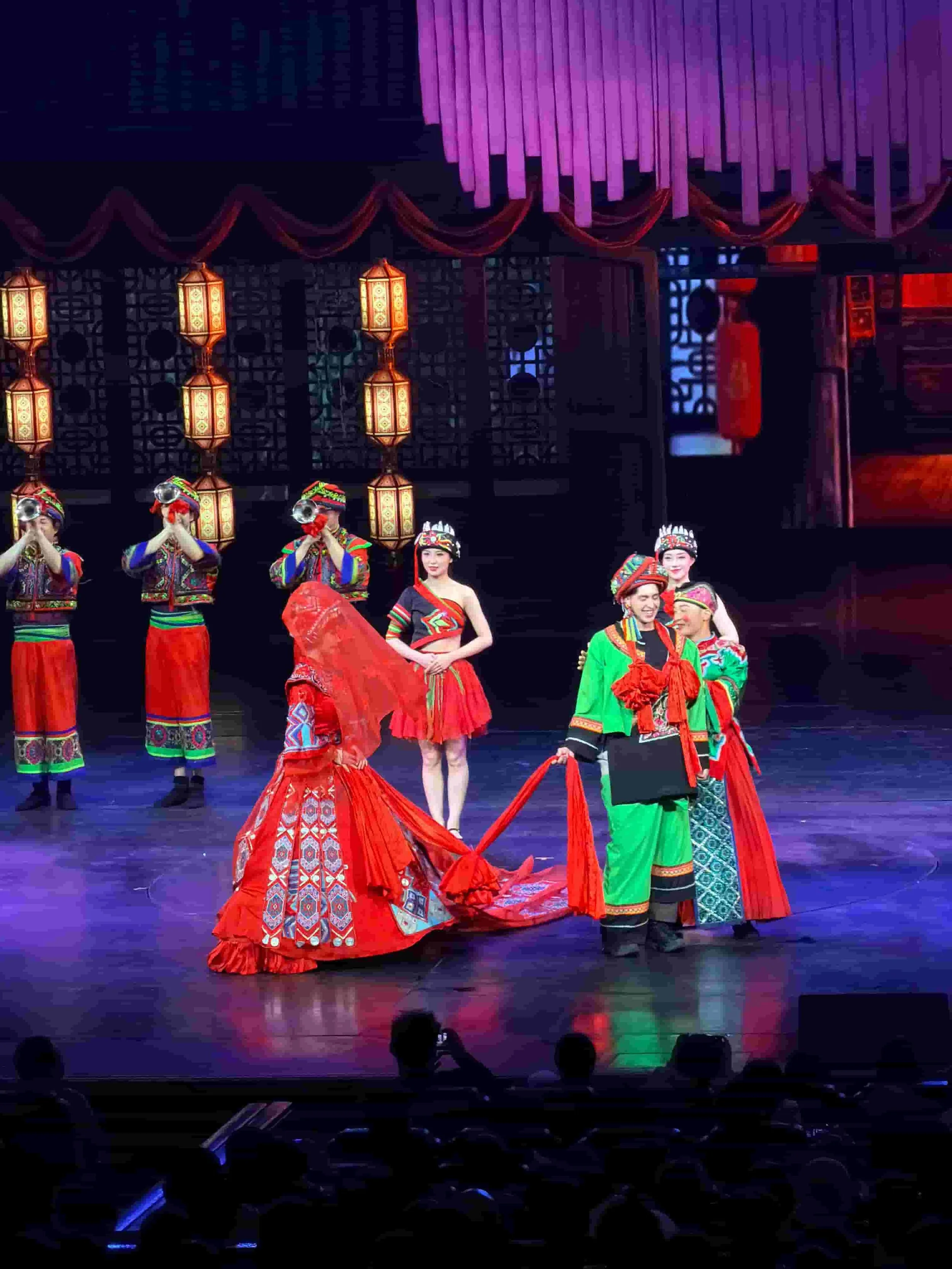
❌ Charm Western Hunan evening show (optional, ¥228–¥328) — spectacular Tujia/Miao cultural performance
❌ Gratuities (optional)
Practical Information
🚶 Walking Level: Moderate. Days 2–3 involve 2–3 hours of walking on paved or boarded forest trails. Day 4 involves canyon walking and Tianmen Mountain stairs (or escalator, optional). Not recommended for travelers with severe knee or heart conditions.
🎫 Tickets: Pre-booked by your guide. Bring your passport — real-name registration is required for all scenic area entry.
🌡️ Best Time to Visit: March–May (spring, wild azaleas in bloom, moderate temperatures) and September–November (autumn, clear skies, golden foliage). Summer (June–August) is hot and humid but the forest canopy provides shade; winter (December–February) brings occasional snow that transforms the pillars into a Chinese ink painting. Avoid Chinese public holidays (Golden Week Oct 1–7, Spring Festival) — the crowds are extreme.
👟 What to Bring: Sturdy walking shoes with good grip (the stone steps can be slippery when wet), a light jacket (it's 5–8°C cooler on the mountain peaks), sunscreen, and an extra camera battery — you'll take more photos than you expect.
Is this tour suitable for children? Yes, for children 6+. The Glass Bridge can be intimidating for younger kids, but the glass is perfectly safe (3 layers of tempered glass, tested to hold 800 people). For families with small children, your guide can adjust the pace and skip the Glass Skywalk if needed.
What's the difference between the 3-day and 4-day tour? The 4-day tour gives you a second full day inside the National Forest Park — Day 2 covers Yuanjiajie and Tianzi Mountain (the high-altitude viewpoints), Day 3 covers Golden Whip Stream and Yellow Stone Village (the valley and mid-mountain experience). The 3-day tour compresses the entire park into one day, which is doable but intense. The 4-day also includes Huanglong Cave or Baofeng Lake, which the 3-day skips entirely.
Can I customize this itinerary? Absolutely. This is a private tour — the itinerary, pace, and focus are entirely up to you. Want to skip Yellow Stone Village and spend more time at Golden Whip Stream? Prefer Baofeng Lake over Huanglong Cave? Want to add the Charm Western Hunan evening show? Tell your guide on Day 1 and they'll adjust the plan.
Q: What is your cancellation policy?
Dear Valued Customer,
To help you plan your trip with peace of mind, we have designed a flexible and considerate cancellation policy. You may choose the option that best suits your situation:
Cancellation more than 30 days before departure:
Full refund. Your deposit will be returned via the original payment method, with no fees charged.
Cancellation 10–15 days before departure:
We will only retain 10% of the total tour cost as an early service handling fee. The remaining balance will be fully refunded to you.
Cancellation 5–7 days before departure:
You are not required to pay any outstanding balance. The deposit you have already paid will be automatically converted into a credit voucher valid for 24 months, which you can use toward any future booking with us.
This credit is for your personal use but is transferable to family or friends. Prior to using it, please contact us to confirm availability and itinerary arrangements. The new itinerary and price will be based on the rates in effect on the new travel date. We will either refund the difference or charge the extra amount accordingly, and no rescheduling fee will be applied.
Cancellation 3–5 days before departure:
Although the payment is non‑refundable, we offer you one complimentary opportunity to reschedule your trip – you may depart earlier or later. The price for the rescheduled trip will be calculated according to the rates in effect on the new dates. Any price difference will be adjusted (refund or surcharge) without an extra rescheduling fee.
We truly understand that uncertainties are a natural part of travel. That is why our principle is simple: we don't just keep your money – we give you more options, so we can minimize your losses and keep your travel dreams alive.
For the full breakdown including Tibet-specific terms, partial cancellations, and force majeure, please see our Cancellation Policy page.
Every booking also comes with a Deposit Credit option — if you need to cancel but plan to visit China in the future, you can convert your deposit into credit valid for 24 months instead of losing it.