Fourteen Days Across the Roof of the World — The Complete Tibet Experience
This is the tour that sees everything. In fourteen days, you'll travel the full arc of Tibet — from the sacred temples of Lhasa to the forested valleys of Nyingchi, from the birthplace of Tibetan civilization in Shannan to the foot of Mount Everest, and from the turquoise expanse of Yamdrok Lake to the star-washed shores of Namtso. No other itinerary covers this much ground, this much altitude, or this much wonder.
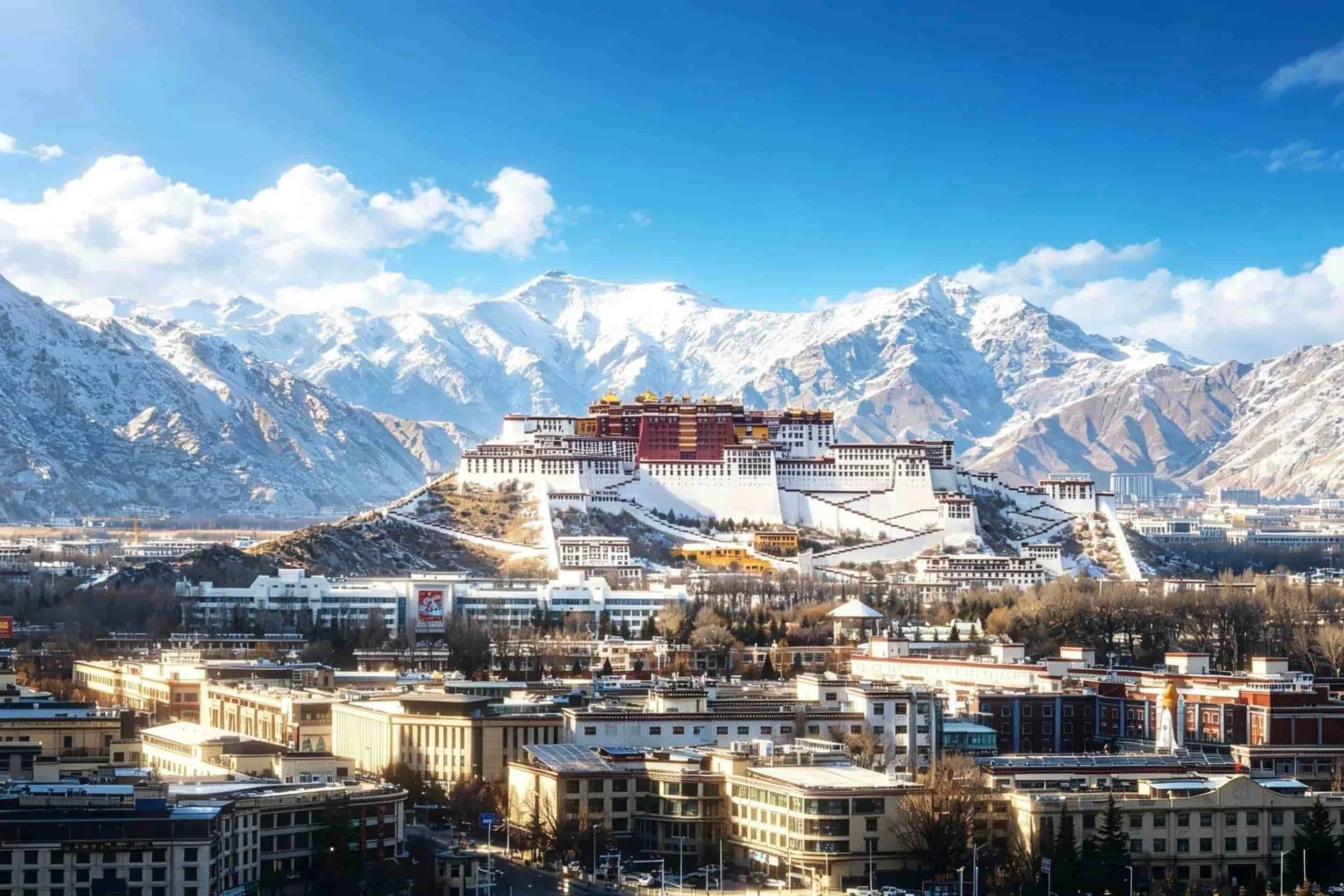
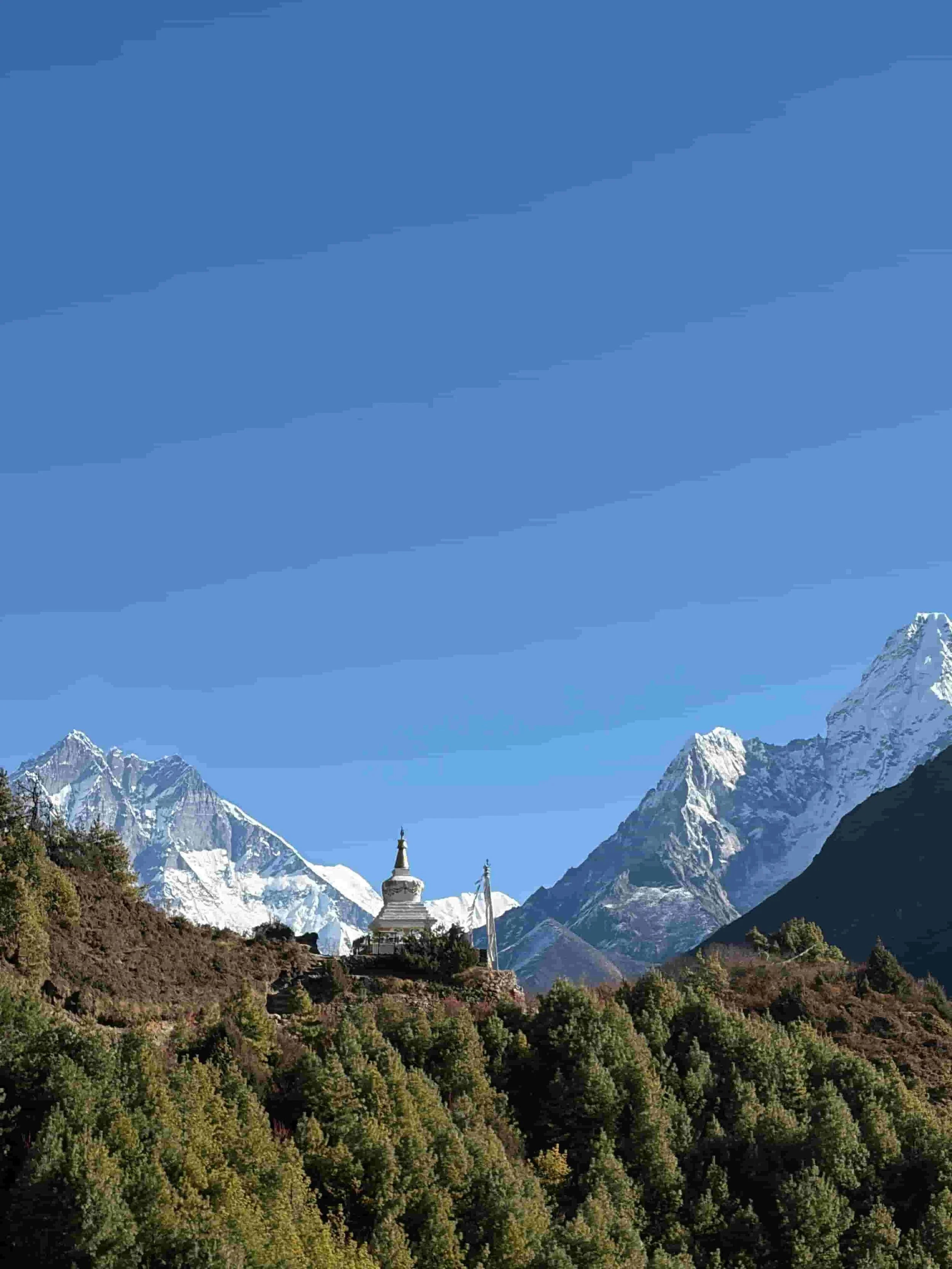
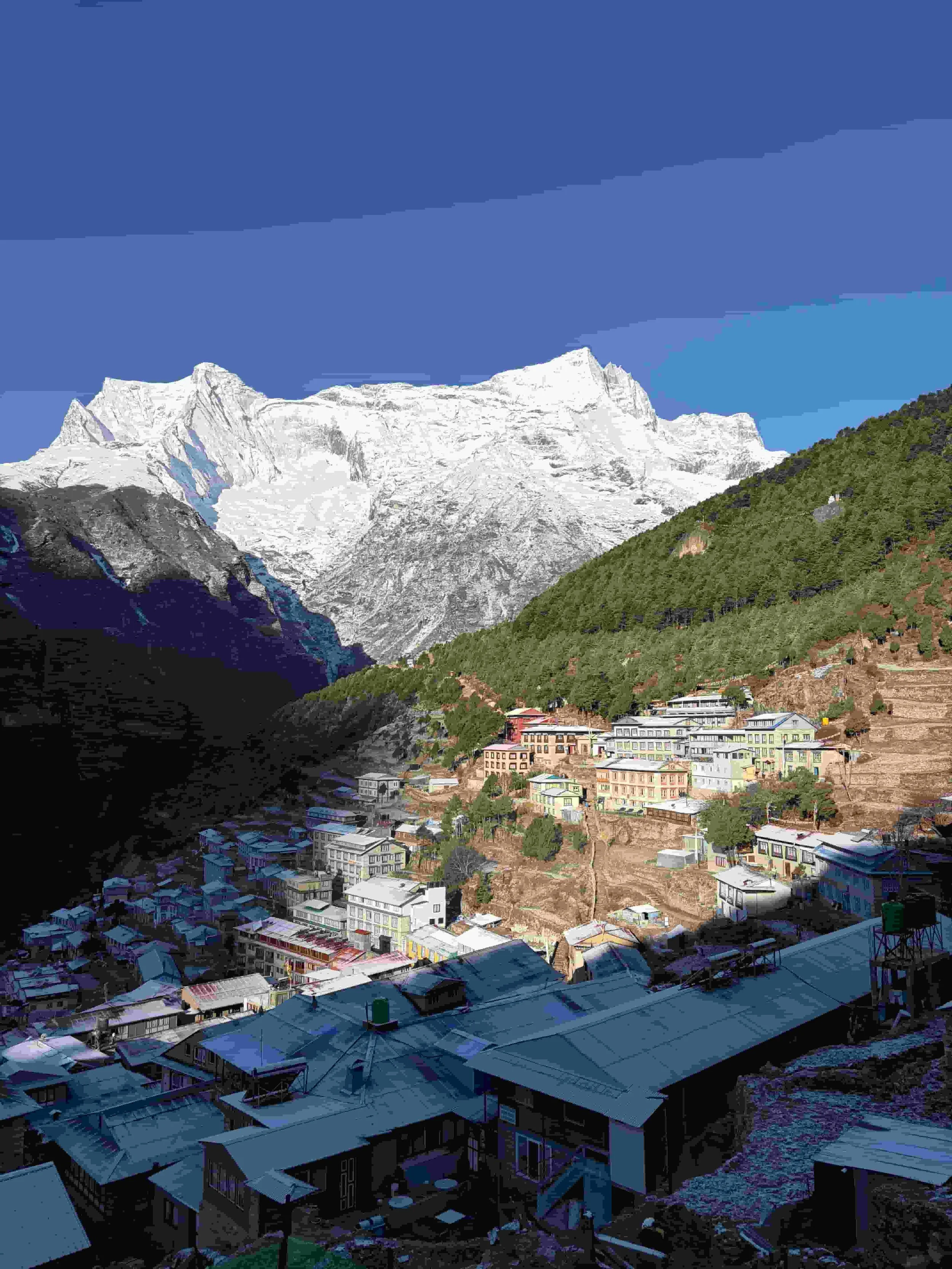
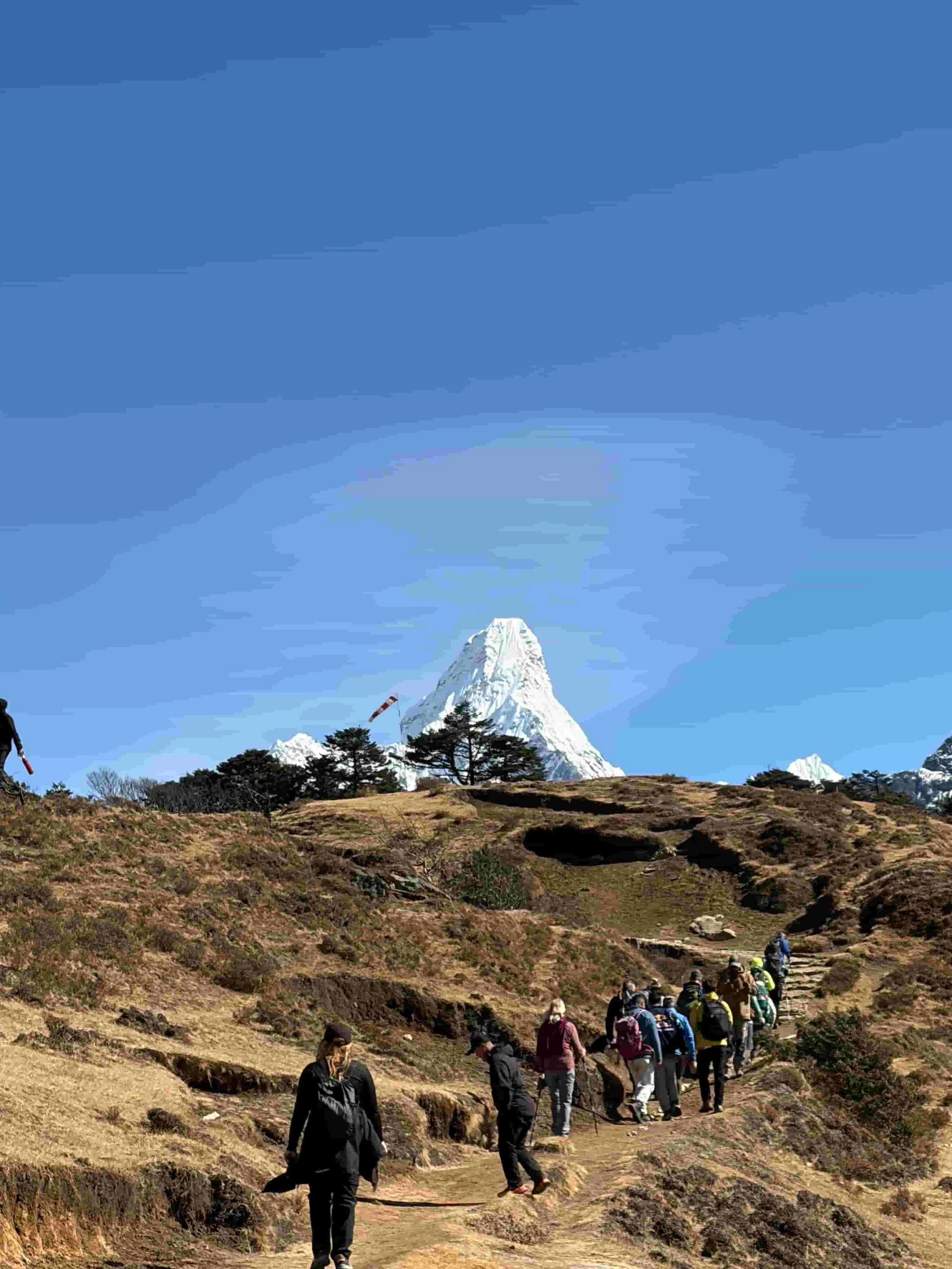
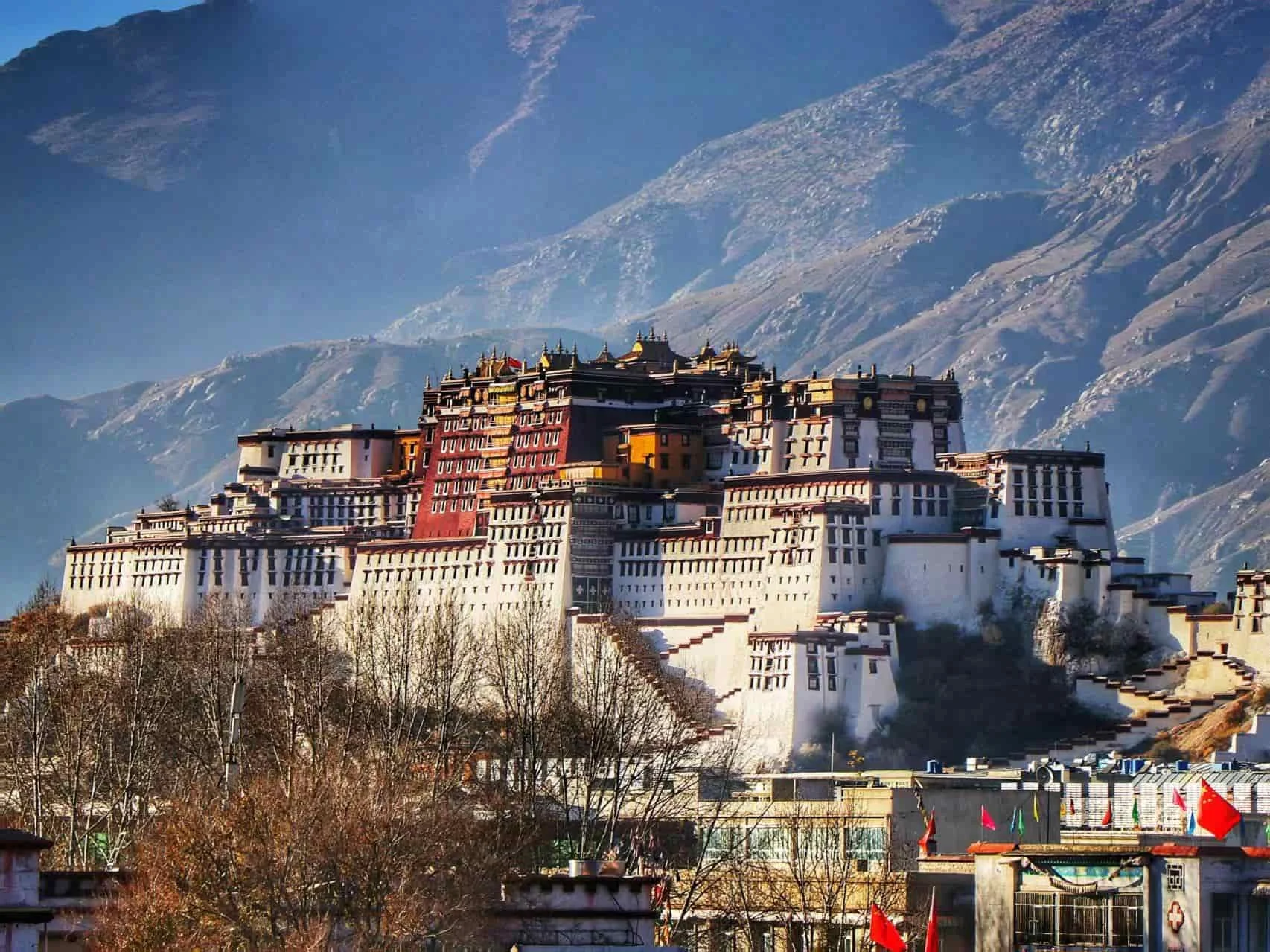
You'll stand inside the Potala Palace, where the Dalai Lamas ruled for three centuries. You'll walk through primordial forests in Nyingchi — the "Switzerland of Tibet" — where the air is thick with oxygen and the mountains are draped in rhododendrons. You'll gaze into the Yarlung Tsangpo Grand Canyon, the deepest gorge on Earth, and watch the sun set behind Namcha Barwa, the mountain Chinese geographers have voted the most beautiful in the country. You'll visit the first palace ever built in Tibet, stand at the edge of three sacred lakes, and then — on Day 10 — you'll arrive at Everest Base Camp (5,200m), where the north face of Chomolungma rises 3,500 vertical meters above you. And just when you think the trip has peaked, you'll spend a night beside Namtso Lake under a sky so thick with stars it looks like marble.
Why This Tour: The 8-day Everest tour gives you the highlights. The 14-day Panoramic gives you everything. It adds Nyingchi's forests and canyons (dramatically different landscape from the rest of Tibet), Shannan's ancient cultural sites (the cradle of Tibetan civilization where it all began), and Namtso Lake (the "Heavenly Lake" at 4,718m, one of the highest saltwater lakes on Earth). If you have two weeks and want to understand Tibet — not just see it — this is the tour.
Before You Go: Tibet Travel Permit
Foreign travelers cannot enter Tibet independently — you must have a Tibet Travel Permit (入藏函), which is arranged by a licensed travel agency. Here's what you need to know:
We handle the permit for you. Once you book this tour, send us a clear scan/photo of your passport and Chinese visa (or residence permit). We submit the application to the Tibet Tourism Bureau — the process takes 5–7 business days. We'll send the permit to your hotel in China before you depart for Tibet. You must carry the original permit — photos or copies are not accepted at checkpoints.
Important: You cannot apply for the Tibet Travel Permit on your own. It must be arranged through a registered travel agency as part of a booked tour. If a guide is not with you at checkpoints, you will be turned back. Plan at least 3 weeks ahead — 1 week for permit processing + time to receive the document by mail within China.
Day 1: Arrival in Lhasa (3,650m) — Welcome to the Roof of the World
✈️ Airport or Train Station Pickup
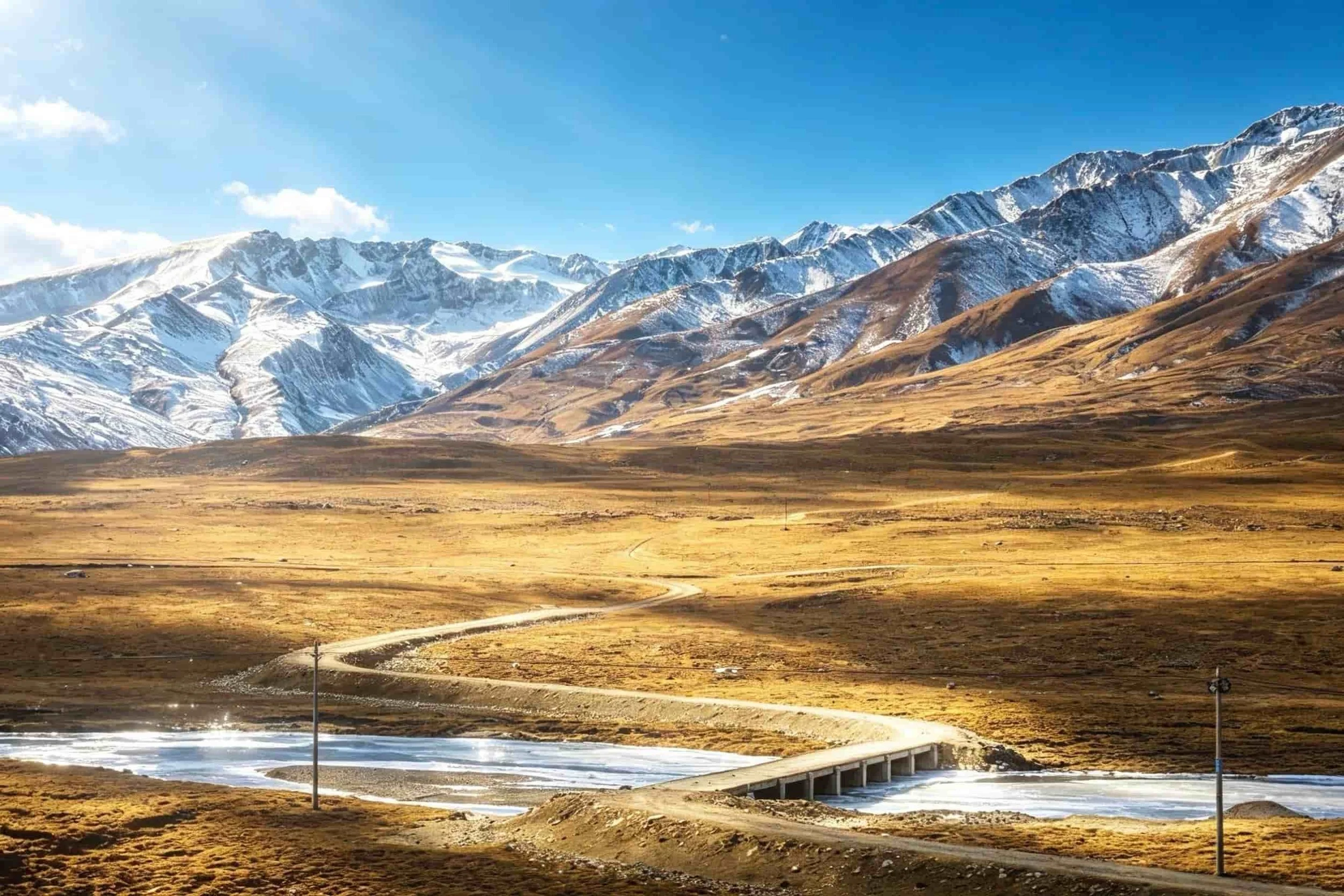
Your guide and driver will meet you at Lhasa Gonggar Airport (40 minutes from the city) or Lhasa Railway Station (20 minutes). The drive into Lhasa follows the Yarlung Tsangpo River valley — your first glimpse of the Tibetan landscape, with barren brown mountains rising on both sides and the deep blue sky that makes Tibet feel like a different planet.
After checking into your hotel, the most important thing is rest. Lhasa sits at 3,650 meters (11,975 feet) — the air has about 35% less oxygen than at sea level. Your body needs time to adapt. You may feel fine for the first few hours (the "honeymoon period") and then develop a headache, fatigue, or mild nausea. This is normal. Drink plenty of water, avoid alcohol, eat light meals, and don't push yourself.
In the evening, if you're feeling up to it, take a gentle stroll on Barkhor Street (八廓街) near the Jokhang Temple. You'll see devout pilgrims walking the sacred circuit, spinning prayer wheels, and performing full-body prostrations on worn wooden boards. The atmosphere is otherworldly — incense, chanting, the glow of butter lamps. But keep it short. Your guide will check in on you throughout the evening.
Pro tip: Many travelers find that arriving by train from Xining (21–22 hours) gives a gentler introduction to the altitude than flying in — the train reaches 5,072m at the Tanggula Pass, and your body begins adjusting during the journey. The Qinghai-Tibet Railway is an engineering marvel and one of the world's great train rides.
Day 2: Lhasa — Potala Palace & Jokhang Temple
🌅 9:00 AM — The Potala Palace (布达拉宫)
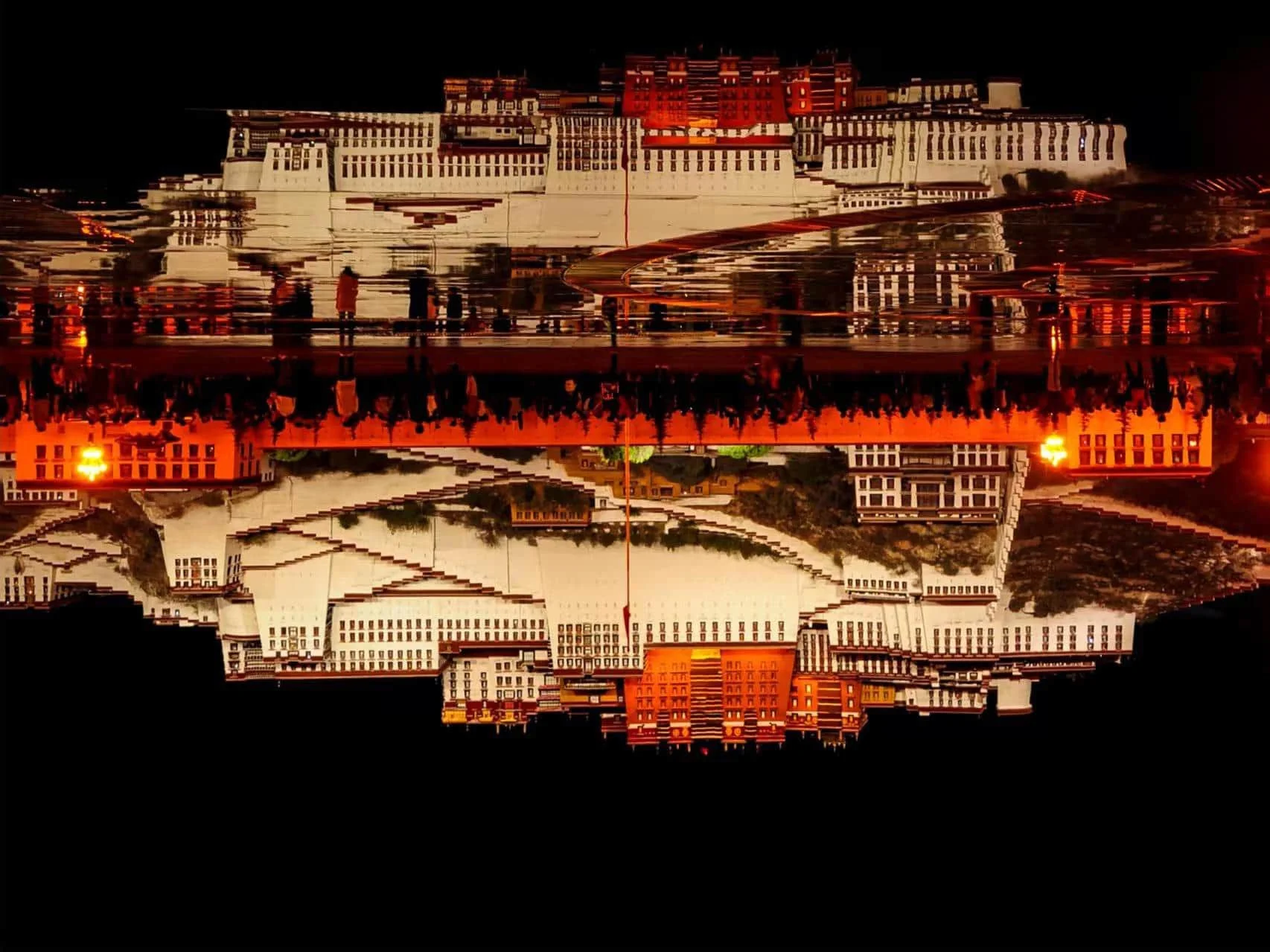
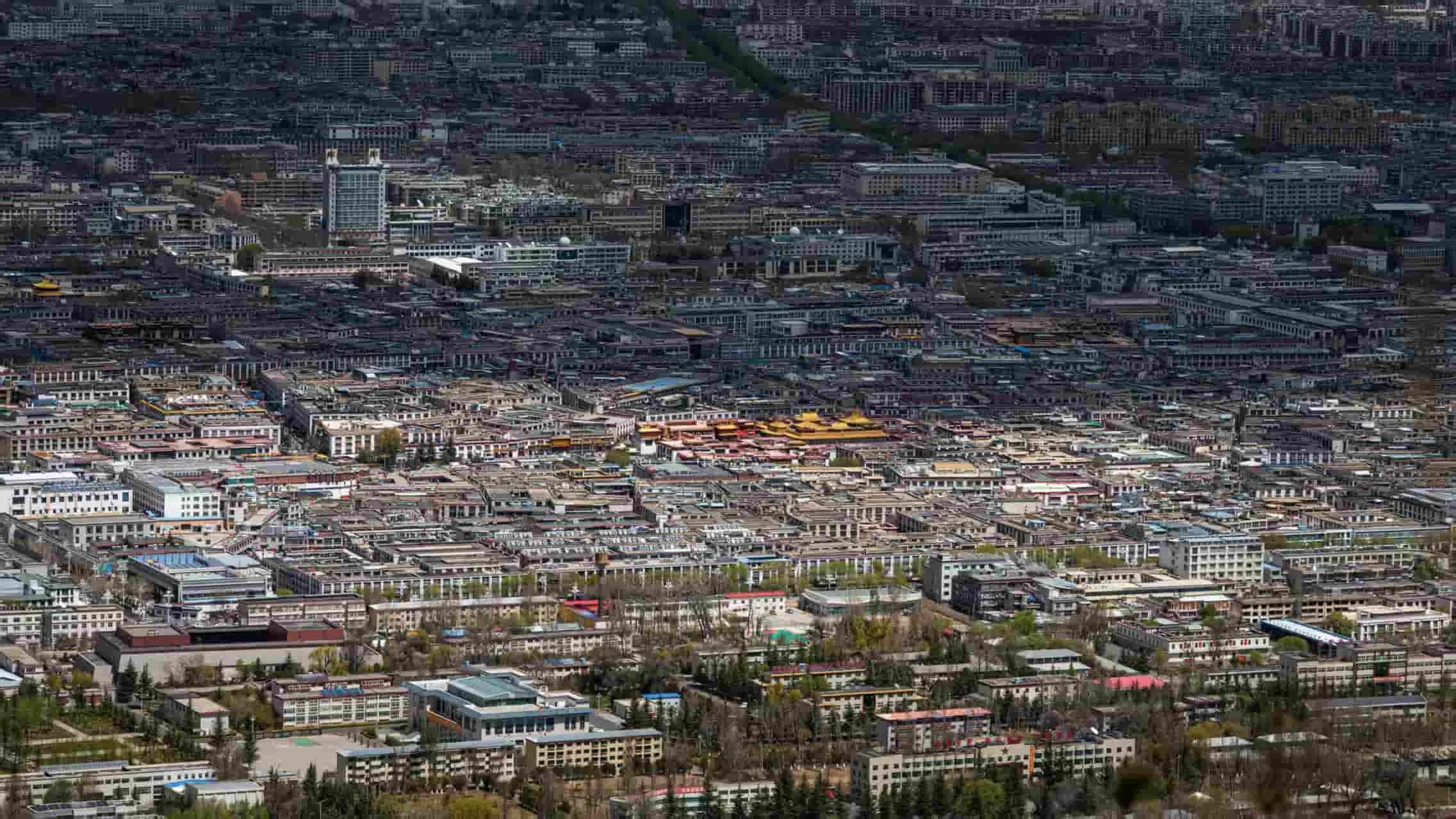
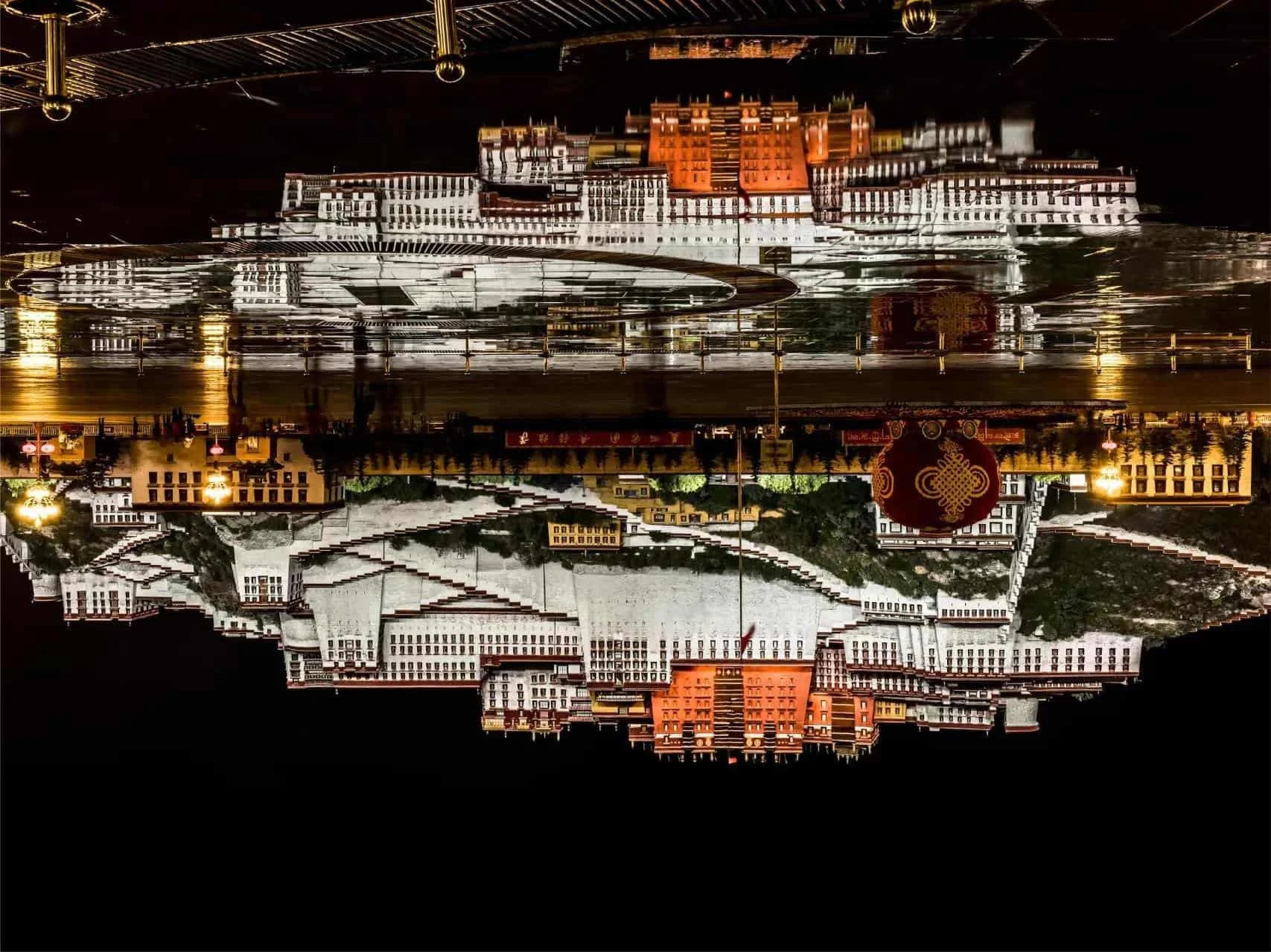
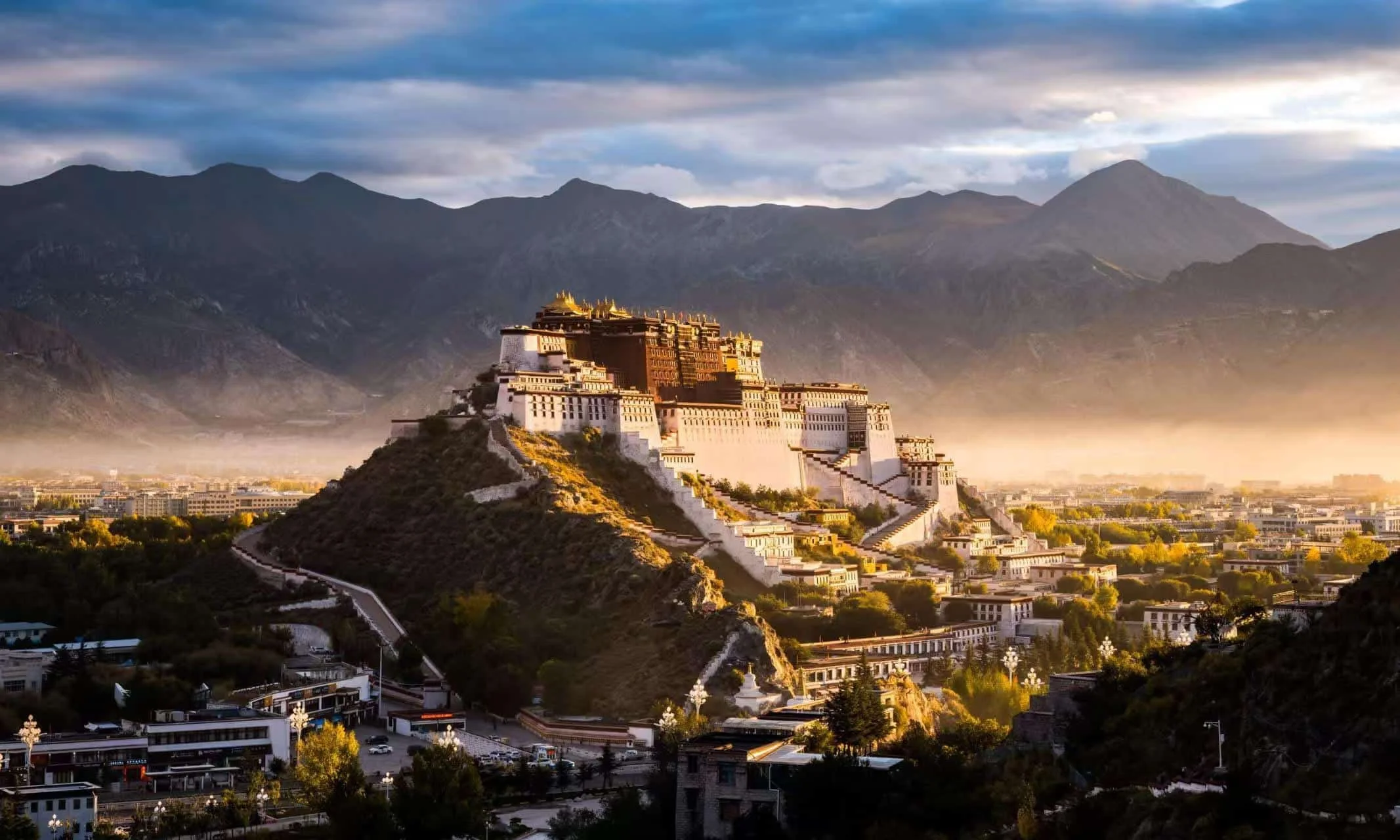
Start your first full day at the architectural symbol of Tibet — a 13-story fortress-palace that rises 117 meters above the city, its white and red walls glowing against the mountain backdrop. The Potala was the winter residence of the Dalai Lamas from the 5th to the 14th, and it dominates Lhasa like no other building dominates any city on Earth.
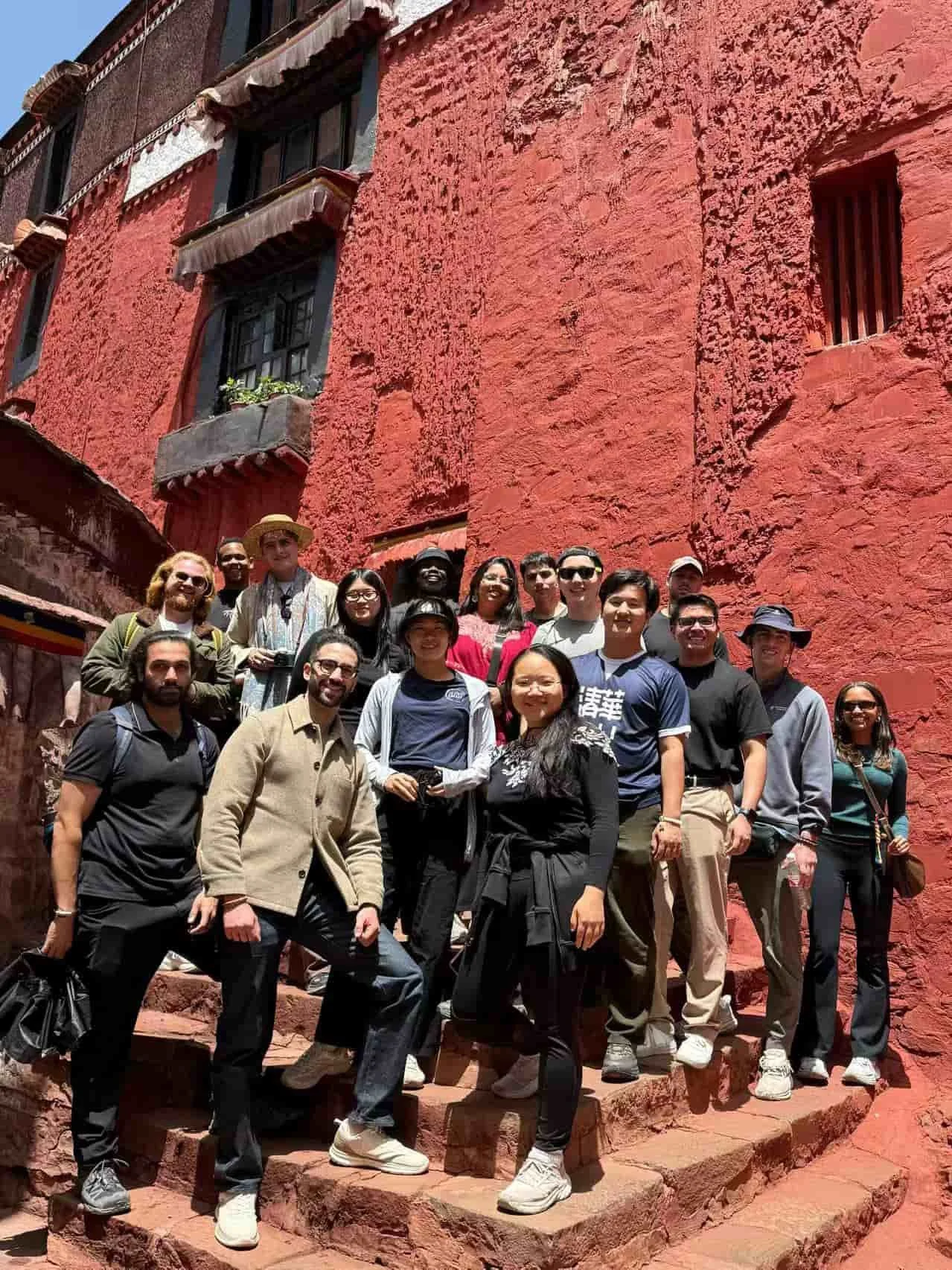
Your guide will lead you through the White Palace (the administrative wing, with the Dalai Lama's private quarters, reception halls, and a school for government officials' children) and the Red Palace (the religious center, with chapels, shrines, and the stupas of past Dalai Lamas). The stupa of the 5th Dalai Lama is the most spectacular — 14.85 meters tall, wrapped in 3,721 kilograms of gold, encrusted with over 10,000 precious stones including diamonds, pearls, turquoise, and coral. It's the most valuable single object in Tibet.
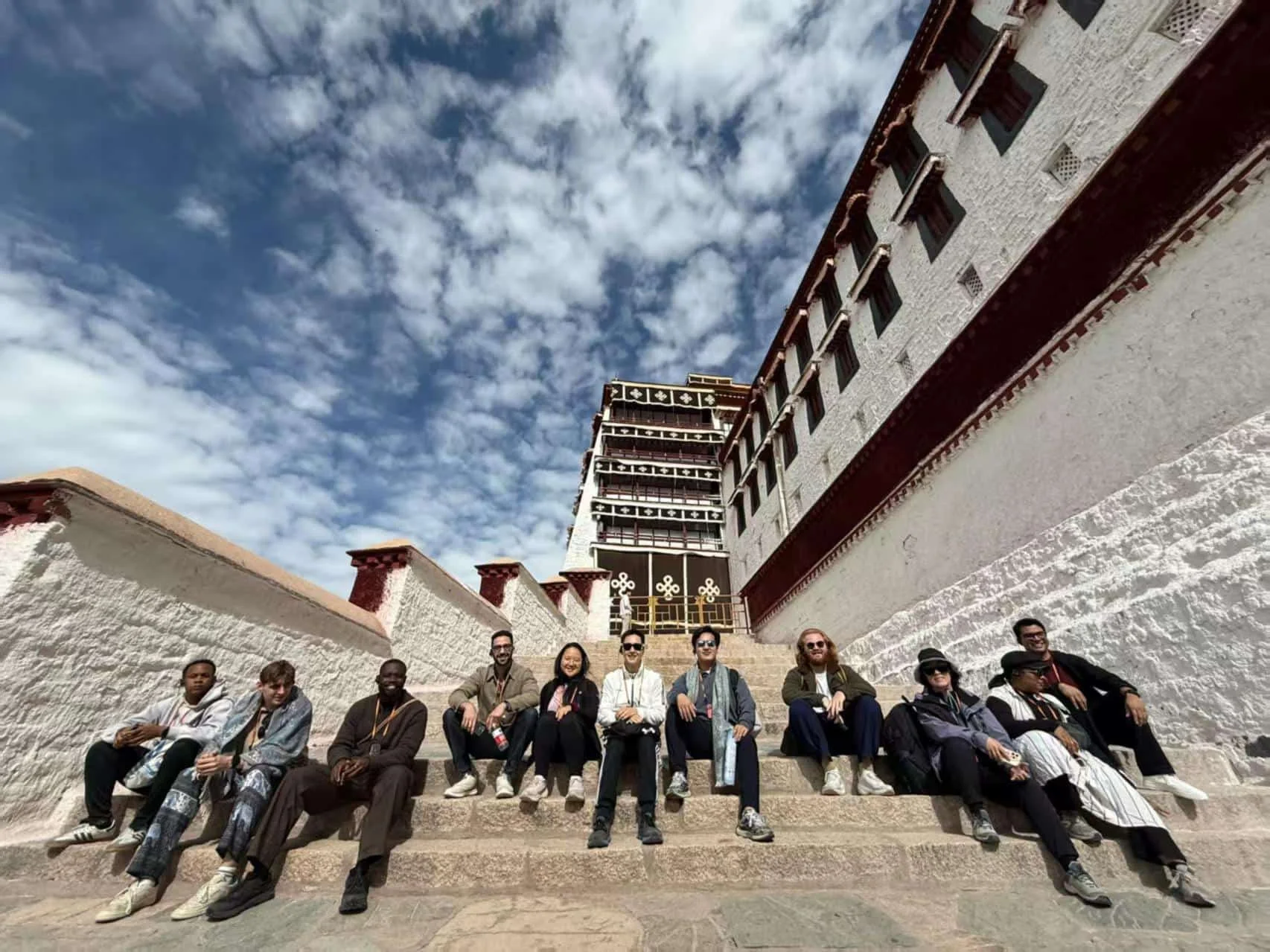
Other highlights: the Audience Hall, where the Dalai Lama received foreign envoys; the Western Great Hall, whose murals depict the entire history of Tibetan Buddhism; and the cave chapel of King Songtsen Gampo, believed to be the oldest structure on the site, dating to the 7th century. Allow 2–3 hours. The climb involves over 300 steps — take it slowly.
Potala Palace Rules: Photography is prohibited inside. Carry your passport (checked at entrance). Visit times are limited to 1 hour inside the palace building. The palace is closed on Mondays.
🕐 1:00 PM — Lunch at a Local Tibetan Restaurant
Try thukpa (土巴, hearty noodle soup with yak meat), momos (藏式饺子, Tibetan dumplings), and butter tea (酥油茶, po cha — the salt and butter help with hydration at altitude). For the less adventurous, Sichuan and Nepali options are also available in Lhasa.
2:30 PM — Jokhang Temple (大昭寺) & Barkhor Circuit
The Potala is the symbol of Tibet, but the Jokhang Temple is its spiritual heart. Built in 647 AD by King Songtsen Gampo to house the Jowo Shakyamuni — a life-sized statue of the Buddha at age 12, the most sacred object in Tibetan Buddhism. Pilgrims travel for months across the plateau, prostrating every few steps, just to see it.
Inside, the chapel of the Jowo is thick with the smell of yak butter lamps and the sound of low, resonant chanting. The statue sits behind a glass case, adorned with silk scarves and gold jewelry — not a museum, but a living place of worship.
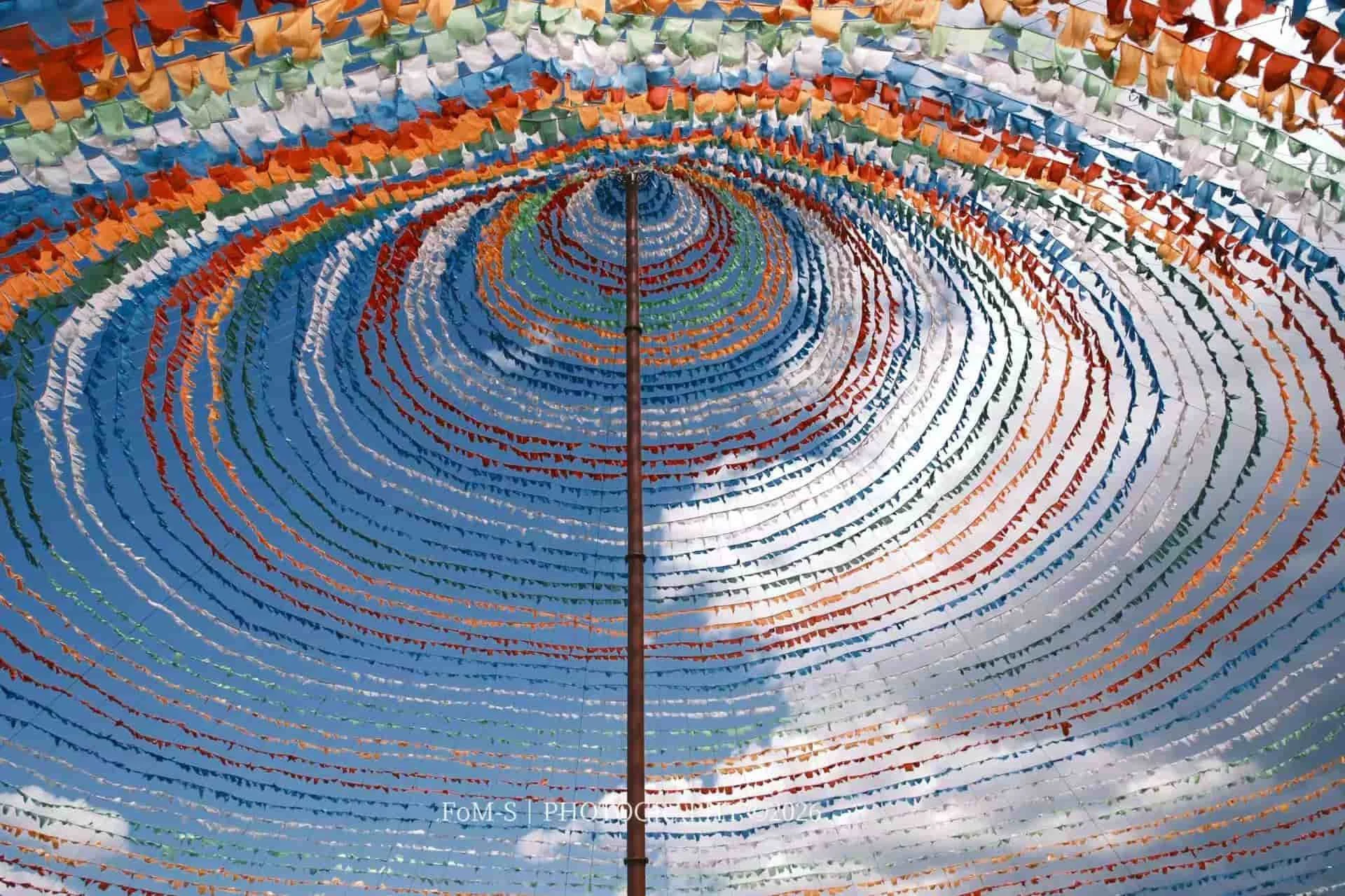
After the temple, walk the Barkhor Circuit — the sacred kora around the Jokhang. This 800-meter loop is one of the most fascinating walks in Asia: pilgrims spinning prayer wheels, monks in maroon robes, vendors selling turquoise jewelry and prayer flags, the smell of incense and yak butter. Walk clockwise — always clockwise. Find a sweet tea house nearby and sit with locals over a glass of Tibetan sweet tea. This is Lhasa at its most authentic.
Day 3: Lhasa → Nyingchi (2,950m) — Into the Forested East
🌅 8:00 AM — Cross the Mila Mountain Pass (5,013m)
Depart Lhasa and drive east on the new Lhasa-Nyingchi expressway, climbing to the Mila Mountain Pass (5,013m) — the watershed between the Lhasa River and the Nyang River valleys. On the far side of the pass, everything changes. The barren, wind-swept landscape of the Tibetan plateau gives way to something astonishing: dense forests of pine, spruce, and cypress, cloud-wrapped mountains, and valleys carpeted in wildflowers. This is Nyingchi (林芝) — the lowest, greenest, wettest region of Tibet, known locally as the "Switzerland of the East" or the "Jiangnan of Tibet" (江南, meaning it resembles the lush region south of the Yangtze).
The altitude drops from 5,013m at the pass to roughly 2,950m in Nyingchi — a relief for your lungs. The higher oxygen content here means your body can recover from the altitude stress of the first two days, which is why this itinerary places Nyingchi early.
🕐 2:00 PM — Basum Lake (巴松措, "Tears of an Angel")
Arrive at Basum Lake — a glacial lake at 3,538m completely surrounded by forested mountains, with a small island in the center that houses a 1,500-year-old temple. The lake is an impossible shade of emerald green, and on still days the reflections are mirror-perfect. Take a wooden boat out to Tsozong Gongba Monastery on the island — a tiny Nyingmapa-sect chapel with ancient murals and an atmosphere of profound stillness.
The walk around the lake (about 2 hours) takes you through forests of tall pines, past waterfalls, and along paths where you might spot the rare Tibetan macaque or hear the call of Himalayan monals (the national bird of China, with iridescent plumage). This is Tibet as most people never see it — green, wet, and alive.
Day 4: Nyingchi — Lulang Forest Sea & Alpine Pastures
🌅 9:00 AM — Lulang Forest Sea (鲁朗林海)
Drive into the mountains east of Nyingchi to the Lulang Forest Sea — a vast alpine meadow surrounded by dense forest and snow-capped peaks. At 3,700m, Lulang feels like the set of a fantasy film: wooden fences crisscrossing green pastures, yaks grazing below clouds, and the distant peaks of the eastern Himalayas forming a jagged skyline. The observation platform offers one of the most photographed views in all of Tibet.
Lulang is famous for its stone pot chicken (鲁朗石锅鸡) — free-range chicken slow-cooked in a carved stone pot with Tibetan herbs, matsutake mushrooms, and ginger. It's a local specialty that draws food lovers from across China. Your guide will take you to an authentic restaurant — this is a meal worth remembering.
🕐 2:00 PM — Choose Your Afternoon Adventure
Option A: Nanyi Valley (南伊沟) — A pristine river valley near the Indian border, home to the Lhoba people (珞巴族), one of China's smallest ethnic minorities (population ~3,000). Walk through primeval forest on elevated wooden boardwalks, cross suspension bridges over turquoise streams, and visit a traditional Lhoba village. The valley is hauntingly beautiful and almost entirely untouched by tourism.
Option B: Horse Riding & Archery — For a more active afternoon, ride horses across the Lulang meadows with a local guide, and try traditional Tibetan archery — a skill that nomads have practiced for centuries. Great for families and anyone who wants to feel like a Tibetan herdsman for an afternoon.
Day 5: Nyingchi — Yarlung Tsangpo Grand Canyon & Namcha Barwa
🌅 8:00 AM — The Yarlung Tsangpo Grand Canyon (雅鲁藏布大峡谷)
Drive south from Nyingchi into the Yarlung Tsangpo Grand Canyon — the deepest canyon on Earth. At its maximum depth of 6,009 meters (nearly four times deeper than the Grand Canyon), this gorge is one of the planet's most dramatic geological features. The Yarlung Tsangpo River — which flows peacefully across the Tibetan plateau — turns sharply south here and tears through the eastern Himalayas in a series of thundering rapids, dropping over 2,000 meters in elevation within 100 kilometers. The river will eventually become the Brahmaputra in India.
The canyon is a biodiversity hotspot: subtropical forest at the bottom, alpine meadows at the rim, and everything in between. You'll drive along the canyon's northern rim, stopping at viewpoints where the river appears as a silver ribbon thousands of meters below, and the canyon walls rise in vertical cliffs draped in cloud forest.
🕐 1:00 PM — Namcha Barwa Peak (南迦巴瓦峰, 7,782m)
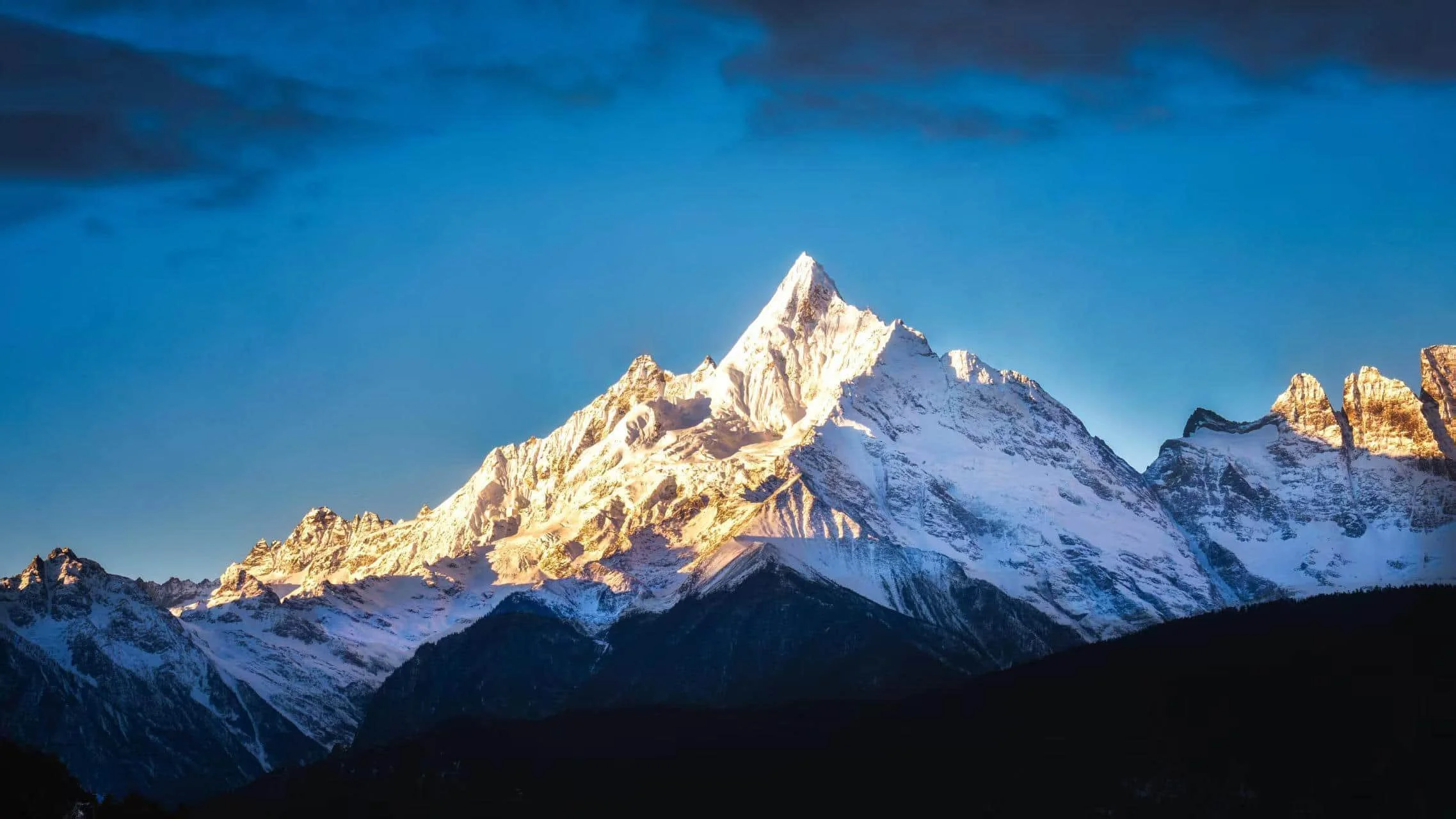
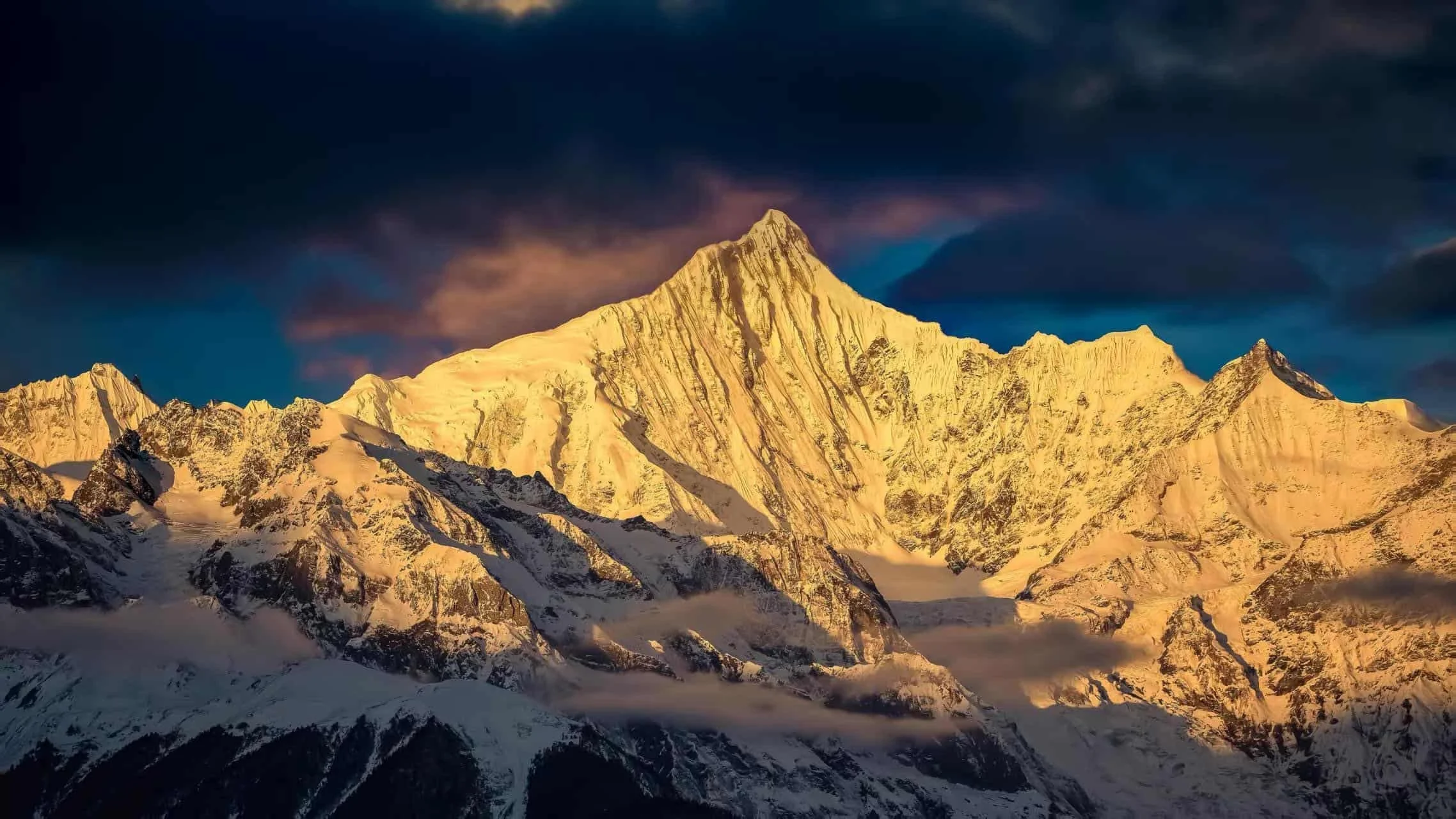
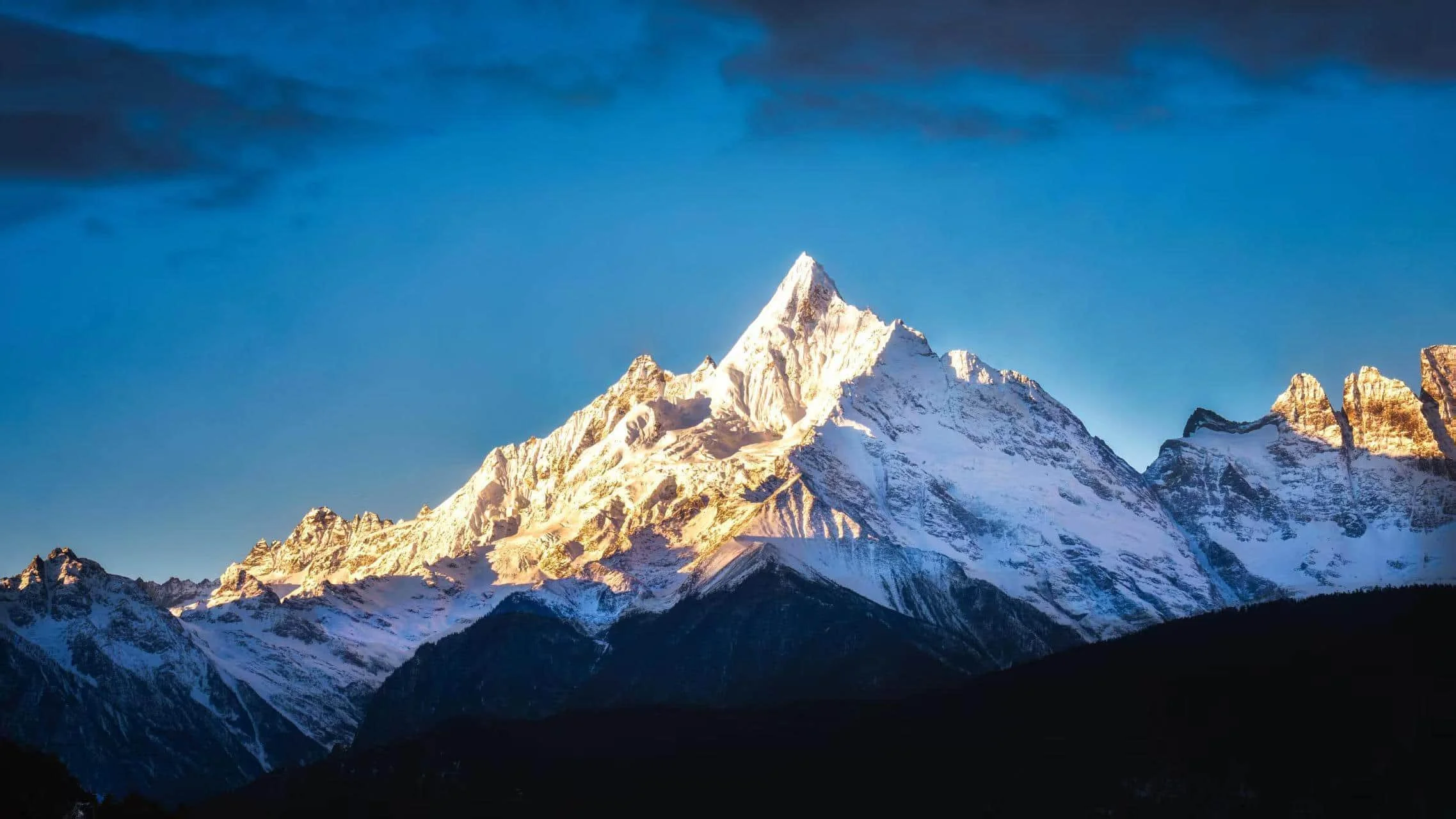
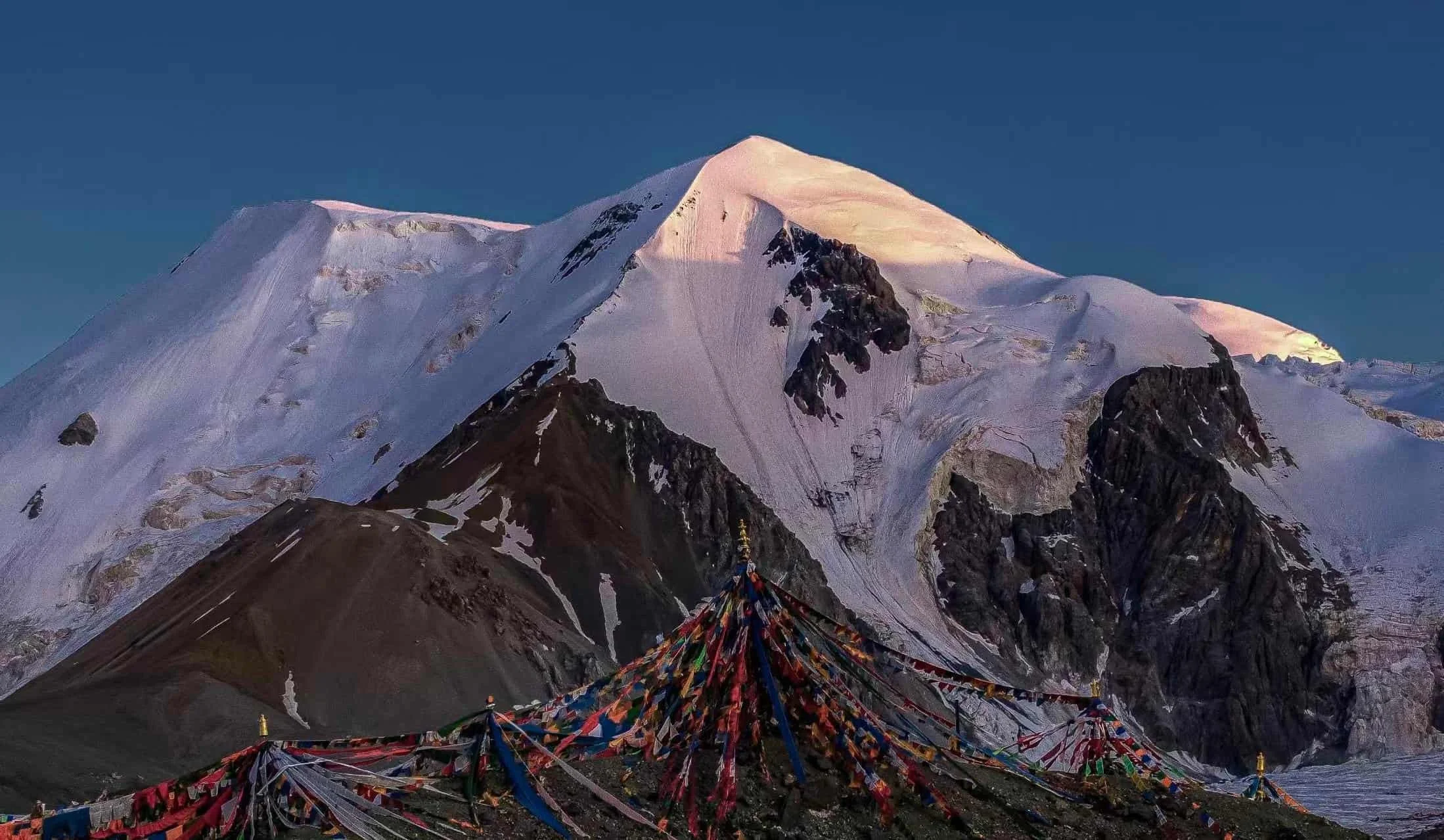
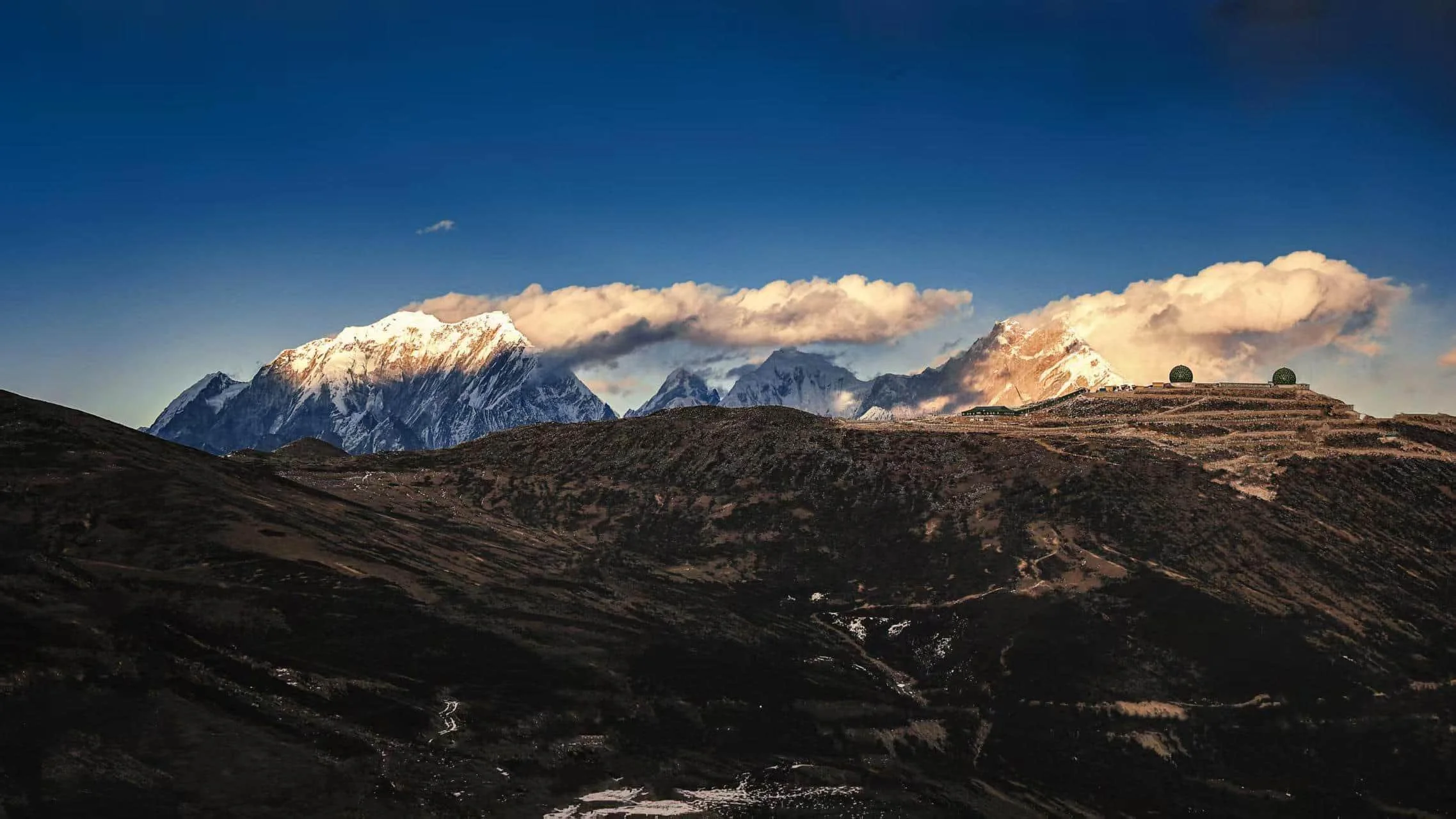
The crown jewel of the canyon is Namcha Barwa — at 7,782m, the 15th-tallest mountain in the world, and widely considered the most beautiful peak in China. Its name in Tibetan means "a spear piercing the sky," and the description fits: the summit is a dramatic, sharp pyramid that catches the light like a blade. Namcha Barwa is so frequently shrouded in cloud that local Tibetans say glimpsing the summit brings a lifetime of good fortune.
The best viewpoint is at Suoxong Village, where the canyon makes a dramatic U-turn around the mountain. On a clear day — especially in autumn — the view of Namcha Barwa rising above the gorge, with the river far below and forested slopes in between, is simply one of the greatest mountain vistas on Earth. Your guide will time your visit for the best light.
Best months for Namcha Barwa visibility: October and November offer the clearest views. Spring (March–April) brings rhododendrons in bloom. Summer monsoon (July–August) means clouds — you may not see the peak at all.
Day 6: Nyingchi → Shannan (3,600m) — Cradle of Tibetan Civilization
🌅 8:00 AM — Drive to Shannan (Tsedang)
Leave Nyingchi and drive west to Shannan (山南), the birthplace of Tibetan civilization. This is where the Tibetan people originated, where the first king descended from heaven (according to legend), where Buddhism first took root in Tibet, and where the first monastery, first palace, and first temple were built. If Lhasa is Tibet's heart and Everest is its crown, Shannan is its womb.
The drive takes about 5–6 hours, crossing back over high passes and descending into the Yarlung Valley — a broad, fertile valley that was the center of Tibetan power for centuries before Lhasa rose to prominence.
🕐 2:00 PM — Yumbulagang (雍布拉康, Tibet's First Palace)
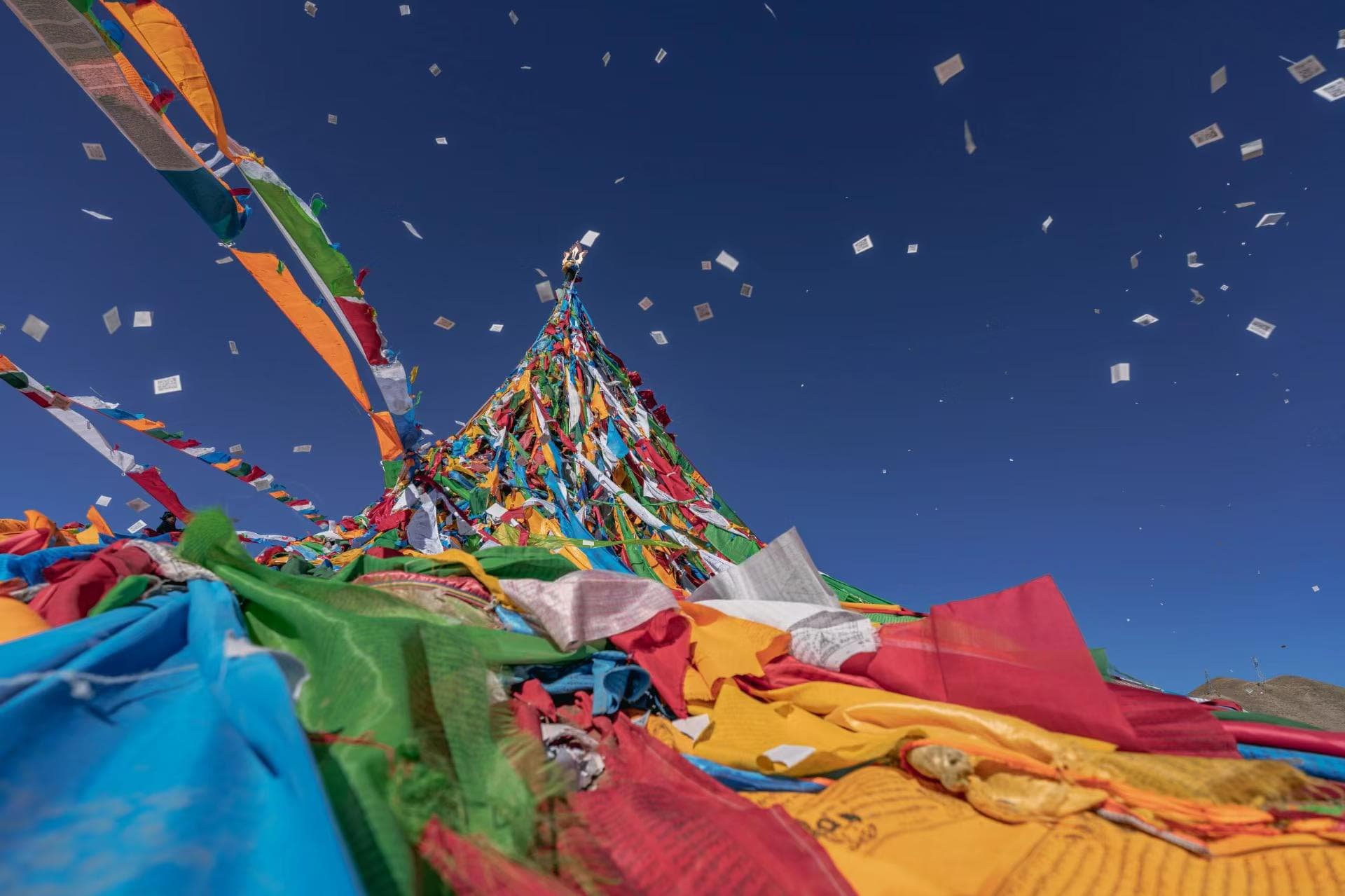
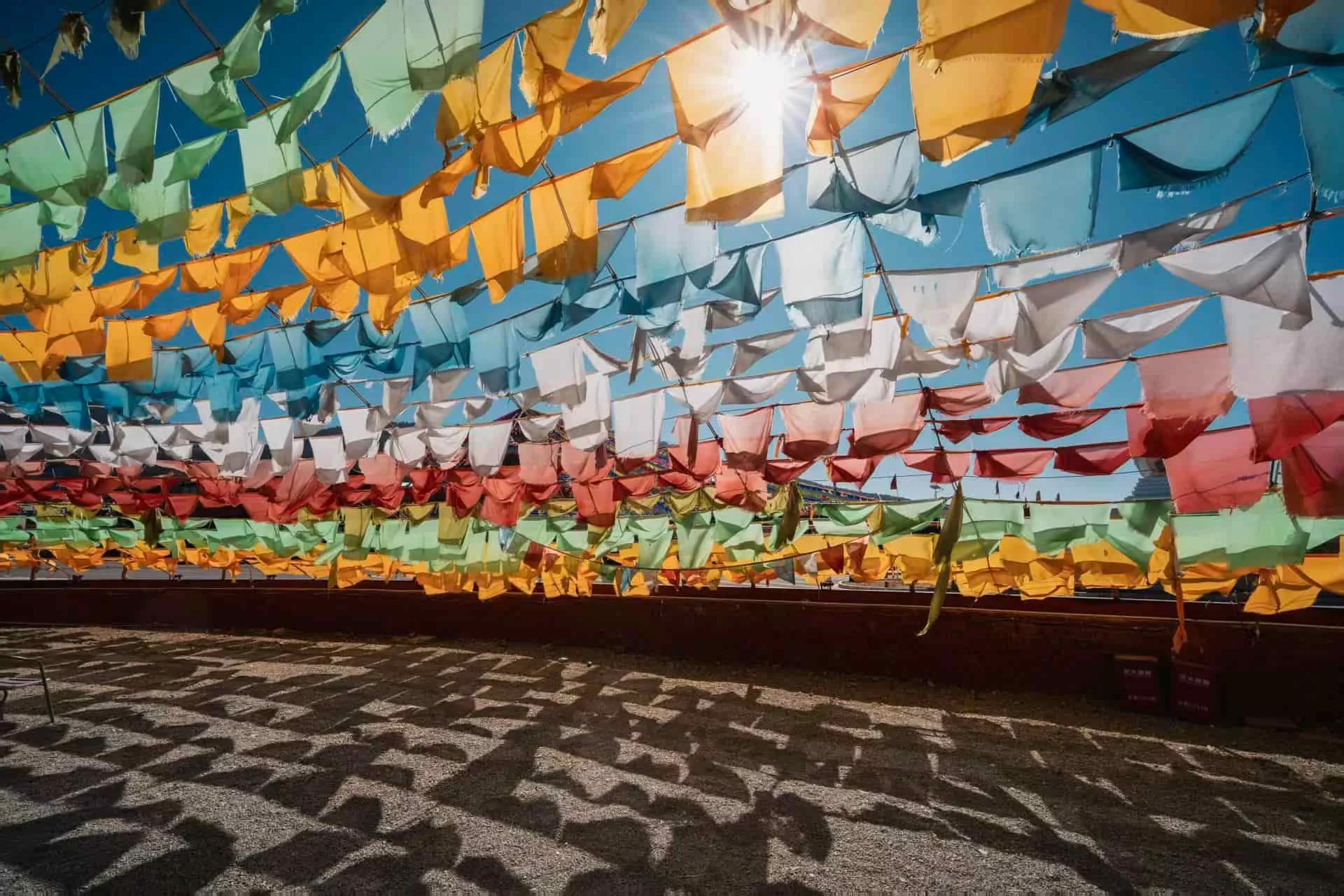
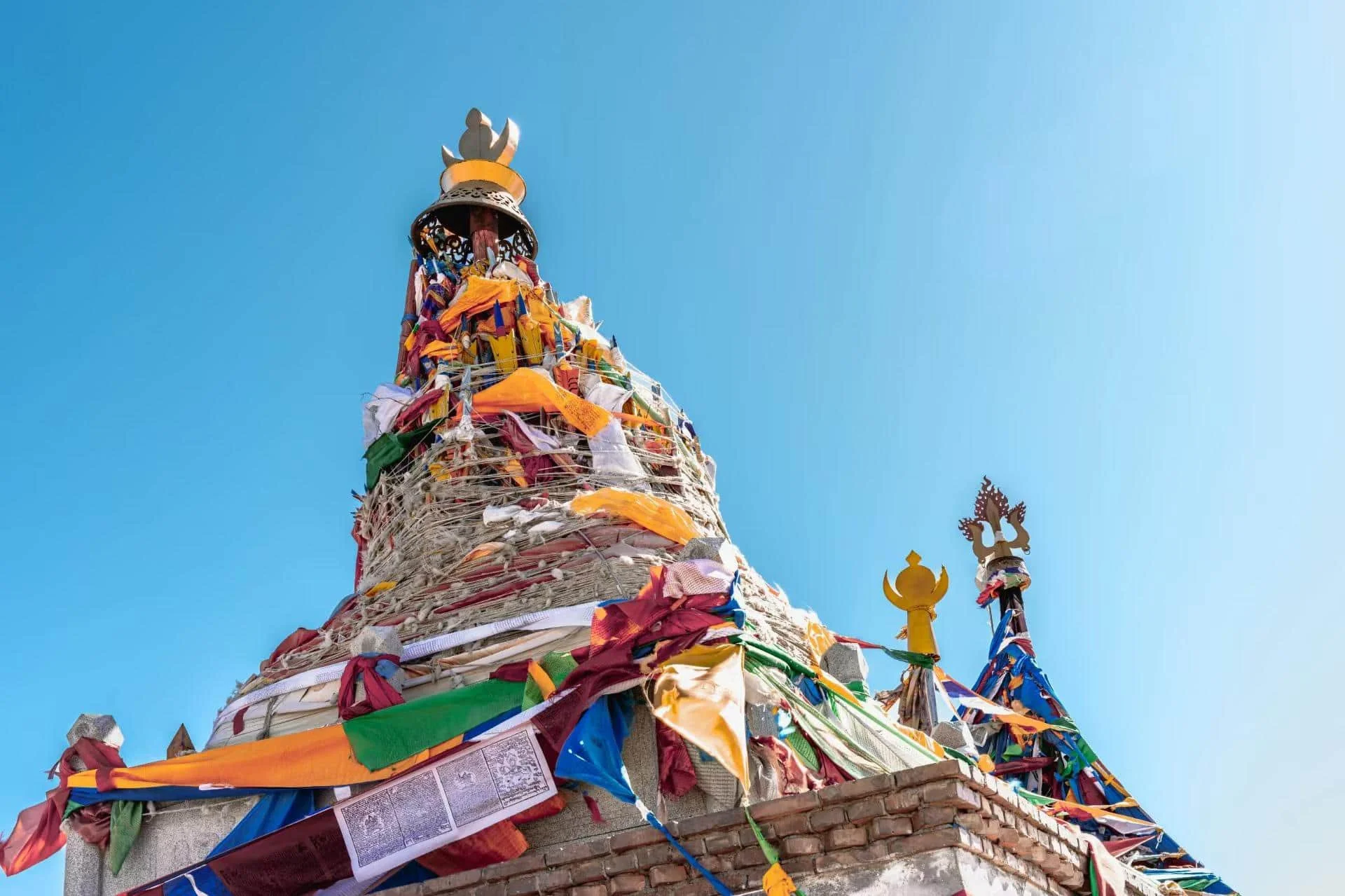
Visit Yumbulagang — perched on a rocky hilltop above the Yarlung Valley, this is the oldest structure in Tibet, traditionally said to have been built in the 2nd century BC for Tibet's first king, Nyatri Tsenpo, who legend says descended from heaven via a sky-cord. The fortress-palace looks like it grew out of the mountain itself — whitewashed walls rising from bare rock, with prayer flags streaming from the summit.
Climb the steps to the top (or ride a horse up, arranged by your guide) for panoramic views over the entire Yarlung Valley — golden barley fields, traditional villages, and the Yarlung Tsangpo River in the distance. Inside, small chapels contain ancient statues and murals. Your guide will recount the legends of the early Tibetan kings and the myths that make this place sacred.
Day 7: Shannan — Deep Cultural Exploration
🌅 9:00 AM — Choose Your Path
Day 7 is dedicated to Shannan's extraordinary heritage. Your guide will help you choose based on your interests and energy:
Option A: Tradruk Temple & Tibetan King's Tombs (藏王墓) — Visit Tradruk Temple, one of the earliest Buddhist temples in Tibet (7th century), famous for a pearl-encrusted thangka (religious painting) containing over 29,000 pearls. Then drive to the Tibetan King's Tombs — the burial mounds of the early Tibetan emperors, including Songtsen Gampo, the king who unified Tibet and introduced Buddhism. The tombs are massive earthen mounds on a hillside overlooking the valley, silent and solemn.
Option B: Lhamo Latso (拉姆拉错, "Oracle Lake") — For the spiritually adventurous, drive to Lhamo Latso, a small oval lake at 5,100m that is Tibet's most sacred oracle. For centuries, senior lamas have come here to gaze into the lake's waters for visions — including visions that guide the search for the reincarnation of the Dalai Lama. The drive is long (3 hours each way on rough roads) and the hike to the viewpoint is steep, but the lake's setting — encircled by barren mountains at the roof of the world — is unforgettable. This is a deeply spiritual place, far from any tourist trail.
Option C: Zhegu Grassland (哲古草原) — A gentler option: visit the vast Zhegu Grassland, where nomadic herders tend yaks and sheep against a backdrop of snow-capped mountains. Wild asses (kiang) and black-necked cranes are often spotted here. A peaceful day of nature and nomad culture.
Day 8: Shannan → Yamdrok Lake → Shigatse (3,900m)
🌅 8:00 AM — Yamdrok Lake (羊卓雍措, 4,441m)
Depart Shannan and drive toward Yamdrok Lake — one of Tibet's three sacred lakes, and the most visually stunning. The road climbs to the Kamba La Pass (4,794m), and from the top, the view stops people in their tracks: the lake stretches below in an impossible shade of turquoise, framed by snow-capped mountains. The color comes from glacial minerals and the extreme clarity of the water. According to local belief, Yamdrok is the transformation of a Tibetan goddess. Pilgrims circumambulate the lake (a 7-day walk) to earn merit.
Stop for photos at the pass, then descend to the lake shore. On a still day, the reflection of the mountains in the turquoise water is one of the most photographed scenes in Tibet.
🕐 3:00 PM — Arrive in Shigatse
Continue driving west to Shigatse (日喀则), Tibet's second-largest city. Check into your hotel and rest. Tomorrow brings Tashilhunpo Monastery.
Day 9: Shigatse → Tingri (4,300m)
🌅 9:00 AM — Tashilhunpo Monastery (扎什伦布寺)
Visit Tashilhunpo Monastery, founded in 1447 by the First Dalai Lama and the seat of the Panchen Lama, the second-highest ranking figure in Tibetan Buddhism. It's one of the largest functioning monasteries in Tibet, with nearly 800 monks today.
The highlights: the Maitreya Chapel, housing a 26-meter (86-foot) tall gilded bronze statue of the future Buddha — the largest such statue in the world, containing 279 kilograms of gold. Also visit the stupa of the 10th Panchen Lama, wrapped in over 600 kilograms of gold and encrusted with amber, coral, and turquoise. The kora path around the monastery offers panoramic views of Shigatse and the surrounding valley.
🕐 2:00 PM — Drive to Tingri
After lunch, drive south toward Tingri (定日), a small town close to Mount Everest. The road crosses the Gyatsola Pass (5,248m) — the highest point of the entire trip. The landscape transforms: green valleys give way to barren, wind-swept plains, and the Himalayan range begins to appear on the southern horizon, a wall of snow and ice stretching endlessly east to west. Overnight in Tingri — rest well, because tomorrow is Everest Day.
Day 10: Tingri → Everest Base Camp (5,200m) → Shigatse
🌅 Before Dawn — Depart for Everest
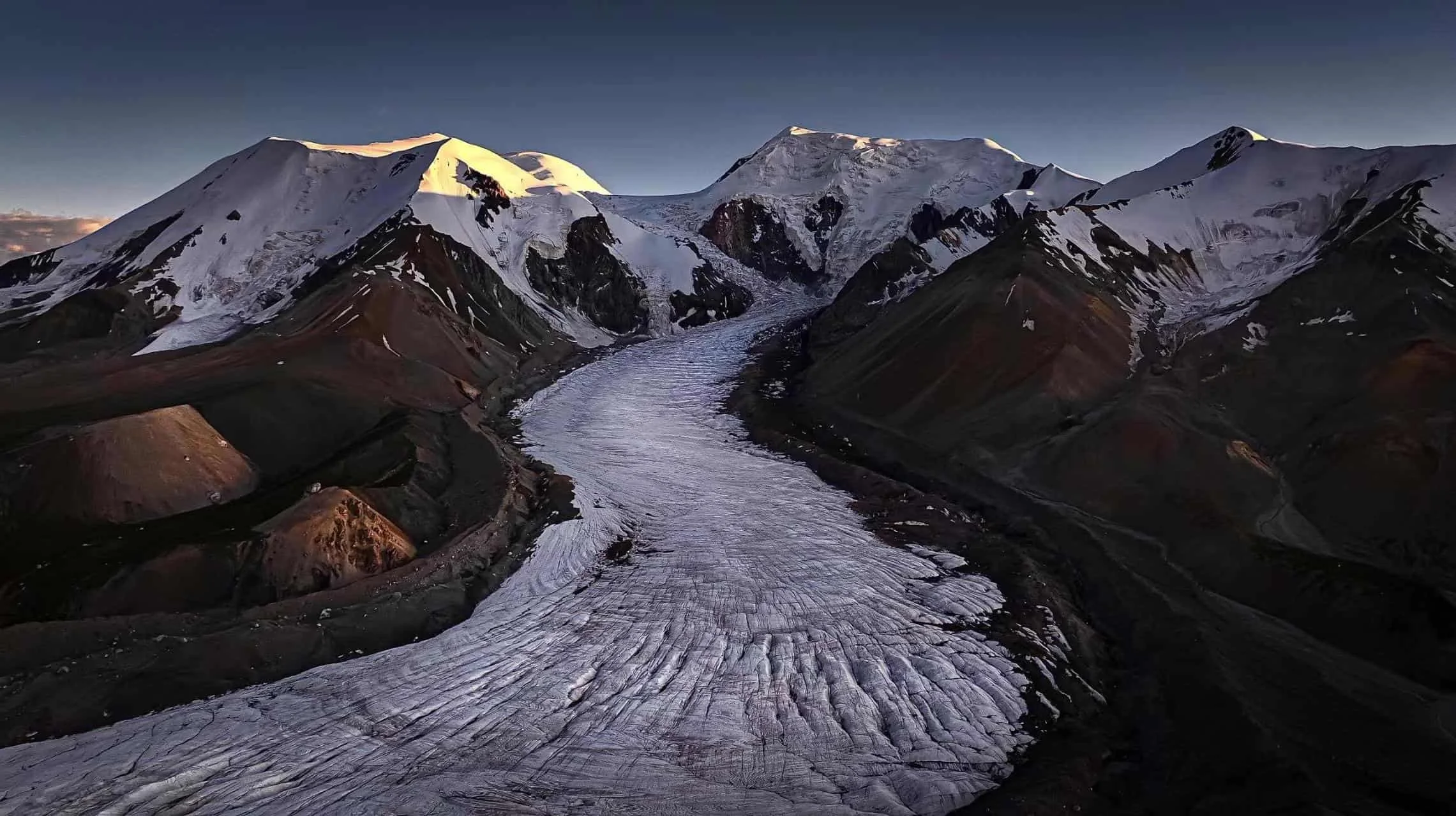
Leave Tingri early and drive toward Everest. At Gawu La Pass (5,198m), you get your first clear view of Mount Everest (Chomolungma, 珠穆朗玛峰) — on a clear day, you can see five peaks over 8,000 meters in a single panorama: Makalu (8,463m), Lhotse (8,516m), Everest (8,848m), Cho Oyu (8,201m), and Shishapangma (8,027m). No other viewpoint on Earth offers this.
🕐 10:00 AM — Everest Base Camp
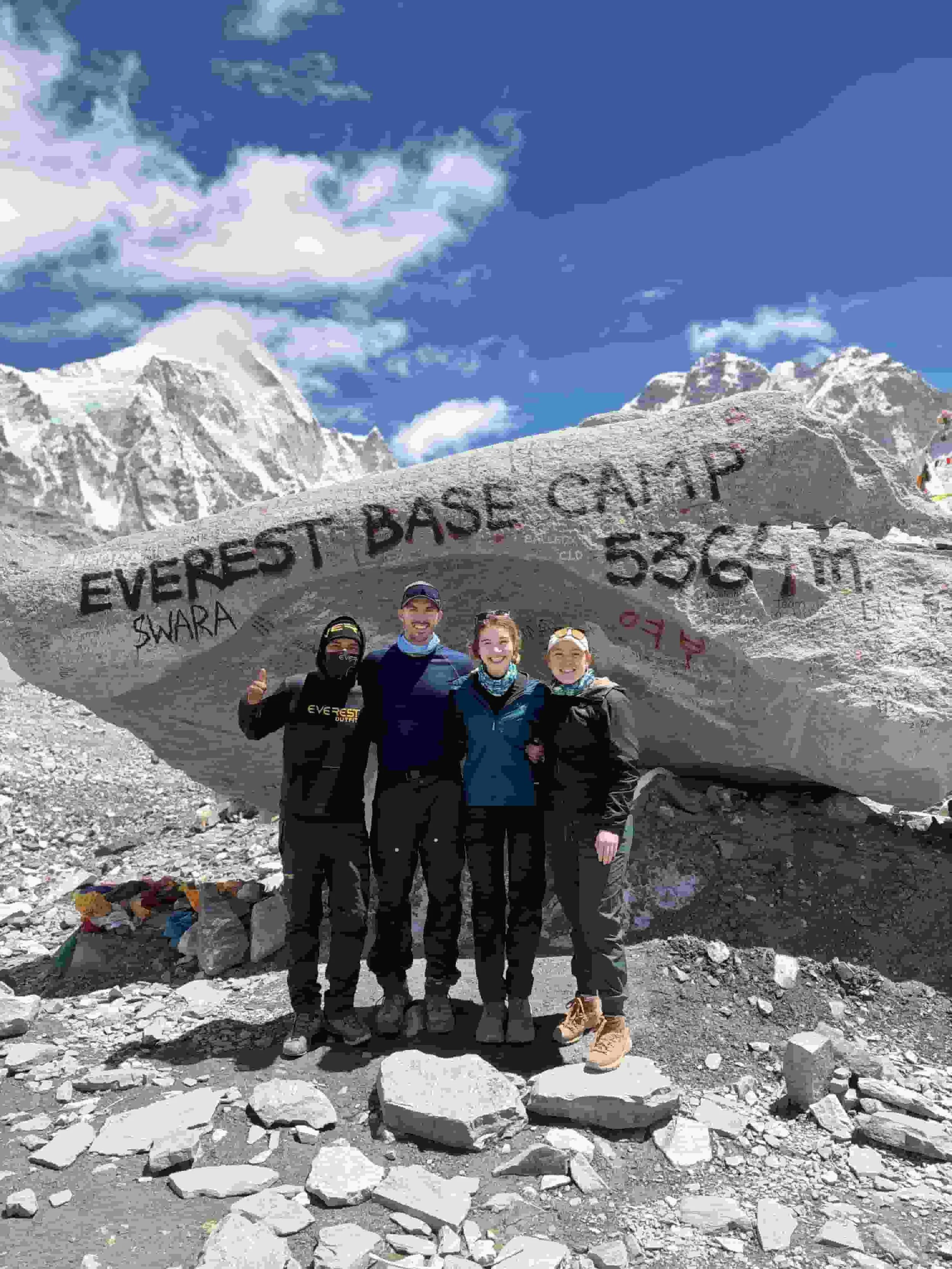
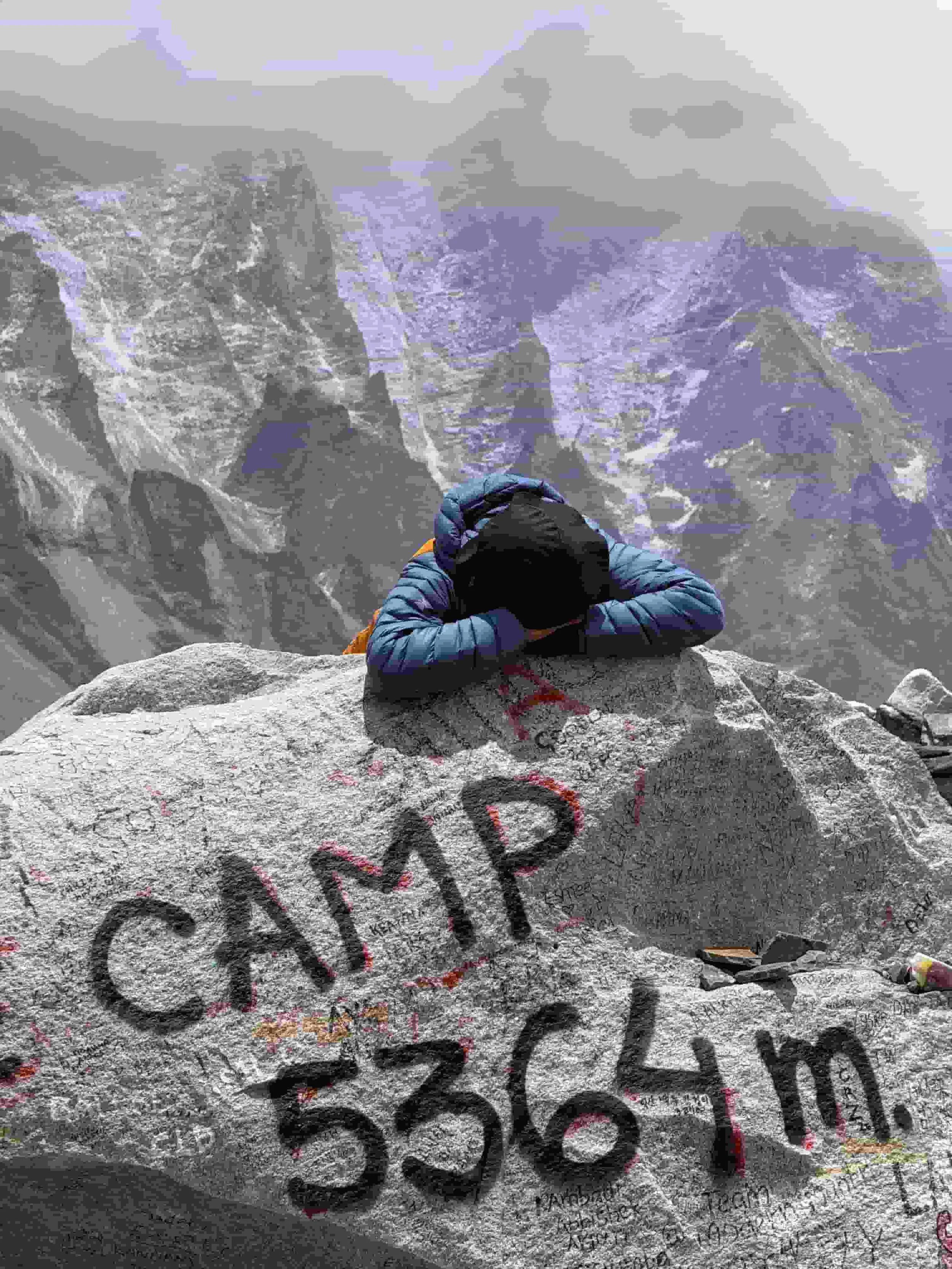
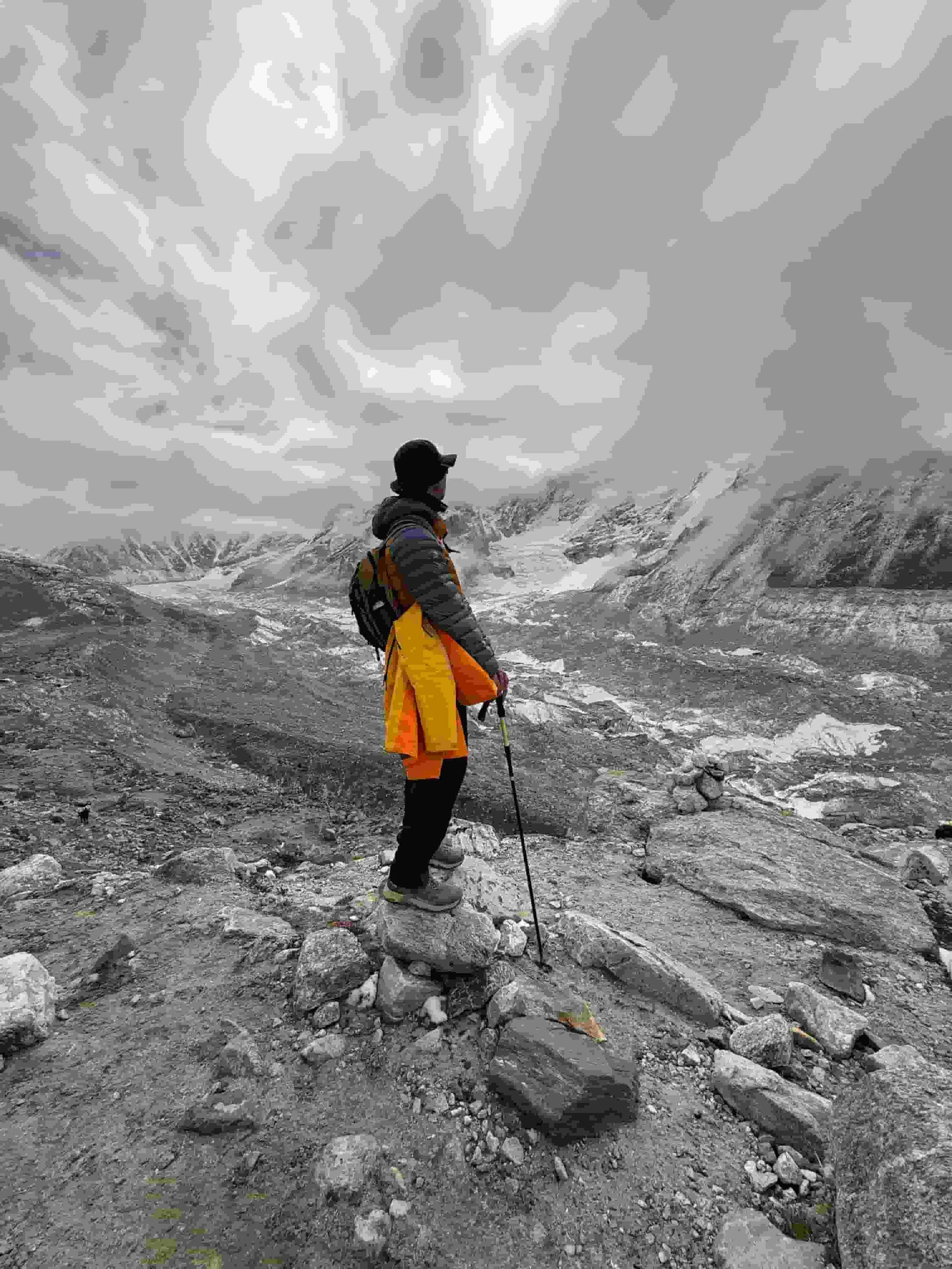
Descend from the pass and arrive at Everest Base Camp. Inside Qomolangma National Park, you'll transfer to the park's eco-buses to enter the core area. The north face of Everest rises directly before you — 3,500 vertical meters of granite, snow, and glacial ice, culminating in the summit pyramid at 8,848 meters. Visit the Rongbuk Monastery (绒布寺, the highest monastery in the world at 5,154m) and the EBC monument at 5,200m. Take your photos. Let it sink in. This is the highest point on Earth.
Altitude Alert: At 5,200m, the air has roughly half the oxygen of sea level. Move slowly, stay hydrated, and inform your guide immediately if you experience severe headache, vomiting, or confusion.
🕐 2:00 PM — Return to Shigatse
After your time at EBC, begin the drive back to Shigatse (about 6–7 hours including stops). You'll be descending, which your lungs will appreciate. Arrive in Shigatse by evening.
Day 11: Shigatse → Damxung (4,200m)
🌅 9:00 AM — The Long Drive North
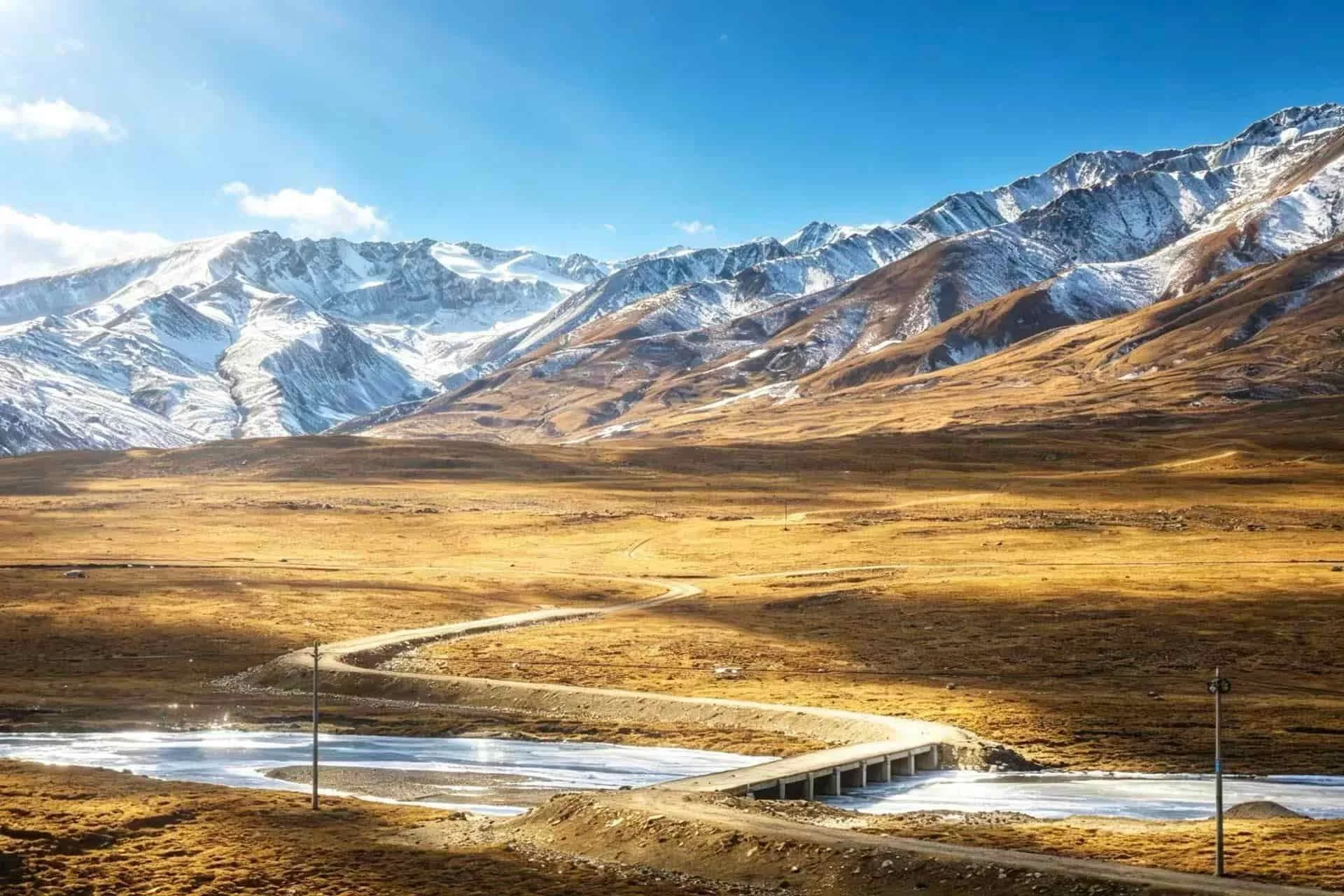
Depart Shigatse and drive north toward Damxung, a small town on the road to Namtso Lake. The drive takes most of the day (6–7 hours), traveling along the Yarlung Tsangpo River valley and then climbing onto the open grasslands of northern Tibet ( Changtang). The scenery shifts again — from farmland and villages to vast, empty steppe where nomadic herders tend yaks and the sky seems to stretch forever. This is the Tibet of imagination: golden grass, black yak-hair tents, and distant snow peaks.
Overnight in Damxung. Rest well — tomorrow you'll reach Namtso, one of the most beautiful lakes on the planet.
Day 12: Damxung → Namtso Lake (4,718m) — The Heavenly Lake
🌅 8:00 AM — Cross the Nagela Pass (5,190m)
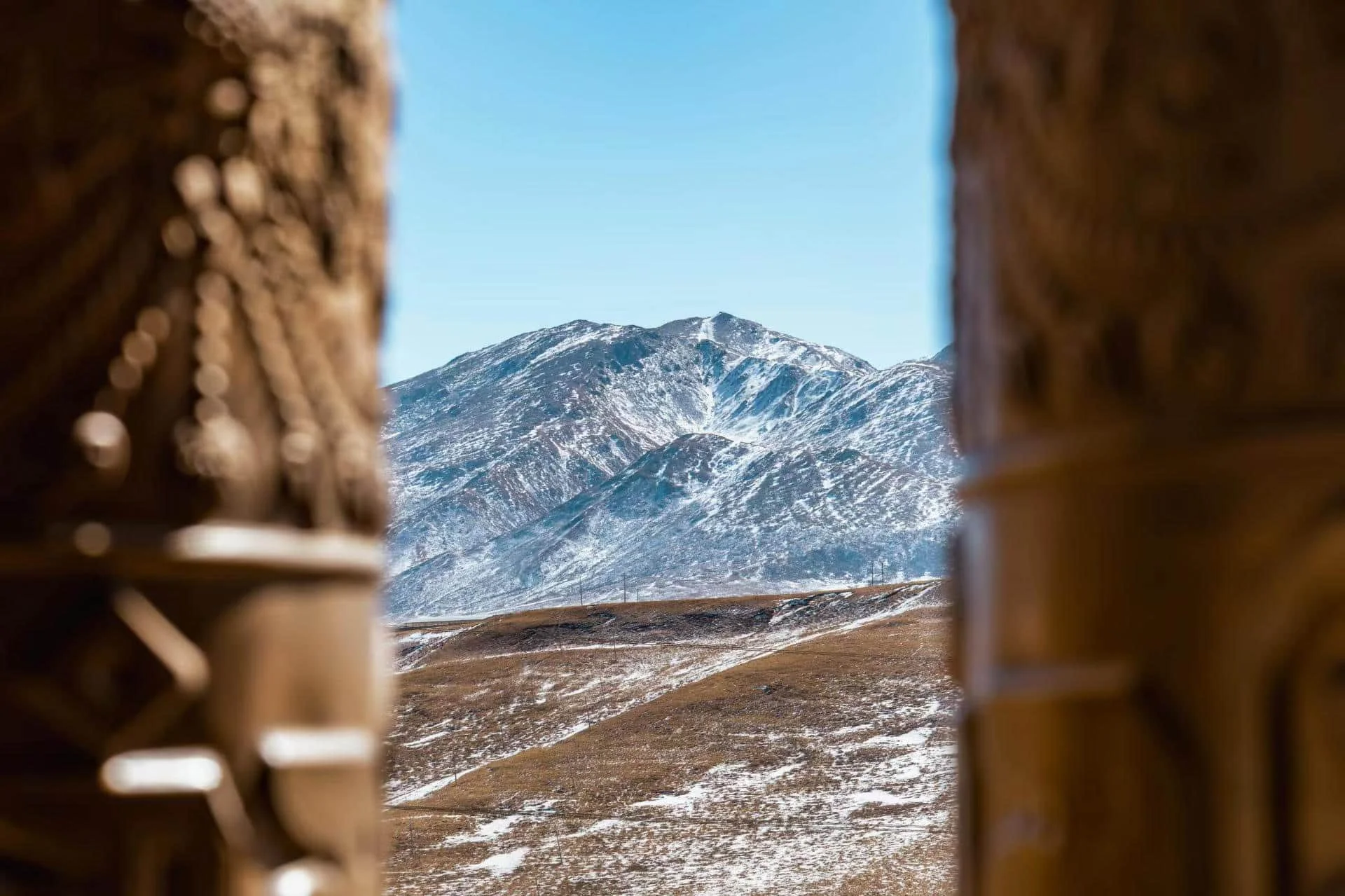
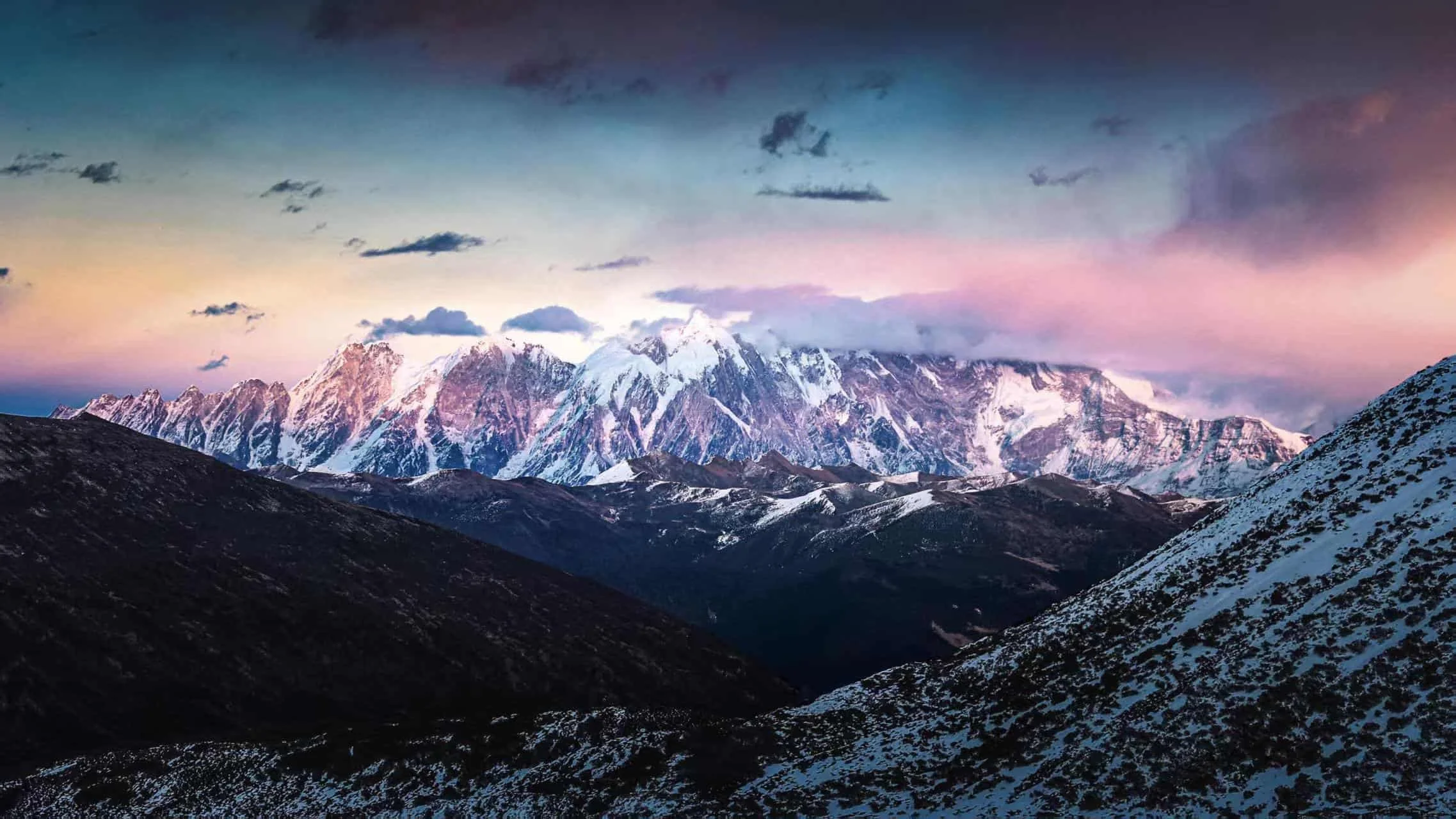
Drive north from Damxung, climbing to the Nagela Pass (5,190m). From the top, your first glimpse of Namtso Lake appears — a vast expanse of deep blue water stretching to the horizon, ringed by the snow-capped Nyenchen Tanglha Mountains. The word "Namtso" means "Heavenly Lake" in Tibetan, and the name is not an exaggeration. At 4,718m, it's one of the highest saltwater lakes on Earth, and the largest lake in Tibet (1,920 square kilometers).
Descend to the lake shore and spend the day walking along the shoreline, exploring Tashidor Peninsula with its limestone karst formations and meditation caves where hermit monks have retreated for centuries. The water is impossibly blue — a deep, saturated cobalt that looks like the sky fell into the earth. Wild yaks, bar-headed geese, and black-necked cranes are often seen along the shore.
Overnight by the lake: Stay in a guesthouse near Namtso. After sunset, step outside and look up — at 4,700m with zero light pollution, the Milky Way is so bright it casts shadows. The starry sky at Namtso is, without hyperbole, one of the most magnificent sights a human being can witness.
Day 13: Namtso Lake → Lhasa — Rest & Reflection
🌅 Morning — Namtso Sunrise
Wake early for sunrise over the lake — the first light turns the Nyenchen Tanglha Mountains gold, then pink, then white, while the lake shifts from black to deep blue to turquoise. It's a quiet, contemplative moment after nearly two weeks of extraordinary sights.
After breakfast, drive back to Lhasa (about 4–5 hours). The afternoon is deliberately unscheduled — after the intensity of Everest and Namtso, you've earned a rest. Sleep in, explore Lhasa on your own, revisit a favorite tea house, or do some last-minute shopping on Barkhor Street. If you're feeling energetic, your guide can arrange a visit to the Norbulingka (the Dalai Lama's Summer Palace, a UNESCO World Heritage Site with beautiful gardens) or the Tibet Museum (free admission, excellent overview of Tibetan history).
In the evening, consider a farewell dinner at a restaurant with views of the Potala Palace lit up at night — a fitting end to an extraordinary journey.
Day 14: Departure from Lhasa
✈️ Airport or Train Transfer
Your guide and driver will take you to Lhasa Gonggar Airport or Lhasa Railway Station according to your departure schedule. Most flights depart in the morning or early afternoon. If you have a late flight, ask your guide for a short morning walk around the Barkhor — one last circuit, one last spin of the prayer wheels, one last cup of sweet tea. Tibet has a way of making people want to come back.
✅ What's Included
IncludedNot Included✅ Tibet Travel Permit arrangement❌ Flights/train to and from Lhasa✅ Licensed English-speaking Tibetan guide (all 14 days)❌ Chinese visa fee✅ Private air-conditioned vehicle with experienced driver❌ Meals (budget ¥80–150/person/day)✅ 12 nights hotel accommodation (3–4 star in Lhasa, Shigatse & Nyingchi; guesthouse in Damxung & Namtso)❌ Personal travel insurance (strongly recommended)✅ 1 night guesthouse near Namtso Lake❌ Potala Palace reservation fee: ¥200 (peak season)✅ All entrance tickets (Potala, Jokhang, Basum Lake, Yumbulagang, Tradruk Temple, Yamdrok viewing platform, Tashilhunpo, EBC + eco-bus, Rongbuk Monastery, Namtso + Nagela Pass)❌ Gratuities for guide and driver (optional, typically ¥50–100/day per person)✅ Bottled water in the vehicle❌ Sleeping bag liner for EBC (available to rent, ¥50)✅ Oxygen canister in the vehicle❌ Any costs arising from altitude sickness requiring early departure✅ Airport/train station pickup & drop-off❌ Beverages and alcoholic drinks
Altitude & Health Information
Understanding Altitude Sickness (AMS):
This tour spans from 2,950m (Nyingchi) to 5,248m (Gyatsola Pass). Most travelers experience mild AMS symptoms (headache, fatigue, mild nausea, shortness of breath) during the first 2–3 days. This is normal and usually passes as your body acclimatizes. The itinerary is designed with acclimatization in mind — Nyingchi's lower altitude (Day 3–5) gives your body a break before the higher-altitude Everest section. Severe symptoms (persistent vomiting, confusion, inability to walk straight, fluid in the lungs) require immediate descent. Your guide is trained to recognize the signs.
How to Minimize Risk:
• Arrive well-rested — don't fly in straight from a red-eye
• Drink 3–4 liters of water daily
• Avoid alcohol for the first 3 days
• Eat light, carb-heavy meals
• Walk slowly — even on flat ground, don't rush
• Consider asking your doctor about acetazolamide (Diamox) — a prescription medication that helps prevent AMS
• Your guide carries emergency oxygen and knows the nearest medical facilities at every stop
Best Time to Visit
SeasonMonthsConditionsRecommendation🟢 Peak SeasonApril – OctoberClear skies, warm days, Everest and Namcha Barwa visibleBest time — book early, Potala permits sell out🟢 Best for NyingchiMarch – AprilRhododendrons in bloom, forests at peak beautyBest time for Nyingchi section; Everest still visible🟢 Best for Namcha BarwaOctober – NovemberCrystal-clear skies, autumn colorsPeak visibility for the canyon and mountain🟡 ShoulderNovember, MarchCooler (-5 to 12°C), occasional snow at passesFewer tourists, good value, Everest still visible🔴 WinterDecember – FebruaryVery cold (-15 to 5°C), EBC and Namtso guesthouses closedOnly for the hardy — Lhasa and Shigatse still accessible
Everest & Namcha Barwa Visibility: The best months for clear views of Everest are May, September, and October. For Namcha Barwa, aim for October–November. The summer monsoon (July–August) brings clouds to both. Namtso Lake is accessible from April to November; in winter the road over Nagela Pass is often snowed in.
Practical Information
🎒 Packing Essentials: Warm layers (temperatures swing 20°C between day and night), down jacket (essential for EBC and Namtso), thermal underwear, hiking boots, sunglasses (UV is extreme at altitude), sunscreen SPF 50+, lip balm, water bottle, power bank (electricity is limited at EBC and Namtso), wet wipes, personal medications, sleeping bag liner, rain jacket (essential for Nyingchi — it's the wettest part of Tibet).
📱 Connectivity: Wi-Fi in Lhasa, Shigatse, and Nyingchi hotels. No Wi-Fi or cell signal at EBC or Namtso. Download offline maps before departure.
💰 Currency: Cash (RMB) is essential — ATMs only in Lhasa, Shigatse, and Nyingchi. Small bills (¥10, ¥20) for restroom fees and small purchases. WeChat Pay works in cities.
📸 Photography: Photography prohibited inside Potala Palace and some monastery chapels — your guide will advise. At EBC, a telephoto lens (200mm+) gives the best results. For Namcha Barwa, a wide-angle lens captures the full canyon-and-mountain composition.
🏨 Accommodation: Lhasa and Nyingchi have comfortable 3–4 star hotels. Shigatse hotels are similar but simpler. Damxung and Namtso guesthouses are basic — shared bathrooms, limited heating, squat toilets. This is part of the experience.
🕐 Driving Times: This tour involves significant driving. Longest days: Day 6 (Nyingchi–Shannan, ~6 hrs), Day 10 (Tingri–EBC–Shigatse, ~10 hrs total), Day 11 (Shigatse–Damxung, ~7 hrs). The roads are paved and generally in good condition, but mountain roads are winding — motion sickness medication is recommended.
Frequently Asked Questions
Is 14 days too long? Will I get tired of monasteries?
Not at all — this itinerary is specifically designed to vary the experience. The Nyingchi section (Days 3–5) is completely different from the rest of Tibet: forests, canyons, waterfalls, and the lowest altitude on the trip. Shannan (Days 6–7) adds ancient history and cultural depth. Everest (Day 10) is the dramatic climax. Namtso (Days 11–12) is pure nature. Each section has its own character, so the journey never feels repetitive.
Do I need to be physically fit for this tour?
No special fitness is required — the tour is primarily vehicle-based with short walks at each stop. However, you should be comfortable walking slowly at high altitude (2,950–5,200m). If you can walk 2–3km on flat ground at home without difficulty, you can do this tour. The key is to move slowly and listen to your body. The Nyingchi section (lower altitude) gives you a natural recovery break.
Can I skip a section and shorten the tour?
Yes. If you want a shorter version, you can skip the Nyingchi section (making it ~11 days, similar to the 8-Day Everest Tour with Shannan and Namtso added), or skip Namtso Lake (making it ~12 days). Contact us for custom itineraries.
What if I get severe altitude sickness?
Your guide monitors all travelers for AMS symptoms. If you develop severe symptoms (HACE or HAPE), the treatment is immediate descent. Your vehicle can drive you to lower altitude within 2–3 hours from any point on the route. Shigatse has a hospital with oxygen chambers. Your guide will make the decision — do not argue with them on this. Safety is non-negotiable.
Is the road to Everest Base Camp safe?
Yes. The Friendship Highway is a well-maintained paved road. The final section to EBC was significantly improved in recent years. Our drivers are experienced locals who have driven this route hundreds of times.
Q: What is your cancellation policy?
We offer one of the most flexible cancellation policies for private China tours. Cancellations made 30 or more days before departure are free (only the deposit is retained, which you can use as travel credit for up to 24 months). Within 30 days, refunds follow a graduated scale based on how close you are to departure.
For the full breakdown including Tibet-specific terms, partial cancellations, and force majeure, please see our Cancellation Policy page.
Every booking also comes with a Deposit Credit option — if you need to cancel but plan to visit China in the future, you can convert your deposit into credit valid for 24 months instead of losing it.
Fourteen days. The Potala Palace. The world's deepest canyon. Namcha Barwa at sunset. The birthplace of Tibetan civilization. Everest Base Camp. And the Milky Way over Namtso Lake. Book your 14-day Panoramic Tibet tour today.