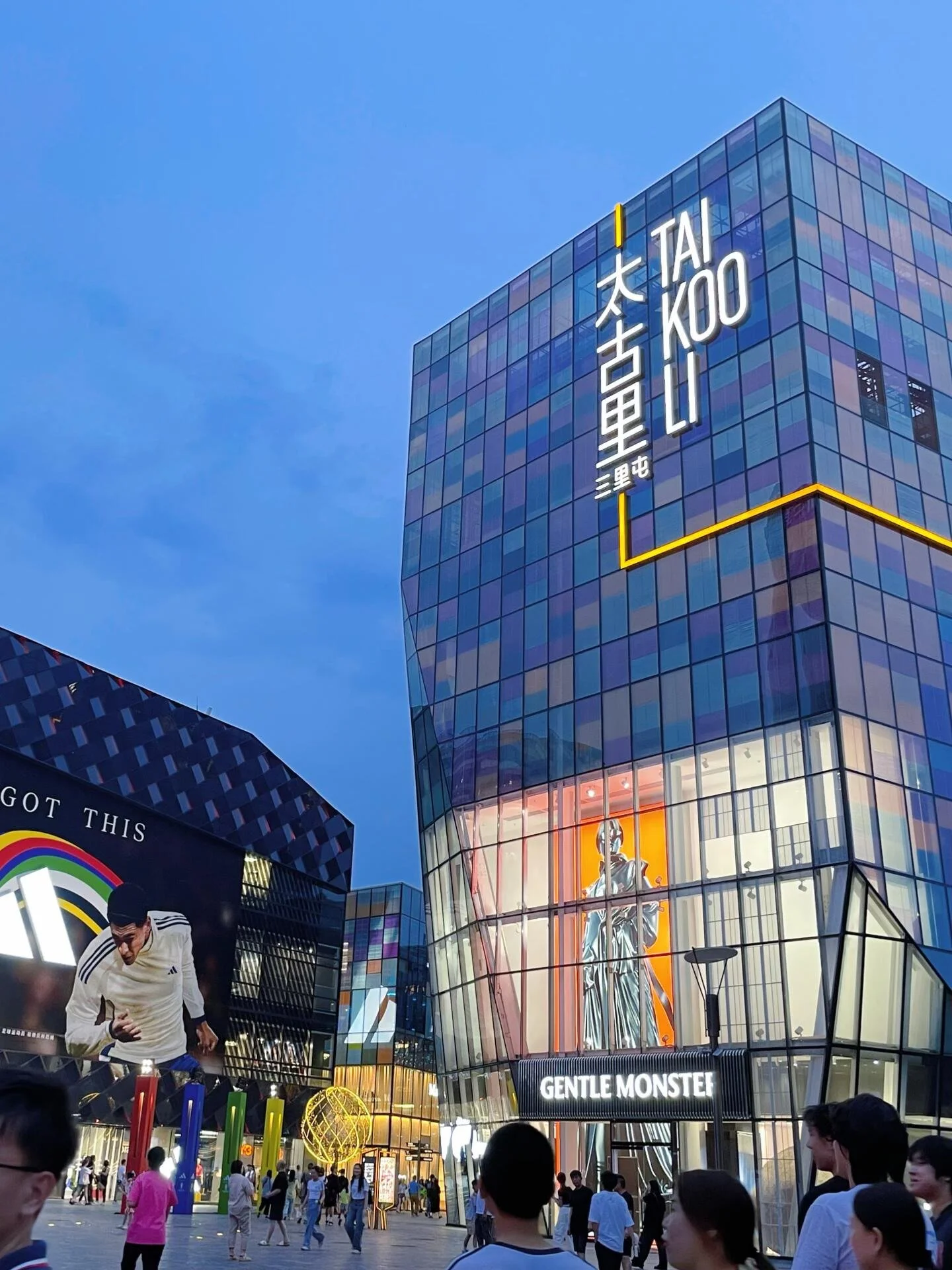

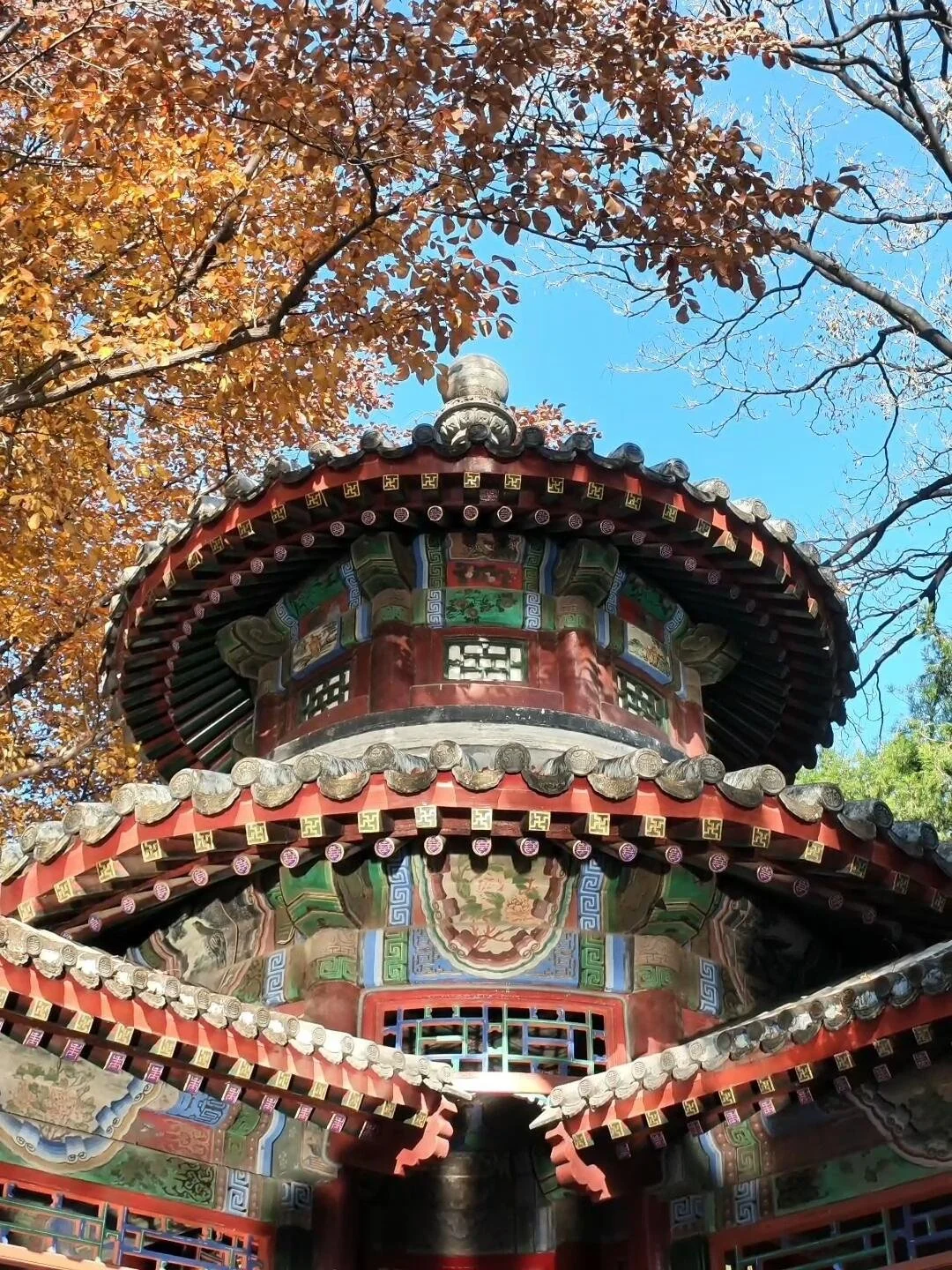
Wangfujing, Chaoyangmen and the hutongs are the three names first-time visitors to Beijing mix up most. This Beijing travel guide is organised around where to stay, what to eat and how to get around. It's written for first-timers, budget travellers and independent travellers on a tight two-and-a-half-day trip — jump to the section you need.
① The old open-air snack street at Wangfujing Street has been redeveloped. Most of the stalls moved into nearby buildings and the basements of the malls.
② "Hutong" is not the name of a place, and it isn't an attraction you buy a ticket for. It's a residential area in central Beijing — there is no such thing as a "hutong district entrance."
③ Both Wangfujing and Chaoyangmen go quiet at night. Don't wait around in either of them for nightlife.
④ Booking the Forbidden City does NOT get you into Tiananmen Square. The Square is free, but it's a completely separate real-name reservation through the official Tiananmen Square booking system — foreign visitors book with their passport — open 1–7 days ahead, never on the day itself, with new dates released at noon. Watching the flag ceremony needs yet another separate booking. Don't assume one reservation covers both.
1. First, decide which "Beijing" you want to stay in
Beijing is huge, and where you base yourself decides how much of each day you lose to transport. If it's your first time, don't rush to find the most "authentic old Beijing" courtyard. My advice: sort out "central + on the metro" first. In my experience, as long as the metro is convenient, the exact address matters far less than you think. But chase a "local Beijing life" out beyond the Fifth Ring Road and a single trip into the centre takes over an hour, with traffic that can drain half your energy for the day — especially if you're hauling a suitcase.
Wangfujing – Dongdan – Dengshikou. For first-timers who want to tick off the popular tourist attractions in Beijing, make this stretch your first choice. Lines 1, 5 and 8 serve this stretch, and you're within walking distance of the Forbidden City and Tiananmen. Food is concentrated in the malls here, there are plenty of picture menus, and it's the safest bet if you're travelling with elderly parents or kids. The downside: the main street itself has nothing to offer, and there's not much to see after dark (more on that later).
Drum Tower – Houhai – Shichahai. For hutong life and somewhere to go at night. Line 8, with bars, small shops and the lakeside. The catch: it's a long way from some sights, and hutong hotels come with real practical problems — if you're bringing luggage, ask in advance whether a car can reach the door.
Sanlitun. Nightlife first. Line 10, plenty of restaurants and bars. But if your trip is mainly about sightseeing in Beijing, I wouldn't stay here — the daytime commute is too long.
Qianmen (Zhengyangmen) – Dashilan. You want an "old street + hutongs" without being far from Tiananmen. Line 2, and walkable to Tiananmen. It's touristy, but it feels more like a real "street" than Wangfujing's main drag does, and I personally quite like this area.
Dongsi – Chaoyangmen – Longfusi. You want a residential hutong without giving up convenience. Lines 5, 6 and 2 are all nearby, and the local market, breakfast spots and hutongs are within walking distance — you can even walk to Wangfujing. This is the best compromise in this guide, and I'll explain why below.
My suggestion: on a tight first trip, stay along Wangfujing – Dongdan – Dengshikou or Dongsi – Chaoyangmen – Longfusi. If you want life in the evenings, move closer to Drum Tower – Houhai. Don't head outside the Fourth Ring for a "local feel" unless you've planned only one sightseeing stop a day. For the full area-by-area hotel breakdown, see our where to stay in Beijing guide.
2. Food
Let me be clear from the start: Wangfujing Street is not where you go looking for "old Beijing snacks." Its strength is the malls in Beijing, China — the choices are concentrated, menus come with pictures and English, and prices are clearly marked. If it's your first time, you're with kids or elderly parents, or you're worried about getting ripped off, eat here. The downside is that it all feels the same; you won't really taste Beijing here.
For a real neighbourhood breakfast, head to Dongsi – Longfusi – inside Chaoyangmen. A breakfast near the Dongsi hutongs costs less than 2 dollars (around 10–20 yuan), surrounded by fruit and vegetable shops, breakfast stalls and residential blocks — places like this feel more like "Beijing" than any fake old street. The Longfusi area also has a local Beijing market place where you can browse and eat as you go. I won't name specific shops — just go where the locals are. That rule is more reliable than any ranking; we've also put together a separate guide to where Beijingers actually eat if you want to go deeper.
Let's be honest about the snack street. The old open-air one at Wangfujing has been redeveloped, with the stalls moved into nearby buildings and the basements of the malls. Strolling and eating at the same time is no longer really possible. For a concentrated selection of snacks, go to a mall basement or a food court — the downside is you lose the street-side buzz.
Scorpion and starfish skewers are novelty stalls, not everyday local food. Try them if you like, but don't treat them as representative of Beijing snacks — I wouldn't queue up specially for them. The main stretch of Nanluoguxiang is not where the good food is either; the small shops in its side lanes are more reliable.
For a late-night snack, go to Guijie (Ghost Street); for a drink, Houhai – Drum Tower or Sanlitun. Once the malls in Wangfujing and Chaoyangmen close, your options drop sharply.
3. Wangfujing, Chaoyangmen and the hutongs
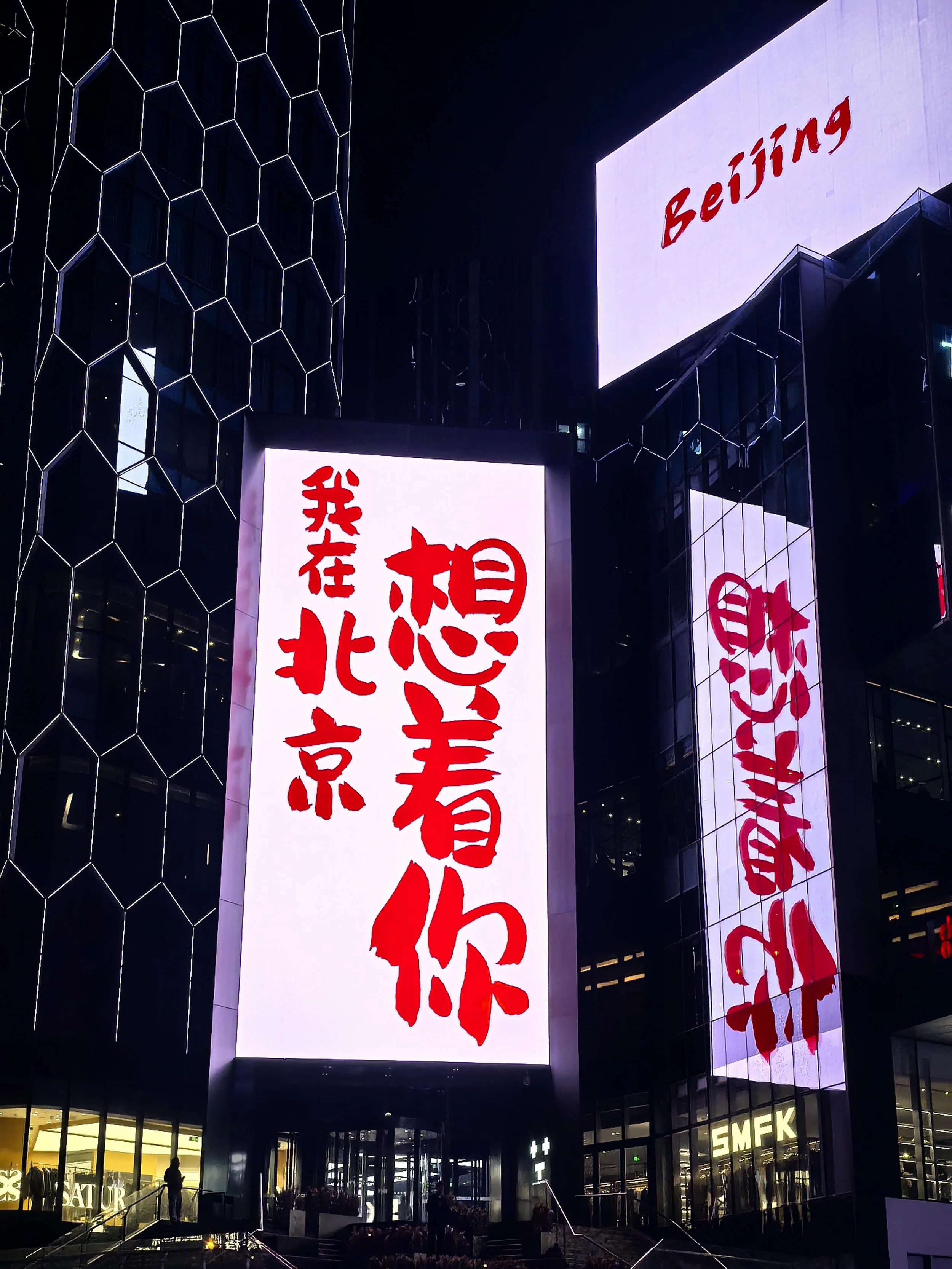
3.1 Wangfujing: perfect as a base, a failure as an attraction
Opinions on Wangfujing are split down the middle. The argument isn't whether to go, but what to do once you're there. Use it as a place to sleep, a transport hub, somewhere to eat in the malls, or somewhere to shelter from the rain with the kids, and most people are happy. Treat it as Beijing's answer to a pedestrian shopping street, expect little independent shops and casual bites on the pavement, and you'll be disappointed.
Some people compare it with Shanghai's City God Temple, Chengdu's Chunxi Road or Hangzhou's Qinghefang, expecting street-side shops, performers and food on the go. What you actually find on Wangfujing Street (the famous Peking shopping strip) are big malls and flagship stores, and from the pavement it's hard to tell which one is worth entering. To be honest, I only get there a few times a year, and even then it's for errands. Three phrases describe it: "like a film set," "very little trace of real life," and "so clean it looks sterilised." I don't know whether those mean much to you.
Wangfujing Street itself has little to browse, but it sits close to the top tourist attractions in Beijing — Tiananmen, the Forbidden City and Qianmen. Lines 1 and 8 intersect here, there are plenty of places to eat in the malls, and you don't have to walk far with kids or elderly parents in tow. So the right approach is: stay here, set off from here, come back here to eat — not to schedule "browsing Wangfujing" as a half-day attraction. If you want the detailed lowdown on that pair of heavyweights, start with our Forbidden City and Tiananmen Square field manual.
Just walk the street from south to north; you don't need to go into every shop. Pick one or two malls, choose restaurants with picture menus, and in the afternoon walk or take a single metro stop from Wangfujing to the Forbidden City and Tiananmen.
One warning: in the malls around Wangfujing, some people approach you in fluent English and offer to take you to great hotpot, an art show or a tea house, then lead you to a back-alley restaurant with nobody inside and an absurdly priced menu. Remember this: anyone who speaks to you first in English and invites you to follow them — treat it as a scam. The same goes for taxis. If a driver at the airport asks 800 yuan to Wangfujing, don't get in. Book through a proper app and the fare will be completely different — we break down the options in our guide to taxis and ride-hailing in China.
3.2 Chaoyangmen: not a destination, a residential area
First, don't treat Chaoyangmen as an attraction. My take on it: renting, working out, doing laundry, ordering takeaway, fixing bikes. The only slightly "attraction-like" thing is that lunch is easy and the streets empty after dark. If you stay here, make a detour to the Dongyue Temple just east of the Second Ring Road — it's worth a special look.
Worth noting: Chaoyangmen isn't somewhere you go to "have fun." It's the gateway to the residential hutongs east of Wangfujing. Few people on a sightseeing trip put Chaoyangmen on their itinerary; locals treat it as everyday life. On one side is Wangfujing, put on for tourists, and on the other is Chaoyangmen, where Beijingers actually live.
Stay around Chaoyangmen – Dongsi – Longfusi, have breakfast in the hutongs, spend the day ducking into Dongsi's First through Ninth Lanes, eat lunch in Chaoyangmen, then walk or take two metro stops to Wangfujing in the afternoon. The Dongyue Temple (Chaoyangmenwai Street, east of the Second Ring), Zhihua Temple (Lumicang Hutong), Shijia Hutong, the Dongsi hutongs and the Longfusi local market — I'd link all of these into one walk, but there's no need to make a special trip for any single one.
3.3 Hutongs: not one street, but the lanes where Beijingers live
When you say "hutong," the usual explanation is a narrow lane lined with courtyard houses. But the word carries at least three meanings: a physical lane, a residential area of the old city, and a tourism product. Many first-timers list "hutong" alongside Sanlitun and Wangfujing as three "neighbourhoods," only to discover that hutongs are scattered all across Beijing.
So don't ask "where is the hutong?" Ask "which kind of hutong do I want to see?" Type one: residents who never moved out, vegetable shops, breakfast stalls, bike repair, people walking dogs, old men playing chess. Type two: milk-tea shops, identical signboards, photo studios and souvenir shops.
Here are five entry points, in my order of recommendation:
Dongsi – Longfusi. Line 5, Dongsi Station. From Dongsi's First to Ninth Lanes, the hutongs are densely packed, with a local market, breakfast and everyday life all present. This is my top pick — if it's your first look at hutongs, starting here rarely disappoints.
Beiluoguxiang – Wudaoying. Line 2, Andingmen or Gulou Dajie Station. Quieter than Nanluoguxiang, with coffee, vintage clothes and independent shops — good for adults who want to stroll. I'd go in the afternoon; it works with kids too.
Qianmen – Dashilan. Line 2, Qianmen Station. Old streets and hutongs run together here, closer to the "old Beijing" many people picture. It's touristy, but you can duck into the side lanes, and it pairs well with Day 2.
Houhai – Drum Tower. Line 8, Shichahai Station. This is where the evening comes alive — bars, small shops and the lakeside. Note that Yinding Bridge is where people photograph the lake; the hutongs are in the residential area behind the lake, not on the bridge itself.
Nanluoguxiang. Skip the main street. The side lanes are worth it — Mao'er, Ju'er, Yu'er, Banchang and Heizhima are quieter and feel more lived-in. If you only have time for one photo stop, I wouldn't pick Nanluoguxiang's main street.
Hutongs are all short, and taxis can enter. The side lanes are narrow, so at worst your driver drops you on the main street and you walk the rest of the way in. If you're hauling luggage, choose a courtyard close to the main street, not one deep inside a lane.
If you want to stay in a hutong, weigh the romance against the reality. You're dreaming of a courtyard, a skywell and old brick; what you should be worrying about is whether a car reaches the door, how you'll drag your case, whether the bathroom and heating work, whether it's damp or mouldy, and the once-a-year downpour. So stay on the edge of the hutong area or right by the main street, and pick a courtyard with its own bathroom, good reviews and clean rooms — not one that leaves you hauling luggage for 5–10 minutes down a narrow lane.
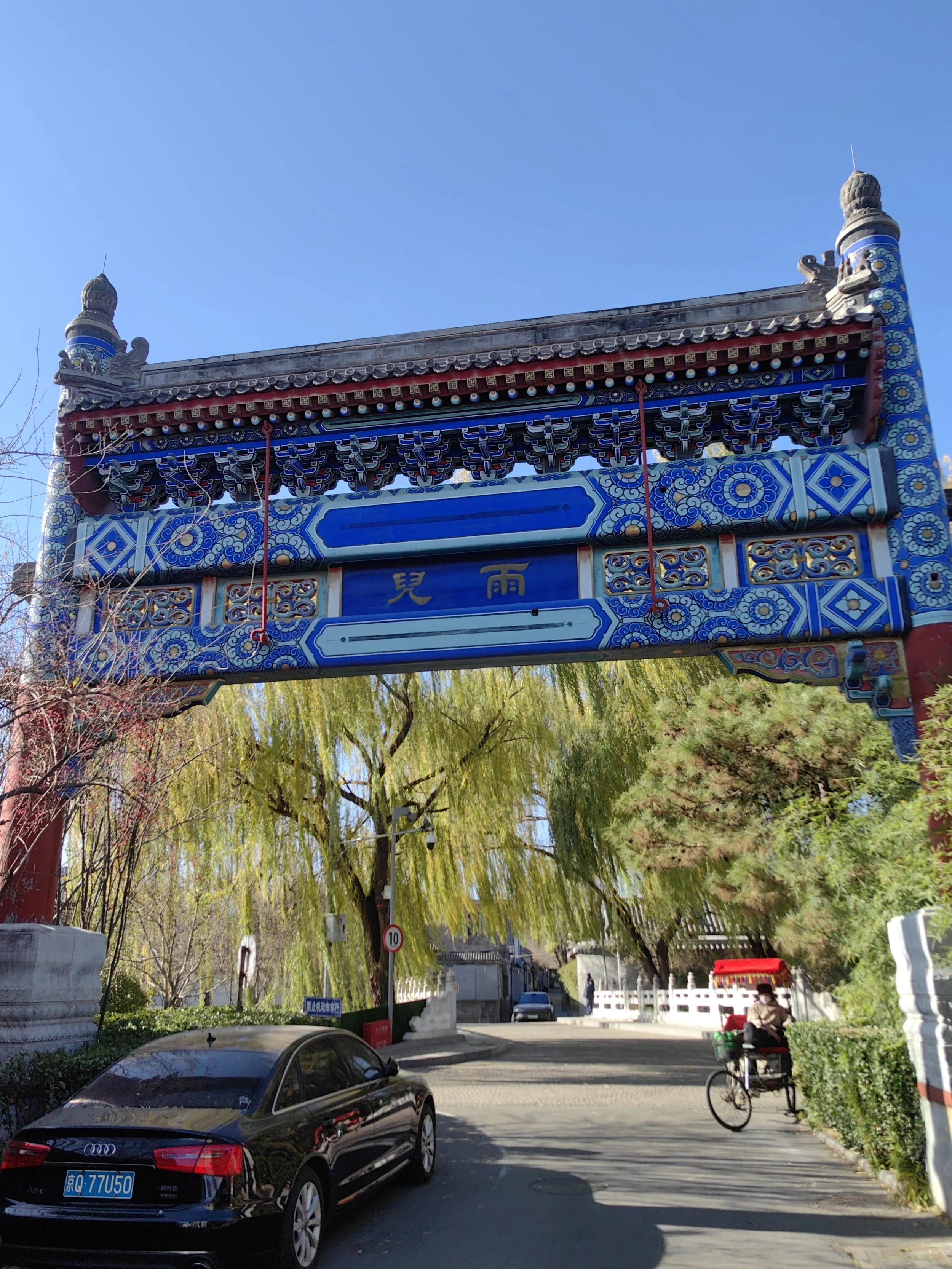
4. Evenings, and three rules for avoiding scams
Anyone who approaches you in English and invites you to follow them — treat it as a scam, especially in the malls around Wangfujing.
If a taxi won't use the meter or names an absurd price, get out; ignore drivers at the airport who ask several hundred yuan for Wangfujing.
You can take a rickshaw, but know this: you negotiate the price for the whole vehicle — not per person, and not per segment. Agree which hutongs you'll visit and that you won't stop at any shops before you get on.
At night, both Wangfujing and Chaoyangmen empty out, even more so once the malls close. Beijing's nights are zoned — it isn't a city that stays lit everywhere. For a drink, go to Houhai – Drum Tower; for a lively crowd, Sanlitun; for a late-night snack, Guijie; for old streets, Qianmen. If you're staying in Wangfujing, take a few metro stops to any of these in the evening — I strongly recommend it.
5. The two-and-a-half-day itinerary
The short version
Day 1: drop bags at Wangfujing / Dongdan → Forbidden City → Jingshan → dinner at Wangfujing → evening at Houhai / Drum Tower
Day 2: Mutianyu Great Wall → Water Cube → late-night snack at Guijie
Day 3: Yuanmingyuan or the Summer Palace → eat and restock at a Wangfujing mall → Tiananmen area → depart
The detailed version
Day 1. Arrive in the morning and drop your bags at Wangfujing or Dongdan. Don't browse the main street yet — take the metro to the Forbidden City. Book the palace ahead on the official Forbidden City ticket site; it's closed on Mondays. And if you plan to walk onto Tiananmen Square as part of this day, sort out that separate Square reservation first (see reminder ④) — a Forbidden City ticket won't get you through the Square's security. Enter through the Meridian Gate (Wumen), spend about three hours, and exit through the Gate of Divine Prowess (Shenwumen). Jingshan Park is right opposite; a ten-minute climb to the top rewards you with a view over the Forbidden City. Head back to Wangfujing for dinner — pick a busy restaurant in one of the malls with a picture menu — then take the metro to Houhai – Drum Tower for a walk; that's where the bars and small shops are.
Day 2. Set off early for the Mutianyu Great Wall. Take the 916 express bus from Dongzhimen to Huairou North Street, then transfer to a local bus or shuttle for Mutianyu — check the exact route on your navigation app that day. For a simpler option, there are direct shuttle buses from central Beijing (around Dongzhimen or Qianmen, roughly 80 yuan return) and tour operators run day trips; or hire a car / join a shared ride. Spend three to four hours on the wall at an easy pace, return to the city in the afternoon and see the Water Cube at dusk — the Bird's Nest is right next to it, so take in both. In the evening, take the metro to Guijie for a late-night snack.
Day 3. Sleep in, then pick either Yuanmingyuan or the Summer Palace for a three-hour visit. At Yuanmingyuan, see the Dashuifa ruins; at the Summer Palace, enter through the Xinjian Palace Gate and exit through the North Palace Gate. Return to the city at noon, eat and restock at a Wangfujing mall, then walk around the Tiananmen area in the afternoon — again, entering the Square itself needs that separate reservation from reminder ④ — and head home. If you didn't get enough hutong time the day before, swap the morning of Day 3 for Beiluoguxiang – Wudaoying.
The point of this route is that it links where you stay, where you eat and where you go: Wangfujing handles sleeping and eating; the Forbidden City, Jingshan, Mutianyu, the Water Cube and Yuanmingyuan / the Summer Palace fill the days; Houhai – Drum Tower covers the evenings; Qianmen covers the old streets. Every place does what it's good at — nothing is forced.
Want us to take the planning off your hands? Browse our private Beijing tours, see what past guests say in our reviews, or just get in touch — tell us your dates and we'll help you plan your trip. Enjoy Beijing!