

Is China Safe for Tourists? Why Travelers Call It One of the Safest Countries on Earth
By the LynxTravel team — we've been running private tours across China since 2014, from Zhangjiajie to Tibet.
If you've spent any time researching a trip to China, you've probably seen the same claim over and over: "China is one of the safest countries in the world." It sounds like a tourism slogan — until you look at the data, and then talk to people who actually live there.
So let's answer it properly: is China safe for tourists? The short version — yes, remarkably so, especially when it comes to violent crime and walking around at night. But a smart traveler deserves more than a slogan. Here's what the numbers say, what foreign residents say, and what you should still keep an eye on.
The Short Answer
Yes. China consistently ranks among the safest countries in the world for personal safety. Violent crime against foreigners is extremely rare, gun violence is virtually nonexistent, and solo travelers — including women — routinely walk through major cities at night without a second thought. In Gallup's 2020 Global Law and Order report, China ranked 3rd out of 144 countries and territories, with roughly 90% of Chinese respondents saying they feel safe walking alone at night — about 21 points above the global average.

What the Data Actually Says
Forget anecdotes for a moment. Independent and government sources tell a consistent story:
Gallup Global Law and Order Index: China scored 94 out of 100 in the 2020 report — 3rd worldwide, ahead of every Western country surveyed — and climbed to 2nd place (93 points) in the following year's edition. The index is built from surveys of nearly 175,000 people across 144 countries, measuring confidence in police, feelings of safety walking alone at night, and personal experience of theft or assault. Read the full breakdown here.
Numbeo Safety Index: On Numbeo's crowdsourced crime and safety rankings by country, Chinese cities routinely post "very high" or "high" safety ratings — in the same band as Japan, Singapore, and the Gulf states, and well above most of Europe and the Americas.
UK Foreign Office (FCDO): The British government's official travel advice for China flags no general safety warning for crime — its notices focus on natural events like typhoon season and monsoon flooding, not violence against travelers.
US OSAC: The US Overseas Security Advisory Council's China Country Security Report — written for American businesses, not tourists — likewise treats opportunistic theft, not violent crime, as the main issue travelers might encounter.
One more data point worth knowing: China's Ministry of Public Security has repeatedly stated that the country has one of the lowest homicide rates and lowest violent crime rates of any major nation. State-sourced statistics deserve healthy skepticism, but here's the thing — they line up with the independent surveys above, with foreign residents' lived experience, and with the most basic test of all: what you see with your own eyes on the street.
The Everyday Proof: Why Safety in China Feels Different
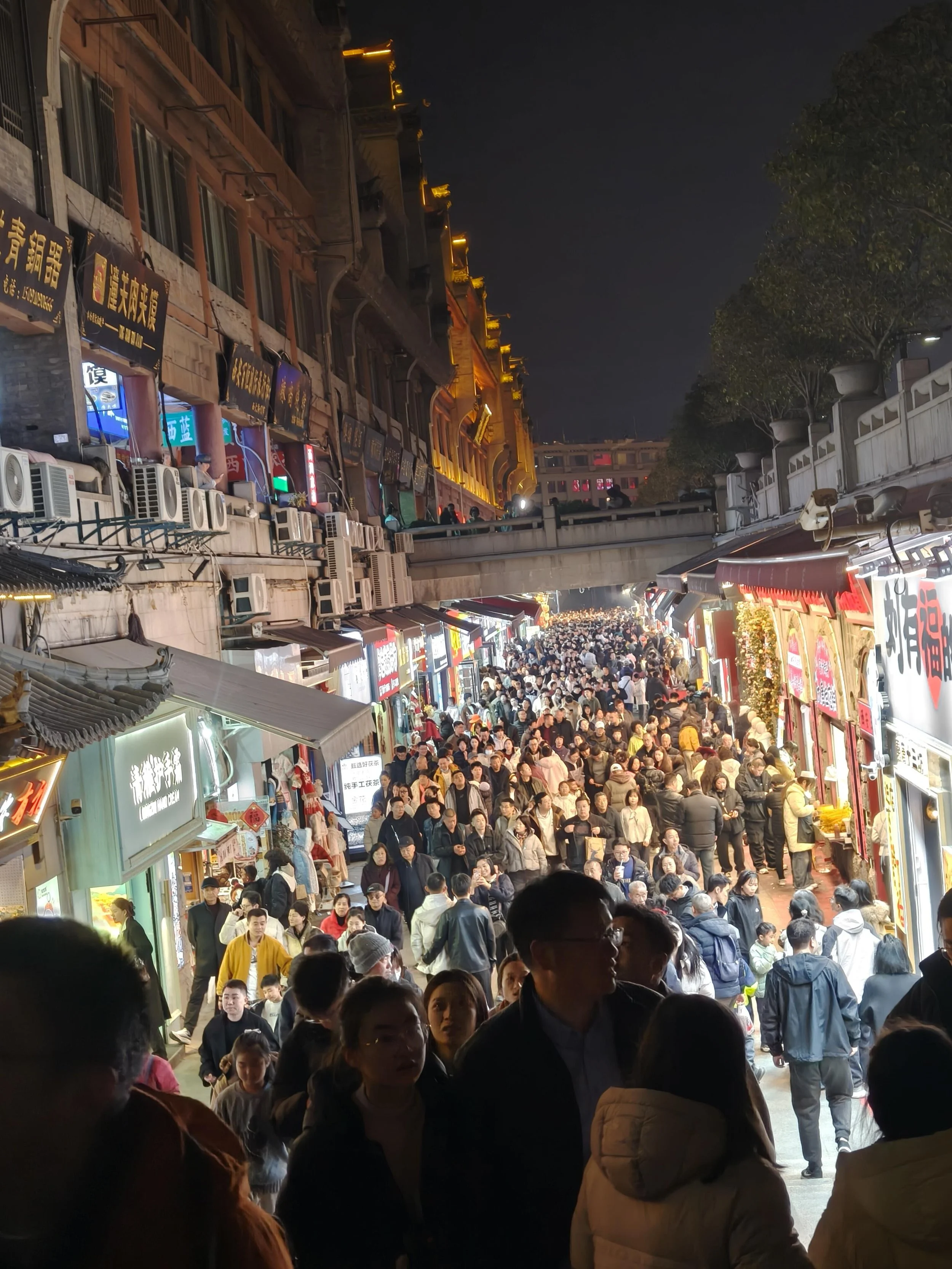
Numbers are one thing. What tends to genuinely shock first-time visitors is the everyday texture of public life in China — the small behaviors that only exist when people feel deeply safe:
Leaving your phone on the café table. It's completely normal to reserve a seat at a busy coffee shop by leaving a laptop or phone on the table while you go order. Come back in twenty minutes — it'll be exactly where you left it.
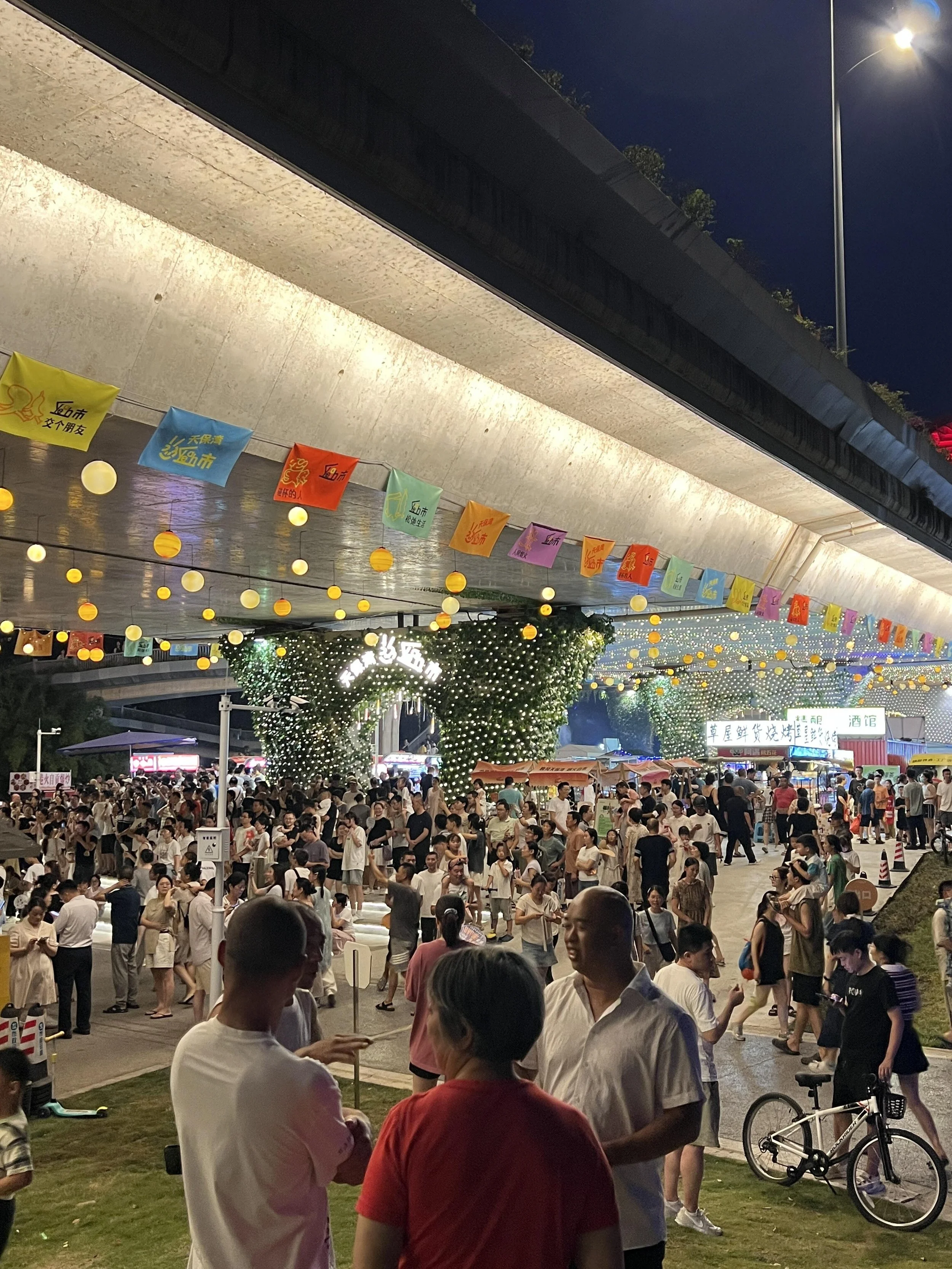
Street food at 2 a.m. Late-night barbecue streets in cities like Xi'an, Chengdu, and Chongqing stay packed until the early hours. Solo diners, women, students, families — nobody is calculating risk.
Unattended deliveries. Packages sit outside apartment doors for days without disappearing. Neighbors will often stack them neatly for you.
Forgotten keys and phones. Lost phones get chased down and returned by strangers. Electric scooters parked with the key still in the ignition are a common sight in smaller cities.
Solo female travel. Women regularly travel alone across China — something our own tour guests mention unprompted as one of the biggest surprises of their trip.
American travelers tend to put it most bluntly: in many US cities, an unattended laptop would be gone in three minutes. In China, the realistic worst case is that someone hands it to the café staff for safekeeping.
How China Got This Safe (It's Recent History, Not Magic)
Here's a fact that surprises most visitors: this level of public safety is only about 25 years old.
In the 1990s and early 2000s, China had a serious problem with violent street crime — bus robberies, pickpocket rings, and theft were common enough that long-distance bus travelers had vigilante folklore about it. Two things changed the trajectory. First, the 1996 Firearms Control Law, which imposed some of the world's strictest gun bans — today, gun crime in China is statistically close to zero. Second, two decades of sustained investment in urban policing, lighting, and later, a vast camera network, plus a legal system that deals with offenses against tourists severely, because tourism income matters to local governments.
The result is the rare country where the "sketchy neighborhood" concept mostly doesn't exist. There are areas that are poorer or rougher around the edges — but the idea of a district you simply don't walk through after dark, familiar to anyone who knows parts of Chicago or São Paulo, largely doesn't map onto Chinese cities.
What Foreigners Who Live There Say
The most convincing voices on this question aren't tourism boards — they're expats and long-term residents, precisely because many of them arrived expecting the opposite.
On Quora, one of the most upvoted answers to "which country was completely different from what you'd heard?" was a single word: China. The author wrote that after years of living there, they realized much of what passes for China coverage in Western media is written by people who have never set foot in the country. Their summary: "In general, you don't need to worry about safety. You can wander in cities and in the countryside, in the days and in the nights. No issues."
Another frequently cited answer came from a visitor whose trip to Shenzhen reset his assumptions — not about safety, but about modernity. Shenzhen had a driverless-capable, spotless metro system while his home city was still debating basic rail. First-time visitors to China today almost universally report the same double shock: it's far safer and far more modern than they imagined.
An Honest Note: What You Should Still Watch For
"Safe" doesn't mean "risk-free," and we're not going to pretend otherwise. In 14 years of running tours, here's the realistic risk list for foreign visitors:
Scams and overcharging, not violence, are the #1 issue affecting tourists — mostly around unlicensed taxis, teahouse "friendship" scams in big tourist cities, and inflated prices at unscrupulous shops near major sights. This is exactly why we include licensed drivers and English-speaking guides on every itinerary.
Traffic is the real hazard. Chinese drivers are assertive and e-bikes appear from everywhere. Look both ways twice, and use pedestrian crossings properly.
Food and water. Street food in China is generally excellent, but stick to busy stalls with high turnover, and drink bottled or boiled water — not tap.
Crowds at mega-attractions. Pickpocketing is rare but not zero at packed sites during Chinese national holidays. Basic big-city habits are enough.
Notice what's missing from that list: violent crime, armed robbery, gun violence. For most Western visitors, that's the part that takes a few days to truly internalize.
Practical Safety Tips for Your First China Trip
Save your hotel's address in Chinese characters on your phone — it solves 90% of "lost" scenarios instantly.
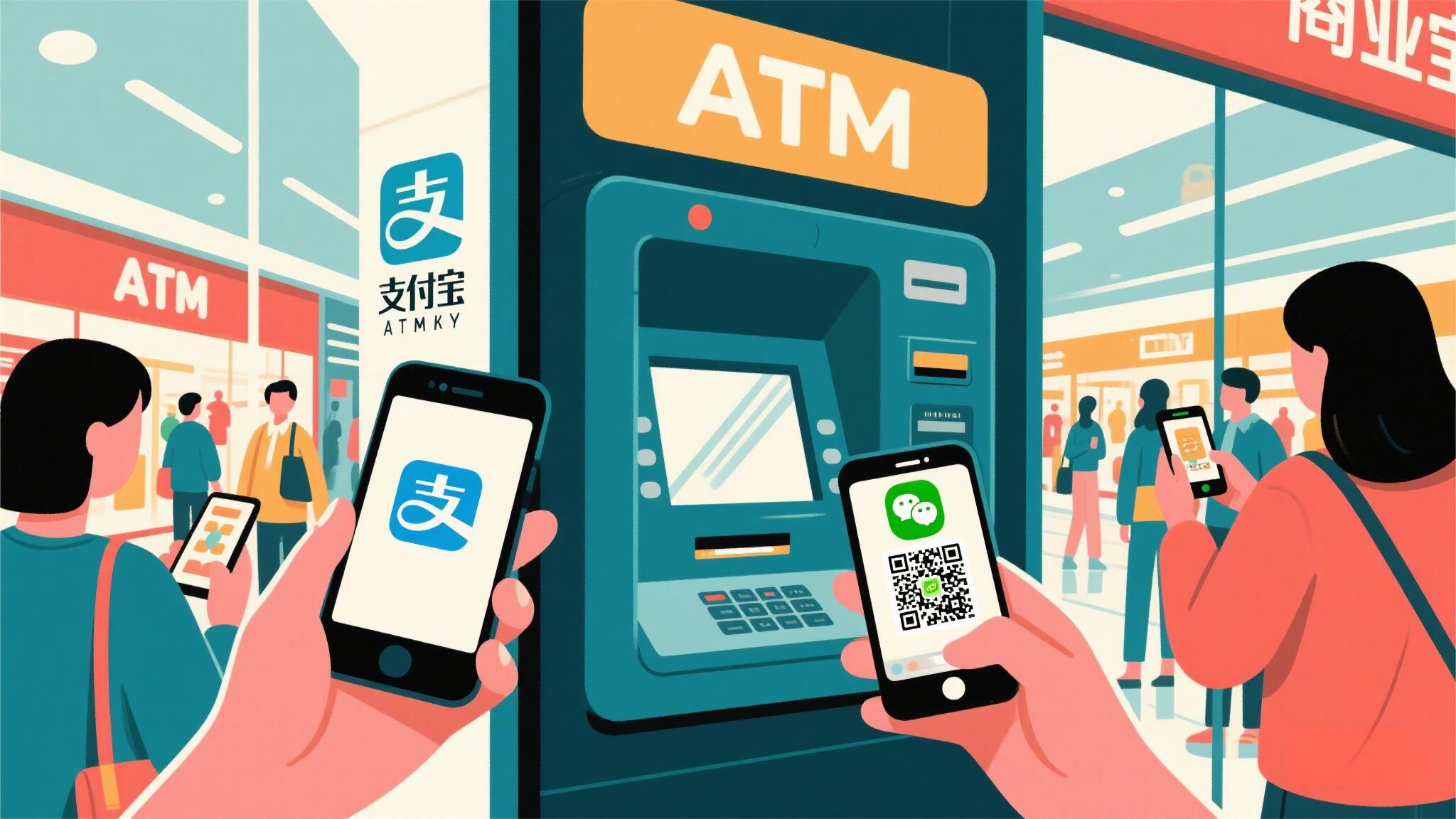
Use Alipay or WeChat Pay for everything; carrying large amounts of cash is unnecessary and marks you as a target for nothing worse than confusion.
Book licensed guides and transport for the big days — especially at headline attractions where touts operate. Our private Zhangjiajie tours exist partly for this reason: a vetted, licensed setup means the only thing on your mind is the view.
Take the high-speed trains. Stations are secure, trains are spotless and punctual, and it's the safest long-distance travel most visitors have ever experienced. Start with our complete China-by-train route guide.
Check the visa-free list first. Citizens of 50+ countries can now enter China visa-free — see who qualifies in 2026 before you do any paperwork.
Safety Across Our Destinations
A few notes from routes we run every week: Beijing and Xi'an are extremely manageable for first-timers — dense, walkable, and full of late-night food streets (in Xi'an, the Muslim Quarter at night is a highlight, not a hazard). Chongqing feels chaotic but is famously safe for its size. Remote regions like Xinjiang and Tibet require permits and careful altitude planning — logistics, not safety, are the reason to book those with a licensed operator.
FAQ: Is China Safe for Tourists?
Is China safe for solo female travelers?
Yes — solo female travel in China is common and widely reported as comfortable. Harassment on the street is rare, and women regularly walk, dine, and take taxis alone at night in major cities. Standard travel precautions still apply, particularly around alcohol and unlicensed taxis.
Is it safe to walk at night in Chinese cities?
Yes. Night walking is a core part of Chinese urban culture — night markets, riverside promenades, and barbecue streets stay lively past midnight. Around 90% of Chinese respondents told Gallup they feel safe walking alone at night, one of the highest figures in the world.
Is China safer than the US or Europe for tourists?
On violent crime, gun violence, and nighttime safety, yes — the data gap is not close. On road safety and tourist-targeted scams, differences narrow. As a visitor, your practical risk in China is lower than in virtually any comparable destination of its size.
What about the food and tap water?
Street food from busy stalls is generally safe and excellent. Tap water should be boiled or filtered — hotels provide kettles, and bottled water is everywhere. Follow our local guides' recommendations and you'll eat better than you expect.
Do I need to worry about pickpockets?
Much less than in most of Europe. Opportunistic theft exists at ultra-crowded attractions during national holidays, but violent theft or mugging is extremely rare. A zippered bag and ordinary awareness are more than enough.
See It for Yourself
Safety is the invisible foundation of a good trip — but it's not the reason to go. The reason is sunrise over the Avatar mountains in Zhangjiajie, the Terracotta Warriors at opening time, and Everest Base Camp under clear skies.
Since 2014 we've guided tens of thousands of travelers through China — private car, licensed in-house guides, English-speaking support from landing to departure, and no hidden fees. If the only thing standing between you and China was the safety question, consider it answered. Start with our signature Zhangjiajie private tours, or tell us where you want to go and we'll build the itinerary around you.