Why Shanghai Became China's Wealth Capital — and What Travelers Actually See
Travel Guide | August 2026 | LynxTravel
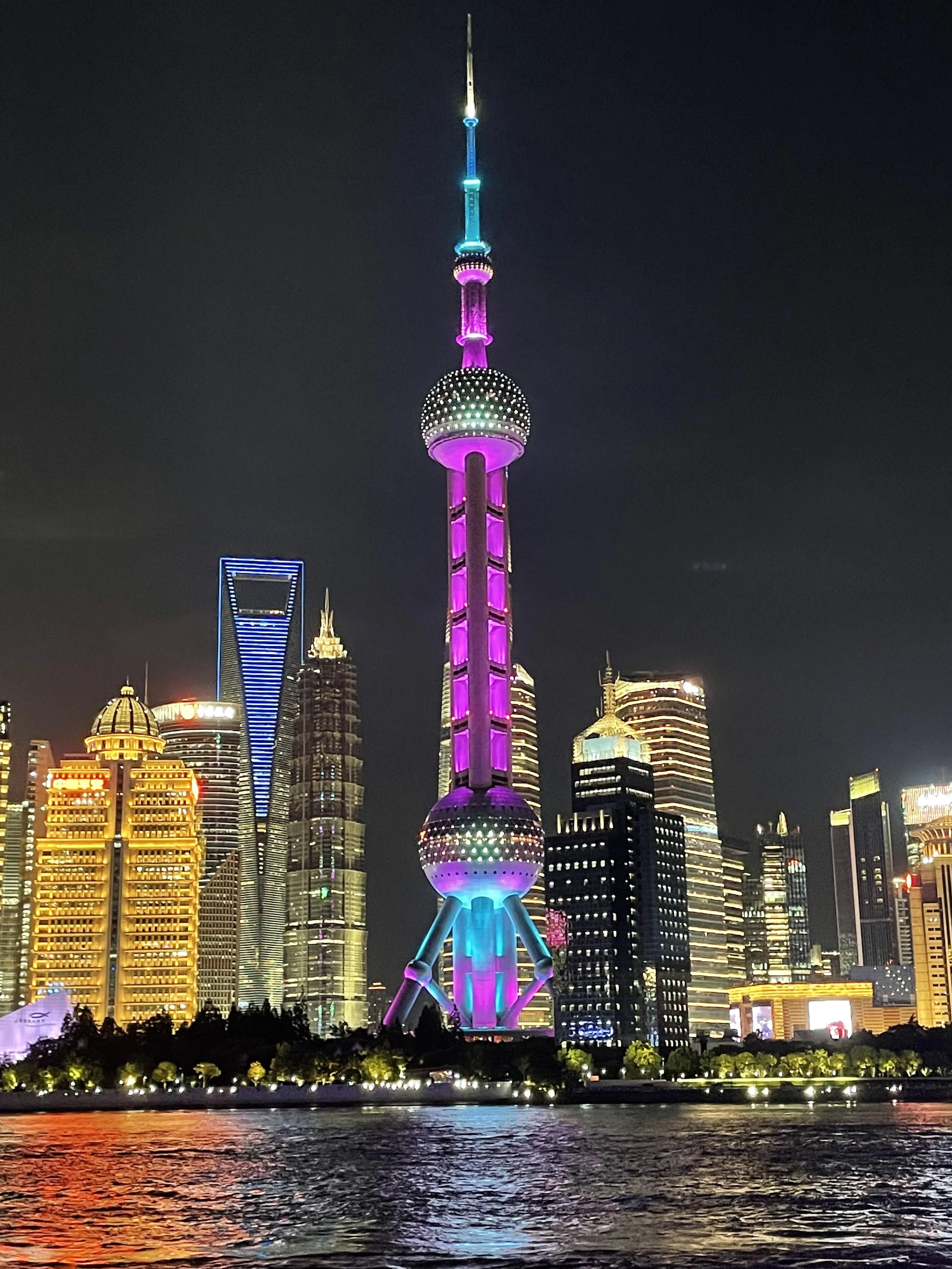
Shanghai wealth capital — stand on the Bund at night, look across the Huangpu River, and you're not just looking at a nice skyline photo op. You're staring at the physical proof of a 160-year story about how one city became the financial engine of the world's second-largest economy.
Many first-time visitors arrive in Shanghai expecting something between Soviet-style apartment blocks and a 'developing city still finding its feet.' What they find instead is a metropolis that rivals — and in specific ways surpasses — New York, London, and Tokyo. Spotless subway lines cleaner than anything in Manhattan. A riverfront promenade where Bugatties idle at traffic lights. Glass-and-steel towers so tall you have to crane your neck 90 degrees just to see the roof.
But why Shanghai? Out of all China's massive cities — Beijing with its political power, Shenzhen with its tech dominance, Chongqing with its 32 million people — why did this particular spot on the Yangtze Delta become the epicenter of Chinese wealth?
The answer isn't one thing. It's a layered stack: colonial-era banking history, geography that made trade inevitable, a culture that rewards ability over connections, and three decades of state-backed megaprojects. Understanding even a fraction of this makes walking through Shanghai infinitely more interesting — because every building, bridge, and boulevard suddenly has a story behind it.
1. The Bund: Where Shanghai's Financial Story Began
Before Pudong's skyline existed, before the glass towers, before the metro system — there was the Bund.
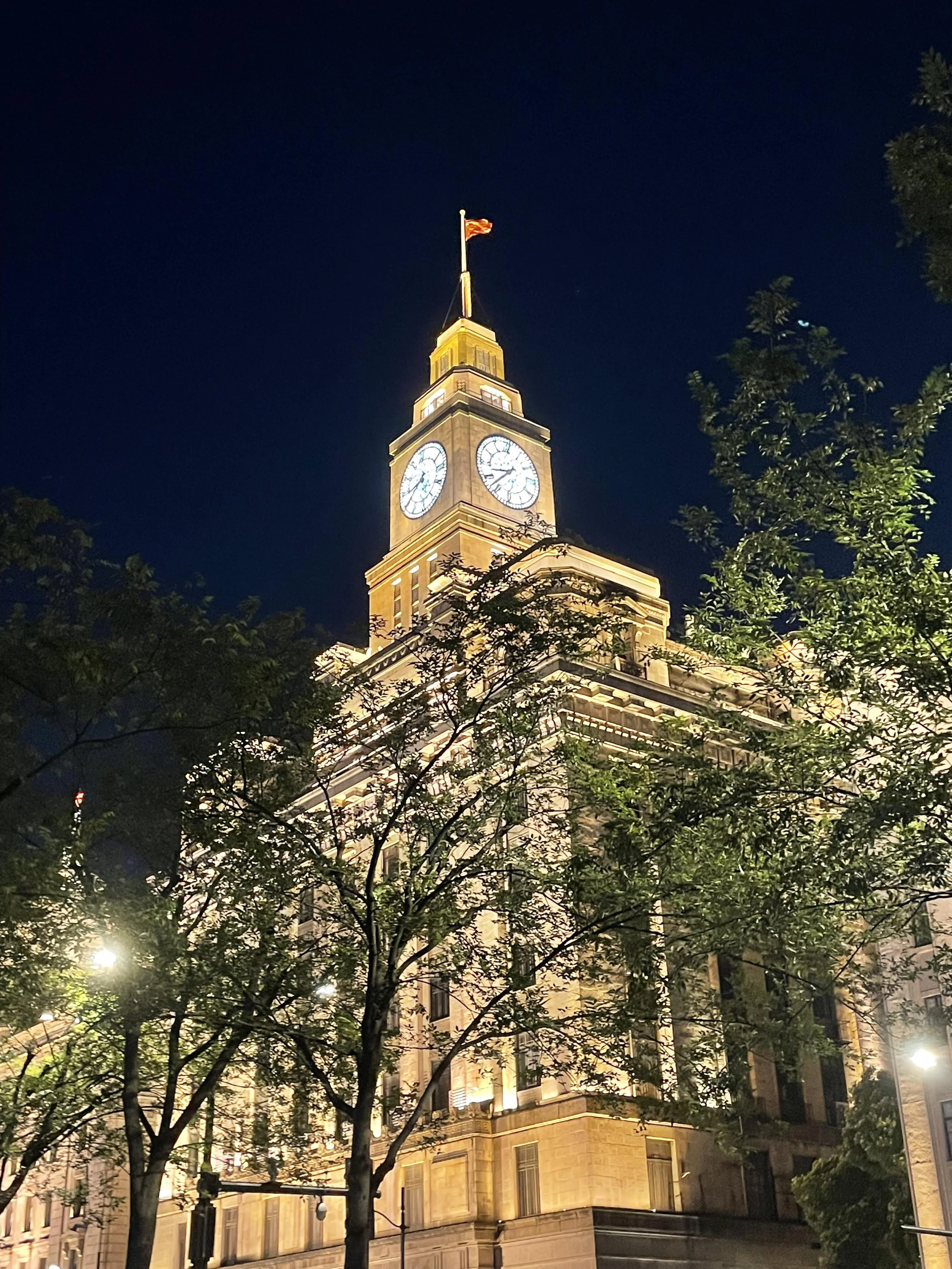
The Opium Wars opened Shanghai to foreign trade in 1842. Within decades, the city had become what historians called 'the Paris of the East' — the wealthiest, most cosmopolitan city in Asia. By the 1920s and 30s, the Bund was Asia's financial street, a 1.5-kilometer strip of grand stone buildings housing the most powerful banks in the region.
Consider this: the Hongkong and Shanghai Banking Corporation — yes, HSBC, one of the world's largest banks — was founded in Hong Kong and Shanghai in 1865. The 'S' in its original name literally stands for Shanghai. The grand HSBC Building on the Bund, completed in 1923, was once described as 'the most luxurious building between the Suez Canal and the Bering Strait.' AIA Insurance, now a pan-Asian giant, was founded in Shanghai in 1919.
By 1949, nine foreign nations — British, French, German, Russian, Japanese, American and more — had collectively established 68 banks in Shanghai. Over half of China's total bank deposits sat in this one city. The financial DNA wasn't imported; it was built into the city's bones.
Travel tip: When you walk the Bund today, those grand stone buildings aren't just pretty facades for Instagram. The former HSBC Building (now the Pudong Development Bank), the Peace Hotel, the former Shanghai Club — each one was a node in a financial network that connected Shanghai to London, New York, and Tokyo a century before 'globalization' became a buzzword. The bronze lion statues flanking the old HSBC entrance? They're replicas. The originals are in a museum. But the building still stands.
2. The River Made the City: Geography as Destiny
Shanghai sits exactly where the Yangtze River — China's largest, draining 11 provinces and home to roughly 600 million people — meets the Pacific Ocean. That's not a coincidence. That's why Shanghai exists.
The Yangtze Economic Belt accounts for over 40% of China's GDP — an economic output roughly equal to Japan's entire economy. Every factory in the Yangtze Delta, every cargo ship heading inland, every container of manufactured goods bound for Europe or America — a massive share of it flows through Shanghai.
The numbers are staggering. In 2025, Shanghai Port handled 55.06 million TEUs (twenty-foot equivalent units — the standard shipping container measurement), making it the world's busiest container port for the 16th consecutive year. To put that in perspective: roughly one-fifth of all goods entering and leaving China pass through Shanghai. In July 2026, the port set a single-day record of over 203,000 containers processed in 24 hours.
The logic is simple and ancient: where rivers meet the sea, trade concentrates. Where trade concentrates, money concentrates. Where money concentrates, banks and financial institutions follow. Shipping center becomes trade center becomes financial center. Shanghai didn't choose to be China's wealth capital — geography chose it.
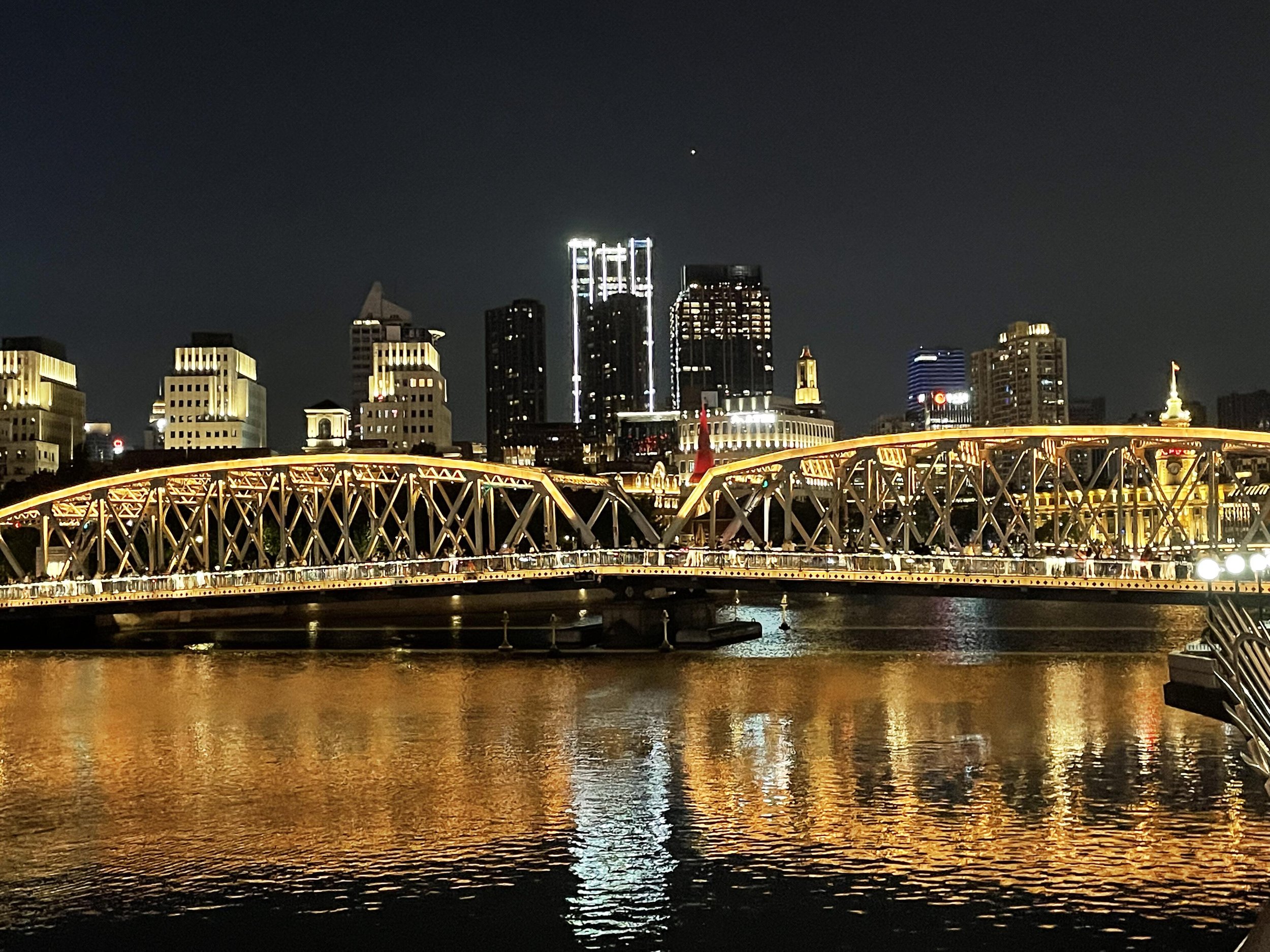
Travel tip: Take the Huangpu River cruise at night (the public ferry costs about 2 RMB; the tourist cruise runs 120-150 RMB). Every container ship you see heading out to sea is carrying the economic weight of half a nation. The river you're on is the same waterway that made Shanghai what it is — and it's still doing the same job today.
3. From Swamp to Skyline: Pudong's 30-Year Miracle
Here's a fact that surprises most foreign visitors: in 1990, the entire area across the river from the Bund — the Pudong district, where all those skyscrapers now stand — was farmland, factories, and swamp. Thirty years later, it's one of the most concentrated financial districts on Earth.
Lujiazui, the wedge of land directly across from the Bund, is now called 'China's Wall Street.' Over 600 Chinese and foreign financial institutions are crammed into a few square kilometers. The Shanghai Stock Exchange, housed here, has the third-largest market capitalization in the world. Its bond market ranks second globally. Yuan-denominated commodities — 'Shanghai Gold,' 'Shanghai Oil,' 'Shanghai Copper' — are price benchmarks that move global markets.
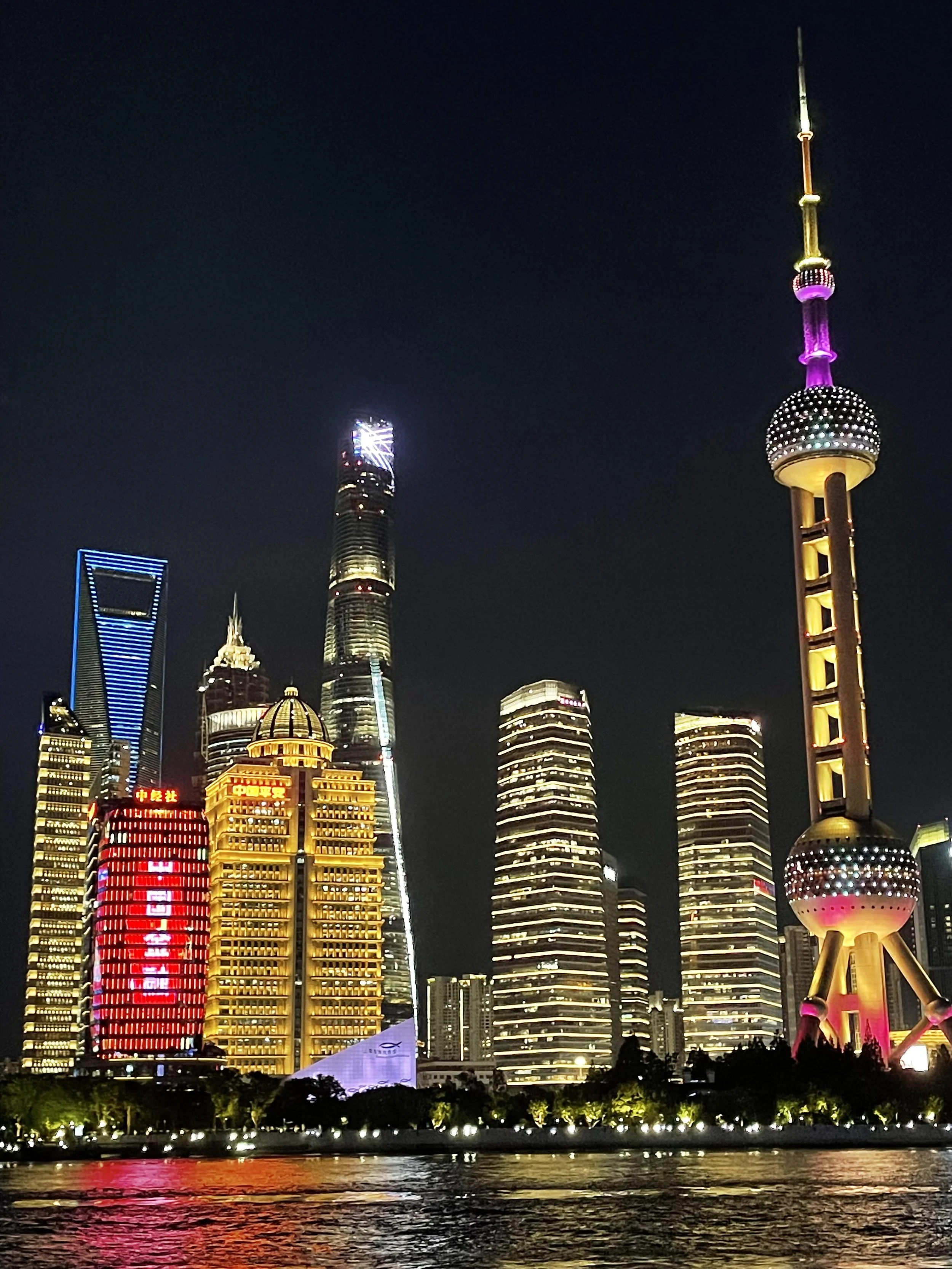
Then there are the towers. The 'Three Giants' (as locals call them) dominate the skyline:
• Shanghai Tower — 632 m (2,073 ft) — China's tallest building; world's 2nd-tallest
• Shanghai World Financial Center (SWFC) — 492 m (1,614 ft) — The 'bottle opener'; sky walkway at 474 m
• Jin Mao Tower — 420.5 m (1,380 ft) — Grand Hyatt Shanghai occupies floors 53-87
Stand at the base of Shanghai Tower and look up. It takes a full 90-degree neck-craning to see the top. Then remember: three decades ago, this was a swamp. That transformation — from farmland to the world's most concentrated financial skyline in one human generation — isn't just engineering. It's a statement about what a country can do when it decides to build something.
There's also a detail that says a lot about Shanghai's wealth density: Lujiazui alone contains over 90 'billion-yuan tax buildings' — single skyscrapers that each generate more than 100 million RMB (roughly $14 million) in annual tax revenue. One building. One hundred million yuan. In tax. Per year.
Travel tip: The observation deck on the 100th floor of the SWFC (474 meters up) gives you the best aerial view of the Bund. Go at sunset — you'll see the old colonial buildings light up on one side and the Pudong megatowers glow on the other. That contrast is the entire story of Shanghai in one glance.
4. The Rules Culture: Why Shanghai Feels Different
Walk through Beijing and you feel political power — every boulevard leads to a government compound. Walk through Chengdu and you feel leisure — tea houses, hotpot, slow afternoons. Walk through Shanghai and you feel something else entirely: a city that runs on rules, merit, and a peculiar kind of civic discipline.
There's a local saying that captures the culture perfectly: 'You can you up, no can no BB' — meaning, if you can do it, step up; if you can't, stop talking. Shanghai is the most meritocratic city in mainland China. People get jobs through resumes and interviews, not family connections. The barista at your hotel café probably speaks English. The taxi driver uses the meter without being asked. Subway passengers queue in lines without anyone organizing them.
This isn't accident. It's the residue of 180 years of international commerce. When your city has been doing business with foreigners since 1842, rule-following and contract-respect stop being choices and become reflexes. That's why foreign companies choose Shanghai: 84.5% of all foreign bank assets in China are headquartered here. Seventeen of the world's top 20 global asset managers have offices in the city. These institutions didn't choose Shanghai because someone told them to — they chose it because it's where business gets done efficiently.
Travel tip: This is why Shanghai feels more 'livable' to many Western visitors than other Chinese cities. The subway is cleaner than New York's. The streets are safer than London's. Service workers understand 'customer service' as a concept. You can navigate the city with Google Maps and a basic translation app. None of this is accidental — it's the culture of a city built on trade.
5. Wealth You Can See: Luxury, Real Estate, and Street-Level Money
Shanghai has over 620,000 households with assets exceeding 6 million RMB (roughly $830,000). That's more than the entire province of Guangdong, 3.5 times the number in Shenzhen, and 4.7 times the figure for Hangzhou. In simple terms: Shanghai has the highest density of wealthy households of any city in mainland China.
You can see this on the street. Walk through IFC Mall in Lujiazui and you'll find a supermarket selling imported cheeses, wines, and specialty goods from 30+ countries — with price tags that look like central London. The mall itself is a temple of global luxury brands: Hermès, Chanel, Rolex, Cartier, all in a three-block radius. At night, supercars — Lamborghinis, Ferraris, the occasional Bugatti — line up at red lights along the Bund promenade. Nobody honks. Nobody cuts in. They wait.
Then there's real estate. Shanghai's property market is among the most expensive in the world. A two-bedroom apartment in central Pudong can cost 8-15 million RMB ($1.1-2.1 million). For context, a junior investment banker at a Lujiazui firm might earn 300,000-500,000 RMB per year. Do the math: buying a home here takes either generational wealth or extraordinary earning power — and usually both.
Travel tip: For budget travelers, don't let the luxury talk scare you. Shanghai is a city of extreme contrasts. The 2-RMB public ferry across the Huangpu River gives you the same skyline view as a 150-RMB tourist cruise. Street food in the Old City near Yu Garden costs 15-30 RMB and is some of the best eating you'll do in China. The wealth is visible — but so is the everyday life of 25 million people who aren't millionaires.
6. The Other Side: What the Glitter Hides
A city this wealthy inevitably has shadows. Understanding them makes you a more observant traveler — and prevents the common mistake of thinking Shanghai represents all of China. It doesn't. It's the exception, not the rule.
Here's the tension: Beijing holds political power, Shanghai holds money. Financial policy is made in Beijing — the central bank, the banking regulator, the policy banks all sit there. Beijing controls roughly 1.5 times the financial assets Shanghai does. So while Shanghai is the financial 'marketplace,' Beijing is the financial 'rule-maker.' Shanghai's status as a global financial center is, to some degree, still dependent on political decisions made 1,300 kilometers to the north.
There's also the human cost. Shanghai's financial sector is a pressure cooker. Young bankers at Lujiazui firms carry mortgages worth millions of yuan while eating cheap sandwiches at their desks. Income inequality is widening. The luxury malls and supercar-lined boulevards coexist with ordinary workers earning 6,000-8,000 RMB per month. For all its polish, Shanghai is a city where the gap between the top and the bottom is visible every single day — sometimes on the same street.
And Shanghai's wealth is, to some extent, subsidized. China's national resources — coal from the west, gas from the north, cheap labor from the interior — feed the coast's prosperity. Some of what looks like Shanghai's 'earned' success is actually the redirected output of an entire nation. Understanding this doesn't diminish Shanghai's achievements — but it adds nuance to the picture.
Travel tip: To see both sides of Shanghai in one day, start at Yu Garden in the Old City (entry ~40 RMB) in the morning — narrow alleys, traditional architecture, street food vendors, crowds of locals. Then take the ferry across the river (2 RMB) to Lujiazui and walk through IFC Mall in the afternoon. The contrast — old Shanghai's street-level commerce vs. new Shanghai's financial megastructures — tells you more about this city than any guidebook paragraph.
7. What This Means for Travelers: A Practical Guide
So you're visiting Shanghai. How do you experience the wealth story — not just see it, but understand it? Here's where to go and what to look for:
• Walk the Bund at sunset — West bank of Huangpu River. Colonial-era banks on one side, Pudong megatowers on the other — Shanghai's wealth story in one panorama.
• Ride the public ferry (2 RMB) — Jinling East Road Ferry Pier. Same river, same views as the 150-RMB cruise. Watch the container ships — that's the trade that built this city.
• Visit the SWFC observation deck — 492m tower, 100th floor (474m up). Aerial view of the entire financial district. Go at sunset for the best light.
• Explore Yu Garden & Old City — Anren Street, Huangpu District. The Shanghai that existed before the banks — traditional architecture, street food, local life.
• Walk through IFC Mall Lujiazui — Century Avenue, Pudong. See the luxury economy in action. Even if you're just window-shopping, the imported-goods supermarket is worth a look.
Budget reality check: Shanghai can be expensive, but it doesn't have to be. A day of walking the Bund, taking the public ferry, exploring Yu Garden, and eating street food in the Old City can cost under 100 RMB ($14). The luxury experiences — observation decks, river cruises, fine dining — are there if you want them, but they're optional, not mandatory.
8. Shanghai on the Global Stage: Where It Stands Now
As of March 2026, the Global Financial Centres Index (GFCI 39) ranked Shanghai as the 6th most competitive financial center in the world — up two spots from the previous ranking, behind only New York, London, Hong Kong, Singapore, and San Francisco. In the shipping world, Shanghai jumped to 2nd place globally in the 2026 Xinhua-Baltic International Shipping Centre Index, surpassing London for the first time.
But here's the nuance that matters for travelers: Shanghai is not yet a fully 'global' financial center in the way London or New York is. The Chinese yuan (RMB) is not freely convertible — meaning capital can't flow in and out of China as freely as it does through London or Singapore. Financial policy is still made in Beijing. Shanghai is, in the words of one analyst, 'the marketplace where the trading happens' — but the rule-maker sits 1,300 kilometers north.
This is why, when you visit Shanghai, you feel both global power and Chinese characteristics simultaneously. The HSBC building has English lions at its entrance and Chinese security guards at its door. The subway announcements are in Mandarin and English. The IFC Mall sells French cheese and Shanghainese dumplings. Shanghai is China's most international city — but it's still Chinese at its core, and that hybrid quality is exactly what makes it fascinating to walk through.
Planning a China Trip That Starts or Ends in Shanghai?
Many of our travelers begin or end their China journey in Shanghai — then head to the Avatar Mountains of Zhangjiajie, the ancient capital of Xi'an, the monasteries of Tibet, or the Silk Road routes of Xinjiang. We've been crafting private China journeys since 2014, with in-house guides, private cars, and zero hidden fees.
Explore our private Zhangjiajie tours
Or message us on WhatsApp+8617267898631 for a custom itinerary — we reply within 30 minutes.
Related Guides:
Why Chongqing Is China's Most-Visited City | Guilin Travel Guide 2026 | Xi'an in Autumn Guide
China Visa-Free Guide: 50 Countries | LynxTravel Home