"China Shopping" Is Trending: Why Travelers Are Now Arriving with Empty Suitcases
In the summer of 2026, a new travel trend has taken over social media: foreign visitors arriving in China with nearly empty suitcases — and leaving with them full.
On TikTok and Instagram, hashtags like "China haul," "empty suitcase trip to China," "China must-buy list," and "China tax refund guide" have become steady content categories in their own right. What used to be occasional personal shares has turned into a full-blown phenomenon. According to China Tourism News, travelers are increasingly designing their entire China itineraries around shopping — not just sightseeing.
The Numbers Behind the Boom
The statistics released by China's National Immigration Administration tell the story clearly. In the first half of 2026:
369 million cross-border entries and exits were recorded nationwide — an all-time high
Foreign visitor arrivals reached 22.91 million, up 20.4% year-on-year
17.81 million of those visitors entered visa-free — that's 77.7% of all foreign arrivals, up 30.6%
The number of foreign travelers claiming departure tax refunds surged 366%, with refund-eligible sales and refund amounts both growing 69%
Translation: more people are coming, they're finding it easier than ever to get in, and they're spending far more while they're here.
Why It's Suddenly So Easy to Visit China — and Shop
Visa-free entry keeps expanding. As of March 2026, China offers unilateral visa-free entry to citizens of 50 countries, and holds full mutual visa exemptions with 29 more. By August 20, 2026, the 240-hour (10-day) transit visa-free policy had grown to cover 57 countries, while Hainan's 30-day visa-free entry now applies to 61 countries. (Not sure if you qualify? Check our China visa-free guide for 2026.) For many travelers, a China trip has become genuinely spontaneous: book a flight, pack light, go.
Tax refunds got a major upgrade. China's departure tax refund policy moved to its "2.0 version" in 2026 — the minimum spending threshold for refunds was lowered, the network of tax-refund-eligible stores expanded significantly, and paperless refunds were rolled out. In popular shopping districts like Beijing's Silk Street, travelers can now use "buy now, refund now" centralized refund points on the spot.
Paying is no longer a headache. Improved payment accessibility for foreign cards and digital wallets, plus more multilingual signage in major commercial areas, have knocked down the barriers that frustrated visitors just a few years ago.
The Modern "China Haul" Shopping List
Here's where things have really changed. A decade ago, the classic foreign-tourist shopping list in China meant tea and silk. Today's hauls look very different:
Foldable smartphones and other Chinese-brand tech that's hard to find — or heavily marked up — overseas
Drones and camera gear from brands like DJI
AI glasses and smart hardware
Hanfu (traditional Chinese dress) and modern Chinese streetwear
Beauty products from trending Chinese brands
Cultural and creative merchandise — museum collaborations, designer souvenirs, and intangible cultural heritage crafts
Cross-border e-commerce platforms like SHEIN, Temu, and AliExpress first planted the seeds of desire on overseas screens. Then visa-free policies brought the customers in to see and touch the real products in person. Offline retail districts closed the sale, departure tax refunds put the price difference back in travelers' pockets, and social media "unboxing" videos spread the word — a loop that's now running like a well-oiled machine.
The China Shopping Map: Best Places to Shop in China as a Foreign Tourist
Before diving in, one thing every shopper should know: China's departure tax refund requires shopping at stores displaying the "Tax Refund" (离境退税) logo. You show your passport at checkout, get a refund form, and claim your refund at the airport before departure — or instantly at "buy now, refund now" points in certain districts. It typically saves you around 9% on eligible goods. Now, the map:
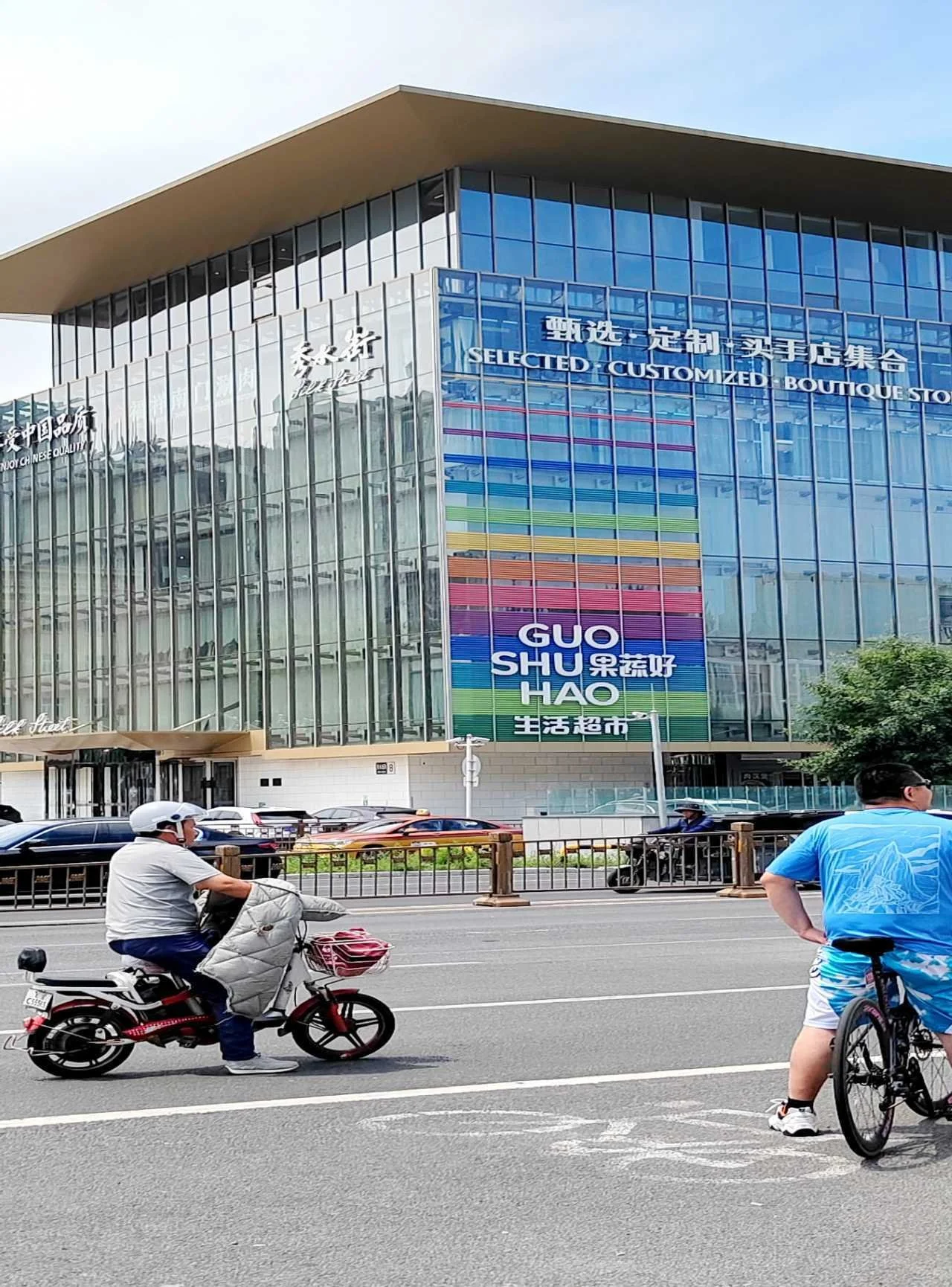
Beijing — Silk Street Market (秀水街)
What to buy: Custom-tailored suits, cashmere coats, silk garments, pearls, jade, and hand-embroidered items. This is the place where "made-to-measure in 48 hours" is a real thing — a full bespoke suit typically runs ¥800–2,500 ($110–350) depending on fabric, a fraction of Western tailoring prices.
Tips: Bargaining is expected here — start at around 30–40% of the asking price and settle somewhere in the middle. The market has a well-earned reputation as a foreigner favorite, so English-speaking vendors are everywhere. Crucially, Silk Street hosts one of Beijing's "buy now, refund now" centralized refund points, meaning you get your tax refund cash in hand on the day of purchase instead of queuing at the airport. Pair it with the classics — our Beijing private tours can build a day around the Forbidden City and Great Wall with a Silk Street tailoring stop built in.
Shanghai — Nanjing Road
What to buy: Split it in two. Nanjing Road East (East Nanjing Road) is the pedestrianized tourist heart — century-old department stores, time-honored Chinese brands, and flagship stores where you'll find cosmetics, silk, tea, and modern "guochao" (national trend) fashion. Nanjing Road West is where the high-end malls sit, with global and Chinese premium brands side by side.
Tips: This is fixed-price department-store shopping, so no bargaining — but tax refund eligibility is widespread, and it pairs perfectly with a Bund stroll. Detour one block to the Yu Garden (Yuyuan) bazaar for traditional handicrafts and the gold-standard souvenir: a tin of Dragon Well tea from a proper teahouse rather than an airport shelf.
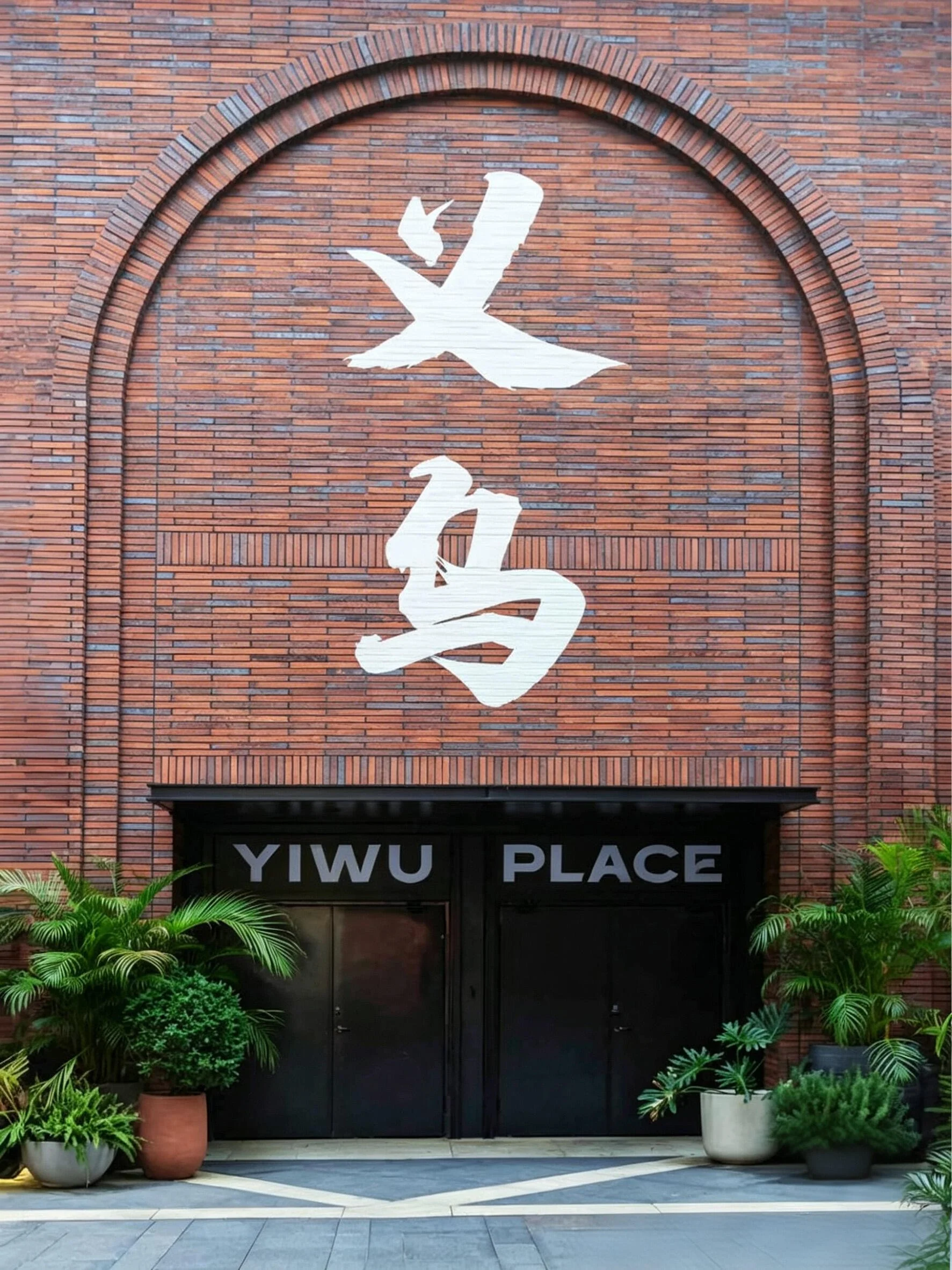
Yiwu — International Trade City (义乌国际商贸城)
What to buy: Welcome to the largest small-commodities wholesale market on Earth — 75,000+ booths across five enormous districts, selling everything from Christmas decorations to kitchen gadgets, jewelry, and toys. Most visitors can't buy single items here (wholesale minimums apply), but an increasing number of booths now welcome retail buyers.
Tips: Come for the spectacle as much as the shopping — it's a genuine window into how the world's goods get made and priced. Realistically, this is a half- to full-day visit. The market is about 1.5 hours from Hangzhou by high-speed rail, so it slots naturally into a Hangzhou–Shanghai itinerary rather than being a standalone destination.
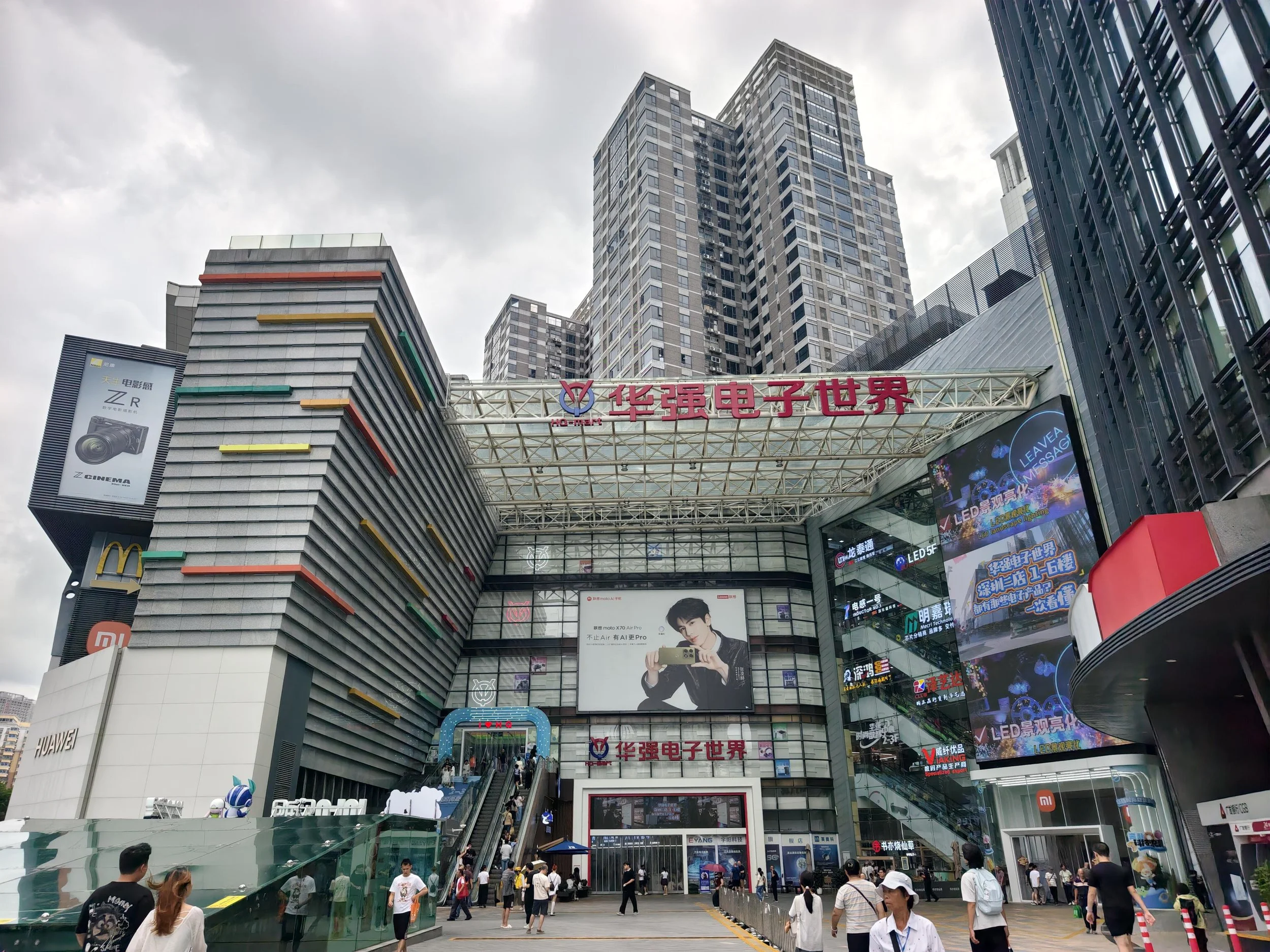
Shenzhen — Huaqiangbei (华强北)
What to buy: The electronics capital of the world. DJI drones (far cheaper than overseas retail), foldable smartphones from Huawei and Honor, power banks, LED gadgets, electronic components, and every accessory imaginable. A DJI drone bought here, even after accounting for your home country's import rules, frequently saves you 10–20% versus buying at home.
Tips: Buy only at official brand stores or authorized counters — the "hacker bargain" stalls of Huaqiangbei legend have largely been cleaned up, but warranty validity in your home country still depends on where you buy. Check your country's customs duty-free allowance before loading up on electronics. Huaqiangbei is one metro stop from the Hong Kong border crossing, making it a natural first stop on a China trip arriving via Hong Kong.
Chengdu — Taikoo Li & Jinli Street
What to buy: Chengdu is where the "guochao" wave feels most alive. Taikoo Li (adjacent to the ancient Daci Temple) mixes global flagships with Chinese designer boutiques and is a prime spot for domestic beauty brands and streetwear. Jinli Ancient Street and Kuanzhai Alley are the places for Shu embroidery, bamboo weaving, lacquerware, panda-themed everything, and Sichuan pepper gift sets.
Tips: Pair shopping with the reason you came to Chengdu — hotpot, teahouses, and the panda base. This is the best city in China for turning a shopping afternoon into genuine cultural sightseeing without it feeling like either.
Xi'an — Muslim Quarter & Grand Tang Mall
What to buy: In the Muslim Quarter, load up on jade carvings, and the local specialties — dried fruits, persimmon cakes, and hand-pulled candy made live in front of you. The Grand Tang Dynasty Ever-Bright City area combines Tang Dynasty cultural merchandise with modern malls: lacquerware, Terracotta Warrior reproductions, and hanfu. Speaking of which — and if you want the full Tang experience, our Xi'an private tours can time your Terracotta Warriors visit so you're back in the city for the evening lights.
Hanfu: The Purchase That Becomes a Memory
If you buy only one thing in China, make it a hanfu fitting. In Xi'an (the Tang Dynasty capital), Beijing, and Suzhou, rental-and-photoshoot studios are everywhere: for roughly ¥300–800 ($40–110) you get an outfit, hairstyling, and a professional photographer in a historic setting. Many travelers then buy the outfit outright rather than return it. It's the clearest example of China's new shopping culture — a purchase that's also a photograph, a story, and a post. (Our most-booked add-on on our Xi'an tours is exactly this.)
How the China Tax Refund Works: A 60-Second Guide for Foreign Shoppers
Look for the logo. Shop only at stores displaying the "离境退税 / Tax Refund Shopping" sign — there are now tens of thousands nationwide, and coverage expanded sharply under the 2026 "2.0" policy.
Show your passport at checkout. You'll receive a refund application form and an itemized invoice. Items must be unused and carried in your hand luggage.
Claim at departure — or instantly. At major airports, present your goods, forms, and passport at the customs desk before checking in. In districts like Beijing's Silk Street, "buy now, refund now" points give you the cash immediately.
The 2026 upgrades matter: the minimum spend threshold for refunds was lowered, paperless processing was introduced, and refund-eligible store coverage expanded — all of which contributed to that 366% jump in refund claims.
What's Still Evolving — and What It Means for Your Trip
The trend isn't without growing pains. Industry observers point out that shopping experiences aren't yet systematically integrated into most tour itineraries — many commercial areas still operate on wholesale or traditional retail logic, and multilingual shopping guide services, international shipping, and cross-border after-sales support remain works in progress.
But change is coming fast: industry recommendations include combining shopping with experiences travelers can't get anywhere else — test-driving Chinese EVs as part of an itinerary, "experience workshops" at time-honored brands paired with limited-edition collaborative products, and turning traditional Chinese wellness practices like tea ceremony and TCM into bookable experiences.
Frequently Asked Questions About Shopping in China
Can tourists get a tax refund in China? Yes. Foreign visitors can claim a departure tax refund of roughly 9% on eligible goods bought at stores displaying the "Tax Refund" (离境退税) logo. Since the 2026 upgrade, the minimum spend threshold is lower, more stores qualify, and districts like Beijing's Silk Street offer instant "buy now, refund now" points.
Can I visit China without a visa in 2026? Likely, yes. China currently offers unilateral visa-free entry to citizens of 50 countries, full mutual visa exemptions with 29 countries, and 240-hour (10-day) transit visa-free entry for travelers from 57 countries. Hainan also grants 30-day visa-free entry to visitors from 61 countries. Check whether your nationality qualifies before booking.
Is it cheaper to buy electronics in China? Often, yes. Products like DJI drones and Huawei foldable phones frequently cost 10–20% less in China than overseas — and the departure tax refund stacks on top. Buy only at official brand stores for international warranty validity, and check your home country's customs duty-free allowance first.
What should I buy in China in 2026? The trendiest hauls now include Chinese-brand tech (drones, foldable phones, AI glasses), hanfu and modern streetwear, domestic beauty brands, and museum-designed cultural merchandise. Tea and silk remain classics — buy them in specialized teahouses rather than airport shops.
How many hours of visa-free transit does China allow? 240 hours (10 days) — one of the most generous transit policies in the world, available to travelers from 57 countries as of August 2026. That's easily enough time for a shopping-and-sightseeing stopover in Beijing, Shanghai, or Chengdu.
Planning a China Trip in 2026?
The takeaway for travelers: between visa-free entry, 10-day transit stays, easier payments, and instant tax refunds, there has never been a better time to combine sightseeing with serious shopping in China. The smart approach is to plan your shopping days into your itinerary in advance — know which districts match your list, how the refund process works, and how to get your purchases home without excess-baggage headaches.
As a China-based tour operator with 14 years of operating experience since 2014, we design private tours that weave must-see sights with the shopping experiences you actually want — whether that's a guided Huaqiangbei electronics run in Shenzhen, a hanfu fitting session in Xi'an, or finding the tea that supermarkets back home simply don't stock. Browse our Zhangjiajie private tours — our most popular itineraries — and see what a shopping-savvy China trip looks like. Arrive with an empty suitcase. Our guides know exactly where to fill it.
Sources: China Tourism News (ctnews.com.cn), National Immigration Administration of China. Statistics reflect H1 2026 data.