Why Chongqing Is China's Most-Visited City — and Why It Was Never an Accident
500 million visitors in 2025. More than any other city in China. Not Shanghai. Not Beijing. Not Chengdu. Chongqing.
Ask Chinese internet forums why, and you'll get a one-line answer: it's 男人的天堂 — "a man's paradise." Cute meme. Completely beside the point.
The real answer is more interesting. Chongqing didn't get lucky, and it didn't go viral by accident. It's the only city in China that spent twenty years engineering itself to be impossible to ignore. Here's the argument, point by point.
Rule 1: A Tourism No. 1 City Can Only Be a Big City
This sounds backwards, but it's the most important rule in Chinese tourism: small cities can go viral, but they can't host.
A tourist flood is a stress test — airports, train stations, highways, hotels, metros, hospitals, and a million meals a day. Handle it and you win. Choke on it and the reputation dies in a week.
Look at what happened to Zibo and Tianshui. Two mid-size cities that exploded on food trends (barbecue in 2023, spicy noodles in 2024). Their governments did everything right — and still got overwhelmed. Prices spiked, services buckled, and they had to lean on administrative price caps just to hold the line. You can order a city not to gouge tourists. You can't order it to magically grow more hotel rooms.
Chongqing never had that problem. It's one of the largest cities on earth — 32 million people, its own major international airport, a monster high-speed rail network, and a metro system that swallows crowds like a black hole. The city that hosted 500 million visitors was built, literally, to host hundreds of millions of visitors.
Rule 2: Chongqing Built This Before TikTok Existed
The internet didn't create Chongqing. Chongqing built itself for the internet, twenty years early.
The monorail that punches through an apartment building? Opened in 2004. The "night views to rival Hong Kong" slogan? Chongqing was saying it before most of you knew the city existed. Every bridge on the Yangtze is wrapped in decorative lights. Every tower around Jiefangbei glows after dark. The city's planners decided decades ago that the entire downtown peninsula would be staged like a show — and every skyscraper, every overpass, every riverside walkway was built with the view in mind.
Then short video arrived, pointed its camera at the city, and Chongqing was ready. It had been rehearsing for years.
Rule 3: The Common Denominator City
This is the one that actually explains the numbers. Tourists are not one market — they're a dozen markets that barely overlap. Old people want Red History sites. Young people want neon and nightlife. City people want nature; village people want skyscrapers; nobody can agree on anything.
Except in Chongqing. Because Chongqing is the 公约数 — the common denominator. Every demographic finds a version of this city with their name on it:
For the Japanese: Eling Park's Hiroshima Garden — a reconciliation garden between former wartime enemies.
For Americans: the Flying Tigers' story — US pilots who flew supply missions over the Hump from wartime Chongqing.
For Russians: the memorial to Soviet volunteer pilots who died defending the city.
For Koreans: the Provisional Government of the Republic of Korea, run from exile in Chongqing for years.
For history buffs: the Red Crag sites and the wartime capital's survivor stories.
For Chiang Kai-shek's admirers (yes, they exist): his mountain villa on Nanshan.
For movie nerds: Wulong's giant natural bridges, where Transformers 4 filmed.
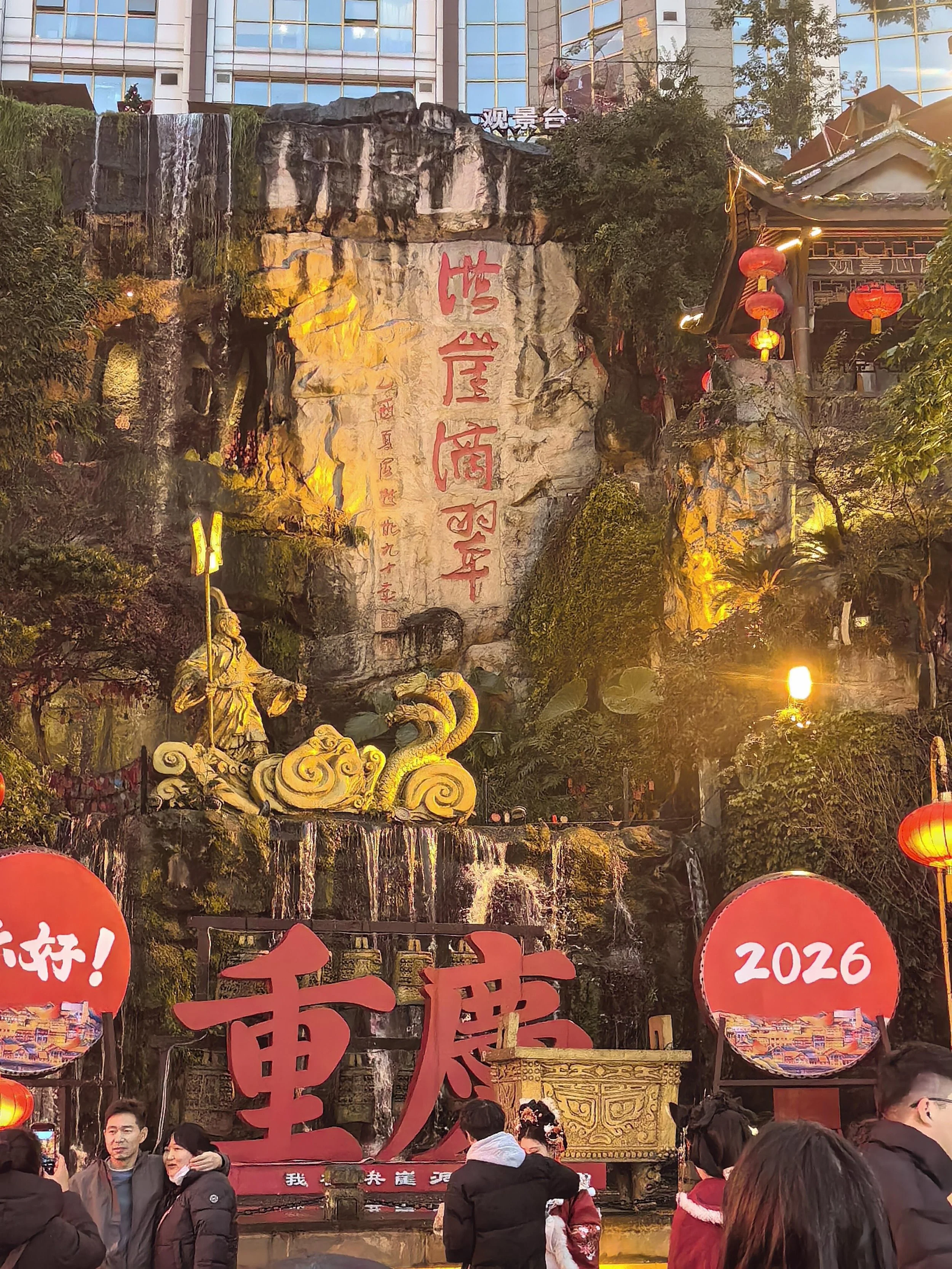
For anime fans: Hongya Cave, glowing gold at night like the bathhouse from Spirited Away.
For anyone who's held a 10-yuan bill: the Three Gorges, where the exact mountain on the note stands.
For architecture freaks: the 8D skyline — highways stacked on highways, a metro station inside a residential block, a cable car crossing the river between skyscrapers.
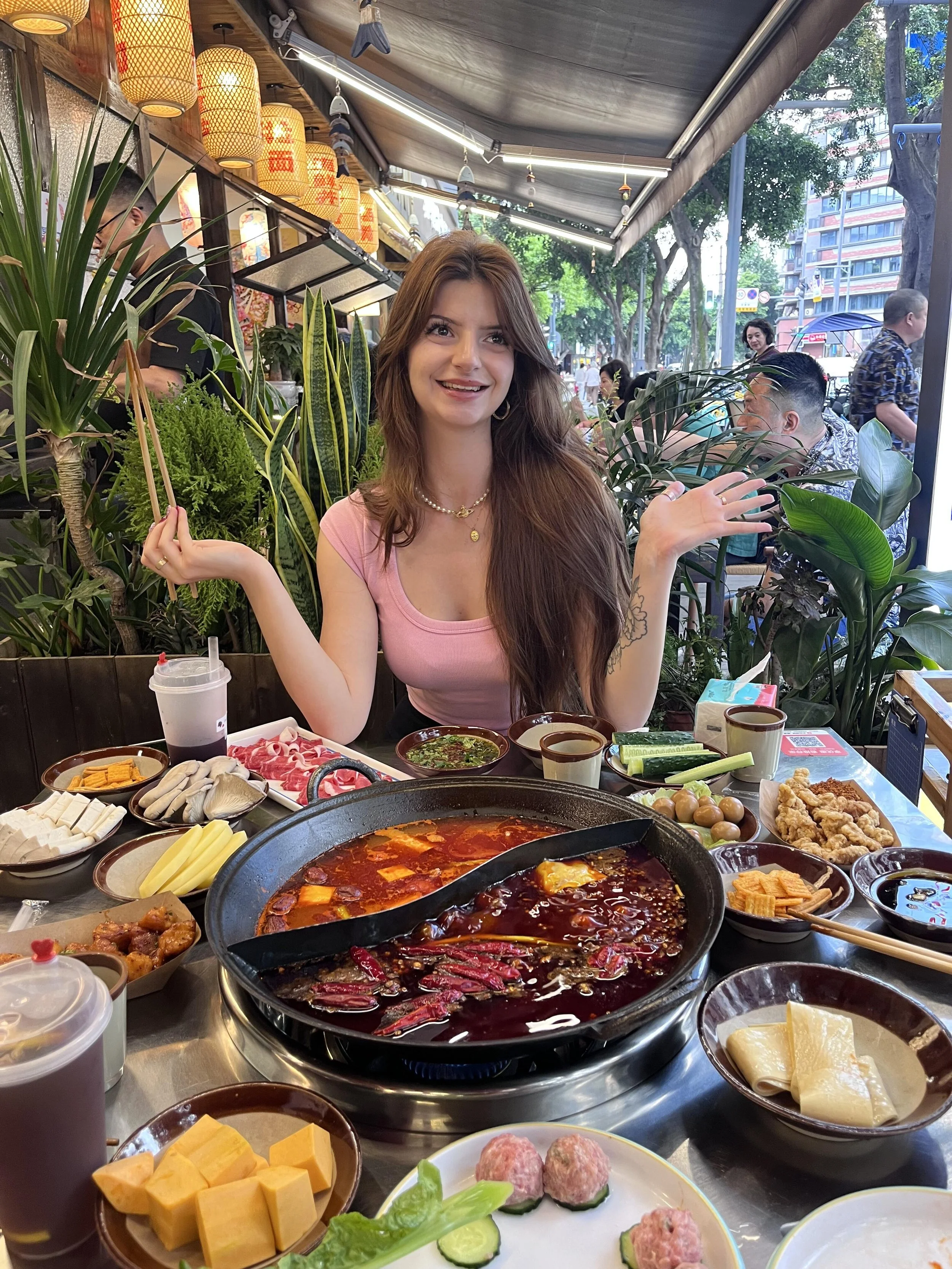
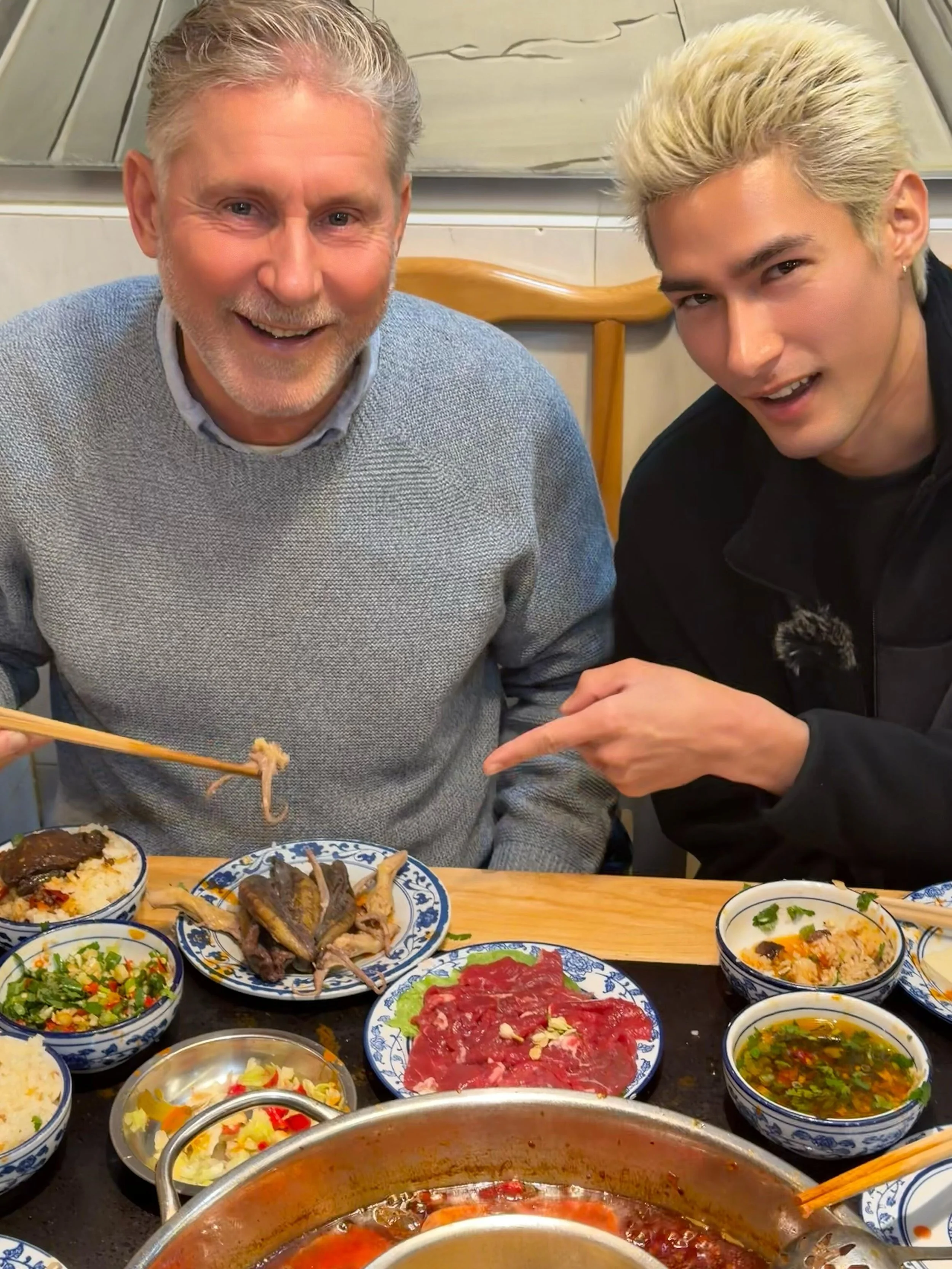
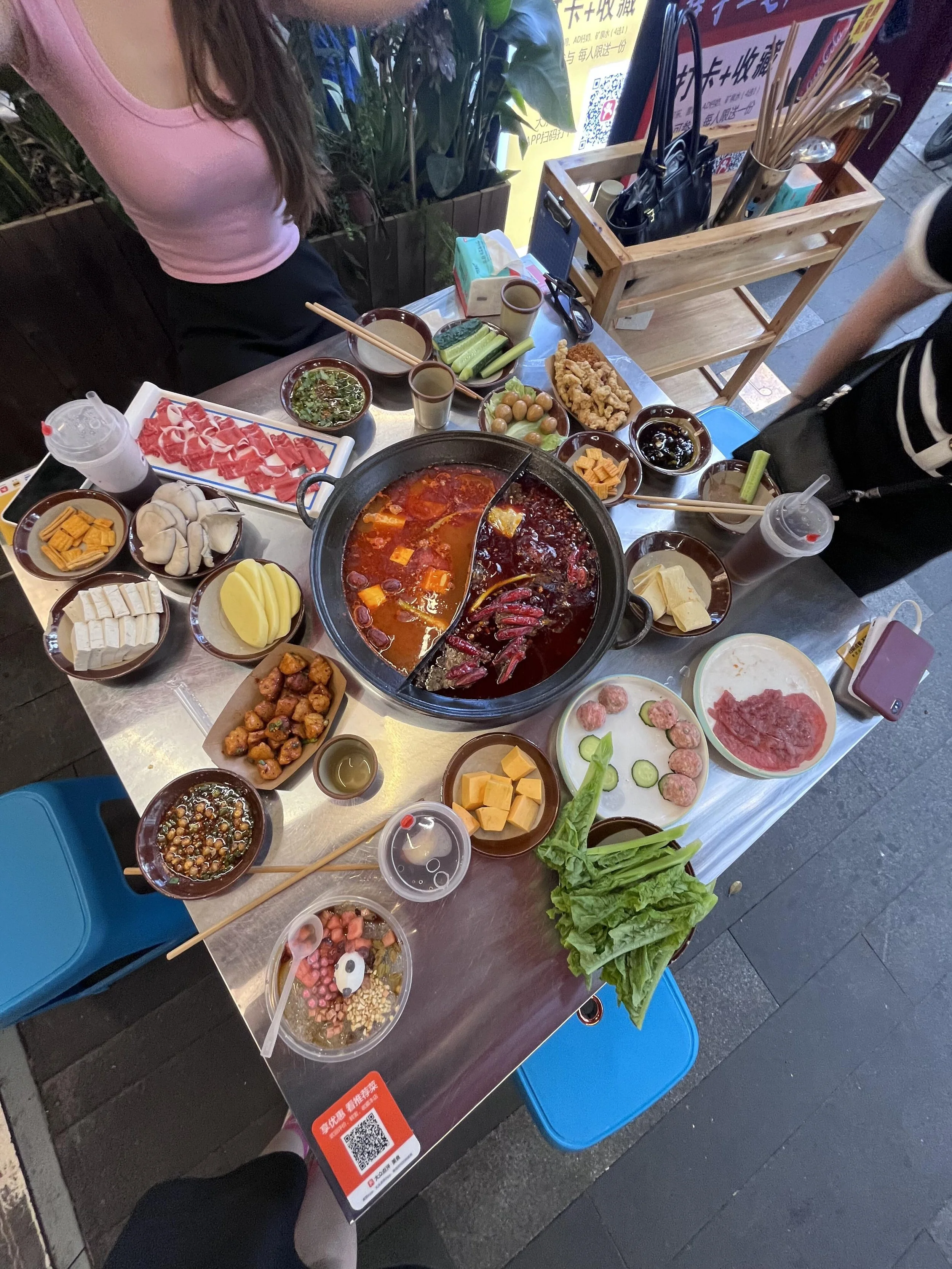
For food people: 40,000 hotpot restaurants and 80,000 noodle shops. No further argument needed.
Grandparents get the memorials by day; the same family gets the neon district by night. Nobody compromises. That's the whole trick — in Chongqing, nobody has to.
Rule 4: Prices That Make Other Cities Look Like They're Robbing You
Tourism No. 1 wasn't built on luxury. It was built on not ripping people off.
A filling hotpot dinner: ¥60–100 ($8–15) per person.
Metro ride across town: ¥2–5 ($0.30–0.70).
Yangtze River Cableway: ¥20 ($3) — possibly the best value ticket in world tourism.
A decent downtown hotel: ¥200–400 ($30–55) a night.
Most parks and landmarks downtown: free.
Throw in the fact that Chongqing is a genuine food capital with a national-level brand (hotpot), and you have the formula: cheap, good, and safe. That's a combination 500 million people can agree on.
Rule 5: The Show Never Stops
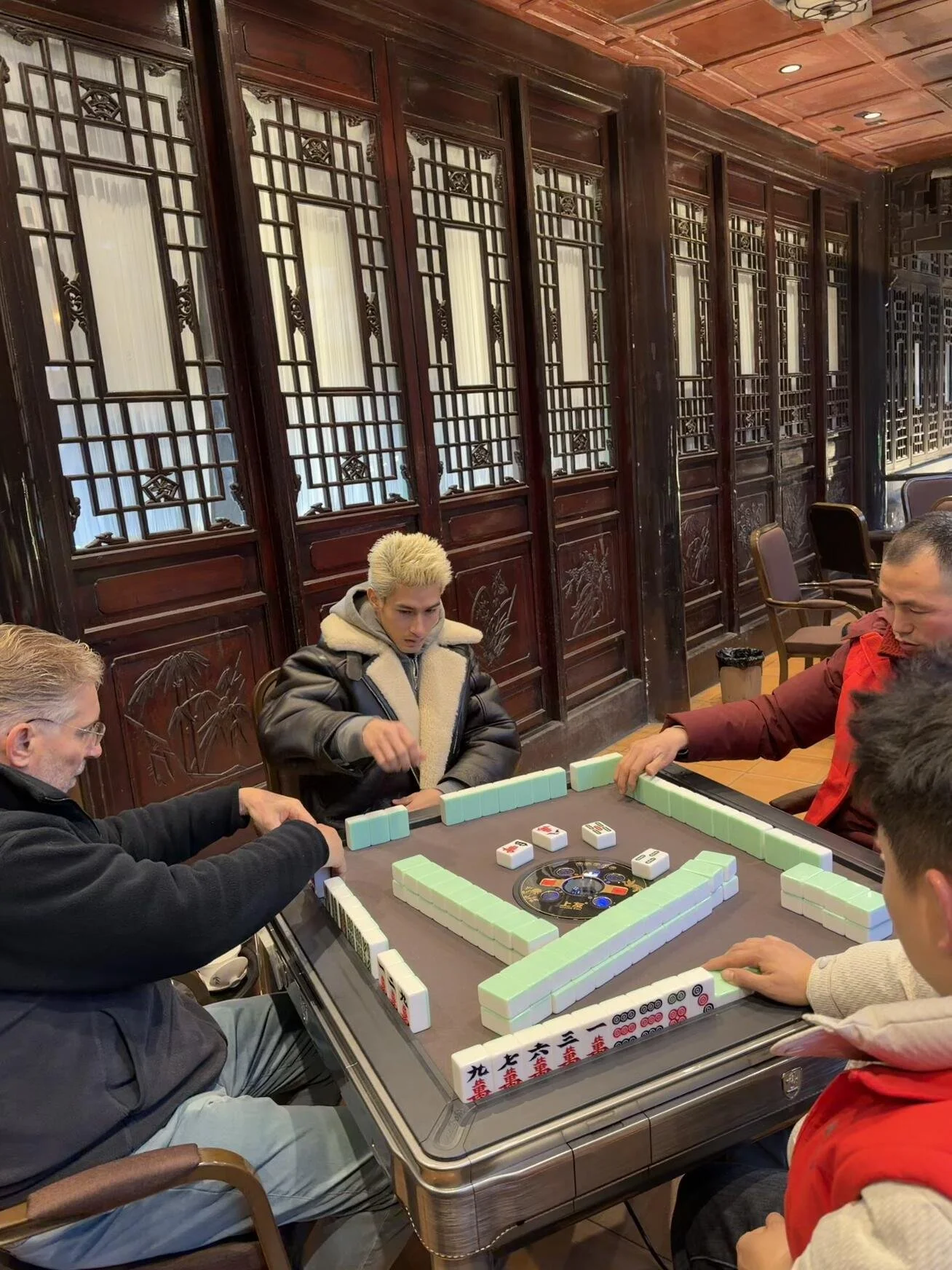
Chongqing is quietly one of China's biggest concert cities. Jay Chou, Jolin Tsai, the whole stadium circuit — they all come through, and the crowds follow. Nightlife is the same story: the riverside promenades, the rooftop bars, the 坝坝茶 (open-air tea tables) that stay alive past midnight, the mahjong tables on every street. The city doesn't sleep. Neither do its visitors.
Rule 6: People Travel to See What They Don't Have
The deepest reason, and the one most guidebooks miss: tourism runs on scarcity.
People from the flat eastern plains want to see mountains. People from mountain provinces want to see megacities. Chongqing is the only place on earth that serves both — a megacity built into the mountains. Every other big Chinese city is a grid on flat land. Chongqing is a roller coaster that functions as a metropolis.
That's why, in the endless "which Chinese city should I pick" comparison — the 田忌赛马, the game of strategic matchups — Chongqing keeps winning. It isn't the best at any one thing. It's the only one that does all the things at once. It's the tourist destination that doesn't disappoint. And that, more than any meme, is why it's No. 1.
The 3-Day Version (All Prices, No Guesswork)
Day 1 — The 8D City. Liziba monorail (¥2). Jiefangbei district. Yangtze Cableway (¥20). Hongya Cave at sunset → Two Rivers Night Cruise (¥120–150, 8pm sailing). Hotpot dinner (¥60–100/person).
Day 2 — History + Views. Nanshan's wartime villas (Chiang Kai-shek's, $0–50 with transport). Or the Red Crag sites. Afternoon: Dazu Rock Carvings, 50,000 UNESCO Buddhist statues, 1h out of town (~¥350 all-in). Evening: Guanyinqiao — the loudest street food in China.
Day 3 — Nature. Wulong Karst day trip (~¥400–500, 2h by train) — the Transformers bridges. Or start a Three Gorges cruise (2–3 nights, ¥1,500–3,000).
3 days, solo, mid-range: ¥1,800–2,500 ($250–350) — hotel included. Beijing laughs at these numbers. Then cries.
Best months: March–May, September–November. Summers are a furnace, winters are fog. Watch out for: the stairs. This is the Mountain City. Your calves will file a complaint. Wear shoes that survive.
Bottom Line
The "man's paradise" meme is a punchline. The real story is a city that spent two decades engineering itself into the most-visited place in China — big enough to host a flood, cheap enough to love, strange enough to remember, and broad enough that every single traveler finds their version of it.
That's not luck. That's a plan. And it's why Chongqing should be on your China itinerary — before everyone else finds out.
Want it handled? We build private China itineraries — trains, hotels, tickets, guides, all of it. Chongqing + Zhangjiajie (4h by high-speed rail, the Avatar mountains) is our favorite combo. Get a custom qu