

 Image 1 of 6
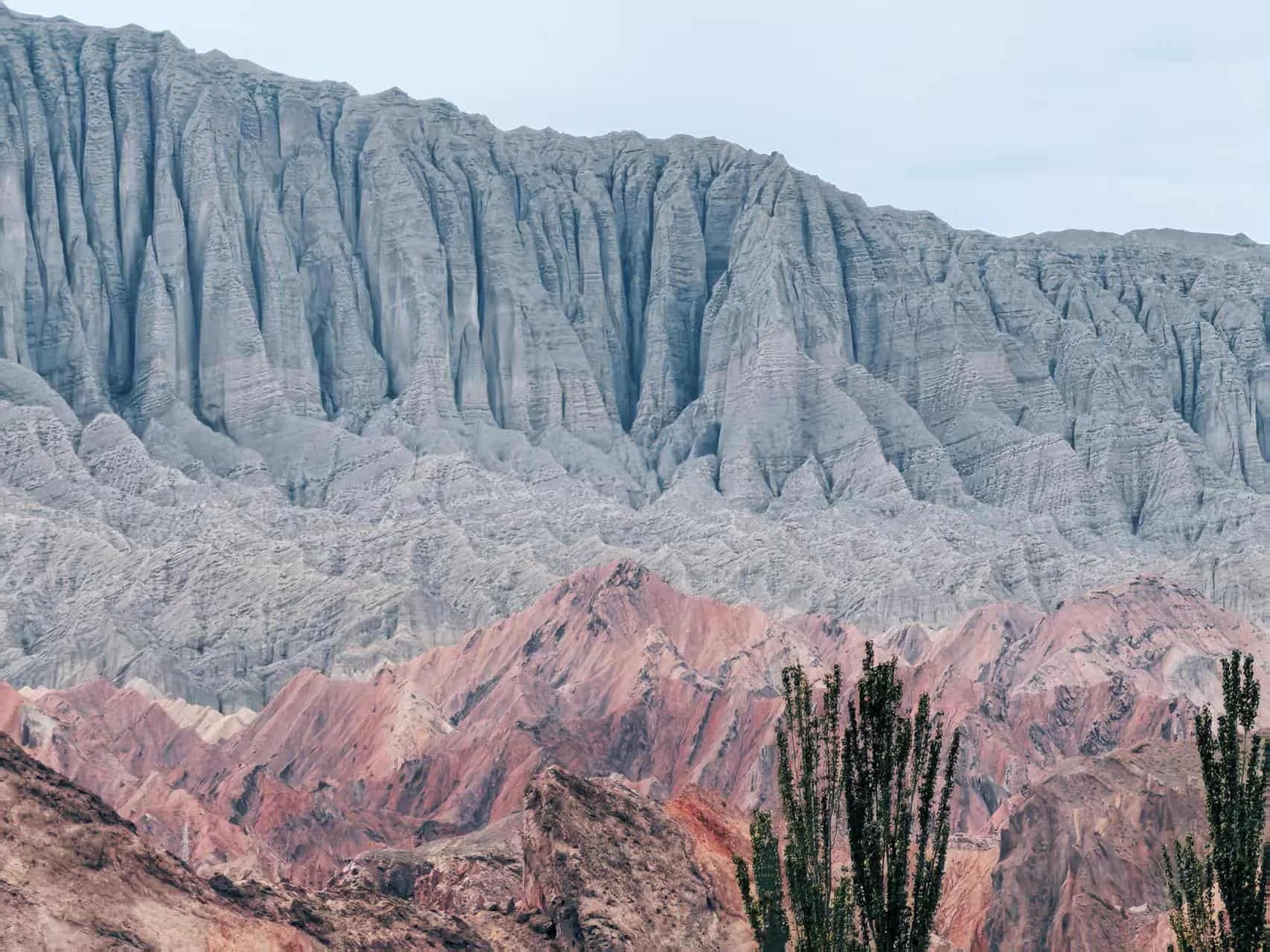 Image 2 of 6
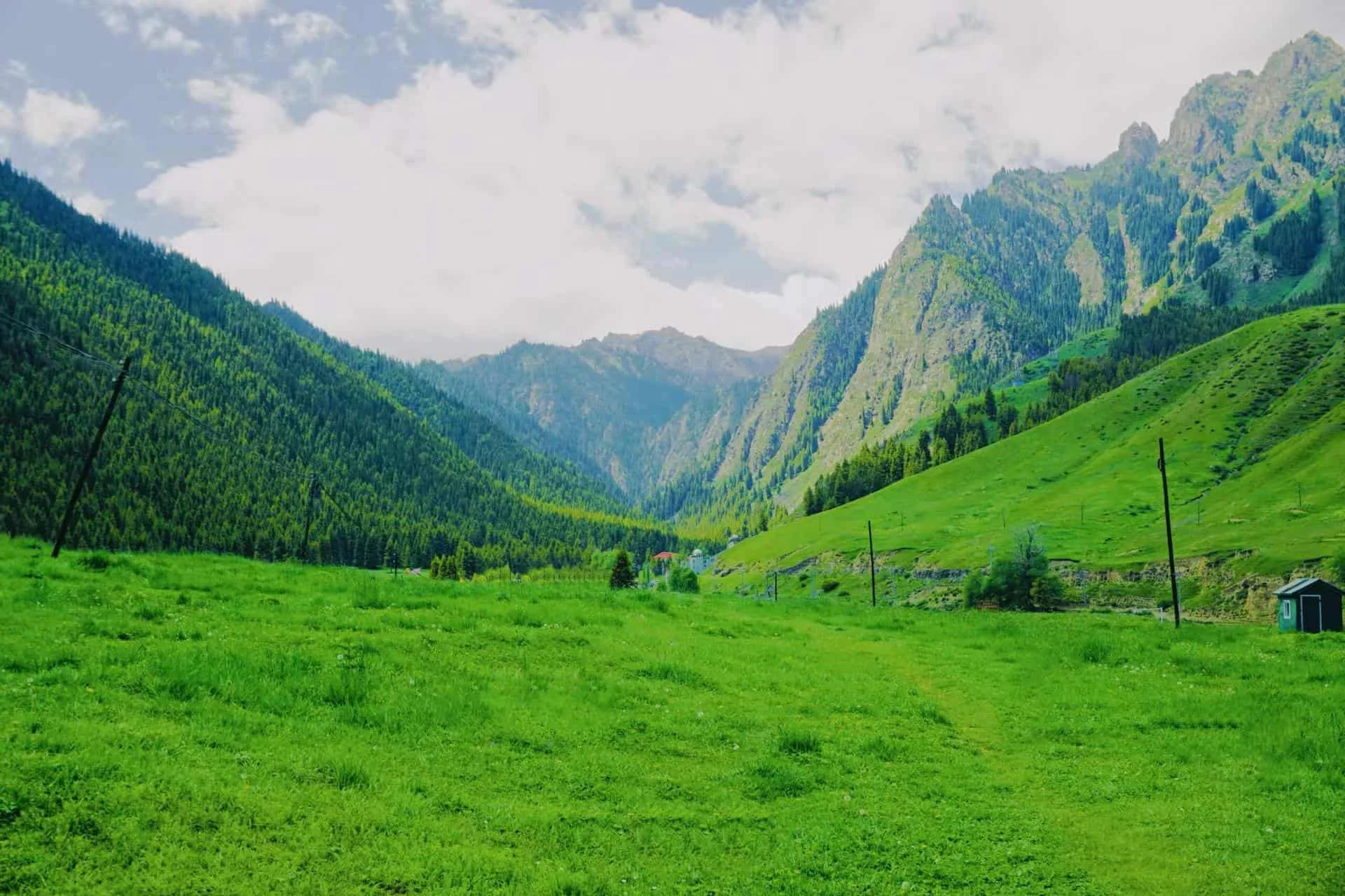 Image 3 of 6
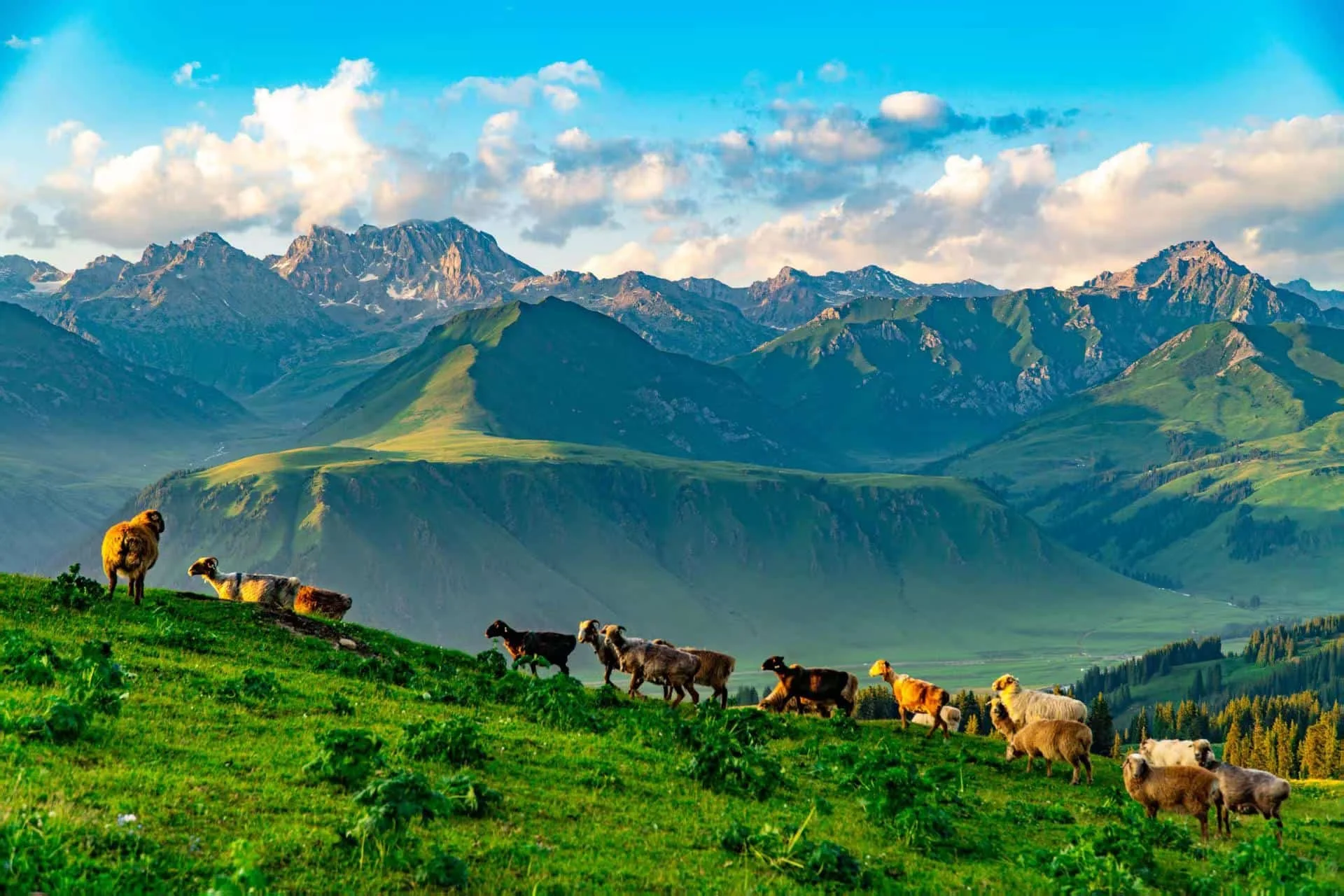 Image 4 of 6
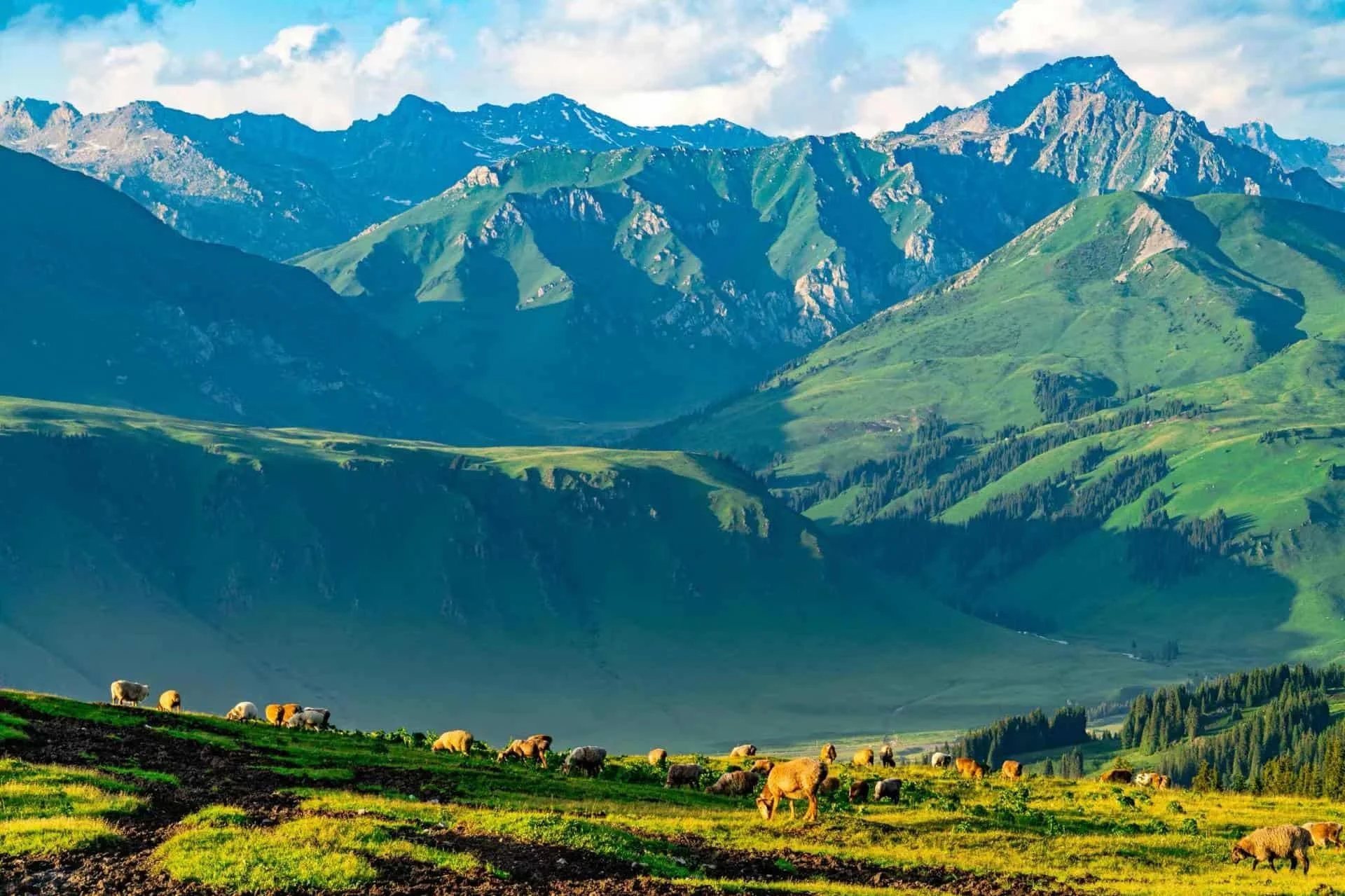 Image 5 of 6
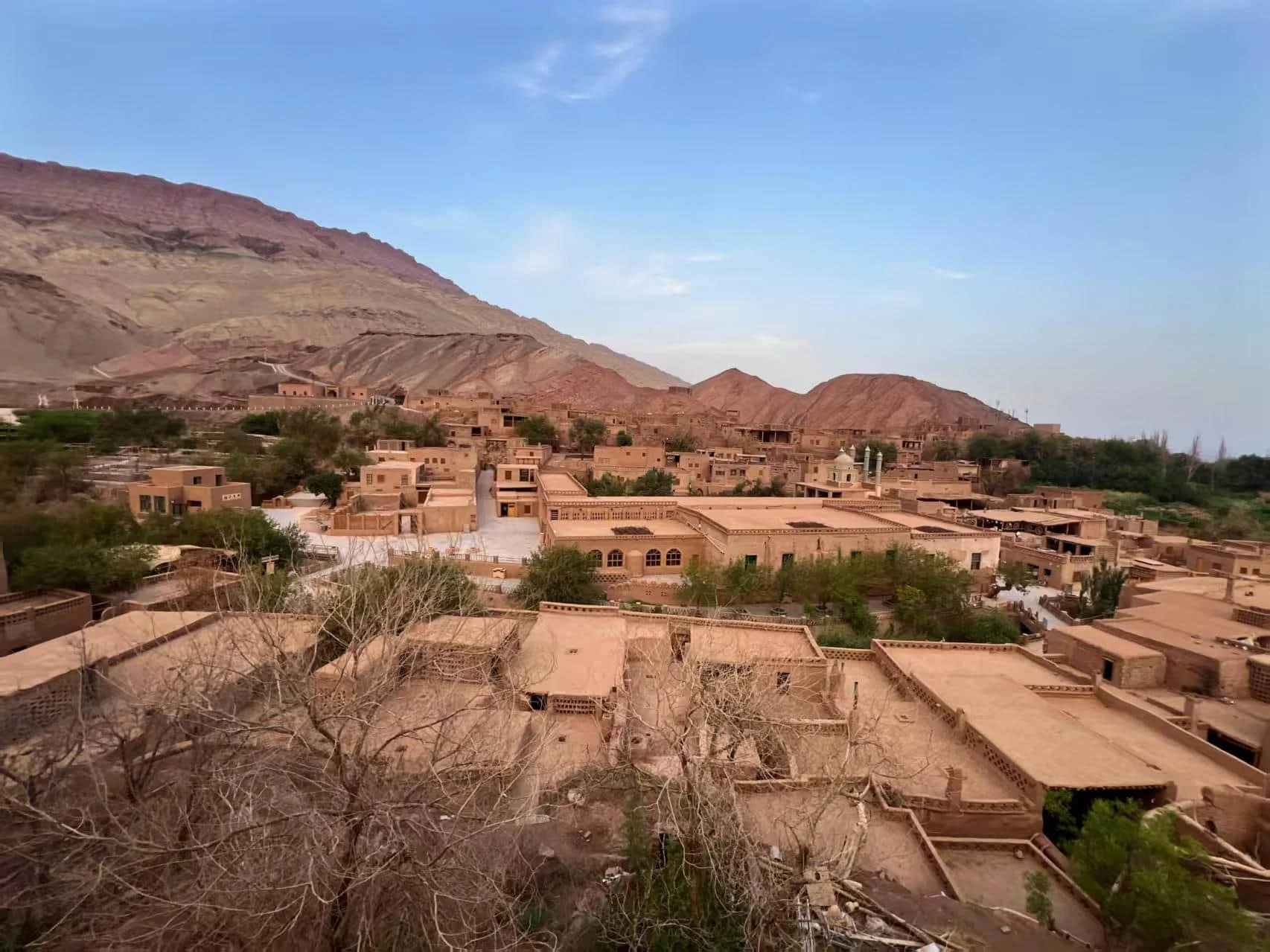 Image 6 of 6
Xinjiang Private 6-Day Tour – The Best of Northern Xinjiang: Desert + Kanas + Hemu
6 Days in Northern Xinjiang — Desert, Mountains & the Heart of Kanas
Short on time but refuse to miss Northern Xinjiang's greatest hits? This 6-day private tour distills the region's most extraordinary landscapes into one efficient, deeply rewarding itinerary: cross the Gurbantunggut Desert on the S21 Highway, experience the Tuva culture of Hemu Village, stand before the legendary waters of Kanas Lake, and gaze across the vast expanse of Ulungur Lake — all with a private guide who ensures every moment is meaningful, not rushed.
This is the ideal tour for travelers who want the core Northern Xinjiang experience without the longer commitment of a 10-day circuit. You'll see the desert, the mountains, the forest, and the lake — the four faces of the Altay — and return home with a complete picture of this extraordinary corner of China.
Why This Tour: The most efficient way to experience Northern Xinjiang's top highlights — S21 Desert Highway, Kelameili Desert Park, Hemu Village (log cabin stay), and Kanas Lake — in just 6 days. Perfect as an add-on to a China round-trip or a standalone adventure.
✈️ Day 1: Arrival in Urumqi
Your private guide and driver will meet you at Urumqi Diwopu International Airport and transfer you to your hotel. Take the rest of the day to rest and acclimatize.
If you arrive early, explore the International Grand Bazaar — a vibrant introduction to Xinjiang's cultural crossroads, with Islamic architecture, Uyghur street food, and stalls overflowing with dried fruits, nuts, and spices. Try your first bowl of daqanji (大盘鸡) — Xinjiang's famous "big plate chicken" — or a plate of lamian (拉面), hand-pulled noodles stir-fried with lamb and vegetables.
Tip: Xinjiang operates on Beijing Time officially, but daily life runs about 2 hours later. Sunset in summer can be after 10 PM — you'll have plenty of evening daylight.
🏜️ Day 2: S21 Desert Highway — Through the Heart of the Desert
Morning — Depart Urumqi via S21 Desert Highway
Leave Urumqi and head north on the S21 Desert Highway (阿乌高速) — a 340km engineering marvel that cuts directly through the Gurbantunggut Desert (古尔班通古特沙漠), China's second-largest desert. Unlike the shifting dunes of the Taklamakan to the south, this is a semi-fixed desert — the sand is held in place by vast stretches of saxaul bushes and desert vegetation, creating a landscape of gentle undulating dunes dotted with hardy green scrub.
The S21 is one of China's newest desert highways (opened 2021), and the drive is mesmerizing: an endless ribbon of asphalt stretching to the horizon, with the desert stretching endlessly on both sides. Stop at viewpoints to step out and experience the profound silence and vastness of the landscape. On clear days, the snow-capped peaks of the Altai Mountains are visible on the northern horizon — your destination.
Midday — Kelameili Desert Park (卡拉麦里荒漠公园)
Visit Kelameili Desert Park — a protected area within the Gurbantunggut Desert that showcases the desert's surprising biodiversity. The park is home to the Przewalski's horse (普氏野马) — the last truly wild horse species on Earth, once extinct in the wild and successfully reintroduced here. With luck, you may spot a small herd grazing on the desert scrub. Other wildlife includes goitered gazelles, wild asses (kulans), and desert foxes.
The park also features dramatic Yardang landforms (雅丹地貌) — wind-carved rock formations sculpted over millennia into ridges, towers, and surreal shapes. Walk among these formations and feel the power of the wind that shaped them — and continues to reshape them, grain by grain, year by year.
If the park is closed for seasonal maintenance, your guide will arrange an alternative desert experience.
Afternoon — Continue to Altay
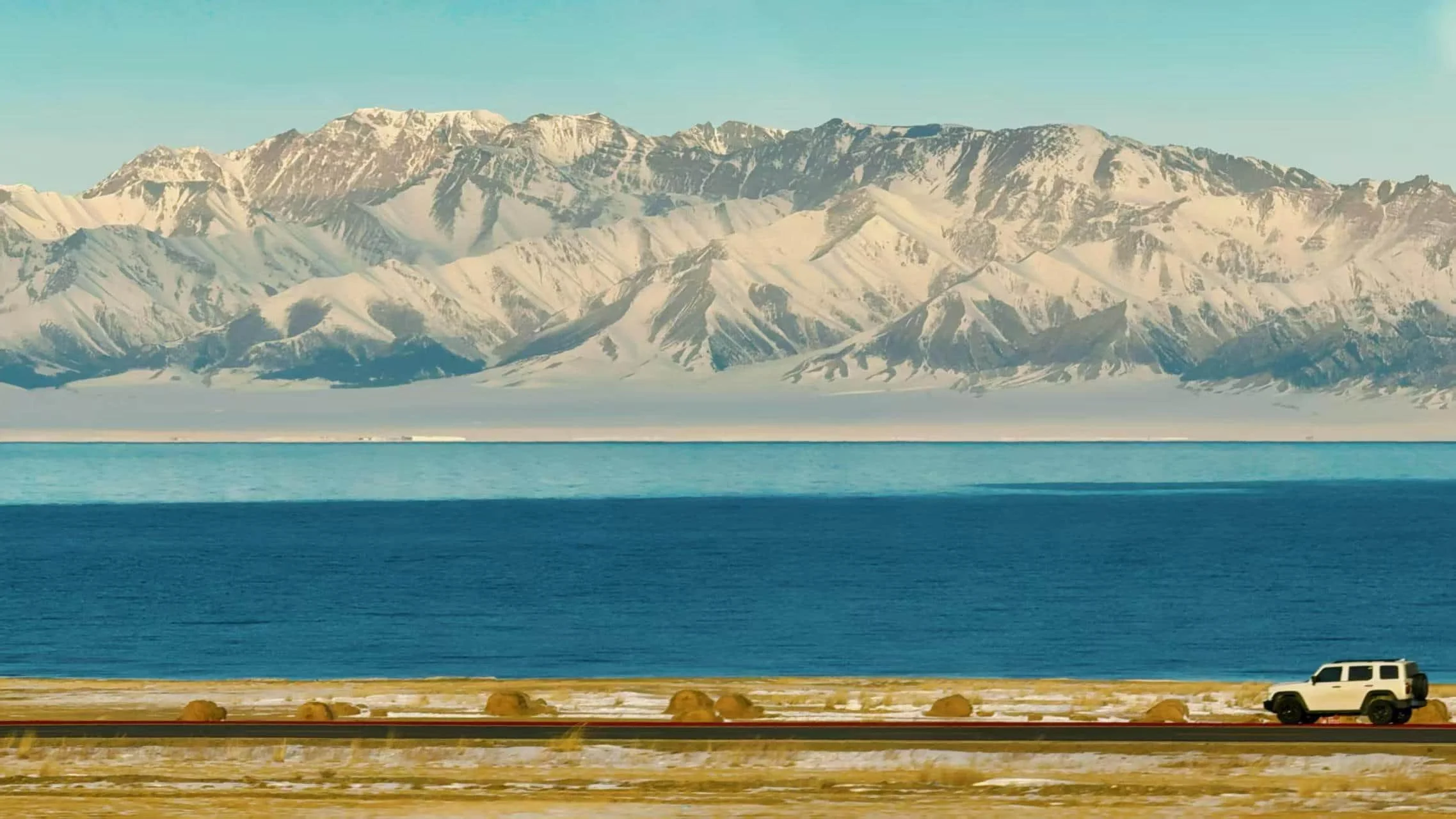
Continue the drive north, watching the desert gradually give way to grassland and then to the foothills of the Altai Mountains. Pass by Ulungur Lake (乌伦古湖) — a vast freshwater lake known as the "Great Sea" of the north — visible from the highway as a shimmering blue expanse in the arid landscape.
Arrive in Altay City (阿勒泰) by evening, check into your hotel, and rest. Tomorrow, you head into the mountains.
🏡 Day 3: Altay → Hemu — Into the Tuva Homeland
Morning — Scenic Drive to Hemu
Depart Altay and drive toward Hemu Scenic Area (禾木景区) along a road that climbs steadily into the Altai Mountains. The landscape transforms with every kilometer: rolling grasslands give way to birch forests, then to dense coniferous woods, and finally to the valley where Hemu sits — a pocket of civilization in a wilderness of peaks and forests.
Afternoon — Hemu Village (禾木村) at Your Own Pace
Hemu Village is one of only three remaining settlements of the Tuva people (图瓦人) — a small ethnic minority of approximately 3,000 people who are ethnically distinct from both Mongolians and Kazakhs, with their own language, customs, and shamanistic traditions. The village feels impossibly remote and impossibly beautiful: traditional wooden cabins with steeply pitched roofs are scattered across a valley floor bisected by the clear waters of the Hemu River (禾木河), all surrounded by mountains cloaked in birch and pine.
Cross the iconic Hemu Bridge (禾木桥) — a simple wooden span over the river that has become one of the most photographed structures in Xinjiang — and climb to the Haden Observation Deck (哈登观景台) for the classic panoramic view: the entire village spread below you, smoke rising from cabin chimneys, cattle grazing in the meadows, and mountains ringing the horizon.
Spend the rest of the afternoon exploring at your own pace. Wander the village paths, visit a Tuva family home (your guide can arrange this), or simply sit by the river and listen to the water and the wind in the birches.
Optional: Horse riding through the mountain trails — a Tuva tradition for centuries. Your guide can arrange horses and a local guide for a 1-2 hour ride.
Evening — Log Cabin Under the Stars
Tonight, stay in a traditional log cabin (木屋) in Hemu Village. These rustic wooden lodges are the authentic local experience — simple but comfortable, with thick quilts and a warm stove. After dinner, step outside and look up: the village's remote location and near-zero light pollution make this one of the best places in China for stargazing. The Milky Way arches overhead in breathtaking clarity, and shooting stars are common.
Log cabin note: Accommodations are rustic by design. Hot water and Wi-Fi are available but may be slower than city hotels. The trade-off is an irreplaceable experience — falling asleep in a wooden cabin in one of the most remote villages in China, with nothing but the sound of the river and the wind in the trees.
🌊 Day 4: Kanas Lake — Three Bays & Lake Monster Legends
Morning — Enter Kanas Nature Reserve (喀纳斯景区)
Take the shuttle bus from Hemu into the Kanas Nature Reserve — a UNESCO-caliber wilderness of alpine lakes, primeval forests, and jagged peaks within the Altai Mountains. The shuttle ride itself is scenic, winding through birch forests and along river valleys before arriving at Kanas Lake (喀纳斯湖).
Kanas Lake is a deep glacial lake whose waters shift between emerald green and sapphire blue depending on the season and the angle of sunlight. The lake is also home to one of China's most famous unsolved mysteries: the "Kanas Lake Monster" (喀纳斯水怪). For decades, locals and scientists have reported enormous creatures surfacing in the lake. Some believe they're giant Hucho taimen (a species of salmon that can grow over 2 meters long); others insist they've seen something far larger. Stand on the lakeshore with the mist rolling across the water, and you'll understand why legends thrive here.
Walk the lakeside boardwalks, visit scenic viewpoints, and explore at your own pace.
Afternoon — The Three Bays Trail (三湾徒步)
Hike the trail connecting the three most beautiful stretches of the Kanas River — each with its own character and legends:
Fairy Bay (神仙湾): Morning mist hovers over the water like a celestial veil — the most ethereal of the three, especially magical at dawn when the mist catches the first light.
Moon Bay (月亮湾): The river curves in a perfect crescent, with two small sandbars in the center shaped like footprints. Local legend says these are the footprints of the Moon Goddess, who descended to bathe in the river.
Wolong Bay (卧龙湾): A sandbar shaped like a coiled dragon lies in the calm pool, giving this bay its name. The surrounding forest reflects in the still water, creating a perfect mirror image on calm days.
The full trail is approximately 5km of well-maintained boardwalk — a gentle, deeply rewarding walk through one of China's most beautiful forest landscapes.
Evening — Drive to Beitun (北屯)
After a full day in Kanas, drive to Beitun for overnight accommodation. Beitun is a small garrison town on the Irtysh River — the only river in China that flows into the Arctic Ocean. Relax this evening; tomorrow you begin the journey back.
🌅 Day 5: Beitun → Ulungur Lake → Return to Urumqi
Morning — Ulungur Lake (乌伦古湖)
Depart Beitun and drive south, stopping at Ulungur Lake (乌伦古湖) — known as the "Great Sea" (布伦托海), with its smaller neighbor Jili Lake called the "Small Sea." This is Xinjiang's second-largest fishing base, and the lakeshore scenery is a striking contrast to the mountains you've left behind: vast open water, reed beds teeming with waterbirds, and a shoreline that stretches to the horizon.
Depending on the season, you may see flocks of migratory birds — pelicans, swans, and cormorants — that use Ulungur as a stopover on the Central Asian flyway. The lake is also famous for its cold-water fish, particularly the Altay whitefish — try it grilled at a lakeside restaurant for lunch.
Afternoon — S21 Desert Highway Return
Drive back to Urumqi via the S21 Desert Highway, experiencing the desert landscape from the opposite direction — the light is different in the afternoon, casting long shadows from the Yardang formations and painting the sand in warm amber tones. It's a meditative drive and a perfect time to reflect on the extraordinary diversity of landscapes you've seen in just six days: desert, mountain, forest, lake, and grassland — the full spectrum of Northern Xinjiang.
Arrive in Urumqi by evening and check into your hotel.
✈️ Day 6: Departure from Urumqi
Enjoy breakfast at your hotel and spend your final morning at leisure. Your private driver will transfer you to Urumqi Diwopu International Airport according to your flight schedule.
Want to extend? We can add a day trip to Turpan (UNESCO desert cities) or Heavenly Lake in the Tianshan Mountains — both are within easy reach of Urumqi. Just ask!
✅ What's Included
✔️ Private English-speaking guide throughout (licensed, expert in Altay region & Tuva culture)
✔️ Private air-conditioned vehicle with professional driver
✔️ All entrance fees: Kelameili Desert Park, Hemu Scenic Area, Kanas Nature Reserve
✔️ All shuttle bus fares within scenic areas
✔️ 5 nights accommodation (Urumqi 5-star, Altay & Beitun comfort hotels, Hemu log cabin)
✔️ Daily breakfast
✔️ Bottled water throughout
✔️ Airport pickup and drop-off in Urumqi
❌ What's Not Included
✘ Flights to/from Urumqi
✘ Lunch and dinner (budget ¥60-120 per meal; your guide will recommend the best local restaurants)
✘ Optional horse riding in Hemu (~¥100/hour)
✘ Travel insurance (highly recommended)
✘ Gratuities (optional, at your discretion)
📌 Practical Information
🚶 Walking Level: Moderate. The Three Bays trail is ~5km of flat boardwalk. Hemu village walking is easy. Suitable for most fitness levels.
🌡️ Seasonal Considerations: Best time is June–September. June offers wildflowers; September brings stunning golden autumn foliage (the birch forests turn brilliant yellow). Book early for September — it's peak season.
🎒 What to Pack: Layers are essential — mountain temperatures can drop to 5°C at night even in summer. Bring: comfortable walking shoes, sun protection (UV is strong), light rain jacket, and a camera with extra battery (cold drains batteries faster).
📱 Connectivity: Cell coverage is available in cities and most scenic areas but expect gaps in remote mountain sections. Download offline maps before departure.
🍽️ Food Highlights: Try Altay cold-water fish (grilled whitefish from Ulungur Lake), Tuva milk tea and cheese in Hemu, and Kazakh hand-pulled noodles in Burqin.
👨👩👧👦 Family Friendly: This tour is suitable for children aged 8+ who are comfortable with walking. The log cabin experience is a hit with kids (but note: stairs may be steep).
🗺️ Route Map
Urumqi → S21 Desert Highway → Kelameili Desert Park → Altay → Hemu Village (log cabin) → Kanas Lake → Three Bays → Beitun → Ulungur Lake → S21 Return → Urumqi
Experience the best of Northern Xinjiang in just 6 days. Book your private tour today — September golden season fills up fast!
6 Days in Northern Xinjiang — Desert, Mountains & the Heart of Kanas
Short on time but refuse to miss Northern Xinjiang's greatest hits? This 6-day private tour distills the region's most extraordinary landscapes into one efficient, deeply rewarding itinerary: cross the Gurbantunggut Desert on the S21 Highway, experience the Tuva culture of Hemu Village, stand before the legendary waters of Kanas Lake, and gaze across the vast expanse of Ulungur Lake — all with a private guide who ensures every moment is meaningful, not rushed.
This is the ideal tour for travelers who want the core Northern Xinjiang experience without the longer commitment of a 10-day circuit. You'll see the desert, the mountains, the forest, and the lake — the four faces of the Altay — and return home with a complete picture of this extraordinary corner of China.
Why This Tour: The most efficient way to experience Northern Xinjiang's top highlights — S21 Desert Highway, Kelameili Desert Park, Hemu Village (log cabin stay), and Kanas Lake — in just 6 days. Perfect as an add-on to a China round-trip or a standalone adventure.
✈️ Day 1: Arrival in Urumqi
Your private guide and driver will meet you at Urumqi Diwopu International Airport and transfer you to your hotel. Take the rest of the day to rest and acclimatize.
If you arrive early, explore the International Grand Bazaar — a vibrant introduction to Xinjiang's cultural crossroads, with Islamic architecture, Uyghur street food, and stalls overflowing with dried fruits, nuts, and spices. Try your first bowl of daqanji (大盘鸡) — Xinjiang's famous "big plate chicken" — or a plate of lamian (拉面), hand-pulled noodles stir-fried with lamb and vegetables.
Tip: Xinjiang operates on Beijing Time officially, but daily life runs about 2 hours later. Sunset in summer can be after 10 PM — you'll have plenty of evening daylight.
🏜️ Day 2: S21 Desert Highway — Through the Heart of the Desert
Morning — Depart Urumqi via S21 Desert Highway
Leave Urumqi and head north on the S21 Desert Highway (阿乌高速) — a 340km engineering marvel that cuts directly through the Gurbantunggut Desert (古尔班通古特沙漠), China's second-largest desert. Unlike the shifting dunes of the Taklamakan to the south, this is a semi-fixed desert — the sand is held in place by vast stretches of saxaul bushes and desert vegetation, creating a landscape of gentle undulating dunes dotted with hardy green scrub.
The S21 is one of China's newest desert highways (opened 2021), and the drive is mesmerizing: an endless ribbon of asphalt stretching to the horizon, with the desert stretching endlessly on both sides. Stop at viewpoints to step out and experience the profound silence and vastness of the landscape. On clear days, the snow-capped peaks of the Altai Mountains are visible on the northern horizon — your destination.
Midday — Kelameili Desert Park (卡拉麦里荒漠公园)
Visit Kelameili Desert Park — a protected area within the Gurbantunggut Desert that showcases the desert's surprising biodiversity. The park is home to the Przewalski's horse (普氏野马) — the last truly wild horse species on Earth, once extinct in the wild and successfully reintroduced here. With luck, you may spot a small herd grazing on the desert scrub. Other wildlife includes goitered gazelles, wild asses (kulans), and desert foxes.
The park also features dramatic Yardang landforms (雅丹地貌) — wind-carved rock formations sculpted over millennia into ridges, towers, and surreal shapes. Walk among these formations and feel the power of the wind that shaped them — and continues to reshape them, grain by grain, year by year.
If the park is closed for seasonal maintenance, your guide will arrange an alternative desert experience.
Afternoon — Continue to Altay
Continue the drive north, watching the desert gradually give way to grassland and then to the foothills of the Altai Mountains. Pass by Ulungur Lake (乌伦古湖) — a vast freshwater lake known as the "Great Sea" of the north — visible from the highway as a shimmering blue expanse in the arid landscape.
Arrive in Altay City (阿勒泰) by evening, check into your hotel, and rest. Tomorrow, you head into the mountains.
🏡 Day 3: Altay → Hemu — Into the Tuva Homeland
Morning — Scenic Drive to Hemu
Depart Altay and drive toward Hemu Scenic Area (禾木景区) along a road that climbs steadily into the Altai Mountains. The landscape transforms with every kilometer: rolling grasslands give way to birch forests, then to dense coniferous woods, and finally to the valley where Hemu sits — a pocket of civilization in a wilderness of peaks and forests.
Afternoon — Hemu Village (禾木村) at Your Own Pace
Hemu Village is one of only three remaining settlements of the Tuva people (图瓦人) — a small ethnic minority of approximately 3,000 people who are ethnically distinct from both Mongolians and Kazakhs, with their own language, customs, and shamanistic traditions. The village feels impossibly remote and impossibly beautiful: traditional wooden cabins with steeply pitched roofs are scattered across a valley floor bisected by the clear waters of the Hemu River (禾木河), all surrounded by mountains cloaked in birch and pine.
Cross the iconic Hemu Bridge (禾木桥) — a simple wooden span over the river that has become one of the most photographed structures in Xinjiang — and climb to the Haden Observation Deck (哈登观景台) for the classic panoramic view: the entire village spread below you, smoke rising from cabin chimneys, cattle grazing in the meadows, and mountains ringing the horizon.
Spend the rest of the afternoon exploring at your own pace. Wander the village paths, visit a Tuva family home (your guide can arrange this), or simply sit by the river and listen to the water and the wind in the birches.
Optional: Horse riding through the mountain trails — a Tuva tradition for centuries. Your guide can arrange horses and a local guide for a 1-2 hour ride.
Evening — Log Cabin Under the Stars
Tonight, stay in a traditional log cabin (木屋) in Hemu Village. These rustic wooden lodges are the authentic local experience — simple but comfortable, with thick quilts and a warm stove. After dinner, step outside and look up: the village's remote location and near-zero light pollution make this one of the best places in China for stargazing. The Milky Way arches overhead in breathtaking clarity, and shooting stars are common.
Log cabin note: Accommodations are rustic by design. Hot water and Wi-Fi are available but may be slower than city hotels. The trade-off is an irreplaceable experience — falling asleep in a wooden cabin in one of the most remote villages in China, with nothing but the sound of the river and the wind in the trees.
🌊 Day 4: Kanas Lake — Three Bays & Lake Monster Legends
Morning — Enter Kanas Nature Reserve (喀纳斯景区)
Take the shuttle bus from Hemu into the Kanas Nature Reserve — a UNESCO-caliber wilderness of alpine lakes, primeval forests, and jagged peaks within the Altai Mountains. The shuttle ride itself is scenic, winding through birch forests and along river valleys before arriving at Kanas Lake (喀纳斯湖).
Kanas Lake is a deep glacial lake whose waters shift between emerald green and sapphire blue depending on the season and the angle of sunlight. The lake is also home to one of China's most famous unsolved mysteries: the "Kanas Lake Monster" (喀纳斯水怪). For decades, locals and scientists have reported enormous creatures surfacing in the lake. Some believe they're giant Hucho taimen (a species of salmon that can grow over 2 meters long); others insist they've seen something far larger. Stand on the lakeshore with the mist rolling across the water, and you'll understand why legends thrive here.
Walk the lakeside boardwalks, visit scenic viewpoints, and explore at your own pace.
Afternoon — The Three Bays Trail (三湾徒步)
Hike the trail connecting the three most beautiful stretches of the Kanas River — each with its own character and legends:
Fairy Bay (神仙湾): Morning mist hovers over the water like a celestial veil — the most ethereal of the three, especially magical at dawn when the mist catches the first light.
Moon Bay (月亮湾): The river curves in a perfect crescent, with two small sandbars in the center shaped like footprints. Local legend says these are the footprints of the Moon Goddess, who descended to bathe in the river.
Wolong Bay (卧龙湾): A sandbar shaped like a coiled dragon lies in the calm pool, giving this bay its name. The surrounding forest reflects in the still water, creating a perfect mirror image on calm days.
The full trail is approximately 5km of well-maintained boardwalk — a gentle, deeply rewarding walk through one of China's most beautiful forest landscapes.
Evening — Drive to Beitun (北屯)
After a full day in Kanas, drive to Beitun for overnight accommodation. Beitun is a small garrison town on the Irtysh River — the only river in China that flows into the Arctic Ocean. Relax this evening; tomorrow you begin the journey back.
🌅 Day 5: Beitun → Ulungur Lake → Return to Urumqi
Morning — Ulungur Lake (乌伦古湖)
Depart Beitun and drive south, stopping at Ulungur Lake (乌伦古湖) — known as the "Great Sea" (布伦托海), with its smaller neighbor Jili Lake called the "Small Sea." This is Xinjiang's second-largest fishing base, and the lakeshore scenery is a striking contrast to the mountains you've left behind: vast open water, reed beds teeming with waterbirds, and a shoreline that stretches to the horizon.
Depending on the season, you may see flocks of migratory birds — pelicans, swans, and cormorants — that use Ulungur as a stopover on the Central Asian flyway. The lake is also famous for its cold-water fish, particularly the Altay whitefish — try it grilled at a lakeside restaurant for lunch.
Afternoon — S21 Desert Highway Return
Drive back to Urumqi via the S21 Desert Highway, experiencing the desert landscape from the opposite direction — the light is different in the afternoon, casting long shadows from the Yardang formations and painting the sand in warm amber tones. It's a meditative drive and a perfect time to reflect on the extraordinary diversity of landscapes you've seen in just six days: desert, mountain, forest, lake, and grassland — the full spectrum of Northern Xinjiang.
Arrive in Urumqi by evening and check into your hotel.
✈️ Day 6: Departure from Urumqi
Enjoy breakfast at your hotel and spend your final morning at leisure. Your private driver will transfer you to Urumqi Diwopu International Airport according to your flight schedule.
Want to extend? We can add a day trip to Turpan (UNESCO desert cities) or Heavenly Lake in the Tianshan Mountains — both are within easy reach of Urumqi. Just ask!
✅ What's Included
✔️ Private English-speaking guide throughout (licensed, expert in Altay region & Tuva culture)
✔️ Private air-conditioned vehicle with professional driver
✔️ All entrance fees: Kelameili Desert Park, Hemu Scenic Area, Kanas Nature Reserve
✔️ All shuttle bus fares within scenic areas
✔️ 5 nights accommodation (Urumqi 5-star, Altay & Beitun comfort hotels, Hemu log cabin)
✔️ Daily breakfast
✔️ Bottled water throughout
✔️ Airport pickup and drop-off in Urumqi
❌ What's Not Included
✘ Flights to/from Urumqi
✘ Lunch and dinner (budget ¥60-120 per meal; your guide will recommend the best local restaurants)
✘ Optional horse riding in Hemu (~¥100/hour)
✘ Travel insurance (highly recommended)
✘ Gratuities (optional, at your discretion)
📌 Practical Information
🚶 Walking Level: Moderate. The Three Bays trail is ~5km of flat boardwalk. Hemu village walking is easy. Suitable for most fitness levels.
🌡️ Seasonal Considerations: Best time is June–September. June offers wildflowers; September brings stunning golden autumn foliage (the birch forests turn brilliant yellow). Book early for September — it's peak season.
🎒 What to Pack: Layers are essential — mountain temperatures can drop to 5°C at night even in summer. Bring: comfortable walking shoes, sun protection (UV is strong), light rain jacket, and a camera with extra battery (cold drains batteries faster).
📱 Connectivity: Cell coverage is available in cities and most scenic areas but expect gaps in remote mountain sections. Download offline maps before departure.
🍽️ Food Highlights: Try Altay cold-water fish (grilled whitefish from Ulungur Lake), Tuva milk tea and cheese in Hemu, and Kazakh hand-pulled noodles in Burqin.
👨👩👧👦 Family Friendly: This tour is suitable for children aged 8+ who are comfortable with walking. The log cabin experience is a hit with kids (but note: stairs may be steep).
🗺️ Route Map
Urumqi → S21 Desert Highway → Kelameili Desert Park → Altay → Hemu Village (log cabin) → Kanas Lake → Three Bays → Beitun → Ulungur Lake → S21 Return → Urumqi
Experience the best of Northern Xinjiang in just 6 days. Book your private tour today — September golden season fills up fast!