

 Image 1 of 8
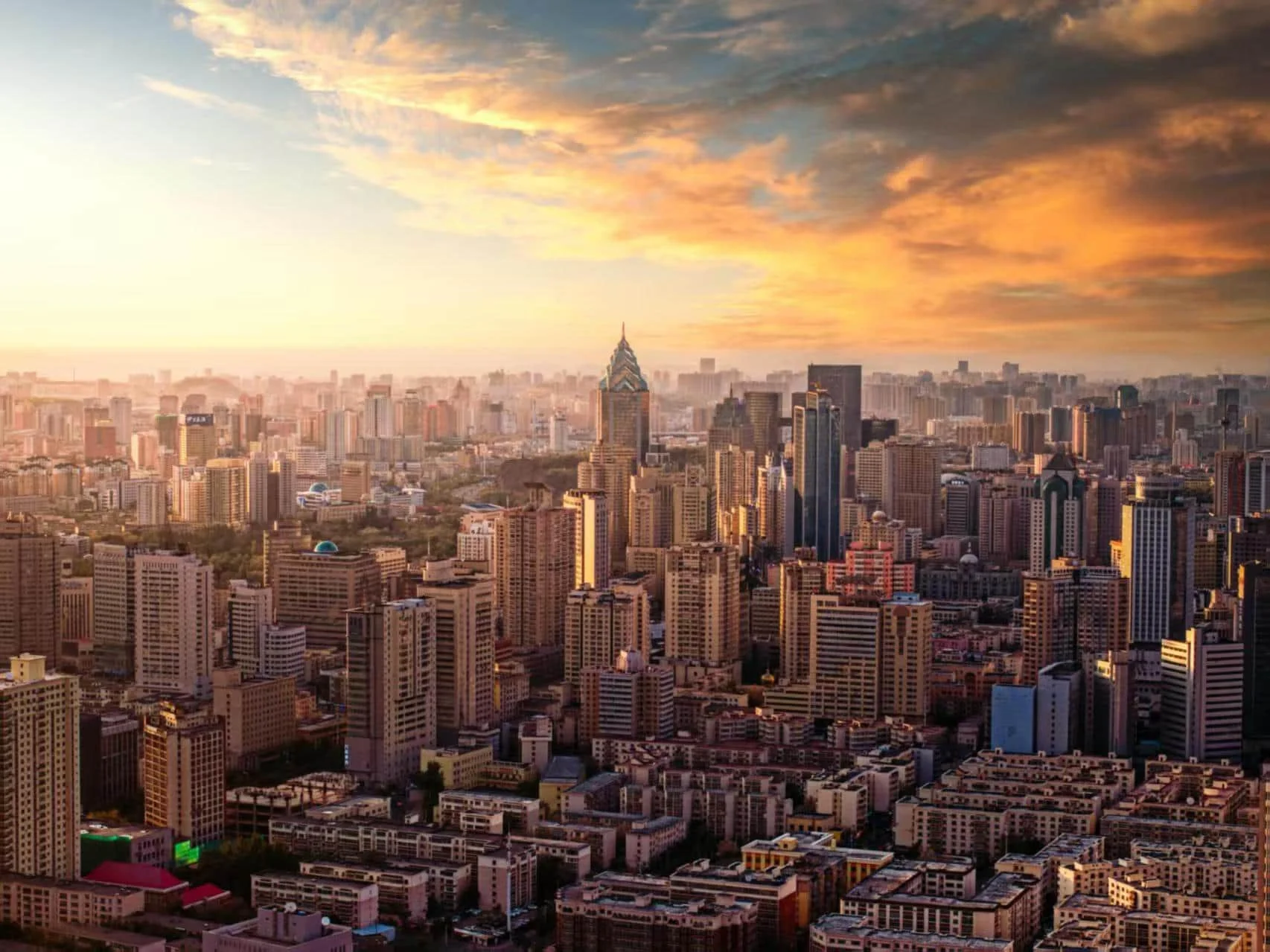 Image 2 of 8
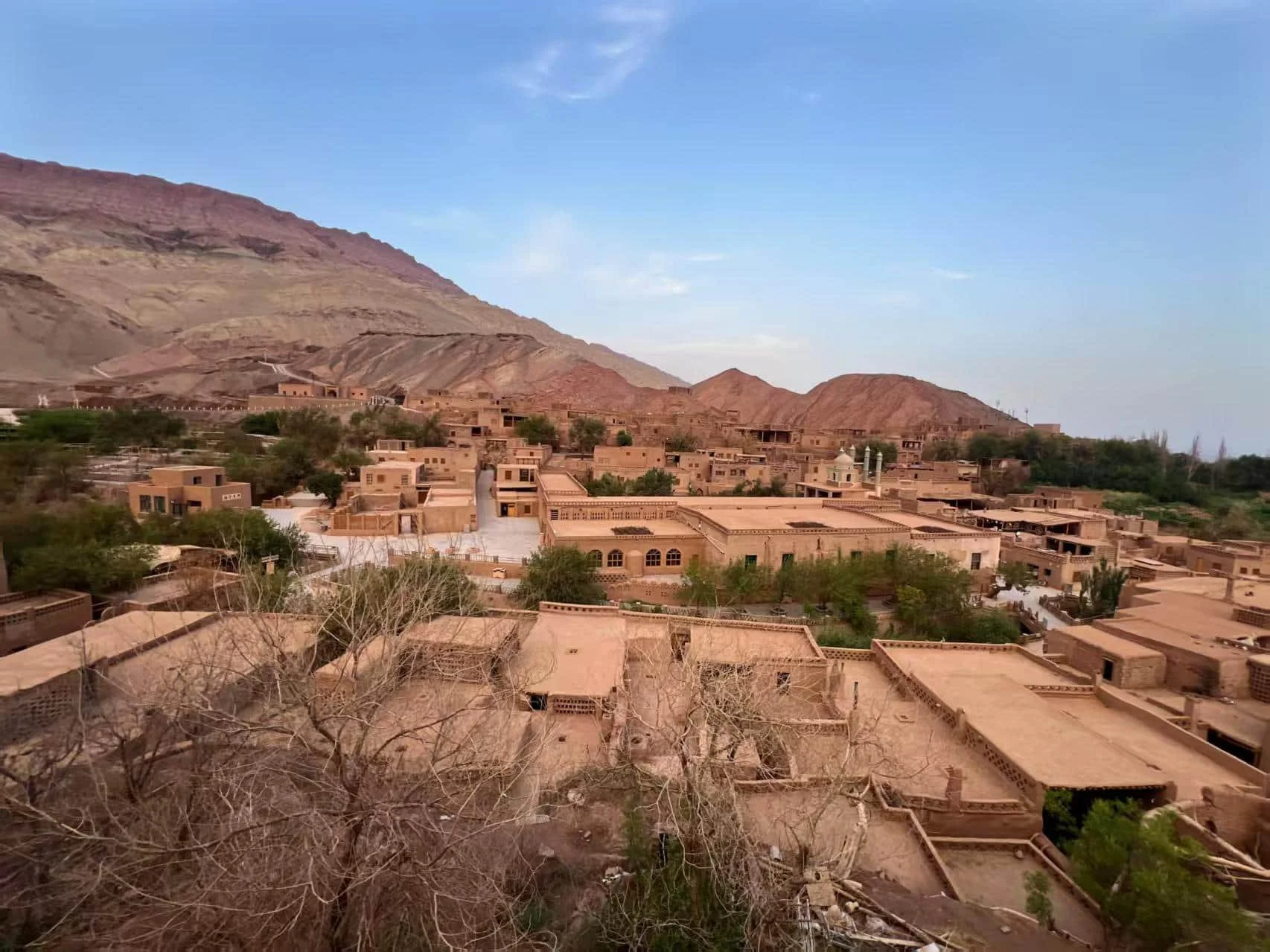 Image 3 of 8
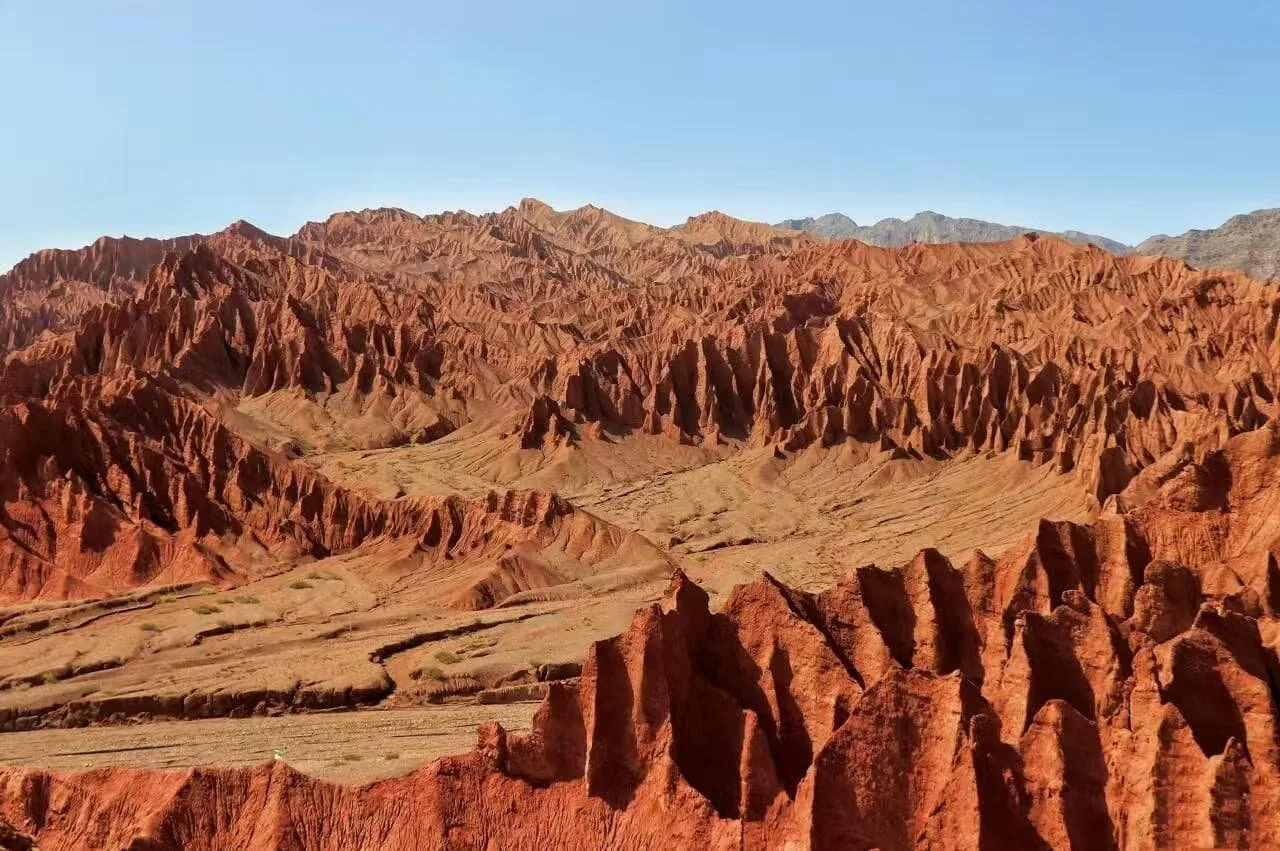 Image 4 of 8
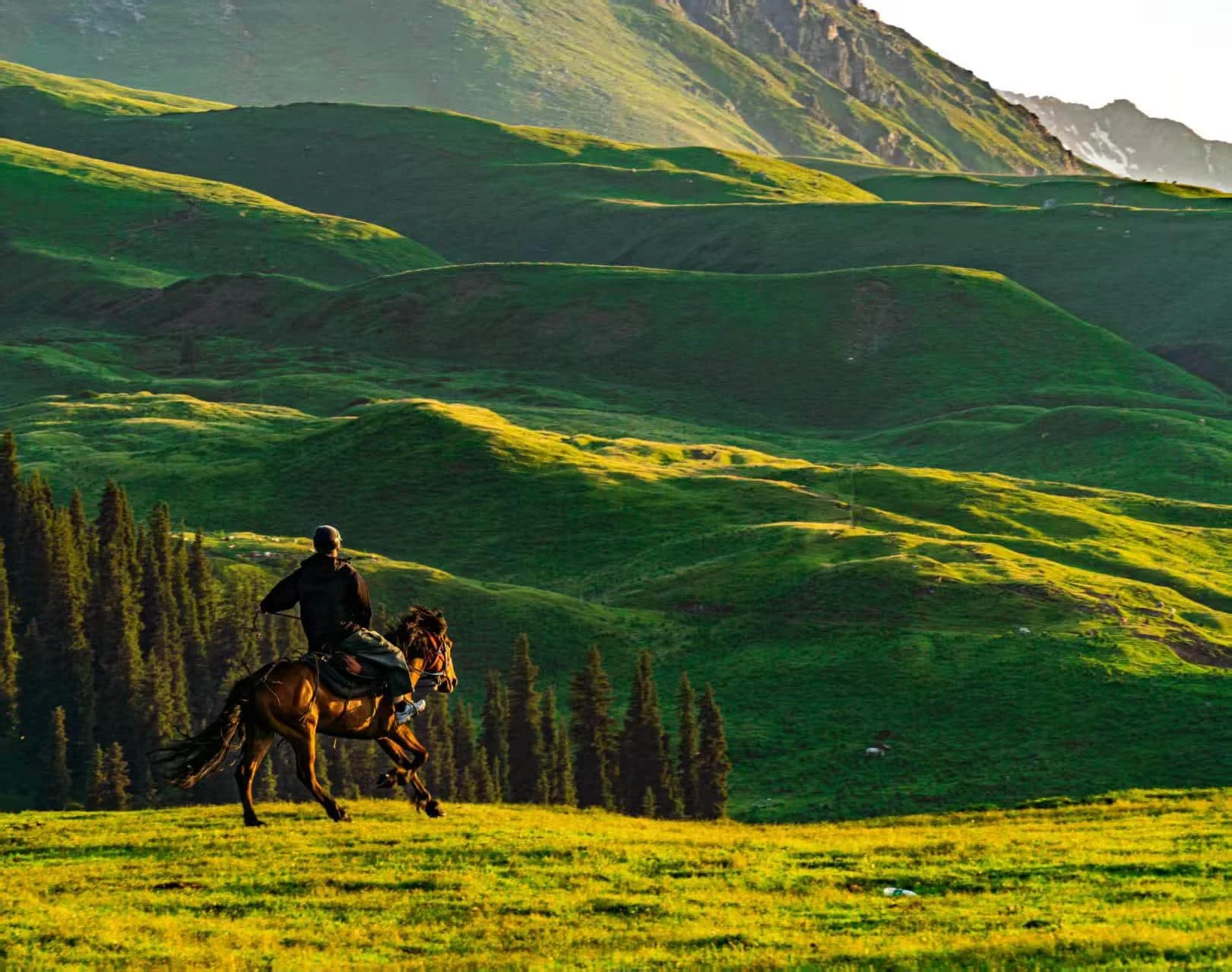 Image 5 of 8
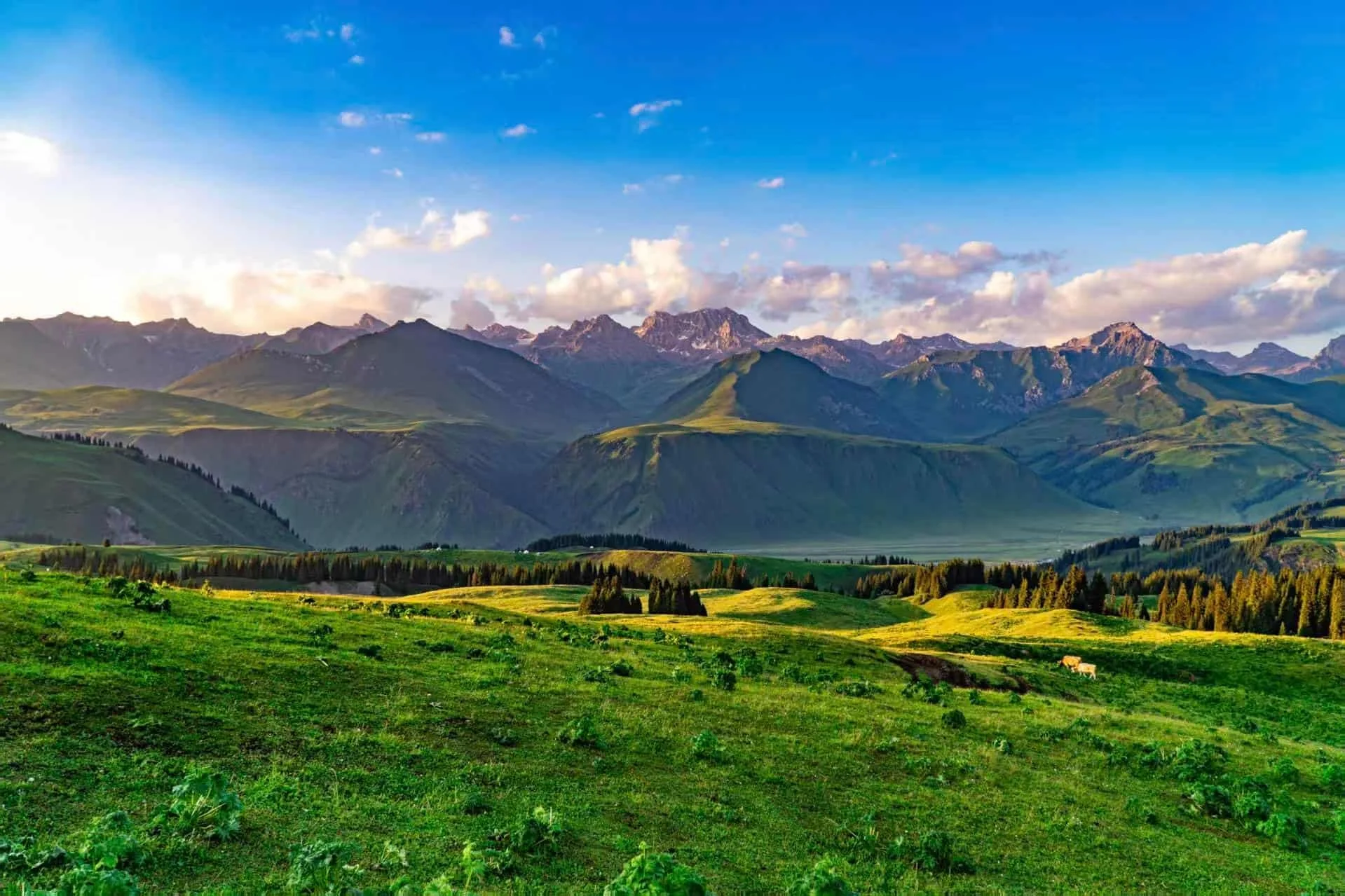 Image 6 of 8
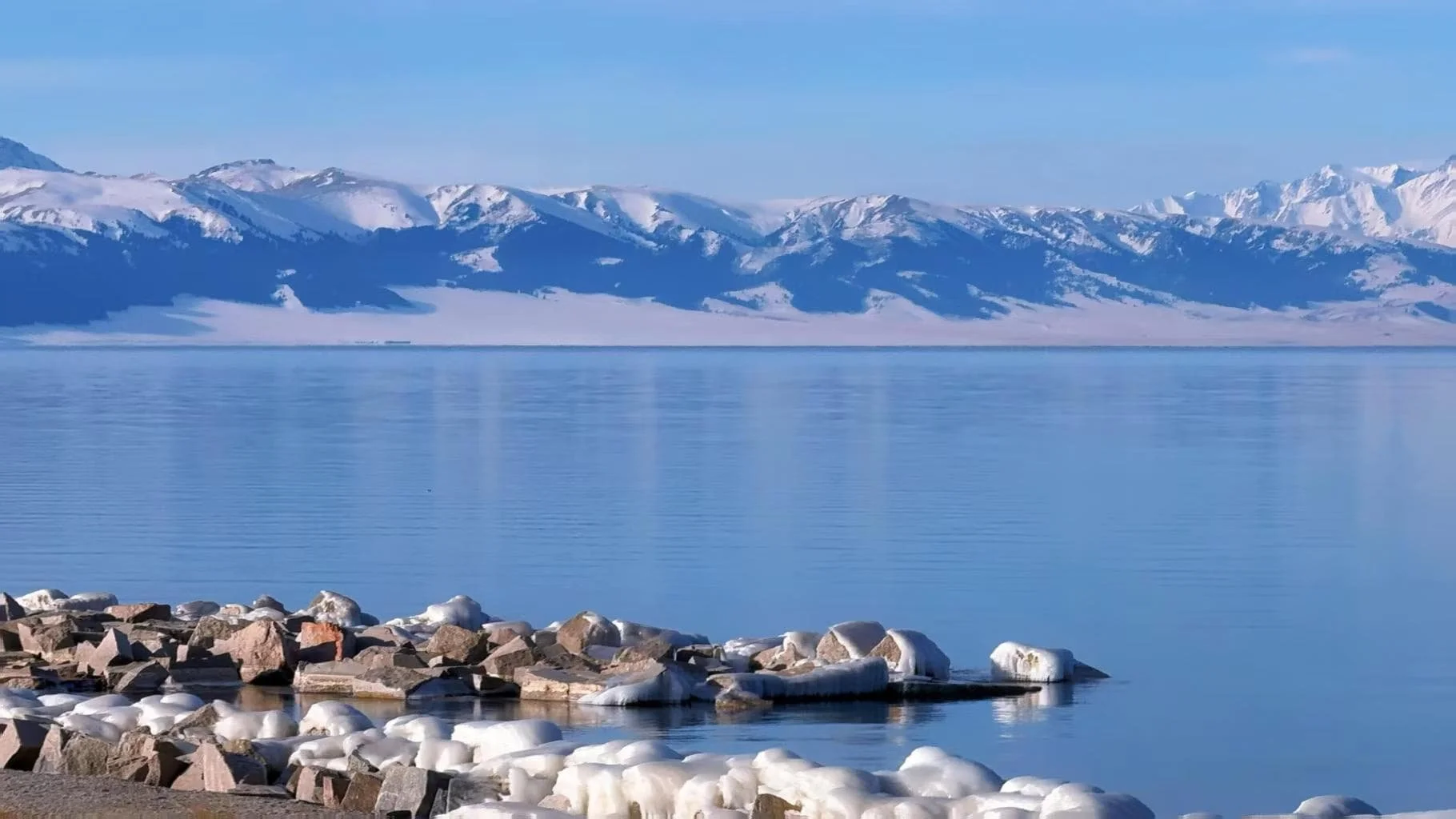 Image 7 of 8
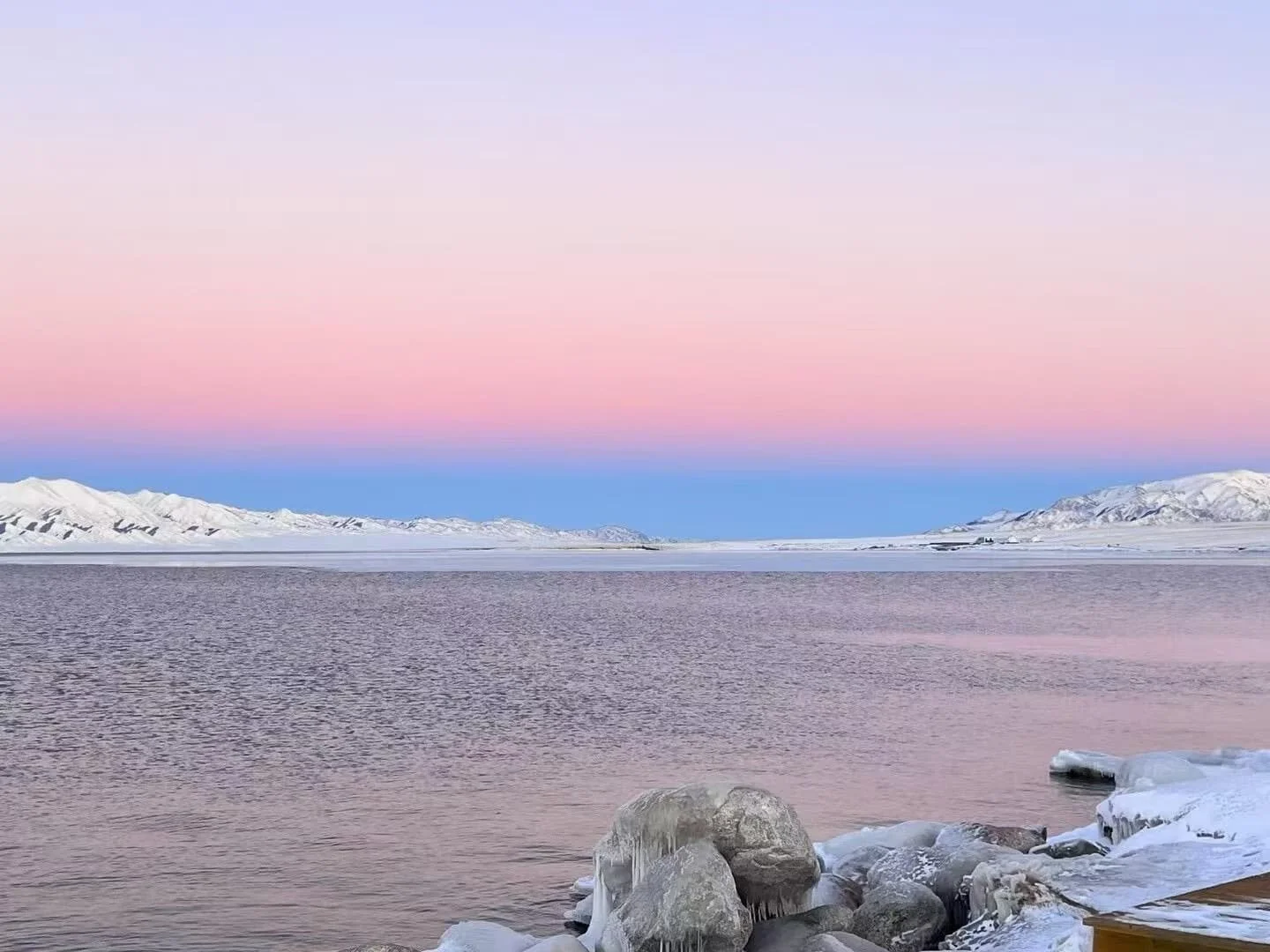 Image 8 of 8
There are 4 options for the Xinjiang one-day tour.
Discover Xinjiang in Just One Day — Four Unforgettable Options
Xinjiang (新疆) is China's largest province — a vast, mesmerizing land of snow-capped peaks, endless deserts, lush grasslands, and oasis cities that have connected East and West for over 2,000 years along the Silk Road. Starting from Urumqi (乌鲁木齐), the capital and one of the most inland cities on Earth, you can reach dramatically different landscapes within just 1–3 hours. That's the magic of this region: in a single day, you can stand on a glacier-fed alpine lake, walk through a 2,000-year-old oasis village, ride a horse across a Kazakh prairie, or browse the vibrant stalls of a Central Asian bazaar.
This private one-day tour gives you four carefully designed options, each showcasing a completely different face of Xinjiang. With a private guide and vehicle, you set the pace, ask all the questions you want, and experience the real Xinjiang — not the version in tourist brochures.
💡 Not sure which option to pick?
• Option 1 (Tianshan Heavenly Lake) — Love mountain scenery and alpine lakes? This is the #1 day trip from Urumqi.
• Option 2 (Turpan) — Fascinated by Silk Road history, extreme heat, and oasis culture? Turpan is otherworldly.
• Option 3 (Nanshan Pasture) — Want grasslands, Kazakh culture, and horseback riding? This is your escape to nature.
• Option 4 (Urumqi City Walk) — Prefer culture, food, and city life? Discover the soul of modern Xinjiang.
Option 1 Tianshan Heavenly Lake (天山天池)
Just 1.5 hours from Urumqi, Tianshan Heavenly Lake (天池) is one of Xinjiang's most iconic natural wonders — a crystal-clear alpine lake set at 1,980 meters above sea level, surrounded by snow-capped Tianshan peaks and dense spruce forests. The lake has inspired poets and painters for over 2,000 years; it's said to be the bathing place of the mythical Queen Mother of the West (西王母). Whether you see it under deep blue skies or wrapped in mist, it is unforgettable.
Early Morning — Depart Urumqi & Ascent to Heavenly Lake
Your guide picks you up from your Urumqi hotel at 7:30–8:00 AM. The drive takes you north into the Tianshan Mountains, along a winding mountain road that climbs steadily through dramatic gorges and past rushing mountain streams. As you ascend, the air turns crisp and cool — a refreshing break from Urumqi's dry heat.
Along the way, your guide will share legends of the Tianshan range, which stretches 2,500 km across Central Asia and forms the backbone of Xinjiang's geography. You'll also learn about the Queen Mother of the West mythology that surrounds Heavenly Lake — an ancient Chinese legend so powerful that the lake remains a place of pilgrimage for some visitors.
Mid-Morning — Arrive at Heavenly Lake & lakeside Walk
Arrive at the scenic area and take the shuttle bus (included) up the final winding road to the lake shore. Your first glimpse of the water — turquoise and mirror-still, framed by spruce-covered slopes and the jagged white peak of Bogda Peak (博格达峰, 5,445m) in the distance — will stop you in your tracks.
Walk along the lakeside boardwalk, which hugs the shoreline for about 2 km with minimal elevation gain. Your guide will point out the different tree species (spruce, Siberian fir, and hardy alpine wildflowers in summer), and explain how the lake was formed: a glacial moraine dam created this natural reservoir over 10,000 years ago.
Dinghai Shenzhen (定海神针 — "Stabilising the Sea Tree") — Look for the famous 19th-century cedar tree that appears to "stabilize" the lake. It's a beloved local landmark, and your guide will tell you the folklore behind its name. The tree is over 150 years old and still standing proud above the water's edge.
Midday — Qianlongyuan Hidden Dragon Abyss & Feilongtan Waterfall
Continue along the Qianlongyuan Hidden Dragon Abyss Trail — a scenic forest path that leads deeper into the spruce woods away from the main lakeside crowds. The trail is peaceful, with bird song and the scent of pine filling the air. In autumn (September–October), the forest turns golden — it's widely considered the most beautiful season at Heavenly Lake.
Along the trail, you'll reach Feilongtan (飞龙潭 — "Flying Dragon Pool") Waterfall — a seasonal waterfall that roars in spring (fed by snowmelt) and trickles gracefully by late summer. Even when the water is low, the setting — a clear pool surrounded by moss-covered rocks and hanging vines — is magical. Your guide will help you find the best photo spots along the trail.
Afternoon — Mayashan Cable Car & Panoramic View
For a truly spectacular perspective, take the Mayashan Cable Car (马牙山缆车) up the opposite side of the lake. The gondola climbs to approximately 2,700 meters, giving you a bird's-eye view of the entire lake below — a shimmering turquoise oval set amid dark spruce forest and ringed by snowy peaks. On clear days, you can see Bogda Peak reflected perfectly in the water from this vantage point.
The cable car ride itself is an experience: the gondolas are enclosed and safe, and the views unfold gradually as you ascend. At the top station, a short walk leads to a viewing platform with 360° panoramic views — you can see all the way back to the desert flats near Urumqi on exceptionally clear days.
After descending, board the shuttle bus back to the parking area and begin the return drive to Urumqi, arriving at your hotel around 5:30–6:00 PM.
Option 2 Turpan (吐鲁番) — The Hottest Place in China
Turpan (吐鲁番) is one of the most extraordinary places on Earth — a depresssion basin that sits 154 meters below sea level, where summer temperatures regularly exceed 45°C (113°F), and where some of the driest desert on the continent meets a 2,000-year-old irrigation system that turns sand into lush oasis. This is the heart of the northern Silk Road, where Uyghur culture, Buddhist history, and extreme geography converge. The 3-hour drive each way is long — but for travelers who love history, culture, and otherworldly landscapes, Turpan is an absolute must.
Morning — Drive to Turpan & Tuyugou Mazha Village (吐峪沟麻扎村)
Depart Urumqi at 7:00 AM for the 3-hour drive east to Turpan. The landscape transforms dramatically along the way: from Urumqi's semi-arid flats to the rocky, rust-colored hills that announce your arrival in the Turpan Depression. Your guide will explain the region's unique geography — a rain shadow desert where fewer than 20mm of rain falls per year, yet civilization has thrived here for over 2,000 years thanks to an ingenious underground water system.
Arrive at Tuyugou Mazha Village (吐峪沟麻扎村) — one of the oldest continuously inhabited settlements in Xinjiang, with a history stretching back over 1,000 years. The village is built into the foothills of the Flaming Mountains, its mud-brick houses cascading down the slope in warm ochre and terracotta tones. This is a living Uyghur village — not a museum — where local families still live in the same courtyard homes their ancestors built centuries ago.
Walk through the village's narrow alleys, visit the Mazha (shrine) that gives the village its name (an important pilgrimage site for local Muslims), and learn about Uyghur architectural traditions: mud-brick construction, central courtyards, and flat roofs used for sleeping on hot summer nights. Your guide will introduce you to local villagers (with permission) and help you understand the deep cultural roots of this remarkable place.
Midday — Flaming Mountains (火焰山) & Desert Sunset
Next, visit the Flaming Mountains Scenic Area (火焰山景区) — a 100km-long ridge of red sandstone that glows an intense, flame-like orange-red under the sun. This is the landscape made famous by the classic Chinese novel Journey to the West (西游记), in which the Monkey King battles the demon king of the Flaming Mountains. The temperature here regularly hits 50°C (122°F) at ground level in July and August — hence the name!
Don't worry — we provide plenty of water and schedule this stop for the cooler morning or late afternoon hours. The scenic area has a giant thermometer monument (a popular photo spot) and informative displays about the region's extreme climate and its role in the Silk Road.
In the evening, witness the breathtaking desert sunset at Kumtag Desert (库木塔格沙漠) — one of the few deserts in the world that literally bumps up against a city (Shanshan County, on the edge of Turpan). As the sun drops, the dune colors shift from burnt orange to deep crimson to soft purple. It's a profoundly beautiful moment and a perfect end to your Turpan adventure.
Board your private vehicle for the 3-hour return drive to Urumqi, arriving at your hotel around 9:00–10:00 PM.
Option 3 Nanshan Pasture (南山牧场) — Kazakh Grasslands
Just 1.5 hours south of Urumqi lies a completely different world: the Nanshan Pasture (南山牧场), a lush alpine grassland where Kazakh herders have grazed their sheep, horses, and cattle for generations. This is where the Tianshan Mountains meet the prairie — green rolling hills dotted with white yurts (gers), herds of horses galloping across the grass, and snow peaks glowing in the distance. It's also the filming location of the popular Chinese TV show "Dad, Where Are We Going?" (爸爸去哪儿) — and once you see it, you'll understand why they chose this location.
Morning — Sky Prairie (空中草原) & Kazakh Family Visit
Depart Urumqi at 8:30 AM and drive south into the Tianshan foothills. The road climbs steadily, and within an hour the city dust is replaced by fresh mountain air and the sight of grazing cattle. Arrive at the Sky Prairie (空中草原) — a high alpine meadow that lives up to its name, feeling as though it floats above the world.
Visit a traditional Kazakh family yurt — your guide will arrange for you to be welcomed with the traditional hospitality that Central Asian nomads have perfected over centuries. Step inside the round felt yurt, take a seat on the carpet-covered floor, and sip milky tea (奶茶) served in hand-painted bowls. The Kazakh host may also offer nan (flatbread), dried fruits, and homemade cheese. It's a cultural experience that feels authentic rather than staged — these families welcome visitors as part of their seasonal livelihood.
You'll also have the chance to try on traditional Kazakh costumes — beautifully embroidered robes, hats, and vests that reflect the nomadic heritage of the region. Your guide will help you capture photos that will make your friends back home very jelous.
Afternoon — Shenbulake Waterfall (神布拉克瀑布) & Horseback Riding
After lunch at a local guesthouse (serving hearty noodle dishes and fresh dairy products), head to Shenbulake Waterfall (神布拉克瀑布) — a scenic forest trail that leads to a cascading waterfall fed by snowmelt from the high Tianshan peaks. The hike takes about 1–1.5 hours round-trip on a well-maintained forest path with moderate inclines. In spring and early summer, wildflowers carpet the meadow slopes — it's one of the most beautiful hikes within day-trip distance of Urumqi.
Horseback Riding on the Grassland
Here's the highlight for many visitors: riding a horse across the open prairie. Local Kazakh wranglers offer horseback rides at approximately ¥100 per hour (payable directly to the wrangler). Whether you're an experienced rider or a complete beginner, the wranglers will match you with a gentle, sure-footed horse and lead you on a safe ride across the grassland. There's something deeply freeing about cantering across an open alpine meadow with snow peaks on the horizon — it's a memory you'll carry for a long time.
Not into horseback riding? No problem — you can also simply walk along the grass, have a picnic by the stream, or relax at the yurt camp and chat with the family.
Return to Urumqi in the late afternoon, arriving at your hotel around 5:30–6:00 PM.
Option 4 Urumqi City Walk — Culture, History & Food
Prefer to stay in the city and discover Urumqi's rich cultural tapestry? This option is perfect for travelers who love museums, food, and local atmosphere. Urumqi may be a modern city, but it sits at the crossroads of the Silk Road — and its museums, bazaars, and food streets tell the story of thousands of years of cultural exchange between East and West.
Morning — Xinjiang Museum (新疆博物馆)
Start your day at the Xinjiang Museum (新疆博物馆) — the premier museum in the region, housing over 50,000 artifacts that tell the story of Xinjiang's 2,500-year history as a crossroads of civilizations. Entry is free with advance reservation (your guide will handle the booking for you).
Key exhibits not to miss:
• The Mummies of Xinjiang: Remarkably well-preserved 3,000-year-old mummies discovered in the Tarim Basin, with Caucasoid features and woven woolen clothing. They are evidence of the region's ancient diversity and continue to be the subject of intense archaeological debate.
• Silk Road Artifacts: Tang Dynasty silk paintings, Sogdian goldware, and Kushan-era coins — tangible proof of the trade networks that connected China to Persia, India, and Rome.
• Ethnic Minority Culture Hall: Traditional clothing, musical instruments, and household items from Xinjiang's 13 recognized ethnic minority groups, including Uyghur, Kazakh, Hui, Kyrgyz, and Tajik cultures.
Your guide will walk you through the exhibits, bringing the artifacts to life with stories of the Silk Road traders, monks, and soldiers who passed through this region.
Midday — Hetian Second Street (和田二街) or Lingguan Lane (灵官巷) Food Walk
By late morning, it's time to eat — and Urumqi is one of China's greatest food cities. Your guide will take you to either Hetian Second Street (和田二街) or Lingguan Lane (灵官巷) — two of the city's most beloved food streets, where the sizzle of grills and the scent of cumin fill the air.
Must-try dishes:
• Uyghur Laghman (拉面): Hand-pulled noodles stir-fried with bell peppers, onions, tomatoes, and your choice of lamb or beef. The noodles are chewy, the sauce is rich, and the portions are generous.
• Chuanr (串儿 — Uyghur-style kebabs): Cubes of marinated lamb grilled over charcoal and sprinkled with cumin and chili flakes. Eat them hot off the skewer, with a side of naan bread.
• Samsa (烤包子 — baked buns): Triangle-shaped pastries filled with spiced lamb and onion, baked in a tandoor-style oven until the crust is golden and flaky.
• Yogurt with Honey (蜂蜜酸奶): Thick, tangy Xinjiang yogurt drizzled with local wildflower honey. The perfect cooling finish to a spicy meal.
Your guide will order for you, explain each dish's cultural background, and make sure you don't miss the hidden gems that tour groups never find.
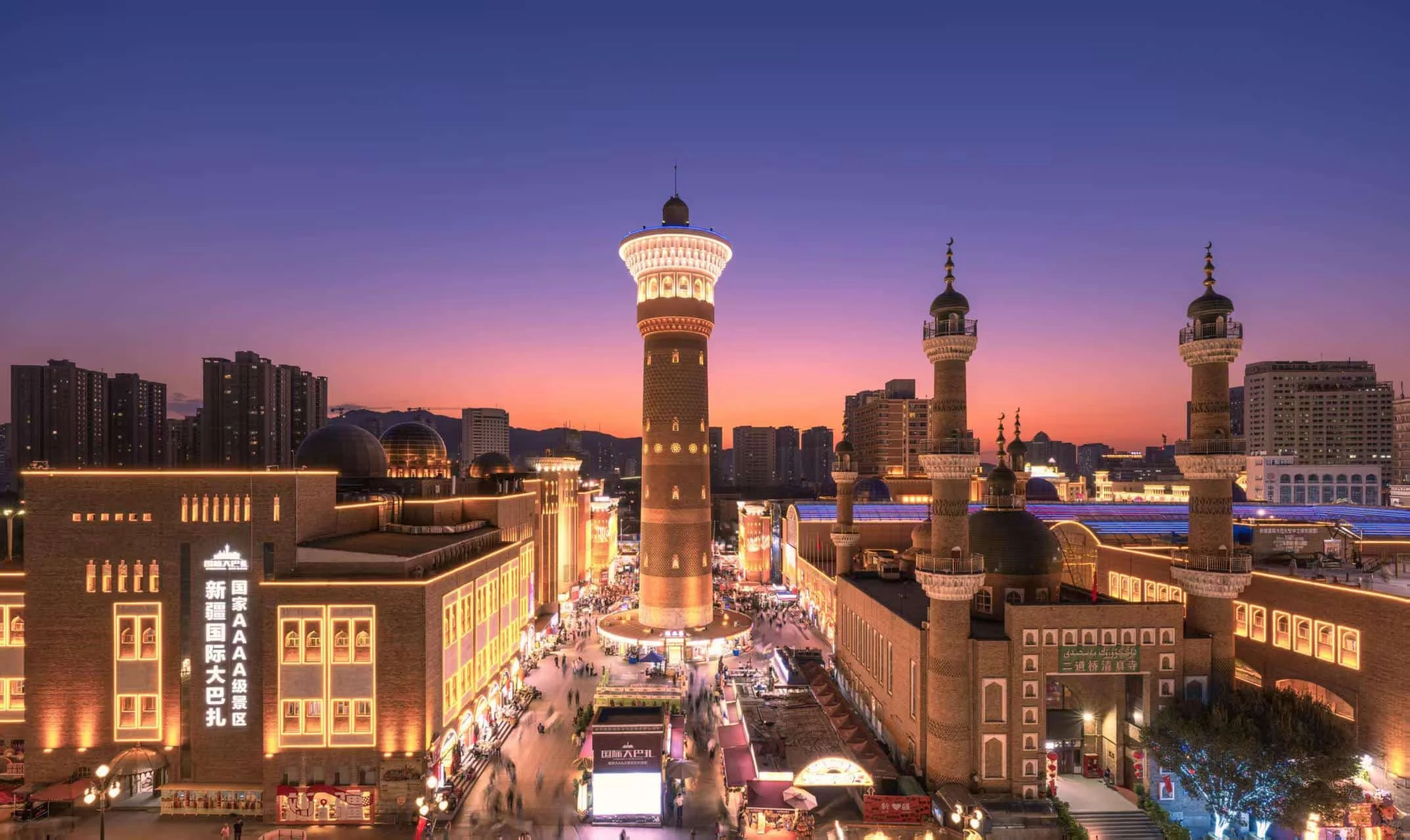
Afternoon — Xinjiang International Grand Bazaar (国际大巴扎)
After lunch, head to the Xinjiang International Grand Bazaar (新疆国际大巴扎) — the largest bazaar in the world, covering over 40,000 square meters. Even if you're not planning to buy anything, the atmosphere alone is worth the visit: the call to prayer from the adjacent mosque, the riot of colors in the carpet stalls, the stacks of dried fruit and nuts, the clang of coppersmiths at work.
What to see and buy:
• Handwoven Carpets: Uyghur carpets are among the finest in Central Asia, with intricate patterns that can take months to weave. You can watch artisans at work in the on-site weaving workshop.
• Dried Fruits & Nuts: Xinjiang produces some of China's best figs, raisins, walnuts, and almonds. Sample liberally — the vendors expect it!
• Musical Instruments: Handcrafted dutar (two-stringed lutes), rawap (long-necked lutes), and frame drums. The sounds of these instruments drifting through the bazaar are part of its magic.
• Jade (Yushí): Xinjiang is famous for Hetian jade ( nephrite), one of the most prized stones in Chinese culture. The bazaar has a dedicated jade hall — your guide can help you distinguish genuine pieces from imitations.
Late Afternoon — Hongshan Park (红山公园) Sunset View
End your day at Hongshan Park (Red Mountain Park), a hilltop park in the center of Urumqi that offers the best panoramic view of the city. Climb the steps to the Hongshan Pagoda (红山塔) at the summit — built in 1788 during the Qing Dynasty and still standing strong. As the sun sets, the city lights begin to twinkle below, and you can see the outline of the Tianshan Mountains on the horizon to the south.
It's a peaceful, reflective end to a day spent discovering the many layers of Urumqi — from its ancient museum relics to its sizzling food stalls to its bustling bazaar. Your guide will drop you back at your hotel after sunset.
What's Included (All Options)
✔️ Private English-speaking guide (licensed, local expert)
✔️ Private air-conditioned vehicle with professional driver
✔️ All entrance fees:
Option 1: Heavenly Lake entrance + shuttle bus + Mayashan Cable Car
Option 2: Tuyugou Village + Flaming Mountains + Kumtag Desert entrance
Option 3: Nanshan Pasture entrance + waterfall trail + yurt visit
Option 4: Xinjiang Museum (free, reservation included) + Grand Bazaar
✔️ Bottled water and local snacks during the tour
✔️ Hotel pickup and drop-off in Urumqi city
✔️ Full itinerary flexibility — adjust pacing and focus as you wish
What's Not Included
✘ Meals (your guide will recommend the best local restaurants; budget approx. ¥60–120 per meal)
✘ Horseback riding (Option 3 only; approx. ¥100/hour, payable directly to wrangler)
✘ Travel insurance (highly recommended)
✘ Gratuities (optional, at your discretion)
Practical Information
🚶 Walking Level:
• Option 1: Moderate. Lake boardwalk is flat; cable car eliminates steep climbing. 2–3 hours total walking.
• Option 2: Easy–Moderate. Mostly flat walking at village and scenic areas. 3-hour drive each way.
• Option 3: Moderate. Forest trail to waterfall involves some incline. Horseback riding available as alternative.
• Option 4: Easy. Mostly flat city walking. Museum involves minimal walking.
👟 What to Wear:
• Option 1: Comfortable walking shoes. Jacket or fleece — lake is at 1,980m and can be 10°C cooler than Urumqi.
• Option 2: Sun hat, sunglasses, sunscreen (Turpan is extremely dry and sunny). Light, breathable clothing.
• Option 3: Sturdy walking shoes for the forest trail. Jacket for cooler mountain air. Long pants recommended for horseback riding.
• Option 4: Comfortable walking shoes. Modest clothing for museum and mosque vicinity (cover shoulders and knees).
📅 Best Time to Visit:
• Option 1: June–October for warm weather and accessible trails. Winter visits are possible but very cold.
• Option 2: March–May and September–November (avoid mid-summer extremes of 45°C+).
• Option 3: June–September for lush grassland. Spring (May–June) has the most wildflowers.
• Option 4: Year-round. The museum and bazaar are indoor/partially outdoor.
🎒 What to Bring:
• Sunscreen and lip balm (Xinjiang sun is intense at altitude)
• Reusable water bottle (stay hydrated, especially in Turpan)
• Cash (small bills) for bazaar shopping and horseback riding
• Passport (required for museum entry and some scenic areas)
👨👩👧👦 Family Friendly: All four options are suitable for families with children aged 6+. Option 3 (Nanshan) is especially popular with families for the yurt visit and horseback riding.
Xinjiang is a land of superlatives — the hottest, the coldest, the highest, the driest. Choose your adventure and discover it with us.
Discover Xinjiang in Just One Day — Four Unforgettable Options
Xinjiang (新疆) is China's largest province — a vast, mesmerizing land of snow-capped peaks, endless deserts, lush grasslands, and oasis cities that have connected East and West for over 2,000 years along the Silk Road. Starting from Urumqi (乌鲁木齐), the capital and one of the most inland cities on Earth, you can reach dramatically different landscapes within just 1–3 hours. That's the magic of this region: in a single day, you can stand on a glacier-fed alpine lake, walk through a 2,000-year-old oasis village, ride a horse across a Kazakh prairie, or browse the vibrant stalls of a Central Asian bazaar.
This private one-day tour gives you four carefully designed options, each showcasing a completely different face of Xinjiang. With a private guide and vehicle, you set the pace, ask all the questions you want, and experience the real Xinjiang — not the version in tourist brochures.
💡 Not sure which option to pick?
• Option 1 (Tianshan Heavenly Lake) — Love mountain scenery and alpine lakes? This is the #1 day trip from Urumqi.
• Option 2 (Turpan) — Fascinated by Silk Road history, extreme heat, and oasis culture? Turpan is otherworldly.
• Option 3 (Nanshan Pasture) — Want grasslands, Kazakh culture, and horseback riding? This is your escape to nature.
• Option 4 (Urumqi City Walk) — Prefer culture, food, and city life? Discover the soul of modern Xinjiang.
Option 1 Tianshan Heavenly Lake (天山天池)
Just 1.5 hours from Urumqi, Tianshan Heavenly Lake (天池) is one of Xinjiang's most iconic natural wonders — a crystal-clear alpine lake set at 1,980 meters above sea level, surrounded by snow-capped Tianshan peaks and dense spruce forests. The lake has inspired poets and painters for over 2,000 years; it's said to be the bathing place of the mythical Queen Mother of the West (西王母). Whether you see it under deep blue skies or wrapped in mist, it is unforgettable.
Early Morning — Depart Urumqi & Ascent to Heavenly Lake
Your guide picks you up from your Urumqi hotel at 7:30–8:00 AM. The drive takes you north into the Tianshan Mountains, along a winding mountain road that climbs steadily through dramatic gorges and past rushing mountain streams. As you ascend, the air turns crisp and cool — a refreshing break from Urumqi's dry heat.
Along the way, your guide will share legends of the Tianshan range, which stretches 2,500 km across Central Asia and forms the backbone of Xinjiang's geography. You'll also learn about the Queen Mother of the West mythology that surrounds Heavenly Lake — an ancient Chinese legend so powerful that the lake remains a place of pilgrimage for some visitors.
Mid-Morning — Arrive at Heavenly Lake & lakeside Walk
Arrive at the scenic area and take the shuttle bus (included) up the final winding road to the lake shore. Your first glimpse of the water — turquoise and mirror-still, framed by spruce-covered slopes and the jagged white peak of Bogda Peak (博格达峰, 5,445m) in the distance — will stop you in your tracks.
Walk along the lakeside boardwalk, which hugs the shoreline for about 2 km with minimal elevation gain. Your guide will point out the different tree species (spruce, Siberian fir, and hardy alpine wildflowers in summer), and explain how the lake was formed: a glacial moraine dam created this natural reservoir over 10,000 years ago.
Dinghai Shenzhen (定海神针 — "Stabilising the Sea Tree") — Look for the famous 19th-century cedar tree that appears to "stabilize" the lake. It's a beloved local landmark, and your guide will tell you the folklore behind its name. The tree is over 150 years old and still standing proud above the water's edge.
Midday — Qianlongyuan Hidden Dragon Abyss & Feilongtan Waterfall
Continue along the Qianlongyuan Hidden Dragon Abyss Trail — a scenic forest path that leads deeper into the spruce woods away from the main lakeside crowds. The trail is peaceful, with bird song and the scent of pine filling the air. In autumn (September–October), the forest turns golden — it's widely considered the most beautiful season at Heavenly Lake.
Along the trail, you'll reach Feilongtan (飞龙潭 — "Flying Dragon Pool") Waterfall — a seasonal waterfall that roars in spring (fed by snowmelt) and trickles gracefully by late summer. Even when the water is low, the setting — a clear pool surrounded by moss-covered rocks and hanging vines — is magical. Your guide will help you find the best photo spots along the trail.
Afternoon — Mayashan Cable Car & Panoramic View
For a truly spectacular perspective, take the Mayashan Cable Car (马牙山缆车) up the opposite side of the lake. The gondola climbs to approximately 2,700 meters, giving you a bird's-eye view of the entire lake below — a shimmering turquoise oval set amid dark spruce forest and ringed by snowy peaks. On clear days, you can see Bogda Peak reflected perfectly in the water from this vantage point.
The cable car ride itself is an experience: the gondolas are enclosed and safe, and the views unfold gradually as you ascend. At the top station, a short walk leads to a viewing platform with 360° panoramic views — you can see all the way back to the desert flats near Urumqi on exceptionally clear days.
After descending, board the shuttle bus back to the parking area and begin the return drive to Urumqi, arriving at your hotel around 5:30–6:00 PM.
Option 2 Turpan (吐鲁番) — The Hottest Place in China
Turpan (吐鲁番) is one of the most extraordinary places on Earth — a depresssion basin that sits 154 meters below sea level, where summer temperatures regularly exceed 45°C (113°F), and where some of the driest desert on the continent meets a 2,000-year-old irrigation system that turns sand into lush oasis. This is the heart of the northern Silk Road, where Uyghur culture, Buddhist history, and extreme geography converge. The 3-hour drive each way is long — but for travelers who love history, culture, and otherworldly landscapes, Turpan is an absolute must.
Morning — Drive to Turpan & Tuyugou Mazha Village (吐峪沟麻扎村)
Depart Urumqi at 7:00 AM for the 3-hour drive east to Turpan. The landscape transforms dramatically along the way: from Urumqi's semi-arid flats to the rocky, rust-colored hills that announce your arrival in the Turpan Depression. Your guide will explain the region's unique geography — a rain shadow desert where fewer than 20mm of rain falls per year, yet civilization has thrived here for over 2,000 years thanks to an ingenious underground water system.
Arrive at Tuyugou Mazha Village (吐峪沟麻扎村) — one of the oldest continuously inhabited settlements in Xinjiang, with a history stretching back over 1,000 years. The village is built into the foothills of the Flaming Mountains, its mud-brick houses cascading down the slope in warm ochre and terracotta tones. This is a living Uyghur village — not a museum — where local families still live in the same courtyard homes their ancestors built centuries ago.
Walk through the village's narrow alleys, visit the Mazha (shrine) that gives the village its name (an important pilgrimage site for local Muslims), and learn about Uyghur architectural traditions: mud-brick construction, central courtyards, and flat roofs used for sleeping on hot summer nights. Your guide will introduce you to local villagers (with permission) and help you understand the deep cultural roots of this remarkable place.
Midday — Flaming Mountains (火焰山) & Desert Sunset
Next, visit the Flaming Mountains Scenic Area (火焰山景区) — a 100km-long ridge of red sandstone that glows an intense, flame-like orange-red under the sun. This is the landscape made famous by the classic Chinese novel Journey to the West (西游记), in which the Monkey King battles the demon king of the Flaming Mountains. The temperature here regularly hits 50°C (122°F) at ground level in July and August — hence the name!
Don't worry — we provide plenty of water and schedule this stop for the cooler morning or late afternoon hours. The scenic area has a giant thermometer monument (a popular photo spot) and informative displays about the region's extreme climate and its role in the Silk Road.
In the evening, witness the breathtaking desert sunset at Kumtag Desert (库木塔格沙漠) — one of the few deserts in the world that literally bumps up against a city (Shanshan County, on the edge of Turpan). As the sun drops, the dune colors shift from burnt orange to deep crimson to soft purple. It's a profoundly beautiful moment and a perfect end to your Turpan adventure.
Board your private vehicle for the 3-hour return drive to Urumqi, arriving at your hotel around 9:00–10:00 PM.
Option 3 Nanshan Pasture (南山牧场) — Kazakh Grasslands
Just 1.5 hours south of Urumqi lies a completely different world: the Nanshan Pasture (南山牧场), a lush alpine grassland where Kazakh herders have grazed their sheep, horses, and cattle for generations. This is where the Tianshan Mountains meet the prairie — green rolling hills dotted with white yurts (gers), herds of horses galloping across the grass, and snow peaks glowing in the distance. It's also the filming location of the popular Chinese TV show "Dad, Where Are We Going?" (爸爸去哪儿) — and once you see it, you'll understand why they chose this location.
Morning — Sky Prairie (空中草原) & Kazakh Family Visit
Depart Urumqi at 8:30 AM and drive south into the Tianshan foothills. The road climbs steadily, and within an hour the city dust is replaced by fresh mountain air and the sight of grazing cattle. Arrive at the Sky Prairie (空中草原) — a high alpine meadow that lives up to its name, feeling as though it floats above the world.
Visit a traditional Kazakh family yurt — your guide will arrange for you to be welcomed with the traditional hospitality that Central Asian nomads have perfected over centuries. Step inside the round felt yurt, take a seat on the carpet-covered floor, and sip milky tea (奶茶) served in hand-painted bowls. The Kazakh host may also offer nan (flatbread), dried fruits, and homemade cheese. It's a cultural experience that feels authentic rather than staged — these families welcome visitors as part of their seasonal livelihood.
You'll also have the chance to try on traditional Kazakh costumes — beautifully embroidered robes, hats, and vests that reflect the nomadic heritage of the region. Your guide will help you capture photos that will make your friends back home very jelous.
Afternoon — Shenbulake Waterfall (神布拉克瀑布) & Horseback Riding
After lunch at a local guesthouse (serving hearty noodle dishes and fresh dairy products), head to Shenbulake Waterfall (神布拉克瀑布) — a scenic forest trail that leads to a cascading waterfall fed by snowmelt from the high Tianshan peaks. The hike takes about 1–1.5 hours round-trip on a well-maintained forest path with moderate inclines. In spring and early summer, wildflowers carpet the meadow slopes — it's one of the most beautiful hikes within day-trip distance of Urumqi.
Horseback Riding on the Grassland
Here's the highlight for many visitors: riding a horse across the open prairie. Local Kazakh wranglers offer horseback rides at approximately ¥100 per hour (payable directly to the wrangler). Whether you're an experienced rider or a complete beginner, the wranglers will match you with a gentle, sure-footed horse and lead you on a safe ride across the grassland. There's something deeply freeing about cantering across an open alpine meadow with snow peaks on the horizon — it's a memory you'll carry for a long time.
Not into horseback riding? No problem — you can also simply walk along the grass, have a picnic by the stream, or relax at the yurt camp and chat with the family.
Return to Urumqi in the late afternoon, arriving at your hotel around 5:30–6:00 PM.
Option 4 Urumqi City Walk — Culture, History & Food
Prefer to stay in the city and discover Urumqi's rich cultural tapestry? This option is perfect for travelers who love museums, food, and local atmosphere. Urumqi may be a modern city, but it sits at the crossroads of the Silk Road — and its museums, bazaars, and food streets tell the story of thousands of years of cultural exchange between East and West.
Morning — Xinjiang Museum (新疆博物馆)
Start your day at the Xinjiang Museum (新疆博物馆) — the premier museum in the region, housing over 50,000 artifacts that tell the story of Xinjiang's 2,500-year history as a crossroads of civilizations. Entry is free with advance reservation (your guide will handle the booking for you).
Key exhibits not to miss:
• The Mummies of Xinjiang: Remarkably well-preserved 3,000-year-old mummies discovered in the Tarim Basin, with Caucasoid features and woven woolen clothing. They are evidence of the region's ancient diversity and continue to be the subject of intense archaeological debate.
• Silk Road Artifacts: Tang Dynasty silk paintings, Sogdian goldware, and Kushan-era coins — tangible proof of the trade networks that connected China to Persia, India, and Rome.
• Ethnic Minority Culture Hall: Traditional clothing, musical instruments, and household items from Xinjiang's 13 recognized ethnic minority groups, including Uyghur, Kazakh, Hui, Kyrgyz, and Tajik cultures.
Your guide will walk you through the exhibits, bringing the artifacts to life with stories of the Silk Road traders, monks, and soldiers who passed through this region.
Midday — Hetian Second Street (和田二街) or Lingguan Lane (灵官巷) Food Walk
By late morning, it's time to eat — and Urumqi is one of China's greatest food cities. Your guide will take you to either Hetian Second Street (和田二街) or Lingguan Lane (灵官巷) — two of the city's most beloved food streets, where the sizzle of grills and the scent of cumin fill the air.
Must-try dishes:
• Uyghur Laghman (拉面): Hand-pulled noodles stir-fried with bell peppers, onions, tomatoes, and your choice of lamb or beef. The noodles are chewy, the sauce is rich, and the portions are generous.
• Chuanr (串儿 — Uyghur-style kebabs): Cubes of marinated lamb grilled over charcoal and sprinkled with cumin and chili flakes. Eat them hot off the skewer, with a side of naan bread.
• Samsa (烤包子 — baked buns): Triangle-shaped pastries filled with spiced lamb and onion, baked in a tandoor-style oven until the crust is golden and flaky.
• Yogurt with Honey (蜂蜜酸奶): Thick, tangy Xinjiang yogurt drizzled with local wildflower honey. The perfect cooling finish to a spicy meal.
Your guide will order for you, explain each dish's cultural background, and make sure you don't miss the hidden gems that tour groups never find.
Afternoon — Xinjiang International Grand Bazaar (国际大巴扎)
After lunch, head to the Xinjiang International Grand Bazaar (新疆国际大巴扎) — the largest bazaar in the world, covering over 40,000 square meters. Even if you're not planning to buy anything, the atmosphere alone is worth the visit: the call to prayer from the adjacent mosque, the riot of colors in the carpet stalls, the stacks of dried fruit and nuts, the clang of coppersmiths at work.
What to see and buy:
• Handwoven Carpets: Uyghur carpets are among the finest in Central Asia, with intricate patterns that can take months to weave. You can watch artisans at work in the on-site weaving workshop.
• Dried Fruits & Nuts: Xinjiang produces some of China's best figs, raisins, walnuts, and almonds. Sample liberally — the vendors expect it!
• Musical Instruments: Handcrafted dutar (two-stringed lutes), rawap (long-necked lutes), and frame drums. The sounds of these instruments drifting through the bazaar are part of its magic.
• Jade (Yushí): Xinjiang is famous for Hetian jade ( nephrite), one of the most prized stones in Chinese culture. The bazaar has a dedicated jade hall — your guide can help you distinguish genuine pieces from imitations.
Late Afternoon — Hongshan Park (红山公园) Sunset View
End your day at Hongshan Park (Red Mountain Park), a hilltop park in the center of Urumqi that offers the best panoramic view of the city. Climb the steps to the Hongshan Pagoda (红山塔) at the summit — built in 1788 during the Qing Dynasty and still standing strong. As the sun sets, the city lights begin to twinkle below, and you can see the outline of the Tianshan Mountains on the horizon to the south.
It's a peaceful, reflective end to a day spent discovering the many layers of Urumqi — from its ancient museum relics to its sizzling food stalls to its bustling bazaar. Your guide will drop you back at your hotel after sunset.
What's Included (All Options)
✔️ Private English-speaking guide (licensed, local expert)
✔️ Private air-conditioned vehicle with professional driver
✔️ All entrance fees:
Option 1: Heavenly Lake entrance + shuttle bus + Mayashan Cable Car
Option 2: Tuyugou Village + Flaming Mountains + Kumtag Desert entrance
Option 3: Nanshan Pasture entrance + waterfall trail + yurt visit
Option 4: Xinjiang Museum (free, reservation included) + Grand Bazaar
✔️ Bottled water and local snacks during the tour
✔️ Hotel pickup and drop-off in Urumqi city
✔️ Full itinerary flexibility — adjust pacing and focus as you wish
What's Not Included
✘ Meals (your guide will recommend the best local restaurants; budget approx. ¥60–120 per meal)
✘ Horseback riding (Option 3 only; approx. ¥100/hour, payable directly to wrangler)
✘ Travel insurance (highly recommended)
✘ Gratuities (optional, at your discretion)
Practical Information
🚶 Walking Level:
• Option 1: Moderate. Lake boardwalk is flat; cable car eliminates steep climbing. 2–3 hours total walking.
• Option 2: Easy–Moderate. Mostly flat walking at village and scenic areas. 3-hour drive each way.
• Option 3: Moderate. Forest trail to waterfall involves some incline. Horseback riding available as alternative.
• Option 4: Easy. Mostly flat city walking. Museum involves minimal walking.
👟 What to Wear:
• Option 1: Comfortable walking shoes. Jacket or fleece — lake is at 1,980m and can be 10°C cooler than Urumqi.
• Option 2: Sun hat, sunglasses, sunscreen (Turpan is extremely dry and sunny). Light, breathable clothing.
• Option 3: Sturdy walking shoes for the forest trail. Jacket for cooler mountain air. Long pants recommended for horseback riding.
• Option 4: Comfortable walking shoes. Modest clothing for museum and mosque vicinity (cover shoulders and knees).
📅 Best Time to Visit:
• Option 1: June–October for warm weather and accessible trails. Winter visits are possible but very cold.
• Option 2: March–May and September–November (avoid mid-summer extremes of 45°C+).
• Option 3: June–September for lush grassland. Spring (May–June) has the most wildflowers.
• Option 4: Year-round. The museum and bazaar are indoor/partially outdoor.
🎒 What to Bring:
• Sunscreen and lip balm (Xinjiang sun is intense at altitude)
• Reusable water bottle (stay hydrated, especially in Turpan)
• Cash (small bills) for bazaar shopping and horseback riding
• Passport (required for museum entry and some scenic areas)
👨👩👧👦 Family Friendly: All four options are suitable for families with children aged 6+. Option 3 (Nanshan) is especially popular with families for the yurt visit and horseback riding.
Xinjiang is a land of superlatives — the hottest, the coldest, the highest, the driest. Choose your adventure and discover it with us.