

 Image 1 of 8
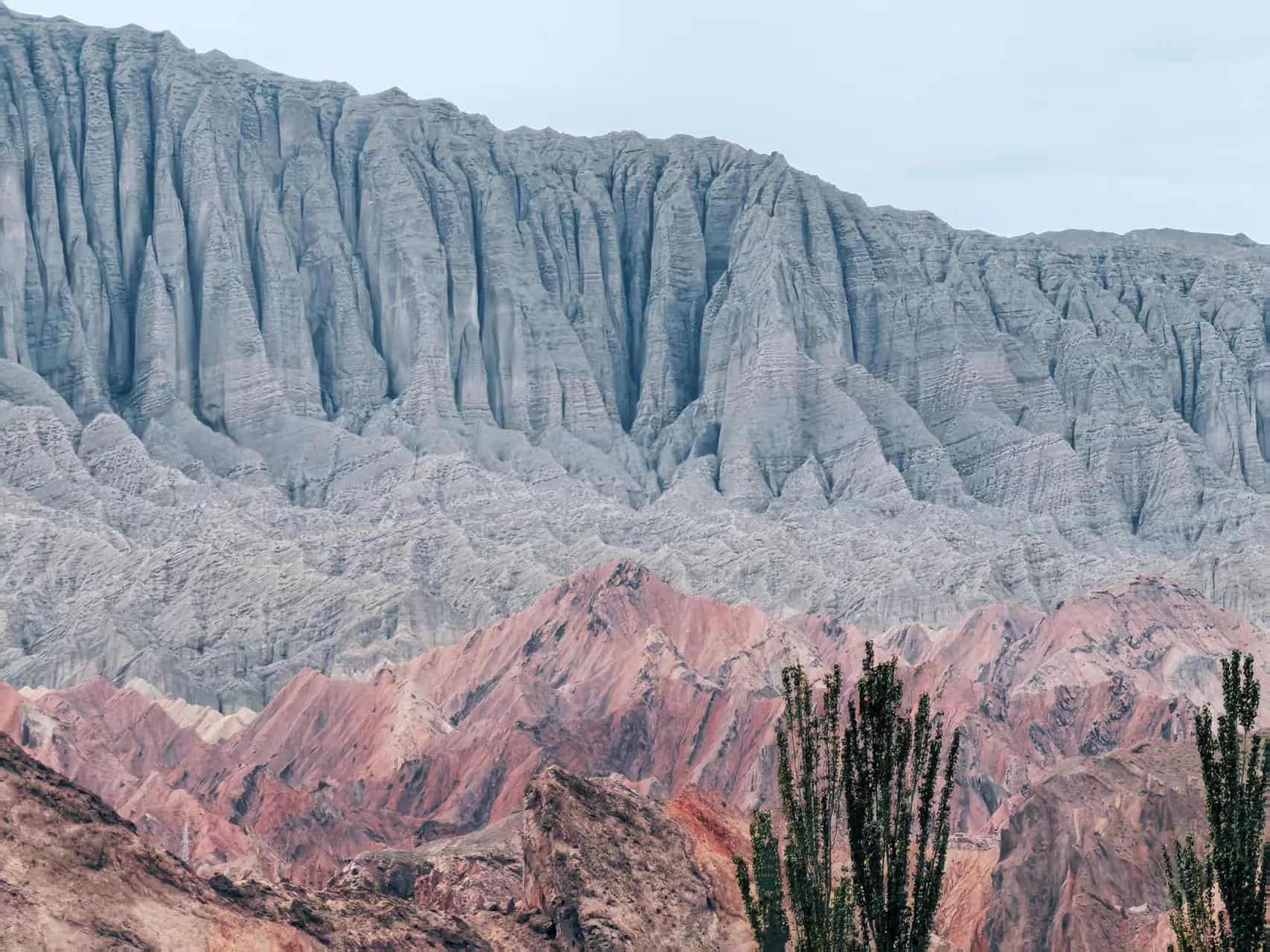 Image 2 of 8
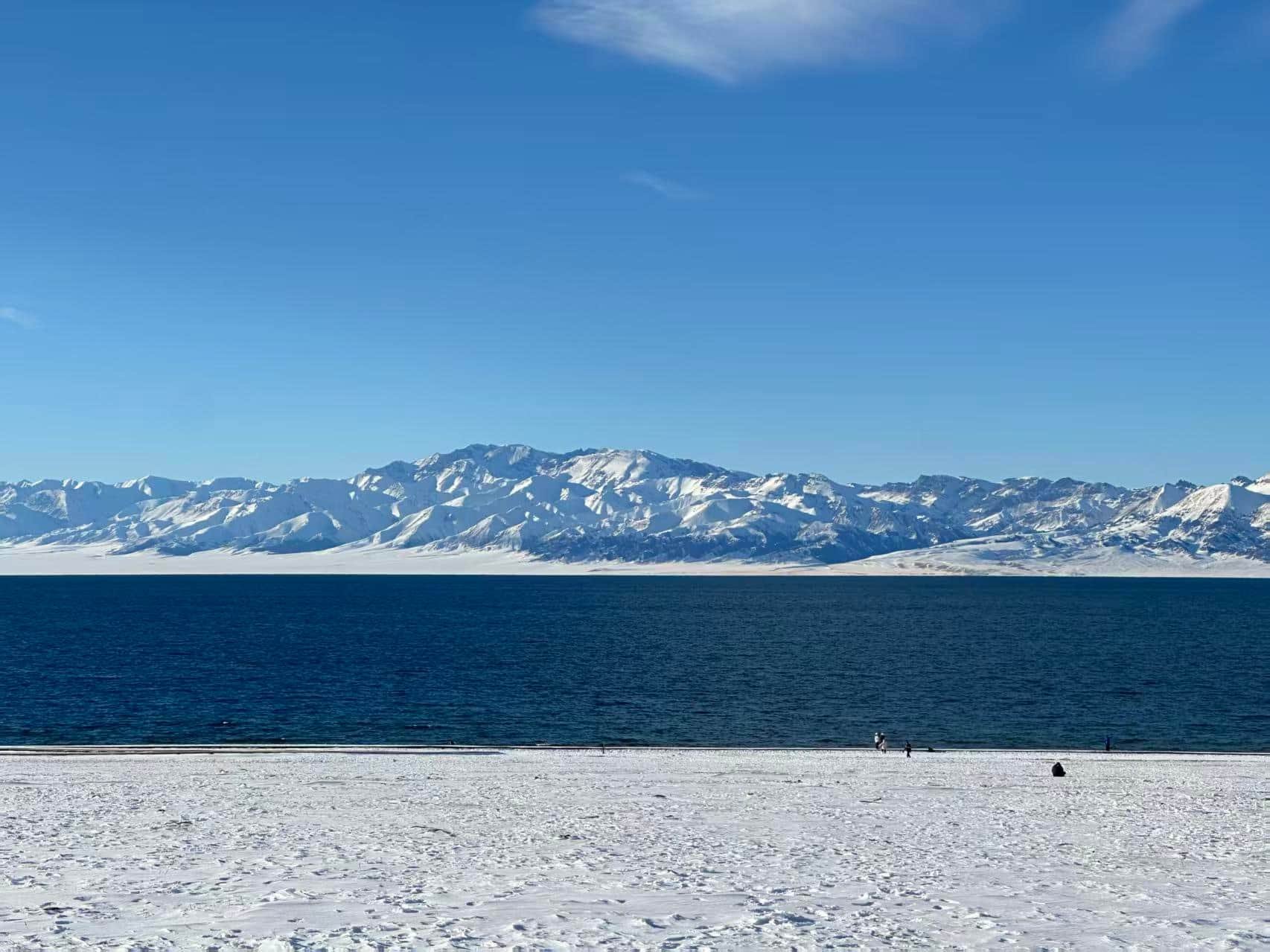 Image 3 of 8
 Image 4 of 8
 Image 5 of 8
 Image 6 of 8
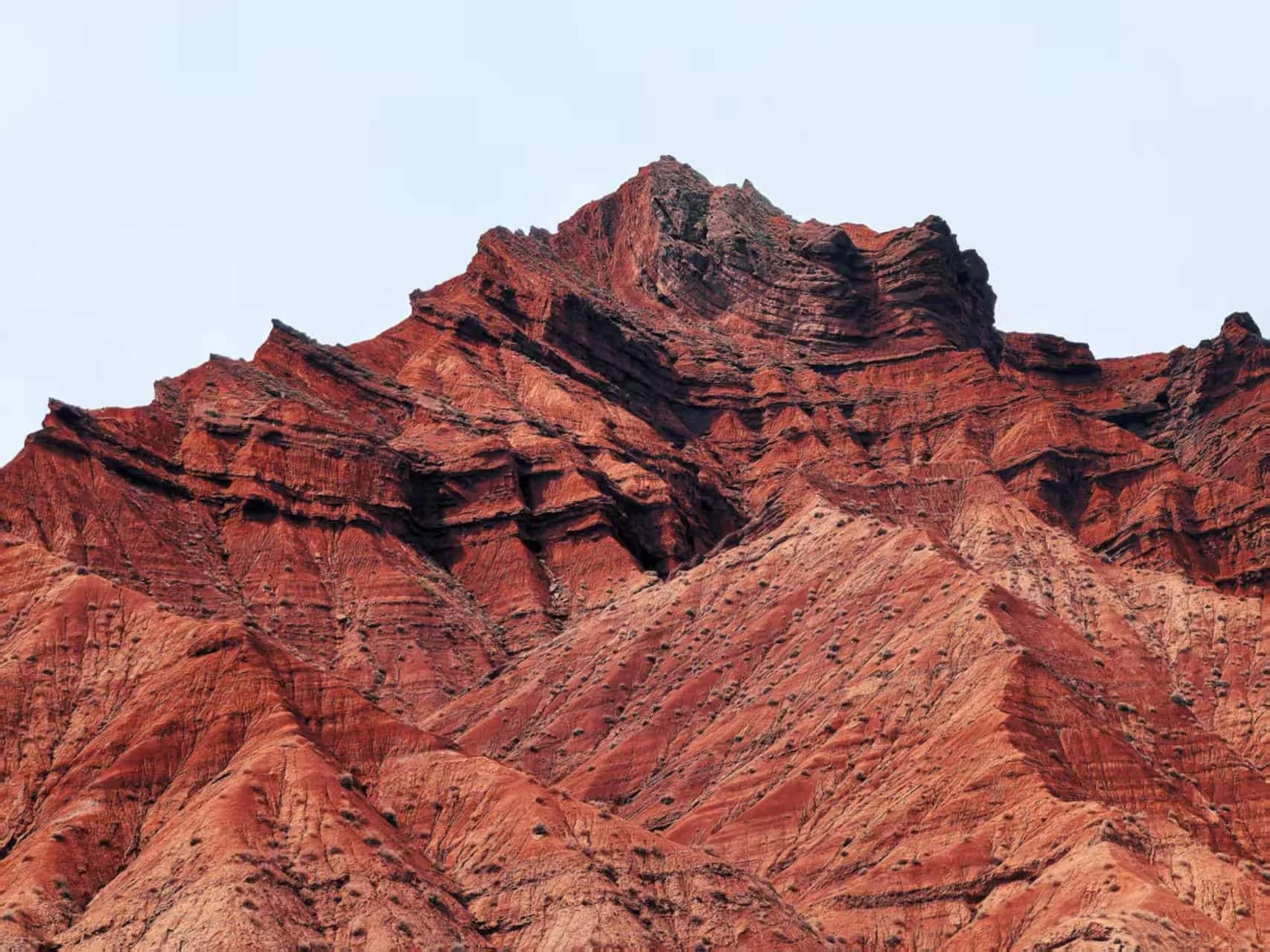 Image 7 of 8
 Image 8 of 8
7-Day South Xinjiang Classic Tour from Urumqi to Kashgar
7 Days Along the Ancient Silk Road — From Turpan's Desert Cities to Kashgar's Living Bazaars
South Xinjiang is where the Silk Road still breathes. While northern Xinjiang captivates with alpine lakes and forested mountains, the south tells a different story — one of camel caravans and desert outposts, of blue-tiled mosques and labyrinthine old towns, of Uyghur bread baking in tandoor ovens and the call to prayer echoing across ancient mud-brick walls. This 7-day classic tour follows the legendary trade route from Urumqi through the Turpan Depression (the second-lowest point on Earth) to Kashgar — the fabled city at the crossroads of empires, where China, Central Asia, and the Indian subcontinent have met for over two millennia.
With a private guide, you won't just see these places — you'll understand them. Your guide is a local expert who knows which alley in Kashgar Old City leads to the best naan bakery, which stall at the livestock market sells the finest lambskin, and how to read the centuries of history written into the crumbling walls of Jiaohe Ancient City. This is cultural immersion, not sightseeing.
Why This Tour: The most comprehensive 7-day South Xinjiang itinerary available — covering Turpan's UNESCO desert cities, Tianshan Heavenly Lake, Kashgar's living Silk Road culture, AND the Karakoram Highway to Karakul Lake at 3,600m beneath the snow peaks of Muztagh Ata (7,546m). No other 7-day route covers this much diversity.
✈️ Day 1: Arrival in Urumqi — Where East Meets West
Your guide and driver will meet you at Urumqi Diwopu International Airport and transfer you to your hotel. After check-in, take the rest of the day to acclimatize and explore at your leisure.
Recommended evening activity: Visit the International Grand Bazaar (国际大巴扎) — the largest bazaar in China and a microcosm of Silk Road commerce. Wander through the Islamic-style archways past stalls piled with dried apricots from Turpan, jade from Hotan, carpets from Kashgar, and spices from across Central Asia. The minaret-topped mosque at the center of the complex is stunning at dusk, when golden lights illuminate the tilework. Grab a plate of polo (手抓饭) — Uyghur pilaf with lamb, carrots, and raisins — at one of the food courts. This is your first taste of the culture that will surround you for the next week.
Important: Xinjiang uses Beijing Time officially, but daily life runs about 2 hours later than the coast. Don't be surprised if restaurants are still serving dinner at 10 PM — this is completely normal.
🏜️ Day 2: Urumqi → Turpan — Windmills, Ancient Villages & Buddhist Caves
Morning — Da Ban Cheng Wind Farm (达坂城风力发电站)
Drive southeast from Urumqi toward Turpan, passing through the Da Ban Cheng Wind Farm — hundreds of towering white wind turbines standing in rows across the Gobi Desert, their blades turning slowly against a backdrop of snow-capped Bogda Peak. It's one of the largest wind farms in Asia and a photographer's dream: the contrast between the futuristic turbines and the ancient desert landscape is striking. Stop for photos at the designated viewpoint — the best angle captures the turbines receding into the distance with the mountains behind.
Midday — Tuyuk Village (吐峪沟麻扎村)
Visit Tuyuk Village — one of the oldest continuously inhabited villages in Xinjiang, with a history stretching back over 1,000 years. This is not a reconstructed tourist village — people still live here in traditional mud-brick homes with carved wooden doors and courtyards filled with grape vines. The village sits at the mouth of the Tuyuk Gorge (吐峪沟大峡谷), where Buddhist monks once carved meditation caves into the cliffsides. A short walk into the gorge reveals rock-cut cave dwellings and the remains of a Buddhist monastery — a poignant reminder that this region was Buddhist long before it became Muslim.
💬 Cultural Insight: Tuyuk is also home to the Tuyuk Mazar (麻扎) — a shrine believed to be the tomb of the first Uyghur convert to Islam. It's one of the most sacred Muslim sites in Xinjiang and a pilgrimage destination. While the shrine itself is reserved for Muslim visitors, the village surrounding it offers a rare, unfiltered glimpse into traditional Uyghur rural life.
Afternoon — Bezeklik Thousand Buddha Caves (柏孜克里克千佛洞)
Continue to the Bezeklik Thousand Buddha Caves — a complex of 83 rock-cut cave temples carved into the cliff face of the Mutou Valley, dating from the 5th to the 14th century. Once adorned with vibrant murals depicting Buddhist paradise scenes, celestial musicians, and donor portraits in multicultural dress (Sogdian, Chinese, Uyghur, and Indian), many of the finest murals were removed by German archaeologist Albert von Le Coq in the early 20th century and are now in Berlin's Museum of Asian Art.
Despite the losses, the remaining murals are extraordinary — especially the large-scale preaching scenes where the Buddha sits surrounded by worshippers in distinctly different ethnic costumes, a visual record of the Silk Road's multicultural traffic. Your guide will explain the artistic techniques, the stories depicted, and the complex history of cultural exchange (and looting) that shaped what you see today.
Late Afternoon — Astana-Karakhoja Ancient Tombs (阿斯塔那古墓群)
End the day at the Astana-Karakhoja Tombs — an underground cemetery dating from the 3rd to the 8th century that served the ancient city of Gaochang. Often called the "Underground Museum of Turpan," these tombs have preserved an astonishing array of artifacts thanks to the extremely dry desert climate: silk garments, paper documents, painted figurines, and even food — including dumplings and mooncakes that look freshly made despite being 1,300 years old.
One of the most fascinating finds is a pair of paper shoes made from repurposed official documents — a thrifty recycling practice that inadvertently preserved dozens of Tang Dynasty administrative records. Your guide will bring these stories to life as you descend into the excavated tomb chambers.
🏛️ Day 3: Turpan's UNESCO Treasures — Minarets, Ancient Cities & Underground Water
Morning — Emin Minaret (苏公塔)
Start at the Emin Minaret (苏公塔) — the tallest minaret in China at 44 meters, built in 1778 by Turpan's Uyghur ruler Emin Khoja to honor his loyalty to the Qing Dynasty. The minaret is an architectural marvel: constructed entirely of sun-dried bricks in 15 different geometric patterns — diamonds, waves, flowers — without a single steel bar or concrete column. The tapered cylinder rises from a 10-meter base to a delicate point, each pattern creating a subtle texture that shifts with the light. The adjacent mosque, with its timber-columned prayer hall and painted ceiling, is still active.
Midday — Jiaohe Ancient City (交河故城) — UNESCO World Heritage Site
Visit Jiaohe Ancient City — one of the best-preserved ancient cities on the Silk Road and a UNESCO World Heritage Site. Unlike most ancient cities built by stacking materials upward, Jiaohe was carved downward into a loess plateau — entire streets, houses, temples, and government buildings were excavated from the living earth, leaving a city that is simultaneously architecture and geology.
Standing on the central avenue, you walk between walls that are actually the excavated earth between rooms — a construction method unique to this site. The city was founded around the 2nd century BC as the capital of the Jushi Kingdom, later became a Tang Dynasty garrison town, and was finally abandoned after destruction by fire in the 14th century. At its peak, 7,000 people lived here.
Key highlights: the Buddhist temple complex with its 101 smaller stupas surrounding a central Great Stupa, the underground temple with surviving wall paintings, and the residential quarter where you can still see the layout of individual homes — living room, storage, well — carved into the ground. Your guide will explain how the city's strategic location on a cliff between two rivers made it both defensible and devastatingly isolated.
Afternoon — Karez Well System (坎儿井) & Turpan Museum
Explore the Karez Well System (坎儿井) — one of the three great ancient engineering projects of China (alongside the Great Wall and the Grand Canal). This underground irrigation network consists of over 1,100 wells connected by 5,000+ km of underground channels that tap into snowmelt from the Tianshan Mountains and deliver it to the Turpan basin entirely by gravity — no pumps, no energy, just brilliant hydrology developed over 2,000 years ago.
Visit a preserved karez section where you can walk inside the tunnel and see the construction technique: vertical shafts dug every 20-30 meters for ventilation and maintenance, connected by gently sloping underground channels that keep the water cool and prevent evaporation in the extreme desert heat. The system is so efficient that some karez are still in use today.
End the afternoon at the Turpan Museum, which houses the region's finest archaeological finds — including remarkably preserved mummies from the Astana tombs, ancient textiles, and the world's earliest known written contract (a rental agreement for a vineyard, naturally — this is Turpan).
🏔️ Day 4: Heavenly Lake of Tianshan → Flight to Kashgar
Morning — Heavenly Lake (天池)
Drive into the Bogda Peak (博格达峰) area of the Tianshan Mountains to visit Heavenly Lake (Tianchi) — a crescent-shaped alpine lake at 1,910 meters elevation, fed by glaciers from the 5,445-meter Bogda Peak. The contrast with the Turpan desert is dramatic: where yesterday you stood at the second-lowest point on Earth, today you're surrounded by snow-capped peaks, pine forests, and crystal-clear water reflecting the sky.
Walk the lakeside boardwalk, visit the West Queen Mother Temple (西王母庙) — a Taoist temple perched above the lake, dedicated to the mythical goddess who, according to legend, held court here and offered the Peaches of Immortality to visiting emperors — and take in the views of Bogda Peak's three glaciers. Your guide will share the rich mythology surrounding this lake, which has been considered a sacred site for over 3,000 years.
Afternoon — Fly to Kashgar (喀什)
Transfer to Urumqi Airport for the flight to Kashgar (喀什) — the legendary Silk Road city that has been a trading hub for over 2,000 years. At the westernmost edge of China, closer to Baghdad than Beijing, Kashgar is where Central Asian, South Asian, and Chinese civilizations have collided, mingled, and coexisted for millennia.
Your guide will meet you at Kashgar Airport and transfer you to your hotel. Step outside in the evening and feel the difference: the air is thicker, the streets are narrower, the sounds are more layered — the call to prayer, the clatter of copper hammering, the sizzle of lamb on grills. You're no longer in the China you know. You're on the Silk Road.
🕌 Day 5: Kashgar — The Living Heart of the Silk Road
Morning — Kashgar Old Town (喀什老城)
Enter Kashgar Old Town — one of the best-preserved Islamic cities in Central Asia and a living museum of Uyghur architecture and daily life. This is not a theme park reconstruction — people have lived in these maze-like streets for centuries, and they still do. Mud-brick houses with carved wooden balconies, painted doors in brilliant blues and greens, and rooftop terraces overflowing with pomegranate trees and climbing roses line the narrow lanes.
Your guide will lead you through the labyrinth — without a guide, it's genuinely easy to get lost, which is part of the charm. Visit the Hundred-Year-Old Tea House (百年老茶馆), where Uyghur men gather on cushioned platforms to drink tea, eat naan, and listen to impromptu music performances. Order a pot of saffron tea with rose petals and a plate of naan (馕) — the Uyghur flatbread that is the staple of every meal — and absorb the atmosphere as the sunlight filters through the lattice windows.
Midday — Livestock Market & Handcraft Street
Visit the famous Livestock Market (牲畜巴扎) — a weekly gathering where herders from the surrounding countryside bring sheep, cattle, horses, and donkeys to trade. The scene is chaotic, colorful, and completely authentic: men in traditional doppas (embroidered caps) haggle over lambs, horses are test-ridden in an open field, and the air is thick with dust and the smell of animals. This market has operated in some form for over a thousand years — it's the Silk Road in action.
Continue to Handcraft Street (手工艺街), where artisans practice trades that have barely changed in centuries. Watch a coppersmith hammer a tea kettle from a single sheet of brass, observe a woodworker carve intricate patterns on a baby's cradle, and see how Uyghur musical instruments — the rawap, the dutar, the dombra — are assembled by hand. Each workshop is a masterclass in traditional craftsmanship.
Afternoon — Grand Eid-Kah Mosque (艾提尕尔清真寺) & Apak Khoja Tomb
Visit the Id Kah Mosque (艾提尕尔清真寺) — the largest mosque in China, with a capacity of 20,000 worshippers. Built in 1442 and expanded over the centuries, the mosque's iconic yellow-tiled facade and twin minarets dominate the central square of Kashgar. The courtyard is peaceful, with poplar trees providing shade and a central pool for ablution. Non-Muslim visitors are welcome outside prayer times.
Continue to the Apak Khoja Tomb (阿帕克霍加麻扎) — a stunning Islamic mausoleum complex known as the "Fragrant Concubine's Tomb" (香妃墓). The legend says this is the burial place of Xiangfei, a Uyghur woman who became a concubine of the Qianlong Emperor and was said to naturally emit a captivating fragrance. Whether the legend is true or not, the architecture is magnificent: a green-tiled dome, minarets with intricate geometric patterns, and a complex of prayer halls and meditation rooms — all set within peaceful gardens. The tilework is among the finest Islamic art in China.
🏔️ Day 6: Karakoram Highway — Karakul Lake Beneath Muztagh Ata
Morning — Drive the Karakoram Highway (喀喇昆仑公路)
Set out on one of the world's most spectacular drives: the Karakoram Highway (KKH), also known as the China-Pakistan Friendship Highway. This engineering marvel climbs from Kashgar at 1,300m through increasingly dramatic mountain scenery toward the Pakistan border at 4,700m. You'll travel the first 200km of this legendary road.
Stop at Upal Village (乌帕尔乡) — a small Uyghur settlement where the road begins its climb into the mountains. Sample fresh naan from a village bakery and observe the transition from lowland desert to mountain terrain.
Midday — Red Mountain & White Sand Mountain (白沙山)
As the road climbs, the geology becomes increasingly dramatic. Stop at the Oytag Red Mountain (红山) — a vividly colored geological formation where layers of red sandstone and conglomerate are exposed in dramatic folds, and the White Sand Mountain (白沙山) at Bulungkol (布伦口) — a surreal landscape of gleaming white sand dunes reflected in the still waters of Bulunkol Reservoir. The contrast between the white sand, the turquoise water, and the grey-brown mountains behind is otherworldly.
Afternoon — Karakul Lake (卡拉库里湖) & Muztagh Ata (慕士塔格峰)
Arrive at Karakul Lake (卡拉库里湖) at 3,600 meters — a high-altitude glacial lake sitting at the foot of the majestic Muztagh Ata (慕士塔格峰, 7,546m), known as the "Father of Ice Mountains." On a clear day, Muztagh Ata's snow-dome summit is reflected perfectly in the lake's mirror-still surface — one of the most iconic mountain views in all of Central Asia. To the southeast, the jagged peak of Kongur Tagh (公格尔峰, 7,719m) adds to the panorama.
Walk along the lakeshore, visit the small Kyrgyz yurt settlement where herders offer bowls of hot milk tea and fresh yogurt, and simply sit and absorb the scale of the landscape. At this altitude, the air is thin and crystalline — you'll notice the sky is a deeper blue than you've ever seen. Take it slow; your guide will monitor your comfort level for altitude.
🏔️ Altitude Note: Karakul Lake sits at 3,600m. Most travelers experience mild effects (slight breathlessness, mild headache). Your guide will carry oxygen and ensure you take it easy. If you have a history of altitude sickness, consult your doctor before the trip.
Evening — Return to Kashgar
Drive back down the Karakoram Highway to Kashgar, arriving in the early evening. For your final night, ask your guide to recommend the best Zhuafan (手抓饭) restaurant in the old city — Uyghur pilaf served with your hands, washed down with cold kvas (格瓦斯), the fermented bread drink that's Kashgar's favorite refreshment.
✈️ Day 7: Departure from Kashgar
Enjoy breakfast at your hotel and spend your final moments in Kashgar however you wish — last-minute shopping for dried fruits and spices at the bazaar, a quiet cup of tea at the Old Tea House, or a morning walk through the Old Town when the light is soft and golden.
Your driver will transfer you to Kashgar Airport according to your flight schedule. Depart carrying the scents of cumin and rose, the sound of the rawap, and the memory of Muztagh Ata reflected in a glacial lake — the Silk Road, alive inside you.
Want to extend? We can add a day trip to Shache (莎车) for its magnificent Uyghur palace and the Twelve Muqam performance — the UNESCO-listed musical tradition of Xinjiang. Just ask.
✅ What's Included
✔️ Private English-speaking guide throughout (licensed, expert in Silk Road history & Uyghur culture)
✔️ Private air-conditioned vehicle with professional driver
✔️ Domestic flight: Urumqi → Kashgar (Day 4)
✔️ All entrance fees: Tuyuk Village, Bezeklik Caves, Astana Tombs, Emin Minaret, Jiaohe Ancient City, Karez Wells, Heavenly Lake, Id Kah Mosque, Apak Khoja Tomb, Karakul Lake
✔️ 6 nights accommodation (comfort hotels, breakfast included)
✔️ Bottled water throughout
✔️ Airport pickup (Urumqi) and drop-off (Kashgar)
❌ What's Not Included
✘ International flights to/from China
✘ Lunch and dinner (budget ¥60-120 per meal; your guide will recommend the best local restaurants)
✘ Travel insurance (highly recommended)
✘ Gratuities (optional, at your discretion)
✘ Personal purchases at the bazaar (hard to resist!)
📌 Practical Information
🚶 Walking Level: Moderate. Jiaohe Ancient City involves ~2 hours of walking on uneven ground. Kashgar Old Town involves 3-4 hours of walking on cobblestones. Comfortable shoes essential.
🌡️ Climate: Turpan is one of the hottest places on Earth — summer temperatures regularly exceed 45°C. Bring sun protection (hat, sunscreen, UV-blocking sunglasses). Kashgar is milder but still hot in summer. Mornings and evenings are pleasant year-round.
🏔️ Altitude: Karakul Lake is at 3,600m. Most travelers adjust fine for a day visit, but those with heart or lung conditions should consult a doctor. Your guide carries supplemental oxygen.
📷 Photography: Kashgar Old Town and the Livestock Market are incredibly photogenic. Always ask permission before photographing people — Uyghur culture values politeness, and most people are happy to pose if asked respectfully.
🕌 Cultural Sensitivity: Kashgar is a Muslim-majority city. Dress modestly when visiting mosques (long sleeves, covered knees). Remove shoes before entering prayer areas. The Id Kah Mosque welcomes non-Muslim visitors outside prayer times.
🍽️ Food Highlights: Don't miss: polo (Uyghur pilaf), laghman (hand-pulled noodles with stir-fry), samsa (baked meat pastries), and kawap (grilled lamb skewers with cumin and chili — Xinjiang's signature street food).
📅 Best Time to Visit: April–June and September–November offer the most comfortable temperatures. The Livestock Market is busiest on Sundays — plan accordingly if you want to experience it at full scale.
🗺️ Route Map
Urumqi → Da Ban Cheng Wind Farm → Tuyuk Village → Bezeklik Caves → Astana Tombs → Turpan → Emin Minaret → Jiaohe Ancient City → Karez Wells → Heavenly Lake → ✈️ → Kashgar → Old Town & Tea House → Livestock Market → Handcraft Street → Id Kah Mosque → Apak Khoja Tomb → Karakoram Highway → Karakul Lake (Muztagh Ata 7,546m) → Kashgar → ✈️
Follow the ancient camel caravans along the Silk Road. Book your 7-day South Xinjiang Classic Tour today — spaces are limited during peak season.
7 Days Along the Ancient Silk Road — From Turpan's Desert Cities to Kashgar's Living Bazaars
South Xinjiang is where the Silk Road still breathes. While northern Xinjiang captivates with alpine lakes and forested mountains, the south tells a different story — one of camel caravans and desert outposts, of blue-tiled mosques and labyrinthine old towns, of Uyghur bread baking in tandoor ovens and the call to prayer echoing across ancient mud-brick walls. This 7-day classic tour follows the legendary trade route from Urumqi through the Turpan Depression (the second-lowest point on Earth) to Kashgar — the fabled city at the crossroads of empires, where China, Central Asia, and the Indian subcontinent have met for over two millennia.
With a private guide, you won't just see these places — you'll understand them. Your guide is a local expert who knows which alley in Kashgar Old City leads to the best naan bakery, which stall at the livestock market sells the finest lambskin, and how to read the centuries of history written into the crumbling walls of Jiaohe Ancient City. This is cultural immersion, not sightseeing.
Why This Tour: The most comprehensive 7-day South Xinjiang itinerary available — covering Turpan's UNESCO desert cities, Tianshan Heavenly Lake, Kashgar's living Silk Road culture, AND the Karakoram Highway to Karakul Lake at 3,600m beneath the snow peaks of Muztagh Ata (7,546m). No other 7-day route covers this much diversity.
✈️ Day 1: Arrival in Urumqi — Where East Meets West
Your guide and driver will meet you at Urumqi Diwopu International Airport and transfer you to your hotel. After check-in, take the rest of the day to acclimatize and explore at your leisure.
Recommended evening activity: Visit the International Grand Bazaar (国际大巴扎) — the largest bazaar in China and a microcosm of Silk Road commerce. Wander through the Islamic-style archways past stalls piled with dried apricots from Turpan, jade from Hotan, carpets from Kashgar, and spices from across Central Asia. The minaret-topped mosque at the center of the complex is stunning at dusk, when golden lights illuminate the tilework. Grab a plate of polo (手抓饭) — Uyghur pilaf with lamb, carrots, and raisins — at one of the food courts. This is your first taste of the culture that will surround you for the next week.
Important: Xinjiang uses Beijing Time officially, but daily life runs about 2 hours later than the coast. Don't be surprised if restaurants are still serving dinner at 10 PM — this is completely normal.
🏜️ Day 2: Urumqi → Turpan — Windmills, Ancient Villages & Buddhist Caves
Morning — Da Ban Cheng Wind Farm (达坂城风力发电站)
Drive southeast from Urumqi toward Turpan, passing through the Da Ban Cheng Wind Farm — hundreds of towering white wind turbines standing in rows across the Gobi Desert, their blades turning slowly against a backdrop of snow-capped Bogda Peak. It's one of the largest wind farms in Asia and a photographer's dream: the contrast between the futuristic turbines and the ancient desert landscape is striking. Stop for photos at the designated viewpoint — the best angle captures the turbines receding into the distance with the mountains behind.
Midday — Tuyuk Village (吐峪沟麻扎村)
Visit Tuyuk Village — one of the oldest continuously inhabited villages in Xinjiang, with a history stretching back over 1,000 years. This is not a reconstructed tourist village — people still live here in traditional mud-brick homes with carved wooden doors and courtyards filled with grape vines. The village sits at the mouth of the Tuyuk Gorge (吐峪沟大峡谷), where Buddhist monks once carved meditation caves into the cliffsides. A short walk into the gorge reveals rock-cut cave dwellings and the remains of a Buddhist monastery — a poignant reminder that this region was Buddhist long before it became Muslim.
💬 Cultural Insight: Tuyuk is also home to the Tuyuk Mazar (麻扎) — a shrine believed to be the tomb of the first Uyghur convert to Islam. It's one of the most sacred Muslim sites in Xinjiang and a pilgrimage destination. While the shrine itself is reserved for Muslim visitors, the village surrounding it offers a rare, unfiltered glimpse into traditional Uyghur rural life.
Afternoon — Bezeklik Thousand Buddha Caves (柏孜克里克千佛洞)
Continue to the Bezeklik Thousand Buddha Caves — a complex of 83 rock-cut cave temples carved into the cliff face of the Mutou Valley, dating from the 5th to the 14th century. Once adorned with vibrant murals depicting Buddhist paradise scenes, celestial musicians, and donor portraits in multicultural dress (Sogdian, Chinese, Uyghur, and Indian), many of the finest murals were removed by German archaeologist Albert von Le Coq in the early 20th century and are now in Berlin's Museum of Asian Art.
Despite the losses, the remaining murals are extraordinary — especially the large-scale preaching scenes where the Buddha sits surrounded by worshippers in distinctly different ethnic costumes, a visual record of the Silk Road's multicultural traffic. Your guide will explain the artistic techniques, the stories depicted, and the complex history of cultural exchange (and looting) that shaped what you see today.
Late Afternoon — Astana-Karakhoja Ancient Tombs (阿斯塔那古墓群)
End the day at the Astana-Karakhoja Tombs — an underground cemetery dating from the 3rd to the 8th century that served the ancient city of Gaochang. Often called the "Underground Museum of Turpan," these tombs have preserved an astonishing array of artifacts thanks to the extremely dry desert climate: silk garments, paper documents, painted figurines, and even food — including dumplings and mooncakes that look freshly made despite being 1,300 years old.
One of the most fascinating finds is a pair of paper shoes made from repurposed official documents — a thrifty recycling practice that inadvertently preserved dozens of Tang Dynasty administrative records. Your guide will bring these stories to life as you descend into the excavated tomb chambers.
🏛️ Day 3: Turpan's UNESCO Treasures — Minarets, Ancient Cities & Underground Water
Morning — Emin Minaret (苏公塔)
Start at the Emin Minaret (苏公塔) — the tallest minaret in China at 44 meters, built in 1778 by Turpan's Uyghur ruler Emin Khoja to honor his loyalty to the Qing Dynasty. The minaret is an architectural marvel: constructed entirely of sun-dried bricks in 15 different geometric patterns — diamonds, waves, flowers — without a single steel bar or concrete column. The tapered cylinder rises from a 10-meter base to a delicate point, each pattern creating a subtle texture that shifts with the light. The adjacent mosque, with its timber-columned prayer hall and painted ceiling, is still active.
Midday — Jiaohe Ancient City (交河故城) — UNESCO World Heritage Site
Visit Jiaohe Ancient City — one of the best-preserved ancient cities on the Silk Road and a UNESCO World Heritage Site. Unlike most ancient cities built by stacking materials upward, Jiaohe was carved downward into a loess plateau — entire streets, houses, temples, and government buildings were excavated from the living earth, leaving a city that is simultaneously architecture and geology.
Standing on the central avenue, you walk between walls that are actually the excavated earth between rooms — a construction method unique to this site. The city was founded around the 2nd century BC as the capital of the Jushi Kingdom, later became a Tang Dynasty garrison town, and was finally abandoned after destruction by fire in the 14th century. At its peak, 7,000 people lived here.
Key highlights: the Buddhist temple complex with its 101 smaller stupas surrounding a central Great Stupa, the underground temple with surviving wall paintings, and the residential quarter where you can still see the layout of individual homes — living room, storage, well — carved into the ground. Your guide will explain how the city's strategic location on a cliff between two rivers made it both defensible and devastatingly isolated.
Afternoon — Karez Well System (坎儿井) & Turpan Museum
Explore the Karez Well System (坎儿井) — one of the three great ancient engineering projects of China (alongside the Great Wall and the Grand Canal). This underground irrigation network consists of over 1,100 wells connected by 5,000+ km of underground channels that tap into snowmelt from the Tianshan Mountains and deliver it to the Turpan basin entirely by gravity — no pumps, no energy, just brilliant hydrology developed over 2,000 years ago.
Visit a preserved karez section where you can walk inside the tunnel and see the construction technique: vertical shafts dug every 20-30 meters for ventilation and maintenance, connected by gently sloping underground channels that keep the water cool and prevent evaporation in the extreme desert heat. The system is so efficient that some karez are still in use today.
End the afternoon at the Turpan Museum, which houses the region's finest archaeological finds — including remarkably preserved mummies from the Astana tombs, ancient textiles, and the world's earliest known written contract (a rental agreement for a vineyard, naturally — this is Turpan).
🏔️ Day 4: Heavenly Lake of Tianshan → Flight to Kashgar
Morning — Heavenly Lake (天池)
Drive into the Bogda Peak (博格达峰) area of the Tianshan Mountains to visit Heavenly Lake (Tianchi) — a crescent-shaped alpine lake at 1,910 meters elevation, fed by glaciers from the 5,445-meter Bogda Peak. The contrast with the Turpan desert is dramatic: where yesterday you stood at the second-lowest point on Earth, today you're surrounded by snow-capped peaks, pine forests, and crystal-clear water reflecting the sky.
Walk the lakeside boardwalk, visit the West Queen Mother Temple (西王母庙) — a Taoist temple perched above the lake, dedicated to the mythical goddess who, according to legend, held court here and offered the Peaches of Immortality to visiting emperors — and take in the views of Bogda Peak's three glaciers. Your guide will share the rich mythology surrounding this lake, which has been considered a sacred site for over 3,000 years.
Afternoon — Fly to Kashgar (喀什)
Transfer to Urumqi Airport for the flight to Kashgar (喀什) — the legendary Silk Road city that has been a trading hub for over 2,000 years. At the westernmost edge of China, closer to Baghdad than Beijing, Kashgar is where Central Asian, South Asian, and Chinese civilizations have collided, mingled, and coexisted for millennia.
Your guide will meet you at Kashgar Airport and transfer you to your hotel. Step outside in the evening and feel the difference: the air is thicker, the streets are narrower, the sounds are more layered — the call to prayer, the clatter of copper hammering, the sizzle of lamb on grills. You're no longer in the China you know. You're on the Silk Road.
🕌 Day 5: Kashgar — The Living Heart of the Silk Road
Morning — Kashgar Old Town (喀什老城)
Enter Kashgar Old Town — one of the best-preserved Islamic cities in Central Asia and a living museum of Uyghur architecture and daily life. This is not a theme park reconstruction — people have lived in these maze-like streets for centuries, and they still do. Mud-brick houses with carved wooden balconies, painted doors in brilliant blues and greens, and rooftop terraces overflowing with pomegranate trees and climbing roses line the narrow lanes.
Your guide will lead you through the labyrinth — without a guide, it's genuinely easy to get lost, which is part of the charm. Visit the Hundred-Year-Old Tea House (百年老茶馆), where Uyghur men gather on cushioned platforms to drink tea, eat naan, and listen to impromptu music performances. Order a pot of saffron tea with rose petals and a plate of naan (馕) — the Uyghur flatbread that is the staple of every meal — and absorb the atmosphere as the sunlight filters through the lattice windows.
Midday — Livestock Market & Handcraft Street
Visit the famous Livestock Market (牲畜巴扎) — a weekly gathering where herders from the surrounding countryside bring sheep, cattle, horses, and donkeys to trade. The scene is chaotic, colorful, and completely authentic: men in traditional doppas (embroidered caps) haggle over lambs, horses are test-ridden in an open field, and the air is thick with dust and the smell of animals. This market has operated in some form for over a thousand years — it's the Silk Road in action.
Continue to Handcraft Street (手工艺街), where artisans practice trades that have barely changed in centuries. Watch a coppersmith hammer a tea kettle from a single sheet of brass, observe a woodworker carve intricate patterns on a baby's cradle, and see how Uyghur musical instruments — the rawap, the dutar, the dombra — are assembled by hand. Each workshop is a masterclass in traditional craftsmanship.
Afternoon — Grand Eid-Kah Mosque (艾提尕尔清真寺) & Apak Khoja Tomb
Visit the Id Kah Mosque (艾提尕尔清真寺) — the largest mosque in China, with a capacity of 20,000 worshippers. Built in 1442 and expanded over the centuries, the mosque's iconic yellow-tiled facade and twin minarets dominate the central square of Kashgar. The courtyard is peaceful, with poplar trees providing shade and a central pool for ablution. Non-Muslim visitors are welcome outside prayer times.
Continue to the Apak Khoja Tomb (阿帕克霍加麻扎) — a stunning Islamic mausoleum complex known as the "Fragrant Concubine's Tomb" (香妃墓). The legend says this is the burial place of Xiangfei, a Uyghur woman who became a concubine of the Qianlong Emperor and was said to naturally emit a captivating fragrance. Whether the legend is true or not, the architecture is magnificent: a green-tiled dome, minarets with intricate geometric patterns, and a complex of prayer halls and meditation rooms — all set within peaceful gardens. The tilework is among the finest Islamic art in China.
🏔️ Day 6: Karakoram Highway — Karakul Lake Beneath Muztagh Ata
Morning — Drive the Karakoram Highway (喀喇昆仑公路)
Set out on one of the world's most spectacular drives: the Karakoram Highway (KKH), also known as the China-Pakistan Friendship Highway. This engineering marvel climbs from Kashgar at 1,300m through increasingly dramatic mountain scenery toward the Pakistan border at 4,700m. You'll travel the first 200km of this legendary road.
Stop at Upal Village (乌帕尔乡) — a small Uyghur settlement where the road begins its climb into the mountains. Sample fresh naan from a village bakery and observe the transition from lowland desert to mountain terrain.
Midday — Red Mountain & White Sand Mountain (白沙山)
As the road climbs, the geology becomes increasingly dramatic. Stop at the Oytag Red Mountain (红山) — a vividly colored geological formation where layers of red sandstone and conglomerate are exposed in dramatic folds, and the White Sand Mountain (白沙山) at Bulungkol (布伦口) — a surreal landscape of gleaming white sand dunes reflected in the still waters of Bulunkol Reservoir. The contrast between the white sand, the turquoise water, and the grey-brown mountains behind is otherworldly.
Afternoon — Karakul Lake (卡拉库里湖) & Muztagh Ata (慕士塔格峰)
Arrive at Karakul Lake (卡拉库里湖) at 3,600 meters — a high-altitude glacial lake sitting at the foot of the majestic Muztagh Ata (慕士塔格峰, 7,546m), known as the "Father of Ice Mountains." On a clear day, Muztagh Ata's snow-dome summit is reflected perfectly in the lake's mirror-still surface — one of the most iconic mountain views in all of Central Asia. To the southeast, the jagged peak of Kongur Tagh (公格尔峰, 7,719m) adds to the panorama.
Walk along the lakeshore, visit the small Kyrgyz yurt settlement where herders offer bowls of hot milk tea and fresh yogurt, and simply sit and absorb the scale of the landscape. At this altitude, the air is thin and crystalline — you'll notice the sky is a deeper blue than you've ever seen. Take it slow; your guide will monitor your comfort level for altitude.
🏔️ Altitude Note: Karakul Lake sits at 3,600m. Most travelers experience mild effects (slight breathlessness, mild headache). Your guide will carry oxygen and ensure you take it easy. If you have a history of altitude sickness, consult your doctor before the trip.
Evening — Return to Kashgar
Drive back down the Karakoram Highway to Kashgar, arriving in the early evening. For your final night, ask your guide to recommend the best Zhuafan (手抓饭) restaurant in the old city — Uyghur pilaf served with your hands, washed down with cold kvas (格瓦斯), the fermented bread drink that's Kashgar's favorite refreshment.
✈️ Day 7: Departure from Kashgar
Enjoy breakfast at your hotel and spend your final moments in Kashgar however you wish — last-minute shopping for dried fruits and spices at the bazaar, a quiet cup of tea at the Old Tea House, or a morning walk through the Old Town when the light is soft and golden.
Your driver will transfer you to Kashgar Airport according to your flight schedule. Depart carrying the scents of cumin and rose, the sound of the rawap, and the memory of Muztagh Ata reflected in a glacial lake — the Silk Road, alive inside you.
Want to extend? We can add a day trip to Shache (莎车) for its magnificent Uyghur palace and the Twelve Muqam performance — the UNESCO-listed musical tradition of Xinjiang. Just ask.
✅ What's Included
✔️ Private English-speaking guide throughout (licensed, expert in Silk Road history & Uyghur culture)
✔️ Private air-conditioned vehicle with professional driver
✔️ Domestic flight: Urumqi → Kashgar (Day 4)
✔️ All entrance fees: Tuyuk Village, Bezeklik Caves, Astana Tombs, Emin Minaret, Jiaohe Ancient City, Karez Wells, Heavenly Lake, Id Kah Mosque, Apak Khoja Tomb, Karakul Lake
✔️ 6 nights accommodation (comfort hotels, breakfast included)
✔️ Bottled water throughout
✔️ Airport pickup (Urumqi) and drop-off (Kashgar)
❌ What's Not Included
✘ International flights to/from China
✘ Lunch and dinner (budget ¥60-120 per meal; your guide will recommend the best local restaurants)
✘ Travel insurance (highly recommended)
✘ Gratuities (optional, at your discretion)
✘ Personal purchases at the bazaar (hard to resist!)
📌 Practical Information
🚶 Walking Level: Moderate. Jiaohe Ancient City involves ~2 hours of walking on uneven ground. Kashgar Old Town involves 3-4 hours of walking on cobblestones. Comfortable shoes essential.
🌡️ Climate: Turpan is one of the hottest places on Earth — summer temperatures regularly exceed 45°C. Bring sun protection (hat, sunscreen, UV-blocking sunglasses). Kashgar is milder but still hot in summer. Mornings and evenings are pleasant year-round.
🏔️ Altitude: Karakul Lake is at 3,600m. Most travelers adjust fine for a day visit, but those with heart or lung conditions should consult a doctor. Your guide carries supplemental oxygen.
📷 Photography: Kashgar Old Town and the Livestock Market are incredibly photogenic. Always ask permission before photographing people — Uyghur culture values politeness, and most people are happy to pose if asked respectfully.
🕌 Cultural Sensitivity: Kashgar is a Muslim-majority city. Dress modestly when visiting mosques (long sleeves, covered knees). Remove shoes before entering prayer areas. The Id Kah Mosque welcomes non-Muslim visitors outside prayer times.
🍽️ Food Highlights: Don't miss: polo (Uyghur pilaf), laghman (hand-pulled noodles with stir-fry), samsa (baked meat pastries), and kawap (grilled lamb skewers with cumin and chili — Xinjiang's signature street food).
📅 Best Time to Visit: April–June and September–November offer the most comfortable temperatures. The Livestock Market is busiest on Sundays — plan accordingly if you want to experience it at full scale.
🗺️ Route Map
Urumqi → Da Ban Cheng Wind Farm → Tuyuk Village → Bezeklik Caves → Astana Tombs → Turpan → Emin Minaret → Jiaohe Ancient City → Karez Wells → Heavenly Lake → ✈️ → Kashgar → Old Town & Tea House → Livestock Market → Handcraft Street → Id Kah Mosque → Apak Khoja Tomb → Karakoram Highway → Karakul Lake (Muztagh Ata 7,546m) → Kashgar → ✈️
Follow the ancient camel caravans along the Silk Road. Book your 7-day South Xinjiang Classic Tour today — spaces are limited during peak season.