

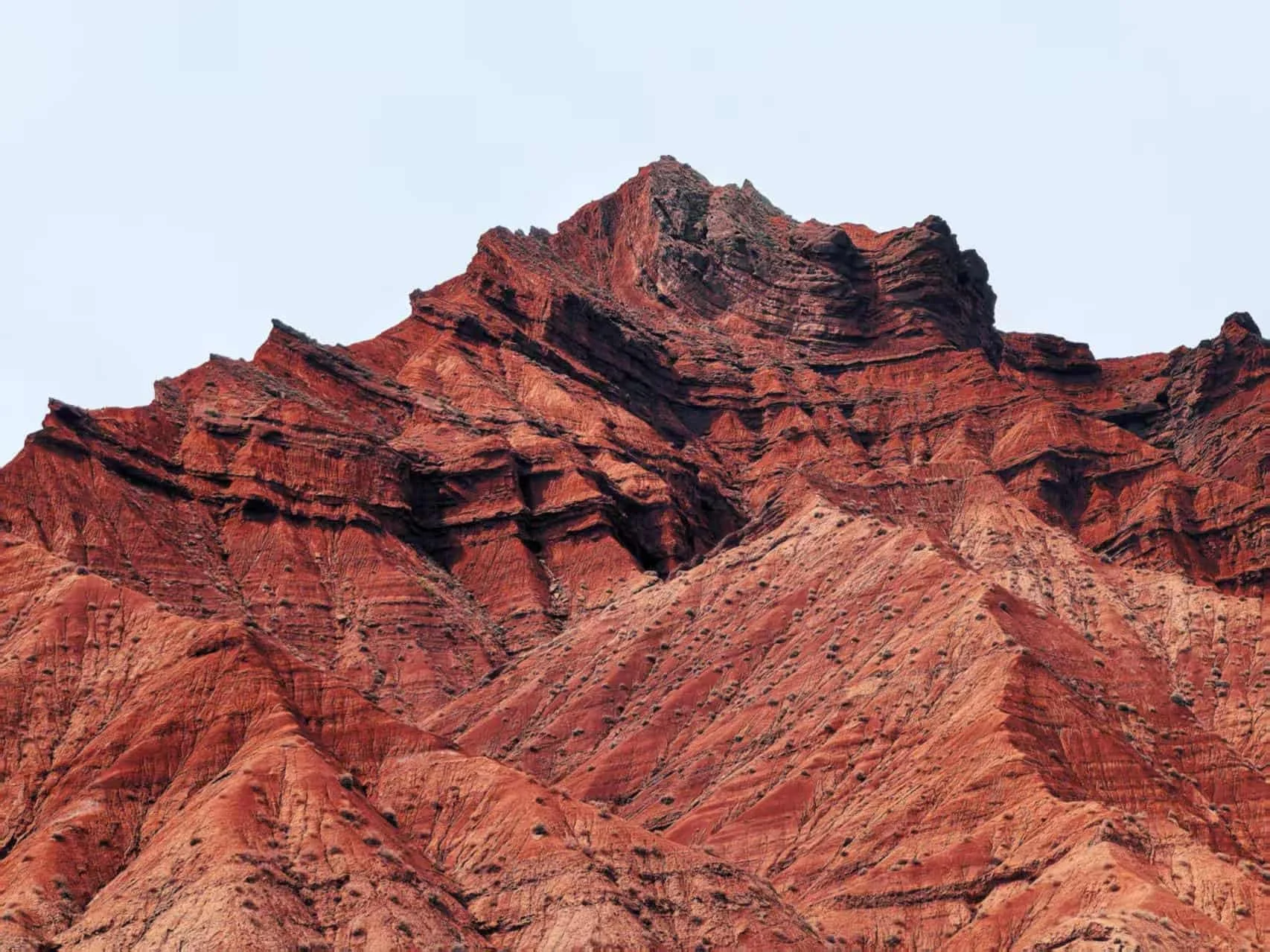
 Image 1 of 8
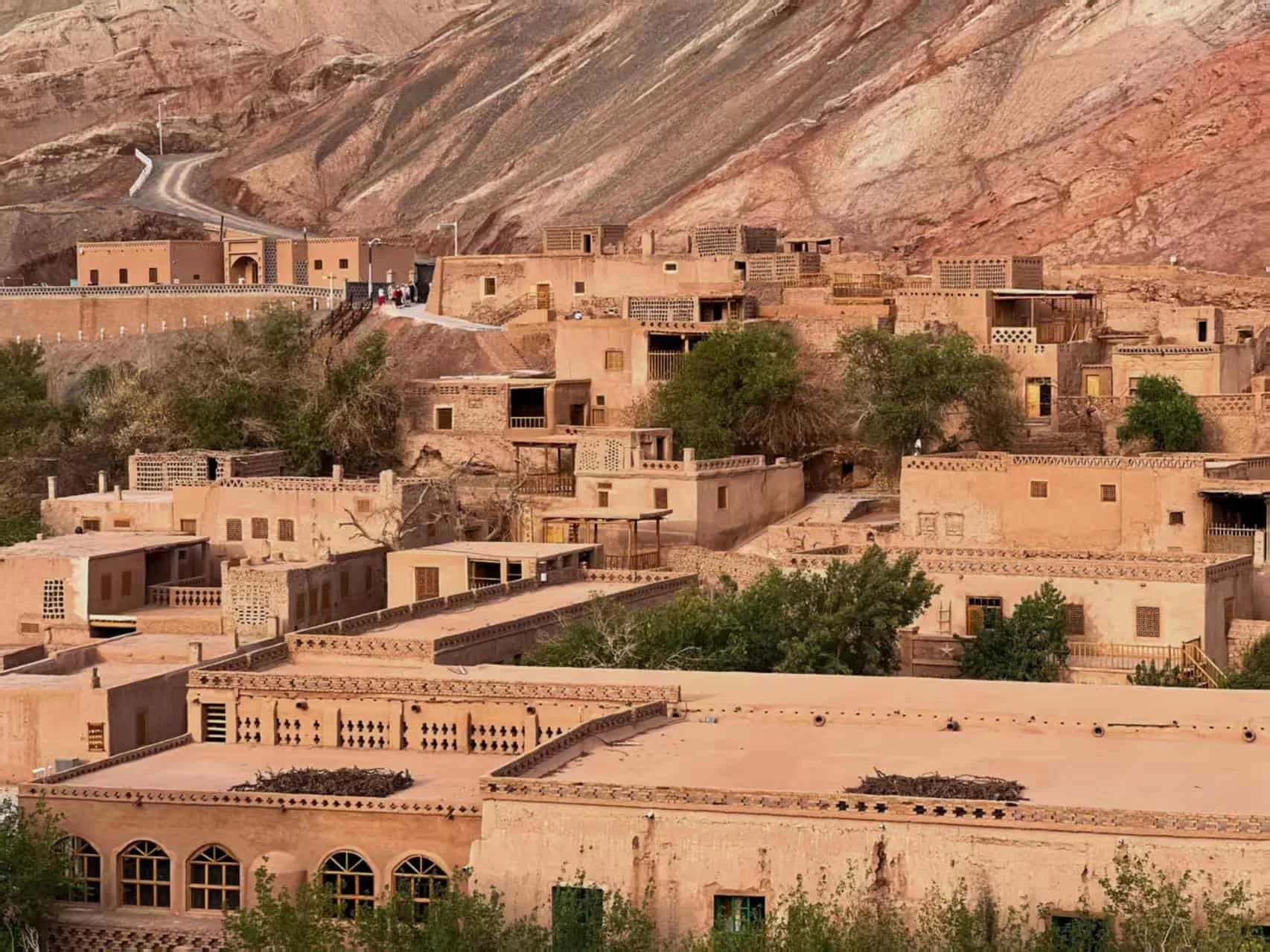 Image 2 of 8
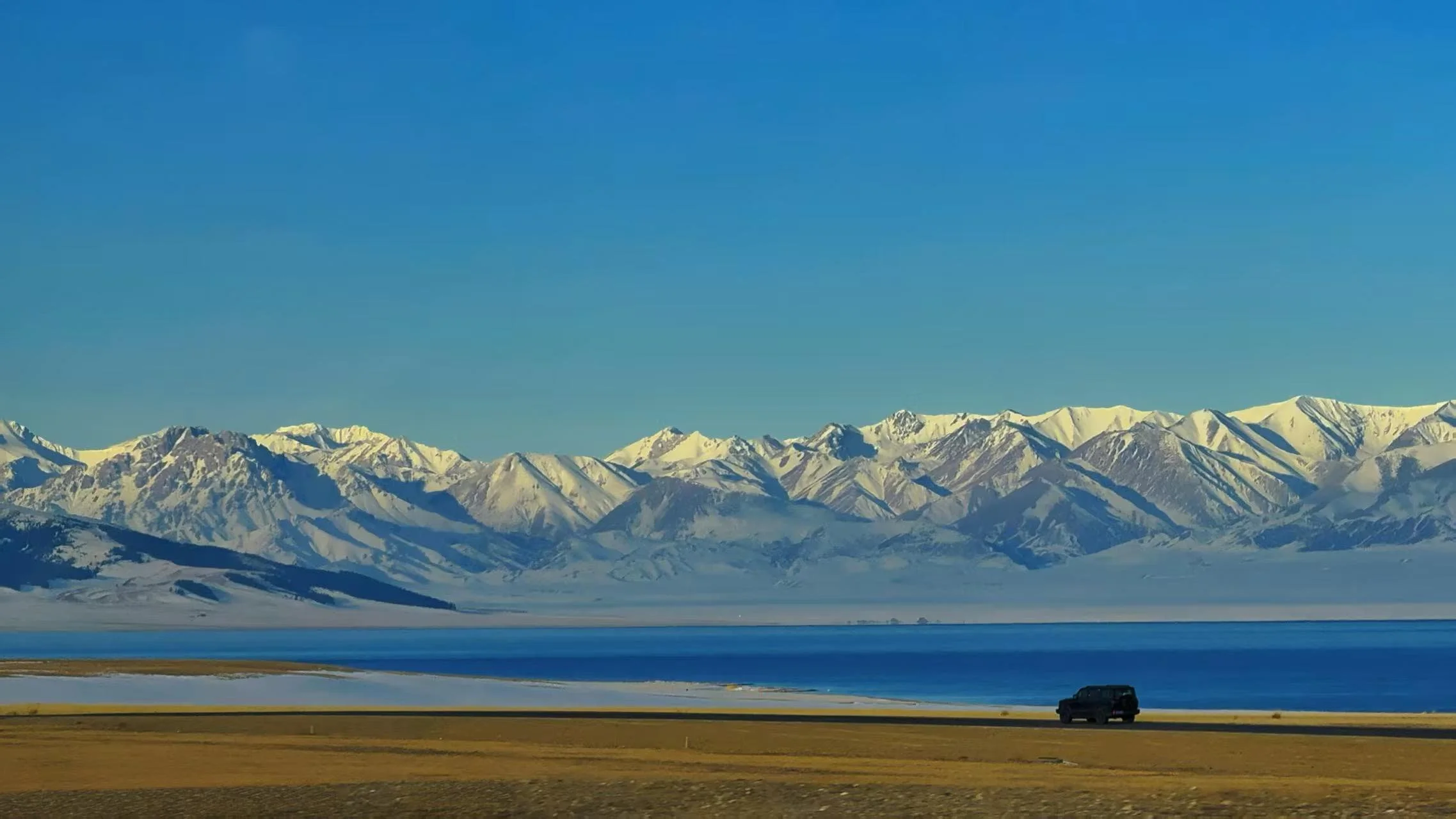 Image 3 of 8
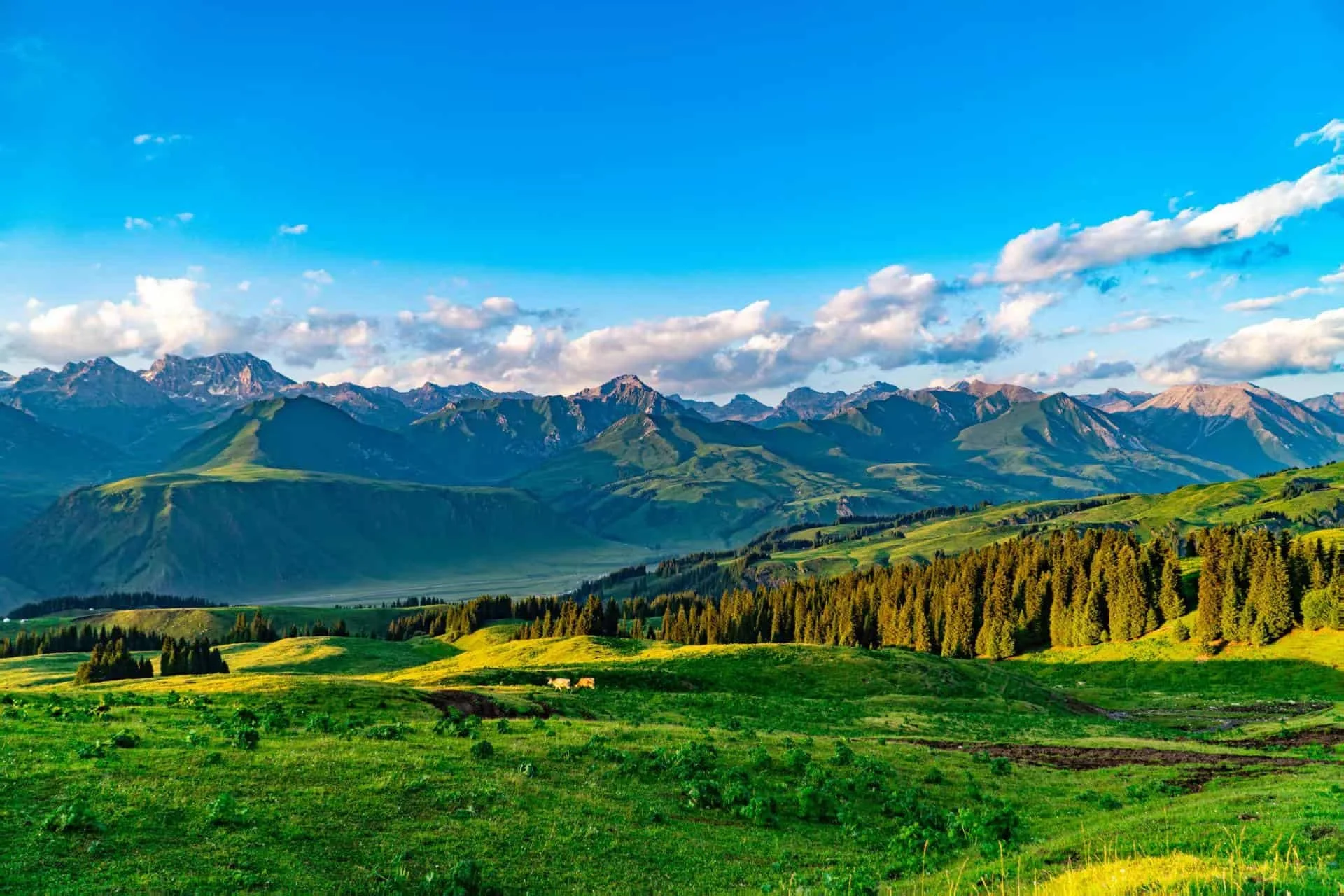 Image 4 of 8
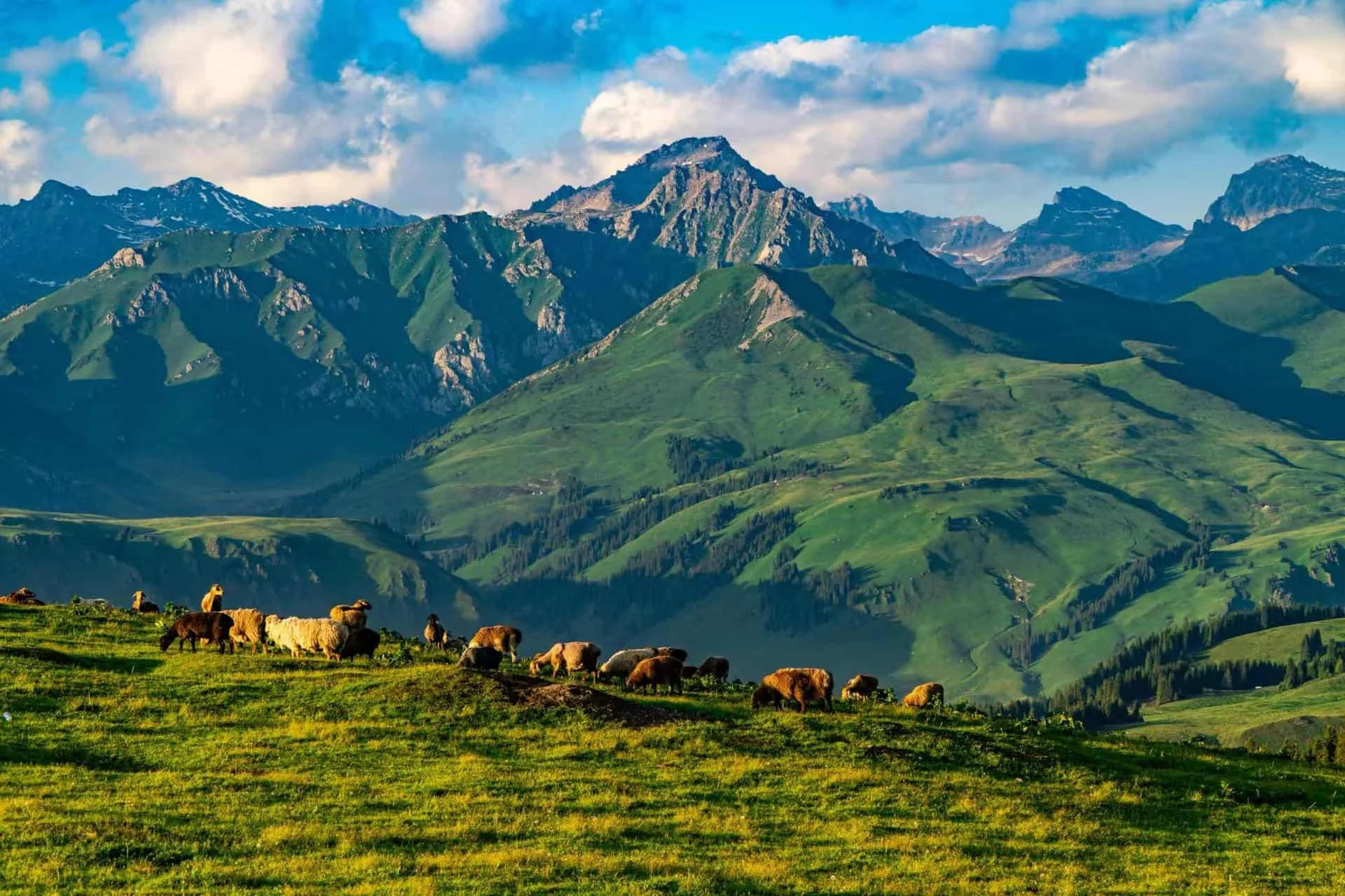 Image 5 of 8
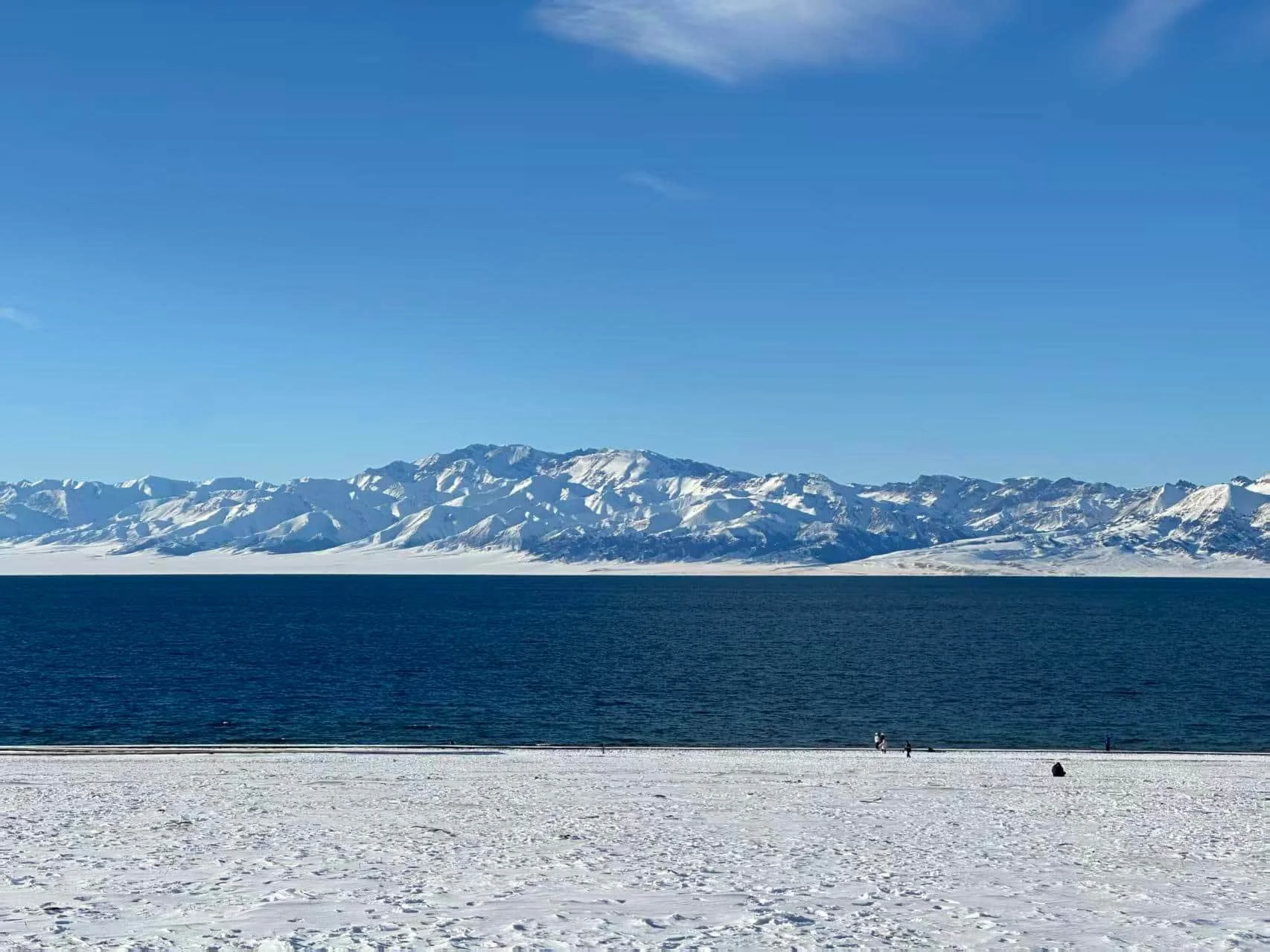 Image 6 of 8
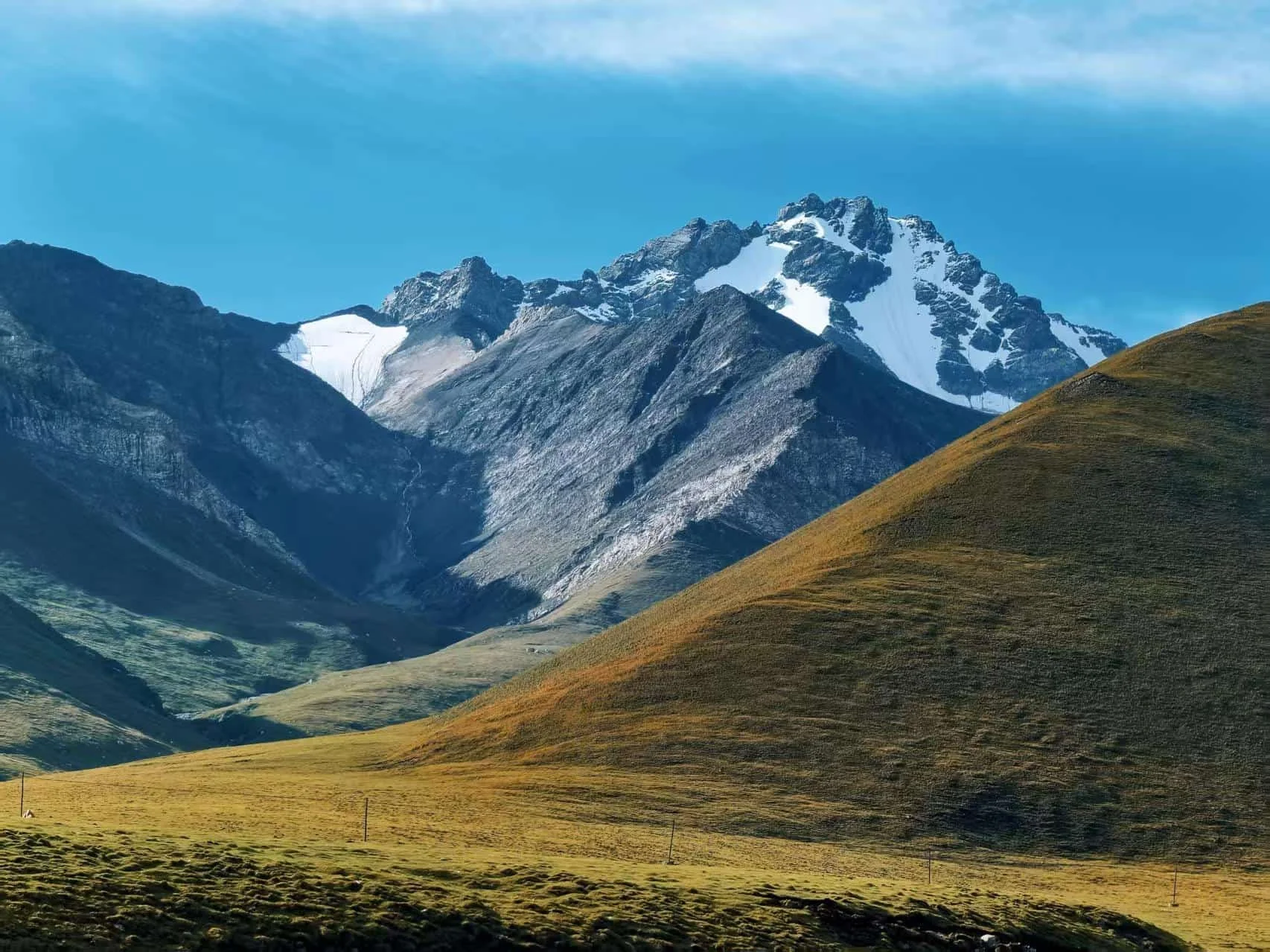 Image 7 of 8
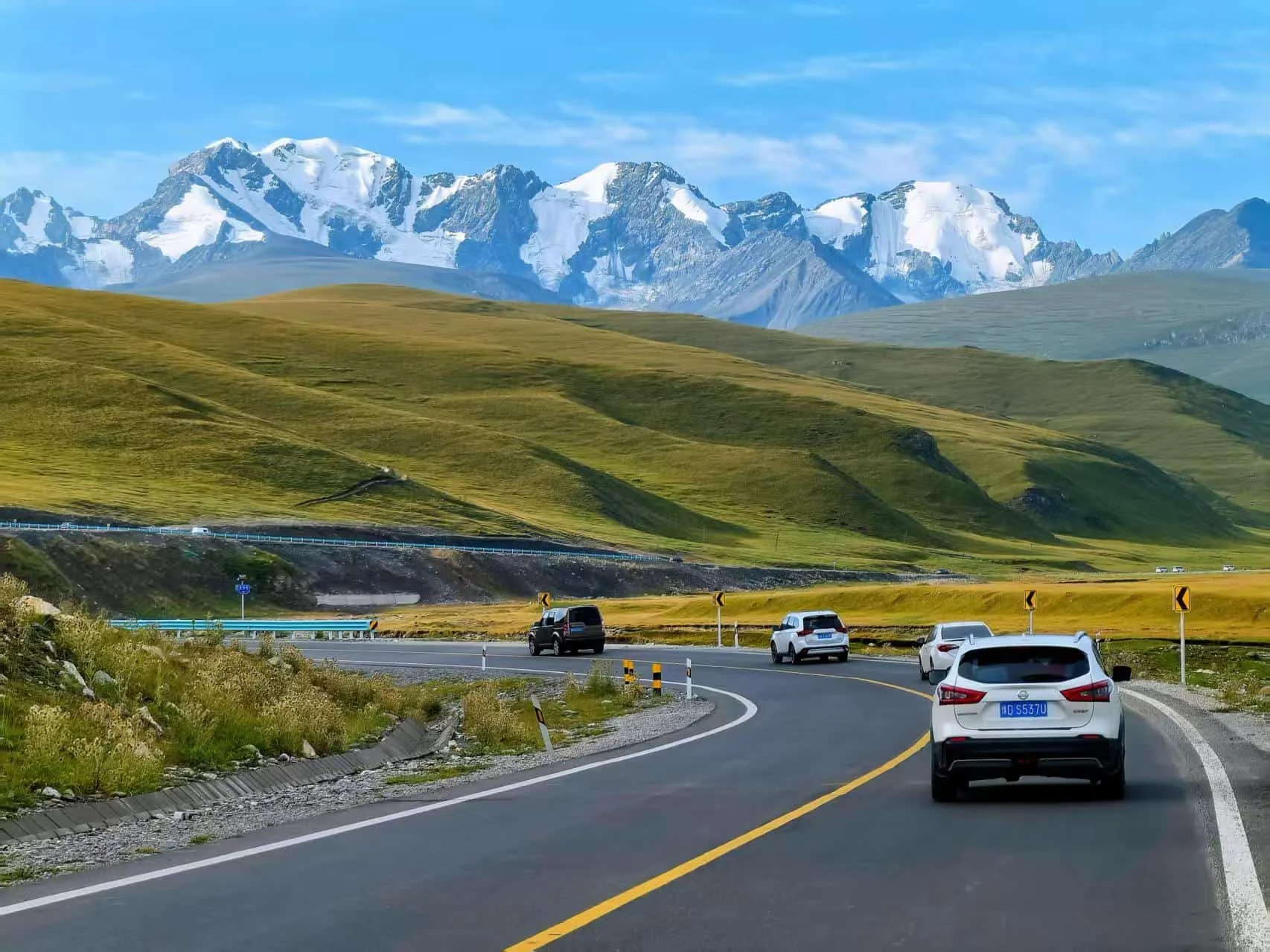 Image 8 of 8
10-Day Northern Xinjiang Tour from Urumqi to Kanas Lake and Duku Highway China
The Ultimate 10-Day Northern Xinjiang Adventure
There are road trips — and then there is Northern Xinjiang. This 10-day private tour is widely considered the single best route in all of China for landscape diversity: in just 10 days, you'll witness glacier-fed alpine lakes, emerald pastures dotted with wildflowers, surreal desert highways, Kazakh yurts rising from endless grass, and the legendary Duku Highway — a road so spectacular it's called "the most beautiful highway in China."
Starting and ending in Urumqi, this carefully designed loop takes you through the Altay Prefecture (home to Kanas Lake — "China's Switzerland"), along the Ili Valley (Xinjiang's most fertile grassland region), and across the Tianshan Mountains via the Duku Highway. With a private guide and vehicle throughout, you set the pace — linger at a viewpoint as long as you like, stop for an impromptu photo, or add a short hike whenever the mood strikes.
🗺️ Route Overview (2,200 km total loop):
Day 1: Arrive Urumqi → hotel rest
Day 2: Urumqi → S21 Desert Highway → Ulungur Lake → Altay
Day 3: Altay → Ahe Highway → Hemu Bridge → Haden Platform → Hemu Village
Day 4: Hemu → Kanas Lake (Three Bays + Rainbow Beach) → Burqin
Day 5: Burqin → World Devil City → Kuytun / Dushanzi
Day 6: Kuytun → Sayram Lake (self-drive tour) → Guozigou → Yining
Day 7: Yining → Xiata Ancient Trail → Muzart Glacier → Tekes (Bagua City)
Day 8: Tekes → Nalati Sky Grassland (photography + BBQ) → Nalati Town
Day 9: Nalati → Tangbula Gallery → Duku Highway North Section → Urumqi
Day 10: Urumqi departure → airport transfer
💡 Why Choose This Tour:
This is the complete Northern Xinjiang experience — the route that serious travelers dream of. You'll cover all the iconic sights (Kanas, Hemu, Sayram Lake, Nalati, Duku Highway) and hidden gems most tour groups skip. The best months are June–September — with July–August for lush grasslands and September for golden autumn birch forests.
Day 1: Arrival in Urumqi — Welcome to Xinjiang!
Touch down in Urumqi (乌鲁木齐), the capital of Xinjiang and one of the most inland cities on Earth — over 2,500 km from the nearest ocean. Your private guide and driver will be waiting at the airport arrival hall, holding a sign with your name. Transfer to your five-star hotel in the city center for check-in and a well-earned rest.
If you arrive with daylight to spare, your guide will be happy to recommend a local dinner — try the Uyghur laghman (hand-pulled noodles) or a sizzling plate of chuanr (lamb kebabs) at a nearby food street. Tomorrow's adventure begins early, so an early night is recommended!
Hotel: Five-star hotel in Urumqi city center (included in tour package).
Day 2: Urumqi to Altay — S21 Desert Highway & Ulungur Lake
Morning — The Spectacular S21 Desert Highway
After breakfast at the hotel, depart Urumqi and head north on the S21 Desert Highway (S21 沙漠高速) — a spectacularly scenic expressway that slices through the Gurbantunggut Desert. Opened to traffic in 2021, this highway cut the driving time from Urumqi to Altay from 10 hours to just 5–6 hours. The views along the way are surreal: endless golden dunes on one side, distant snow peaks on the other, and the occasional desert shrub defiantly clinging to life in the sand.
Your guide will share stories of the highway's construction — an engineering feat that required bridging hundreds of kilometers of shifting sand — and point out the best photo stops along the way. There are designated viewing areas where you can step out onto the dunes and feel the vast silence of the desert.
Midday — Ulungur Lake (乌伦古湖)
About halfway to Altay, stop at Ulungur Lake (also called Fuhai Lake) — a massive, shimmering body of fresh water surrounded by desert steppe. In summer, the lake's surface turns a brilliant turquoise under the noon sun. This is also one of Xinjiang's most important fishing grounds — if you visit between June and August, you might catch local fishermen hauling in their nets.
Enjoy a lakeside lunch at a local fishing village restaurant — the Ulungur cold-water fish (especially the local species of carp and pike) is a regional delicacy you won't find in the cities. Your guide will help you order the freshest catch of the day.
Evening — Arrive in Altay
Arrive in Altay City (阿勒泰市) in the evening — a clean, tree-lined city nestled in the Altay Mountain range near the borders of Mongolia, Russia, and Kazakhstan. The air here is crisp and pine-scented, a refreshing change from the desert flats of the S21. Check into your comfort hotel and enjoy a restful night before tomorrow's journey deeper into the mountains.
Hotel: Comfort hotel in Altay (3–4 star standard).
Day 3: Altay to Hemu Village — The Most Beautiful Village in China
Morning — Ahe Highway (Altay–Hemu Scenic Road)
After breakfast, set out on the Ahe Highway (阿禾公路) — a spectacular mountain road that winds through spruce forests, past rushing mountain streams, and across high alpine meadows. This road only opened to regular traffic in recent years and remains one of the most scenic drives in all of Xinjiang. Keep your camera ready — the views change around every bend.
Stop at Hemu Bridge (禾木桥) for your first glimpse of the Hemu River — a crystal-clear mountain stream rushing over smooth river stones, framed by spruce-covered slopes. The bridge itself is a rustic wooden structure that sways gently underfoot, and it's one of the most photographed spots in the Altay region.
Midday — Haden Viewing Platform (哈登观景台)
Before entering the village, stop at the Haden Viewing Platform (哈登观景台) — the best panoramic viewpoint over Hemu Village. From here, you'll see the entire settlement spread out below: dozens of wooden Tuvan style log cabins with grass-roofed roofs, surrounded by a sea of birch and spruce forest, with snow peaks glowing in the distance. On autumn mornings (September), this view is so beautiful it's almost painful — the birch trees turn a brilliant gold, and the morning mist wraps the village in a soft white veil.
Your guide will explain the unique culture of the Tuvan people — a small ethnic minority group closely related to Mongolian nomads, who have lived in these valleys for generations and are known for their distinctive throat singing, wooden architecture, and deep connection to the forest.
Afternoon — Arrive in Hemu Village & Log Cabin Stay
Enter Hemu Village (禾木村) in the afternoon. This is consistently rated the most beautiful village in China — a place where time moves at the pace of the river, where smoke from woodstove chimneys curls into the crisp mountain air, and where the night sky reveals more stars than you knew existed.
Check into your traditional Tuvan-style log cabin — simple but cozy, with wooden walls, thick quilts, and often a woodstove to keep the mountain chill at bay. After dinner at a local guesthouse (serving hearty noodle soups and fresh dairy from the village's cattle), step outside for some of the best stargazing in China. With zero light pollution, the Milky Way arches directly overhead in a way that will take your breath away.
Accommodation: Traditional log cabin in Hemu Village (rustic charm, clean and comfortable).
Day 4: Hemu to Burqin — Kanas Lake & Rainbow Beach
Morning — Kanas Lake (喀纳斯湖): The Gem of Altay
After an early breakfast, depart Hemu and drive approximately 1 hour to Kanas Lake (喀纳斯湖) — the crown jewel of Xinjiang's Altay region and the centerpiece of Kanas Nature Reserve (a UNESCO Global Geopark). The lake is a staggering 1,900 meters above sea level, 24 km long, and fills a glacial valley with water so deeply turquoise it almost doesn't look real.
Visit the famous Three Bays (三湾) along the lakeshore — each with its own character:
• Wolong Bay (卧龙湾 — "Crouching Dragon Bay"): A wide, shallow section of the Kanas River where a heart-shaped island covered in spruce trees sits in the middle of the turquoise water. The view from the viewing platform is one of the most iconic images of Xinjiang.
• Moon Bay (月亮湾 — "Moon Bay"): A crescent-shaped river bend where the water glows an impossible jade-green. Two footprints etched into a rock on the riverbank are said (in local legend) to be the imprints left by a deity who stepped here while crossing the mountains.
• Fairy Bay (神仙湾 — "Immortal Bay"): A misty, shallow stretch of river where countless small islets create a labyrinth of glowing water. In the early morning, when the mist still hugs the surface, it truly looks like a place where immortals might walk.
Your guide will lead you along the wooden boardwalks that hug the shoreline — the paths are well-maintained with minimal elevation gain, and every few steps reveals another postcard-perfect view. In autumn (mid-September), the birch forests along the shore turn a blinding gold — this is widely considered the most beautiful season at Kanas.
Afternoon — Rainbow Beach (五彩滩)
After exploring Kanas, drive approximately 2 hours to Rainbow Beach (五彩滩) near the town of Burqin. This is one of the most surreal landscapes in Xinjiang — a vast expanse of colorful eroded badlands on the north bank of the Irtysh River, where wind and water have sculpted the soft rock into bizarre pillars, caves, and ridges in shades of red, orange, yellow, and purple.
The best time to visit is sunset — as the sun drops, the colorful rocks glow intensly, while the Irtysh River on the opposite bank reflects the colors in its calm surface. The contrast between the rugged, colorful badlands on one side and the lush green poplar forest on the other is striking — it's like two different planets separated by a single river.
Evening — Arrive in Burqin
After sunset, drive 20 minutes to Burqin (布尔津) — a cheerful riverside town famous for its colorful, fairytale-style architecture and its night food market. Check into your comfort hotel and then head straight to the Burqin Night Market (布尔津夜市) — a row of sizzling grills and steaming pots lining the riverfront. The must-try dish here is grilled cold-water fish (烤冷水鱼) — freshly caught from the Irtysh River and grilled over charcoal with cumin and chili. It's so good that many travelers say the Burqin night market alone is worth the entire trip to Altay.
Hotel: Comfort hotel in Burqin (3–4 star standard).
Day 5: Burqin to Kuytun/Dushanzi — World Devil City
Morning & Afternoon — World Devil City (世界魔鬼城)
After breakfast, depart Burqin and drive south toward the Junggar Basin (准噶尔盆地). The landscape gradually transforms from mountain forest to arid desert steppe, and around midday you'll arrive at one of Xinjiang's most otherworldly landscapes: the World Devil City (世界魔鬼城), also known as Wind City (风城).
This is a massive yardang (wind-eroded) landscape — thousands of sandstone pillars, some as tall as 20 meters, sculpted over millions of years by the relentless Gobi wind. The wind howls through the narrow passages between the pillars, creating eery, wailing sounds that gave the place its name: at night, it's said to sound like screaming spirits. By day, it looks like the set of a sci-fi film about an abandoned alien city.
Take the scenic area shuttle bus (included) through the formations — there are designated stops where you can step out and walk among the stone pillars. Your guide will point out formations that resemble animals, castles, and human faces — the Chinese tradition of "finding the picture in the stone." The golden light of late afternoon is the best time for photography here, as it brings out the rich red and orange tones of the rock.
The Devil City is also famous as a filming location for the Chinese road movie Cars (cars racing in the desert) and numerous other films. You might recognize the landscape even if you've never been here before.
Evening — Arrive in Kuytun or Dushanzi
Continue driving south and arrive in either Kuytun (奎屯) or Dushanzi (独山子) in the evening — both are industrial cities at the northern foot of the Tianshan Mountains, and both serve as gateways to the spectacular scenery that awaits tomorrow. Check into your comfort hotel and rest well — tomorrow you'll reach Sayram Lake, one of the most beautiful alpine lakes in the world.
Hotel: Comfort hotel in Kuytun or Dushanzi (3–4 star standard).
Day 6: Kuytun to Yining — Sayram Lake & Guozigou Valley
Morning — Sayram Lake (赛里木湖): The Last Tear of the Atlantic
An early departure today for one of Xinjiang's absolute highlights. Drive southwest from Kuytun toward the Tianshan Mountains, climbing steadily until you reach the Guozigou (果子沟 — "Fruit Valley") — a spectacular mountain pass with a highway that spirals through deep gorges and past rushing waterfalls. The views from the Guozigou Bridge (a stunning piece of engineering that spans a 200-meter-deep canyon) are breathtaking — on clear days, you can see all the way to Sayram Lake in the distance.
Arrive at Sayram Lake (赛里木湖) — known as "the last tear of the Atlantic Ocean" because it is the easternmost point reached by Atlantic Ocean moisture-carrying air currents. At 2,073 meters above sea level and covering 453 square kilometers, this is the largest alpine lake in Xinjiang. The water is an impossible, electric blue — so clear you can see pebbles on the lake floor 10 meters down — and it's framed by snow-capped Tianshan peaks that reflect perfectly in the still surface.
Enjoy a self-drive tour around the lake (your private vehicle follows the scenic lakeside road, with frequent stops for photos). In late May and June, the lakeside meadows burst into bloom with wild lilies, primroses, and forget-me-nots — a carpet of color against the blue water and white snow peaks. In summer, the local Mongol and Kazakh herders bring their sheep and horses to graze on the lakeside grassland, and you might see white yurts dotting the shore.
Afternoon — Guozigou & Arrival in Yining
After circling the lake, cross the Guozigou Bridge — one of China's most spectacular highway bridges, spanning a deep green valley at 200 meters above the canyon floor. The views from the bridge are so good that there's a dedicated viewing area where you can pull over and walk onto a glass-bottomed observation platform.
Continue to Yining (伊宁), the capital of the Ili Kazakh Autonomous Prefecture and the cultural heart of Xinjiang's Kazakh community. In the evening, take a stroll along Liuxing Street (六星街 — "Six-Star Street") — a historic neighborhood built in a unique radiating-street pattern, filled with Kazakh music venues, Islamic-style architecture, and some of the best food in Xinjiang. Try the ice cream (伊犁冰淇淋) from a local shop — it's made with local cream and honey and is legendarily good.
Hotel: Comfort hotel in Yining (3–4 star standard).
Day 7: Yining to Tekes — Xiata Ancient Trail, Muzart Glacier & Bagua City
Morning — Xiata Ancient Trail (夏塔古道) & Muzart Glacier
After breakfast, drive south from Yining into the Tekes River Valley, heading toward the foot of the Tianshan's highest peak. The destination is the Xiata Ancient Trail (夏塔古道) — an ancient Silk Road pass that connected the Ili Valley to the Tarim Basin, and one of the most spectacular hiking areas in Xinjiang.
Even if you don't do the full multi-day trek (which requires permits and serious fitness), the day-visit area along the Xiata River is spectacular. A scenic shuttle bus takes you deep into the valley, and from there you can walk along a flat riverside path with the Muzart Glacier (木扎尔特冰川) looming dramatically at the valley's end. On clear days, you can see the glacier's blue-white surface glowing against the dark rock of the mountain — it's one of the most accessible glacier viewpoints in all of China.
Your guide will explain the history of the Xiata Trail — how it was used for over 1,000 years by Silk Road traders, Buddhist monks, and military expeditions. The Tang Dynasty monk Xuanzang (the real-life inspiration for Journey to the West) is believed to have passed this way on his return from India with Buddhist scriptures.
Afternoon — Tekes (Bagua City) & Lijie Street
After Xiata, continue to Tekes (特克斯) — famously known as Bagua City (八卦城 — "Eight Trigrams City") because its entire layout is designed in the shape of the Bagua (Eight Trigrams) from the I Ching (Book of Changes). The city has no traffic lights — because the circular, trigram-based street layout makes them unnecessary. It's a completely unique urban design that you won't find anywhere else in the world.
Explore Lijie Street (离街) — the city's cultural and food street, where you can see traditional Kazakh and Kyrgyz handicrafts, try local dairy products (the kurt — dried yogurt balls — are an acquired taste but fascinating), and browse textiles and felt rugs made by local ethnic minority artisans.
Check into your characteristic homestay in Tekes — many of these are built in the traditional Kazakh style with intricate wood carvings and courtyards filled with flowers. It's a mucher more atmospheric stay than a standard hotel, and your hosts will often serve homemade jam and milk tea for breakfast.
Accommodation: Characteristic homestay in Tekes (Kazakh-style courtyard house).
Day 8: Tekes to Nalati Town — Nalati Sky Grassland
Morning & Afternoon — Nalati Sky Grassland (那拉提空中草原)
After breakfast, depart Tekes and drive east into the Nalati Grassland (那拉提草原) — one of the four largest alpine grasslands in the world and the crown jewel of Xinjiang's Ili Valley. The name "Nalati" means "place where the sun first appears" in the local language, and it's easy to see why: the grassland faces east, catching the first golden light of dawn, and stretches endlessly across rolling green hills at an elevation of 1,800–2,200 meters.
Nalati is divided into several scenic areas, and your private guide will tailor the visit to your interests:
• Sky Grassland (空中草原): The most famous section — a vast, flat alpine meadow where wildflowers bloom from May to July in every color of the spectrum. Kazakh herders graze their horses and sheep here, and the sight of a lone horseman galloping across the grass with snow peaks behind him is one of the most iconic images of Xinjiang.
• Ethnic Costume Travel Photography (民族服饰旅拍): This is one of the most popular activities at Nalati — dress in traditional Kazakh or Mongol costume (your guide can arrange rental) and have a professional-style photoshoot with the grassland and snow peaks as your backdrop. The photos are stunning and make for unforgettable souvenirs.
• Afternoon Tea on the Grassland: Your guide can arrange for a traditional Kazakh-style dastarhan (spread of food) to be laid out on a picnic blanket on the grass — homemade bread, fresh cheese, nuts, dried fruit, and milk tea. Sitting on the grassland with a hot cup of milk tea in your hand, looking out at the endless green hills — this is the essence of Central Asian travel.
• Traditional Barbecue (草原烧烤): In the late afternoon, enjoy a traditional Kazakh barbecue on the grassland — fresh lamb skewers grilled over an open fire, flatbread baked on a metal griddle, and perhaps even a whole roasted lamb if your group is large enough. Eating beneath the open sky with the Tianshan peaks watching over you is an experience you'll remember for the rest of your life.
Evening — Arrive in Nalati Town
After a full day on the grassland, drive to Nalati Town (那拉提镇) for the night. Check into your characteristic homestay — many of these are run by local Kazakh families and offer a genuine cultural experience. After dinner, you might have the chance to listen to traditional dombra (two-stringed lute) music performed by the host — the haunting, melodic sound of the dombra under the stars is something you won't soon forget.
Accommodation: Characteristic homestay in Nalati Town (Kazakh-style guesthouse).
Day 9: Nalati to Urumqi via Duku Highway — The Most Beautiful Road in China
Morning — Tangbula Hundred-Mile Gallery (唐布拉百里画廊)
After breakfast, depart Nalati and drive north along the beginning of the Duku Highway (独库公路). The first highlight is the Tangbula Hundred-Mile Gallery (唐布拉百里画廊) — a spectacular stretch of the Duku route where the road winds along the Tangbula River, past jagged limestone peaks, lush green meadows, and cascading waterfalls. The name "Hundred-Mile Gallery" is no exaggeration — every kilometer reveals a new composition of mountain, water, forest, and grassland that looks like a traditional Chinese landscape painting brought to life.
There are numerous scenic pull-offs along this section — your guide will stop at the best ones for photos. In June and July, the wildflower meadows are at their peak, and you might see Kazakh herders moving their flocks along the roadside (a reminder that this is still very much a working landscape, not just a scenic highway).
Midday & Afternoon — Duku Highway North Section (独库公路北段)
Continue along the Northern Section of the Duku Highway — widely considered the most spectacular stretch of this legendary road. The Duku Highway (G217) is a 561-km road that crosses the Tianshan Mountains from north to south, connecting Kuytun/Dushanzi to Kuqa in the south. It's only open from approximately June to September each year (the rest of the time it's closed due to snow), and driving it is considered a pilgrimage for Chinese road trippers.
The Northern Section in particular is breathtaking: the road climbs to over 3,400 meters at Hashilegen Daban (哈希勒根达坂) — a high mountain pass where there's snow on the ground even in midsummer, and where you can sometimes see marmots popping out of their burrows by the roadside. The views from the pass are panoramic — snow peaks in every direction, deep green valleys plunging below, and the road snaking impossibly along the mountain flank.
Your guide will share the incredible history of this road: it was built by the Chinese army over a period of 10 years (1974–1984) using mostly manual labor, and more than 100 soldiers lost their lives during its construction. There's a memorial monument at one of the passes where you can stop to pay respects.
Late Afternoon — Arrive in Urumqi
After descending from the Tianshan passes, the landscape gradually transitions back to the semi-arid flats around Urumqi. Arrive back in the city in the late afternoon or early evening, and check into your four-star hotel. Tonight, celebrate the completion of your epic Northern Xinjiang loop with a special farewell dinner — your guide will recommend the best place for a final Xinjiang feast.
Hotel: Four-star hotel in Urumqi city center.
⚠️ Duku Highway Advisory: The Duku Highway is subject to weather-related closures and traffic control. If the road is closed on the day of your traverse (due to snow, landslides, or heavy rain), we will use the alternative route: Nalati Town → Gongnaisi Daban → National Highway G218 → Tianshan Victory Tunnel → Urumqi. This alternative is also scenic and will get you back to Urumqi safely. Your guide will monitor road conditions and make the decision in your best interest.
Day 10: Departure from Urumqi — Until Next Time, Xinjiang!
After breakfast at the hotel, check out and transfer to Urumqi Diwopu International Airport (URC) according to your flight schedule. Your guide and driver will see you off with warm farewells — and, if you're like most travelers who complete this route, a promise to yourself that you'll be back.
Xinjiang is not a place you visit once. It's a place that gets under your skin — the vastness of the landscapes, the warmth of the Uyghur and Kazakh hospitality, the flavors of the food, the silence of the deserts and the roar of the mountain rivers. This 10-day tour covers the very best of the north — but the south (Kashgar, Taxkorgan, the Karakoram Highway) is waiting for your next trip...
What's Included
✔️ Private English-speaking guide (licensed, local expert, 5+ years experience)
✔️ Private air-conditioned vehicle with professional driver (comfortable SUV or minivan)
✔️ All entrance fees: Kanas Nature Reserve, Hemu Village, Rainbow Beach, World Devil City, Sayram Lake, Xiata Ancient Trail, Nalati Grassland, and all scenic area shuttle buses
✔️ Accommodation for 9 nights:
Night 1: Five-star hotel in Urumqi
Night 2: Comfort hotel in Altay (3–4 star)
Night 3: Traditional log cabin in Hemu Village (rustic charm)
Night 4: Comfort hotel in Burqin (3–4 star)
Night 5: Comfort hotel in Kuytun/Dushanzi (3–4 star)
Night 6: Comfort hotel in Yining (3–4 star)
Night 7: Characteristic homestay in Tekes
Night 8: Characteristic homestay in Nalati Town
Night 9: Four-star hotel in Urumqi
✔️ Daily breakfast at all hotels/homestays
✔️ Bottled water and local snacks during tours
✔️ Hotel pickup and drop-off throughout
What's Not Included
✘ Lunch and dinner (your guide will recommend the best local restaurants; budget approx. ¥60–120 per meal)
✘ Domestic flights to/from Urumqi (we can help you book — just ask!)
✘ Travel insurance (highly recommended)
✘ Gratuities (optional, at your discretion)
✘ Personal expenses (souvenirs, horseback riding, etc.)
Practical Information
🚶 Walking Level: Moderate. This tour involves some walking at scenic areas (Kanas Three Bays boardwalk: ~2–3 hours total; Xiata Ancient Trail: flat riverside walk, 1–2 hours; Nalati Grassland: minimal walking, mostly scenic driving with short walks). The tour is suitable for travelers with a moderate fitness level. Not suitable for travelers with severe mobility issues.
👟 What to Wear: Sturdy walking shoes with good grip. Layered clothing is essential — Xinjiang's temperature range is extreme: it can be 30°C in the desert and 5°C on a mountain pass on the same day. Bring a warm fleece or light down jacket even in summer. Sun hat, sunglasses, and sunscreen are mandatory (the UV at altitude is intense).
📅 Best Time to Visit: June–September. June–July: Grasslands are lush and wildflowers are in bloom. August: Warmest month, best for high mountain areas. September: Autumn colors (golden birch forests at Kanas and Hemu) — widely considered the most beautiful month, but book well in advance. October–May: Duku Highway is closed; Kanas area is very cold but spectacular in snow.
🎒 What to Bring: Passport (required for hotel check-in and some scenic area entries); reusable water bottle; personal medications; power bank (long driving days); camera with extra batteries; cash (small bills) for rural areas; lip balm and moisturizer (Xinjiang is extremely dry).
🚗 About the Driving: This is a road trip with significant driving time — approximately 2,200 km total. The longest driving day is Day 2 (Urumqi to Altay, ~6 hours) and Day 9 (Nalati to Urumqi via Duku, ~7–8 hours including stops). All driving is in a private vehicle with a professional driver, so you can relax, sleep, or enjoy the scenery. Frequent photo and rest stops are included.
👨👩👧👦 Family Friendly: This tour is suitable for families with children aged 8+. The driving days are long but broken up with spectacular scenery. Children especially love the horses and yurts at Nalati, the "dinosaur" landscape of Devil City, and the stargazing at Hemu Village.
📌 Important Notes:
1. Duku Highway Season: The Duku Highway is typically open from June 1 to September 30 each year (weather permitting). If your tour falls outside this window, we will adjust the itinerary to use the alternative route (G218 via Gongnaisi and Tianshan Victory Tunnel). The adjustment does not reduce the quality of the experience.
2. Altitude: Sayram Lake (2,073m) and Duku Highway passes (up to 3,400m) involve moderate altitude. Most travelers experience no issues, but those with heart or respiratory conditions should consult their doctor before traveling.
3. Weather Variability: Xinjiang's weather can change rapidly, especially in the mountains. Always carry a warm layer, even in summer. Your guide monitors weather and road conditions daily and will adjust the itinerary if necessary for safety.
4. Accommodation in Hemu: The log cabins in Hemu Village are rustic — they have clean bedding, private bathrooms (in most), and woodstove heating, but do not expect big-city hotel luxury. The experience of staying in the village is the point — and most travelers say it's their favorite night of the trip.
Why Travel with Us?
At LynxTravel, we believe that the best travel experiences come from freedom, flexibility, and local expertise. This isn't a bus tour with 40 strangers and a fixed schedule. It's your journey, guided by someone who knows every bend in the Duku Highway, every hidden photo spot at Kanas, and the best family-run restaurant in Burqin. We handle the logistics — permits, hotel bookings, route planning, daily timing — so you can focus on the landscapes, the people, and the moments that will stay with you long after you've returned home.
From the golden birch forests of Hemu to the glacial blue of Sayram Lake, from the otherworldly pillars of Devil City to the flower-filled meadows of Nalati — Northern Xinjiang will change the way you think about China. Book your 10-day adventure today.
The Ultimate 10-Day Northern Xinjiang Adventure
There are road trips — and then there is Northern Xinjiang. This 10-day private tour is widely considered the single best route in all of China for landscape diversity: in just 10 days, you'll witness glacier-fed alpine lakes, emerald pastures dotted with wildflowers, surreal desert highways, Kazakh yurts rising from endless grass, and the legendary Duku Highway — a road so spectacular it's called "the most beautiful highway in China."
Starting and ending in Urumqi, this carefully designed loop takes you through the Altay Prefecture (home to Kanas Lake — "China's Switzerland"), along the Ili Valley (Xinjiang's most fertile grassland region), and across the Tianshan Mountains via the Duku Highway. With a private guide and vehicle throughout, you set the pace — linger at a viewpoint as long as you like, stop for an impromptu photo, or add a short hike whenever the mood strikes.
🗺️ Route Overview (2,200 km total loop):
Day 1: Arrive Urumqi → hotel rest
Day 2: Urumqi → S21 Desert Highway → Ulungur Lake → Altay
Day 3: Altay → Ahe Highway → Hemu Bridge → Haden Platform → Hemu Village
Day 4: Hemu → Kanas Lake (Three Bays + Rainbow Beach) → Burqin
Day 5: Burqin → World Devil City → Kuytun / Dushanzi
Day 6: Kuytun → Sayram Lake (self-drive tour) → Guozigou → Yining
Day 7: Yining → Xiata Ancient Trail → Muzart Glacier → Tekes (Bagua City)
Day 8: Tekes → Nalati Sky Grassland (photography + BBQ) → Nalati Town
Day 9: Nalati → Tangbula Gallery → Duku Highway North Section → Urumqi
Day 10: Urumqi departure → airport transfer
💡 Why Choose This Tour:
This is the complete Northern Xinjiang experience — the route that serious travelers dream of. You'll cover all the iconic sights (Kanas, Hemu, Sayram Lake, Nalati, Duku Highway) and hidden gems most tour groups skip. The best months are June–September — with July–August for lush grasslands and September for golden autumn birch forests.
Day 1: Arrival in Urumqi — Welcome to Xinjiang!
Touch down in Urumqi (乌鲁木齐), the capital of Xinjiang and one of the most inland cities on Earth — over 2,500 km from the nearest ocean. Your private guide and driver will be waiting at the airport arrival hall, holding a sign with your name. Transfer to your five-star hotel in the city center for check-in and a well-earned rest.
If you arrive with daylight to spare, your guide will be happy to recommend a local dinner — try the Uyghur laghman (hand-pulled noodles) or a sizzling plate of chuanr (lamb kebabs) at a nearby food street. Tomorrow's adventure begins early, so an early night is recommended!
Hotel: Five-star hotel in Urumqi city center (included in tour package).
Day 2: Urumqi to Altay — S21 Desert Highway & Ulungur Lake
Morning — The Spectacular S21 Desert Highway
After breakfast at the hotel, depart Urumqi and head north on the S21 Desert Highway (S21 沙漠高速) — a spectacularly scenic expressway that slices through the Gurbantunggut Desert. Opened to traffic in 2021, this highway cut the driving time from Urumqi to Altay from 10 hours to just 5–6 hours. The views along the way are surreal: endless golden dunes on one side, distant snow peaks on the other, and the occasional desert shrub defiantly clinging to life in the sand.
Your guide will share stories of the highway's construction — an engineering feat that required bridging hundreds of kilometers of shifting sand — and point out the best photo stops along the way. There are designated viewing areas where you can step out onto the dunes and feel the vast silence of the desert.
Midday — Ulungur Lake (乌伦古湖)
About halfway to Altay, stop at Ulungur Lake (also called Fuhai Lake) — a massive, shimmering body of fresh water surrounded by desert steppe. In summer, the lake's surface turns a brilliant turquoise under the noon sun. This is also one of Xinjiang's most important fishing grounds — if you visit between June and August, you might catch local fishermen hauling in their nets.
Enjoy a lakeside lunch at a local fishing village restaurant — the Ulungur cold-water fish (especially the local species of carp and pike) is a regional delicacy you won't find in the cities. Your guide will help you order the freshest catch of the day.
Evening — Arrive in Altay
Arrive in Altay City (阿勒泰市) in the evening — a clean, tree-lined city nestled in the Altay Mountain range near the borders of Mongolia, Russia, and Kazakhstan. The air here is crisp and pine-scented, a refreshing change from the desert flats of the S21. Check into your comfort hotel and enjoy a restful night before tomorrow's journey deeper into the mountains.
Hotel: Comfort hotel in Altay (3–4 star standard).
Day 3: Altay to Hemu Village — The Most Beautiful Village in China
Morning — Ahe Highway (Altay–Hemu Scenic Road)
After breakfast, set out on the Ahe Highway (阿禾公路) — a spectacular mountain road that winds through spruce forests, past rushing mountain streams, and across high alpine meadows. This road only opened to regular traffic in recent years and remains one of the most scenic drives in all of Xinjiang. Keep your camera ready — the views change around every bend.
Stop at Hemu Bridge (禾木桥) for your first glimpse of the Hemu River — a crystal-clear mountain stream rushing over smooth river stones, framed by spruce-covered slopes. The bridge itself is a rustic wooden structure that sways gently underfoot, and it's one of the most photographed spots in the Altay region.
Midday — Haden Viewing Platform (哈登观景台)
Before entering the village, stop at the Haden Viewing Platform (哈登观景台) — the best panoramic viewpoint over Hemu Village. From here, you'll see the entire settlement spread out below: dozens of wooden Tuvan style log cabins with grass-roofed roofs, surrounded by a sea of birch and spruce forest, with snow peaks glowing in the distance. On autumn mornings (September), this view is so beautiful it's almost painful — the birch trees turn a brilliant gold, and the morning mist wraps the village in a soft white veil.
Your guide will explain the unique culture of the Tuvan people — a small ethnic minority group closely related to Mongolian nomads, who have lived in these valleys for generations and are known for their distinctive throat singing, wooden architecture, and deep connection to the forest.
Afternoon — Arrive in Hemu Village & Log Cabin Stay
Enter Hemu Village (禾木村) in the afternoon. This is consistently rated the most beautiful village in China — a place where time moves at the pace of the river, where smoke from woodstove chimneys curls into the crisp mountain air, and where the night sky reveals more stars than you knew existed.
Check into your traditional Tuvan-style log cabin — simple but cozy, with wooden walls, thick quilts, and often a woodstove to keep the mountain chill at bay. After dinner at a local guesthouse (serving hearty noodle soups and fresh dairy from the village's cattle), step outside for some of the best stargazing in China. With zero light pollution, the Milky Way arches directly overhead in a way that will take your breath away.
Accommodation: Traditional log cabin in Hemu Village (rustic charm, clean and comfortable).
Day 4: Hemu to Burqin — Kanas Lake & Rainbow Beach
Morning — Kanas Lake (喀纳斯湖): The Gem of Altay
After an early breakfast, depart Hemu and drive approximately 1 hour to Kanas Lake (喀纳斯湖) — the crown jewel of Xinjiang's Altay region and the centerpiece of Kanas Nature Reserve (a UNESCO Global Geopark). The lake is a staggering 1,900 meters above sea level, 24 km long, and fills a glacial valley with water so deeply turquoise it almost doesn't look real.
Visit the famous Three Bays (三湾) along the lakeshore — each with its own character:
• Wolong Bay (卧龙湾 — "Crouching Dragon Bay"): A wide, shallow section of the Kanas River where a heart-shaped island covered in spruce trees sits in the middle of the turquoise water. The view from the viewing platform is one of the most iconic images of Xinjiang.
• Moon Bay (月亮湾 — "Moon Bay"): A crescent-shaped river bend where the water glows an impossible jade-green. Two footprints etched into a rock on the riverbank are said (in local legend) to be the imprints left by a deity who stepped here while crossing the mountains.
• Fairy Bay (神仙湾 — "Immortal Bay"): A misty, shallow stretch of river where countless small islets create a labyrinth of glowing water. In the early morning, when the mist still hugs the surface, it truly looks like a place where immortals might walk.
Your guide will lead you along the wooden boardwalks that hug the shoreline — the paths are well-maintained with minimal elevation gain, and every few steps reveals another postcard-perfect view. In autumn (mid-September), the birch forests along the shore turn a blinding gold — this is widely considered the most beautiful season at Kanas.
Afternoon — Rainbow Beach (五彩滩)
After exploring Kanas, drive approximately 2 hours to Rainbow Beach (五彩滩) near the town of Burqin. This is one of the most surreal landscapes in Xinjiang — a vast expanse of colorful eroded badlands on the north bank of the Irtysh River, where wind and water have sculpted the soft rock into bizarre pillars, caves, and ridges in shades of red, orange, yellow, and purple.
The best time to visit is sunset — as the sun drops, the colorful rocks glow intensly, while the Irtysh River on the opposite bank reflects the colors in its calm surface. The contrast between the rugged, colorful badlands on one side and the lush green poplar forest on the other is striking — it's like two different planets separated by a single river.
Evening — Arrive in Burqin
After sunset, drive 20 minutes to Burqin (布尔津) — a cheerful riverside town famous for its colorful, fairytale-style architecture and its night food market. Check into your comfort hotel and then head straight to the Burqin Night Market (布尔津夜市) — a row of sizzling grills and steaming pots lining the riverfront. The must-try dish here is grilled cold-water fish (烤冷水鱼) — freshly caught from the Irtysh River and grilled over charcoal with cumin and chili. It's so good that many travelers say the Burqin night market alone is worth the entire trip to Altay.
Hotel: Comfort hotel in Burqin (3–4 star standard).
Day 5: Burqin to Kuytun/Dushanzi — World Devil City
Morning & Afternoon — World Devil City (世界魔鬼城)
After breakfast, depart Burqin and drive south toward the Junggar Basin (准噶尔盆地). The landscape gradually transforms from mountain forest to arid desert steppe, and around midday you'll arrive at one of Xinjiang's most otherworldly landscapes: the World Devil City (世界魔鬼城), also known as Wind City (风城).
This is a massive yardang (wind-eroded) landscape — thousands of sandstone pillars, some as tall as 20 meters, sculpted over millions of years by the relentless Gobi wind. The wind howls through the narrow passages between the pillars, creating eery, wailing sounds that gave the place its name: at night, it's said to sound like screaming spirits. By day, it looks like the set of a sci-fi film about an abandoned alien city.
Take the scenic area shuttle bus (included) through the formations — there are designated stops where you can step out and walk among the stone pillars. Your guide will point out formations that resemble animals, castles, and human faces — the Chinese tradition of "finding the picture in the stone." The golden light of late afternoon is the best time for photography here, as it brings out the rich red and orange tones of the rock.
The Devil City is also famous as a filming location for the Chinese road movie Cars (cars racing in the desert) and numerous other films. You might recognize the landscape even if you've never been here before.
Evening — Arrive in Kuytun or Dushanzi
Continue driving south and arrive in either Kuytun (奎屯) or Dushanzi (独山子) in the evening — both are industrial cities at the northern foot of the Tianshan Mountains, and both serve as gateways to the spectacular scenery that awaits tomorrow. Check into your comfort hotel and rest well — tomorrow you'll reach Sayram Lake, one of the most beautiful alpine lakes in the world.
Hotel: Comfort hotel in Kuytun or Dushanzi (3–4 star standard).
Day 6: Kuytun to Yining — Sayram Lake & Guozigou Valley
Morning — Sayram Lake (赛里木湖): The Last Tear of the Atlantic
An early departure today for one of Xinjiang's absolute highlights. Drive southwest from Kuytun toward the Tianshan Mountains, climbing steadily until you reach the Guozigou (果子沟 — "Fruit Valley") — a spectacular mountain pass with a highway that spirals through deep gorges and past rushing waterfalls. The views from the Guozigou Bridge (a stunning piece of engineering that spans a 200-meter-deep canyon) are breathtaking — on clear days, you can see all the way to Sayram Lake in the distance.
Arrive at Sayram Lake (赛里木湖) — known as "the last tear of the Atlantic Ocean" because it is the easternmost point reached by Atlantic Ocean moisture-carrying air currents. At 2,073 meters above sea level and covering 453 square kilometers, this is the largest alpine lake in Xinjiang. The water is an impossible, electric blue — so clear you can see pebbles on the lake floor 10 meters down — and it's framed by snow-capped Tianshan peaks that reflect perfectly in the still surface.
Enjoy a self-drive tour around the lake (your private vehicle follows the scenic lakeside road, with frequent stops for photos). In late May and June, the lakeside meadows burst into bloom with wild lilies, primroses, and forget-me-nots — a carpet of color against the blue water and white snow peaks. In summer, the local Mongol and Kazakh herders bring their sheep and horses to graze on the lakeside grassland, and you might see white yurts dotting the shore.
Afternoon — Guozigou & Arrival in Yining
After circling the lake, cross the Guozigou Bridge — one of China's most spectacular highway bridges, spanning a deep green valley at 200 meters above the canyon floor. The views from the bridge are so good that there's a dedicated viewing area where you can pull over and walk onto a glass-bottomed observation platform.
Continue to Yining (伊宁), the capital of the Ili Kazakh Autonomous Prefecture and the cultural heart of Xinjiang's Kazakh community. In the evening, take a stroll along Liuxing Street (六星街 — "Six-Star Street") — a historic neighborhood built in a unique radiating-street pattern, filled with Kazakh music venues, Islamic-style architecture, and some of the best food in Xinjiang. Try the ice cream (伊犁冰淇淋) from a local shop — it's made with local cream and honey and is legendarily good.
Hotel: Comfort hotel in Yining (3–4 star standard).
Day 7: Yining to Tekes — Xiata Ancient Trail, Muzart Glacier & Bagua City
Morning — Xiata Ancient Trail (夏塔古道) & Muzart Glacier
After breakfast, drive south from Yining into the Tekes River Valley, heading toward the foot of the Tianshan's highest peak. The destination is the Xiata Ancient Trail (夏塔古道) — an ancient Silk Road pass that connected the Ili Valley to the Tarim Basin, and one of the most spectacular hiking areas in Xinjiang.
Even if you don't do the full multi-day trek (which requires permits and serious fitness), the day-visit area along the Xiata River is spectacular. A scenic shuttle bus takes you deep into the valley, and from there you can walk along a flat riverside path with the Muzart Glacier (木扎尔特冰川) looming dramatically at the valley's end. On clear days, you can see the glacier's blue-white surface glowing against the dark rock of the mountain — it's one of the most accessible glacier viewpoints in all of China.
Your guide will explain the history of the Xiata Trail — how it was used for over 1,000 years by Silk Road traders, Buddhist monks, and military expeditions. The Tang Dynasty monk Xuanzang (the real-life inspiration for Journey to the West) is believed to have passed this way on his return from India with Buddhist scriptures.
Afternoon — Tekes (Bagua City) & Lijie Street
After Xiata, continue to Tekes (特克斯) — famously known as Bagua City (八卦城 — "Eight Trigrams City") because its entire layout is designed in the shape of the Bagua (Eight Trigrams) from the I Ching (Book of Changes). The city has no traffic lights — because the circular, trigram-based street layout makes them unnecessary. It's a completely unique urban design that you won't find anywhere else in the world.
Explore Lijie Street (离街) — the city's cultural and food street, where you can see traditional Kazakh and Kyrgyz handicrafts, try local dairy products (the kurt — dried yogurt balls — are an acquired taste but fascinating), and browse textiles and felt rugs made by local ethnic minority artisans.
Check into your characteristic homestay in Tekes — many of these are built in the traditional Kazakh style with intricate wood carvings and courtyards filled with flowers. It's a mucher more atmospheric stay than a standard hotel, and your hosts will often serve homemade jam and milk tea for breakfast.
Accommodation: Characteristic homestay in Tekes (Kazakh-style courtyard house).
Day 8: Tekes to Nalati Town — Nalati Sky Grassland
Morning & Afternoon — Nalati Sky Grassland (那拉提空中草原)
After breakfast, depart Tekes and drive east into the Nalati Grassland (那拉提草原) — one of the four largest alpine grasslands in the world and the crown jewel of Xinjiang's Ili Valley. The name "Nalati" means "place where the sun first appears" in the local language, and it's easy to see why: the grassland faces east, catching the first golden light of dawn, and stretches endlessly across rolling green hills at an elevation of 1,800–2,200 meters.
Nalati is divided into several scenic areas, and your private guide will tailor the visit to your interests:
• Sky Grassland (空中草原): The most famous section — a vast, flat alpine meadow where wildflowers bloom from May to July in every color of the spectrum. Kazakh herders graze their horses and sheep here, and the sight of a lone horseman galloping across the grass with snow peaks behind him is one of the most iconic images of Xinjiang.
• Ethnic Costume Travel Photography (民族服饰旅拍): This is one of the most popular activities at Nalati — dress in traditional Kazakh or Mongol costume (your guide can arrange rental) and have a professional-style photoshoot with the grassland and snow peaks as your backdrop. The photos are stunning and make for unforgettable souvenirs.
• Afternoon Tea on the Grassland: Your guide can arrange for a traditional Kazakh-style dastarhan (spread of food) to be laid out on a picnic blanket on the grass — homemade bread, fresh cheese, nuts, dried fruit, and milk tea. Sitting on the grassland with a hot cup of milk tea in your hand, looking out at the endless green hills — this is the essence of Central Asian travel.
• Traditional Barbecue (草原烧烤): In the late afternoon, enjoy a traditional Kazakh barbecue on the grassland — fresh lamb skewers grilled over an open fire, flatbread baked on a metal griddle, and perhaps even a whole roasted lamb if your group is large enough. Eating beneath the open sky with the Tianshan peaks watching over you is an experience you'll remember for the rest of your life.
Evening — Arrive in Nalati Town
After a full day on the grassland, drive to Nalati Town (那拉提镇) for the night. Check into your characteristic homestay — many of these are run by local Kazakh families and offer a genuine cultural experience. After dinner, you might have the chance to listen to traditional dombra (two-stringed lute) music performed by the host — the haunting, melodic sound of the dombra under the stars is something you won't soon forget.
Accommodation: Characteristic homestay in Nalati Town (Kazakh-style guesthouse).
Day 9: Nalati to Urumqi via Duku Highway — The Most Beautiful Road in China
Morning — Tangbula Hundred-Mile Gallery (唐布拉百里画廊)
After breakfast, depart Nalati and drive north along the beginning of the Duku Highway (独库公路). The first highlight is the Tangbula Hundred-Mile Gallery (唐布拉百里画廊) — a spectacular stretch of the Duku route where the road winds along the Tangbula River, past jagged limestone peaks, lush green meadows, and cascading waterfalls. The name "Hundred-Mile Gallery" is no exaggeration — every kilometer reveals a new composition of mountain, water, forest, and grassland that looks like a traditional Chinese landscape painting brought to life.
There are numerous scenic pull-offs along this section — your guide will stop at the best ones for photos. In June and July, the wildflower meadows are at their peak, and you might see Kazakh herders moving their flocks along the roadside (a reminder that this is still very much a working landscape, not just a scenic highway).
Midday & Afternoon — Duku Highway North Section (独库公路北段)
Continue along the Northern Section of the Duku Highway — widely considered the most spectacular stretch of this legendary road. The Duku Highway (G217) is a 561-km road that crosses the Tianshan Mountains from north to south, connecting Kuytun/Dushanzi to Kuqa in the south. It's only open from approximately June to September each year (the rest of the time it's closed due to snow), and driving it is considered a pilgrimage for Chinese road trippers.
The Northern Section in particular is breathtaking: the road climbs to over 3,400 meters at Hashilegen Daban (哈希勒根达坂) — a high mountain pass where there's snow on the ground even in midsummer, and where you can sometimes see marmots popping out of their burrows by the roadside. The views from the pass are panoramic — snow peaks in every direction, deep green valleys plunging below, and the road snaking impossibly along the mountain flank.
Your guide will share the incredible history of this road: it was built by the Chinese army over a period of 10 years (1974–1984) using mostly manual labor, and more than 100 soldiers lost their lives during its construction. There's a memorial monument at one of the passes where you can stop to pay respects.
Late Afternoon — Arrive in Urumqi
After descending from the Tianshan passes, the landscape gradually transitions back to the semi-arid flats around Urumqi. Arrive back in the city in the late afternoon or early evening, and check into your four-star hotel. Tonight, celebrate the completion of your epic Northern Xinjiang loop with a special farewell dinner — your guide will recommend the best place for a final Xinjiang feast.
Hotel: Four-star hotel in Urumqi city center.
⚠️ Duku Highway Advisory: The Duku Highway is subject to weather-related closures and traffic control. If the road is closed on the day of your traverse (due to snow, landslides, or heavy rain), we will use the alternative route: Nalati Town → Gongnaisi Daban → National Highway G218 → Tianshan Victory Tunnel → Urumqi. This alternative is also scenic and will get you back to Urumqi safely. Your guide will monitor road conditions and make the decision in your best interest.
Day 10: Departure from Urumqi — Until Next Time, Xinjiang!
After breakfast at the hotel, check out and transfer to Urumqi Diwopu International Airport (URC) according to your flight schedule. Your guide and driver will see you off with warm farewells — and, if you're like most travelers who complete this route, a promise to yourself that you'll be back.
Xinjiang is not a place you visit once. It's a place that gets under your skin — the vastness of the landscapes, the warmth of the Uyghur and Kazakh hospitality, the flavors of the food, the silence of the deserts and the roar of the mountain rivers. This 10-day tour covers the very best of the north — but the south (Kashgar, Taxkorgan, the Karakoram Highway) is waiting for your next trip...
What's Included
✔️ Private English-speaking guide (licensed, local expert, 5+ years experience)
✔️ Private air-conditioned vehicle with professional driver (comfortable SUV or minivan)
✔️ All entrance fees: Kanas Nature Reserve, Hemu Village, Rainbow Beach, World Devil City, Sayram Lake, Xiata Ancient Trail, Nalati Grassland, and all scenic area shuttle buses
✔️ Accommodation for 9 nights:
Night 1: Five-star hotel in Urumqi
Night 2: Comfort hotel in Altay (3–4 star)
Night 3: Traditional log cabin in Hemu Village (rustic charm)
Night 4: Comfort hotel in Burqin (3–4 star)
Night 5: Comfort hotel in Kuytun/Dushanzi (3–4 star)
Night 6: Comfort hotel in Yining (3–4 star)
Night 7: Characteristic homestay in Tekes
Night 8: Characteristic homestay in Nalati Town
Night 9: Four-star hotel in Urumqi
✔️ Daily breakfast at all hotels/homestays
✔️ Bottled water and local snacks during tours
✔️ Hotel pickup and drop-off throughout
What's Not Included
✘ Lunch and dinner (your guide will recommend the best local restaurants; budget approx. ¥60–120 per meal)
✘ Domestic flights to/from Urumqi (we can help you book — just ask!)
✘ Travel insurance (highly recommended)
✘ Gratuities (optional, at your discretion)
✘ Personal expenses (souvenirs, horseback riding, etc.)
Practical Information
🚶 Walking Level: Moderate. This tour involves some walking at scenic areas (Kanas Three Bays boardwalk: ~2–3 hours total; Xiata Ancient Trail: flat riverside walk, 1–2 hours; Nalati Grassland: minimal walking, mostly scenic driving with short walks). The tour is suitable for travelers with a moderate fitness level. Not suitable for travelers with severe mobility issues.
👟 What to Wear: Sturdy walking shoes with good grip. Layered clothing is essential — Xinjiang's temperature range is extreme: it can be 30°C in the desert and 5°C on a mountain pass on the same day. Bring a warm fleece or light down jacket even in summer. Sun hat, sunglasses, and sunscreen are mandatory (the UV at altitude is intense).
📅 Best Time to Visit: June–September. June–July: Grasslands are lush and wildflowers are in bloom. August: Warmest month, best for high mountain areas. September: Autumn colors (golden birch forests at Kanas and Hemu) — widely considered the most beautiful month, but book well in advance. October–May: Duku Highway is closed; Kanas area is very cold but spectacular in snow.
🎒 What to Bring: Passport (required for hotel check-in and some scenic area entries); reusable water bottle; personal medications; power bank (long driving days); camera with extra batteries; cash (small bills) for rural areas; lip balm and moisturizer (Xinjiang is extremely dry).
🚗 About the Driving: This is a road trip with significant driving time — approximately 2,200 km total. The longest driving day is Day 2 (Urumqi to Altay, ~6 hours) and Day 9 (Nalati to Urumqi via Duku, ~7–8 hours including stops). All driving is in a private vehicle with a professional driver, so you can relax, sleep, or enjoy the scenery. Frequent photo and rest stops are included.
👨👩👧👦 Family Friendly: This tour is suitable for families with children aged 8+. The driving days are long but broken up with spectacular scenery. Children especially love the horses and yurts at Nalati, the "dinosaur" landscape of Devil City, and the stargazing at Hemu Village.
📌 Important Notes:
1. Duku Highway Season: The Duku Highway is typically open from June 1 to September 30 each year (weather permitting). If your tour falls outside this window, we will adjust the itinerary to use the alternative route (G218 via Gongnaisi and Tianshan Victory Tunnel). The adjustment does not reduce the quality of the experience.
2. Altitude: Sayram Lake (2,073m) and Duku Highway passes (up to 3,400m) involve moderate altitude. Most travelers experience no issues, but those with heart or respiratory conditions should consult their doctor before traveling.
3. Weather Variability: Xinjiang's weather can change rapidly, especially in the mountains. Always carry a warm layer, even in summer. Your guide monitors weather and road conditions daily and will adjust the itinerary if necessary for safety.
4. Accommodation in Hemu: The log cabins in Hemu Village are rustic — they have clean bedding, private bathrooms (in most), and woodstove heating, but do not expect big-city hotel luxury. The experience of staying in the village is the point — and most travelers say it's their favorite night of the trip.
Why Travel with Us?
At LynxTravel, we believe that the best travel experiences come from freedom, flexibility, and local expertise. This isn't a bus tour with 40 strangers and a fixed schedule. It's your journey, guided by someone who knows every bend in the Duku Highway, every hidden photo spot at Kanas, and the best family-run restaurant in Burqin. We handle the logistics — permits, hotel bookings, route planning, daily timing — so you can focus on the landscapes, the people, and the moments that will stay with you long after you've returned home.
From the golden birch forests of Hemu to the glacial blue of Sayram Lake, from the otherworldly pillars of Devil City to the flower-filled meadows of Nalati — Northern Xinjiang will change the way you think about China. Book your 10-day adventure today.