
 Image 1 of 8
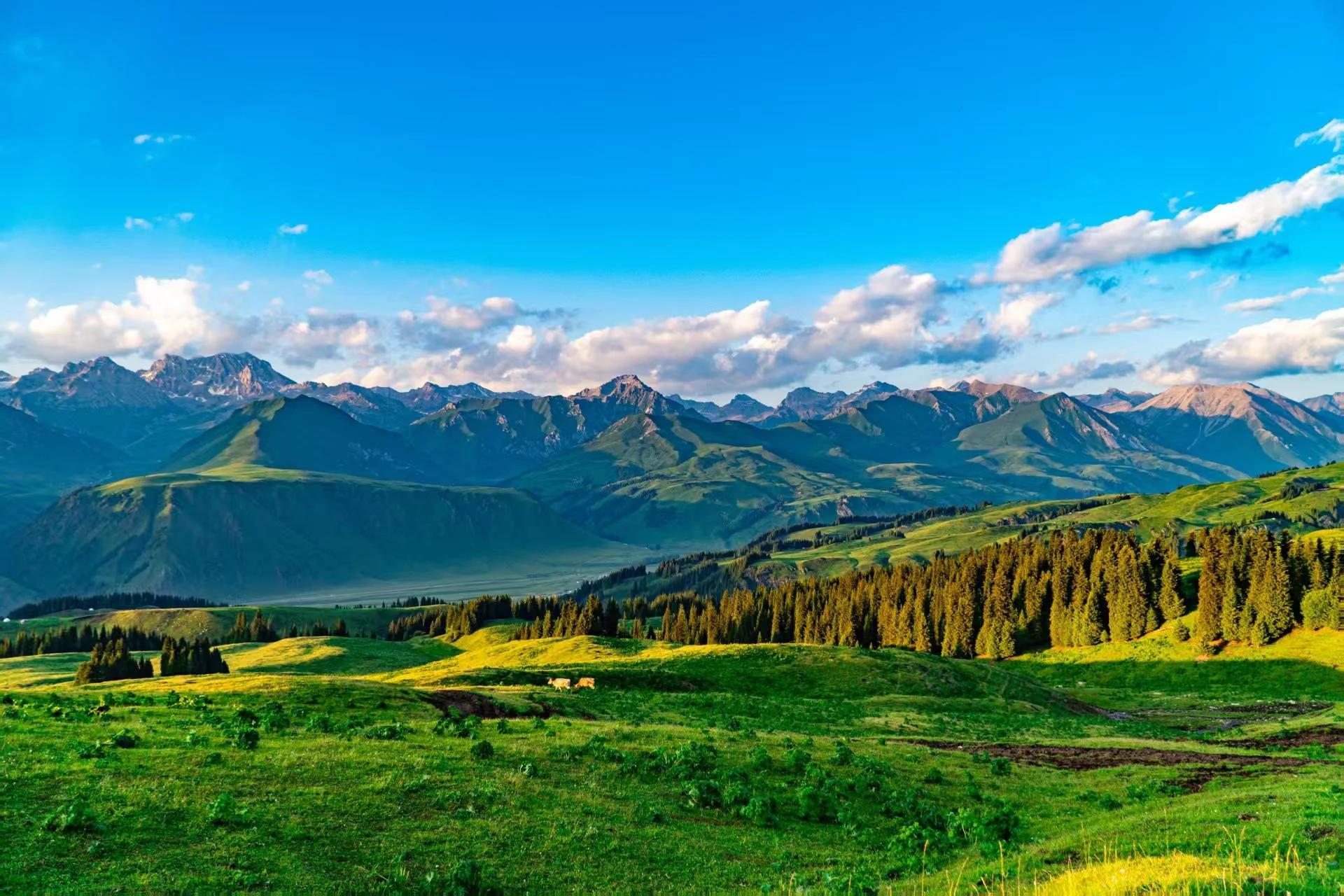 Image 2 of 8
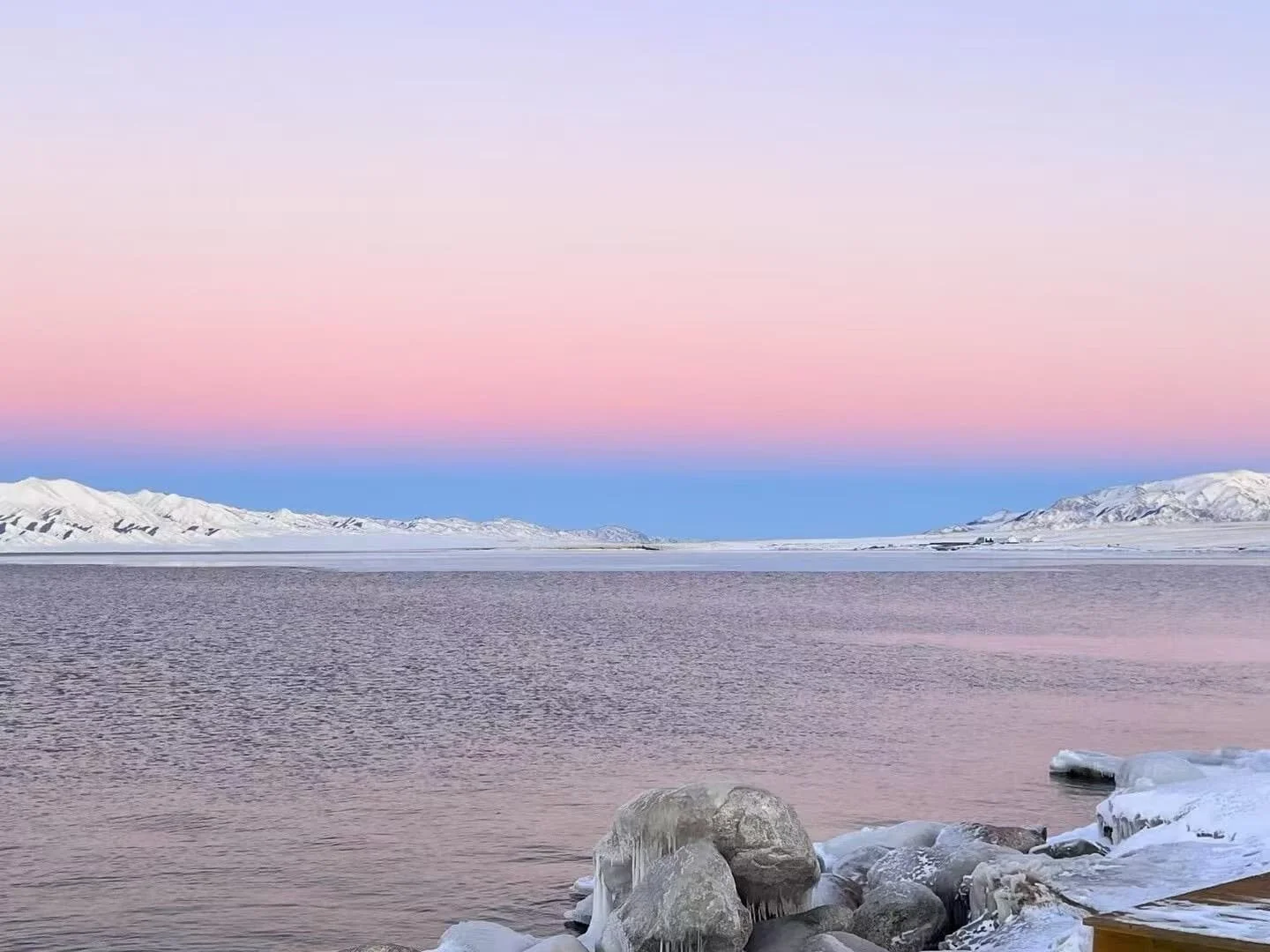 Image 3 of 8
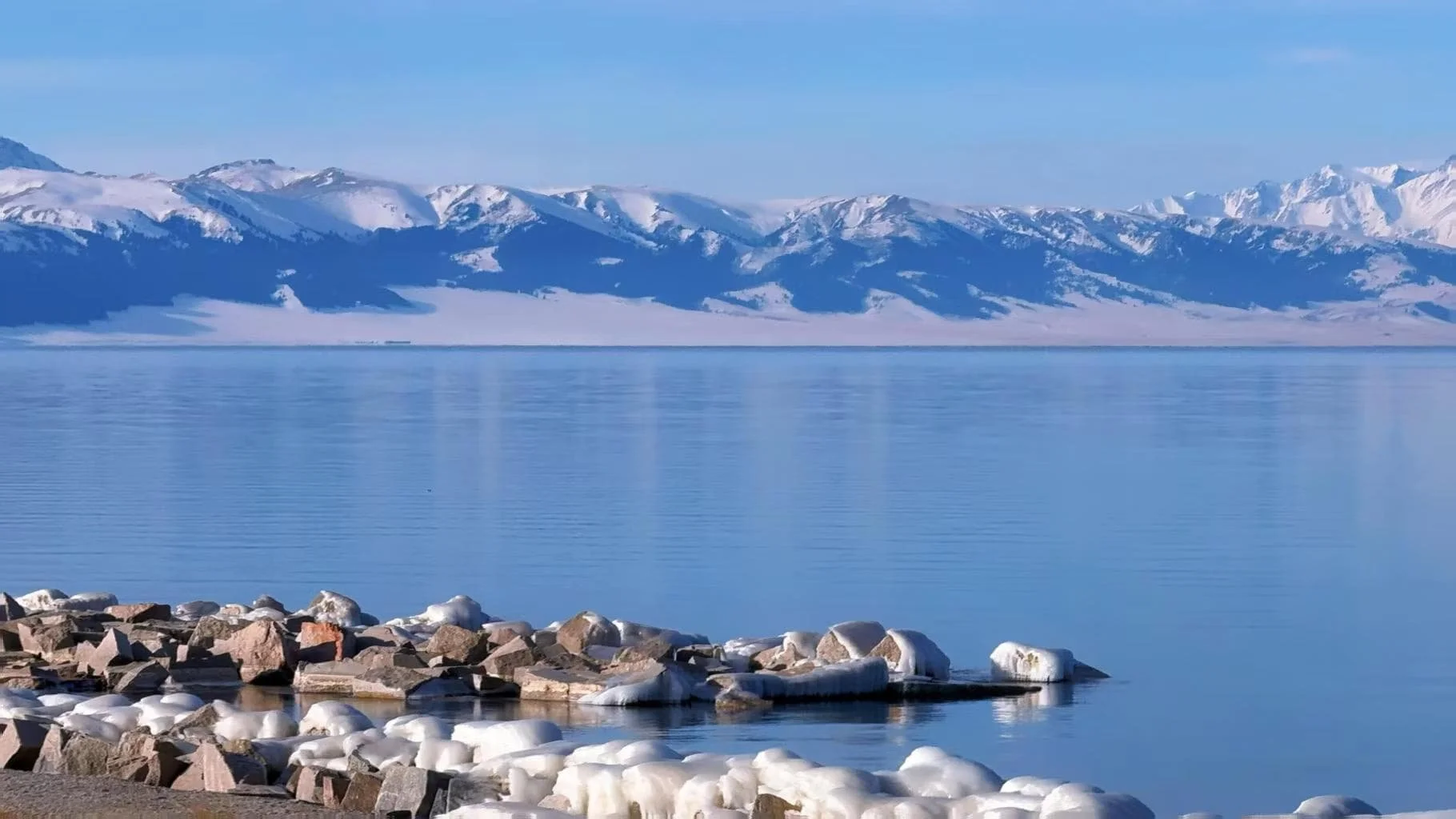 Image 4 of 8
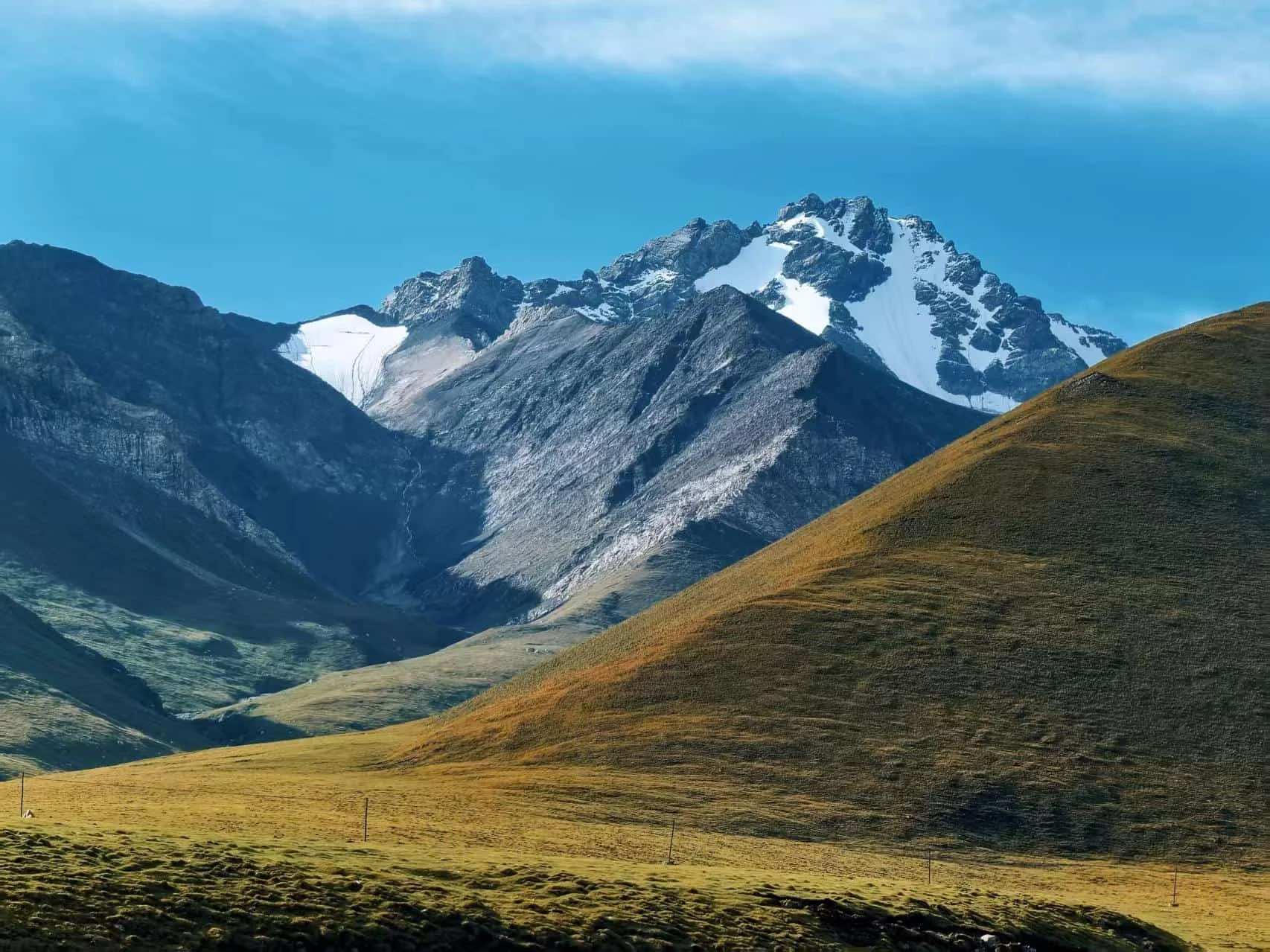 Image 5 of 8
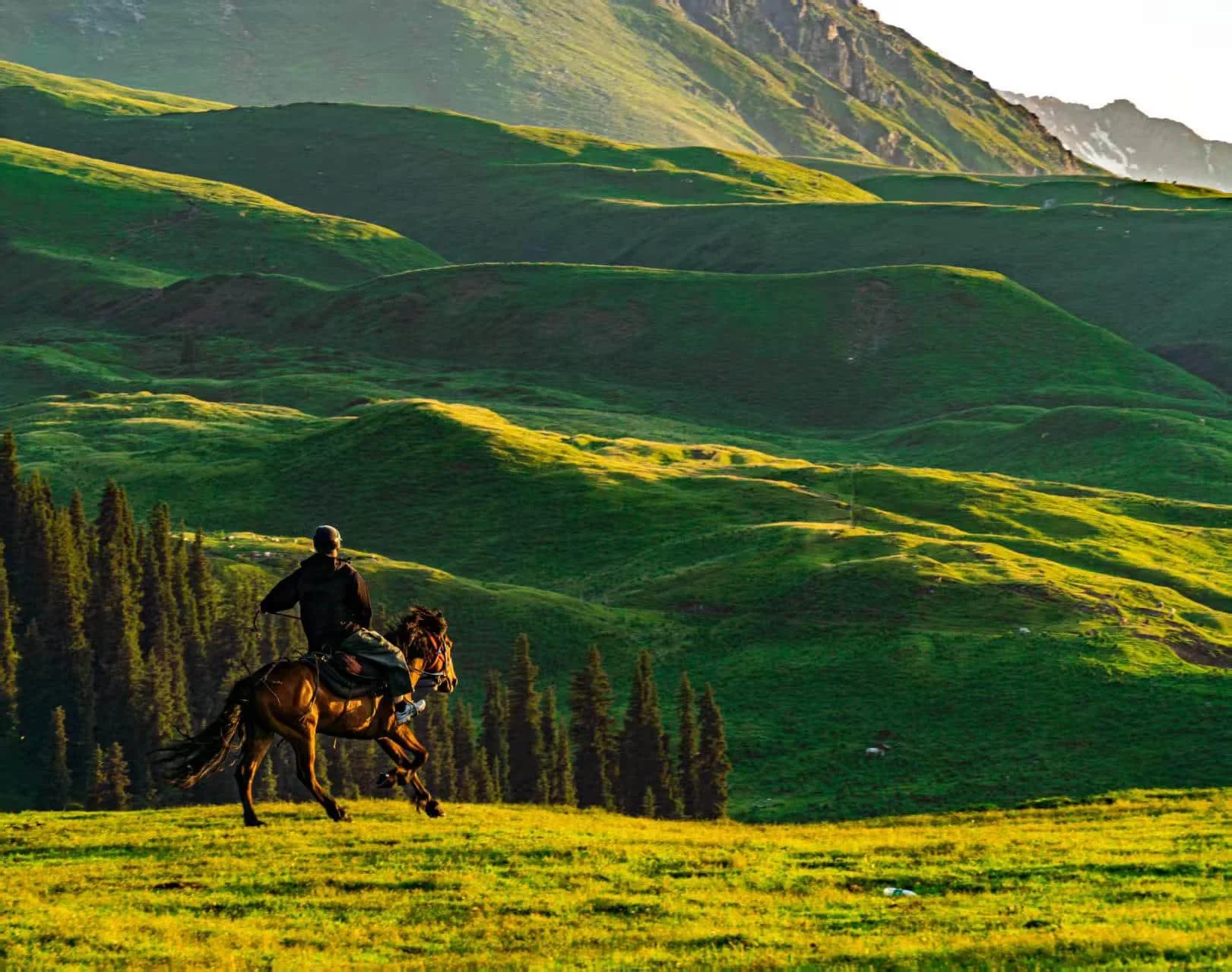 Image 6 of 8
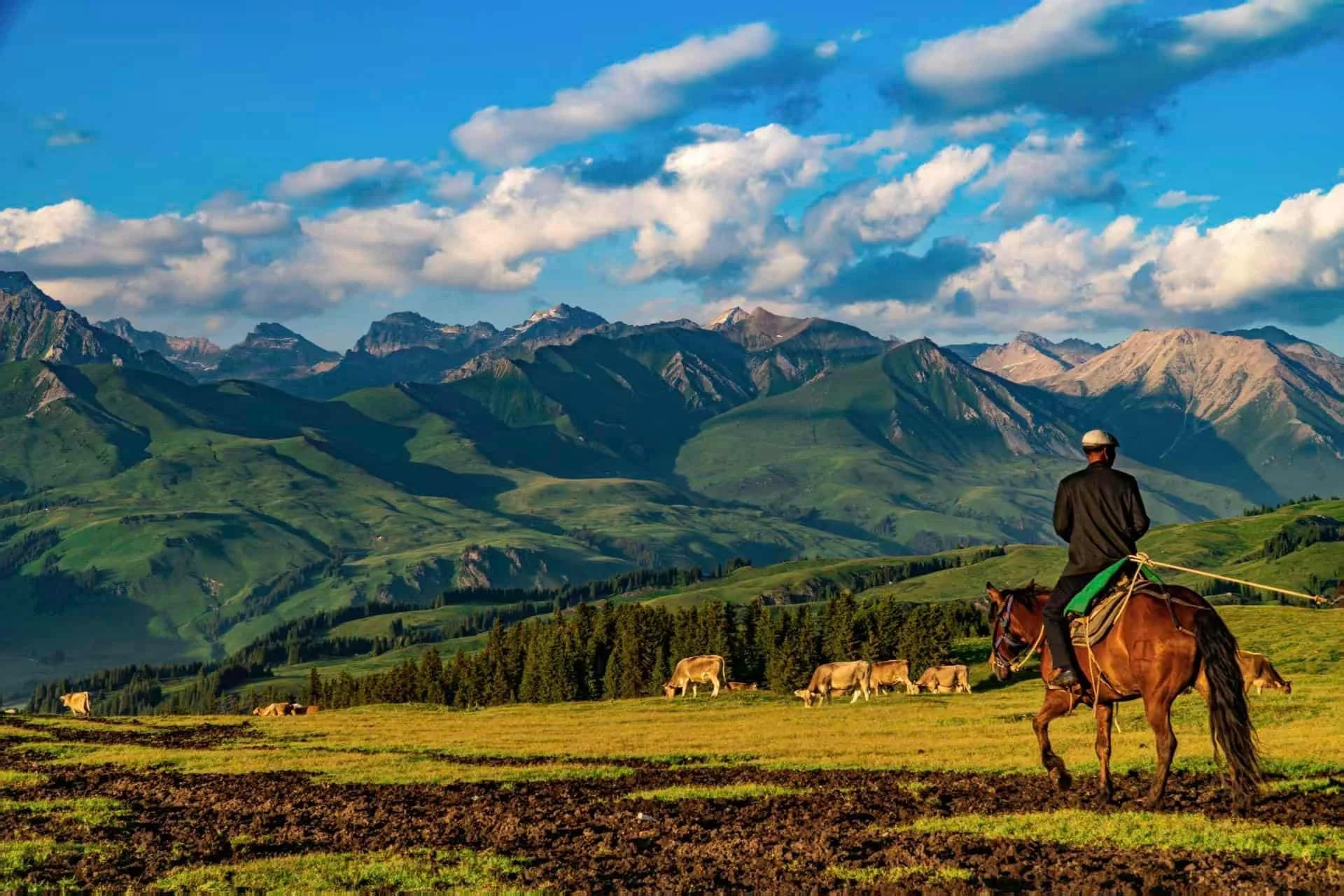 Image 7 of 8
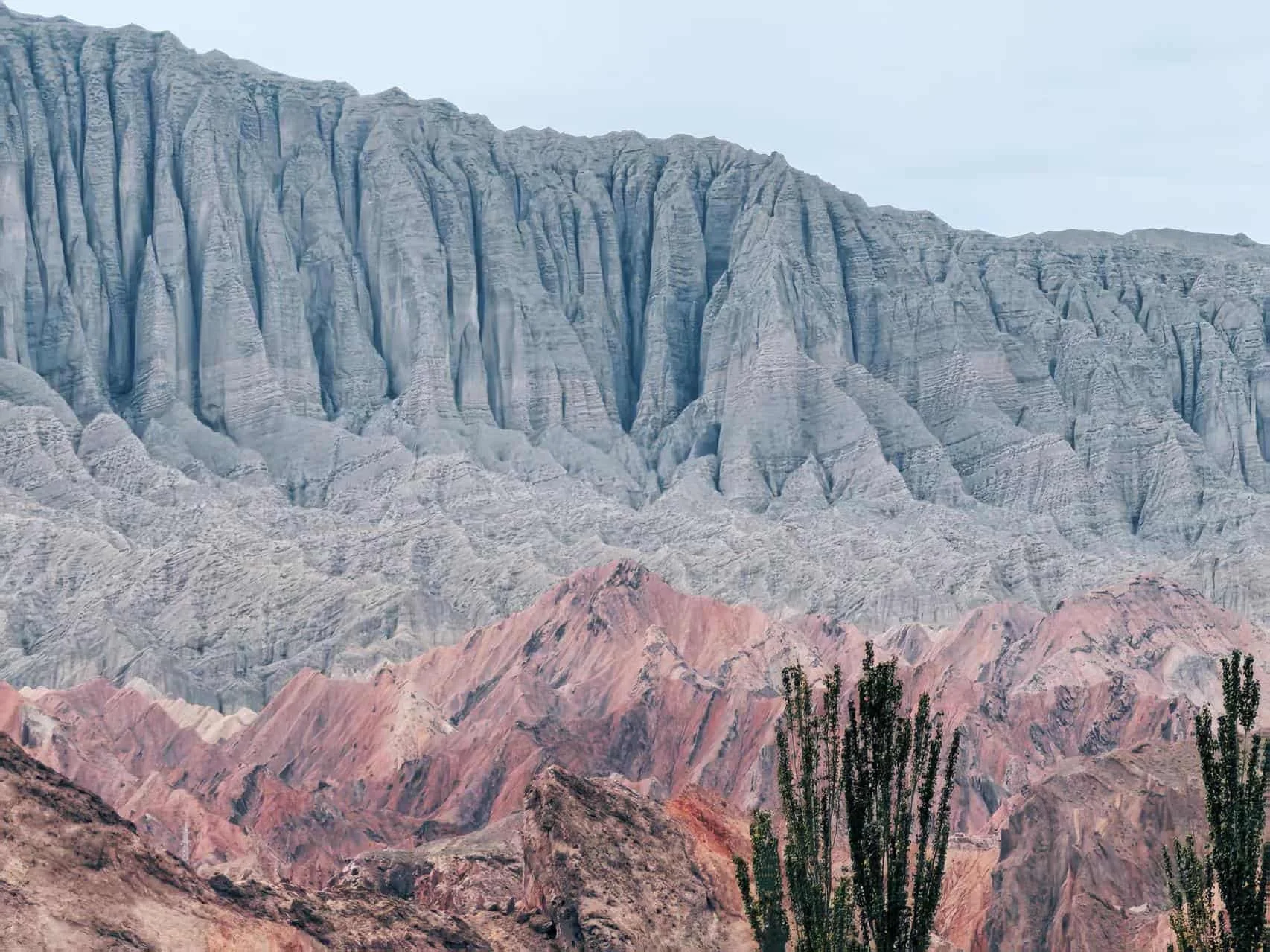 Image 8 of 8
10-Day Northern Xinjiang Scenic Adventure Tour in China
10 Days of Adventure Across Northern Xinjiang — Deserts, Lakes & the Duku Highway
Northern Xinjiang isn't just a destination — it's a full-sensory immersion into landscapes that most people only see in documentaries. This 10-day scenic adventure tour takes you from the golden dunes of the Gurbantunggut Desert to the sapphire expanse of Sayram Lake, from the fairy-tale wooden village of Hemu to the vertiginous cliffs of the Duku Highway. Along the way, you'll ride desert buggies across sand waves, steer your own car around one of China's most beautiful alpine lakes, don traditional Kazakh garments for a prairie photoshoot, and share a BBQ under the stars with nomadic herders.
This is not your average sightseeing tour. Every day has an element of active engagement — whether it's hiking the Three Bays trail at Kanas Lake, ziplining across a desert canyon, or navigating the hairpin turns of China's most celebrated mountain highway. Your private guide handles all the logistics, while you focus on the experience.
What Makes This Tour Different: Unlike standard Northern Xinjiang itineraries, this adventure-focused route includes desert off-road activities at Karamay Desert Park, a self-drive experience around Sayram Lake, and a Kazakh cultural immersion at Nalati (ethnic costume photography + afternoon tea + prairie BBQ) — three experiences that turn passive sightseeing into active, unforgettable memories.
🏜️ Day 1: Arrival in Urumqi — Gateway to the Silk Road
Your adventure begins in Urumqi (乌鲁木齐), the capital of Xinjiang and the city farthest from any ocean on Earth. Despite its remote location, Urumqi is a vibrant, modern city where Uyghur, Kazakh, Han, and Hui cultures converge. Your private guide and driver will meet you at the airport and transfer you to a 5-star hotel in the city center.
If you arrive early, take an evening stroll through the International Grand Bazaar — the largest bazaar in China, with stunning Islamic architecture, towering minarets, and stalls overflowing with dried fruits, carpets, jade, and spices. It's a feast for the senses and a perfect introduction to the cultural melting pot of Xinjiang.
Tip: Xinjiang operates on Beijing Time officially, but local life runs about 2 hours later. Sunset in summer can be after 10 PM — you'll have plenty of daylight!
🐪 Day 2: S21 Desert Highway — Desert Safari & Altay
Morning — S21 Desert Highway & Yardang Landforms
Hit the road early and head north on the S21 Desert Highway, a 340km engineering marvel that cuts straight through the Gurbantunggut Desert (古尔班通古特沙漠) — China's second-largest desert. Unlike the shifting dunes of the Taklamakan, this is a fixed desert covered with scrubby saxaul bushes and dramatic Yardang landforms — wind-sculpted ridges carved over tens of thousands of years into bizarre, otherworldly shapes.
Your guide will stop at viewpoints along the highway where you can step out and feel the vastness of the desert. The silence is profound; the horizon stretches unbroken in every direction.
Midday — Karamay Desert Park (沙漠冒险!)
🔥 Adventure Highlight: This is where the tour earns its "Adventure" name. At Karamay Desert Park, choose from optional activities that take you off the observation platform and into the landscape:
Desert Surfing Vehicles (沙漠越野): Buckle into a purpose-built off-road buggy and tear across the dunes at thrilling speed — climbing sand walls, sliding down slip faces, and catching air over crests. Think of it as a roller coaster where you chart the course.
High-Altitude Zipline (高空滑索): Soar above the desert canyon on a zipline that spans hundreds of meters. The view from mid-air — golden sand below, blue sky above, wind rushing past — is pure adrenaline.
Not into extreme activities? The park also has gentle walking trails, photography platforms, and a desert museum explaining the Yardang formation process.
If the park is closed for seasonal maintenance, an alternative desert attraction will be arranged — your guide will ensure you still get that desert experience.
Afternoon — Ulungur Lake & Drive to Altay
Continue north past Ulungur Lake (乌伦古湖) — a vast freshwater lake known locally as the "Great Sea," with its neighbor Jili Lake called the "Small Sea." This is Xinjiang's second-largest fishing base, and the lakeshore scenery is a surprising contrast to the desert you just left: wetlands, reed beds, and flocks of migratory birds.
Arrive in Altay (阿勒泰) by evening and check into your hotel. Altay is the gateway to the Kanas region and the homeland of the Tuva people — a small ethnic group of Mongolian descent who have maintained their traditional lifestyle for centuries.
🏡 Day 3: Ahe Highway — Hemu Village & Starlit Log Cabin
Morning — Ahe Highway (阿禾公路)
Take the scenic Ahe Highway from Altay to Hemu — a road that winds through alpine meadows, birch forests, and river valleys with snow-capped peaks as a constant backdrop. (If traffic control restricts the Ahe Highway, you'll take the main highway route instead — equally scenic.)
Afternoon — Hemu Village (禾木村) Exploration
Hemu Village is one of the last remaining Tuva settlements in China, and it feels like stepping into a storybook. Traditional wooden cabins with peaked roofs are scattered across a valley floor where the Hemu River (禾木河) winds through birch forests and open grasslands. Cattle and sheep graze freely; smoke curls from cabin chimneys; the pace of life is measured in seasons, not hours.
Walk at your own pace along riverside boardwalks, cross the iconic Hemu Bridge (禾木桥), and climb to the Haden Observation Deck (哈登观景台) for a panoramic view of the entire village framed by mountains. This is the spot for travel photography — the light in late afternoon turns the wooden rooftops golden and the birch leaves translucent.
Optional activities: Horse riding along mountain trails (a Tuva tradition for centuries), or hiking deeper into the surrounding forests.
Evening — Log Cabin Under the Stars
Tonight's accommodation is a traditional log cabin (木屋) in Hemu Village. These rustic wooden lodges are the authentic Hemu experience — simple but comfortable, with thick quilts and wood-burning stoves. Step outside after dinner and look up: the village's remote location and zero light pollution mean you'll see the Milky Way stretching across the sky in breathtaking clarity. Bring your camera for astrophotography — the cabin rooftops against a star-filled sky make for an iconic shot.
Note: Log cabins are rustic by design. Hot water and Wi-Fi are available but may be slower than city hotels. The trade-off is an experience you simply cannot get anywhere else.
🌊 Day 4: Kanas Lake — Three Bays Hike & Rainbow Beach Sunset
Morning — Kanas Lake (喀纳斯湖) & the Lake Monster
Take the shuttle bus into the Kanas Nature Reserve (喀纳斯景区) — a pristine wilderness of alpine lakes, dense forests, and jagged peaks within the Altai Mountains. The centerpiece is Kanas Lake, a deep glacial lake whose waters shift between emerald green and sapphire blue depending on the season and light.
Kanas Lake is also home to one of China's most enduring mysteries: the "Kanas Lake Monster" (喀纳斯水怪). Locals and scientists have reported enormous creatures surfacing in the lake for decades. Some believe they're giant Hucho taimen (a species of salmon that can grow over 2 meters); others swear they've seen something far larger. Whether you believe the legend or not, standing on the lakeshore with the mist rolling across the water, it's easy to imagine something ancient lurking below.
Walk the lakeside boardwalks, visit the scenic viewpoints, and enjoy free time to explore at your own pace.
Afternoon — The Three Bays Hike (三湾徒步)
Hike along the trail that connects Fairy Bay (神仙湾), Moon Bay (月亮湾), and Wolong Bay (卧龙湾) — three stretches of the Kanas River where the water is so clear you can see every pebble on the riverbed, and the surrounding forests create a frame of impossibly vivid green. Each bay has its own character:
Fairy Bay: Morning mist hovers over the water like a veil — it's the most ethereal of the three, especially at dawn.
Moon Bay: The river curves in a perfect crescent shape, with two "footprint" sandbars in the center. Local legend says these are the footprints of the Moon Goddess.
Wolong Bay: A sandbar in the shape of a coiled dragon gives this bay its name. The calm, deep pool is perfect for contemplation.
The full Three Bays trail is approximately 5km of mostly flat, well-maintained boardwalk — a gentle and deeply rewarding hike.
Evening — Rainbow Beach (五彩滩) & Burqin Night Market
Head to Rainbow Beach (五彩滩) in the late afternoon — a geological wonder where wind and water have carved the riverbank into a surreal palette of red, yellow, purple, and white layered rock formations. The contrast between the colorful cliffs and the green Irtysh River flowing below is one of the most photographed scenes in Xinjiang. Arrive before sunset — the golden light amplifies the colors dramatically.
Continue to Burqin (布尔津), a charming border town with Russian-style architecture and tree-lined streets. Visit the famous "Internet Celebrity Bridge" (网红桥) — a pedestrian bridge lit with colorful lights that reflects in the river below — and explore the night market, where you can sample cold-water fish from the Irtysh River, grilled lamb skewers, and locally brewed kvass (a sweet fermented bread drink).
👹 Day 5: World Devil City — 10 Million Years of Wind Sculpture
Morning — World Devil City (世界魔鬼城)
Drive south to the World Devil City (Wuerhe Wind City) — a vast Yadan landform park where relentless winds have sculpted the rock into a city of "buildings," "castles," and "monsters" over millions of years. The name comes from the eerie howling sounds the wind makes as it whips through the rock formations — locals say it sounds like a thousand devils wailing.
Ride the shuttle bus through the park with an audio guide pointing out formations shaped like eagles, a dog gazing at the moon, and even the Titanic. The scale is staggering — these rock towers rise 10-30 meters high, stretching for kilometers across the barren plain.
🔥 Pro Tip: The best light for photography is late afternoon, when the low sun casts long shadows and turns the rocks deep amber. If your schedule allows, your guide can time the visit for the golden hour.
Afternoon — Karamay Oilfield & Drive to Kuitun/Dushanzi
Continue south past the Karamay Hundred-Mile Oilfield (克拉玛依百里油区) — one of China's largest oil fields. The landscape is surreal: thousands of "nodding donkey" pumps (磕头机) bobbing rhythmically across the flat plain, with drilling rigs and flares dotting the horizon. Against the blue sky and golden earth, it's an unexpectedly photogenic industrial landscape — a stark contrast to the natural wonders of the previous days.
Arrive in Kuitun (奎屯) or Dushanzi (独山子) by evening — the gateway town to the Duku Highway.
🚗 Day 6: Sayram Lake Self-Drive — "The Last Tear of the Atlantic"
Morning — Drive to Sayram Lake
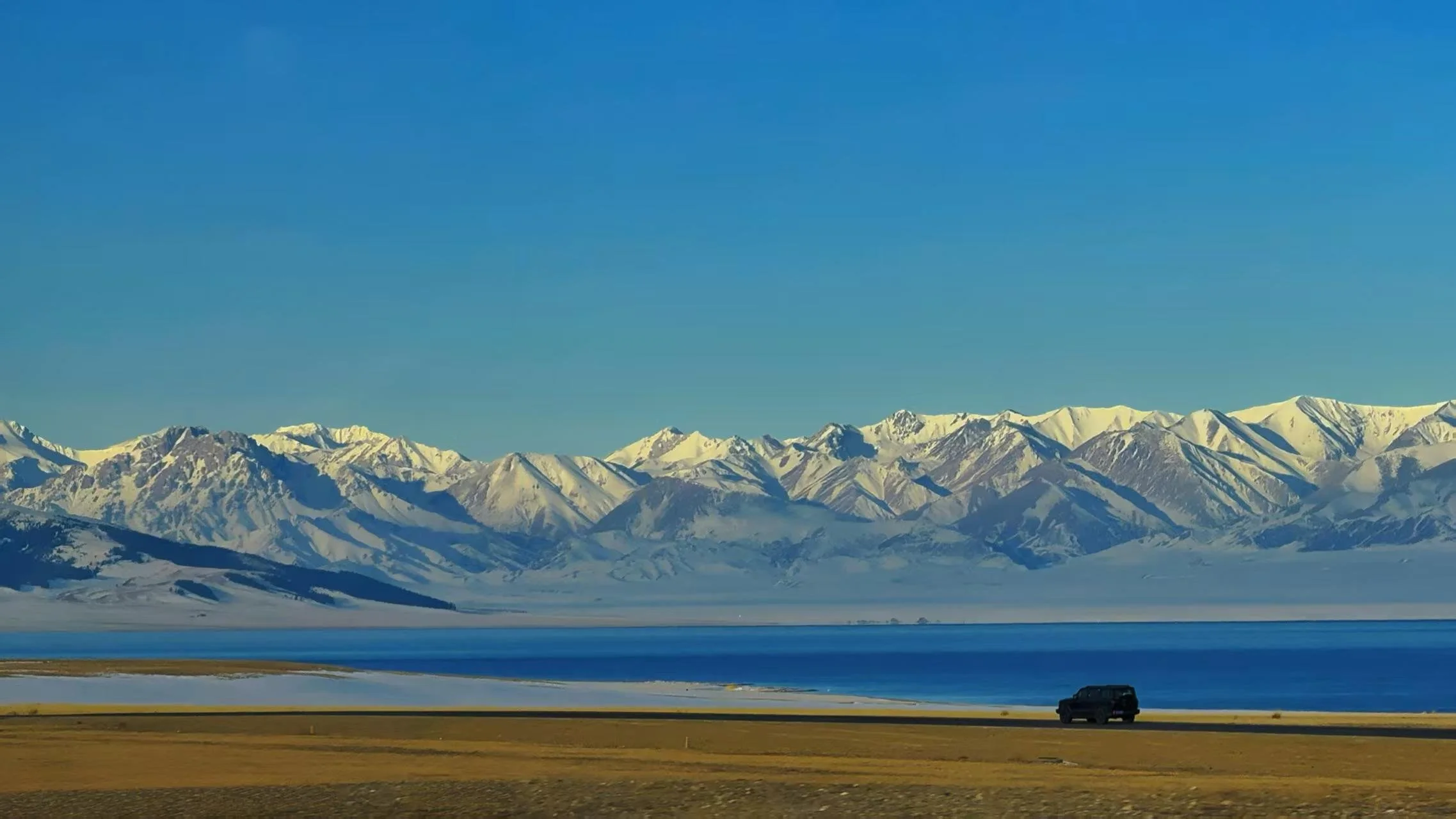
Depart for Sayram Lake (赛里木湖) — the highest and largest alpine lake in Xinjiang, sitting at 2,073 meters above sea level. Known poetically as "the Last Tear of the Atlantic" (大西洋最后一滴眼泪), it's the furthest point reached by warm, moist Atlantic air currents before they're blocked by the Tianshan Mountains. The result is a lake of extraordinary purity — the water is a shade of blue that seems almost impossible.
Midday — Self-Drive Around Sayram Lake (自驾环湖!)
🔥 Adventure Highlight: This is one of the most thrilling experiences on the tour — driving your own vehicle around the 90km ring road that circles Sayram Lake. The road is well-paved, traffic is light, and the scenery changes with every bend: from rocky shorelines to wildflower meadows, from snow-capped peaks reflected in mirror-still water to crashing waves whipped up by mountain winds. Stop whenever you want — for photos, for a picnic, or simply to stand in silence and absorb the vastness.
Don't want to drive? No problem — your private driver will handle the wheel while you enjoy the views from the passenger seat.
Seasonal highlights:
Spring (April–May): The famous ice push phenomenon (推冰) — massive ice blocks pushed by wind and currents pile along the shoreline, glowing turquoise in the sunlight like a glacier landscape.
Summer (June–July): Wildflowers carpet the lakeshore meadows in waves of purple, yellow, and white.
Autumn (September): Golden grasslands and crystal-clear air with maximum visibility.
Afternoon — Guozigou Bridge & Six-Star Street, Yining
After lunch by the lake, drive through the spectacular Guozigou (果子沟) — a deep, forested canyon that serves as the natural gateway between the Sayram Lake basin and the Ili River Valley. Stop at the Guozigou Bridge viewpoint to photograph the double-tower cable-stayed bridge spanning the canyon — one of the most photographed engineering structures in Xinjiang.
Arrive in Yining (伊宁) and explore Six-Star Street (六星街) — a unique hexagonal street layout dating from the 1930s Soviet influence, now a charming neighborhood of European-style buildings painted in vivid blues, greens, and yellows. Wander the lanes, peek into artisan workshops, and taste Kazakh handmade ice cream — rich, creamy, and flavored with local herbs and fruits. The street is also the inspiration behind the beloved Xinjiang song "Apple Fragrance" (苹果香).
🥾 Day 7: Xiata Ancient Trail — Footsteps on the Silk Road
Morning — Xiata Ancient Trail (夏塔古道)
Take the shuttle bus into Xiata Ancient Trail National Forest Park (夏塔古道国家森林公园) — one of the most historically significant and scenically dramatic routes in all of Xinjiang. This trail was once a critical branch of the Silk Road, used by merchants, monks, and armies for over 2,000 years. The Tang Dynasty monk Xuanzang (玄奘) — the real-life inspiration for Journey to the West — is believed to have passed through this very valley on his pilgrimage to India.
Walk through a landscape of primeval forests, natural hot springs, and Wusun ancient tombs — the Wusun were a nomadic people who allied with the Han Dynasty against the Xiongnu. The trail leads toward the Muzart Glacier (木扎尔特冰川), visible in the distance — a massive ice field that has been the route's greatest obstacle and most magnificent sight since antiquity.
Walking level: The main trail is a gentle boardwalk; more adventurous hikers can push further toward the glacier base (allow 3-4 hours round trip).
Afternoon — Zhaosu Flower Fields & Tekes Bagua City (特克斯八卦城)
Continue by shuttle through Zhaosu (昭苏), where — in summer — endless fields of rapeseed flowers and sunflowers create a golden carpet against the backdrop of snow-covered Tianshan peaks. Even outside flower season, the agricultural landscape is stunning.
Arrive in Tekes (特克斯) — the world's only complete Bagua (Eight Trigrams) city layout, designed in 1937 based on the ancient Chinese divination system from the I Ching. The city radiates outward from a central Tai Chi altar along eight main streets, forming a perfect octagonal pattern visible from above. Explore Lijie Street (离街), where Kazakh and Uyghur cultures blend in a vibrant corridor of food stalls, craft shops, and traditional architecture. This is where to buy handmade felt products, dried fruits, and local dairy specialties.
🐎 Day 8: Nalati Sky Prairie — Kazakh Cultural Immersion
Morning — Nalati Sky Prairie (那拉提空中草原)
Enter Nalati Sky Prairie (那拉提空中草原) — one of the world's four great alpine grasslands and arguably the most beautiful in China. "Sky Prairie" gets its name from the fact that the grassland sits at an elevation where clouds seem to drift below you, creating the sensation of floating above the world. Snow-capped peaks ring the horizon; pine forests climb the slopes; wildflowers (May–July) paint the meadows in shifting colors.
Ride the shuttle bus across the prairie, passing herds of Ili horses (伊犁马) — a breed renowned for speed and endurance since the Han Dynasty, when they were known as "Heavenly Horses (天马)." Listen for the sound of dombra (冬不拉) — the two-stringed lute that is the soul instrument of Kazakh culture — drifting from a distant yurt.
Afternoon — Ethnic Costume Photography + Afternoon Tea + Prairie BBQ (民族服饰旅拍+下午茶+草原烧烤!)
🔥 Adventure & Culture Highlight: This afternoon is dedicated to immersive Kazakh cultural experiences:
1. Ethnic Costume Travel Photography (民族服饰旅拍): Don traditional Kazakh clothing — ornate embroidered velvet dresses for women, fur-trimmed coats and boots for men — and pose against the spectacular prairie backdrop. A professional photographer captures the moment. The resulting images are works of art: you, in centuries-old regalia, standing on an endless grassland with snow peaks behind you.
2. Afternoon Tea in a Yurt: Step inside a traditional Kazakh yurt (毡房) and sit on richly patterned felt carpets. Your hostess will pour milk tea (奶茶) — salty, rich, and warming — and serve baursak (包尔萨克), deep-fried dough puffs that are the Kazakh equivalent of bread. This is how nomadic families have welcomed guests for millennia.
3. Prairie BBQ under the Sky: As the sun lowers, gather for a traditional grassland barbecue — skewers of marinated lamb, roasted over open flames, served with flatbread and fresh salad. The experience of eating lamb grilled over wood fire, with the prairie stretching endlessly around you and the Tianshan peaks glowing pink in the sunset, is one that no restaurant can replicate.
🛣️ Day 9: Duku Highway — China's Most Beautiful Road
Morning — Tangbula Hundred-Mile Gallery (唐布拉百里画廊)
Depart Nalati and enter the Tangbula Hundred-Mile Gallery (唐布拉百里画廊) — a 100-kilometer stretch of road that winds through a landscape so beautiful it earned the name "Gallery." Lush green valleys, rushing rivers, wildflower meadows, and snow-capped peaks parade past your window in an ever-changing panorama. Every bend reveals a new composition that looks painted rather than real.
Midday — Baluntai Yellow Temple (巴伦台黄庙) — "Little Potala Palace"
Stop at the Baluntai Yellow Temple (巴伦台黄庙) — a grand Lamaist Buddhist monastery nestled in Old Baluntai Valley at 1,450 meters altitude. Known as the "Little Potala Palace," this is the largest Gelug (Yellow Sect) monastery in the region and a sacred site for Mongol Buddhist followers. The complex consists of 27 temples extending across 2.5 kilometers of valley floor, with vivid red and gold architecture set against the green mountain backdrop. The main hall houses a towering Maitreya Buddha statue, and the air is thick with the scent of butter lamps and incense.
Even if you're not Buddhist, the combination of stunning architecture, mountain setting, and spiritual atmosphere makes this a deeply moving stop — and one that most tour groups skip entirely.
Afternoon — Northern Section of Duku Highway (独库公路北段)
🔥 Adventure Highlight: The Duku Highway (独库公路) — 561km of mountain road connecting northern and southern Xinjiang through the heart of the Tianshan Mountains. Open only June to October due to snow, this is widely considered the most beautiful highway in China. The northern section you'll travel today traverses alpine meadows, crosses mountain passes above 3,400 meters, and passes through glacier-carved valleys where waterfalls cascade directly onto the road.
The highway was built by the Chinese military over 9 years (1974–1983), with 168 soldiers losing their lives to avalanches and landslides during construction. A memorial at the southern end honors their sacrifice. Driving this road is not just a scenic experience — it's a tribute to extraordinary human determination.
⚠️ Duku Highway Closure Policy: The Duku Highway is subject to sudden closures due to weather, landslides, or traffic control. If the highway is closed on your travel day, your guide will take Alternative Route: Nalati → Gongnaisi Daban → National Highway G218 → Tianshan Victory Tunnel (天山胜利隧道) — the world's longest expressway tunnel at 22.1km — → Urumqi. This alternative route is also spectacular and includes the tunnel as an engineering marvel in its own right.
Evening — Arrive Back in Urumqi
Arrive in Urumqi by evening, check into your hotel, and enjoy a farewell dinner. Your guide can recommend the best restaurant in town for a final Xinjiang feast — perhaps da pan ji (大盘鸡), the iconic "big plate chicken" that originated right here in Xinjiang.
✈️ Day 10: Departure from Urumqi
Enjoy a leisurely breakfast and free time before your departure. Your private driver will transfer you to Urumqi Diwopu International Airport according to your flight schedule. Depart with a camera full of extraordinary photos, a heart full of adventure, and a deep appreciation for the staggering diversity of China's northwest frontier.
Want to extend your trip? Ask us about adding Kashgar, Turpan, or a Silk Road extension — we can customize any itinerary.
✅ What's Included
✔️ Private English-speaking guide throughout (licensed, expert in Xinjiang geography & culture)
✔️ Private air-conditioned vehicle with professional driver
✔️ Self-drive experience at Sayram Lake (vehicle provided)
✔️ All entrance fees: Kanas Nature Reserve, World Devil City, Sayram Lake, Xiata Ancient Trail, Nalati Sky Prairie, Baluntai Yellow Temple
✔️ All shuttle bus / cable car fares within scenic areas
✔️ Ethnic costume travel photography session at Nalati (includes costume rental + professional photographer)
✔️ Afternoon tea + prairie BBQ at Nalati
✔️ 9 nights accommodation (5-star in Urumqi, 4-star comfort hotels, log cabin in Hemu, characteristic homestays in Tekes & Nalati)
✔️ Daily breakfast
✔️ Bottled water throughout
❌ What's Not Included
✘ Flights to/from Urumqi
✘ Lunch and dinner (budget ¥60-150 per meal; your guide will recommend the best local restaurants)
✘ Optional activities: desert surfing vehicles (~¥200), zipline (~¥150), horse riding (~¥100/hr) at Hemu
✘ Travel insurance (highly recommended — Xinjiang involves mountain roads and outdoor activities)
✘ Gratuities (optional, at your discretion)
📌 Practical Information
🚶 Activity Level: Moderate to Active. This tour includes hiking (Three Bays trail ~5km), optional horse riding, and the self-drive experience. Suitable for travelers with average fitness. Not recommended for those with severe mobility issues or young children under 6.
🌡️ Seasonal Considerations: The Duku Highway is open only June–October. June–July offers wildflower season at Sayram Lake and Nalati. September brings golden autumn foliage. Book early — this is peak season and accommodations fill fast.
🎒 What to Pack: Layers are essential — temperatures range from 5°C at mountain passes to 35°C in the desert. Bring: hiking shoes, sun protection (UV is intense at altitude), light rain jacket, warm jacket for evenings, and a camera with extra battery and memory cards.
🚗 Self-Drive Note: You must hold a valid driver's license (international driving permit accepted). The Sayram Lake ring road is well-paved and suitable for any experience level. If you prefer not to drive, your private driver will take the wheel.
📱 Connectivity: Cell coverage is available in cities and most scenic areas, but expect gaps in remote mountain sections. Download offline maps before departure.
🍽️ Dietary Notes: Xinjiang cuisine is heavily meat-based (lamb, beef). Vegetarian options exist but are limited in rural areas. Please inform us of dietary restrictions in advance so we can prepare alternatives.
🗺️ Route Map
Urumqi → S21 Desert Highway → Karamay Desert Park → Ulungur Lake → Altay → Ahe Highway → Hemu Village (log cabin) → Kanas Lake → Three Bays → Rainbow Beach → Burqin → World Devil City → Karamay Oilfield → Kuitun/Dushanzi → Sayram Lake (self-drive) → Guozigou Bridge → Yining → Xiata Ancient Trail → Muzart Glacier → Tekes (Bagua City) → Nalati Sky Prairie (costume photos + BBQ) → Tangbula Gallery → Baluntai Yellow Temple → Duku Highway → Urumqi
Ready for the adventure of a lifetime in Northern Xinjiang? Book your 10-day scenic adventure tour today — the Duku Highway is only open for a few months each year, and spaces fill quickly.
10 Days of Adventure Across Northern Xinjiang — Deserts, Lakes & the Duku Highway
Northern Xinjiang isn't just a destination — it's a full-sensory immersion into landscapes that most people only see in documentaries. This 10-day scenic adventure tour takes you from the golden dunes of the Gurbantunggut Desert to the sapphire expanse of Sayram Lake, from the fairy-tale wooden village of Hemu to the vertiginous cliffs of the Duku Highway. Along the way, you'll ride desert buggies across sand waves, steer your own car around one of China's most beautiful alpine lakes, don traditional Kazakh garments for a prairie photoshoot, and share a BBQ under the stars with nomadic herders.
This is not your average sightseeing tour. Every day has an element of active engagement — whether it's hiking the Three Bays trail at Kanas Lake, ziplining across a desert canyon, or navigating the hairpin turns of China's most celebrated mountain highway. Your private guide handles all the logistics, while you focus on the experience.
What Makes This Tour Different: Unlike standard Northern Xinjiang itineraries, this adventure-focused route includes desert off-road activities at Karamay Desert Park, a self-drive experience around Sayram Lake, and a Kazakh cultural immersion at Nalati (ethnic costume photography + afternoon tea + prairie BBQ) — three experiences that turn passive sightseeing into active, unforgettable memories.
🏜️ Day 1: Arrival in Urumqi — Gateway to the Silk Road
Your adventure begins in Urumqi (乌鲁木齐), the capital of Xinjiang and the city farthest from any ocean on Earth. Despite its remote location, Urumqi is a vibrant, modern city where Uyghur, Kazakh, Han, and Hui cultures converge. Your private guide and driver will meet you at the airport and transfer you to a 5-star hotel in the city center.
If you arrive early, take an evening stroll through the International Grand Bazaar — the largest bazaar in China, with stunning Islamic architecture, towering minarets, and stalls overflowing with dried fruits, carpets, jade, and spices. It's a feast for the senses and a perfect introduction to the cultural melting pot of Xinjiang.
Tip: Xinjiang operates on Beijing Time officially, but local life runs about 2 hours later. Sunset in summer can be after 10 PM — you'll have plenty of daylight!
🐪 Day 2: S21 Desert Highway — Desert Safari & Altay
Morning — S21 Desert Highway & Yardang Landforms
Hit the road early and head north on the S21 Desert Highway, a 340km engineering marvel that cuts straight through the Gurbantunggut Desert (古尔班通古特沙漠) — China's second-largest desert. Unlike the shifting dunes of the Taklamakan, this is a fixed desert covered with scrubby saxaul bushes and dramatic Yardang landforms — wind-sculpted ridges carved over tens of thousands of years into bizarre, otherworldly shapes.
Your guide will stop at viewpoints along the highway where you can step out and feel the vastness of the desert. The silence is profound; the horizon stretches unbroken in every direction.
Midday — Karamay Desert Park (沙漠冒险!)
🔥 Adventure Highlight: This is where the tour earns its "Adventure" name. At Karamay Desert Park, choose from optional activities that take you off the observation platform and into the landscape:
Desert Surfing Vehicles (沙漠越野): Buckle into a purpose-built off-road buggy and tear across the dunes at thrilling speed — climbing sand walls, sliding down slip faces, and catching air over crests. Think of it as a roller coaster where you chart the course.
High-Altitude Zipline (高空滑索): Soar above the desert canyon on a zipline that spans hundreds of meters. The view from mid-air — golden sand below, blue sky above, wind rushing past — is pure adrenaline.
Not into extreme activities? The park also has gentle walking trails, photography platforms, and a desert museum explaining the Yardang formation process.
If the park is closed for seasonal maintenance, an alternative desert attraction will be arranged — your guide will ensure you still get that desert experience.
Afternoon — Ulungur Lake & Drive to Altay
Continue north past Ulungur Lake (乌伦古湖) — a vast freshwater lake known locally as the "Great Sea," with its neighbor Jili Lake called the "Small Sea." This is Xinjiang's second-largest fishing base, and the lakeshore scenery is a surprising contrast to the desert you just left: wetlands, reed beds, and flocks of migratory birds.
Arrive in Altay (阿勒泰) by evening and check into your hotel. Altay is the gateway to the Kanas region and the homeland of the Tuva people — a small ethnic group of Mongolian descent who have maintained their traditional lifestyle for centuries.
🏡 Day 3: Ahe Highway — Hemu Village & Starlit Log Cabin
Morning — Ahe Highway (阿禾公路)
Take the scenic Ahe Highway from Altay to Hemu — a road that winds through alpine meadows, birch forests, and river valleys with snow-capped peaks as a constant backdrop. (If traffic control restricts the Ahe Highway, you'll take the main highway route instead — equally scenic.)
Afternoon — Hemu Village (禾木村) Exploration
Hemu Village is one of the last remaining Tuva settlements in China, and it feels like stepping into a storybook. Traditional wooden cabins with peaked roofs are scattered across a valley floor where the Hemu River (禾木河) winds through birch forests and open grasslands. Cattle and sheep graze freely; smoke curls from cabin chimneys; the pace of life is measured in seasons, not hours.
Walk at your own pace along riverside boardwalks, cross the iconic Hemu Bridge (禾木桥), and climb to the Haden Observation Deck (哈登观景台) for a panoramic view of the entire village framed by mountains. This is the spot for travel photography — the light in late afternoon turns the wooden rooftops golden and the birch leaves translucent.
Optional activities: Horse riding along mountain trails (a Tuva tradition for centuries), or hiking deeper into the surrounding forests.
Evening — Log Cabin Under the Stars
Tonight's accommodation is a traditional log cabin (木屋) in Hemu Village. These rustic wooden lodges are the authentic Hemu experience — simple but comfortable, with thick quilts and wood-burning stoves. Step outside after dinner and look up: the village's remote location and zero light pollution mean you'll see the Milky Way stretching across the sky in breathtaking clarity. Bring your camera for astrophotography — the cabin rooftops against a star-filled sky make for an iconic shot.
Note: Log cabins are rustic by design. Hot water and Wi-Fi are available but may be slower than city hotels. The trade-off is an experience you simply cannot get anywhere else.
🌊 Day 4: Kanas Lake — Three Bays Hike & Rainbow Beach Sunset
Morning — Kanas Lake (喀纳斯湖) & the Lake Monster
Take the shuttle bus into the Kanas Nature Reserve (喀纳斯景区) — a pristine wilderness of alpine lakes, dense forests, and jagged peaks within the Altai Mountains. The centerpiece is Kanas Lake, a deep glacial lake whose waters shift between emerald green and sapphire blue depending on the season and light.
Kanas Lake is also home to one of China's most enduring mysteries: the "Kanas Lake Monster" (喀纳斯水怪). Locals and scientists have reported enormous creatures surfacing in the lake for decades. Some believe they're giant Hucho taimen (a species of salmon that can grow over 2 meters); others swear they've seen something far larger. Whether you believe the legend or not, standing on the lakeshore with the mist rolling across the water, it's easy to imagine something ancient lurking below.
Walk the lakeside boardwalks, visit the scenic viewpoints, and enjoy free time to explore at your own pace.
Afternoon — The Three Bays Hike (三湾徒步)
Hike along the trail that connects Fairy Bay (神仙湾), Moon Bay (月亮湾), and Wolong Bay (卧龙湾) — three stretches of the Kanas River where the water is so clear you can see every pebble on the riverbed, and the surrounding forests create a frame of impossibly vivid green. Each bay has its own character:
Fairy Bay: Morning mist hovers over the water like a veil — it's the most ethereal of the three, especially at dawn.
Moon Bay: The river curves in a perfect crescent shape, with two "footprint" sandbars in the center. Local legend says these are the footprints of the Moon Goddess.
Wolong Bay: A sandbar in the shape of a coiled dragon gives this bay its name. The calm, deep pool is perfect for contemplation.
The full Three Bays trail is approximately 5km of mostly flat, well-maintained boardwalk — a gentle and deeply rewarding hike.
Evening — Rainbow Beach (五彩滩) & Burqin Night Market
Head to Rainbow Beach (五彩滩) in the late afternoon — a geological wonder where wind and water have carved the riverbank into a surreal palette of red, yellow, purple, and white layered rock formations. The contrast between the colorful cliffs and the green Irtysh River flowing below is one of the most photographed scenes in Xinjiang. Arrive before sunset — the golden light amplifies the colors dramatically.
Continue to Burqin (布尔津), a charming border town with Russian-style architecture and tree-lined streets. Visit the famous "Internet Celebrity Bridge" (网红桥) — a pedestrian bridge lit with colorful lights that reflects in the river below — and explore the night market, where you can sample cold-water fish from the Irtysh River, grilled lamb skewers, and locally brewed kvass (a sweet fermented bread drink).
👹 Day 5: World Devil City — 10 Million Years of Wind Sculpture
Morning — World Devil City (世界魔鬼城)
Drive south to the World Devil City (Wuerhe Wind City) — a vast Yadan landform park where relentless winds have sculpted the rock into a city of "buildings," "castles," and "monsters" over millions of years. The name comes from the eerie howling sounds the wind makes as it whips through the rock formations — locals say it sounds like a thousand devils wailing.
Ride the shuttle bus through the park with an audio guide pointing out formations shaped like eagles, a dog gazing at the moon, and even the Titanic. The scale is staggering — these rock towers rise 10-30 meters high, stretching for kilometers across the barren plain.
🔥 Pro Tip: The best light for photography is late afternoon, when the low sun casts long shadows and turns the rocks deep amber. If your schedule allows, your guide can time the visit for the golden hour.
Afternoon — Karamay Oilfield & Drive to Kuitun/Dushanzi
Continue south past the Karamay Hundred-Mile Oilfield (克拉玛依百里油区) — one of China's largest oil fields. The landscape is surreal: thousands of "nodding donkey" pumps (磕头机) bobbing rhythmically across the flat plain, with drilling rigs and flares dotting the horizon. Against the blue sky and golden earth, it's an unexpectedly photogenic industrial landscape — a stark contrast to the natural wonders of the previous days.
Arrive in Kuitun (奎屯) or Dushanzi (独山子) by evening — the gateway town to the Duku Highway.
🚗 Day 6: Sayram Lake Self-Drive — "The Last Tear of the Atlantic"
Morning — Drive to Sayram Lake
Depart for Sayram Lake (赛里木湖) — the highest and largest alpine lake in Xinjiang, sitting at 2,073 meters above sea level. Known poetically as "the Last Tear of the Atlantic" (大西洋最后一滴眼泪), it's the furthest point reached by warm, moist Atlantic air currents before they're blocked by the Tianshan Mountains. The result is a lake of extraordinary purity — the water is a shade of blue that seems almost impossible.
Midday — Self-Drive Around Sayram Lake (自驾环湖!)
🔥 Adventure Highlight: This is one of the most thrilling experiences on the tour — driving your own vehicle around the 90km ring road that circles Sayram Lake. The road is well-paved, traffic is light, and the scenery changes with every bend: from rocky shorelines to wildflower meadows, from snow-capped peaks reflected in mirror-still water to crashing waves whipped up by mountain winds. Stop whenever you want — for photos, for a picnic, or simply to stand in silence and absorb the vastness.
Don't want to drive? No problem — your private driver will handle the wheel while you enjoy the views from the passenger seat.
Seasonal highlights:
Spring (April–May): The famous ice push phenomenon (推冰) — massive ice blocks pushed by wind and currents pile along the shoreline, glowing turquoise in the sunlight like a glacier landscape.
Summer (June–July): Wildflowers carpet the lakeshore meadows in waves of purple, yellow, and white.
Autumn (September): Golden grasslands and crystal-clear air with maximum visibility.
Afternoon — Guozigou Bridge & Six-Star Street, Yining
After lunch by the lake, drive through the spectacular Guozigou (果子沟) — a deep, forested canyon that serves as the natural gateway between the Sayram Lake basin and the Ili River Valley. Stop at the Guozigou Bridge viewpoint to photograph the double-tower cable-stayed bridge spanning the canyon — one of the most photographed engineering structures in Xinjiang.
Arrive in Yining (伊宁) and explore Six-Star Street (六星街) — a unique hexagonal street layout dating from the 1930s Soviet influence, now a charming neighborhood of European-style buildings painted in vivid blues, greens, and yellows. Wander the lanes, peek into artisan workshops, and taste Kazakh handmade ice cream — rich, creamy, and flavored with local herbs and fruits. The street is also the inspiration behind the beloved Xinjiang song "Apple Fragrance" (苹果香).
🥾 Day 7: Xiata Ancient Trail — Footsteps on the Silk Road
Morning — Xiata Ancient Trail (夏塔古道)
Take the shuttle bus into Xiata Ancient Trail National Forest Park (夏塔古道国家森林公园) — one of the most historically significant and scenically dramatic routes in all of Xinjiang. This trail was once a critical branch of the Silk Road, used by merchants, monks, and armies for over 2,000 years. The Tang Dynasty monk Xuanzang (玄奘) — the real-life inspiration for Journey to the West — is believed to have passed through this very valley on his pilgrimage to India.
Walk through a landscape of primeval forests, natural hot springs, and Wusun ancient tombs — the Wusun were a nomadic people who allied with the Han Dynasty against the Xiongnu. The trail leads toward the Muzart Glacier (木扎尔特冰川), visible in the distance — a massive ice field that has been the route's greatest obstacle and most magnificent sight since antiquity.
Walking level: The main trail is a gentle boardwalk; more adventurous hikers can push further toward the glacier base (allow 3-4 hours round trip).
Afternoon — Zhaosu Flower Fields & Tekes Bagua City (特克斯八卦城)
Continue by shuttle through Zhaosu (昭苏), where — in summer — endless fields of rapeseed flowers and sunflowers create a golden carpet against the backdrop of snow-covered Tianshan peaks. Even outside flower season, the agricultural landscape is stunning.
Arrive in Tekes (特克斯) — the world's only complete Bagua (Eight Trigrams) city layout, designed in 1937 based on the ancient Chinese divination system from the I Ching. The city radiates outward from a central Tai Chi altar along eight main streets, forming a perfect octagonal pattern visible from above. Explore Lijie Street (离街), where Kazakh and Uyghur cultures blend in a vibrant corridor of food stalls, craft shops, and traditional architecture. This is where to buy handmade felt products, dried fruits, and local dairy specialties.
🐎 Day 8: Nalati Sky Prairie — Kazakh Cultural Immersion
Morning — Nalati Sky Prairie (那拉提空中草原)
Enter Nalati Sky Prairie (那拉提空中草原) — one of the world's four great alpine grasslands and arguably the most beautiful in China. "Sky Prairie" gets its name from the fact that the grassland sits at an elevation where clouds seem to drift below you, creating the sensation of floating above the world. Snow-capped peaks ring the horizon; pine forests climb the slopes; wildflowers (May–July) paint the meadows in shifting colors.
Ride the shuttle bus across the prairie, passing herds of Ili horses (伊犁马) — a breed renowned for speed and endurance since the Han Dynasty, when they were known as "Heavenly Horses (天马)." Listen for the sound of dombra (冬不拉) — the two-stringed lute that is the soul instrument of Kazakh culture — drifting from a distant yurt.
Afternoon — Ethnic Costume Photography + Afternoon Tea + Prairie BBQ (民族服饰旅拍+下午茶+草原烧烤!)
🔥 Adventure & Culture Highlight: This afternoon is dedicated to immersive Kazakh cultural experiences:
1. Ethnic Costume Travel Photography (民族服饰旅拍): Don traditional Kazakh clothing — ornate embroidered velvet dresses for women, fur-trimmed coats and boots for men — and pose against the spectacular prairie backdrop. A professional photographer captures the moment. The resulting images are works of art: you, in centuries-old regalia, standing on an endless grassland with snow peaks behind you.
2. Afternoon Tea in a Yurt: Step inside a traditional Kazakh yurt (毡房) and sit on richly patterned felt carpets. Your hostess will pour milk tea (奶茶) — salty, rich, and warming — and serve baursak (包尔萨克), deep-fried dough puffs that are the Kazakh equivalent of bread. This is how nomadic families have welcomed guests for millennia.
3. Prairie BBQ under the Sky: As the sun lowers, gather for a traditional grassland barbecue — skewers of marinated lamb, roasted over open flames, served with flatbread and fresh salad. The experience of eating lamb grilled over wood fire, with the prairie stretching endlessly around you and the Tianshan peaks glowing pink in the sunset, is one that no restaurant can replicate.
🛣️ Day 9: Duku Highway — China's Most Beautiful Road
Morning — Tangbula Hundred-Mile Gallery (唐布拉百里画廊)
Depart Nalati and enter the Tangbula Hundred-Mile Gallery (唐布拉百里画廊) — a 100-kilometer stretch of road that winds through a landscape so beautiful it earned the name "Gallery." Lush green valleys, rushing rivers, wildflower meadows, and snow-capped peaks parade past your window in an ever-changing panorama. Every bend reveals a new composition that looks painted rather than real.
Midday — Baluntai Yellow Temple (巴伦台黄庙) — "Little Potala Palace"
Stop at the Baluntai Yellow Temple (巴伦台黄庙) — a grand Lamaist Buddhist monastery nestled in Old Baluntai Valley at 1,450 meters altitude. Known as the "Little Potala Palace," this is the largest Gelug (Yellow Sect) monastery in the region and a sacred site for Mongol Buddhist followers. The complex consists of 27 temples extending across 2.5 kilometers of valley floor, with vivid red and gold architecture set against the green mountain backdrop. The main hall houses a towering Maitreya Buddha statue, and the air is thick with the scent of butter lamps and incense.
Even if you're not Buddhist, the combination of stunning architecture, mountain setting, and spiritual atmosphere makes this a deeply moving stop — and one that most tour groups skip entirely.
Afternoon — Northern Section of Duku Highway (独库公路北段)
🔥 Adventure Highlight: The Duku Highway (独库公路) — 561km of mountain road connecting northern and southern Xinjiang through the heart of the Tianshan Mountains. Open only June to October due to snow, this is widely considered the most beautiful highway in China. The northern section you'll travel today traverses alpine meadows, crosses mountain passes above 3,400 meters, and passes through glacier-carved valleys where waterfalls cascade directly onto the road.
The highway was built by the Chinese military over 9 years (1974–1983), with 168 soldiers losing their lives to avalanches and landslides during construction. A memorial at the southern end honors their sacrifice. Driving this road is not just a scenic experience — it's a tribute to extraordinary human determination.
⚠️ Duku Highway Closure Policy: The Duku Highway is subject to sudden closures due to weather, landslides, or traffic control. If the highway is closed on your travel day, your guide will take Alternative Route: Nalati → Gongnaisi Daban → National Highway G218 → Tianshan Victory Tunnel (天山胜利隧道) — the world's longest expressway tunnel at 22.1km — → Urumqi. This alternative route is also spectacular and includes the tunnel as an engineering marvel in its own right.
Evening — Arrive Back in Urumqi
Arrive in Urumqi by evening, check into your hotel, and enjoy a farewell dinner. Your guide can recommend the best restaurant in town for a final Xinjiang feast — perhaps da pan ji (大盘鸡), the iconic "big plate chicken" that originated right here in Xinjiang.
✈️ Day 10: Departure from Urumqi
Enjoy a leisurely breakfast and free time before your departure. Your private driver will transfer you to Urumqi Diwopu International Airport according to your flight schedule. Depart with a camera full of extraordinary photos, a heart full of adventure, and a deep appreciation for the staggering diversity of China's northwest frontier.
Want to extend your trip? Ask us about adding Kashgar, Turpan, or a Silk Road extension — we can customize any itinerary.
✅ What's Included
✔️ Private English-speaking guide throughout (licensed, expert in Xinjiang geography & culture)
✔️ Private air-conditioned vehicle with professional driver
✔️ Self-drive experience at Sayram Lake (vehicle provided)
✔️ All entrance fees: Kanas Nature Reserve, World Devil City, Sayram Lake, Xiata Ancient Trail, Nalati Sky Prairie, Baluntai Yellow Temple
✔️ All shuttle bus / cable car fares within scenic areas
✔️ Ethnic costume travel photography session at Nalati (includes costume rental + professional photographer)
✔️ Afternoon tea + prairie BBQ at Nalati
✔️ 9 nights accommodation (5-star in Urumqi, 4-star comfort hotels, log cabin in Hemu, characteristic homestays in Tekes & Nalati)
✔️ Daily breakfast
✔️ Bottled water throughout
❌ What's Not Included
✘ Flights to/from Urumqi
✘ Lunch and dinner (budget ¥60-150 per meal; your guide will recommend the best local restaurants)
✘ Optional activities: desert surfing vehicles (~¥200), zipline (~¥150), horse riding (~¥100/hr) at Hemu
✘ Travel insurance (highly recommended — Xinjiang involves mountain roads and outdoor activities)
✘ Gratuities (optional, at your discretion)
📌 Practical Information
🚶 Activity Level: Moderate to Active. This tour includes hiking (Three Bays trail ~5km), optional horse riding, and the self-drive experience. Suitable for travelers with average fitness. Not recommended for those with severe mobility issues or young children under 6.
🌡️ Seasonal Considerations: The Duku Highway is open only June–October. June–July offers wildflower season at Sayram Lake and Nalati. September brings golden autumn foliage. Book early — this is peak season and accommodations fill fast.
🎒 What to Pack: Layers are essential — temperatures range from 5°C at mountain passes to 35°C in the desert. Bring: hiking shoes, sun protection (UV is intense at altitude), light rain jacket, warm jacket for evenings, and a camera with extra battery and memory cards.
🚗 Self-Drive Note: You must hold a valid driver's license (international driving permit accepted). The Sayram Lake ring road is well-paved and suitable for any experience level. If you prefer not to drive, your private driver will take the wheel.
📱 Connectivity: Cell coverage is available in cities and most scenic areas, but expect gaps in remote mountain sections. Download offline maps before departure.
🍽️ Dietary Notes: Xinjiang cuisine is heavily meat-based (lamb, beef). Vegetarian options exist but are limited in rural areas. Please inform us of dietary restrictions in advance so we can prepare alternatives.
🗺️ Route Map
Urumqi → S21 Desert Highway → Karamay Desert Park → Ulungur Lake → Altay → Ahe Highway → Hemu Village (log cabin) → Kanas Lake → Three Bays → Rainbow Beach → Burqin → World Devil City → Karamay Oilfield → Kuitun/Dushanzi → Sayram Lake (self-drive) → Guozigou Bridge → Yining → Xiata Ancient Trail → Muzart Glacier → Tekes (Bagua City) → Nalati Sky Prairie (costume photos + BBQ) → Tangbula Gallery → Baluntai Yellow Temple → Duku Highway → Urumqi
Ready for the adventure of a lifetime in Northern Xinjiang? Book your 10-day scenic adventure tour today — the Duku Highway is only open for a few months each year, and spaces fill quickly.