

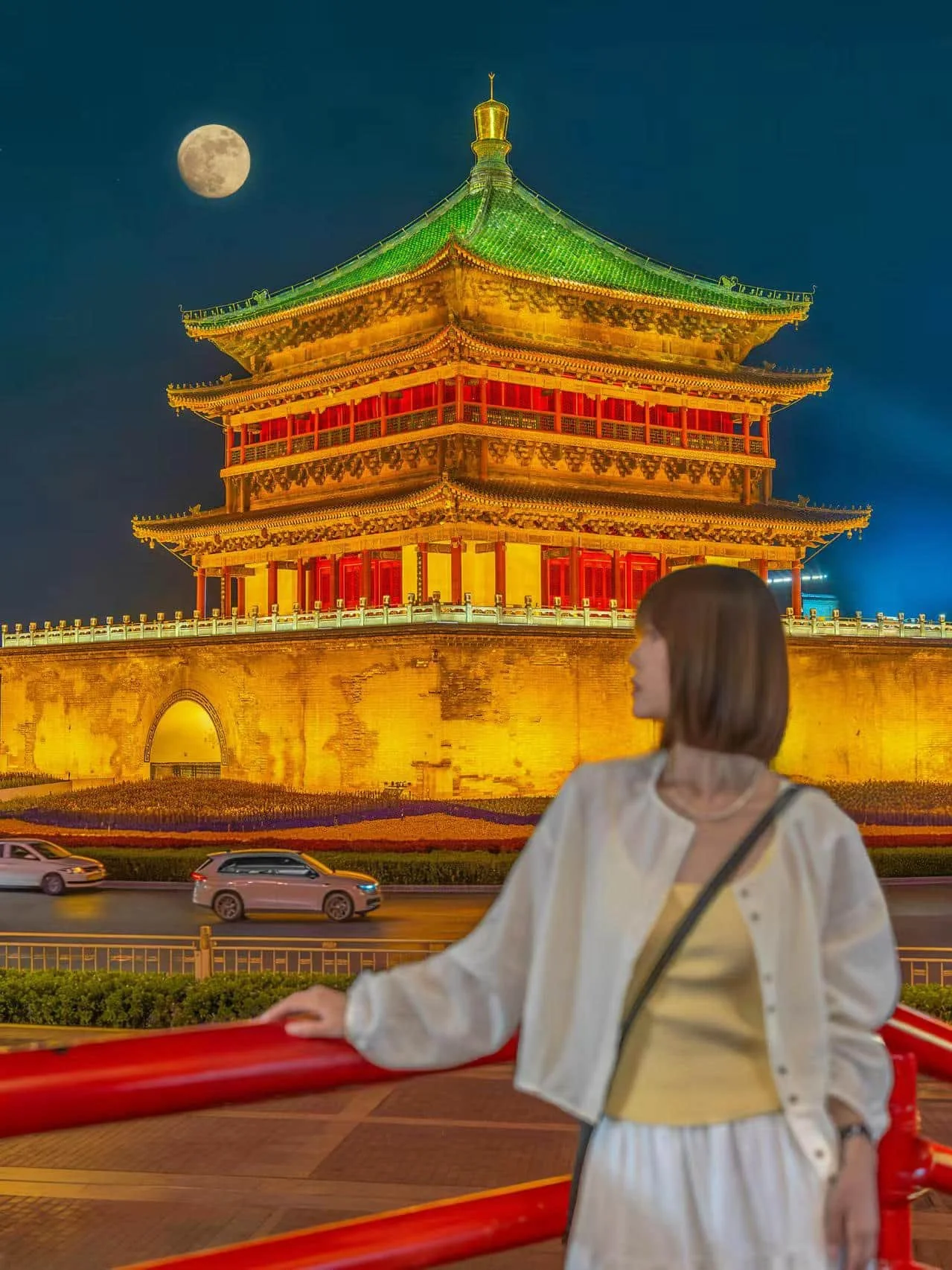
 Image 1 of 8
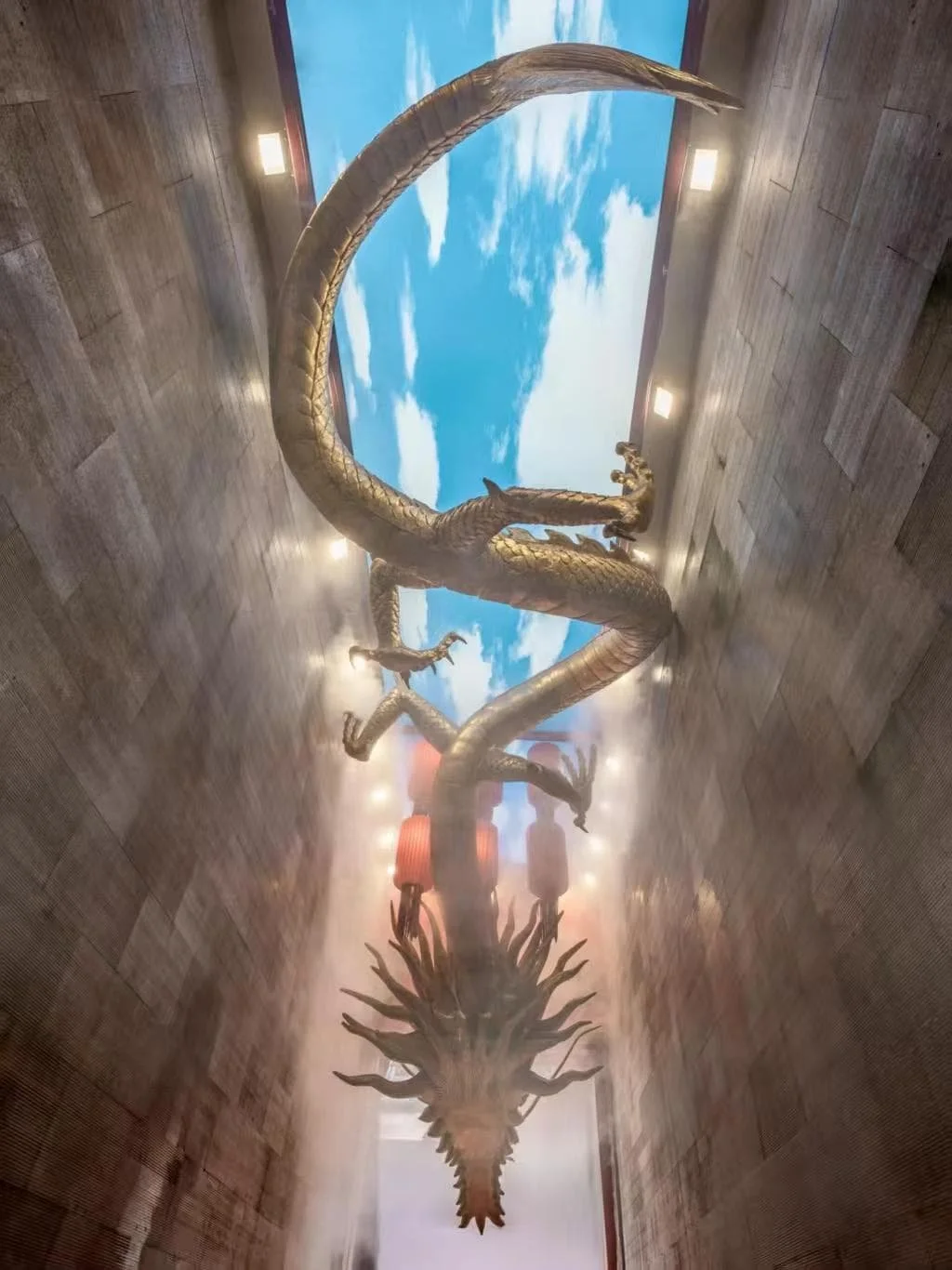 Image 2 of 8
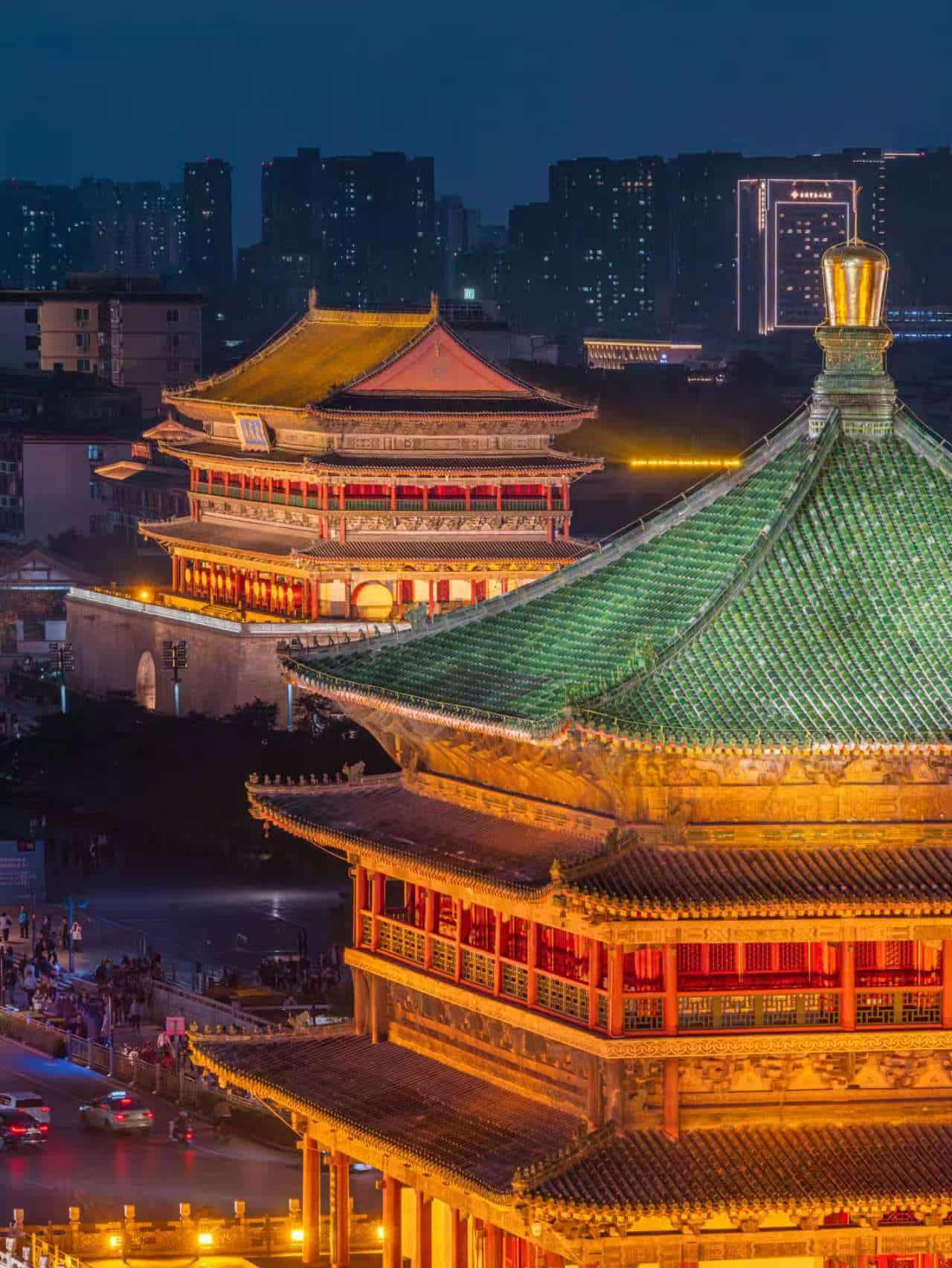 Image 3 of 8
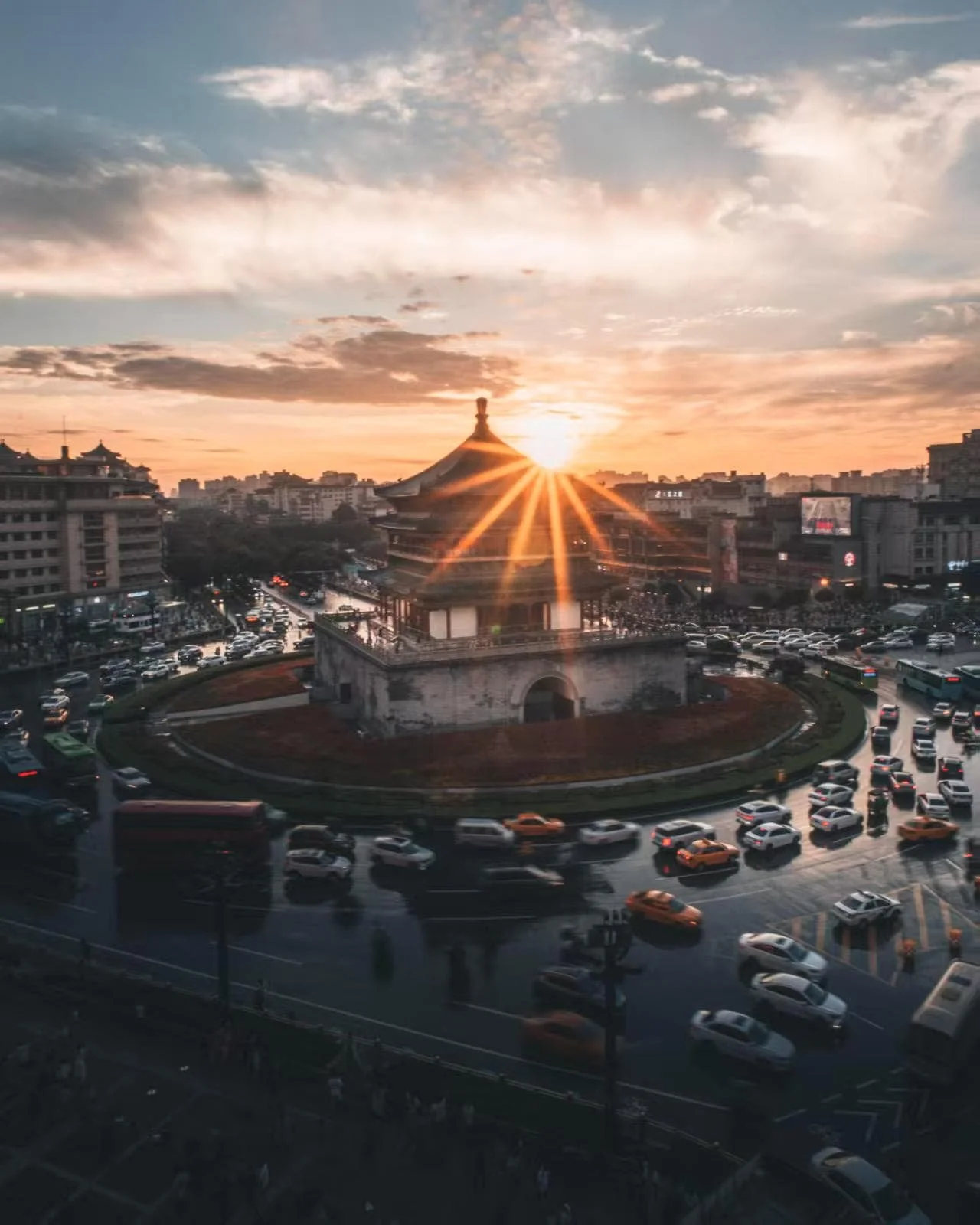 Image 4 of 8
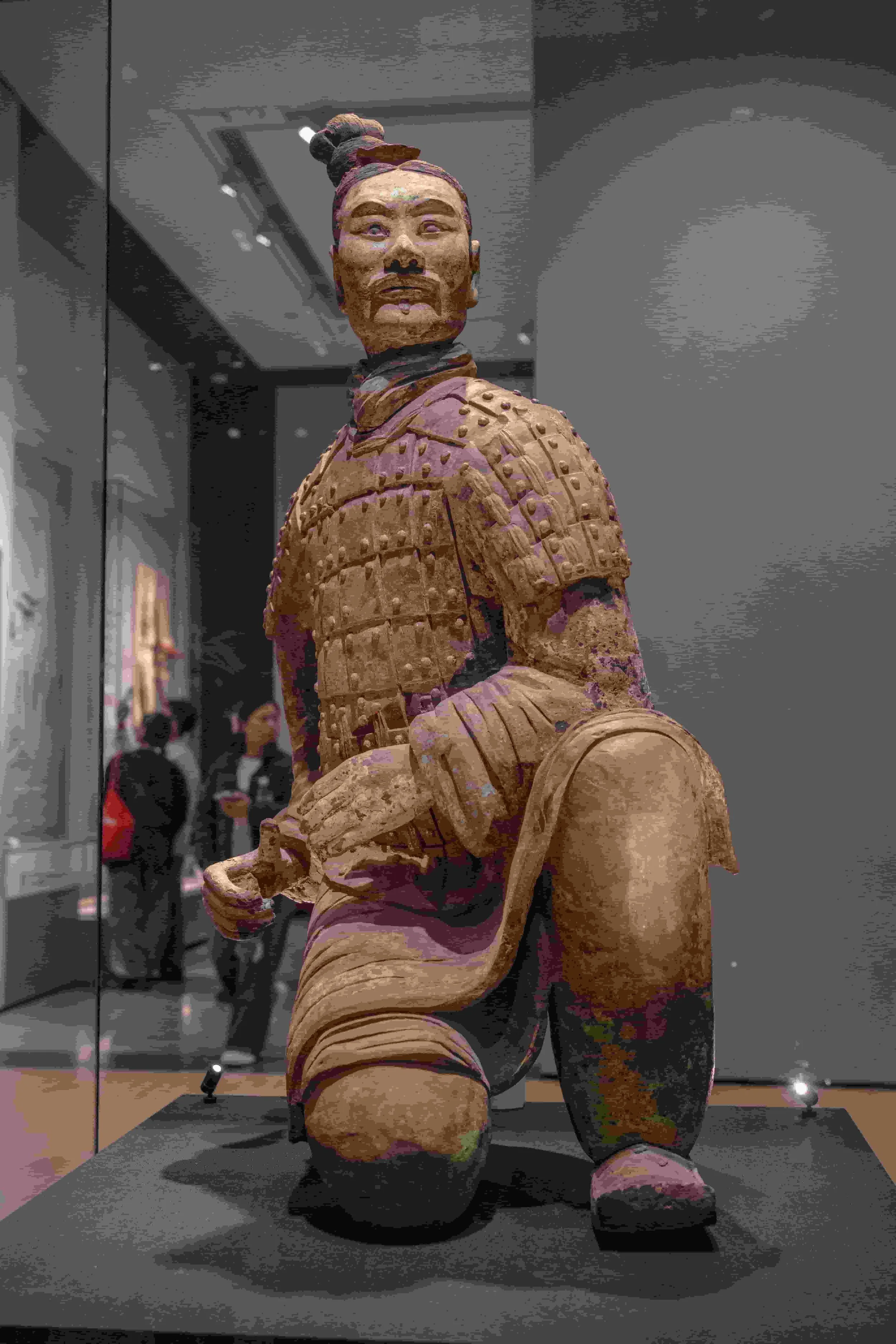 Image 5 of 8
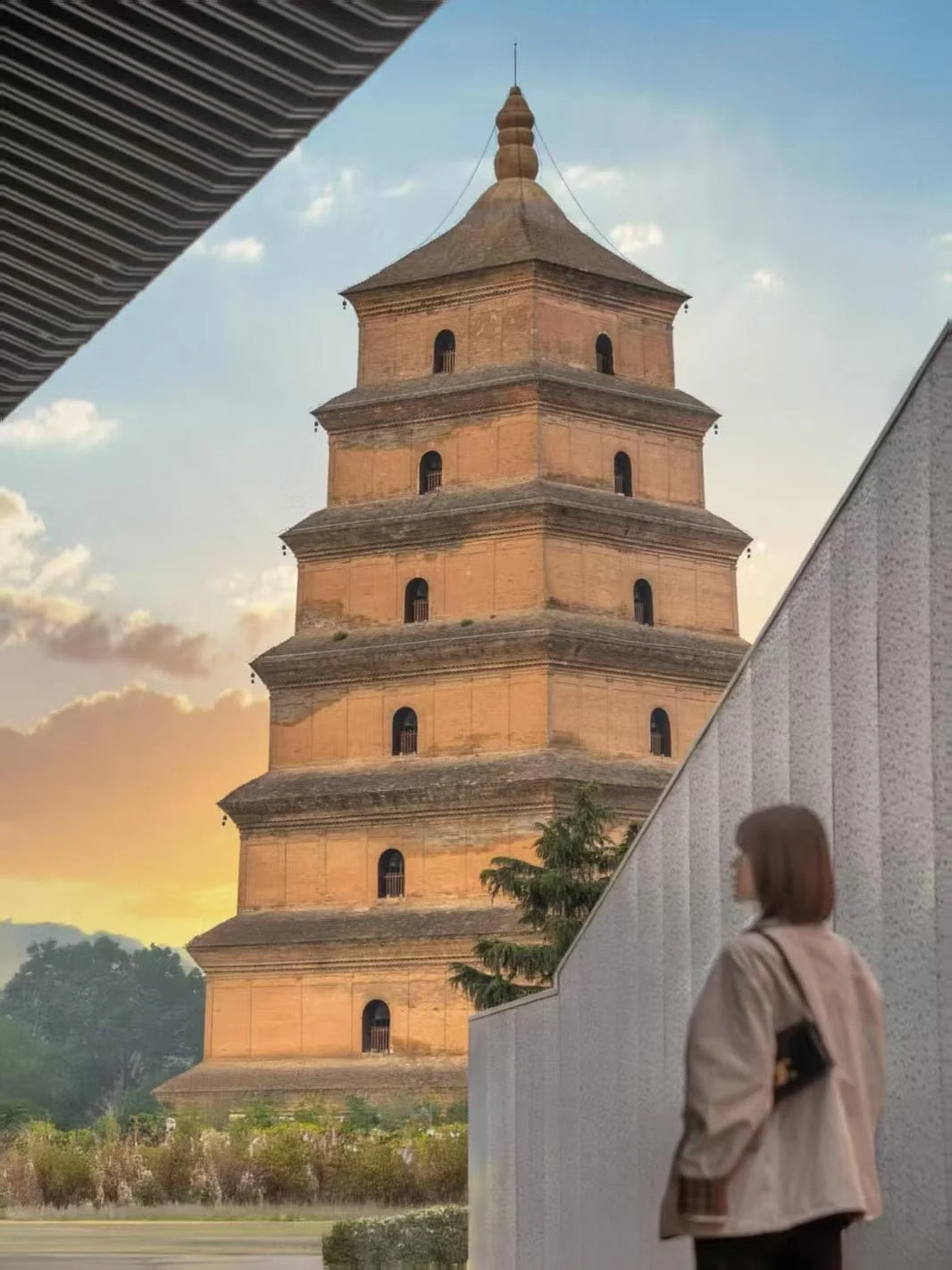 Image 6 of 8
 Image 7 of 8
 Image 8 of 8
5-Day 4-Night Xi’an Citywalk Itinerary
Five Days in Xi'an — A Cultural Immersion
Five days transforms your Xi'an experience from "sightseeing" to genuine cultural immersion. You'll have time to explore the world-famous Terracotta Warriors and the lesser-known corners that most visitors miss. You'll walk atop the 600-year-old City Wall at sunset, spend hours in the Shaanxi History Museum without rushing, get properly lost in the Muslim Quarter's food alleys, and take a meaningful day trip to the Famen Temple to see one of the world's few authentic Buddha relics. This is Xi'an at a human pace — the pace of someone who actually wants to understand the city, not just check boxes.
Your private guide and driver handle all logistics for 5 full days: hotel pickup each morning, skip-the-line ticket assistance, restaurant reservations, and flexible pacing. Want to spend an extra hour at a particular gallery in the museum? Your guide adjusts the schedule. Want to detour to a neighborhood night market one evening? Just say the word.
Why 5 Days: Most visitors spend 2 days in Xi'an and leave feeling like they barely scratched the surface. Five days lets you cover the imperial highlights plus the living culture — the food, the neighborhoods, the day trips to places most tourists never reach. You'll also have time to actually relax and enjoy the city rather than racing from site to site.
Day 1: The Terracotta Warriors & Huaqing Pool
🌅 Morning — The Terracotta Warriors Museum (8:30 AM – 12:30 PM)
Your guide meets you at your hotel at 8:00 AM for the 40-minute drive east to Lintong District. The highway passes through the Guanzhong Plain — the "land within the passes" that was the heartland of ancient China's agricultural civilization. Your guide will brief you on the extraordinary backstory: in 1974, a local farmer named Yang Zhifa was digging a well when his shovel hit a terracotta head. He had no idea he'd just uncovered the Eighth Wonder of the World.
Enter the museum complex and step into Pit 1 — the main army. The scale is immediately overwhelming: over 6,000 life-sized terracotta figures stand in battle formation across 14,000 square meters. Each warrior was individually sculpted with distinct facial features, hairstyles, armor details, and even shoe tread patterns. Your guide will point out the kneeling archers in the front ranks (deliberately left unarmored — they were expendable front-line troops); the generals with elaborate headdresses and armored sleeves; and the cavalrymen standing beside their clay horses, each horse with flared nostrils and muscular haunches ready to charge.
Pit 2 is the tactical formation pit — partially excavated, with archaeologists carefully preserving the site. You can see the marks on the earth where warriors still lie buried, waiting for conservation technology advanced enough to preserve their original paint. What's on display includes some of the best-preserved individual figures: a kneeling archer with pristine armor detail, a cavalry officer with traces of paint still visible on his face, and the famous "green-faced" warrior — a figure with distinctive green pigmentation whose meaning remains a mystery to this day.
Pit 3 is the smallest but most strategically important — the army's command center, where high-ranking officers directed operations. Only 68 figures, but they include the highest-ranking officers and the only figures found with genuine bronze weapons still in their hands. The layout confirms historical records from "Records of the Grand Historian" (史记), written about 100 years after the tomb was built.
End your visit at the Bronze Chariot Gallery, which houses two half-scale bronze chariots discovered in 1980 buried 20 meters from the tomb mound. These are masterpieces of ancient Chinese bronze work — each chariot has over 3,000 individual components, with gold and silver inlays, functional windows that slide open and shut, and umbrellas that can be raised and lowered.
Photography Tip: Pit 1 is beautifully lit from the side in the morning. Pit 2 allows flash photography (unlike Pit 1). Your guide knows the quieter viewing corners and the best angles that avoid competing with large tour groups.
Lunch: Lintong Local Flavors (12:30 – 1:30 PM)
Lintong is famous for mianpi (凉皮) — cold wheat noodles served with chili oil, garlic, and vinegar — and biangbiang mian (biangbiang面), the wide, belt-like hand-pulled noodles that are a Shaanxi signature. Your guide will take you to a restaurant where locals eat, not the overpriced places near the tourist parking lot.
🌇 Afternoon — Huaqing Pool (2:00 – 4:30 PM)
Just 15 minutes from the Terracotta site, Huaqing Pool (华清池) sits at the foot of Mount Li, where geothermal hot springs have attracted emperors for over 3,000 years. This site is most famous for one thing: it was the favorite retreat of Emperor Xuanzong (r. 712–756) and his consort Yang Guifei, one of China's Four Great Beauties.
Your guide will walk you through the imperial bathing pools — each heated by the same natural hot springs that still flow today at 43°C. The Emperor's Pool (Lotus Pool) is a marble basin big enough to swim in; Yang Guifei's smaller, more intimate pool is surrounded by carved marble screen walls. The water here was believed to preserve youth and beauty — Yang Guifei bathed here daily, and Tang Dynasty poets wrote breathless verses about her emerging from the steam like a lotus rising from water.
Then your guide will tell you the rest of the story. The emperor's obsession with Yang Guifei led him to neglect state affairs, promoting her corrupt relatives to high office. One of them, Yang Guozhong, was so incompetent that General An Lushan launched a rebellion in 755 AD. The emperor and Yang Guifei fled to Huaqing Pool for safety, but their own troops mutinied — they forced the emperor to execute Yang Guozhong and then strangle Yang Guifei. She was 38. The An Lushan Rebellion devastated the Tang Dynasty and killed an estimated 36 million people. It's one of history's great tragedies, and it all unfolded from this very location.
Return to Xi'an City: Drive back to your hotel around 5:00 PM. If you'd like to explore the Muslim Quarter for dinner, ask your guide to drop you there — they'll give you a map and restaurant recommendations so you can navigate the food stalls on your own.
Day 2: Shaanxi History Museum & Xi'an City Wall
🌅 Morning — Shaanxi History Museum (9:00 AM – 12:30 PM)
Called "the pearl of ancient capitals and the treasure house of China," the Shaanxi History Museum (陕西历史博物馆) houses over 370,000 artifacts spanning from the Paleolithic era to the Qing Dynasty. This is not a quick walk-through — plan on 3 to 3.5 hours with your guide, who will curate the experience so you see the masterpieces without museum fatigue.
The Pre-Qin Gallery: Start with the Neolithic Banpo culture (5000 BC) and their distinctive painted pottery, then move to the Zhou Dynasty (1046–256 BC) bronze ritual vessels. These massive bronze cauldrons (ding) weren't just cooking pots — they were symbols of political power. The number of ding a nobleman was allowed to own was strictly regulated by the Zhou feudal system. Your guide will explain how bronze technology and ritual authority together created China's first centralized political philosophy.
The Tang Dynasty Gallery: This is the museum's crown jewel. The Tang Dynasty (618–907 AD) was China's cosmopolitan golden age — the capital Chang'an (modern Xi'an) had 1 million residents, with traders from Persia, India, Japan, and the Byzantine Empire living side by side. The gallery includes Tang tomb murals (relocated from prince's tombs outside the city), gold and silver tableware inlaid with turquoise, and pottery figurines showing Central Asian dancers, Sogdian merchants, and African page boys — physical evidence of the Silk Road's reach.
Museum Strategy: The museum issues only 6,000 free tickets daily and they vanish within an hour of opening. Your guide will arrive early with your passport information to secure free tickets. If they're gone, we purchase Premium Hall tickets (¥30) that include all galleries — no waiting in the sun, no disappointment.
Lunch: Xiao Zhai University District (12:30 – 1:30 PM)
The museum sits in the Xiao Zhai district, surrounded by several major universities. This means the surrounding restaurants are geared toward students — cheap, authentic, and delicious. Your guide will take you to a local favorite for roujiamo (¥12–18) and yangrou paomo (¥35–50) — Xi'an's most iconic dish.
🌇 Afternoon — Xi'an City Wall (2:00 – 5:00 PM)
The Xi'an City Wall (西安城墙) is the best-preserved ancient fortification in all of China. Stretching 13.7 kilometers (8.5 miles) with a moat, drawbridges, watchtowers, and corner ramparts, it's one of the most impressive examples of ancient military architecture in the world.
Your guide will take you up via the South Gate (Yongning Gate, 永宁门) — the most impressive entrance, with a massive barbican structure, a working drawbridge mechanism, and beautiful traditional architecture. The wall is 12 meters wide at the top — wide enough to drive a chariot. Most visitors choose to walk a section (about 2–3 km takes 45 minutes) or rent a bicycle and ride from the South Gate to the East Gate (about 40 minutes at a leisurely pace).
Day 3: Big Wild Goose Pagoda, Great Mosque & Neighborhood Walk
🌅 Morning — Big Wild Goose Pagoda (9:00 – 11:30 AM)
The Big Wild Goose Pagoda (大雁塔, Dayan Ta) was built in 652 AD during the Tang Dynasty to house the Buddhist scriptures that the monk Xuanzang brought back from India — the same Xuanzang who inspired the classic novel "Journey to the West" (西游记). At 64 meters tall, it's one of the oldest and most significant Buddhist structures in China.
Your guide will climb the pagoda with you (248 steps to the top) and explain Xuanzang's extraordinary 17-year journey to India — he covered 10,000 miles on foot, translating 1,335 Buddhist sutras from Sanskrit into Chinese when he returned. The view from the top looks out over the southern part of Xi'an, with the Tang Dynasty-style architecture of the surrounding gardens providing excellent photo opportunities.
Lunch Near the Pagoda (11:30 AM – 12:30 PM)
The area around the pagoda has excellent restaurants serving both local Shaanxi cuisine and broader Chinese dishes. Your guide will recommend options based on your preferences.
🌞 Afternoon — The Great Mosque & Muslim Quarter (1:00 – 5:00 PM)
The Great Mosque (大学习巷清真寺) was built in 742 AD and has been expanded and renovated over 1,200+ years. Unlike Middle Eastern mosques with domes and minarets, this one is built entirely in traditional Chinese architectural style — curved roofs, wooden pavilions, garden courtyards, and stone tablets with Arabic calligraphy. It's one of the most beautiful blends of Islamic and Chinese architecture in existence, and non-Muslims can visit the outer courtyards and gardens.
After the mosque, dive into the Muslim Quarter (回民街, Huimin Jie) — a maze of narrow alleys packed with food vendors, traditional Islamic architecture, and the intoxicating smell of cumin, chili oil, and roasting lamb. Your guide will lead you through the best stalls and explain the history behind each dish. Don't miss: biangbiang mian (the wide belt noodles), roujiamo (Chinese hamburger), yangrou paomo (lamb soup with torn bread), and kao yangrou chuany (grilled lamb skewers with cumin).
Day 4: Famen Temple Day Trip — The Buddha's Finger Relic
🌅 Full Day — Famen Temple (法门寺), 2 Hours West of Xi'an
Drive 2 hours west of Xi'an to the Famen Temple — one of China's most important Buddhist sites. The temple is famous for housing a finger bone relic of the Sakyamuni Buddha — one of only a handful of authentic Buddha relics in existence. The relic is displayed in a spectacular underground palace museum, along with Tang Dynasty imperial offerings of gold, silver, and glassware from along the Silk Road.
The modern Grand Hall of the Buddha's Relic is an architectural marvel — a massive dome structure that houses a 1,485-kg gold-plated bronze Buddha statue, one of the largest in China. The temple complex also includes a 148-meter pagoda (the tallest in China) with an elevator to the top, offering spectacular views of the surrounding countryside.
History: The finger relic was discovered in 1987 during routine maintenance of the temple's pagoda. Hidden in an underground palace beneath the pagoda base, the relic was enclosed in eight nested caskets — the outermost made of sandalwood, the innermost of solid gold. The discovery also yielded over 2,400 precious artifacts from the Tang Dynasty court, including the emperor's own offerings to the Buddha.
Lunch: Eat at a local restaurant near Famen Temple — your guide will recommend a place serving authentic Shaanxi countryside cuisine, much different from the urban food in Xi'an proper.
Return to Xi'an: Drive back in the late afternoon. If you're interested in Tang Dynasty culture, ask your guide about adding a visit to the Tang Paradise (大唐芙蓉园) park in the evening — a recreated Tang Dynasty garden with cultural performances (extra ticket required, ¥120).
Day 5: Hidden Xi'an — Local Neighborhoods & Farewell
🌅 Morning — Hanyangling Museum (汉阳陵) or Shaanxi Art Museum
On your final day, your guide will take you somewhere that most tourists never see. Hanyangling Museum is the tomb of Emperor Jingdi (r. 157–141 BC) and his empress, featuring an underground museum where you walk on glass floors above the actual excavated pits — thousands of miniature terracotta figures (much smaller than the warriors, about 50 cm tall) arranged in daily life scenes: cooking, playing music, farming, keeping pets. It's extraordinary and almost tourist-free.
Alternatively, visit the Shaanxi Art Museum to see contemporary Chinese art and calligraphy, or take a walk through the Forest of Stone Steles Museum (碑林博物馆) — the oldest and largest collection of stone tablets in China, with 3,000+ stone inscriptions dating back 2,000 years. This is where China's calligraphic tradition is preserved — your guide will explain how Chinese characters evolved and why calligraphy is considered the highest Chinese art form.
Lunch & Afternoon: Your Choice
Your final afternoon is flexible. Options include:
Option A — More Food Exploration: Return to the Muslim Quarter for anything you missed, or explore the Yongxing Fang (永兴坊) food court — a newer, cleaner version of the Muslim Quarter with excellent local specialties from all over Shaanxi Province.
Option B — Shopping: Visit the Shuyuanmen Street (书院门) — a pedestrian street near the Forest of Stone Steles selling calligraphy supplies, traditional paintings, seals carved from stone, and local handicrafts. Your guide will help you navigate prices and avoid tourist markups.
Option C — Relaxed Farewell: Spend your final afternoon at a traditional tea house in the old city, sipping local teas and reflecting on your 5-day journey through 3,000 years of Chinese history.
IncludedNot Included✅ Private hotel pickup & drop-off (5 days)❌ Terracotta Warriors entrance (¥120, Apr–Oct; ¥90, Nov–Mar)✅ Licensed English-speaking guide (5 full days)❌ Huaqing Pool entrance (¥120, Apr–Oct; ¥80, Nov–Mar)✅ Private air-conditioned vehicle❌ Shaanxi History Museum (free; Premium Hall ¥30 if free tkts gone)✅ Bottled water daily❌ City Wall entrance (¥54; bike rental ¥45/2 hrs)✅ Skip-the-line ticket assistance❌ Big Wild Goose Pagoda (¥40; climb to top +¥30)✅ Famen Temple day trip (transport + guide)❌ Famen Temple entrance (¥120)❌ Lunch (5 days, ¥40–80 per person per meal)❌ Gratuities (optional)
Five Days in Xi'an — A Cultural Immersion
Five days transforms your Xi'an experience from "sightseeing" to genuine cultural immersion. You'll have time to explore the world-famous Terracotta Warriors and the lesser-known corners that most visitors miss. You'll walk atop the 600-year-old City Wall at sunset, spend hours in the Shaanxi History Museum without rushing, get properly lost in the Muslim Quarter's food alleys, and take a meaningful day trip to the Famen Temple to see one of the world's few authentic Buddha relics. This is Xi'an at a human pace — the pace of someone who actually wants to understand the city, not just check boxes.
Your private guide and driver handle all logistics for 5 full days: hotel pickup each morning, skip-the-line ticket assistance, restaurant reservations, and flexible pacing. Want to spend an extra hour at a particular gallery in the museum? Your guide adjusts the schedule. Want to detour to a neighborhood night market one evening? Just say the word.
Why 5 Days: Most visitors spend 2 days in Xi'an and leave feeling like they barely scratched the surface. Five days lets you cover the imperial highlights plus the living culture — the food, the neighborhoods, the day trips to places most tourists never reach. You'll also have time to actually relax and enjoy the city rather than racing from site to site.
Day 1: The Terracotta Warriors & Huaqing Pool
🌅 Morning — The Terracotta Warriors Museum (8:30 AM – 12:30 PM)
Your guide meets you at your hotel at 8:00 AM for the 40-minute drive east to Lintong District. The highway passes through the Guanzhong Plain — the "land within the passes" that was the heartland of ancient China's agricultural civilization. Your guide will brief you on the extraordinary backstory: in 1974, a local farmer named Yang Zhifa was digging a well when his shovel hit a terracotta head. He had no idea he'd just uncovered the Eighth Wonder of the World.
Enter the museum complex and step into Pit 1 — the main army. The scale is immediately overwhelming: over 6,000 life-sized terracotta figures stand in battle formation across 14,000 square meters. Each warrior was individually sculpted with distinct facial features, hairstyles, armor details, and even shoe tread patterns. Your guide will point out the kneeling archers in the front ranks (deliberately left unarmored — they were expendable front-line troops); the generals with elaborate headdresses and armored sleeves; and the cavalrymen standing beside their clay horses, each horse with flared nostrils and muscular haunches ready to charge.
Pit 2 is the tactical formation pit — partially excavated, with archaeologists carefully preserving the site. You can see the marks on the earth where warriors still lie buried, waiting for conservation technology advanced enough to preserve their original paint. What's on display includes some of the best-preserved individual figures: a kneeling archer with pristine armor detail, a cavalry officer with traces of paint still visible on his face, and the famous "green-faced" warrior — a figure with distinctive green pigmentation whose meaning remains a mystery to this day.
Pit 3 is the smallest but most strategically important — the army's command center, where high-ranking officers directed operations. Only 68 figures, but they include the highest-ranking officers and the only figures found with genuine bronze weapons still in their hands. The layout confirms historical records from "Records of the Grand Historian" (史记), written about 100 years after the tomb was built.
End your visit at the Bronze Chariot Gallery, which houses two half-scale bronze chariots discovered in 1980 buried 20 meters from the tomb mound. These are masterpieces of ancient Chinese bronze work — each chariot has over 3,000 individual components, with gold and silver inlays, functional windows that slide open and shut, and umbrellas that can be raised and lowered.
Photography Tip: Pit 1 is beautifully lit from the side in the morning. Pit 2 allows flash photography (unlike Pit 1). Your guide knows the quieter viewing corners and the best angles that avoid competing with large tour groups.
Lunch: Lintong Local Flavors (12:30 – 1:30 PM)
Lintong is famous for mianpi (凉皮) — cold wheat noodles served with chili oil, garlic, and vinegar — and biangbiang mian (biangbiang面), the wide, belt-like hand-pulled noodles that are a Shaanxi signature. Your guide will take you to a restaurant where locals eat, not the overpriced places near the tourist parking lot.
🌇 Afternoon — Huaqing Pool (2:00 – 4:30 PM)
Just 15 minutes from the Terracotta site, Huaqing Pool (华清池) sits at the foot of Mount Li, where geothermal hot springs have attracted emperors for over 3,000 years. This site is most famous for one thing: it was the favorite retreat of Emperor Xuanzong (r. 712–756) and his consort Yang Guifei, one of China's Four Great Beauties.
Your guide will walk you through the imperial bathing pools — each heated by the same natural hot springs that still flow today at 43°C. The Emperor's Pool (Lotus Pool) is a marble basin big enough to swim in; Yang Guifei's smaller, more intimate pool is surrounded by carved marble screen walls. The water here was believed to preserve youth and beauty — Yang Guifei bathed here daily, and Tang Dynasty poets wrote breathless verses about her emerging from the steam like a lotus rising from water.
Then your guide will tell you the rest of the story. The emperor's obsession with Yang Guifei led him to neglect state affairs, promoting her corrupt relatives to high office. One of them, Yang Guozhong, was so incompetent that General An Lushan launched a rebellion in 755 AD. The emperor and Yang Guifei fled to Huaqing Pool for safety, but their own troops mutinied — they forced the emperor to execute Yang Guozhong and then strangle Yang Guifei. She was 38. The An Lushan Rebellion devastated the Tang Dynasty and killed an estimated 36 million people. It's one of history's great tragedies, and it all unfolded from this very location.
Return to Xi'an City: Drive back to your hotel around 5:00 PM. If you'd like to explore the Muslim Quarter for dinner, ask your guide to drop you there — they'll give you a map and restaurant recommendations so you can navigate the food stalls on your own.
Day 2: Shaanxi History Museum & Xi'an City Wall
🌅 Morning — Shaanxi History Museum (9:00 AM – 12:30 PM)
Called "the pearl of ancient capitals and the treasure house of China," the Shaanxi History Museum (陕西历史博物馆) houses over 370,000 artifacts spanning from the Paleolithic era to the Qing Dynasty. This is not a quick walk-through — plan on 3 to 3.5 hours with your guide, who will curate the experience so you see the masterpieces without museum fatigue.
The Pre-Qin Gallery: Start with the Neolithic Banpo culture (5000 BC) and their distinctive painted pottery, then move to the Zhou Dynasty (1046–256 BC) bronze ritual vessels. These massive bronze cauldrons (ding) weren't just cooking pots — they were symbols of political power. The number of ding a nobleman was allowed to own was strictly regulated by the Zhou feudal system. Your guide will explain how bronze technology and ritual authority together created China's first centralized political philosophy.
The Tang Dynasty Gallery: This is the museum's crown jewel. The Tang Dynasty (618–907 AD) was China's cosmopolitan golden age — the capital Chang'an (modern Xi'an) had 1 million residents, with traders from Persia, India, Japan, and the Byzantine Empire living side by side. The gallery includes Tang tomb murals (relocated from prince's tombs outside the city), gold and silver tableware inlaid with turquoise, and pottery figurines showing Central Asian dancers, Sogdian merchants, and African page boys — physical evidence of the Silk Road's reach.
Museum Strategy: The museum issues only 6,000 free tickets daily and they vanish within an hour of opening. Your guide will arrive early with your passport information to secure free tickets. If they're gone, we purchase Premium Hall tickets (¥30) that include all galleries — no waiting in the sun, no disappointment.
Lunch: Xiao Zhai University District (12:30 – 1:30 PM)
The museum sits in the Xiao Zhai district, surrounded by several major universities. This means the surrounding restaurants are geared toward students — cheap, authentic, and delicious. Your guide will take you to a local favorite for roujiamo (¥12–18) and yangrou paomo (¥35–50) — Xi'an's most iconic dish.
🌇 Afternoon — Xi'an City Wall (2:00 – 5:00 PM)
The Xi'an City Wall (西安城墙) is the best-preserved ancient fortification in all of China. Stretching 13.7 kilometers (8.5 miles) with a moat, drawbridges, watchtowers, and corner ramparts, it's one of the most impressive examples of ancient military architecture in the world.
Your guide will take you up via the South Gate (Yongning Gate, 永宁门) — the most impressive entrance, with a massive barbican structure, a working drawbridge mechanism, and beautiful traditional architecture. The wall is 12 meters wide at the top — wide enough to drive a chariot. Most visitors choose to walk a section (about 2–3 km takes 45 minutes) or rent a bicycle and ride from the South Gate to the East Gate (about 40 minutes at a leisurely pace).
Day 3: Big Wild Goose Pagoda, Great Mosque & Neighborhood Walk
🌅 Morning — Big Wild Goose Pagoda (9:00 – 11:30 AM)
The Big Wild Goose Pagoda (大雁塔, Dayan Ta) was built in 652 AD during the Tang Dynasty to house the Buddhist scriptures that the monk Xuanzang brought back from India — the same Xuanzang who inspired the classic novel "Journey to the West" (西游记). At 64 meters tall, it's one of the oldest and most significant Buddhist structures in China.
Your guide will climb the pagoda with you (248 steps to the top) and explain Xuanzang's extraordinary 17-year journey to India — he covered 10,000 miles on foot, translating 1,335 Buddhist sutras from Sanskrit into Chinese when he returned. The view from the top looks out over the southern part of Xi'an, with the Tang Dynasty-style architecture of the surrounding gardens providing excellent photo opportunities.
Lunch Near the Pagoda (11:30 AM – 12:30 PM)
The area around the pagoda has excellent restaurants serving both local Shaanxi cuisine and broader Chinese dishes. Your guide will recommend options based on your preferences.
🌞 Afternoon — The Great Mosque & Muslim Quarter (1:00 – 5:00 PM)
The Great Mosque (大学习巷清真寺) was built in 742 AD and has been expanded and renovated over 1,200+ years. Unlike Middle Eastern mosques with domes and minarets, this one is built entirely in traditional Chinese architectural style — curved roofs, wooden pavilions, garden courtyards, and stone tablets with Arabic calligraphy. It's one of the most beautiful blends of Islamic and Chinese architecture in existence, and non-Muslims can visit the outer courtyards and gardens.
After the mosque, dive into the Muslim Quarter (回民街, Huimin Jie) — a maze of narrow alleys packed with food vendors, traditional Islamic architecture, and the intoxicating smell of cumin, chili oil, and roasting lamb. Your guide will lead you through the best stalls and explain the history behind each dish. Don't miss: biangbiang mian (the wide belt noodles), roujiamo (Chinese hamburger), yangrou paomo (lamb soup with torn bread), and kao yangrou chuany (grilled lamb skewers with cumin).
Day 4: Famen Temple Day Trip — The Buddha's Finger Relic
🌅 Full Day — Famen Temple (法门寺), 2 Hours West of Xi'an
Drive 2 hours west of Xi'an to the Famen Temple — one of China's most important Buddhist sites. The temple is famous for housing a finger bone relic of the Sakyamuni Buddha — one of only a handful of authentic Buddha relics in existence. The relic is displayed in a spectacular underground palace museum, along with Tang Dynasty imperial offerings of gold, silver, and glassware from along the Silk Road.
The modern Grand Hall of the Buddha's Relic is an architectural marvel — a massive dome structure that houses a 1,485-kg gold-plated bronze Buddha statue, one of the largest in China. The temple complex also includes a 148-meter pagoda (the tallest in China) with an elevator to the top, offering spectacular views of the surrounding countryside.
History: The finger relic was discovered in 1987 during routine maintenance of the temple's pagoda. Hidden in an underground palace beneath the pagoda base, the relic was enclosed in eight nested caskets — the outermost made of sandalwood, the innermost of solid gold. The discovery also yielded over 2,400 precious artifacts from the Tang Dynasty court, including the emperor's own offerings to the Buddha.
Lunch: Eat at a local restaurant near Famen Temple — your guide will recommend a place serving authentic Shaanxi countryside cuisine, much different from the urban food in Xi'an proper.
Return to Xi'an: Drive back in the late afternoon. If you're interested in Tang Dynasty culture, ask your guide about adding a visit to the Tang Paradise (大唐芙蓉园) park in the evening — a recreated Tang Dynasty garden with cultural performances (extra ticket required, ¥120).
Day 5: Hidden Xi'an — Local Neighborhoods & Farewell
🌅 Morning — Hanyangling Museum (汉阳陵) or Shaanxi Art Museum
On your final day, your guide will take you somewhere that most tourists never see. Hanyangling Museum is the tomb of Emperor Jingdi (r. 157–141 BC) and his empress, featuring an underground museum where you walk on glass floors above the actual excavated pits — thousands of miniature terracotta figures (much smaller than the warriors, about 50 cm tall) arranged in daily life scenes: cooking, playing music, farming, keeping pets. It's extraordinary and almost tourist-free.
Alternatively, visit the Shaanxi Art Museum to see contemporary Chinese art and calligraphy, or take a walk through the Forest of Stone Steles Museum (碑林博物馆) — the oldest and largest collection of stone tablets in China, with 3,000+ stone inscriptions dating back 2,000 years. This is where China's calligraphic tradition is preserved — your guide will explain how Chinese characters evolved and why calligraphy is considered the highest Chinese art form.
Lunch & Afternoon: Your Choice
Your final afternoon is flexible. Options include:
Option A — More Food Exploration: Return to the Muslim Quarter for anything you missed, or explore the Yongxing Fang (永兴坊) food court — a newer, cleaner version of the Muslim Quarter with excellent local specialties from all over Shaanxi Province.
Option B — Shopping: Visit the Shuyuanmen Street (书院门) — a pedestrian street near the Forest of Stone Steles selling calligraphy supplies, traditional paintings, seals carved from stone, and local handicrafts. Your guide will help you navigate prices and avoid tourist markups.
Option C — Relaxed Farewell: Spend your final afternoon at a traditional tea house in the old city, sipping local teas and reflecting on your 5-day journey through 3,000 years of Chinese history.
IncludedNot Included✅ Private hotel pickup & drop-off (5 days)❌ Terracotta Warriors entrance (¥120, Apr–Oct; ¥90, Nov–Mar)✅ Licensed English-speaking guide (5 full days)❌ Huaqing Pool entrance (¥120, Apr–Oct; ¥80, Nov–Mar)✅ Private air-conditioned vehicle❌ Shaanxi History Museum (free; Premium Hall ¥30 if free tkts gone)✅ Bottled water daily❌ City Wall entrance (¥54; bike rental ¥45/2 hrs)✅ Skip-the-line ticket assistance❌ Big Wild Goose Pagoda (¥40; climb to top +¥30)✅ Famen Temple day trip (transport + guide)❌ Famen Temple entrance (¥120)❌ Lunch (5 days, ¥40–80 per person per meal)❌ Gratuities (optional)