

 Image 1 of 6
 Image 2 of 6
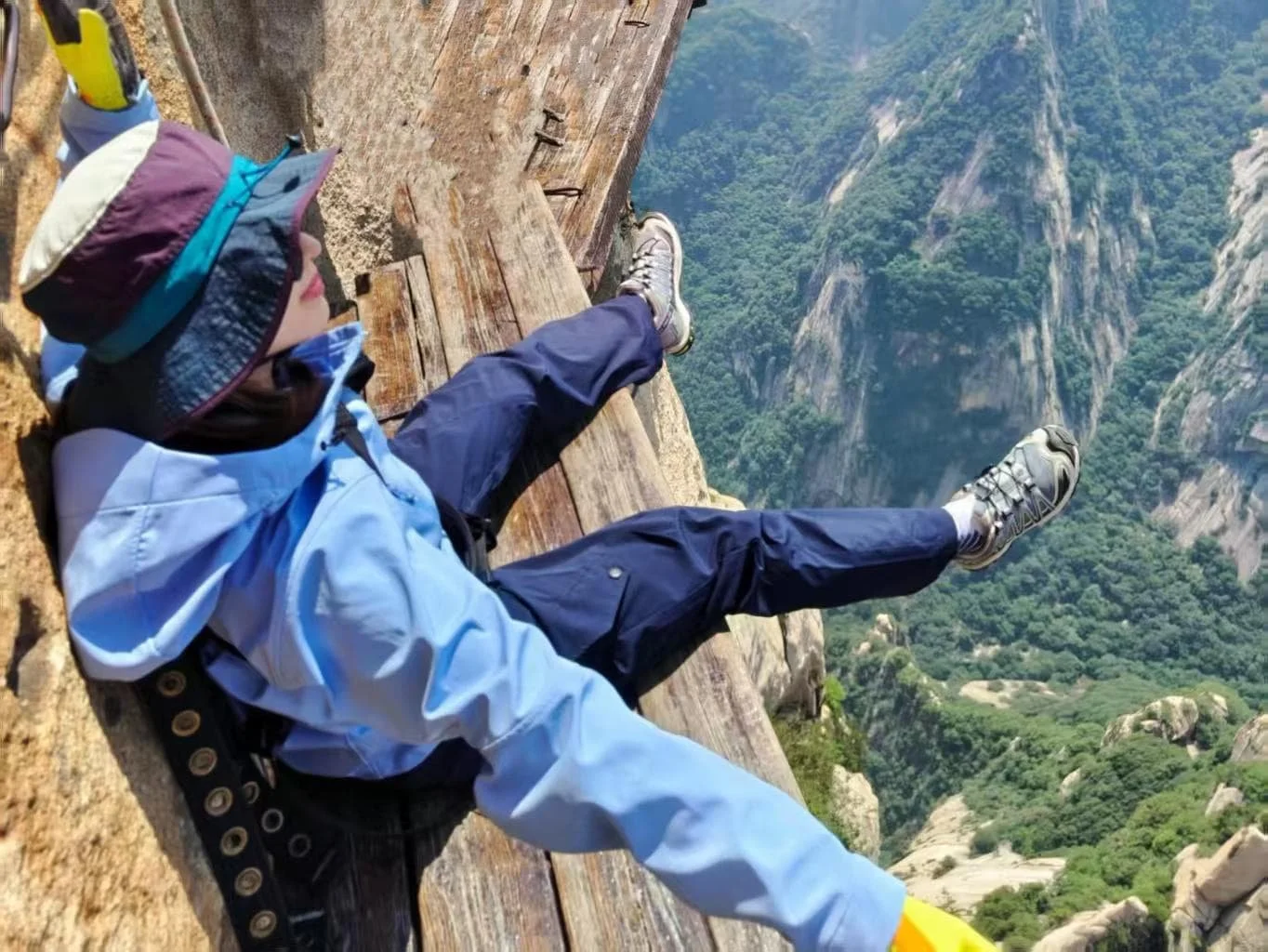 Image 3 of 6
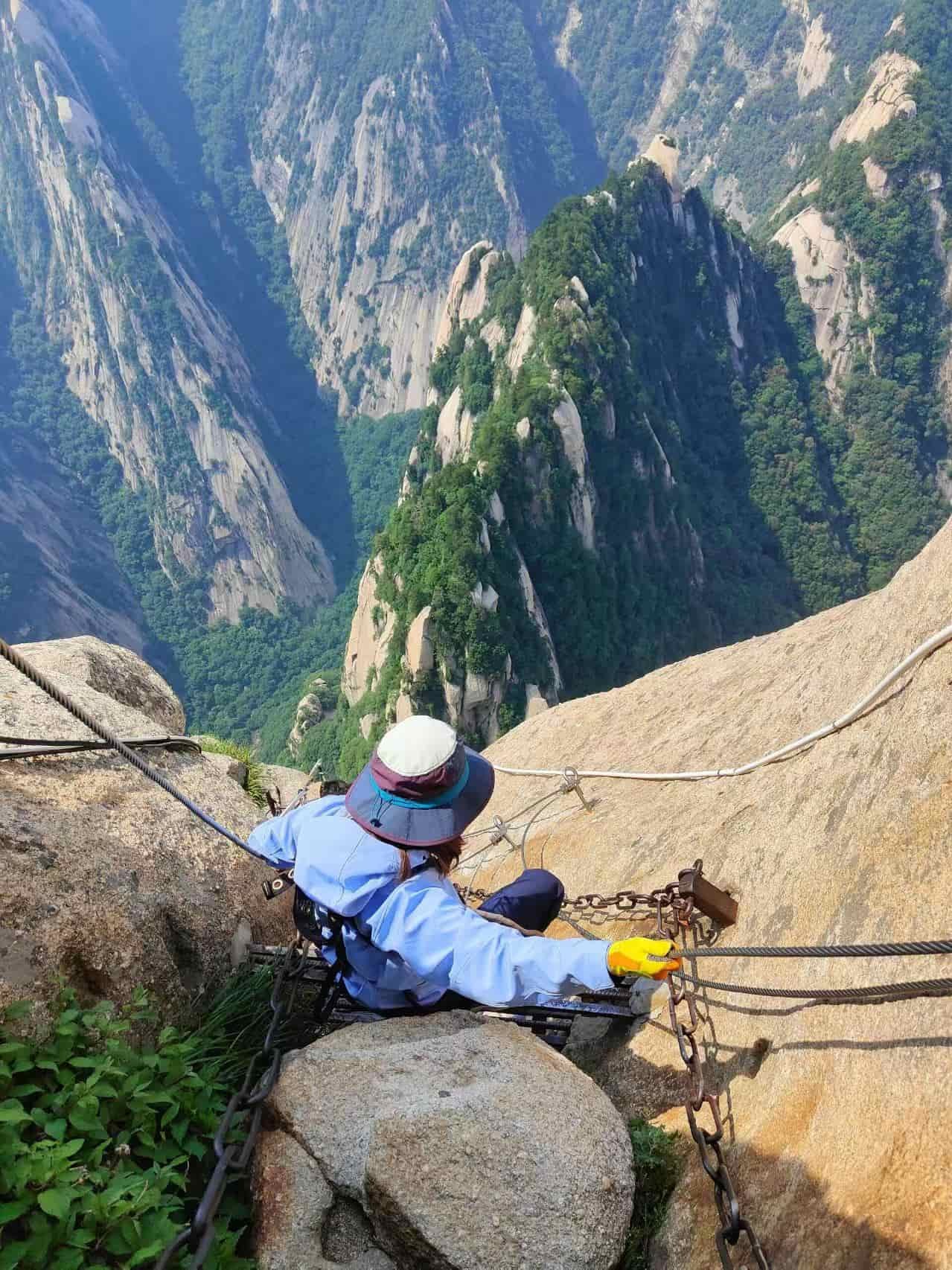 Image 4 of 6
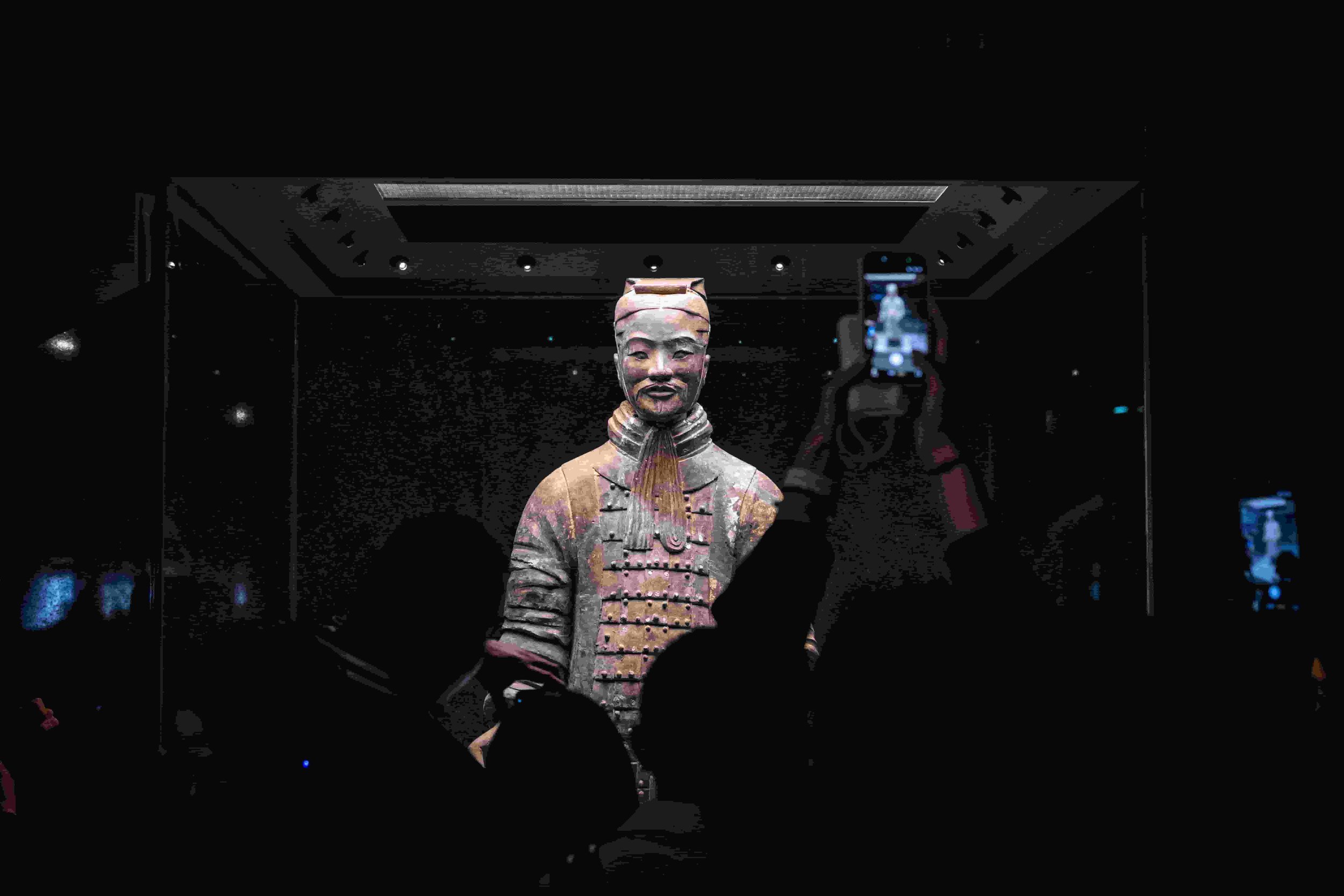 Image 5 of 6
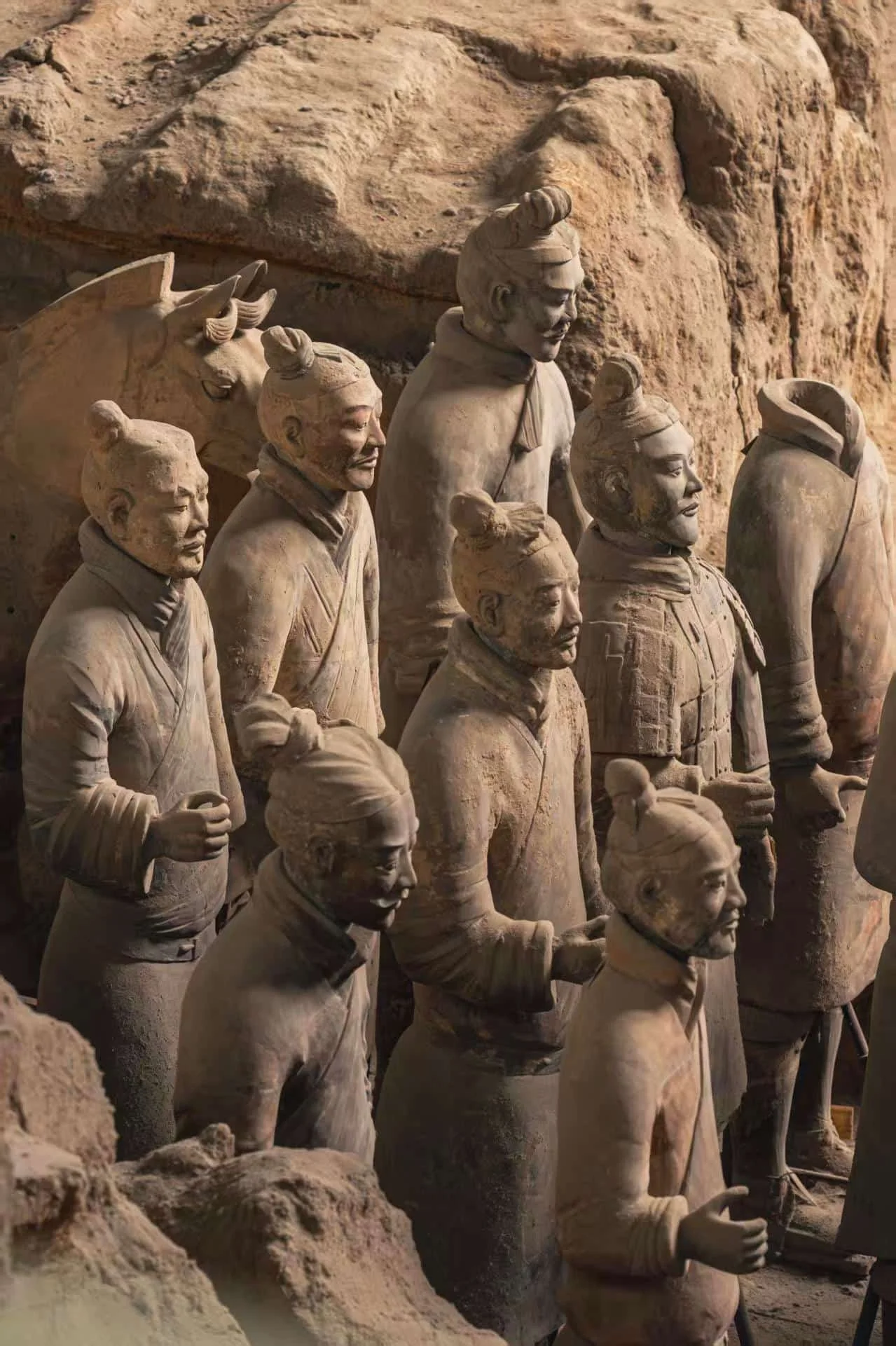 Image 6 of 6
One-Day Xi'an Tour – Three Options
One-Day Xi'an Private Tour — Option 1: Terracotta Warriors & Huaqing Pool
If you have only one day in Xi'an, this is the route that gives you the two most iconic sites in Chinese history — the Terracotta Warriors and the Tang Dynasty hot springs where an emperor's love story changed the course of history. This is the "greatest hits" version of Xi'an, paced so you never feel rushed, with a private guide who brings the 2,200-year-old story to life.
Why This Option: First-time visitors who want the must-see highlights. You'll stand face-to-face with the Terracotta Army (the reason most people come to Xi'an) and then visit the Tang Dynasty palace where Emperor Xuanzong's obsession with Yang Guifei contributed to one of China's deadliest rebellions. It's history, drama, and incredible archaeology in one perfectly paced day.
Morning: The Terracotta Warriors Museum (8:30 AM – 12:00 PM)
🌅 8:00 AM — Hotel Pickup
Your guide meets you at your hotel lobby and you drive 40 minutes east to Lintong District. The drive takes you through the Guanzhong Plain, the fertile heartland of ancient China where the Yellow River civilization first flourished. Your guide will brief you on the extraordinary story of how a local farmer digging a well in 1974 stumbled upon what is now considered the Eighth Wonder of the World.
When you arrive, you don't just "see the warriors" — your guide takes you through the three excavation pits in the optimal order to avoid the heaviest crowds and build the drama properly.
Pit 1 — The Main Army (兵马俑一号坑)
Step inside the vast hangar-like building and the scale hits you immediately. Over 6,000 life-sized terracotta figures stand in battle formation across 14,000 square meters — archers in the front ranks, infantry behind them, and officers at the rear. Each warrior was individually sculpted with distinct facial features, hairstyles, armor details, and even shoe tread patterns. No two faces are alike, and historians believe they were modeled on real soldiers from the Qin army.
Your guide will point out the details you'd never notice alone: the kneeling archers with their armor deliberately left unglued (they were expendable front-line troops); the generals with elaborate headdresses and armored sleeves; the cavalrymen standing beside their clay horses, each horse with flared nostrils and muscular haunches ready to charge. The Pit 1 viewing platform gets crowded — your guide knows the quieter corners where you can linger and really look.
Pit 2 — The Elite Forces (兵马俑二号坑)
This is the tactical formation pit, where archaeologists have identified separate units of charioteers, cavalry, archers, and infantry arranged in a sophisticated military strategy. Pit 2 is only partially excavated — you can see the marks on the earth where warriors still lie buried, waiting for technology advanced enough to preserve their paint. What's on display includes some of the best-preserved individual figures: a kneeling archer with pristine detail, a cavalry officer with painted features still visible, and the famous "green-faced" warrior whose pigmentation remains a mystery.
Pit 3 — The Command Center (兵马俑三号坑)
The smallest pit but the most strategically important — this is where the army's high command stood. Only 68 figures, but they include the highest-ranking officers and the only figures found with genuine bronze weapons still in their hands. The layout mirrors the command structure of a Qin Dynasty army, and your guide will explain how this archaeological discovery confirmed historical records from "Records of the Grand Historian" (史记) written 100 years after the tomb was built.
The Bronze Chariot Gallery: After the pits, visit the exhibition hall housing two half-scale bronze chariots discovered in 1980, buried 20 meters from the tomb mound. These are considered masterpieces of ancient Chinese bronze work — each chariot has over 3,000 individual components, with gold and silver inlays, functional windows that slide open and shut, and umbrellas that can be raised and lowered. Emperor Qin Shi Huang was buried with them so he could tour his afterlife empire in style.
Photography Tip: Pit 1 is beautifully lit from the side in the morning. Pit 2 allows flash photography (unlike Pit 1). Your guide will tell you exactly where to stand for the best shots without competing with tour groups.
Lunch: Lintong Local Flavors (12:00 – 1:00 PM)
Lintong is famous for liangpi (凉皮) — cold wheat noodles served with chili oil, garlic, and vinegar — and biangbiang mian (biangbiang面), the wide, belt-like hand-pulled noodles that are a Shaanxi signature. Your guide will take you to a restaurant where locals eat, not the overpriced places near the parking lot. If you're feeling adventurous, try roujiamo (肉夹馍) — the original Chinese hamburger, with slow-braised pork shoulder stuffed into a crispy flatbread. It predates the Western hamburger by nearly 2,000 years.
Afternoon: Huaqing Pool (1:30 – 3:30 PM)
🌇 The Tang Dynasty Love Story
Fifteen minutes from the Terracotta site, Huaqing Pool (华清池) sits at the foot of Mount Li, where geothermal hot springs have attracted emperors for 3,000 years. But this site is famous for one reason: it was the favorite retreat of Emperor Xuanzong (r. 712–756) and his consort Yang Guifei, one of China's Four Great Beauties.
Your guide will walk you through the imperial bathing pools — each heated by the same natural hot springs that still flow today at 43°C. The Emperor's Pool (Lotus Pool) is a marble basin big enough to swim in; Yang Guifei's smaller, more intimate pool is surrounded by carved marble screen walls. The water here was believed to preserve youth and beauty — Yang Guifei bathed here daily, and Tang Dynasty poets wrote breathless verses about her emerging from the steam like a lotus rising from water.
Then your guide will tell you the rest of the story. The emperor's obsession with Yang Guifei led him to neglect state affairs, promoting her relatives to high office. One of them, Yang Guozhong, was so corrupt and incompetent that General An Lushan launched a rebellion in 755 AD. The emperor and Yang Guifei fled to Huaqing Pool for safety, but their own troops mutinied — they forced the emperor to execute Yang Guozhong and then strangle Yang Guifei. She was 38. The rebellion devastated the Tang Dynasty and killed an estimated 36 million people. It's one of history's great tragedies, and it all unfolded from this very location.
The Xi'an Incident (1936): Huaqing Pool also played a role in modern Chinese history. In December 1936, Chiang Kai-shek was vacationing here when his own generals arrested him in his pajamas, demanding he form a united front with the Communists to fight Japan. The bullet holes from that morning are still visible in the walls of Chiang's bedroom. Your guide will explain how this "Xi'an Incident" changed the course of the Chinese Civil War.
Evening Option: If you visit between April and October, ask your guide about tickets to "The Song of Everlasting Sorrow" (长恨歌) — a spectacular outdoor light show staged on the actual mountain where the Tang Dynasty story happened. It's one of China's most famous historical reenactments.
Return to Xi'an City (4:00 – 4:30 PM)
Drive back to your hotel. If you'd like to explore the Muslim Quarter for dinner, ask your guide to drop you there instead — they'll give you a map and restaurant recommendations so you can navigate the food stalls on your own.
IncludedNot Included
✅ Private hotel pickup & drop-off (within Xi'an Second Ring Road)❌ Terracotta Warriors entrance fee (¥120, Apr–Oct; ¥90, Nov–Mar)
✅ Licensed English-speaking guide (full day)❌ Huaqing Pool entrance fee (¥120, Apr–Oct; ¥80, Nov–Mar)
✅ Private air-conditioned vehicle❌ Lunch (your guide will recommend local restaurants, ¥40–80 per person)
✅ Bottled water❌ Gratuities (optional)
Practical Information
🚶 Walking Level: Moderate. The museum involves 2.5–3 hours of walking on flat surfaces. Huaqing Pool involves walking on uneven stone paths and some stairs. Comfortable shoes recommended.
🌡️ Best Season: Spring (March–May) and autumn (September–November) offer the most pleasant weather. Summer can be hot (30°C+); winter is cold but fewer crowds.
📅 Note: The Terracotta Warriors Museum is open daily except Chinese New Year Eve. Tickets can sell out on holidays — book in advance.
One-Day Xi'an Private Tour — Option 2: Shaanxi History Museum & City Wall
If you've already seen the Terracotta Warriors (or prefer culture to archaeology), this is the perfect day — one of China's greatest museums, followed by a bike ride on the most complete ancient city wall in the world. You'll understand why Xi'an was the capital of China for 13 dynasties, and you'll see the city from a perspective that most tourists miss: from 12 meters above the street, on top of a 600-year-old fortification that defended the city for centuries.
Why This Option: The Shaanxi History Museum houses 1.7 million artifacts spanning 1 million years of history. It's the best place in China to understand Chinese civilization in a single day. Then the City Wall gives you fresh air, great photos, and a sense of the city's scale that no museum can provide.
Morning: Shaanxi History Museum (8:30 AM – 12:00 PM)
🌅 8:30 AM — Arrive Before the Crowds
Your guide will arrange for you to enter as soon as the museum opens at 8:30 AM — this is critical, because the museum gets extremely crowded by 10:00 AM, especially in peak season. The museum's permanent collection is free, but your guide will recommend adding the "Tang Dynasty Treasures" exhibition (30 RMB) — it contains some of the most exquisite Tang Dynasty gold and silverware in existence, including the famous gold-backed silver plate with a design of a hunting scene.
The museum is organized chronologically, and your guide will lead you through the highlights:
Gallery 1: Prehistory to the Qin Dynasty
Start with a 1.15-million-year-old skull from the Lantian Man (an early hominid species that lived in Shaanxi). Then move through the Neolithic period — the museum has an extraordinary collection of painted pottery from the Yangshao culture (5000–3000 BC), including the famous "human face and fish body" painted basin from Banpo Village. These aren't just artifacts; they're the earliest evidence of Chinese artistic expression.
Gallery 2: The Han & Tang Dynasties — The Golden Age
This is the museum's crown jewel. The Han Dynasty (206 BC – 220 AD) section includes intricately carved jade burial suits — the Han believed jade preserved the body from decay. The Tang Dynasty (618–907 AD) section is even more spectacular: gold and silver vessels inlaid with turquoise and lapis lazuli, ceramic figures of foreign merchants and musicians ( Xi'an was the eastern terminus of the Silk Road — these figures show the diversity of the city's medieval population), and Tang Dynasty women's cosmetic boxes with tiny bronze mirrors that still reflect your face.
Your guide will point out the golden monster-mask agate cup — a Tang Dynasty drinking vessel carved from a single piece of banded agate, supposedly owned by Emperor Xuanzong himself. It's one of the most valuable artifacts in the museum, and the craftsmanship is so fine that it's hard to believe it was made 1,300 years ago.
Museum Strategy: The museum is vast. Your guide will tailor the visit to your interests — if you love pottery, they'll spend more time in the Neolithic galleries; if you're interested in the Silk Road, they'll focus on the Tang Dynasty foreign merchant figures. Two and a half hours is the sweet spot — enough to see the highlights without museum fatigue.
Lunch: Near the Museum (12:00 – 1:00 PM)
The area around the museum has excellent food options. Your guide can take you to a restaurant serving refined Shaanxi cuisine — try hulu chicken (葫芦鸡, "bottle gourd chicken," a Xi'an specialty where the chicken is boiled, steamed, and then deep-fried to crispy perfection) or warm-braised waist slices (温拌腰片), a classic Shaanxi cold dish. If you prefer something more casual, there are excellent noodle shops nearby serving biangbiang mian and youpo mian (油泼面, noodles with hot oil and chili).
Afternoon: Xi'an City Wall (1:30 – 4:30 PM)
🌇 The Ming Dynasty City Wall (明城墙)
After lunch, drive 10 minutes to the South Gate (Yongning Gate, 永宁门) of the Xi'an City Wall. Built in 1370 during the Ming Dynasty on the foundations of the Tang Dynasty imperial city, this is the most complete ancient city wall in China — 13.7 kilometers in circumference, 12 meters high, and 15–18 meters wide at the top. It's so wide that in the 20th century, trams actually ran on top of it.
You have two options for exploring the wall:
Option A: Rent a bicycle. This is the most popular choice — the 13.7km loop takes about 1.5–2 hours at a leisurely pace, with plenty of stops for photos. The rental shop at the South Gate has regular bikes, tandem bikes, and even electric bikes if you want to conserve energy. The views from the top are spectacular: to the inside, you see the traditional gray-tiled roofs of the old city; to the outside, modern Xi'an's skyscrapers. It's a striking visual of China's past and present coexisting.
Option B: Walk a section and take the battery cart. If cycling isn't your thing, you can walk a portion of the wall and then catch one of the battery-powered carts that shuttle visitors along the top. Or simply walk — many visitors find that walking 3–4 kilometers along the wall (and then taking the cart back) is the right balance of activity and relaxation.
Along the way, your guide will point out the defensive features of the wall: the crenellated battlements (5,984 of them), the 98 enemy towers (each equipped with storage for grain and weapons), and the moat that encircles the entire wall — 18 meters wide and originally filled with water. The wall was never breached in its 600-year history — a testament to Ming Dynasty military engineering.
If time permits and you're interested, your guide can also take you to the Small Wild Goose Pagoda (小雁塔) and the Xi'an Museum, both located in a peaceful park about 15 minutes from the City Wall. The Small Wild Goose Pagoda was built in 707 AD and, like its more famous sibling the Big Wild Goose Pagoda, was built to house Buddhist scriptures brought from India. It's less crowded than the Big Wild Goose Pagoda and has a lovely garden setting.
Evening: Muslim Quarter (5:00 – 6:00 PM, optional)
If you still have energy, your guide can drop you at the Muslim Quarter (回民街) for dinner. This is Xi'an's most famous food street — a narrow, bustling lane packed with food stalls selling everything from roujiamo (meat burgers) to yangrou paomo (mutton stew with broken flatbread, a Xi'an specialty). Your guide will give you a map and recommendations so you can navigate the stalls confidently.
IncludedNot Included
✅ Private hotel pickup & drop-off❌ Shaanxi History Museum: free (basic) / 30 RMB (Tang Treasures exhibition)
✅ Licensed English-speaking guide (full day)❌ City Wall entrance: 54 RMB; bike rental: 45 RMB (single) / 90 RMB (tandem)
✅ Private air-conditioned vehicle❌ Lunch (¥50–100 per person)
✅ Bottled water❌ Gratuities (optional)
Practical Information
🚶 Walking Level: Low to moderate. Museum involves mostly standing and walking on flat floors. City Wall biking is easy (mostly flat, dedicated bike lane on top of the wall).
🎫 Museum Tickets: Free basic collection; arrive early (8:30 AM) to avoid long queues. Your guide will handle all ticketing.
🚲 City Wall Biking: The full 13.7km loop takes 1.5–2 hours. Electric bikes available if you prefer not to pedal. Children's bikes and baby seats are also available.
🌤️ Weather: The City Wall has no shade — bring sunscreen and a hat in summer. In winter, it can be windy on top of the wall — bring a jacket.
One-Day Xi'an Private Tour — Option 3: Mount Hua (华山)
This is the option for travelers who want adventure, not just sightseeing. Mount Hua — one of China's Five Sacred Mountains — rises 2,154 meters above the Guanzhong Plain, its granite peaks slicing into the sky like five fingers of a giant stone hand. It's been called "the most dangerous mountain in China," and for good reason: the famous Plank Walk (长空栈道) is a path of wooden boards bolted to a vertical cliff face, 2,000 meters above the valley floor, with nothing but a chain to hold onto. You don't have to do the Plank Walk to enjoy Mount Hua — but even the "safe" paths here will get your heart racing. This is a day of adrenaline, jaw-dropping views, and a story you'll tell for the rest of your life.
Why This Option: For hikers, adventurers, and anyone who wants to see China's wild side beyond the cities. The cable car makes the summit accessible to reasonably fit travelers — you don't need to be a mountaineer. But if you want the legendary Plank Walk, this is where you do it. Nothing in Xi'an (or most of China) compares to standing on the edge of South Peak, looking straight down 2,000 meters of sheer granite.
Morning: Drive to Mount Hua & Cable Car Ascent (7:00 AM – 10:30 AM)
🌅 7:00 AM — Early Hotel Pickup
Your guide meets you at your hotel at 7:00 AM — an early start is essential for Mount Hua. The drive is about 2 hours (120km east of Xi'an via expressway), and your guide will use the time to explain the mountain's significance: Mount Hua has been a sacred Taoist site for over 2,000 years. Taoist hermits built temples on the peaks as early as the 2nd century BC, believing that the mountain's energy was a direct connection to the divine. Emperors made pilgrimages here to perform sacrifices. The mountain's five peaks — East, West, South, North, and Central — correspond to the five Taoist elements: wood, metal, fire, water, and earth.
Historically, the only way up Mount Hua was a steep, narrow stone path carved into the cliff face — so dangerous that in the Ming Dynasty, a scholar named Han Yu reportedly broke down in tears at the foot of the mountain, believing he would never make it down alive. He wrote a suicide note and threw himself at the mercy of the gods. (He survived — locals carried him down.) The "smart way up" that locals used was to get very drunk first, so fear wouldn't slow them down. Today, thankfully, there are cable cars.
9:00 AM — Arrive at Mount Hua Scenic Area
Your guide will purchase your tickets and take you to the West Peak Cable Car (西峰索道) — the most dramatic ascent. This is one of the longest cable cars in the world: 4.2 kilometers, rising 750 meters in elevation over 20 minutes. The car sweeps over sheer cliffs and pine forests, and as you approach West Peak, the granite wall looms impossibly close. It's the most spectacular cable car ride in China — bar none.
Which Cable Car? Mount Hua has two cable cars: the West Peak Cable Car (goes up to West Peak, 2,082m — recommended for this tour) and the North Peak Cable Car (goes up to North Peak, 1,614m — easier but less dramatic). We recommend the West Peak up, North Peak down route — it's the most efficient way to see the key peaks without backtracking. Your guide will arrange the tickets.
Morning to Midday: The Five Peaks (10:30 AM – 2:30 PM)
From the West Peak cable car station, you'll hike a circuit of the peaks. The paths are well-maintained stone steps with iron chain handrails — steep, but safe. Here's what you'll experience at each peak:
🏔️ West Peak (Lotus Peak, 莲花峰 — 2,082m)
You arrive here first via cable car. West Peak gets its name from a massive rock formation at the summit that resembles a lotus flower. It's the most photogenic of the five peaks — a sheer granite pillar with a tiny Taoist temple perched on top, surrounded by vertical drops on all sides. The views are staggering: on a clear day, you can see the Yellow River snaking across the plain 2,000 meters below.
Your guide will show you the Crescent Moon Rock (明月石) — a boulder balanced precariously on the cliff edge, and the spot where legend says the Taoist deity Chen Tuo practiced meditation for 36 years. There's also a "heart-testing stone" (试心石) — a narrow rock platform you can walk out onto, with nothing but air beneath you. It's optional, but if you do it, your guide will take your photo.
🏔️ South Peak (Landing Goose Peak, 落雁峰 — 2,154m)
A 40-minute hike from West Peak brings you to the highest point of Mount Hua — and the highest of China's Five Sacred Mountains. The path to South Peak is where the famous "Black Dragon Ridge" (苍龙岭) begins — a narrow ridge trail with sheer drops on both sides. The ridge is only about 1 meter wide in some sections, with iron chains bolted into the rock on both sides. It's perfectly safe if you hold the chains, but the exposure is extreme — don't look down.
At the summit, you'll find a small shrine and a plaque marking the altitude: 2,154.9 meters. On a clear day, the 360-degree panorama is one of the finest in all of China — the Qinling Mountain range stretches endlessly in every direction, and far below, the Guanzhong Plain is a patchwork of fields and villages.
The Plank Walk (长空栈道) is accessed from South Peak. See the dedicated section below.
🏔️ East Peak (Facing Sun Peak, 朝阳峰 — 2,096m)
East Peak is famous for its sunrise views — visitors who stay overnight at the mountain hostels wake at 4:30 AM to watch the sun rise over the sea of clouds. You'll arrive here in daylight, but the views are still magnificent. There's a cliffside pavilion called the Gambling Pavilion (博台) — legend says Chen Tuo played chess here with the Song Dynasty emperor Taizu, and the emperor lost the entire Mount Hua range on a single bet.
East Peak also has the Kite-Flip Path (鹞子翻身) — a short but thrilling descent down a vertical rock face using iron footholds and chains. It leads to a small chess pavilion perched on a tiny ledge. It's scarier than the Plank Walk in some ways (you're facing the rock, going down), but it's brief — about 10 minutes each way. Optional, of course.
🏔️ Central Peak (Jade Maiden Peak, 玉女峰 — 2,032m)
The smallest and quietest of the five peaks, Central Peak sits in the middle like the hub of a wheel. It's named after the Taoist legend of the Jade Maiden (玉女) — a woman who achieved immortality through meditation on this peak and then ascended to heaven on the back of a white crane. The shrine here is small but atmospheric, with incense smoke curling up through the pines. Your guide will tell you the full legend — and the historical reality of the Taoist hermits who actually did live on these peaks for decades, sustained by wild herbs and mountain spring water.
🏔️ North Peak (Cloud Terrace Peak, 云台峰 — 1,614m)
This is where you'll end your peak-hopping circuit and catch the cable car down. North Peak is the lowest and most accessible of the five, but it offers some of the best panoramic views because you can see all four other peaks from here, rising dramatically above you. It's also the best place for the classic "all five peaks" photo — the peaks really do look like five fingers of a giant hand reaching toward the sky.
There's a popular saying about Mount Hua: "Only one path up, no second way" (自古华山一条路). For most of history, this was literally true — the only route to the summit was the grueling "Thousand-Step Ladder" and the "Heavenly Stairs" carved into the North Peak cliff. Today the cable cars have made it accessible, but looking up at the old path from North Peak, you can still feel the vertigo that made Han Yu weep.
The Plank Walk (长空栈道) — Optional, Legendary
⚠️ Important: The Plank Walk is an optional add-on, NOT included in the standard tour route. It requires an additional 30 RMB (about US$4) for the safety harness rental. You can skip it entirely and still have an incredible day on Mount Hua. If you do choose to do it, your guide will wait at the entrance with your belongings — you can't bring bags onto the planks.
The Plank Walk is Mount Hua's most famous feature — and the reason it's called "the most dangerous mountain in the world." Here's what it actually involves:
From South Peak, you descend about 20 meters down carved stone steps to a narrow ledge. There, you strap into a safety harness (two carabiners that you clip and unclip between anchor points as you move). Then you step onto the planks — wooden boards roughly 30cm wide, bolted to the vertical cliff face with iron brackets. Below you: 2,000 meters of empty air. Above you: overhanging rock. In front of you: a chain bolted to the cliff for your hands. The path is about 50 meters long and takes 10–15 minutes each way.
Is it safe? Yes — the safety harness system was upgraded in 2016, and there has never been a fatal accident on the modern Plank Walk. The boards are inspected daily. The harness clips to steel cables anchored into the rock every 2–3 meters. But the exposure is real — you are genuinely on the side of a cliff, with nothing between you and the valley floor but air. It's the most thrilling 15 minutes of walking you'll ever do.
Who should NOT do the Plank Walk: Anyone with fear of heights (acrophobia), heart conditions, or limited mobility. The path requires stepping over gaps between planks, crouching under overhangs, and maintaining composure in extreme exposure. If you're unsure, walk to the entrance, look at the planks, and decide on the spot — there's no pressure either way.
Plank Walk Tips: Go in the morning if possible — afternoon brings crowds and longer waits at the entrance. Wear shoes with good grip (no flip-flops or sandals). Don't bring cameras or phones onto the planks — if you drop them, they're gone forever. Your guide can take photos of you from the entrance.
Afternoon: Descent & Return (2:30 – 5:30 PM)
🌇 North Peak Cable Car Down
Take the North Peak Cable Car back down to the base of the mountain. The descent takes about 8 minutes. Meet your driver at the parking area, and begin the 2-hour drive back to Xi'an. Most travelers sleep on the way back — Mount Hua is exhausting in the best possible way.
✅ What's Included
IncludedNot Included
✅ Private hotel pickup & drop-off (within Xi'an Second Ring Road)❌ Mount Hua entrance fee: ¥160 (Mar–Nov) / ¥100 (Dec–Feb)
✅ Licensed English-speaking guide (full day)❌ West Peak cable car (up): ¥140
✅ Private air-conditioned vehicle (round trip)❌ North Peak cable car (down): ¥80
✅ Bottled water❌ Plank Walk safety harness: ¥30
❌ Scenic area shuttle bus: ¥40
❌ Lunch (your guide will recommend the mountain-top restaurant, ¥60–100 per person)
❌ Gratuities (optional)
Practical Information
🚶 Walking Level: Strenuous. You'll walk 5–8km on steep stone steps with significant elevation gain (500–800m of climbing between peaks). Good physical fitness is required. The paths are well-maintained with iron chain handrails, but there are many stairs and some narrow sections with exposure.
🌡️ Best Season: Spring (April–May) and autumn (September–October) offer the best weather. Summer is hot and can be stormy (cable cars close in lightning). Winter is cold but the snow-covered peaks are stunning — cable cars run unless there's heavy snow or ice.
👟 Footwear: Hiking shoes or athletic shoes with good grip are essential. No sandals, flip-flops, or smooth-soled shoes.
🎒 What to Bring: Sunscreen, a hat, and at least 1 liter of water (available for purchase on the mountain but expensive). A light jacket — the summit is 10–15°C cooler than Xi'an city. Small backpack recommended.
🕐 Time Needed: The full circuit (West Peak up → hike 4 peaks → North Peak down) takes about 4–5 hours of hiking time, plus 2 hours each way for driving. Plan for a 10–11 hour day.
👨👩👧👦 Age Recommendation: Not recommended for children under 10 or adults over 65. Teens who are fit and adventurous will love it.
⚠️ Weather Closures: Cable cars and the Plank Walk may close without notice due to high winds, rain, or lightning. Your guide will check conditions the morning of your tour and suggest an alternative plan if needed.
One-Day Xi'an Private Tour — Option 1: Terracotta Warriors & Huaqing Pool
If you have only one day in Xi'an, this is the route that gives you the two most iconic sites in Chinese history — the Terracotta Warriors and the Tang Dynasty hot springs where an emperor's love story changed the course of history. This is the "greatest hits" version of Xi'an, paced so you never feel rushed, with a private guide who brings the 2,200-year-old story to life.
Why This Option: First-time visitors who want the must-see highlights. You'll stand face-to-face with the Terracotta Army (the reason most people come to Xi'an) and then visit the Tang Dynasty palace where Emperor Xuanzong's obsession with Yang Guifei contributed to one of China's deadliest rebellions. It's history, drama, and incredible archaeology in one perfectly paced day.
Morning: The Terracotta Warriors Museum (8:30 AM – 12:00 PM)
🌅 8:00 AM — Hotel Pickup
Your guide meets you at your hotel lobby and you drive 40 minutes east to Lintong District. The drive takes you through the Guanzhong Plain, the fertile heartland of ancient China where the Yellow River civilization first flourished. Your guide will brief you on the extraordinary story of how a local farmer digging a well in 1974 stumbled upon what is now considered the Eighth Wonder of the World.
When you arrive, you don't just "see the warriors" — your guide takes you through the three excavation pits in the optimal order to avoid the heaviest crowds and build the drama properly.
Pit 1 — The Main Army (兵马俑一号坑)
Step inside the vast hangar-like building and the scale hits you immediately. Over 6,000 life-sized terracotta figures stand in battle formation across 14,000 square meters — archers in the front ranks, infantry behind them, and officers at the rear. Each warrior was individually sculpted with distinct facial features, hairstyles, armor details, and even shoe tread patterns. No two faces are alike, and historians believe they were modeled on real soldiers from the Qin army.
Your guide will point out the details you'd never notice alone: the kneeling archers with their armor deliberately left unglued (they were expendable front-line troops); the generals with elaborate headdresses and armored sleeves; the cavalrymen standing beside their clay horses, each horse with flared nostrils and muscular haunches ready to charge. The Pit 1 viewing platform gets crowded — your guide knows the quieter corners where you can linger and really look.
Pit 2 — The Elite Forces (兵马俑二号坑)
This is the tactical formation pit, where archaeologists have identified separate units of charioteers, cavalry, archers, and infantry arranged in a sophisticated military strategy. Pit 2 is only partially excavated — you can see the marks on the earth where warriors still lie buried, waiting for technology advanced enough to preserve their paint. What's on display includes some of the best-preserved individual figures: a kneeling archer with pristine detail, a cavalry officer with painted features still visible, and the famous "green-faced" warrior whose pigmentation remains a mystery.
Pit 3 — The Command Center (兵马俑三号坑)
The smallest pit but the most strategically important — this is where the army's high command stood. Only 68 figures, but they include the highest-ranking officers and the only figures found with genuine bronze weapons still in their hands. The layout mirrors the command structure of a Qin Dynasty army, and your guide will explain how this archaeological discovery confirmed historical records from "Records of the Grand Historian" (史记) written 100 years after the tomb was built.
The Bronze Chariot Gallery: After the pits, visit the exhibition hall housing two half-scale bronze chariots discovered in 1980, buried 20 meters from the tomb mound. These are considered masterpieces of ancient Chinese bronze work — each chariot has over 3,000 individual components, with gold and silver inlays, functional windows that slide open and shut, and umbrellas that can be raised and lowered. Emperor Qin Shi Huang was buried with them so he could tour his afterlife empire in style.
Photography Tip: Pit 1 is beautifully lit from the side in the morning. Pit 2 allows flash photography (unlike Pit 1). Your guide will tell you exactly where to stand for the best shots without competing with tour groups.
Lunch: Lintong Local Flavors (12:00 – 1:00 PM)
Lintong is famous for liangpi (凉皮) — cold wheat noodles served with chili oil, garlic, and vinegar — and biangbiang mian (biangbiang面), the wide, belt-like hand-pulled noodles that are a Shaanxi signature. Your guide will take you to a restaurant where locals eat, not the overpriced places near the parking lot. If you're feeling adventurous, try roujiamo (肉夹馍) — the original Chinese hamburger, with slow-braised pork shoulder stuffed into a crispy flatbread. It predates the Western hamburger by nearly 2,000 years.
Afternoon: Huaqing Pool (1:30 – 3:30 PM)
🌇 The Tang Dynasty Love Story
Fifteen minutes from the Terracotta site, Huaqing Pool (华清池) sits at the foot of Mount Li, where geothermal hot springs have attracted emperors for 3,000 years. But this site is famous for one reason: it was the favorite retreat of Emperor Xuanzong (r. 712–756) and his consort Yang Guifei, one of China's Four Great Beauties.
Your guide will walk you through the imperial bathing pools — each heated by the same natural hot springs that still flow today at 43°C. The Emperor's Pool (Lotus Pool) is a marble basin big enough to swim in; Yang Guifei's smaller, more intimate pool is surrounded by carved marble screen walls. The water here was believed to preserve youth and beauty — Yang Guifei bathed here daily, and Tang Dynasty poets wrote breathless verses about her emerging from the steam like a lotus rising from water.
Then your guide will tell you the rest of the story. The emperor's obsession with Yang Guifei led him to neglect state affairs, promoting her relatives to high office. One of them, Yang Guozhong, was so corrupt and incompetent that General An Lushan launched a rebellion in 755 AD. The emperor and Yang Guifei fled to Huaqing Pool for safety, but their own troops mutinied — they forced the emperor to execute Yang Guozhong and then strangle Yang Guifei. She was 38. The rebellion devastated the Tang Dynasty and killed an estimated 36 million people. It's one of history's great tragedies, and it all unfolded from this very location.
The Xi'an Incident (1936): Huaqing Pool also played a role in modern Chinese history. In December 1936, Chiang Kai-shek was vacationing here when his own generals arrested him in his pajamas, demanding he form a united front with the Communists to fight Japan. The bullet holes from that morning are still visible in the walls of Chiang's bedroom. Your guide will explain how this "Xi'an Incident" changed the course of the Chinese Civil War.
Evening Option: If you visit between April and October, ask your guide about tickets to "The Song of Everlasting Sorrow" (长恨歌) — a spectacular outdoor light show staged on the actual mountain where the Tang Dynasty story happened. It's one of China's most famous historical reenactments.
Return to Xi'an City (4:00 – 4:30 PM)
Drive back to your hotel. If you'd like to explore the Muslim Quarter for dinner, ask your guide to drop you there instead — they'll give you a map and restaurant recommendations so you can navigate the food stalls on your own.
IncludedNot Included
✅ Private hotel pickup & drop-off (within Xi'an Second Ring Road)❌ Terracotta Warriors entrance fee (¥120, Apr–Oct; ¥90, Nov–Mar)
✅ Licensed English-speaking guide (full day)❌ Huaqing Pool entrance fee (¥120, Apr–Oct; ¥80, Nov–Mar)
✅ Private air-conditioned vehicle❌ Lunch (your guide will recommend local restaurants, ¥40–80 per person)
✅ Bottled water❌ Gratuities (optional)
Practical Information
🚶 Walking Level: Moderate. The museum involves 2.5–3 hours of walking on flat surfaces. Huaqing Pool involves walking on uneven stone paths and some stairs. Comfortable shoes recommended.
🌡️ Best Season: Spring (March–May) and autumn (September–November) offer the most pleasant weather. Summer can be hot (30°C+); winter is cold but fewer crowds.
📅 Note: The Terracotta Warriors Museum is open daily except Chinese New Year Eve. Tickets can sell out on holidays — book in advance.
One-Day Xi'an Private Tour — Option 2: Shaanxi History Museum & City Wall
If you've already seen the Terracotta Warriors (or prefer culture to archaeology), this is the perfect day — one of China's greatest museums, followed by a bike ride on the most complete ancient city wall in the world. You'll understand why Xi'an was the capital of China for 13 dynasties, and you'll see the city from a perspective that most tourists miss: from 12 meters above the street, on top of a 600-year-old fortification that defended the city for centuries.
Why This Option: The Shaanxi History Museum houses 1.7 million artifacts spanning 1 million years of history. It's the best place in China to understand Chinese civilization in a single day. Then the City Wall gives you fresh air, great photos, and a sense of the city's scale that no museum can provide.
Morning: Shaanxi History Museum (8:30 AM – 12:00 PM)
🌅 8:30 AM — Arrive Before the Crowds
Your guide will arrange for you to enter as soon as the museum opens at 8:30 AM — this is critical, because the museum gets extremely crowded by 10:00 AM, especially in peak season. The museum's permanent collection is free, but your guide will recommend adding the "Tang Dynasty Treasures" exhibition (30 RMB) — it contains some of the most exquisite Tang Dynasty gold and silverware in existence, including the famous gold-backed silver plate with a design of a hunting scene.
The museum is organized chronologically, and your guide will lead you through the highlights:
Gallery 1: Prehistory to the Qin Dynasty
Start with a 1.15-million-year-old skull from the Lantian Man (an early hominid species that lived in Shaanxi). Then move through the Neolithic period — the museum has an extraordinary collection of painted pottery from the Yangshao culture (5000–3000 BC), including the famous "human face and fish body" painted basin from Banpo Village. These aren't just artifacts; they're the earliest evidence of Chinese artistic expression.
Gallery 2: The Han & Tang Dynasties — The Golden Age
This is the museum's crown jewel. The Han Dynasty (206 BC – 220 AD) section includes intricately carved jade burial suits — the Han believed jade preserved the body from decay. The Tang Dynasty (618–907 AD) section is even more spectacular: gold and silver vessels inlaid with turquoise and lapis lazuli, ceramic figures of foreign merchants and musicians ( Xi'an was the eastern terminus of the Silk Road — these figures show the diversity of the city's medieval population), and Tang Dynasty women's cosmetic boxes with tiny bronze mirrors that still reflect your face.
Your guide will point out the golden monster-mask agate cup — a Tang Dynasty drinking vessel carved from a single piece of banded agate, supposedly owned by Emperor Xuanzong himself. It's one of the most valuable artifacts in the museum, and the craftsmanship is so fine that it's hard to believe it was made 1,300 years ago.
Museum Strategy: The museum is vast. Your guide will tailor the visit to your interests — if you love pottery, they'll spend more time in the Neolithic galleries; if you're interested in the Silk Road, they'll focus on the Tang Dynasty foreign merchant figures. Two and a half hours is the sweet spot — enough to see the highlights without museum fatigue.
Lunch: Near the Museum (12:00 – 1:00 PM)
The area around the museum has excellent food options. Your guide can take you to a restaurant serving refined Shaanxi cuisine — try hulu chicken (葫芦鸡, "bottle gourd chicken," a Xi'an specialty where the chicken is boiled, steamed, and then deep-fried to crispy perfection) or warm-braised waist slices (温拌腰片), a classic Shaanxi cold dish. If you prefer something more casual, there are excellent noodle shops nearby serving biangbiang mian and youpo mian (油泼面, noodles with hot oil and chili).
Afternoon: Xi'an City Wall (1:30 – 4:30 PM)
🌇 The Ming Dynasty City Wall (明城墙)
After lunch, drive 10 minutes to the South Gate (Yongning Gate, 永宁门) of the Xi'an City Wall. Built in 1370 during the Ming Dynasty on the foundations of the Tang Dynasty imperial city, this is the most complete ancient city wall in China — 13.7 kilometers in circumference, 12 meters high, and 15–18 meters wide at the top. It's so wide that in the 20th century, trams actually ran on top of it.
You have two options for exploring the wall:
Option A: Rent a bicycle. This is the most popular choice — the 13.7km loop takes about 1.5–2 hours at a leisurely pace, with plenty of stops for photos. The rental shop at the South Gate has regular bikes, tandem bikes, and even electric bikes if you want to conserve energy. The views from the top are spectacular: to the inside, you see the traditional gray-tiled roofs of the old city; to the outside, modern Xi'an's skyscrapers. It's a striking visual of China's past and present coexisting.
Option B: Walk a section and take the battery cart. If cycling isn't your thing, you can walk a portion of the wall and then catch one of the battery-powered carts that shuttle visitors along the top. Or simply walk — many visitors find that walking 3–4 kilometers along the wall (and then taking the cart back) is the right balance of activity and relaxation.
Along the way, your guide will point out the defensive features of the wall: the crenellated battlements (5,984 of them), the 98 enemy towers (each equipped with storage for grain and weapons), and the moat that encircles the entire wall — 18 meters wide and originally filled with water. The wall was never breached in its 600-year history — a testament to Ming Dynasty military engineering.
If time permits and you're interested, your guide can also take you to the Small Wild Goose Pagoda (小雁塔) and the Xi'an Museum, both located in a peaceful park about 15 minutes from the City Wall. The Small Wild Goose Pagoda was built in 707 AD and, like its more famous sibling the Big Wild Goose Pagoda, was built to house Buddhist scriptures brought from India. It's less crowded than the Big Wild Goose Pagoda and has a lovely garden setting.
Evening: Muslim Quarter (5:00 – 6:00 PM, optional)
If you still have energy, your guide can drop you at the Muslim Quarter (回民街) for dinner. This is Xi'an's most famous food street — a narrow, bustling lane packed with food stalls selling everything from roujiamo (meat burgers) to yangrou paomo (mutton stew with broken flatbread, a Xi'an specialty). Your guide will give you a map and recommendations so you can navigate the stalls confidently.
IncludedNot Included
✅ Private hotel pickup & drop-off❌ Shaanxi History Museum: free (basic) / 30 RMB (Tang Treasures exhibition)
✅ Licensed English-speaking guide (full day)❌ City Wall entrance: 54 RMB; bike rental: 45 RMB (single) / 90 RMB (tandem)
✅ Private air-conditioned vehicle❌ Lunch (¥50–100 per person)
✅ Bottled water❌ Gratuities (optional)
Practical Information
🚶 Walking Level: Low to moderate. Museum involves mostly standing and walking on flat floors. City Wall biking is easy (mostly flat, dedicated bike lane on top of the wall).
🎫 Museum Tickets: Free basic collection; arrive early (8:30 AM) to avoid long queues. Your guide will handle all ticketing.
🚲 City Wall Biking: The full 13.7km loop takes 1.5–2 hours. Electric bikes available if you prefer not to pedal. Children's bikes and baby seats are also available.
🌤️ Weather: The City Wall has no shade — bring sunscreen and a hat in summer. In winter, it can be windy on top of the wall — bring a jacket.
One-Day Xi'an Private Tour — Option 3: Mount Hua (华山)
This is the option for travelers who want adventure, not just sightseeing. Mount Hua — one of China's Five Sacred Mountains — rises 2,154 meters above the Guanzhong Plain, its granite peaks slicing into the sky like five fingers of a giant stone hand. It's been called "the most dangerous mountain in China," and for good reason: the famous Plank Walk (长空栈道) is a path of wooden boards bolted to a vertical cliff face, 2,000 meters above the valley floor, with nothing but a chain to hold onto. You don't have to do the Plank Walk to enjoy Mount Hua — but even the "safe" paths here will get your heart racing. This is a day of adrenaline, jaw-dropping views, and a story you'll tell for the rest of your life.
Why This Option: For hikers, adventurers, and anyone who wants to see China's wild side beyond the cities. The cable car makes the summit accessible to reasonably fit travelers — you don't need to be a mountaineer. But if you want the legendary Plank Walk, this is where you do it. Nothing in Xi'an (or most of China) compares to standing on the edge of South Peak, looking straight down 2,000 meters of sheer granite.
Morning: Drive to Mount Hua & Cable Car Ascent (7:00 AM – 10:30 AM)
🌅 7:00 AM — Early Hotel Pickup
Your guide meets you at your hotel at 7:00 AM — an early start is essential for Mount Hua. The drive is about 2 hours (120km east of Xi'an via expressway), and your guide will use the time to explain the mountain's significance: Mount Hua has been a sacred Taoist site for over 2,000 years. Taoist hermits built temples on the peaks as early as the 2nd century BC, believing that the mountain's energy was a direct connection to the divine. Emperors made pilgrimages here to perform sacrifices. The mountain's five peaks — East, West, South, North, and Central — correspond to the five Taoist elements: wood, metal, fire, water, and earth.
Historically, the only way up Mount Hua was a steep, narrow stone path carved into the cliff face — so dangerous that in the Ming Dynasty, a scholar named Han Yu reportedly broke down in tears at the foot of the mountain, believing he would never make it down alive. He wrote a suicide note and threw himself at the mercy of the gods. (He survived — locals carried him down.) The "smart way up" that locals used was to get very drunk first, so fear wouldn't slow them down. Today, thankfully, there are cable cars.
9:00 AM — Arrive at Mount Hua Scenic Area
Your guide will purchase your tickets and take you to the West Peak Cable Car (西峰索道) — the most dramatic ascent. This is one of the longest cable cars in the world: 4.2 kilometers, rising 750 meters in elevation over 20 minutes. The car sweeps over sheer cliffs and pine forests, and as you approach West Peak, the granite wall looms impossibly close. It's the most spectacular cable car ride in China — bar none.
Which Cable Car? Mount Hua has two cable cars: the West Peak Cable Car (goes up to West Peak, 2,082m — recommended for this tour) and the North Peak Cable Car (goes up to North Peak, 1,614m — easier but less dramatic). We recommend the West Peak up, North Peak down route — it's the most efficient way to see the key peaks without backtracking. Your guide will arrange the tickets.
Morning to Midday: The Five Peaks (10:30 AM – 2:30 PM)
From the West Peak cable car station, you'll hike a circuit of the peaks. The paths are well-maintained stone steps with iron chain handrails — steep, but safe. Here's what you'll experience at each peak:
🏔️ West Peak (Lotus Peak, 莲花峰 — 2,082m)
You arrive here first via cable car. West Peak gets its name from a massive rock formation at the summit that resembles a lotus flower. It's the most photogenic of the five peaks — a sheer granite pillar with a tiny Taoist temple perched on top, surrounded by vertical drops on all sides. The views are staggering: on a clear day, you can see the Yellow River snaking across the plain 2,000 meters below.
Your guide will show you the Crescent Moon Rock (明月石) — a boulder balanced precariously on the cliff edge, and the spot where legend says the Taoist deity Chen Tuo practiced meditation for 36 years. There's also a "heart-testing stone" (试心石) — a narrow rock platform you can walk out onto, with nothing but air beneath you. It's optional, but if you do it, your guide will take your photo.
🏔️ South Peak (Landing Goose Peak, 落雁峰 — 2,154m)
A 40-minute hike from West Peak brings you to the highest point of Mount Hua — and the highest of China's Five Sacred Mountains. The path to South Peak is where the famous "Black Dragon Ridge" (苍龙岭) begins — a narrow ridge trail with sheer drops on both sides. The ridge is only about 1 meter wide in some sections, with iron chains bolted into the rock on both sides. It's perfectly safe if you hold the chains, but the exposure is extreme — don't look down.
At the summit, you'll find a small shrine and a plaque marking the altitude: 2,154.9 meters. On a clear day, the 360-degree panorama is one of the finest in all of China — the Qinling Mountain range stretches endlessly in every direction, and far below, the Guanzhong Plain is a patchwork of fields and villages.
The Plank Walk (长空栈道) is accessed from South Peak. See the dedicated section below.
🏔️ East Peak (Facing Sun Peak, 朝阳峰 — 2,096m)
East Peak is famous for its sunrise views — visitors who stay overnight at the mountain hostels wake at 4:30 AM to watch the sun rise over the sea of clouds. You'll arrive here in daylight, but the views are still magnificent. There's a cliffside pavilion called the Gambling Pavilion (博台) — legend says Chen Tuo played chess here with the Song Dynasty emperor Taizu, and the emperor lost the entire Mount Hua range on a single bet.
East Peak also has the Kite-Flip Path (鹞子翻身) — a short but thrilling descent down a vertical rock face using iron footholds and chains. It leads to a small chess pavilion perched on a tiny ledge. It's scarier than the Plank Walk in some ways (you're facing the rock, going down), but it's brief — about 10 minutes each way. Optional, of course.
🏔️ Central Peak (Jade Maiden Peak, 玉女峰 — 2,032m)
The smallest and quietest of the five peaks, Central Peak sits in the middle like the hub of a wheel. It's named after the Taoist legend of the Jade Maiden (玉女) — a woman who achieved immortality through meditation on this peak and then ascended to heaven on the back of a white crane. The shrine here is small but atmospheric, with incense smoke curling up through the pines. Your guide will tell you the full legend — and the historical reality of the Taoist hermits who actually did live on these peaks for decades, sustained by wild herbs and mountain spring water.
🏔️ North Peak (Cloud Terrace Peak, 云台峰 — 1,614m)
This is where you'll end your peak-hopping circuit and catch the cable car down. North Peak is the lowest and most accessible of the five, but it offers some of the best panoramic views because you can see all four other peaks from here, rising dramatically above you. It's also the best place for the classic "all five peaks" photo — the peaks really do look like five fingers of a giant hand reaching toward the sky.
There's a popular saying about Mount Hua: "Only one path up, no second way" (自古华山一条路). For most of history, this was literally true — the only route to the summit was the grueling "Thousand-Step Ladder" and the "Heavenly Stairs" carved into the North Peak cliff. Today the cable cars have made it accessible, but looking up at the old path from North Peak, you can still feel the vertigo that made Han Yu weep.
The Plank Walk (长空栈道) — Optional, Legendary
⚠️ Important: The Plank Walk is an optional add-on, NOT included in the standard tour route. It requires an additional 30 RMB (about US$4) for the safety harness rental. You can skip it entirely and still have an incredible day on Mount Hua. If you do choose to do it, your guide will wait at the entrance with your belongings — you can't bring bags onto the planks.
The Plank Walk is Mount Hua's most famous feature — and the reason it's called "the most dangerous mountain in the world." Here's what it actually involves:
From South Peak, you descend about 20 meters down carved stone steps to a narrow ledge. There, you strap into a safety harness (two carabiners that you clip and unclip between anchor points as you move). Then you step onto the planks — wooden boards roughly 30cm wide, bolted to the vertical cliff face with iron brackets. Below you: 2,000 meters of empty air. Above you: overhanging rock. In front of you: a chain bolted to the cliff for your hands. The path is about 50 meters long and takes 10–15 minutes each way.
Is it safe? Yes — the safety harness system was upgraded in 2016, and there has never been a fatal accident on the modern Plank Walk. The boards are inspected daily. The harness clips to steel cables anchored into the rock every 2–3 meters. But the exposure is real — you are genuinely on the side of a cliff, with nothing between you and the valley floor but air. It's the most thrilling 15 minutes of walking you'll ever do.
Who should NOT do the Plank Walk: Anyone with fear of heights (acrophobia), heart conditions, or limited mobility. The path requires stepping over gaps between planks, crouching under overhangs, and maintaining composure in extreme exposure. If you're unsure, walk to the entrance, look at the planks, and decide on the spot — there's no pressure either way.
Plank Walk Tips: Go in the morning if possible — afternoon brings crowds and longer waits at the entrance. Wear shoes with good grip (no flip-flops or sandals). Don't bring cameras or phones onto the planks — if you drop them, they're gone forever. Your guide can take photos of you from the entrance.
Afternoon: Descent & Return (2:30 – 5:30 PM)
🌇 North Peak Cable Car Down
Take the North Peak Cable Car back down to the base of the mountain. The descent takes about 8 minutes. Meet your driver at the parking area, and begin the 2-hour drive back to Xi'an. Most travelers sleep on the way back — Mount Hua is exhausting in the best possible way.
✅ What's Included
IncludedNot Included
✅ Private hotel pickup & drop-off (within Xi'an Second Ring Road)❌ Mount Hua entrance fee: ¥160 (Mar–Nov) / ¥100 (Dec–Feb)
✅ Licensed English-speaking guide (full day)❌ West Peak cable car (up): ¥140
✅ Private air-conditioned vehicle (round trip)❌ North Peak cable car (down): ¥80
✅ Bottled water❌ Plank Walk safety harness: ¥30
❌ Scenic area shuttle bus: ¥40
❌ Lunch (your guide will recommend the mountain-top restaurant, ¥60–100 per person)
❌ Gratuities (optional)
Practical Information
🚶 Walking Level: Strenuous. You'll walk 5–8km on steep stone steps with significant elevation gain (500–800m of climbing between peaks). Good physical fitness is required. The paths are well-maintained with iron chain handrails, but there are many stairs and some narrow sections with exposure.
🌡️ Best Season: Spring (April–May) and autumn (September–October) offer the best weather. Summer is hot and can be stormy (cable cars close in lightning). Winter is cold but the snow-covered peaks are stunning — cable cars run unless there's heavy snow or ice.
👟 Footwear: Hiking shoes or athletic shoes with good grip are essential. No sandals, flip-flops, or smooth-soled shoes.
🎒 What to Bring: Sunscreen, a hat, and at least 1 liter of water (available for purchase on the mountain but expensive). A light jacket — the summit is 10–15°C cooler than Xi'an city. Small backpack recommended.
🕐 Time Needed: The full circuit (West Peak up → hike 4 peaks → North Peak down) takes about 4–5 hours of hiking time, plus 2 hours each way for driving. Plan for a 10–11 hour day.
👨👩👧👦 Age Recommendation: Not recommended for children under 10 or adults over 65. Teens who are fit and adventurous will love it.
⚠️ Weather Closures: Cable cars and the Plank Walk may close without notice due to high winds, rain, or lightning. Your guide will check conditions the morning of your tour and suggest an alternative plan if needed.