

 Image 1 of 8
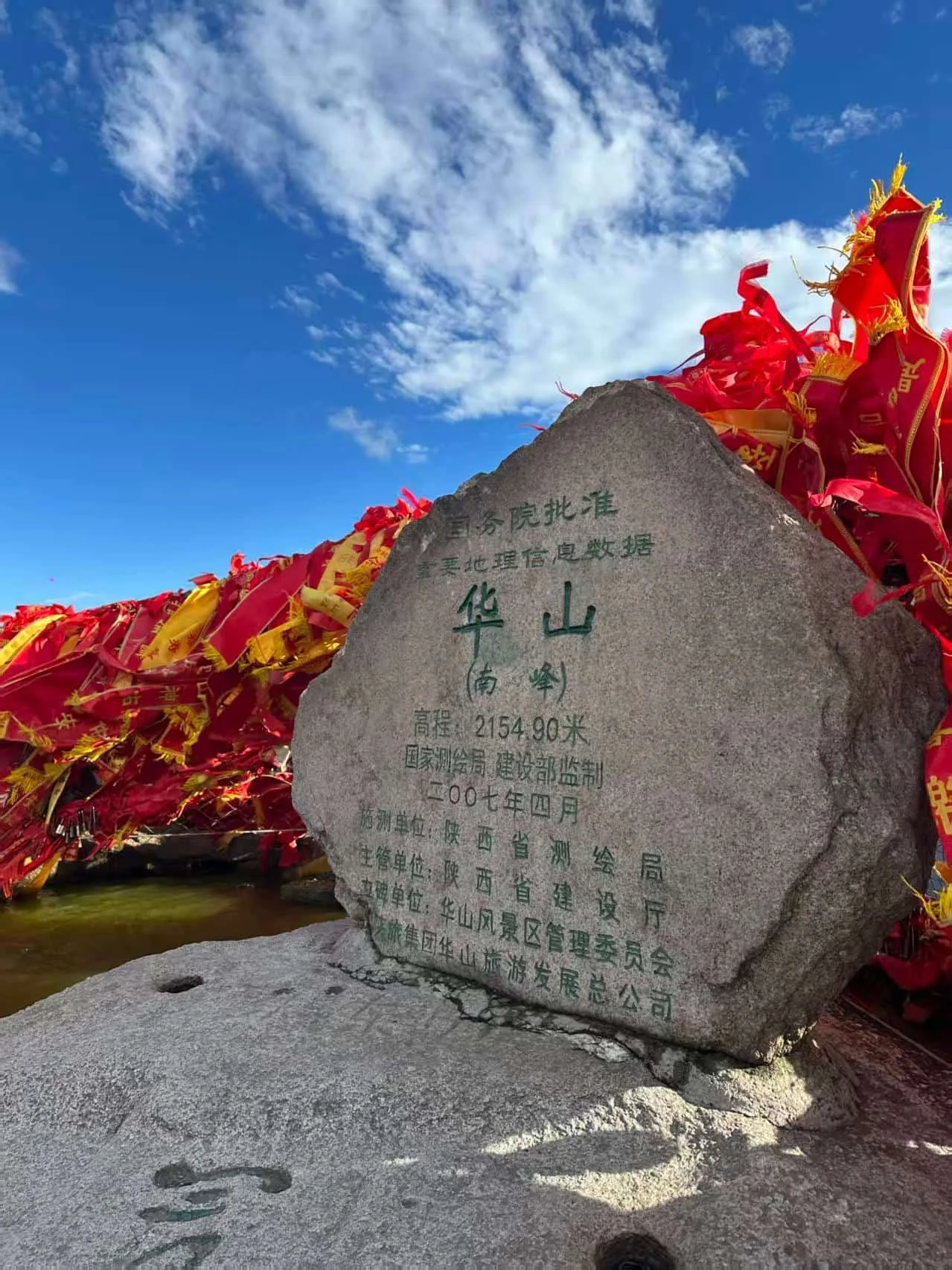 Image 2 of 8
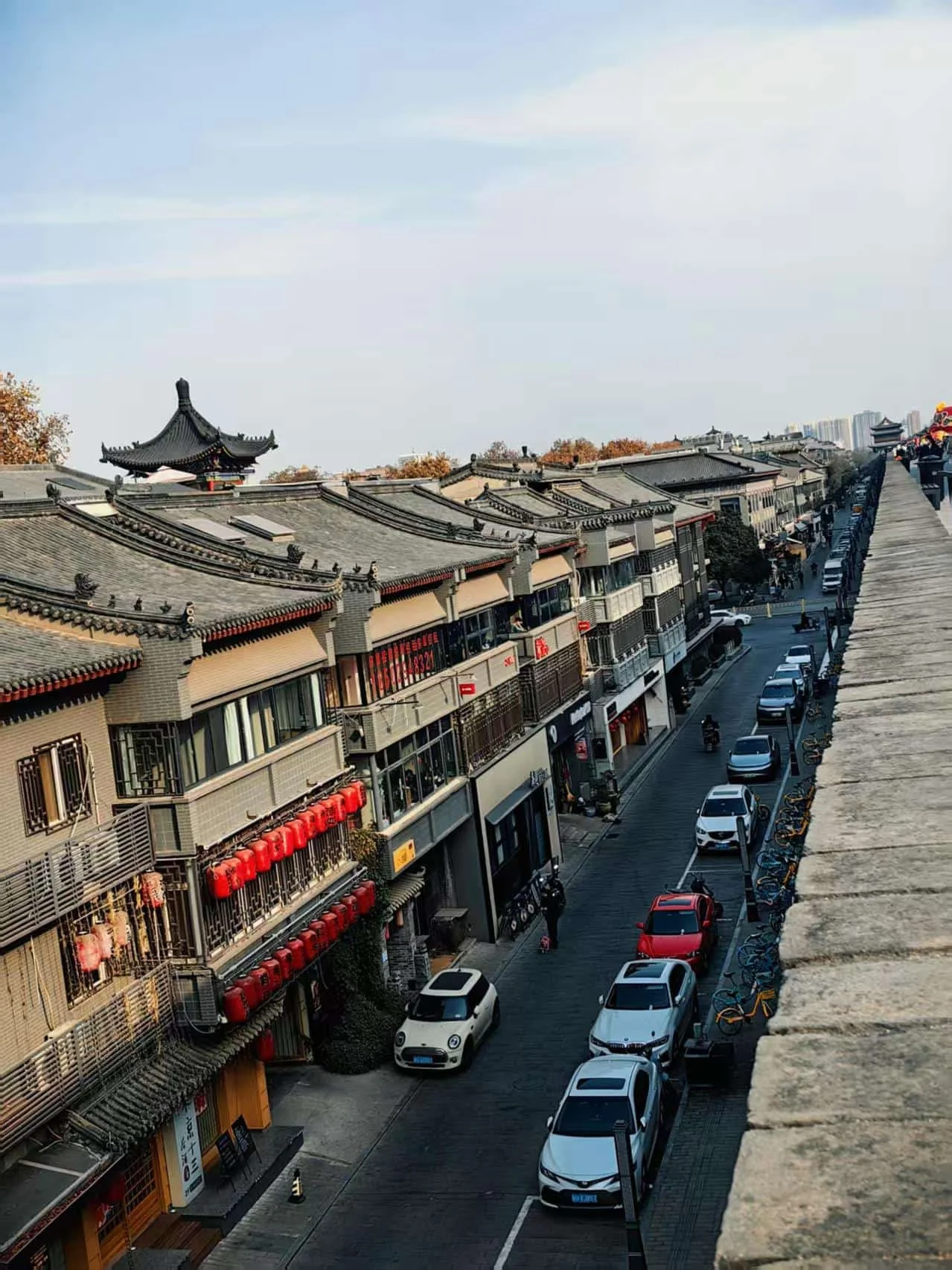 Image 3 of 8
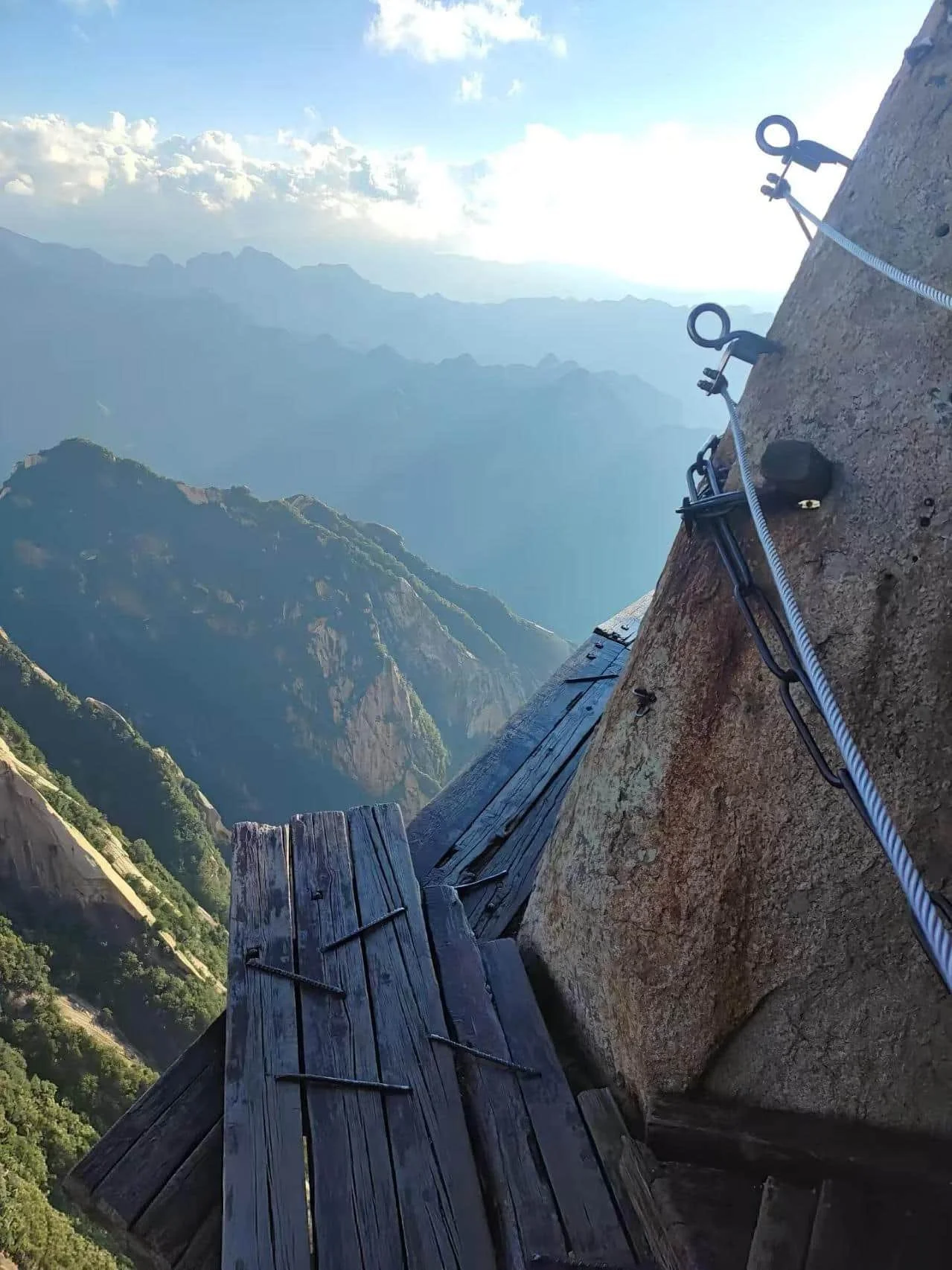 Image 4 of 8
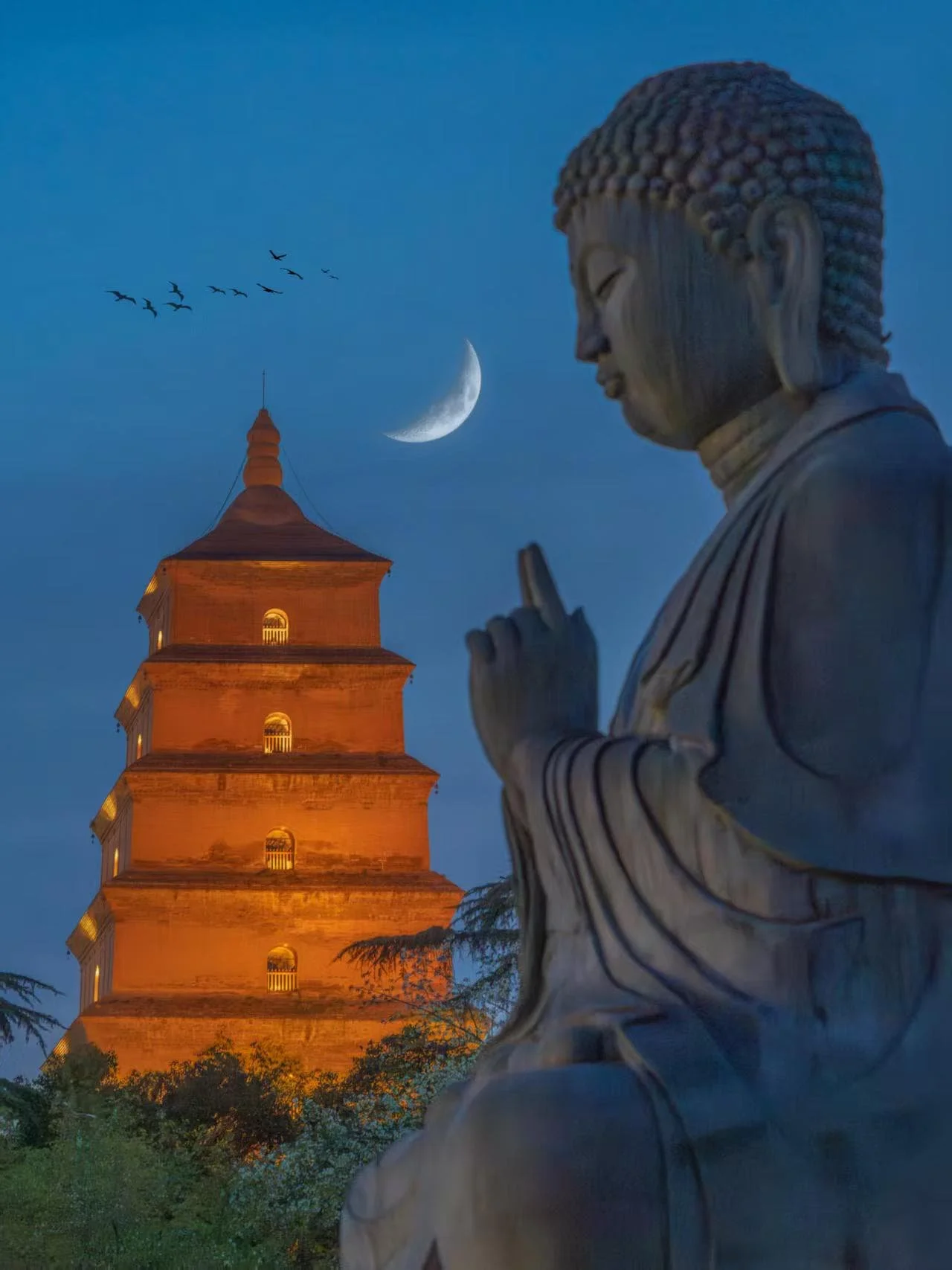 Image 5 of 8
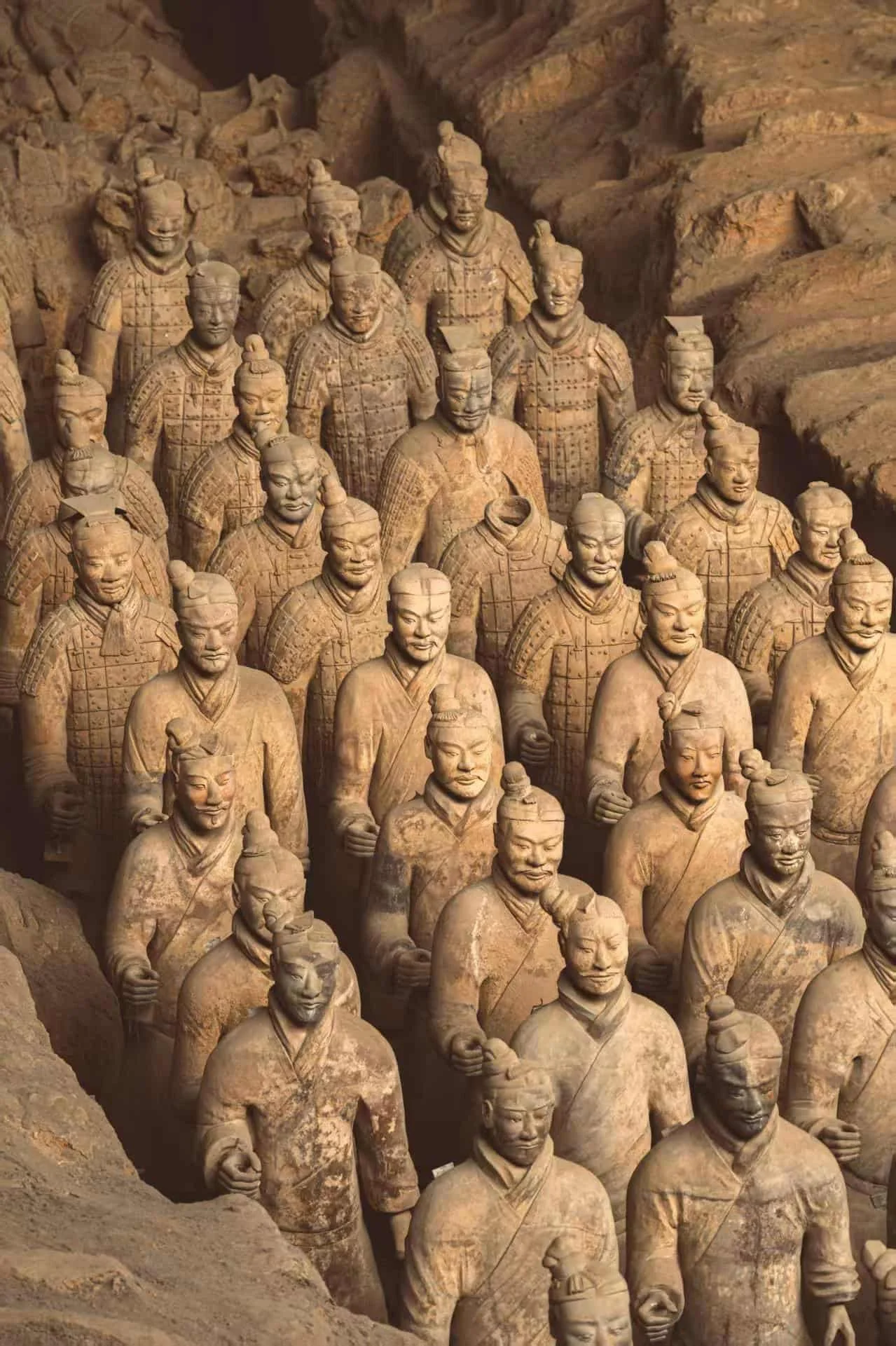 Image 6 of 8
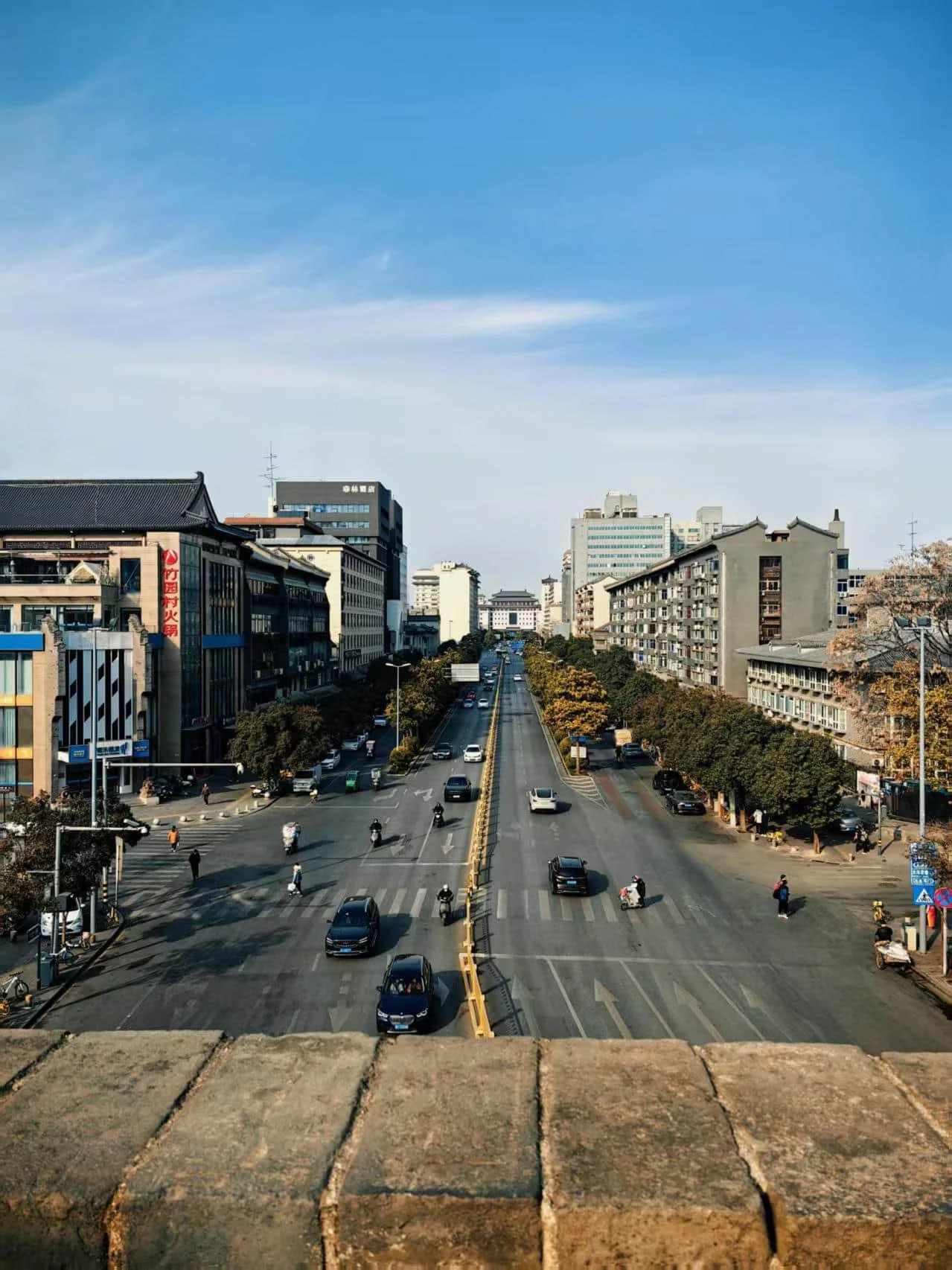 Image 7 of 8
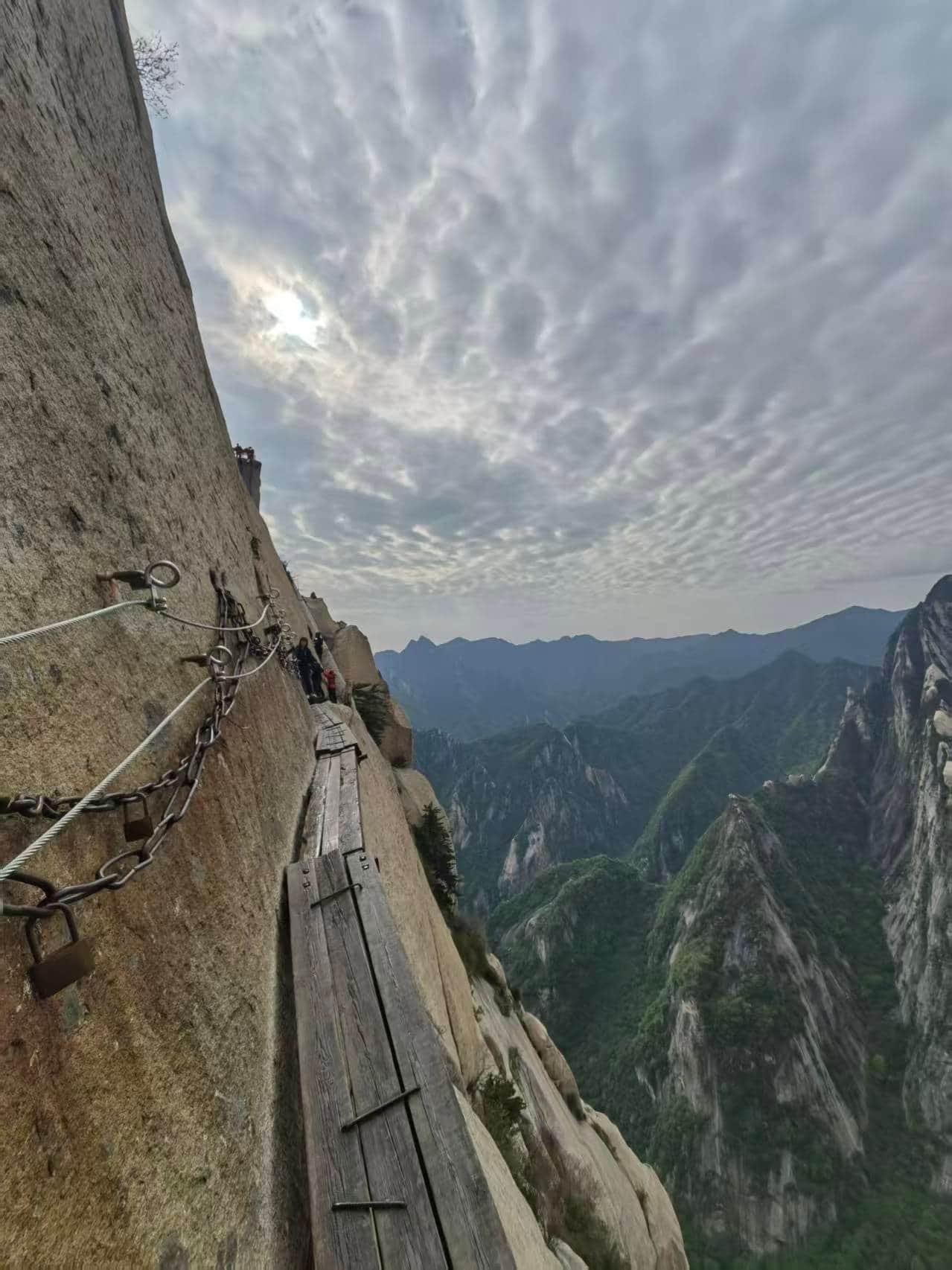 Image 8 of 8
5-Day 4-Night Xi'an Itinerary (Mount Hua Route)
Five Days in Xi'an — Empire, Mountain, and River
This isn't just a city tour — it's a journey through 3,000 years of Chinese history plus two of the most spectacular natural wonders in all of China. You'll stand face-to-face with the Terracotta Warriors, walk atop a 600-year-old Ming Dynasty fortification, lose yourself in the Muslim Quarter's food alleys, and then — the highlight for many — conquer Mount Hua (华山), one of China's Five Great Mountains, famous for having some of the most precipitous hiking trails in the world. Oh, and we also take you to the Hukou Waterfall (壶口瀑布), where the Yellow River squeezes through a 30-meter-wide gorge and explodes into a thundering cascade.
This is Xi'an for travelers who want both — the deep history and the adrenaline. Your private guide and driver handle all the logistics: hotel pickups, skip-the-line tickets, restaurant recommendations, and the transport to Mount Hua and Hukou (both are 2+ hour drives from Xi'an). You set the pace each day.
Why This Tour: Most Xi'an tours ignore the incredible natural sites nearby. This route gives you the imperial must-sees plus Mount Hua (optional plank walk — the most famous dangerous hike in China) and the Hukou Waterfall on the Yellow River. It's history, culture, food, and adventure in one perfectly paced 5-day private tour.
Day 1: Arrival & The Terracotta Warriors
🌅 Airport Pickup & Arrival in Xi'an
Your guide and driver will meet you at Xi'an Xianyang International Airport (or the high-speed rail station) with a sign bearing your name. The drive to your hotel takes about 45–60 minutes depending on traffic. After checking in and freshening up, your guide will give you a brief overview of the city and confirm the plan for the next four days.
If you arrive early enough in the day, your guide can take you straight to the Terracotta Warriors this afternoon (to avoid the next morning's crowds), or you can relax at your hotel and start fresh tomorrow. Your guide will recommend a good local restaurant for dinner — Xi'an has an incredible food scene, and your first meal should set the tone.
First Meal Recommendation: If you arrive in time for dinner, ask your guide to take you to a restaurant serving roujiamo (肉夹馍, the original Chinese hamburger) and liangpi (凉皮, cold noodles with chili oil). These are Xi'an staples — simple, cheap, and delicious.
Day 2: The Terracotta Warriors & Huaqing Pool
🌅 Morning — The Terracotta Warriors Museum (8:30 AM – 12:00 PM)
Your guide meets you at your hotel at 8:00 AM for the 40-minute drive east to Lintong District. The drive takes you through the Guanzhong Plain — the "land within the passes" that was the heartland of ancient China's agricultural civilization. Your guide will brief you on the extraordinary story: in 1974, a local farmer named Yang Zhifa was digging a well when his shovel hit a terracotta head. He had no idea he'd just uncovered the Eighth Wonder of the World.
Enter the museum complex and step into Pit 1 — the main army. The scale is immediately overwhelming: over 6,000 life-sized terracotta figures stand in battle formation across 14,000 square meters. Each warrior was individually sculpted with distinct facial features, hairstyles, armor details, and even shoe tread patterns. Your guide will point out the kneeling archers in the front ranks (deliberately left unarmored — they were expendable front-line troops); the generals with elaborate headdresses and armored sleeves; and the cavalrymen standing beside their clay horses, each horse with flared nostrils and muscular haunches ready to charge.
Pit 2 is the tactical formation pit — partially excavated, with archaeologists carefully preserving the site. You can see the marks on the earth where warriors still lie buried, waiting for conservation technology advanced enough to preserve their original paint. What's on display includes some of the best-preserved individual figures: a kneeling archer with pristine armor detail, a cavalry officer with traces of paint still visible on his face, and the famous "green-faced" warrior — a figure with distinctive green pigmentation whose meaning remains a mystery to this day.
Pit 3 is the command center — the smallest pit but the most strategically important. Only 68 figures, but they include the highest-ranking officers and the only figures found with genuine bronze weapons still in their hands.
The Bronze Chariot Gallery houses two half-scale bronze chariots discovered in 1980, buried 20 meters from the tomb mound. Each chariot has over 3,000 individual components, with gold and silver inlays, functional windows, and umbrellas that can be raised and lowered. Emperor Qin Shi Huang was buried with them so he could tour his afterlife empire in style.
Photography Tip: Your guide knows the best spots and times for photos without competing with tour groups. Pit 1 is beautifully lit from the side in the morning.
Lunch: Lintong Local Flavors (12:00 – 1:00 PM)
Lintong is famous for biangbiang mian — wide, belt-like hand-pulled noodles served with chili oil, garlic, and vinegar. Your guide will take you to a restaurant where locals eat, not the overpriced places near the museum parking lot.
Afternoon: Huaqing Pool (1:30 – 4:00 PM)
🌇 Huaqing Pool — The Tang Dynasty Love Story
Fifteen minutes from the Terracotta site, Huaqing Pool (华清池) sits at the foot of Mount Li, where geothermal hot springs have attracted emperors for 3,000 years. This was the favorite retreat of Emperor Xuanzong (r. 712–756) and his consort Yang Guifei, one of China's Four Great Beauties.
Your guide will walk you through the imperial bathing pools — each heated by the same natural hot springs that still flow today at 43°C. The Emperor's Pool (Lotus Pool) is a marble basin big enough to swim in; Yang Guifei's smaller, more intimate pool is surrounded by carved marble screen walls. Then your guide will tell you the rest of the story — how the emperor's obsession with Yang Guifei led to neglect of state affairs, the An Lushan Rebellion (755 AD), and Yang Guifei's death at age 38. It's one of history's great tragedies, and it all unfolded here.
The Xi'an Incident (1936): Huaqing Pool also played a role in modern Chinese history — Chiang Kai-shek was arrested here in his pajamas in December 1936, an event that changed the course of the Chinese Civil War. The bullet holes are still visible.
Return to Xi'an & Evening at Leisure (5:00 PM)
Drive back to your hotel. If you have energy, your guide can drop you at the Muslim Quarter for dinner and a walk through the food stalls.
Day 3: Mount Hua — One of China's Five Great Mountains
🌅 The Journey to Mount Hua (华山路)
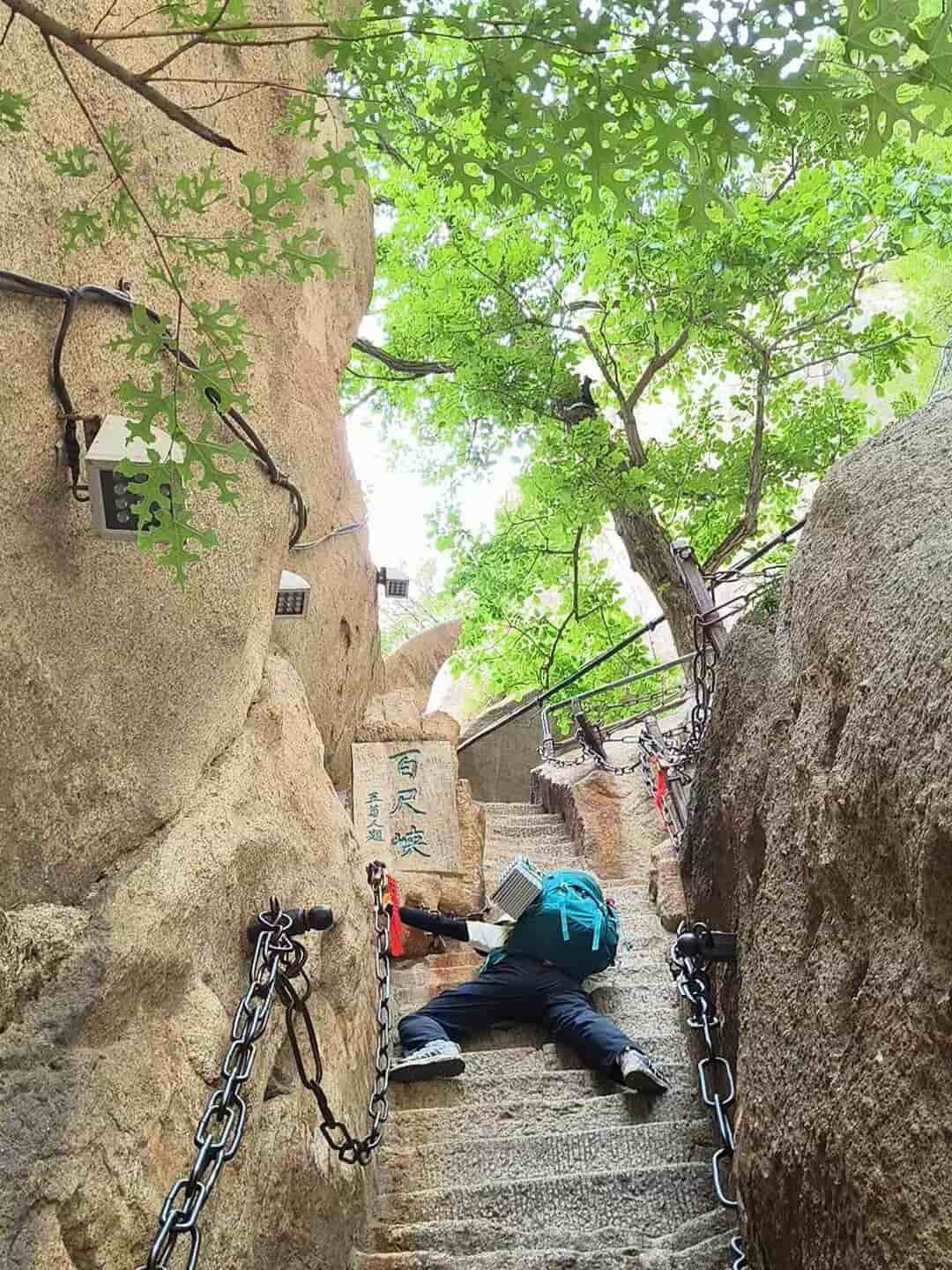
An early start today — your guide will pick you up at 7:00 AM for the 2-hour drive east to Mount Hua, one of China's Five Great Mountains and, by reputation, the most precipitous. The mountain is famous for its vertiginous trails, narrow paths along cliff faces, and the Plank Walk (长空栈道) — a series of wooden planks bolted to a sheer cliff face, 2,000 meters above sea level, with only a chain to hold onto. It's not for the faint of heart — but you don't have to do it. There are plenty of spectacular, safe trails too.
Mount Hua has five peaks, each with its own character:
North Peak (云台峰, 1,614m): The easiest to access (cable car), with spectacular views and a less strenuous hike. This is where most visitors start.
East Peak (朝阳峰, 2,096m): Famous for its sunrise views. If you stay overnight on the mountain (optional, not included in this tour but can be arranged), this is where you watch the sun come up.
South Peak (落雁峰, 2,154m): The highest peak, and the location of the famous Plank Walk. The views from the top are, quite literally, breathtaking.
West Peak (莲花峰, 2,082m): Known for its dramatic rock formations that resemble a lotus flower. The cable car to the West Peak is the longest in Asia (20 minutes).
Central Peak (玉女峰, 2,032m): Connected to the legendary story of a Taoist immortal who met a jade maiden here.
Your guide will recommend the best route based on your fitness level and interests. The cable car to the North Peak takes 10 minutes; the cable car to the West Peak takes 20 minutes and is spectacular. From there, you can hike between peaks (2–4 hours depending on the route) and take in the dramatic karst scenery.
The Plank Walk: The famous plank walk is optional and costs an additional 30 RMB (about $4 USD) for safety harness rental. It's safe (you're harnessed in) but very exposed — not recommended if you have a fear of heights. You can also enjoy Mount Hua without doing the plank walk — the views from the peaks are spectacular regardless.
Fitness Level: Mount Hua is challenging but doable for anyone with moderate fitness. There are cable cars to reduce the hiking. If you have knee or heart issues, your guide will recommend the safest route. Wear sturdy hiking shoes and bring water and snacks.
Evening: Return to Xi'an (6:00 – 8:00 PM)
After a full day on the mountain, drive back to Xi'an (2 hours). Dinner at your hotel or ask your guide to recommend a restaurant for a proper Peking duck-style meal (Xi'an has excellent duck, too).
Day 4: Huangdi Mausoleum & Hukou Waterfall — The Yellow River
🌅 The Drive to Hukou Waterfall (壶口瀑布)
Today is a long but spectacular day — you'll drive about 2.5 hours east from Xi'an to Hukou Waterfall, the second-largest waterfall in China and the largest on the Yellow River. The Yellow River is the "mother river" of Chinese civilization — it's where Chinese agriculture began, and its floods have shaped Chinese history for 5,000 years. To see it at Hukou is to understand the power of the river that gave birth to China.
On the way to Hukou, you'll stop at the Huangdi Mausoleum (黄帝陵) — the legendary tomb of the Yellow Emperor (Huangdi), the mythical founder of Chinese civilization. Whether or not he was a real historical figure, the site is deeply significant to Chinese people — it's considered the spiritual homeland of the Chinese nation. The cypress forest here includes trees that are over 5,000 years old, including one planted (supposedly) by the Yellow Emperor himself.
Continue to Hukou Waterfall. As the Yellow River flows through a narrow gorge, it suddenly narrows from 300 meters wide to just 30 meters, and the water crashes 20 meters down into a roaring cauldron of spray and mist. The sound is thunderous; the mist can be seen from kilometers away. In spring and summer, the water is brown with loess (silt); in winter, parts of the waterfall freeze into spectacular ice formations. Your guide will tell you the legends associated with the waterfall and the best spots for photos.
🌇 Return to Xi'an (evening)
The drive back to Xi'an takes about 3 hours. You'll arrive at your hotel in the evening, tired but with incredible photos and memories.
Best Season for Hukou: Spring (April–May) and autumn (September–October) are ideal. In winter, parts of the waterfall freeze into spectacular ice formations. In summer, the water flow is at its peak — the most powerful but also the muddiest.
Day 5: Xi'an City — The Big Wild Goose Pagoda, City Wall & Muslim Quarter
🌅 Morning — Big Wild Goose Pagoda (大雁塔)
On your final day, slow down and enjoy the city. Start at the Big Wild Goose Pagoda (Daci'en Temple, 大慈恩寺), built in 652 AD to house Buddhist scriptures brought from India by the monk Xuanzang. Climb to the top of the pagoda for a view over the city, then walk through the temple grounds — peaceful, incense-filled, and historically profound.
Lunch: Xi'an's Best Food (12:00 – 1:00 PM)
Your guide will take you to a restaurant for a proper Shaanxi meal — yangrou paomo (mutton stew with broken flatbread), hulu chicken (crispy whole chicken), or biangbiang mian. This is your farewell meal — make it count.
Afternoon: City Wall Bike Ride & Muslim Quarter (1:30 – 4:30 PM)
After lunch, head to the South Gate (Yongning Gate, 永宁门) of the Xi'an City Wall. Rent a bike and ride a portion of the 13.7km loop — the views are spectacular, especially in the golden afternoon light. If you prefer not to bike, walk a section or take a battery cart.
Finish your day at the Muslim Quarter (回民街) — a final food tour, souvenir shopping, and a walk through the bustling lanes where Xi'an's Hui Muslim community has lived and cooked for centuries. Your guide will help you navigate the stalls and pick the best souvenirs (dried fruit, spices, tea, calligraphy).
Evening: Airport Drop-off (or extended stay)
Your guide will take you to the airport (or high-speed rail station) for your departure. If you're extending your stay in Xi'an, your guide will be happy to recommend additional sites and restaurants.
IncludedNot Included
✅ Private English-speaking guide (5 full days)❌ Terracotta Warriors: ¥120 (Apr–Oct) / ¥90 (Nov–Mar)
✅ Private air-conditioned vehicle (5 full days)❌ Mount Hua: entrance ¥180 + cable car ¥80–140 (depending on route)
✅ Airport pickup & drop-off❌ Hukou Waterfall: ¥91; Huangdi Mausoleum: ¥75
✅ Hotel pickup & drop-off daily❌ City Wall: 54 RMB; bike rental: 45 RMB
✅ Bottled water throughout❌ Meals (lunch & dinner; budget ¥80–150/person/day)
❌ Gratuities (optional)
Practical Information
🚶 Walking Level: Moderate to high on Day 3 (Mount Hua). Other days are moderate. Mount Hua can be adapted to your fitness level with cable cars.
🎫 Tickets: Your guide pre-books the Terracotta Warriors tickets. Bring your passport.
🌡️ Best Time to Visit: Spring (April–May) and autumn (September–October) are ideal for all sites. Summer is hot but the Hukou Waterfall is most powerful. Winter is cold but atmospheric.
👟 What to Bring: Sturdy shoes for Mount Hua, sunscreen, a hat, and an appetite for Xi'an's incredible food.
Five days gives you the full Xi'an experience — the underground army, the sacred mountain, the mighty river, and the living city. Book your 5-day private Xi'an tour today.
Five Days in Xi'an — Empire, Mountain, and River
This isn't just a city tour — it's a journey through 3,000 years of Chinese history plus two of the most spectacular natural wonders in all of China. You'll stand face-to-face with the Terracotta Warriors, walk atop a 600-year-old Ming Dynasty fortification, lose yourself in the Muslim Quarter's food alleys, and then — the highlight for many — conquer Mount Hua (华山), one of China's Five Great Mountains, famous for having some of the most precipitous hiking trails in the world. Oh, and we also take you to the Hukou Waterfall (壶口瀑布), where the Yellow River squeezes through a 30-meter-wide gorge and explodes into a thundering cascade.
This is Xi'an for travelers who want both — the deep history and the adrenaline. Your private guide and driver handle all the logistics: hotel pickups, skip-the-line tickets, restaurant recommendations, and the transport to Mount Hua and Hukou (both are 2+ hour drives from Xi'an). You set the pace each day.
Why This Tour: Most Xi'an tours ignore the incredible natural sites nearby. This route gives you the imperial must-sees plus Mount Hua (optional plank walk — the most famous dangerous hike in China) and the Hukou Waterfall on the Yellow River. It's history, culture, food, and adventure in one perfectly paced 5-day private tour.
Day 1: Arrival & The Terracotta Warriors
🌅 Airport Pickup & Arrival in Xi'an
Your guide and driver will meet you at Xi'an Xianyang International Airport (or the high-speed rail station) with a sign bearing your name. The drive to your hotel takes about 45–60 minutes depending on traffic. After checking in and freshening up, your guide will give you a brief overview of the city and confirm the plan for the next four days.
If you arrive early enough in the day, your guide can take you straight to the Terracotta Warriors this afternoon (to avoid the next morning's crowds), or you can relax at your hotel and start fresh tomorrow. Your guide will recommend a good local restaurant for dinner — Xi'an has an incredible food scene, and your first meal should set the tone.
First Meal Recommendation: If you arrive in time for dinner, ask your guide to take you to a restaurant serving roujiamo (肉夹馍, the original Chinese hamburger) and liangpi (凉皮, cold noodles with chili oil). These are Xi'an staples — simple, cheap, and delicious.
Day 2: The Terracotta Warriors & Huaqing Pool
🌅 Morning — The Terracotta Warriors Museum (8:30 AM – 12:00 PM)
Your guide meets you at your hotel at 8:00 AM for the 40-minute drive east to Lintong District. The drive takes you through the Guanzhong Plain — the "land within the passes" that was the heartland of ancient China's agricultural civilization. Your guide will brief you on the extraordinary story: in 1974, a local farmer named Yang Zhifa was digging a well when his shovel hit a terracotta head. He had no idea he'd just uncovered the Eighth Wonder of the World.
Enter the museum complex and step into Pit 1 — the main army. The scale is immediately overwhelming: over 6,000 life-sized terracotta figures stand in battle formation across 14,000 square meters. Each warrior was individually sculpted with distinct facial features, hairstyles, armor details, and even shoe tread patterns. Your guide will point out the kneeling archers in the front ranks (deliberately left unarmored — they were expendable front-line troops); the generals with elaborate headdresses and armored sleeves; and the cavalrymen standing beside their clay horses, each horse with flared nostrils and muscular haunches ready to charge.
Pit 2 is the tactical formation pit — partially excavated, with archaeologists carefully preserving the site. You can see the marks on the earth where warriors still lie buried, waiting for conservation technology advanced enough to preserve their original paint. What's on display includes some of the best-preserved individual figures: a kneeling archer with pristine armor detail, a cavalry officer with traces of paint still visible on his face, and the famous "green-faced" warrior — a figure with distinctive green pigmentation whose meaning remains a mystery to this day.
Pit 3 is the command center — the smallest pit but the most strategically important. Only 68 figures, but they include the highest-ranking officers and the only figures found with genuine bronze weapons still in their hands.
The Bronze Chariot Gallery houses two half-scale bronze chariots discovered in 1980, buried 20 meters from the tomb mound. Each chariot has over 3,000 individual components, with gold and silver inlays, functional windows, and umbrellas that can be raised and lowered. Emperor Qin Shi Huang was buried with them so he could tour his afterlife empire in style.
Photography Tip: Your guide knows the best spots and times for photos without competing with tour groups. Pit 1 is beautifully lit from the side in the morning.
Lunch: Lintong Local Flavors (12:00 – 1:00 PM)
Lintong is famous for biangbiang mian — wide, belt-like hand-pulled noodles served with chili oil, garlic, and vinegar. Your guide will take you to a restaurant where locals eat, not the overpriced places near the museum parking lot.
Afternoon: Huaqing Pool (1:30 – 4:00 PM)
🌇 Huaqing Pool — The Tang Dynasty Love Story
Fifteen minutes from the Terracotta site, Huaqing Pool (华清池) sits at the foot of Mount Li, where geothermal hot springs have attracted emperors for 3,000 years. This was the favorite retreat of Emperor Xuanzong (r. 712–756) and his consort Yang Guifei, one of China's Four Great Beauties.
Your guide will walk you through the imperial bathing pools — each heated by the same natural hot springs that still flow today at 43°C. The Emperor's Pool (Lotus Pool) is a marble basin big enough to swim in; Yang Guifei's smaller, more intimate pool is surrounded by carved marble screen walls. Then your guide will tell you the rest of the story — how the emperor's obsession with Yang Guifei led to neglect of state affairs, the An Lushan Rebellion (755 AD), and Yang Guifei's death at age 38. It's one of history's great tragedies, and it all unfolded here.
The Xi'an Incident (1936): Huaqing Pool also played a role in modern Chinese history — Chiang Kai-shek was arrested here in his pajamas in December 1936, an event that changed the course of the Chinese Civil War. The bullet holes are still visible.
Return to Xi'an & Evening at Leisure (5:00 PM)
Drive back to your hotel. If you have energy, your guide can drop you at the Muslim Quarter for dinner and a walk through the food stalls.
Day 3: Mount Hua — One of China's Five Great Mountains
🌅 The Journey to Mount Hua (华山路)
An early start today — your guide will pick you up at 7:00 AM for the 2-hour drive east to Mount Hua, one of China's Five Great Mountains and, by reputation, the most precipitous. The mountain is famous for its vertiginous trails, narrow paths along cliff faces, and the Plank Walk (长空栈道) — a series of wooden planks bolted to a sheer cliff face, 2,000 meters above sea level, with only a chain to hold onto. It's not for the faint of heart — but you don't have to do it. There are plenty of spectacular, safe trails too.
Mount Hua has five peaks, each with its own character:
North Peak (云台峰, 1,614m): The easiest to access (cable car), with spectacular views and a less strenuous hike. This is where most visitors start.
East Peak (朝阳峰, 2,096m): Famous for its sunrise views. If you stay overnight on the mountain (optional, not included in this tour but can be arranged), this is where you watch the sun come up.
South Peak (落雁峰, 2,154m): The highest peak, and the location of the famous Plank Walk. The views from the top are, quite literally, breathtaking.
West Peak (莲花峰, 2,082m): Known for its dramatic rock formations that resemble a lotus flower. The cable car to the West Peak is the longest in Asia (20 minutes).
Central Peak (玉女峰, 2,032m): Connected to the legendary story of a Taoist immortal who met a jade maiden here.
Your guide will recommend the best route based on your fitness level and interests. The cable car to the North Peak takes 10 minutes; the cable car to the West Peak takes 20 minutes and is spectacular. From there, you can hike between peaks (2–4 hours depending on the route) and take in the dramatic karst scenery.
The Plank Walk: The famous plank walk is optional and costs an additional 30 RMB (about $4 USD) for safety harness rental. It's safe (you're harnessed in) but very exposed — not recommended if you have a fear of heights. You can also enjoy Mount Hua without doing the plank walk — the views from the peaks are spectacular regardless.
Fitness Level: Mount Hua is challenging but doable for anyone with moderate fitness. There are cable cars to reduce the hiking. If you have knee or heart issues, your guide will recommend the safest route. Wear sturdy hiking shoes and bring water and snacks.
Evening: Return to Xi'an (6:00 – 8:00 PM)
After a full day on the mountain, drive back to Xi'an (2 hours). Dinner at your hotel or ask your guide to recommend a restaurant for a proper Peking duck-style meal (Xi'an has excellent duck, too).
Day 4: Huangdi Mausoleum & Hukou Waterfall — The Yellow River
🌅 The Drive to Hukou Waterfall (壶口瀑布)
Today is a long but spectacular day — you'll drive about 2.5 hours east from Xi'an to Hukou Waterfall, the second-largest waterfall in China and the largest on the Yellow River. The Yellow River is the "mother river" of Chinese civilization — it's where Chinese agriculture began, and its floods have shaped Chinese history for 5,000 years. To see it at Hukou is to understand the power of the river that gave birth to China.
On the way to Hukou, you'll stop at the Huangdi Mausoleum (黄帝陵) — the legendary tomb of the Yellow Emperor (Huangdi), the mythical founder of Chinese civilization. Whether or not he was a real historical figure, the site is deeply significant to Chinese people — it's considered the spiritual homeland of the Chinese nation. The cypress forest here includes trees that are over 5,000 years old, including one planted (supposedly) by the Yellow Emperor himself.
Continue to Hukou Waterfall. As the Yellow River flows through a narrow gorge, it suddenly narrows from 300 meters wide to just 30 meters, and the water crashes 20 meters down into a roaring cauldron of spray and mist. The sound is thunderous; the mist can be seen from kilometers away. In spring and summer, the water is brown with loess (silt); in winter, parts of the waterfall freeze into spectacular ice formations. Your guide will tell you the legends associated with the waterfall and the best spots for photos.
🌇 Return to Xi'an (evening)
The drive back to Xi'an takes about 3 hours. You'll arrive at your hotel in the evening, tired but with incredible photos and memories.
Best Season for Hukou: Spring (April–May) and autumn (September–October) are ideal. In winter, parts of the waterfall freeze into spectacular ice formations. In summer, the water flow is at its peak — the most powerful but also the muddiest.
Day 5: Xi'an City — The Big Wild Goose Pagoda, City Wall & Muslim Quarter
🌅 Morning — Big Wild Goose Pagoda (大雁塔)
On your final day, slow down and enjoy the city. Start at the Big Wild Goose Pagoda (Daci'en Temple, 大慈恩寺), built in 652 AD to house Buddhist scriptures brought from India by the monk Xuanzang. Climb to the top of the pagoda for a view over the city, then walk through the temple grounds — peaceful, incense-filled, and historically profound.
Lunch: Xi'an's Best Food (12:00 – 1:00 PM)
Your guide will take you to a restaurant for a proper Shaanxi meal — yangrou paomo (mutton stew with broken flatbread), hulu chicken (crispy whole chicken), or biangbiang mian. This is your farewell meal — make it count.
Afternoon: City Wall Bike Ride & Muslim Quarter (1:30 – 4:30 PM)
After lunch, head to the South Gate (Yongning Gate, 永宁门) of the Xi'an City Wall. Rent a bike and ride a portion of the 13.7km loop — the views are spectacular, especially in the golden afternoon light. If you prefer not to bike, walk a section or take a battery cart.
Finish your day at the Muslim Quarter (回民街) — a final food tour, souvenir shopping, and a walk through the bustling lanes where Xi'an's Hui Muslim community has lived and cooked for centuries. Your guide will help you navigate the stalls and pick the best souvenirs (dried fruit, spices, tea, calligraphy).
Evening: Airport Drop-off (or extended stay)
Your guide will take you to the airport (or high-speed rail station) for your departure. If you're extending your stay in Xi'an, your guide will be happy to recommend additional sites and restaurants.
IncludedNot Included
✅ Private English-speaking guide (5 full days)❌ Terracotta Warriors: ¥120 (Apr–Oct) / ¥90 (Nov–Mar)
✅ Private air-conditioned vehicle (5 full days)❌ Mount Hua: entrance ¥180 + cable car ¥80–140 (depending on route)
✅ Airport pickup & drop-off❌ Hukou Waterfall: ¥91; Huangdi Mausoleum: ¥75
✅ Hotel pickup & drop-off daily❌ City Wall: 54 RMB; bike rental: 45 RMB
✅ Bottled water throughout❌ Meals (lunch & dinner; budget ¥80–150/person/day)
❌ Gratuities (optional)
Practical Information
🚶 Walking Level: Moderate to high on Day 3 (Mount Hua). Other days are moderate. Mount Hua can be adapted to your fitness level with cable cars.
🎫 Tickets: Your guide pre-books the Terracotta Warriors tickets. Bring your passport.
🌡️ Best Time to Visit: Spring (April–May) and autumn (September–October) are ideal for all sites. Summer is hot but the Hukou Waterfall is most powerful. Winter is cold but atmospheric.
👟 What to Bring: Sturdy shoes for Mount Hua, sunscreen, a hat, and an appetite for Xi'an's incredible food.
Five days gives you the full Xi'an experience — the underground army, the sacred mountain, the mighty river, and the living city. Book your 5-day private Xi'an tour today.