

 Image 1 of 6
 Image 2 of 6
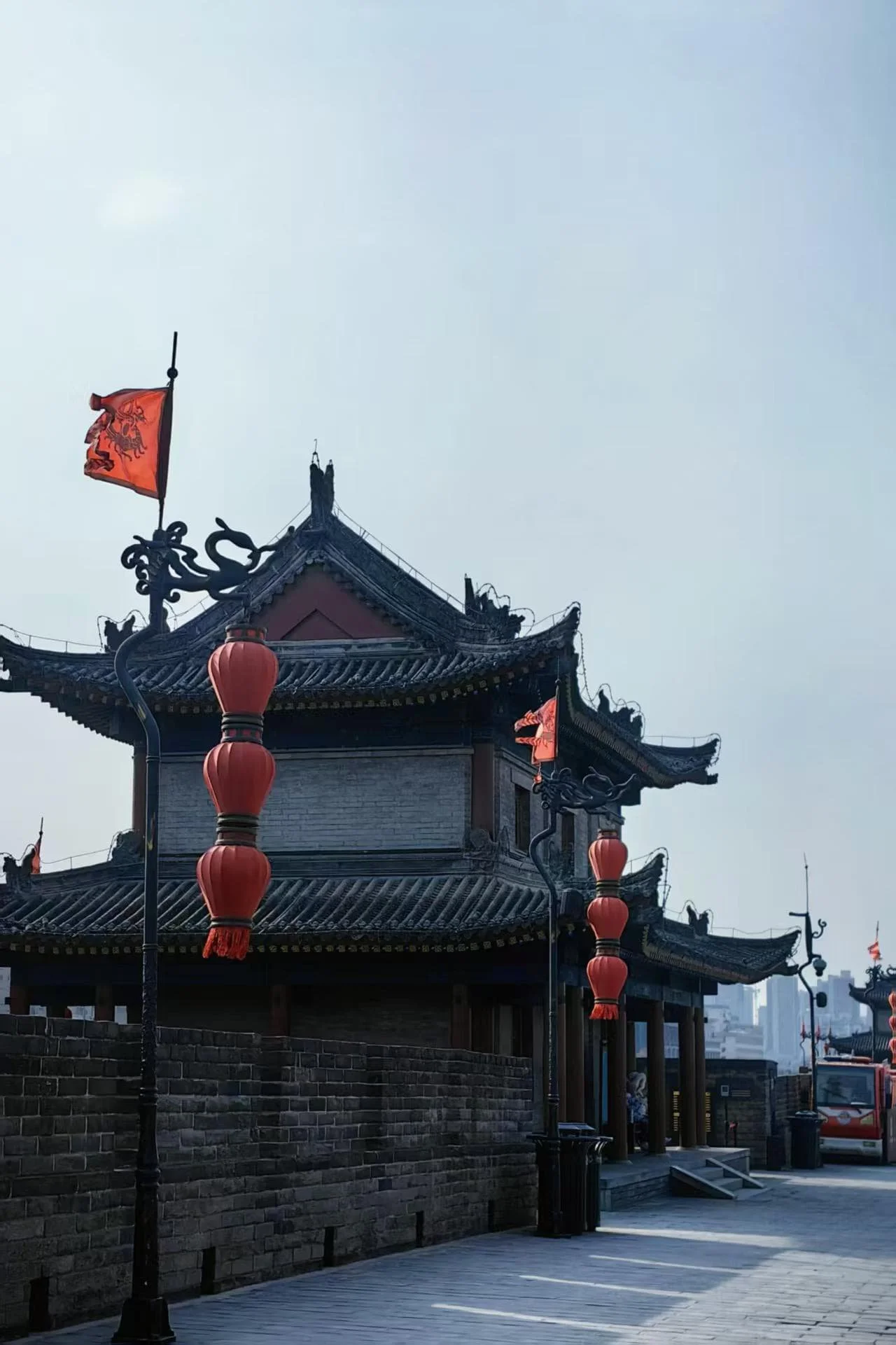 Image 3 of 6
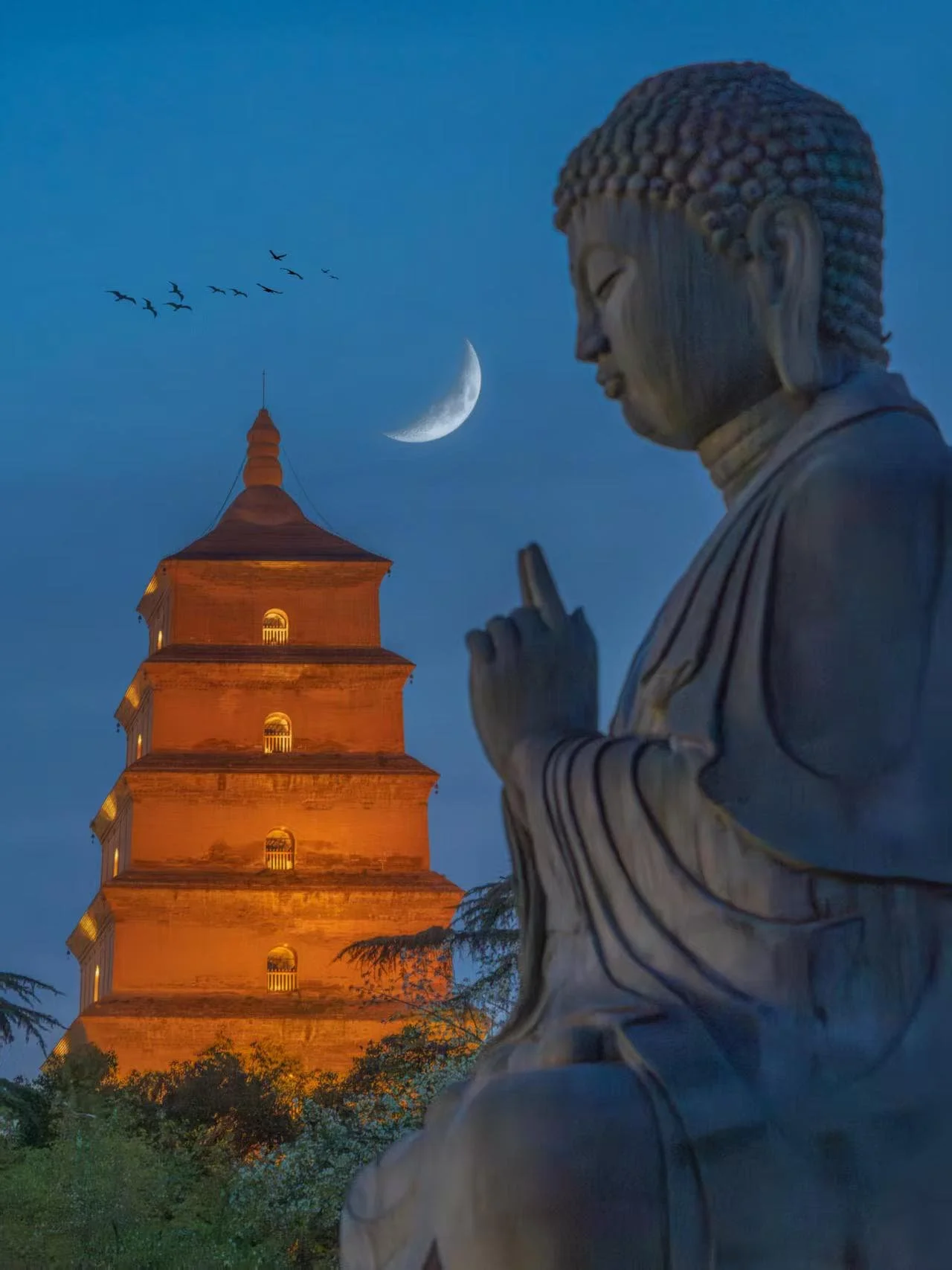 Image 4 of 6
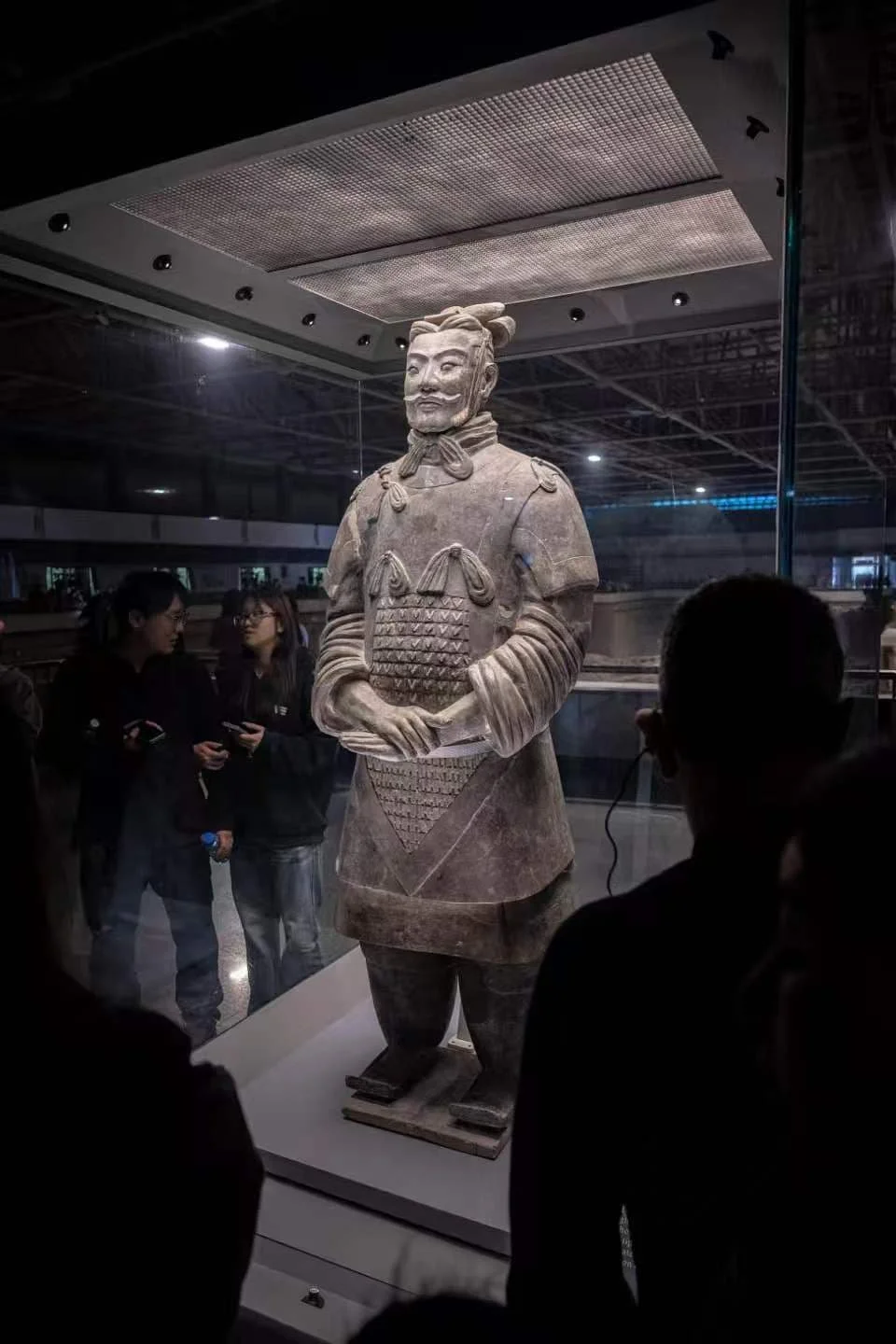 Image 5 of 6
 Image 6 of 6
4-Day 3-Night Xi’an Itinerary
Four Days in Xi'an — Where China's History Began
Four days is the perfect amount of time to really live Xi'an. You'll see the world-famous Terracotta Warriors, walk atop the mighty Ming Dynasty City Wall, get lost in the maze of food stalls at the Muslim Quarter, climb the Big Wild Goose Pagoda where Buddhism entered China, and — if you choose the Mount Hua option — stand atop one of China's most sacred and terrifying mountain peaks. This is not a rushed tour; it's a carefully paced journey through 3,000 years of Chinese history, with a private guide who brings every dynasty to life.
Your private driver and guide handle all logistics: hotel pickup each morning, skip-the-line ticket assistance, restaurant recommendations tailored to your tastes, and flexible pacing. Want to spend an extra hour at the Terracotta site? Your guide adjusts the schedule. Want to skip a site and spend more time food-tasting in the Muslim Quarter? Just say the word.
Why 4 Days: Most visitors try to cram Xi'an into 2 days and leave exhausted. Four days gives you the imperial highlights plus the living culture — the food, the markets, the tiny neighborhood temples that tour groups drive past. You'll also have the option to add an overnight trip to Mount Hua (one of China's Five Great Mountains) or the Famen Temple with its finger relic of the Buddha.
Day 1: The Terracotta Warriors & Huaqing Pool
🌅 Morning — The Terracotta Warriors Museum (8:30 AM – 12:30 PM)
Your guide meets you at your hotel at 8:00 AM for the 40-minute drive east to Lintong District. The drive takes you through the Guanzhong Plain, the fertile heartland of ancient China's agricultural civilization. Your guide will brief you on the extraordinary story of how a local farmer digging a well in 1974 stumbled upon what is now considered the Eighth Wonder of the World.
Enter the museum complex and step into Pit 1 — the main army. The scale is immediately overwhelming: over 6,000 life-sized terracotta figures stand in battle formation across 14,000 square meters. Each warrior was individually sculpted with distinct facial features, hairstyles, armor details, and even shoe tread patterns. Your guide will point out the kneeling archers in the front ranks (deliberately left unarmored — they were expendable front-line troops); the generals with elaborate headdresses and armored sleeves; and the cavalrymen standing beside their clay horses, each horse with flared nostrils and muscular haunches ready to charge.
Pit 2 is the tactical formation pit — partially excavated, with archaeologists carefully preserving the site. You can see the marks on the earth where warriors still lie buried, waiting for conservation technology advanced enough to preserve their original paint. What's on display includes some of the best-preserved individual figures: a kneeling archer with pristine armor detail, a cavalry officer with traces of paint still visible on his face, and the famous "green-faced" warrior — a figure with distinctive green pigmentation whose meaning remains a mystery to this day.
Pit 3 is the smallest but most strategically important — the army's command center, where high-ranking officers directed operations. Only 68 figures, but they include the highest-ranking officers and the only figures found with genuine bronze weapons still in their hands. The layout confirms historical records from "Records of the Grand Historian" (史记), written about 100 years after the tomb was built.
End your visit at the Bronze Chariot Gallery, which houses two half-scale bronze chariots discovered in 1980 buried 20 meters from the tomb mound. These are masterpieces of ancient Chinese bronze work — each chariot has over 3,000 individual components, with gold and silver inlays, functional windows that slide open and shut, and umbrellas that can be raised and lowered.
Photography Tip: Pit 1 is beautifully lit from the side in the morning. Pit 2 allows flash photography (unlike Pit 1). Your guide knows the quieter viewing corners and the best angles that avoid competing with large tour groups.
Lunch: Lintong Local Flavors (12:30 – 1:30 PM)
Lintong is famous for mianpi (凉皮) — cold wheat noodles served with chili oil, garlic, and vinegar — and biangbiang mian (biangbiang面), the wide, belt-like hand-pulled noodles that are a Shaanxi signature. Your guide will take you to a restaurant where locals eat, not the overpriced places near the tourist parking lot.
🌇 Afternoon — Huaqing Pool (2:00 – 4:30 PM)
Just 15 minutes from the Terracotta site, Huaqing Pool (华清池) sits at the foot of Mount Li, where geothermal hot springs have attracted emperors for over 3,000 years. But this site is most famous for one thing: it was the favorite retreat of Emperor Xuanzong (r. 712–756) and his consort Yang Guifei, one of China's Four Great Beauties.
Your guide will walk you through the imperial bathing pools — each heated by the same natural hot springs that still flow today at 43°C. The Emperor's Pool (Lotus Pool) is a marble basin big enough to swim in; Yang Guifei's smaller, more intimate pool is surrounded by carved marble screen walls. The water here was believed to preserve youth and beauty — Yang Guifei bathed here daily, and Tang Dynasty poets wrote breathless verses about her emerging from the steam like a lotus rising from water.
Then your guide will tell you the rest of the story. The emperor's obsession with Yang Guifei led him to neglect state affairs, promoting her corrupt relatives to high office. One of them, Yang Guozhong, was so incompetent that General An Lushan launched a rebellion in 755 AD. The emperor and Yang Guifei fled to Huaqing Pool for safety, but their own troops mutinied — they forced the emperor to execute Yang Guozhong and then strangle Yang Guifei. She was 38. The An Lushan Rebellion devastated the Tang Dynasty and killed an estimated 36 million people. It's one of history's great tragedies, and it all unfolded from this very location.
The Xi'an Incident (1936): Huaqing Pool also played a pivotal role in modern Chinese history. In December 1936, Chiang Kai-shek was vacationing here when his own generals arrested him in his pajamas, demanding he form a united front with the Communists to fight Japan. The bullet holes from that morning are still visible in the walls of Chiang's bedroom. Your guide will explain how this "Xi'an Incident" changed the course of the Chinese Civil War.
Return to Xi'an City: Drive back to your hotel around 5:00 PM. If you'd like to explore the Muslim Quarter for dinner, ask your guide to drop you there — they'll give you a map and restaurant recommendations so you can navigate the food stalls on your own.
Day 2: Shaanxi History Museum & Xi'an City Wall
🌅 Morning — Shaanxi History Museum (9:00 AM – 12:30 PM)
Called "the pearl of ancient capitals and the treasure house of China," the Shaanxi History Museum (陕西历史博物馆) houses over 370,000 artifacts spanning from the Paleolithic era to the Qing Dynasty. This is not a quick walk-through — plan on 3 to 3.5 hours with your guide, who will curate the experience so you see the masterpieces without museum fatigue.
The Pre-Qin Gallery: Start with the Neolithic Banpo culture (5000 BC) and their distinctive painted pottery, then move to the Zhou Dynasty (1046–256 BC) bronze ritual vessels. These massive bronze cauldrons (ding) weren't just cooking pots — they were symbols of political power. The number of ding a nobleman was allowed to own was strictly regulated by the Zhou feudal system. Your guide will explain how bronze technology and ritual authority together created China's first centralized political philosophy.
The Qin & Han Gallery: See the bronze chariot replicas, jade burial suits sewn with gold thread (worn by princes in the Han Dynasty), and the famous "golden goose" — a Han Dynasty gold ornament in the shape of a wild goose, so delicate it looks like it was made yesterday.
The Tang Dynasty Gallery: This is the museum's crown jewel. The Tang Dynasty (618–907 AD) was China's cosmopolitan golden age — the capital Chang'an (modern Xi'an) had 1 million residents, with traders from Persia, India, Japan, and the Byzantine Empire living side by side. The gallery includes Tang tomb murals (relocated from prince's tombs outside the city), gold and silver tableware inlaid with turquoise, and pottery figurines showing Central Asian dancers, Sogdian merchants, and African page boys — physical evidence of the Silk Road's reach.
Museum Strategy: The museum issues only 6,000 free tickets daily and they vanish within an hour of opening. Your guide will arrive early with your passport information to secure free tickets. If they're gone, we purchase Premium Hall tickets (¥30) that include all galleries — no waiting in the sun, no disappointment.
Lunch: Xiao Zhai University District (12:30 – 1:30 PM)
The museum sits in the Xiao Zhai district, surrounded by several major universities. This means the surrounding restaurants are geared toward students — cheap, authentic, and delicious. Your guide will take you to a local favorite for roujiamo (¥12–18) and yangrou paomo (¥35–50) — Xi'an's most iconic dish.
🌇 Afternoon — Xi'an City Wall (2:00 – 5:00 PM)
The Xi'an City Wall (西安城墙) is the best-preserved ancient fortification in all of China. Stretching 13.7 kilometers (8.5 miles) with a moat, drawbridges, watchtowers, and corner ramparts, it's one of the most impressive examples of ancient military architecture in the world. Your guide will take you up via the South Gate (Yongning Gate) — the most impressive entrance, with a massive barbican structure and working drawbridge mechanism.
Walking or Cycling: The wall is 12 meters wide at the top — wide enough to drive a chariot. Most visitors choose to walk a section (about 2–3 km takes 45 minutes) or rent a bicycle and ride from the South Gate to the East Gate (about 40 minutes at a leisurely pace). Your guide will arrange bikes if you want them. The cycling experience is magical — you're pedaling atop a 600-year-old fortification with the modern city sprawling on one side and the traditional gray-tiled rooftops of the old city on the other.
Your guide will explain the military engineering as you go: why the wall curves outward at the corners (eliminating blind spots for archers), why the parapets have alternating high and low sections (high for shield cover, low for shooting through), and how the moat, drawbridge, and arrow towers worked together as an integrated defense system.
Day 3: Big Wild Goose Pagoda & the Muslim Quarter
🌅 Morning — Big Wild Goose Pagoda (9:00 – 11:30 AM)
The Big Wild Goose Pagoda (大雁塔, Dayan Ta) was built in 652 AD during the Tang Dynasty to house the Buddhist scriptures that the monk Xuanzang brought back from India — the same Xuanzang who inspired the classic novel "Journey to the West" (西游记). At 64 meters tall, it's one of the oldest and most significant Buddhist structures in China.
Your guide will climb the pagoda with you (248 steps to the top) and explain Xuanzang's extraordinary 17-year journey to India — he covered 10,000 miles on foot, translating 1,335 Buddhist sutras from Sanskrit into Chinese when he returned. The view from the top looks out over the southern part of Xi'an, with the Tang Dynasty-style architecture of the surrounding gardens providing excellent photo opportunities.
Da Ci'en Temple: The pagoda sits within this large temple complex, which was originally built by Emperor Gaozong as a gesture of filial piety to his mother. The temple halls house numerous Buddhist statues, murals, and the famous "Xuanzang Memorial Hall" where replicas of his travel sketches and translations are on display.
Lunch & Afternoon: The Muslim Quarter (12:00 – 5:00 PM)
🍜 Food, Culture & the Living City
The Muslim Quarter (回民街, Huimin Jie) is Xi'an's most famous food district — a maze of narrow alleys packed with food vendors, traditional Islamic architecture, and the intoxicating smell of cumin, chili oil, and roasting lamb. It's not actually a single "street" but a network of alleys centered around the Great Mosque, where the city's Hui Muslim community has lived and traded for over 1,000 years.
Your guide will lead you through the best stalls and explain the history behind each dish:
Biangbiang Mian (biangbiang面): The iconic wide, belt-like hand-pulled noodles of Shaanxi province. The name comes from the sound the dough makes when it's slapped against the counter — "biang biang!" They're served with chili oil, garlic, vinegar, and sometimes ground pork or lamb. The character "biang" has 56 strokes and no Unicode entry — your guide will write it for you.
Roujiamo (肉夹馍): The Chinese hamburger. Slow-braised pork shoulder (cooked for 6+ hours) stuffed into a crispy, chewy flatbread. It costs about ¥15 and it's one of the best street foods in China.
Yangrou Paomo (羊肉泡馍): Lamb soup with torn wheat bread. You tear the bread into small pieces, then the kitchen pours hot lamb broth over it with tender lamb shoulder and vermicelli noodles. A Xi'an winter staple and a must-try.
Great Mosque (dating from 742 AD): Tucked away behind the food stalls is one of the oldest and most beautiful mosques in China. Unlike Middle Eastern mosques with domes and minarets, this one is built in traditional Chinese architectural style — curved roofs, wooden pavilions, and garden courtyards. Non-Muslims can visit the outer courtyards; the prayer hall is for worshippers only.
Day 4: Famen Temple or Mount Hua — Your Choice
🌅 Option A — Famen Temple & the Finger Relic of the Buddha (Full Day)
Drive 2 hours west of Xi'an to the Famen Temple (法门寺), one of China's most important Buddhist sites. The temple is famous for housing a finger bone relic of the Sakyamuni Buddha — one of only a handful of authentic Buddha relics in existence. The relic is displayed in a spectacular underground palace museum, along with Tang Dynasty imperial offerings of gold, silver, and glassware from the Silk Road.
The modern Grand Hall of the Buddha's Relic is an architectural marvel — a massive dome structure that houses a 1,485-kg gold-plated bronze Buddha statue, one of the largest in China. The temple complex also includes a 148-meter pagoda (the tallest in China) with an elevator to the top.
🌅 Option B — Mount Hua (华山), China's Most Dangerous Mountain (Full Day)
Mount Hua is one of China's Five Great Mountains and famous for having some of the most precipitous hiking trails in the world. The plank walk — a series of wooden boards bolted onto a vertical cliff face, 2,000 meters above the ground — is not for the faint of heart. But you don't have to do the plank walk to enjoy Hua Shan; the cable car takes you most of the way up, and the views from the North Peak are spectacular enough.
Your guide will arrange an early departure (6:00 AM) to beat the crowds. The cable car ride up takes 20 minutes and offers breathtaking views of the limestone peaks. From the top station, it's a 2-hour hike to the South Peak (2,160m) — the highest point. If you're not up for the hike, the North Peak (1,614m) has spectacular views and a much easier walk.
Note: Mount Hua requires a full day (6:00 AM – 6:00 PM). Your guide will advise based on your fitness level and weather conditions. Not recommended in rain or heavy fog (visibility is zero and the steps get dangerous).
IncludedNot Included✅ Private hotel pickup & drop-off (4 days)❌ Terracotta Warriors entrance (¥120, Apr–Oct; ¥90, Nov–Mar)✅ Licensed English-speaking guide (4 days)❌ Huaqing Pool entrance (¥120, Apr–Oct; ¥80, Nov–Mar)✅ Private air-conditioned vehicle❌ Shaanxi History Museum (free; Premium Hall ¥30 if free tickets gone)✅ Bottled water daily❌ City Wall entrance (¥54; bike rental ¥45/2 hrs)✅ Skip-the-line ticket assistance❌ Big Wild Goose Pagoda (¥40; climb to top +¥30)❌ Mount Hua or Famen Temple day trip (extra ¥400–600 depending on option)❌ Lunch (4 days, ¥40–80 per person per meal)❌ Gratuities (optional)
Four Days in Xi'an — Where China's History Began
Four days is the perfect amount of time to really live Xi'an. You'll see the world-famous Terracotta Warriors, walk atop the mighty Ming Dynasty City Wall, get lost in the maze of food stalls at the Muslim Quarter, climb the Big Wild Goose Pagoda where Buddhism entered China, and — if you choose the Mount Hua option — stand atop one of China's most sacred and terrifying mountain peaks. This is not a rushed tour; it's a carefully paced journey through 3,000 years of Chinese history, with a private guide who brings every dynasty to life.
Your private driver and guide handle all logistics: hotel pickup each morning, skip-the-line ticket assistance, restaurant recommendations tailored to your tastes, and flexible pacing. Want to spend an extra hour at the Terracotta site? Your guide adjusts the schedule. Want to skip a site and spend more time food-tasting in the Muslim Quarter? Just say the word.
Why 4 Days: Most visitors try to cram Xi'an into 2 days and leave exhausted. Four days gives you the imperial highlights plus the living culture — the food, the markets, the tiny neighborhood temples that tour groups drive past. You'll also have the option to add an overnight trip to Mount Hua (one of China's Five Great Mountains) or the Famen Temple with its finger relic of the Buddha.
Day 1: The Terracotta Warriors & Huaqing Pool
🌅 Morning — The Terracotta Warriors Museum (8:30 AM – 12:30 PM)
Your guide meets you at your hotel at 8:00 AM for the 40-minute drive east to Lintong District. The drive takes you through the Guanzhong Plain, the fertile heartland of ancient China's agricultural civilization. Your guide will brief you on the extraordinary story of how a local farmer digging a well in 1974 stumbled upon what is now considered the Eighth Wonder of the World.
Enter the museum complex and step into Pit 1 — the main army. The scale is immediately overwhelming: over 6,000 life-sized terracotta figures stand in battle formation across 14,000 square meters. Each warrior was individually sculpted with distinct facial features, hairstyles, armor details, and even shoe tread patterns. Your guide will point out the kneeling archers in the front ranks (deliberately left unarmored — they were expendable front-line troops); the generals with elaborate headdresses and armored sleeves; and the cavalrymen standing beside their clay horses, each horse with flared nostrils and muscular haunches ready to charge.
Pit 2 is the tactical formation pit — partially excavated, with archaeologists carefully preserving the site. You can see the marks on the earth where warriors still lie buried, waiting for conservation technology advanced enough to preserve their original paint. What's on display includes some of the best-preserved individual figures: a kneeling archer with pristine armor detail, a cavalry officer with traces of paint still visible on his face, and the famous "green-faced" warrior — a figure with distinctive green pigmentation whose meaning remains a mystery to this day.
Pit 3 is the smallest but most strategically important — the army's command center, where high-ranking officers directed operations. Only 68 figures, but they include the highest-ranking officers and the only figures found with genuine bronze weapons still in their hands. The layout confirms historical records from "Records of the Grand Historian" (史记), written about 100 years after the tomb was built.
End your visit at the Bronze Chariot Gallery, which houses two half-scale bronze chariots discovered in 1980 buried 20 meters from the tomb mound. These are masterpieces of ancient Chinese bronze work — each chariot has over 3,000 individual components, with gold and silver inlays, functional windows that slide open and shut, and umbrellas that can be raised and lowered.
Photography Tip: Pit 1 is beautifully lit from the side in the morning. Pit 2 allows flash photography (unlike Pit 1). Your guide knows the quieter viewing corners and the best angles that avoid competing with large tour groups.
Lunch: Lintong Local Flavors (12:30 – 1:30 PM)
Lintong is famous for mianpi (凉皮) — cold wheat noodles served with chili oil, garlic, and vinegar — and biangbiang mian (biangbiang面), the wide, belt-like hand-pulled noodles that are a Shaanxi signature. Your guide will take you to a restaurant where locals eat, not the overpriced places near the tourist parking lot.
🌇 Afternoon — Huaqing Pool (2:00 – 4:30 PM)
Just 15 minutes from the Terracotta site, Huaqing Pool (华清池) sits at the foot of Mount Li, where geothermal hot springs have attracted emperors for over 3,000 years. But this site is most famous for one thing: it was the favorite retreat of Emperor Xuanzong (r. 712–756) and his consort Yang Guifei, one of China's Four Great Beauties.
Your guide will walk you through the imperial bathing pools — each heated by the same natural hot springs that still flow today at 43°C. The Emperor's Pool (Lotus Pool) is a marble basin big enough to swim in; Yang Guifei's smaller, more intimate pool is surrounded by carved marble screen walls. The water here was believed to preserve youth and beauty — Yang Guifei bathed here daily, and Tang Dynasty poets wrote breathless verses about her emerging from the steam like a lotus rising from water.
Then your guide will tell you the rest of the story. The emperor's obsession with Yang Guifei led him to neglect state affairs, promoting her corrupt relatives to high office. One of them, Yang Guozhong, was so incompetent that General An Lushan launched a rebellion in 755 AD. The emperor and Yang Guifei fled to Huaqing Pool for safety, but their own troops mutinied — they forced the emperor to execute Yang Guozhong and then strangle Yang Guifei. She was 38. The An Lushan Rebellion devastated the Tang Dynasty and killed an estimated 36 million people. It's one of history's great tragedies, and it all unfolded from this very location.
The Xi'an Incident (1936): Huaqing Pool also played a pivotal role in modern Chinese history. In December 1936, Chiang Kai-shek was vacationing here when his own generals arrested him in his pajamas, demanding he form a united front with the Communists to fight Japan. The bullet holes from that morning are still visible in the walls of Chiang's bedroom. Your guide will explain how this "Xi'an Incident" changed the course of the Chinese Civil War.
Return to Xi'an City: Drive back to your hotel around 5:00 PM. If you'd like to explore the Muslim Quarter for dinner, ask your guide to drop you there — they'll give you a map and restaurant recommendations so you can navigate the food stalls on your own.
Day 2: Shaanxi History Museum & Xi'an City Wall
🌅 Morning — Shaanxi History Museum (9:00 AM – 12:30 PM)
Called "the pearl of ancient capitals and the treasure house of China," the Shaanxi History Museum (陕西历史博物馆) houses over 370,000 artifacts spanning from the Paleolithic era to the Qing Dynasty. This is not a quick walk-through — plan on 3 to 3.5 hours with your guide, who will curate the experience so you see the masterpieces without museum fatigue.
The Pre-Qin Gallery: Start with the Neolithic Banpo culture (5000 BC) and their distinctive painted pottery, then move to the Zhou Dynasty (1046–256 BC) bronze ritual vessels. These massive bronze cauldrons (ding) weren't just cooking pots — they were symbols of political power. The number of ding a nobleman was allowed to own was strictly regulated by the Zhou feudal system. Your guide will explain how bronze technology and ritual authority together created China's first centralized political philosophy.
The Qin & Han Gallery: See the bronze chariot replicas, jade burial suits sewn with gold thread (worn by princes in the Han Dynasty), and the famous "golden goose" — a Han Dynasty gold ornament in the shape of a wild goose, so delicate it looks like it was made yesterday.
The Tang Dynasty Gallery: This is the museum's crown jewel. The Tang Dynasty (618–907 AD) was China's cosmopolitan golden age — the capital Chang'an (modern Xi'an) had 1 million residents, with traders from Persia, India, Japan, and the Byzantine Empire living side by side. The gallery includes Tang tomb murals (relocated from prince's tombs outside the city), gold and silver tableware inlaid with turquoise, and pottery figurines showing Central Asian dancers, Sogdian merchants, and African page boys — physical evidence of the Silk Road's reach.
Museum Strategy: The museum issues only 6,000 free tickets daily and they vanish within an hour of opening. Your guide will arrive early with your passport information to secure free tickets. If they're gone, we purchase Premium Hall tickets (¥30) that include all galleries — no waiting in the sun, no disappointment.
Lunch: Xiao Zhai University District (12:30 – 1:30 PM)
The museum sits in the Xiao Zhai district, surrounded by several major universities. This means the surrounding restaurants are geared toward students — cheap, authentic, and delicious. Your guide will take you to a local favorite for roujiamo (¥12–18) and yangrou paomo (¥35–50) — Xi'an's most iconic dish.
🌇 Afternoon — Xi'an City Wall (2:00 – 5:00 PM)
The Xi'an City Wall (西安城墙) is the best-preserved ancient fortification in all of China. Stretching 13.7 kilometers (8.5 miles) with a moat, drawbridges, watchtowers, and corner ramparts, it's one of the most impressive examples of ancient military architecture in the world. Your guide will take you up via the South Gate (Yongning Gate) — the most impressive entrance, with a massive barbican structure and working drawbridge mechanism.
Walking or Cycling: The wall is 12 meters wide at the top — wide enough to drive a chariot. Most visitors choose to walk a section (about 2–3 km takes 45 minutes) or rent a bicycle and ride from the South Gate to the East Gate (about 40 minutes at a leisurely pace). Your guide will arrange bikes if you want them. The cycling experience is magical — you're pedaling atop a 600-year-old fortification with the modern city sprawling on one side and the traditional gray-tiled rooftops of the old city on the other.
Your guide will explain the military engineering as you go: why the wall curves outward at the corners (eliminating blind spots for archers), why the parapets have alternating high and low sections (high for shield cover, low for shooting through), and how the moat, drawbridge, and arrow towers worked together as an integrated defense system.
Day 3: Big Wild Goose Pagoda & the Muslim Quarter
🌅 Morning — Big Wild Goose Pagoda (9:00 – 11:30 AM)
The Big Wild Goose Pagoda (大雁塔, Dayan Ta) was built in 652 AD during the Tang Dynasty to house the Buddhist scriptures that the monk Xuanzang brought back from India — the same Xuanzang who inspired the classic novel "Journey to the West" (西游记). At 64 meters tall, it's one of the oldest and most significant Buddhist structures in China.
Your guide will climb the pagoda with you (248 steps to the top) and explain Xuanzang's extraordinary 17-year journey to India — he covered 10,000 miles on foot, translating 1,335 Buddhist sutras from Sanskrit into Chinese when he returned. The view from the top looks out over the southern part of Xi'an, with the Tang Dynasty-style architecture of the surrounding gardens providing excellent photo opportunities.
Da Ci'en Temple: The pagoda sits within this large temple complex, which was originally built by Emperor Gaozong as a gesture of filial piety to his mother. The temple halls house numerous Buddhist statues, murals, and the famous "Xuanzang Memorial Hall" where replicas of his travel sketches and translations are on display.
Lunch & Afternoon: The Muslim Quarter (12:00 – 5:00 PM)
🍜 Food, Culture & the Living City
The Muslim Quarter (回民街, Huimin Jie) is Xi'an's most famous food district — a maze of narrow alleys packed with food vendors, traditional Islamic architecture, and the intoxicating smell of cumin, chili oil, and roasting lamb. It's not actually a single "street" but a network of alleys centered around the Great Mosque, where the city's Hui Muslim community has lived and traded for over 1,000 years.
Your guide will lead you through the best stalls and explain the history behind each dish:
Biangbiang Mian (biangbiang面): The iconic wide, belt-like hand-pulled noodles of Shaanxi province. The name comes from the sound the dough makes when it's slapped against the counter — "biang biang!" They're served with chili oil, garlic, vinegar, and sometimes ground pork or lamb. The character "biang" has 56 strokes and no Unicode entry — your guide will write it for you.
Roujiamo (肉夹馍): The Chinese hamburger. Slow-braised pork shoulder (cooked for 6+ hours) stuffed into a crispy, chewy flatbread. It costs about ¥15 and it's one of the best street foods in China.
Yangrou Paomo (羊肉泡馍): Lamb soup with torn wheat bread. You tear the bread into small pieces, then the kitchen pours hot lamb broth over it with tender lamb shoulder and vermicelli noodles. A Xi'an winter staple and a must-try.
Great Mosque (dating from 742 AD): Tucked away behind the food stalls is one of the oldest and most beautiful mosques in China. Unlike Middle Eastern mosques with domes and minarets, this one is built in traditional Chinese architectural style — curved roofs, wooden pavilions, and garden courtyards. Non-Muslims can visit the outer courtyards; the prayer hall is for worshippers only.
Day 4: Famen Temple or Mount Hua — Your Choice
🌅 Option A — Famen Temple & the Finger Relic of the Buddha (Full Day)
Drive 2 hours west of Xi'an to the Famen Temple (法门寺), one of China's most important Buddhist sites. The temple is famous for housing a finger bone relic of the Sakyamuni Buddha — one of only a handful of authentic Buddha relics in existence. The relic is displayed in a spectacular underground palace museum, along with Tang Dynasty imperial offerings of gold, silver, and glassware from the Silk Road.
The modern Grand Hall of the Buddha's Relic is an architectural marvel — a massive dome structure that houses a 1,485-kg gold-plated bronze Buddha statue, one of the largest in China. The temple complex also includes a 148-meter pagoda (the tallest in China) with an elevator to the top.
🌅 Option B — Mount Hua (华山), China's Most Dangerous Mountain (Full Day)
Mount Hua is one of China's Five Great Mountains and famous for having some of the most precipitous hiking trails in the world. The plank walk — a series of wooden boards bolted onto a vertical cliff face, 2,000 meters above the ground — is not for the faint of heart. But you don't have to do the plank walk to enjoy Hua Shan; the cable car takes you most of the way up, and the views from the North Peak are spectacular enough.
Your guide will arrange an early departure (6:00 AM) to beat the crowds. The cable car ride up takes 20 minutes and offers breathtaking views of the limestone peaks. From the top station, it's a 2-hour hike to the South Peak (2,160m) — the highest point. If you're not up for the hike, the North Peak (1,614m) has spectacular views and a much easier walk.
Note: Mount Hua requires a full day (6:00 AM – 6:00 PM). Your guide will advise based on your fitness level and weather conditions. Not recommended in rain or heavy fog (visibility is zero and the steps get dangerous).
IncludedNot Included✅ Private hotel pickup & drop-off (4 days)❌ Terracotta Warriors entrance (¥120, Apr–Oct; ¥90, Nov–Mar)✅ Licensed English-speaking guide (4 days)❌ Huaqing Pool entrance (¥120, Apr–Oct; ¥80, Nov–Mar)✅ Private air-conditioned vehicle❌ Shaanxi History Museum (free; Premium Hall ¥30 if free tickets gone)✅ Bottled water daily❌ City Wall entrance (¥54; bike rental ¥45/2 hrs)✅ Skip-the-line ticket assistance❌ Big Wild Goose Pagoda (¥40; climb to top +¥30)❌ Mount Hua or Famen Temple day trip (extra ¥400–600 depending on option)❌ Lunch (4 days, ¥40–80 per person per meal)❌ Gratuities (optional)