

 Image 1 of 4
 Image 2 of 4
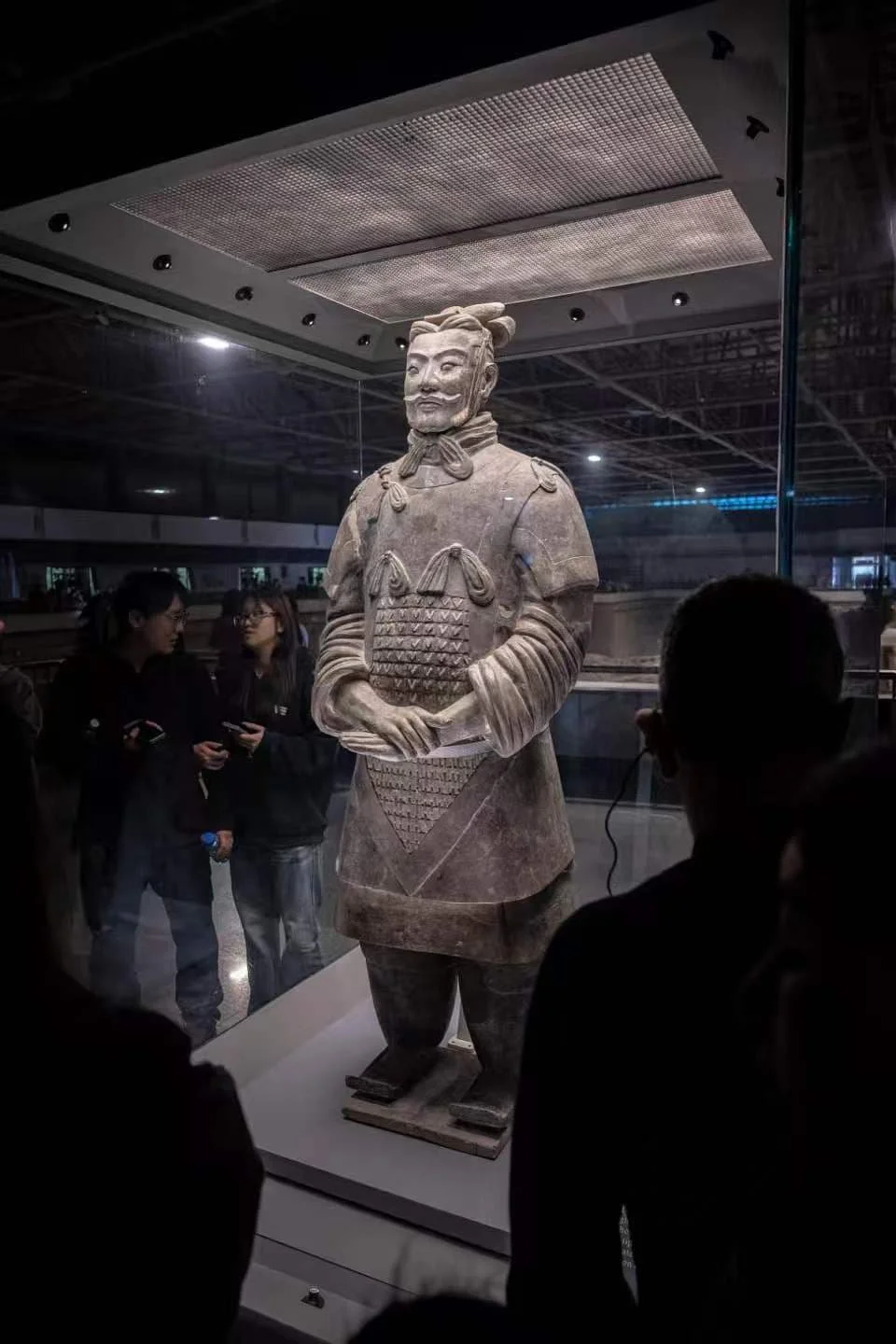 Image 3 of 4
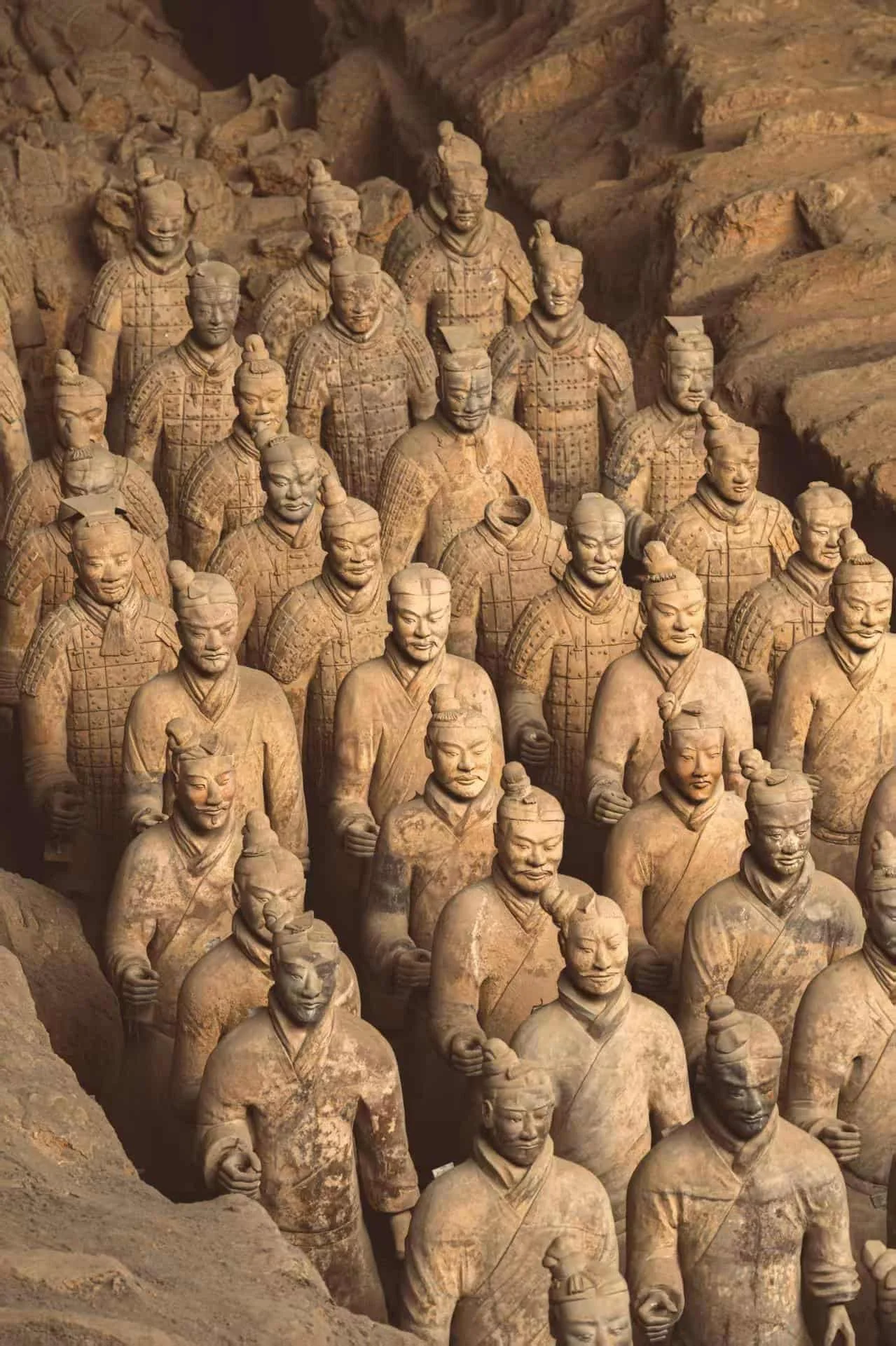 Image 4 of 4
2-Day Xi’an Itinerary
Two Days in Xi'an — Empire, Faith, and Flavor
Two days is enough to experience the full arc of Xi'an's story — from the underground army that guarded an emperor's tomb for 2,200 years to the living traditions of a city that was the eastern terminus of the Silk Road. You'll stand before 8,000 terracotta warriors, walk through a Tang Dynasty palace where a love story toppled an empire, explore one of China's greatest museums, bike on a 600-year-old city wall, and eat your way through one of the best food scenes in the country. All at your own pace, with a private guide who knows the history, the shortcuts, and the best roujiamo in the city.
Why This Tour Works: Day 1 covers the must-see imperial sites east of the city (Terracotta Warriors + Huaqing Pool, or the City Wall if you prefer a more active afternoon). Day 2 dives into culture and city life (Shaanxi History Museum OR Big Wild Goose Pagoda + Muslim Quarter food tour + sunset on the City Wall). It's a compact, well-paced introduction to Xi'an that hits every highlight without feeling rushed.
Day 1: The Terracotta Warriors & Huaqing Pool
🌅 8:00 AM — Hotel Pickup & Drive to Lintong
Your guide meets you at your hotel lobby at 8:00 AM for the 40-minute drive east to Lintong District. The route takes you across the Guanzhong Plain — the fertile heartland where the Yellow River civilization first flourished over 5,000 years ago. Your guide will use the drive to set the scene: in March 1974, a local farmer named Yang Zhifa was digging a well when his shovel struck a terracotta head. He had no idea he'd just uncovered what the world now calls the Eighth Wonder of the World. The museum opened in 1979; today it receives over 5 million visitors per year.
8:40 AM – 12:00 PM — The Terracotta Warriors Museum
Enter Pit 1 — the main army. The scale hits you immediately: over 6,000 life-sized terracotta figures stand in battle formation across 14,000 square meters. Each warrior has a distinct face, hairstyle, and armor detail — historians believe they were modeled on real soldiers from the Qin army. Your guide will point out the details you'd miss alone: the kneeling archers placed in the front ranks as expendable troops, the generals with elaborate headdresses and armored sleeves, and the cavalrymen standing beside their clay horses, each horse with flared nostrils and muscular haunches ready to charge.
Pit 2 is the tactical formation pit — only partially excavated, giving you a rare glimpse of warriors still buried in the earth, waiting for technology advanced enough to preserve their original paint. What's on display includes some of the best-preserved individual figures: a kneeling archer with pristine detail, and the famous "green-faced" warrior whose pigmentation remains a mystery — was it a military rank marker, a ritual figure, or a craftsman's mistake? Nobody knows.
Pit 3 is the command center — the smallest pit but the most strategically important. Only 68 figures, but they include the highest-ranking officers and genuine bronze weapons still in their hands. The layout mirrors the command structure described in "Records of the Grand Historian" (史记), written 100 years after the tomb was sealed.
Finish with the Bronze Chariot Gallery — two half-scale bronze chariots discovered in 1980, each with over 3,000 individual components, gold and silver inlays, and functional windows that slide open and shut. Emperor Qin Shi Huang was buried with them so he could tour his afterlife empire in style. Some casting techniques used here were lost for 2,000 years.
12:00 – 1:00 PM — Lintong Local Lunch
Lintong is famous for biangbiang mian (biangbiang面) — wide, belt-like hand-pulled noodles topped with chili oil, garlic, and vinegar. The name comes from the sound the dough makes when it's slapped against the table during stretching. Your guide will take you to a restaurant where locals eat, not the overpriced places near the parking lot. Also try roujiamo (肉夹馍) — the original Chinese hamburger, with slow-braised pork shoulder stuffed into a crispy flatbread. It predates the Western hamburger by nearly 2,000 years.
1:30 – 3:30 PM — Huaqing Pool (华清池)
Fifteen minutes from the Terracotta site, Huaqing Pool sits at the foot of Mount Li, where geothermal hot springs have attracted emperors for 3,000 years. But this site is famous for one reason: it was the favorite retreat of Emperor Xuanzong (r. 712–756) and his consort Yang Guifei, one of China's Four Great Beauties.
Your guide will walk you through the imperial bathing pools — each heated by the same natural hot springs that still flow today at 43°C. The Emperor's Pool (Lotus Pool) is a marble basin big enough to swim in; Yang Guifei's smaller, more intimate pool is surrounded by carved marble screen walls. Tang Dynasty poets wrote breathless verses about her emerging from the steam like a lotus rising from water.
Then comes the rest of the story — the part that makes this site unforgettable. The emperor's obsession with Yang Guifei led him to neglect state affairs, promoting her relatives to high office. One of them, Yang Guozhong, was so corrupt that General An Lushan launched a rebellion in 755 AD. The emperor and Yang Guifei fled, but their own troops mutinied — they forced the emperor to strangle Yang Guifei with a silk cord. She was 38. The An Lushan Rebellion killed an estimated 36 million people and permanently crippled the Tang Dynasty. It's one of history's great tragedies, and it all unfolded from this very location.
The Xi'an Incident (1936): Huaqing Pool also played a role in modern Chinese history. In December 1936, Chiang Kai-shek was vacationing here when his own generals arrested him in his pajamas, demanding he form a united front with the Communists to fight Japan. The bullet holes from that morning are still visible in the walls of Chiang's bedroom. Your guide will explain how this "Xi'an Incident" changed the course of the Chinese Civil War.
Evening Option: Between April and October, ask your guide about tickets to "The Song of Everlasting Sorrow" (长恨歌) — a spectacular outdoor light show staged on the actual mountain where the Tang Dynasty story happened. It's one of China's most famous historical reenactments and starts at 8:30 PM.
4:00 PM — Return to Xi'an
Drive back to your hotel. If you'd like to explore the Muslim Quarter for dinner, ask your guide to drop you there instead — they'll give you a map and restaurant recommendations so you can navigate the food stalls on your own.
Day 1 Alternative Afternoon: If you've already seen Huaqing Pool or prefer a more active day, skip it and return to Xi'an for a City Wall bike ride instead. The 13.7km loop takes 1.5–2 hours at a leisurely pace. The South Gate (Yongning Gate) is the most popular starting point. Your guide can arrange this as a seamless alternative.
Day 2: Culture, History & the Best Food in Northwestern China
🌅 8:30 AM — Shaanxi History Museum (陕西历史博物馆)
Start Day 2 at one of the best museums in China — 1.7 million artifacts spanning 1 million years of history. The museum is organized chronologically, and your guide will lead you through the highlights:
Gallery 1: Prehistory to Qin Dynasty. A 1.15-million-year-old skull from Lantian Man (an early hominid species that lived in Shaanxi). Neolithic painted pottery from the Yangshao culture (5000–3000 BC), including the famous "human face and fish body" painted basin from Banpo Village — the earliest evidence of Chinese artistic expression.
Gallery 2: Han & Tang Dynasties — The Golden Age. This is the museum's crown jewel. Han Dynasty jade burial suits (the Han believed jade preserved the body from decay). Tang Dynasty gold and silver vessels inlaid with turquoise and lapis lazuli. Ceramic figures of foreign merchants and musicians — Xi'an was the eastern terminus of the Silk Road, and these figures show the remarkable diversity of the city's medieval population. Your guide will point out the golden monster-mask agate cup — a Tang Dynasty drinking vessel carved from a single piece of banded agate, supposedly owned by Emperor Xuanzong himself. The craftsmanship is so fine it's hard to believe it was made 1,300 years ago.
Museum Strategy: The museum gets extremely crowded by 10:00 AM. Your guide will arrange for you to enter when it opens at 8:30. The permanent collection is free, but the "Tang Dynasty Treasures" exhibition (30 RMB) is absolutely worth it — it contains some of the most exquisite gold and silverware in existence.
12:00 – 1:00 PM — Lunch: Xi'an's Greatest Hits
Your guide will take you to a restaurant near the museum serving refined Shaanxi cuisine. This is your chance to try hulu chicken (葫芦鸡, "bottle gourd chicken") — a Xi'an specialty where the chicken is boiled, steamed, and then deep-fried to crispy perfection. The dish dates back to the Tang Dynasty and was supposedly invented for a prime minister who was notoriously picky about his food. If you prefer noodles, get youpo mian (油泼面) — noodles with sizzling hot oil poured over chili flakes and garlic at the table. The sizzle is part of the show.
1:30 – 3:30 PM — Muslim Quarter Food Tour (回民街)
After the museum, drive 10 minutes to the Muslim Quarter — the historic heart of Xi'an's Hui Muslim community. This isn't just a tourist street — it's a living neighborhood where people have lived, prayed, and cooked for over 1,000 years. The main street (Beiyuanmen) is packed with food stalls, but your guide will lead you to the side alleys where the best food is.
What to try:
Roujiamo (肉夹馍) — Xi'an's answer to the hamburger. Slow-braised pork (or beef, in the Muslim version) stuffed into a crispy flatbread baked in a clay oven. Cheap, filling, and addictive.
Biangbiang mian (biangbiang面) — The signature noodle of Shaanxi. As wide as a belt, topped with chili oil, garlic, vinegar, and sometimes ground pork. It's messy, spicy, and deeply satisfying.
Persimmon cakes (柿子饼) — Sweet, chewy cakes made from persimmon pulp and glutinous rice flour, pan-fried until golden. Especially good in autumn when persimmons are in season.
Fresh pomegranate juice — Xi'an is famous for pomegranates (they were introduced along the Silk Road). Fresh-squeezed juice costs about 10 RMB and is the perfect antidote to a spicy meal.
While you're eating, your guide will also show you the Great Mosque of Xi'an (西安大清真寺) — built in 742 AD, it's a remarkable blend of Chinese and Islamic architecture. The prayer hall looks like a traditional Chinese temple, but the decorations include Arabic calligraphy and Islamic geometric patterns. Non-Muslims can visit the outer courtyards; the main prayer hall is reserved for worshippers.
3:30 – 4:15 PM — Bell Tower & Drum Tower (钟楼 · 鼓楼)
Walk from the Muslim Quarter to the Bell Tower — the symbolic center of Xi'an. Built in 1384, it marked the geographical center of the Ming Dynasty city. You can climb to the top for a panoramic view of the city's main arteries radiating out in all directions. The Drum Tower is right next to it — in ancient times, the bell was rung at dawn and the drum at dusk to mark the passage of time.
4:30 – 6:30 PM — City Wall Sunset Bike Ride 🚲
End your trip with a bike ride on the Xi'an City Wall. Starting from the South Gate (just a few minutes from the Bell Tower), rent a bike and ride a portion of the 13.7km loop as the sun sets. Built in 1370 during the Ming Dynasty on the foundations of the Tang Dynasty imperial city, this is the most complete ancient city wall in China — 12 meters high and 15–18 meters wide at the top. It's so wide that trams used to run on top of it in the 20th century.
The golden light on the gray brick at sunset is spectacular, and the temperature cools down pleasantly in the evening. The full loop takes 1.5–2 hours, but you can ride just 3–4km and take a battery cart back. To the inside, you see traditional gray-tiled roofs; to the outside, modern skyscrapers — China's past and present coexisting in one frame.
Bike Rental: Regular bikes 45 RMB/single, 90 RMB/tandem. Electric bikes available for those who prefer not to pedal. Children's bikes and baby seats also available. Your guide can arrange everything.
✅ What's Included
IncludedNot Included
✅ Private English-speaking guide (2 full days)❌ Terracotta Warriors entrance: ¥120 (Apr–Oct) / ¥90 (Nov–Mar)
✅ Private air-conditioned vehicle (2 full days)❌ Huaqing Pool entrance: ¥120 (Apr–Oct) / ¥80 (Nov–Mar)
✅ Hotel pickup & drop-off (within Xi'an Second Ring Road)❌ Shaanxi History Museum: free (basic) / 30 RMB (Tang Treasures exhibition)
✅ Bottled water throughout❌ City Wall: 54 RMB; bike rental: 45 RMB (single) / 90 RMB (tandem)
❌ Bell Tower: 30 RMB; Drum Tower: 30 RMB (combo ticket 50 RMB)
❌ Meals (lunch & dinner; budget ¥80–150/person/day)
❌ Gratuities (optional)
🏨 Where to Stay
Inside the City Wall (recommended): The Bell Tower area and Muslim Quarter are the most convenient bases — you can walk to restaurants, the City Wall, and the Bell/Drum Towers. The area around South Gate has the highest concentration of hotels, from budget hostels to 5-star properties.
Near the Big Wild Goose Pagoda: Quieter, with good mid-range and upscale options. About 15 minutes by taxi from the City Wall area.
Tip: Book hotels inside the Second Ring Road to qualify for free hotel pickup. Hotels outside this area may incur an additional transport surcharge.
Practical Information
🚶 Walking Level: Moderate. Day 1 involves 3–4 hours of walking at the Terracotta site (mostly flat surfaces). Day 2 involves museum walking plus optional biking on the City Wall. Comfortable walking shoes are essential.
🎫 Tickets: Your guide will pre-book the Terracotta Warriors tickets (they sell out on holidays — bring your passport, it's required for entry). The Shaanxi History Museum has limited daily entries; your guide will handle reservations.
🌡️ Best Time to Visit: Spring (March–May) and autumn (September–November) offer the most pleasant weather — mild temperatures, blue skies, and fewer crowds. Summer is hot (30°C+) and humid; winter is cold but atmospheric, with thinner crowds at the Terracotta Warriors.
👨👩👧👦 Family Friendly: Yes. The Terracotta Warriors amaze kids; the City Wall biking is a hit with families; and the Muslim Quarter food tour is fun for all ages. Let your guide know if you're traveling with young children — they'll adjust the pace and skip the longer museum sections.
📱 Connectivity: Free Wi-Fi is available at most hotels and many restaurants. If you need mobile data, ask your guide to help you buy a local SIM card or set up an eSIM before you start the tour.
Two Days in Xi'an — Empire, Faith, and Flavor
Two days is enough to experience the full arc of Xi'an's story — from the underground army that guarded an emperor's tomb for 2,200 years to the living traditions of a city that was the eastern terminus of the Silk Road. You'll stand before 8,000 terracotta warriors, walk through a Tang Dynasty palace where a love story toppled an empire, explore one of China's greatest museums, bike on a 600-year-old city wall, and eat your way through one of the best food scenes in the country. All at your own pace, with a private guide who knows the history, the shortcuts, and the best roujiamo in the city.
Why This Tour Works: Day 1 covers the must-see imperial sites east of the city (Terracotta Warriors + Huaqing Pool, or the City Wall if you prefer a more active afternoon). Day 2 dives into culture and city life (Shaanxi History Museum OR Big Wild Goose Pagoda + Muslim Quarter food tour + sunset on the City Wall). It's a compact, well-paced introduction to Xi'an that hits every highlight without feeling rushed.
Day 1: The Terracotta Warriors & Huaqing Pool
🌅 8:00 AM — Hotel Pickup & Drive to Lintong
Your guide meets you at your hotel lobby at 8:00 AM for the 40-minute drive east to Lintong District. The route takes you across the Guanzhong Plain — the fertile heartland where the Yellow River civilization first flourished over 5,000 years ago. Your guide will use the drive to set the scene: in March 1974, a local farmer named Yang Zhifa was digging a well when his shovel struck a terracotta head. He had no idea he'd just uncovered what the world now calls the Eighth Wonder of the World. The museum opened in 1979; today it receives over 5 million visitors per year.
8:40 AM – 12:00 PM — The Terracotta Warriors Museum
Enter Pit 1 — the main army. The scale hits you immediately: over 6,000 life-sized terracotta figures stand in battle formation across 14,000 square meters. Each warrior has a distinct face, hairstyle, and armor detail — historians believe they were modeled on real soldiers from the Qin army. Your guide will point out the details you'd miss alone: the kneeling archers placed in the front ranks as expendable troops, the generals with elaborate headdresses and armored sleeves, and the cavalrymen standing beside their clay horses, each horse with flared nostrils and muscular haunches ready to charge.
Pit 2 is the tactical formation pit — only partially excavated, giving you a rare glimpse of warriors still buried in the earth, waiting for technology advanced enough to preserve their original paint. What's on display includes some of the best-preserved individual figures: a kneeling archer with pristine detail, and the famous "green-faced" warrior whose pigmentation remains a mystery — was it a military rank marker, a ritual figure, or a craftsman's mistake? Nobody knows.
Pit 3 is the command center — the smallest pit but the most strategically important. Only 68 figures, but they include the highest-ranking officers and genuine bronze weapons still in their hands. The layout mirrors the command structure described in "Records of the Grand Historian" (史记), written 100 years after the tomb was sealed.
Finish with the Bronze Chariot Gallery — two half-scale bronze chariots discovered in 1980, each with over 3,000 individual components, gold and silver inlays, and functional windows that slide open and shut. Emperor Qin Shi Huang was buried with them so he could tour his afterlife empire in style. Some casting techniques used here were lost for 2,000 years.
12:00 – 1:00 PM — Lintong Local Lunch
Lintong is famous for biangbiang mian (biangbiang面) — wide, belt-like hand-pulled noodles topped with chili oil, garlic, and vinegar. The name comes from the sound the dough makes when it's slapped against the table during stretching. Your guide will take you to a restaurant where locals eat, not the overpriced places near the parking lot. Also try roujiamo (肉夹馍) — the original Chinese hamburger, with slow-braised pork shoulder stuffed into a crispy flatbread. It predates the Western hamburger by nearly 2,000 years.
1:30 – 3:30 PM — Huaqing Pool (华清池)
Fifteen minutes from the Terracotta site, Huaqing Pool sits at the foot of Mount Li, where geothermal hot springs have attracted emperors for 3,000 years. But this site is famous for one reason: it was the favorite retreat of Emperor Xuanzong (r. 712–756) and his consort Yang Guifei, one of China's Four Great Beauties.
Your guide will walk you through the imperial bathing pools — each heated by the same natural hot springs that still flow today at 43°C. The Emperor's Pool (Lotus Pool) is a marble basin big enough to swim in; Yang Guifei's smaller, more intimate pool is surrounded by carved marble screen walls. Tang Dynasty poets wrote breathless verses about her emerging from the steam like a lotus rising from water.
Then comes the rest of the story — the part that makes this site unforgettable. The emperor's obsession with Yang Guifei led him to neglect state affairs, promoting her relatives to high office. One of them, Yang Guozhong, was so corrupt that General An Lushan launched a rebellion in 755 AD. The emperor and Yang Guifei fled, but their own troops mutinied — they forced the emperor to strangle Yang Guifei with a silk cord. She was 38. The An Lushan Rebellion killed an estimated 36 million people and permanently crippled the Tang Dynasty. It's one of history's great tragedies, and it all unfolded from this very location.
The Xi'an Incident (1936): Huaqing Pool also played a role in modern Chinese history. In December 1936, Chiang Kai-shek was vacationing here when his own generals arrested him in his pajamas, demanding he form a united front with the Communists to fight Japan. The bullet holes from that morning are still visible in the walls of Chiang's bedroom. Your guide will explain how this "Xi'an Incident" changed the course of the Chinese Civil War.
Evening Option: Between April and October, ask your guide about tickets to "The Song of Everlasting Sorrow" (长恨歌) — a spectacular outdoor light show staged on the actual mountain where the Tang Dynasty story happened. It's one of China's most famous historical reenactments and starts at 8:30 PM.
4:00 PM — Return to Xi'an
Drive back to your hotel. If you'd like to explore the Muslim Quarter for dinner, ask your guide to drop you there instead — they'll give you a map and restaurant recommendations so you can navigate the food stalls on your own.
Day 1 Alternative Afternoon: If you've already seen Huaqing Pool or prefer a more active day, skip it and return to Xi'an for a City Wall bike ride instead. The 13.7km loop takes 1.5–2 hours at a leisurely pace. The South Gate (Yongning Gate) is the most popular starting point. Your guide can arrange this as a seamless alternative.
Day 2: Culture, History & the Best Food in Northwestern China
🌅 8:30 AM — Shaanxi History Museum (陕西历史博物馆)
Start Day 2 at one of the best museums in China — 1.7 million artifacts spanning 1 million years of history. The museum is organized chronologically, and your guide will lead you through the highlights:
Gallery 1: Prehistory to Qin Dynasty. A 1.15-million-year-old skull from Lantian Man (an early hominid species that lived in Shaanxi). Neolithic painted pottery from the Yangshao culture (5000–3000 BC), including the famous "human face and fish body" painted basin from Banpo Village — the earliest evidence of Chinese artistic expression.
Gallery 2: Han & Tang Dynasties — The Golden Age. This is the museum's crown jewel. Han Dynasty jade burial suits (the Han believed jade preserved the body from decay). Tang Dynasty gold and silver vessels inlaid with turquoise and lapis lazuli. Ceramic figures of foreign merchants and musicians — Xi'an was the eastern terminus of the Silk Road, and these figures show the remarkable diversity of the city's medieval population. Your guide will point out the golden monster-mask agate cup — a Tang Dynasty drinking vessel carved from a single piece of banded agate, supposedly owned by Emperor Xuanzong himself. The craftsmanship is so fine it's hard to believe it was made 1,300 years ago.
Museum Strategy: The museum gets extremely crowded by 10:00 AM. Your guide will arrange for you to enter when it opens at 8:30. The permanent collection is free, but the "Tang Dynasty Treasures" exhibition (30 RMB) is absolutely worth it — it contains some of the most exquisite gold and silverware in existence.
12:00 – 1:00 PM — Lunch: Xi'an's Greatest Hits
Your guide will take you to a restaurant near the museum serving refined Shaanxi cuisine. This is your chance to try hulu chicken (葫芦鸡, "bottle gourd chicken") — a Xi'an specialty where the chicken is boiled, steamed, and then deep-fried to crispy perfection. The dish dates back to the Tang Dynasty and was supposedly invented for a prime minister who was notoriously picky about his food. If you prefer noodles, get youpo mian (油泼面) — noodles with sizzling hot oil poured over chili flakes and garlic at the table. The sizzle is part of the show.
1:30 – 3:30 PM — Muslim Quarter Food Tour (回民街)
After the museum, drive 10 minutes to the Muslim Quarter — the historic heart of Xi'an's Hui Muslim community. This isn't just a tourist street — it's a living neighborhood where people have lived, prayed, and cooked for over 1,000 years. The main street (Beiyuanmen) is packed with food stalls, but your guide will lead you to the side alleys where the best food is.
What to try:
Roujiamo (肉夹馍) — Xi'an's answer to the hamburger. Slow-braised pork (or beef, in the Muslim version) stuffed into a crispy flatbread baked in a clay oven. Cheap, filling, and addictive.
Biangbiang mian (biangbiang面) — The signature noodle of Shaanxi. As wide as a belt, topped with chili oil, garlic, vinegar, and sometimes ground pork. It's messy, spicy, and deeply satisfying.
Persimmon cakes (柿子饼) — Sweet, chewy cakes made from persimmon pulp and glutinous rice flour, pan-fried until golden. Especially good in autumn when persimmons are in season.
Fresh pomegranate juice — Xi'an is famous for pomegranates (they were introduced along the Silk Road). Fresh-squeezed juice costs about 10 RMB and is the perfect antidote to a spicy meal.
While you're eating, your guide will also show you the Great Mosque of Xi'an (西安大清真寺) — built in 742 AD, it's a remarkable blend of Chinese and Islamic architecture. The prayer hall looks like a traditional Chinese temple, but the decorations include Arabic calligraphy and Islamic geometric patterns. Non-Muslims can visit the outer courtyards; the main prayer hall is reserved for worshippers.
3:30 – 4:15 PM — Bell Tower & Drum Tower (钟楼 · 鼓楼)
Walk from the Muslim Quarter to the Bell Tower — the symbolic center of Xi'an. Built in 1384, it marked the geographical center of the Ming Dynasty city. You can climb to the top for a panoramic view of the city's main arteries radiating out in all directions. The Drum Tower is right next to it — in ancient times, the bell was rung at dawn and the drum at dusk to mark the passage of time.
4:30 – 6:30 PM — City Wall Sunset Bike Ride 🚲
End your trip with a bike ride on the Xi'an City Wall. Starting from the South Gate (just a few minutes from the Bell Tower), rent a bike and ride a portion of the 13.7km loop as the sun sets. Built in 1370 during the Ming Dynasty on the foundations of the Tang Dynasty imperial city, this is the most complete ancient city wall in China — 12 meters high and 15–18 meters wide at the top. It's so wide that trams used to run on top of it in the 20th century.
The golden light on the gray brick at sunset is spectacular, and the temperature cools down pleasantly in the evening. The full loop takes 1.5–2 hours, but you can ride just 3–4km and take a battery cart back. To the inside, you see traditional gray-tiled roofs; to the outside, modern skyscrapers — China's past and present coexisting in one frame.
Bike Rental: Regular bikes 45 RMB/single, 90 RMB/tandem. Electric bikes available for those who prefer not to pedal. Children's bikes and baby seats also available. Your guide can arrange everything.
✅ What's Included
IncludedNot Included
✅ Private English-speaking guide (2 full days)❌ Terracotta Warriors entrance: ¥120 (Apr–Oct) / ¥90 (Nov–Mar)
✅ Private air-conditioned vehicle (2 full days)❌ Huaqing Pool entrance: ¥120 (Apr–Oct) / ¥80 (Nov–Mar)
✅ Hotel pickup & drop-off (within Xi'an Second Ring Road)❌ Shaanxi History Museum: free (basic) / 30 RMB (Tang Treasures exhibition)
✅ Bottled water throughout❌ City Wall: 54 RMB; bike rental: 45 RMB (single) / 90 RMB (tandem)
❌ Bell Tower: 30 RMB; Drum Tower: 30 RMB (combo ticket 50 RMB)
❌ Meals (lunch & dinner; budget ¥80–150/person/day)
❌ Gratuities (optional)
🏨 Where to Stay
Inside the City Wall (recommended): The Bell Tower area and Muslim Quarter are the most convenient bases — you can walk to restaurants, the City Wall, and the Bell/Drum Towers. The area around South Gate has the highest concentration of hotels, from budget hostels to 5-star properties.
Near the Big Wild Goose Pagoda: Quieter, with good mid-range and upscale options. About 15 minutes by taxi from the City Wall area.
Tip: Book hotels inside the Second Ring Road to qualify for free hotel pickup. Hotels outside this area may incur an additional transport surcharge.
Practical Information
🚶 Walking Level: Moderate. Day 1 involves 3–4 hours of walking at the Terracotta site (mostly flat surfaces). Day 2 involves museum walking plus optional biking on the City Wall. Comfortable walking shoes are essential.
🎫 Tickets: Your guide will pre-book the Terracotta Warriors tickets (they sell out on holidays — bring your passport, it's required for entry). The Shaanxi History Museum has limited daily entries; your guide will handle reservations.
🌡️ Best Time to Visit: Spring (March–May) and autumn (September–November) offer the most pleasant weather — mild temperatures, blue skies, and fewer crowds. Summer is hot (30°C+) and humid; winter is cold but atmospheric, with thinner crowds at the Terracotta Warriors.
👨👩👧👦 Family Friendly: Yes. The Terracotta Warriors amaze kids; the City Wall biking is a hit with families; and the Muslim Quarter food tour is fun for all ages. Let your guide know if you're traveling with young children — they'll adjust the pace and skip the longer museum sections.
📱 Connectivity: Free Wi-Fi is available at most hotels and many restaurants. If you need mobile data, ask your guide to help you buy a local SIM card or set up an eSIM before you start the tour.