 Image 1 of 6
 Image 2 of 6
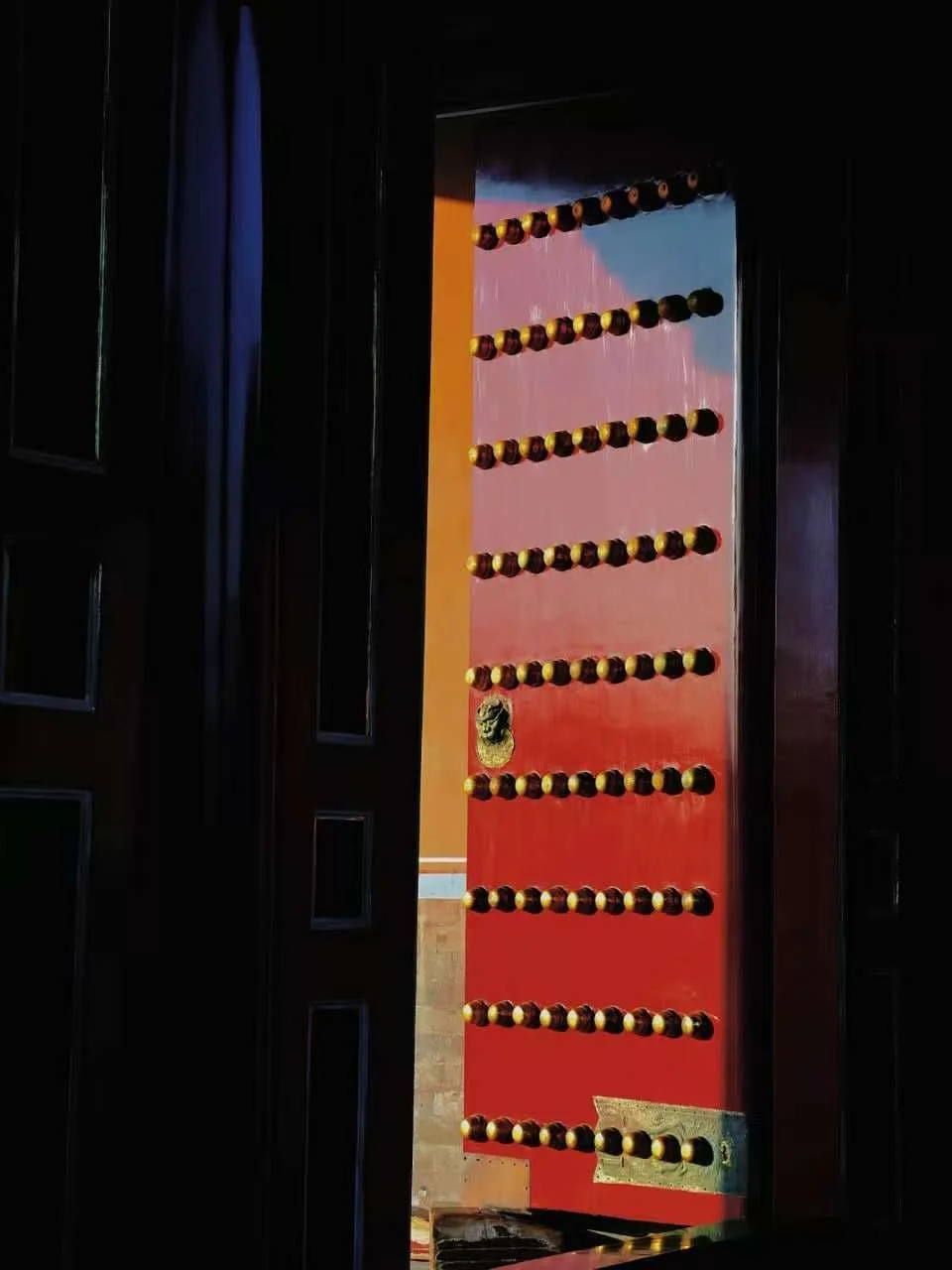 Image 3 of 6
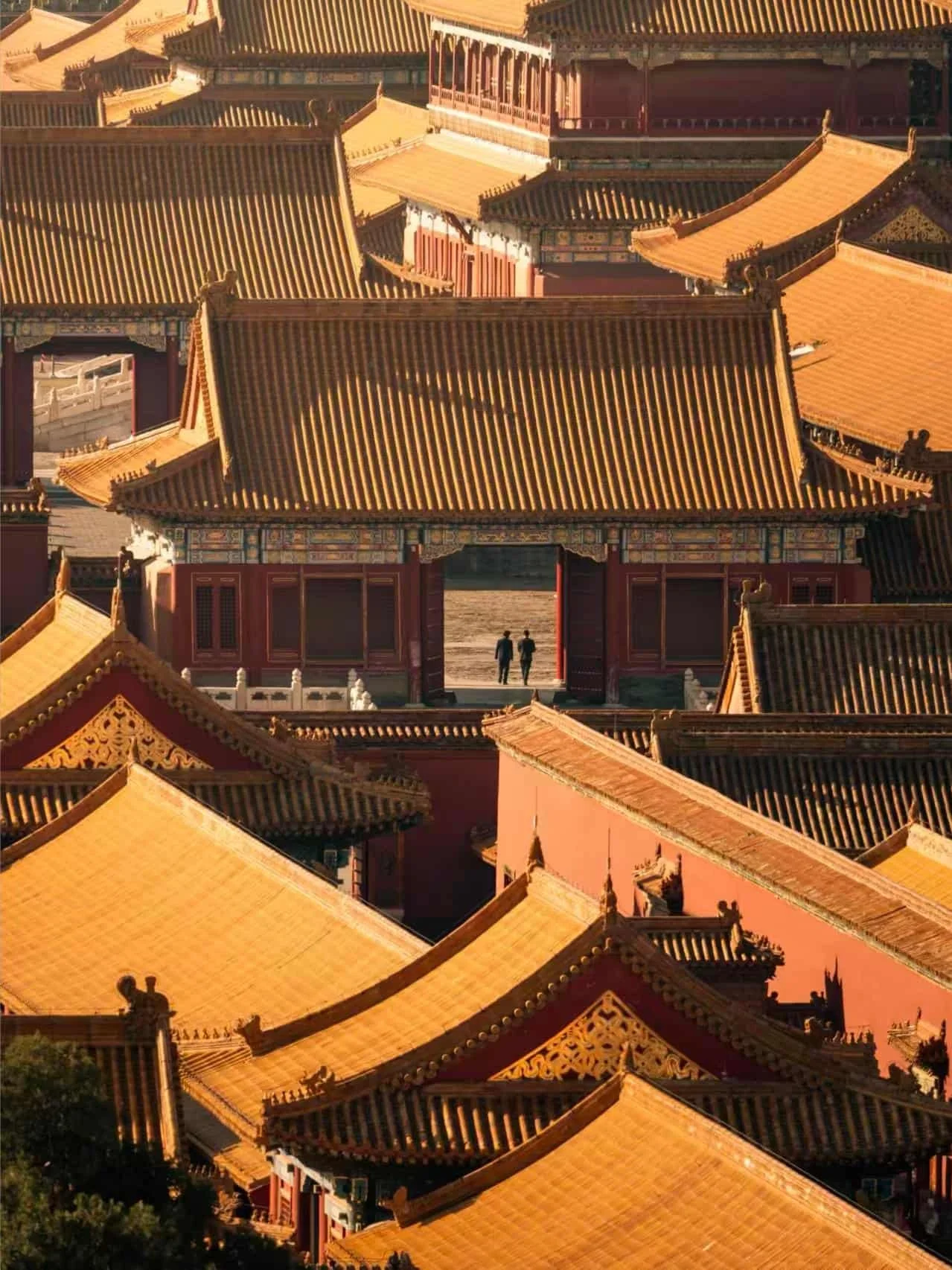 Image 4 of 6
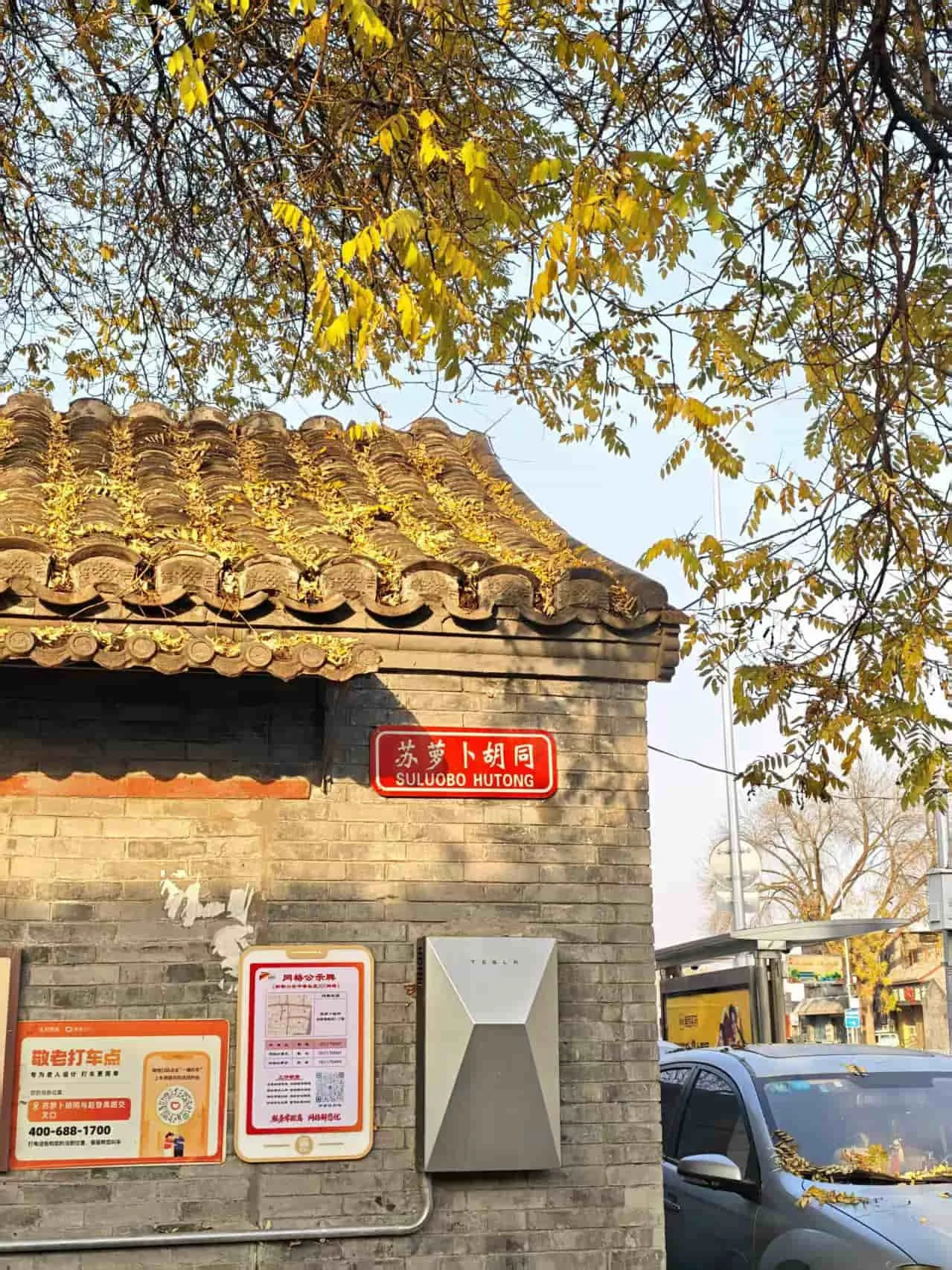 Image 5 of 6
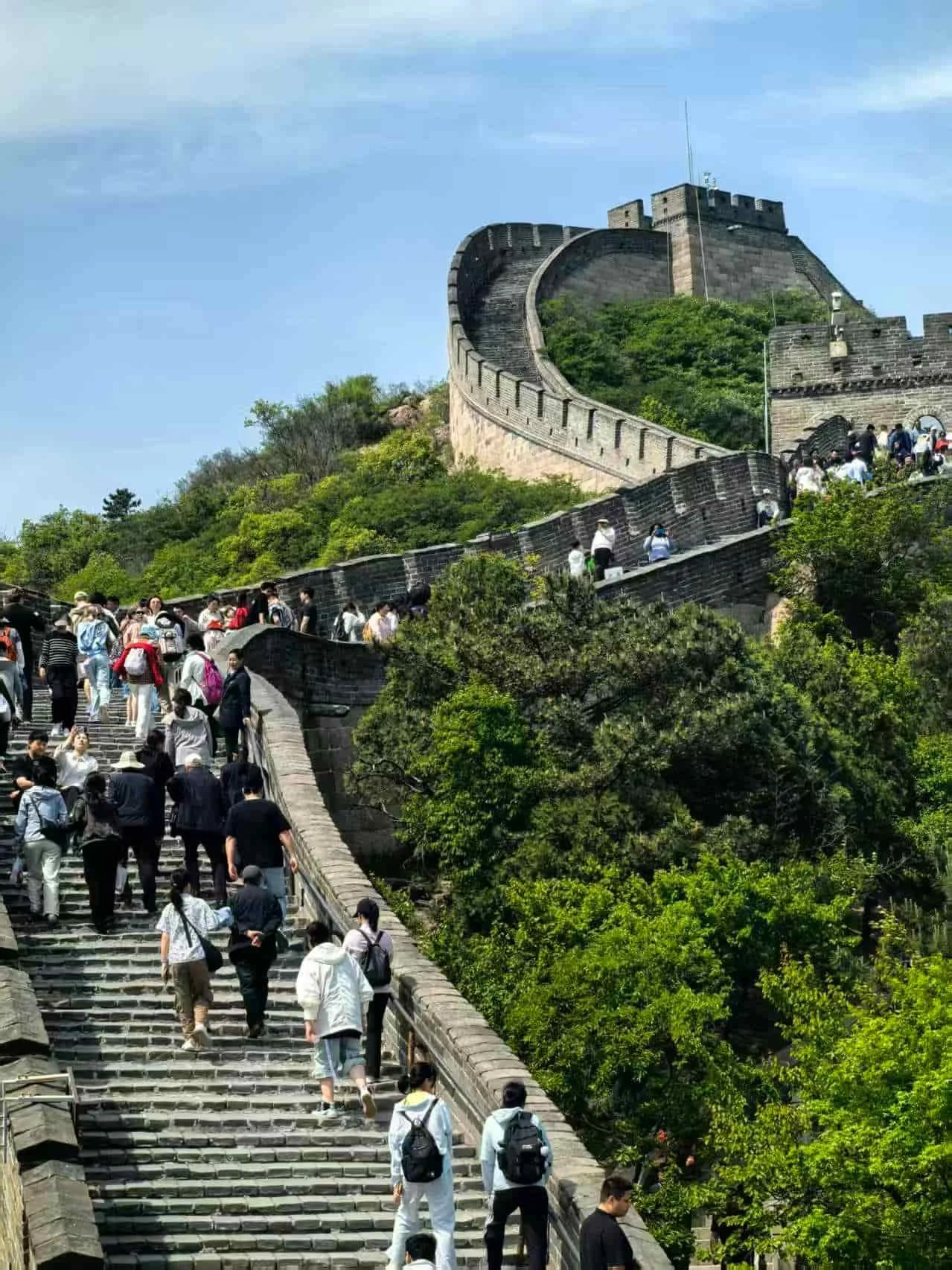 Image 6 of 6
4-Day Beijing Itinerary
Four Days in Beijing — The Complete Imperial Experience
Four days is the "sweet spot" for Beijing. It's enough time to see the absolute must-sees (Forbidden City, Great Wall, Summer Palace) and add the deeper cultural experiences that transform a sightseeing trip into a real understanding of China's capital — the Temple of Heaven's cosmic architecture, the hauntingly beautiful Old Summer Palace, the winding hutong alleys where old Beijing still breathes, and the world-class museums that most day-trippers miss.
With a private guide and driver, you'll move through the city efficiently, skip the lines at every major site, and have the flexibility to adjust the pace when your feet need a break or your curiosity demands more time.
Why 4 Days Works: Day 1 covers the imperial heart (Forbidden City + Tiananmen). Day 2 takes you to the Great Wall + Summer Palace. Day 3 explores the Temple of Heaven + Old Summer Palace + Beijing's best museums. Day 4 dives into local life (Hutong walking + traditional crafts). Every day builds on the last — by Day 4, you're reading the city like a local.
Day 1: The Forbidden City & Tiananmen Square
🌅 Morning — Tiananmen Square & The Forbidden City
Start at 8:00 AM — your guide will pick you up from your hotel and drive to Tiananmen Square. Security checks are thorough (this is China's most sensitive political space), so your guide will handle the logistics while you take in the scale of the square — capable of holding 1 million people.
Pass through Tiananmen Gate (Gate of Heavenly Peace) with its iconic portrait of Mao Zedong. This is where modern China and imperial China collide — a powerful moment that sets the tone for the day.
Enter the Forbidden City through the Meridian Gate (Wumen). Immediately, the scale hits you: this palatial complex covers 180 acres and housed 24 emperors across nearly 500 years. Your guide will lead you along the Central Axis — the spine of imperial Beijing, lined with the three great ceremonial halls:
Hall of Supreme Harmony (Taihe Dian, 太和殿): The largest and most important hall in China. This is where emperors held their grandest ceremonies — coronations, imperial weddings, winter solstice rites. The throne inside, carved from sandalwood and inlaid with pearls, sits beneath a coffered ceiling adorned with a coiling golden dragon. Your guide will explain the ritual choreography that governed every movement within this space.
Hall of Central Harmony (Zhonghe Dian, 中和殿): A smaller, more intimate hall where the emperor rehearsed his ceremonies and received final briefings from ministers before major state events.
Hall of Preserving Harmony (Baohe Dian, 保和殿): Where the emperor hosted the final round of the imperial examination — the grueling, multi-day test that determined who would staff the entire imperial bureaucracy. The marble terrace out front, carved from a single piece of stone weighing 200+ tons, is a feat of Ming Dynasty engineering that still puzzles historians.
Continue north through the Inner Court — the emperor's private residence. The Palace of Heavenly Purity (Qianqing Gong, 乾清宫) was the emperor's main bedchamber and the site of daily governance. The Hall of Union (Jiaotai Dian, 交泰殿) housed the imperial seals. And the Palace of Earthly Tranquility (Kunning Gong, 坤宁宫) was the empress's residence and, later, the site of Manchu shamanic rituals.
Your guide will also take you through the Six Eastern Palaces (东六宫) — the residential quarters of concubines, each with its own courtyard, kitchen, and miniature garden. This is where the real palace intrigue happened — and your guide knows the stories of the concubines who rose to power, the eunuchs who manipulated emperors, and the near-misses of history that don't appear in textbooks.
Optional: The Hall of Jewels (Zhenbao Guan, 珍宝馆) and Hall of Clocks (Guibao Guan, 钟表馆) — separate ticketed exhibits housing the imperial collection of jade, gold, and extraordinarily intricate mechanical clocks gifted by (or looted from) European courts. Worth it if you love craftsmanship; skip if you're museum-ed out.
Exit from the Gate of Divine Prowess (Shenwumen, 神武门) at the northern end of the complex. You've walked approximately 3-4 hours inside the Forbidden City — not a bad pace, with frequent stops and stories.
🌆 Afternoon — The Treasure Galleries & Jingshan Park (Optional)
After a local lunch (your guide will recommend a restaurant serving authentic Beijing duck, or a quieter spot if you prefer), you have two options:
Option A — Jingshan Park (景山公园): A short walk from the Forbidden City's north gate, Jingshan is a man-made hill built from the earth excavated to create the Forbidden City's moat. Climb to the summit (about 15 minutes) for the best view in Beijing — the entire Forbidden City spread out below you in perfect symmetry, its golden roofs glowing in the afternoon sun. This is the classic Beijing photo you've seen in every travel guide.
Option B — Beihai Park (北海公园): Adjacent to the Forbidden City, this is one of the oldest imperial gardens in China, centered around a white dagoba (stupa) on an island in the lake. Quieter than the Forbidden City, with beautiful weeping willows and Tibetan-style architecture.
🌙 Evening — Optional: Wangfujing or Local Dinner
After the day's sightseeing, your guide can drop you at Wangfujing Street (王府井) — Beijing's most famous shopping street, also home to a famous (and somewhat infamous) "snack street" where you can sample scorpion on a stick, starfish, and other adventuresome bites. Or, if you prefer a proper dinner, your guide will recommend a restaurant serving Peking duck done properly — crispy skin, tender meat, thin pancakes, sweet bean sauce, scallion, cucumber. It's a ritual, not just a meal.
Day 2: The Great Wall at Mutianyu & The Summer Palace
🌅 Morning — Journey to the Great Wall (Mutianyu, 慕田峪)
An early start today — your guide will pick you up at 7:30 AM for the ~1.5-hour drive northeast out of the city to Mutianyu. Why Mutianyu and not Badaling (the section most tour buses visit)? Three reasons:
1. Fewer crowds: Badaling can have 30,000+ visitors on a holiday; Mutianyu is quieter, especially in the morning.
2. More scenic: Mutianyu is surrounded by lush forest-covered mountains; the wall snakes over ridges in a way that's genuinely dramatic.
3. Historical prestige: Mutianyu has been visited by George H.W. Bush, Ronald Reagan, and Hillary Clinton — if it's good enough for world leaders, it's a solid choice.
Take the cable car up to the wall (or hike up if you're feeling energetic — about 40 minutes of stairs). Once on the wall, the scale of the thing hits you: this isn't just a wall, it's a system — watchtowers, beacon towers, barracks, and the wall itself snaking over mountain ridges as far as the eye can see. The Ming Dynasty section you're standing on was built in the 14th-17th centuries, but walls on this general line date back to the 3rd century BC.
Your guide will explain the wall's construction (baskets of pounded earth, brick facing, and "dragon-back" drainage systems that have kept it standing for 600+ years) and its role in defending the empire from northern nomadic invasions. Then you'll have 2-3 hours to walk the wall at your own pace — climb watchtowers, take photos from the ramparts, and soak in the immensity of the landscape.
🎢 Afternoon — Toboggan Ride & Return to Beijing
Here's the fun part: after walking the wall, take the toboggan slide back down the mountain — a winding alpine coaster that's thrilling but perfectly safe (you control your speed with a hand brake). Kids love it; so do adults. It's a genuinely fun way to end your Great Wall experience.
Alternatively, take the chairlift down if you prefer a gentler descent.
After the wall, drive back to the city (1.5 hours). On the way, stop for lunch at a local restaurant near the wall — your guide will recommend one that serves authentic farm-to-table mountain cuisine, not the overpriced tourist buffets.
Arrive back in Beijing in the mid-afternoon. Depending on your energy level, your guide can offer an optional stop:
The Summer Palace (颐和园): The largest and best-preserved imperial garden in China. Built as a retreat for Empress Dowager Cixi (the "Dragon Lady" who effectively ruled China for 47 years), this vast lakeside complex is where the court retreated from the formal rigidity of the Forbidden City. The Kunming Lake (昆明湖) covers three-quarters of the park — in winter it freezes solid and becomes an enormous skating rink for Beijing locals.
Walk along the Long Corridor (长廊) — a 728-meter covered walkway decorated with more than 14,000 individual paintings depicting classical Chinese literature, landscapes, and historical scenes. Sunlight filters through the painted rafters; lake breezes cool your face. It's one of the most pleasant walks in Beijing, and your guide will point out the most interesting paintings as you stroll.
Other highlights include:
The Marble Boat (石舫): A curious lakeside pavilion built entirely of marble — a symbol of Cixi's extravagance (she diverted funds meant for the imperial navy to build this and restore the gardens). It's beautiful, but the story behind it is the real attraction.
The Seventeen-Arch Bridge (十七孔桥): Connecting the eastern shore to Nanhu Island, this elegant stone bridge is especially beautiful at sunset, when the arches reflect in the water and the lake turns gold.
The Tower of Buddhist Incense (佛香阁): A towering pavilion on Longevity Hill that offers panoramic views over the lake. A steep climb (but worth it for the view and the breeze).
🌙 Evening — Peking Duck Dinner
No Beijing visit is complete without Peking Duck. Your guide will take you to a renowned local restaurant (not a tourist trap) where the duck is roasted in a closed oven until the skin is shatteringly crisp and the meat is tender. Watch the chef carve it tableside, then wrap slices in thin pancakes with sweet bean sauce, scallions, and cucumber. It's a culinary ritual you won't forget.
Day 3: Temple of Heaven, Old Summer Palace & Museums
🌅 Morning — The Temple of Heaven (天坛)
Start the day at 8:30 AM with a visit to the Temple of Heaven (天坛公园). This is where emperors came to pray for good harvests, and the architecture is breathtakingly precise — the Hall of Prayer for Good Harvests (祈年殿) is a triple-gabled circular wooden structure built entirely without nails. The acoustic design is so precise that a whisper at the center of the surrounding wall (the Echo Wall) can be heard from the other side.
The surrounding park is a favorite gathering spot for Beijing locals: you'll see people practicing tai chi, playing cards, singing opera, and knotting intricate "Chinese jump rope" patterns. It's a wonderful glimpse into everyday Beijing life.
Your guide will explain the cosmic symbolism embedded in the design: the round roofs represent heaven; the square bases represent earth. The number of beams, pillars, and roof tiles all correspond to cosmic numerology. It's architecture as theology — and it's magnificent.
🌆 Afternoon — The Old Summer Palace (Yuanmingyuan, 圆明园)
After lunch, head to the Old Summer Palace (Yuanmingyuan, 圆明园) — the "Garden of Perfect Brightness" that was looted and burned by Anglo-French forces in 1860. What remains today is a haunting landscape of marble ruins — European-style palaces with only their stone skeletons standing, overgrown with grass and reflected in placid ponds.
It's a sobering contrast to the pristine, restored Forbidden City. The Old Summer Palace tells the story of China's "Century of Humiliation" — the period of foreign invasions and unequal treaties that still shapes China's national psyche today. Your guide will explain the historical context and why this site remains such an emotional touchstone for Chinese visitors.
Note: The Old Summer Palace is less visited than the Forbidden City and the Summer Palace, but many travelers find it the most moving of the three. It's also much larger — budget 1.5-2 hours for a relaxed visit.
🏛️ Late Afternoon — The National Museum of China (Optional)
If you have energy left (and if it's open — check with your guide, as it's sometimes closed for rotating exhibits), the National Museum of China on the east side of Tiananmen Square is one of the largest museums in the world, housing over 1 million artifacts spanning China's entire history.
Highlights include the bronze collection (Shang and Zhou Dynasty ritual vessels that are 3,000+ years old), the Terracotta Warriors exhibit (a small but exquisitely detailed selection from the Xian pits), and the road to rejuvenation exhibit (a modern history section that tells the official Chinese Communist Party narrative — interesting for understanding contemporary Chinese political culture).
If you're museum-ed out, your guide can instead take you to Beihai Park for a relaxing boat ride on the lake, or to the 798 Art Zone — a thriving contemporary art district in a former military factory complex.
Day 4: Hutong Life, Traditional Crafts & Departure
🌅 Morning — Hutong Walking Tour & Rickshaw Ride
On your final day, slow down and experience the real Beijing — the narrow alleyways (hutongs, 胡同) that were the traditional living quarters of old Beijing. These gray-tiled, courtyard-filled neighborhoods are disappearing as the city modernizes, but several well-preserved areas remain.
Your guide will take you to the Shichahai area (什刹海) — a scenic district of interconnected lakes surrounded by hutongs. From here, you can take a human-powered rickshaw ride (a bit touristy, but fun and a good way to cover ground quickly) through the winding alleys.
Stop at a traditional courtyard home (Siheyuan, 四合院) — your guide can arrange a visit to a local family's home, where you'll be served tea and shown how the courtyard layout reflects Confucian family hierarchy (north-facing main building for the patriarch; east/west wings for children and grandchildren).
You'll also visit a local primary school (if school is in session and permissions allow) — seeing bright-eyed Chinese children reciting multiplication tables in unison is oddly charming and gives you a sense of the country's future.
🎨 Midday — Traditional Craft Workshop (Optional)
Beijing is famous for several traditional crafts. Depending on your interests, your guide can arrange a hands-on workshop:
🖌️ Calligraphy & Brush Painting: Learn to hold a Chinese brush pen and write a few characters (your name in Chinese, or a auspicious phrase like "longevity" or "harmony"). The instructor will also demonstrate brush painting — bamboo, orchids, and mountain landscapes.
🏮 Cloisonné Enamel: Watch artisans apply tiny strips of copper to a metal base, then fill the compartments with colored enamel paste. It's mesmerizingly precise work, and you can buy pieces directly from the workshop.
🥟 Dumpling Making: Visit a local cooking school and learn to make (and eat!) authentic Beijing dumplings (jiaozi). A fun, delicious way to end your trip.
🛫 Afternoon — Departure or Final Shopping
After lunch, your guide will take you to the airport or high-speed rail station for your departure. If you have a few hours before your flight/train, your guide can drop you at the Silk Market (秀水街) or the Pearl Market (红桥市场) for last-minute souvenir shopping — silk scarves, jade trinkets, pearl jewelry, and cashmere sweaters are popular choices. Your guide will help you bargain (always haggle — start at 30% of the asking price).
If you're extending your stay in Beijing, your guide will be happy to recommend additional activities — day trips to the Ming Tombs (明十三陵), the Yungang Grottoes (a bit of a drive, but spectacular Buddhist cave art), or an evening acrobatic show (朝阳剧场) that will leave your jaw on the floor.
✅ What's Included
✔️ Private English-speaking guide (licensed, expert in Chinese history)
✔️ Private air-conditioned vehicle with professional driver (all 4 days)
✔️ All entrance fees: Forbidden City, Temple of Heaven, Summer Palace, Great Wall Mutianyu (cable car up, toboggan down), Old Summer Palace
✔️ Pre-booked Forbidden City tickets (these sell out days in advance — we handle the booking)
✔️ Ping-pong table? Just kidding. But we do include bottled water throughout.
✔️ Rickshaw ride in the hutongs (optional, included in full-inclusion package)
❌ What's Not Included
✘ Meals (lunch & dinner; Peking duck dinner approx. ¥180-280/person; lunches ¥50-100/meal)
✘ Hotel accommodation (we can help you book a centrally located hotel)
✘ Travel insurance (highly recommended)
✘ Gratuities (optional, at your discretion)
✘ Optional activities not specified in the itinerary (calligraphy class, acrobatic show, etc.)
📌 Practical Information
🚶 Walking Level: Moderate to High. Day 1: 3-4 hours in the Forbidden City (mostly flat flagstone, but extensive) plus 1-2 hours at Jingshan or Beihai. Day 2: 2-3 hours on the Great Wall (steps and uneven stone paths) plus 1-2 hours at the Summer Palace. Day 3: 2-3 hours at Temple of Heaven + Old Summer Palace (mostly flat). Day 4: 2-3 hours walking in hutongs (flat, leisurely pace). Comfortable walking shoes with good grip are essential.
🎟️ Forbidden City Tickets: These sell out days in advance, especially in peak season (April–May, September–October). We pre-book all tickets for you — just bring your passport on the day. Important: The Forbidden City is closed on Mondays (except national holidays). Plan accordingly.
🌡️ Best Time to Visit: Spring (April–May) and autumn (September–October) offer the best weather. Summers are hot and humid (30°C+); winters are cold but dramatic with snow on the Great Wall. The Forbidden City is stunning in snow, but dress warmly — indoor spaces are not heated in the traditional sense.
📸 Photography: Photography is allowed in most areas of the Forbidden City and the Summer Palace (no tripods without special permit). The Great Wall is incredibly photogenic — your guide will point out the best photo spots and even help you take group shots with the wall stretching into the distance behind you. In the hutongs, always ask permission before photographing locals (most are happy to pose, especially children).
👨👩👧👦 Family Friendly: This tour is suitable for children aged 6+. The Great Wall toboggan is a hit with kids; the Forbidden City can be challenging for short attention spans — your guide will keep them engaged with stories of emperors, eunuchs, and palace intrigue. The hutong rickshaw ride is also popular with families.
🍜 Food Allergies & Dietary Restrictions: Inform your guide in advance. Beijing cuisine is wheat- and soy-heavy (dumplings, noodles, soy sauce), but your guide can ensure gluten-free, vegetarian, halal, or other dietary needs are accommodated at restaurants.
Why Choose a Private Tour?
Beijing's top sites are busy — very busy. The Forbidden City alone receives 15+ million visitors per year. A private guide makes the difference between feeling like a number in a crowd and having a genuinely enriching experience:
→ No waiting: Your guide knows the optimal entry times and routes to minimize queuing.
→ No rushing: Spend 20 minutes at the Hall of Supreme Harmony, or 40 — it's your call.
→ No "script": Your guide tailors the commentary to your interests. Love architecture? They'll geek out on roof-ridge animals and bracket constructions. More into political history? They'll focus on the emperors and the power struggles.
→ Logistics handled: Tickets, transport, timing — your guide handles it all. You just show up.
Extend Your Stay — Nearby Destinations
If you have additional days, consider extending your trip to these nearby destinations (all accessible by high-speed rail):
🏯 Xi'an (西安): 4.5 hours by high-speed rail. Home to the Terracotta Warriors, the ancient City Wall, and the starting point of the Silk Road. A natural next stop after Beijing.
🏔️ Zhangjiajie (张家界): 5 hours by high-speed rail to Changsha, then a 2-hour transfer. The floating-mountain landscapes that inspired Avatar. Otherworldly.
🏙️ Shanghai (上海): 4.5 hours by high-speed rail. China's futuristic financial hub, with a stunning skyline along the Bund. A fascinating contrast to Beijing's imperial gravitas.
🏔️ Chengdu (成都): 7.5 hours by high-speed rail. Home to the Giant Panda Research Base and Sichuan cuisine that will ruin all other Chinese food for you (in a good way).
Four days is just the beginning of what Beijing has to offer. Ready to experience the imperial essence of China's capital? Book your 4-day private Beijing tour today.
Four Days in Beijing — The Complete Imperial Experience
Four days is the "sweet spot" for Beijing. It's enough time to see the absolute must-sees (Forbidden City, Great Wall, Summer Palace) and add the deeper cultural experiences that transform a sightseeing trip into a real understanding of China's capital — the Temple of Heaven's cosmic architecture, the hauntingly beautiful Old Summer Palace, the winding hutong alleys where old Beijing still breathes, and the world-class museums that most day-trippers miss.
With a private guide and driver, you'll move through the city efficiently, skip the lines at every major site, and have the flexibility to adjust the pace when your feet need a break or your curiosity demands more time.
Why 4 Days Works: Day 1 covers the imperial heart (Forbidden City + Tiananmen). Day 2 takes you to the Great Wall + Summer Palace. Day 3 explores the Temple of Heaven + Old Summer Palace + Beijing's best museums. Day 4 dives into local life (Hutong walking + traditional crafts). Every day builds on the last — by Day 4, you're reading the city like a local.
Day 1: The Forbidden City & Tiananmen Square
🌅 Morning — Tiananmen Square & The Forbidden City
Start at 8:00 AM — your guide will pick you up from your hotel and drive to Tiananmen Square. Security checks are thorough (this is China's most sensitive political space), so your guide will handle the logistics while you take in the scale of the square — capable of holding 1 million people.
Pass through Tiananmen Gate (Gate of Heavenly Peace) with its iconic portrait of Mao Zedong. This is where modern China and imperial China collide — a powerful moment that sets the tone for the day.
Enter the Forbidden City through the Meridian Gate (Wumen). Immediately, the scale hits you: this palatial complex covers 180 acres and housed 24 emperors across nearly 500 years. Your guide will lead you along the Central Axis — the spine of imperial Beijing, lined with the three great ceremonial halls:
Hall of Supreme Harmony (Taihe Dian, 太和殿): The largest and most important hall in China. This is where emperors held their grandest ceremonies — coronations, imperial weddings, winter solstice rites. The throne inside, carved from sandalwood and inlaid with pearls, sits beneath a coffered ceiling adorned with a coiling golden dragon. Your guide will explain the ritual choreography that governed every movement within this space.
Hall of Central Harmony (Zhonghe Dian, 中和殿): A smaller, more intimate hall where the emperor rehearsed his ceremonies and received final briefings from ministers before major state events.
Hall of Preserving Harmony (Baohe Dian, 保和殿): Where the emperor hosted the final round of the imperial examination — the grueling, multi-day test that determined who would staff the entire imperial bureaucracy. The marble terrace out front, carved from a single piece of stone weighing 200+ tons, is a feat of Ming Dynasty engineering that still puzzles historians.
Continue north through the Inner Court — the emperor's private residence. The Palace of Heavenly Purity (Qianqing Gong, 乾清宫) was the emperor's main bedchamber and the site of daily governance. The Hall of Union (Jiaotai Dian, 交泰殿) housed the imperial seals. And the Palace of Earthly Tranquility (Kunning Gong, 坤宁宫) was the empress's residence and, later, the site of Manchu shamanic rituals.
Your guide will also take you through the Six Eastern Palaces (东六宫) — the residential quarters of concubines, each with its own courtyard, kitchen, and miniature garden. This is where the real palace intrigue happened — and your guide knows the stories of the concubines who rose to power, the eunuchs who manipulated emperors, and the near-misses of history that don't appear in textbooks.
Optional: The Hall of Jewels (Zhenbao Guan, 珍宝馆) and Hall of Clocks (Guibao Guan, 钟表馆) — separate ticketed exhibits housing the imperial collection of jade, gold, and extraordinarily intricate mechanical clocks gifted by (or looted from) European courts. Worth it if you love craftsmanship; skip if you're museum-ed out.
Exit from the Gate of Divine Prowess (Shenwumen, 神武门) at the northern end of the complex. You've walked approximately 3-4 hours inside the Forbidden City — not a bad pace, with frequent stops and stories.
🌆 Afternoon — The Treasure Galleries & Jingshan Park (Optional)
After a local lunch (your guide will recommend a restaurant serving authentic Beijing duck, or a quieter spot if you prefer), you have two options:
Option A — Jingshan Park (景山公园): A short walk from the Forbidden City's north gate, Jingshan is a man-made hill built from the earth excavated to create the Forbidden City's moat. Climb to the summit (about 15 minutes) for the best view in Beijing — the entire Forbidden City spread out below you in perfect symmetry, its golden roofs glowing in the afternoon sun. This is the classic Beijing photo you've seen in every travel guide.
Option B — Beihai Park (北海公园): Adjacent to the Forbidden City, this is one of the oldest imperial gardens in China, centered around a white dagoba (stupa) on an island in the lake. Quieter than the Forbidden City, with beautiful weeping willows and Tibetan-style architecture.
🌙 Evening — Optional: Wangfujing or Local Dinner
After the day's sightseeing, your guide can drop you at Wangfujing Street (王府井) — Beijing's most famous shopping street, also home to a famous (and somewhat infamous) "snack street" where you can sample scorpion on a stick, starfish, and other adventuresome bites. Or, if you prefer a proper dinner, your guide will recommend a restaurant serving Peking duck done properly — crispy skin, tender meat, thin pancakes, sweet bean sauce, scallion, cucumber. It's a ritual, not just a meal.
Day 2: The Great Wall at Mutianyu & The Summer Palace
🌅 Morning — Journey to the Great Wall (Mutianyu, 慕田峪)
An early start today — your guide will pick you up at 7:30 AM for the ~1.5-hour drive northeast out of the city to Mutianyu. Why Mutianyu and not Badaling (the section most tour buses visit)? Three reasons:
1. Fewer crowds: Badaling can have 30,000+ visitors on a holiday; Mutianyu is quieter, especially in the morning.
2. More scenic: Mutianyu is surrounded by lush forest-covered mountains; the wall snakes over ridges in a way that's genuinely dramatic.
3. Historical prestige: Mutianyu has been visited by George H.W. Bush, Ronald Reagan, and Hillary Clinton — if it's good enough for world leaders, it's a solid choice.
Take the cable car up to the wall (or hike up if you're feeling energetic — about 40 minutes of stairs). Once on the wall, the scale of the thing hits you: this isn't just a wall, it's a system — watchtowers, beacon towers, barracks, and the wall itself snaking over mountain ridges as far as the eye can see. The Ming Dynasty section you're standing on was built in the 14th-17th centuries, but walls on this general line date back to the 3rd century BC.
Your guide will explain the wall's construction (baskets of pounded earth, brick facing, and "dragon-back" drainage systems that have kept it standing for 600+ years) and its role in defending the empire from northern nomadic invasions. Then you'll have 2-3 hours to walk the wall at your own pace — climb watchtowers, take photos from the ramparts, and soak in the immensity of the landscape.
🎢 Afternoon — Toboggan Ride & Return to Beijing
Here's the fun part: after walking the wall, take the toboggan slide back down the mountain — a winding alpine coaster that's thrilling but perfectly safe (you control your speed with a hand brake). Kids love it; so do adults. It's a genuinely fun way to end your Great Wall experience.
Alternatively, take the chairlift down if you prefer a gentler descent.
After the wall, drive back to the city (1.5 hours). On the way, stop for lunch at a local restaurant near the wall — your guide will recommend one that serves authentic farm-to-table mountain cuisine, not the overpriced tourist buffets.
Arrive back in Beijing in the mid-afternoon. Depending on your energy level, your guide can offer an optional stop:
The Summer Palace (颐和园): The largest and best-preserved imperial garden in China. Built as a retreat for Empress Dowager Cixi (the "Dragon Lady" who effectively ruled China for 47 years), this vast lakeside complex is where the court retreated from the formal rigidity of the Forbidden City. The Kunming Lake (昆明湖) covers three-quarters of the park — in winter it freezes solid and becomes an enormous skating rink for Beijing locals.
Walk along the Long Corridor (长廊) — a 728-meter covered walkway decorated with more than 14,000 individual paintings depicting classical Chinese literature, landscapes, and historical scenes. Sunlight filters through the painted rafters; lake breezes cool your face. It's one of the most pleasant walks in Beijing, and your guide will point out the most interesting paintings as you stroll.
Other highlights include:
The Marble Boat (石舫): A curious lakeside pavilion built entirely of marble — a symbol of Cixi's extravagance (she diverted funds meant for the imperial navy to build this and restore the gardens). It's beautiful, but the story behind it is the real attraction.
The Seventeen-Arch Bridge (十七孔桥): Connecting the eastern shore to Nanhu Island, this elegant stone bridge is especially beautiful at sunset, when the arches reflect in the water and the lake turns gold.
The Tower of Buddhist Incense (佛香阁): A towering pavilion on Longevity Hill that offers panoramic views over the lake. A steep climb (but worth it for the view and the breeze).
🌙 Evening — Peking Duck Dinner
No Beijing visit is complete without Peking Duck. Your guide will take you to a renowned local restaurant (not a tourist trap) where the duck is roasted in a closed oven until the skin is shatteringly crisp and the meat is tender. Watch the chef carve it tableside, then wrap slices in thin pancakes with sweet bean sauce, scallions, and cucumber. It's a culinary ritual you won't forget.
Day 3: Temple of Heaven, Old Summer Palace & Museums
🌅 Morning — The Temple of Heaven (天坛)
Start the day at 8:30 AM with a visit to the Temple of Heaven (天坛公园). This is where emperors came to pray for good harvests, and the architecture is breathtakingly precise — the Hall of Prayer for Good Harvests (祈年殿) is a triple-gabled circular wooden structure built entirely without nails. The acoustic design is so precise that a whisper at the center of the surrounding wall (the Echo Wall) can be heard from the other side.
The surrounding park is a favorite gathering spot for Beijing locals: you'll see people practicing tai chi, playing cards, singing opera, and knotting intricate "Chinese jump rope" patterns. It's a wonderful glimpse into everyday Beijing life.
Your guide will explain the cosmic symbolism embedded in the design: the round roofs represent heaven; the square bases represent earth. The number of beams, pillars, and roof tiles all correspond to cosmic numerology. It's architecture as theology — and it's magnificent.
🌆 Afternoon — The Old Summer Palace (Yuanmingyuan, 圆明园)
After lunch, head to the Old Summer Palace (Yuanmingyuan, 圆明园) — the "Garden of Perfect Brightness" that was looted and burned by Anglo-French forces in 1860. What remains today is a haunting landscape of marble ruins — European-style palaces with only their stone skeletons standing, overgrown with grass and reflected in placid ponds.
It's a sobering contrast to the pristine, restored Forbidden City. The Old Summer Palace tells the story of China's "Century of Humiliation" — the period of foreign invasions and unequal treaties that still shapes China's national psyche today. Your guide will explain the historical context and why this site remains such an emotional touchstone for Chinese visitors.
Note: The Old Summer Palace is less visited than the Forbidden City and the Summer Palace, but many travelers find it the most moving of the three. It's also much larger — budget 1.5-2 hours for a relaxed visit.
🏛️ Late Afternoon — The National Museum of China (Optional)
If you have energy left (and if it's open — check with your guide, as it's sometimes closed for rotating exhibits), the National Museum of China on the east side of Tiananmen Square is one of the largest museums in the world, housing over 1 million artifacts spanning China's entire history.
Highlights include the bronze collection (Shang and Zhou Dynasty ritual vessels that are 3,000+ years old), the Terracotta Warriors exhibit (a small but exquisitely detailed selection from the Xian pits), and the road to rejuvenation exhibit (a modern history section that tells the official Chinese Communist Party narrative — interesting for understanding contemporary Chinese political culture).
If you're museum-ed out, your guide can instead take you to Beihai Park for a relaxing boat ride on the lake, or to the 798 Art Zone — a thriving contemporary art district in a former military factory complex.
Day 4: Hutong Life, Traditional Crafts & Departure
🌅 Morning — Hutong Walking Tour & Rickshaw Ride
On your final day, slow down and experience the real Beijing — the narrow alleyways (hutongs, 胡同) that were the traditional living quarters of old Beijing. These gray-tiled, courtyard-filled neighborhoods are disappearing as the city modernizes, but several well-preserved areas remain.
Your guide will take you to the Shichahai area (什刹海) — a scenic district of interconnected lakes surrounded by hutongs. From here, you can take a human-powered rickshaw ride (a bit touristy, but fun and a good way to cover ground quickly) through the winding alleys.
Stop at a traditional courtyard home (Siheyuan, 四合院) — your guide can arrange a visit to a local family's home, where you'll be served tea and shown how the courtyard layout reflects Confucian family hierarchy (north-facing main building for the patriarch; east/west wings for children and grandchildren).
You'll also visit a local primary school (if school is in session and permissions allow) — seeing bright-eyed Chinese children reciting multiplication tables in unison is oddly charming and gives you a sense of the country's future.
🎨 Midday — Traditional Craft Workshop (Optional)
Beijing is famous for several traditional crafts. Depending on your interests, your guide can arrange a hands-on workshop:
🖌️ Calligraphy & Brush Painting: Learn to hold a Chinese brush pen and write a few characters (your name in Chinese, or a auspicious phrase like "longevity" or "harmony"). The instructor will also demonstrate brush painting — bamboo, orchids, and mountain landscapes.
🏮 Cloisonné Enamel: Watch artisans apply tiny strips of copper to a metal base, then fill the compartments with colored enamel paste. It's mesmerizingly precise work, and you can buy pieces directly from the workshop.
🥟 Dumpling Making: Visit a local cooking school and learn to make (and eat!) authentic Beijing dumplings (jiaozi). A fun, delicious way to end your trip.
🛫 Afternoon — Departure or Final Shopping
After lunch, your guide will take you to the airport or high-speed rail station for your departure. If you have a few hours before your flight/train, your guide can drop you at the Silk Market (秀水街) or the Pearl Market (红桥市场) for last-minute souvenir shopping — silk scarves, jade trinkets, pearl jewelry, and cashmere sweaters are popular choices. Your guide will help you bargain (always haggle — start at 30% of the asking price).
If you're extending your stay in Beijing, your guide will be happy to recommend additional activities — day trips to the Ming Tombs (明十三陵), the Yungang Grottoes (a bit of a drive, but spectacular Buddhist cave art), or an evening acrobatic show (朝阳剧场) that will leave your jaw on the floor.
✅ What's Included
✔️ Private English-speaking guide (licensed, expert in Chinese history)
✔️ Private air-conditioned vehicle with professional driver (all 4 days)
✔️ All entrance fees: Forbidden City, Temple of Heaven, Summer Palace, Great Wall Mutianyu (cable car up, toboggan down), Old Summer Palace
✔️ Pre-booked Forbidden City tickets (these sell out days in advance — we handle the booking)
✔️ Ping-pong table? Just kidding. But we do include bottled water throughout.
✔️ Rickshaw ride in the hutongs (optional, included in full-inclusion package)
❌ What's Not Included
✘ Meals (lunch & dinner; Peking duck dinner approx. ¥180-280/person; lunches ¥50-100/meal)
✘ Hotel accommodation (we can help you book a centrally located hotel)
✘ Travel insurance (highly recommended)
✘ Gratuities (optional, at your discretion)
✘ Optional activities not specified in the itinerary (calligraphy class, acrobatic show, etc.)
📌 Practical Information
🚶 Walking Level: Moderate to High. Day 1: 3-4 hours in the Forbidden City (mostly flat flagstone, but extensive) plus 1-2 hours at Jingshan or Beihai. Day 2: 2-3 hours on the Great Wall (steps and uneven stone paths) plus 1-2 hours at the Summer Palace. Day 3: 2-3 hours at Temple of Heaven + Old Summer Palace (mostly flat). Day 4: 2-3 hours walking in hutongs (flat, leisurely pace). Comfortable walking shoes with good grip are essential.
🎟️ Forbidden City Tickets: These sell out days in advance, especially in peak season (April–May, September–October). We pre-book all tickets for you — just bring your passport on the day. Important: The Forbidden City is closed on Mondays (except national holidays). Plan accordingly.
🌡️ Best Time to Visit: Spring (April–May) and autumn (September–October) offer the best weather. Summers are hot and humid (30°C+); winters are cold but dramatic with snow on the Great Wall. The Forbidden City is stunning in snow, but dress warmly — indoor spaces are not heated in the traditional sense.
📸 Photography: Photography is allowed in most areas of the Forbidden City and the Summer Palace (no tripods without special permit). The Great Wall is incredibly photogenic — your guide will point out the best photo spots and even help you take group shots with the wall stretching into the distance behind you. In the hutongs, always ask permission before photographing locals (most are happy to pose, especially children).
👨👩👧👦 Family Friendly: This tour is suitable for children aged 6+. The Great Wall toboggan is a hit with kids; the Forbidden City can be challenging for short attention spans — your guide will keep them engaged with stories of emperors, eunuchs, and palace intrigue. The hutong rickshaw ride is also popular with families.
🍜 Food Allergies & Dietary Restrictions: Inform your guide in advance. Beijing cuisine is wheat- and soy-heavy (dumplings, noodles, soy sauce), but your guide can ensure gluten-free, vegetarian, halal, or other dietary needs are accommodated at restaurants.
Why Choose a Private Tour?
Beijing's top sites are busy — very busy. The Forbidden City alone receives 15+ million visitors per year. A private guide makes the difference between feeling like a number in a crowd and having a genuinely enriching experience:
→ No waiting: Your guide knows the optimal entry times and routes to minimize queuing.
→ No rushing: Spend 20 minutes at the Hall of Supreme Harmony, or 40 — it's your call.
→ No "script": Your guide tailors the commentary to your interests. Love architecture? They'll geek out on roof-ridge animals and bracket constructions. More into political history? They'll focus on the emperors and the power struggles.
→ Logistics handled: Tickets, transport, timing — your guide handles it all. You just show up.
Extend Your Stay — Nearby Destinations
If you have additional days, consider extending your trip to these nearby destinations (all accessible by high-speed rail):
🏯 Xi'an (西安): 4.5 hours by high-speed rail. Home to the Terracotta Warriors, the ancient City Wall, and the starting point of the Silk Road. A natural next stop after Beijing.
🏔️ Zhangjiajie (张家界): 5 hours by high-speed rail to Changsha, then a 2-hour transfer. The floating-mountain landscapes that inspired Avatar. Otherworldly.
🏙️ Shanghai (上海): 4.5 hours by high-speed rail. China's futuristic financial hub, with a stunning skyline along the Bund. A fascinating contrast to Beijing's imperial gravitas.
🏔️ Chengdu (成都): 7.5 hours by high-speed rail. Home to the Giant Panda Research Base and Sichuan cuisine that will ruin all other Chinese food for you (in a good way).
Four days is just the beginning of what Beijing has to offer. Ready to experience the imperial essence of China's capital? Book your 4-day private Beijing tour today.