
 Image 1 of 8
 Image 2 of 8
 Image 3 of 8
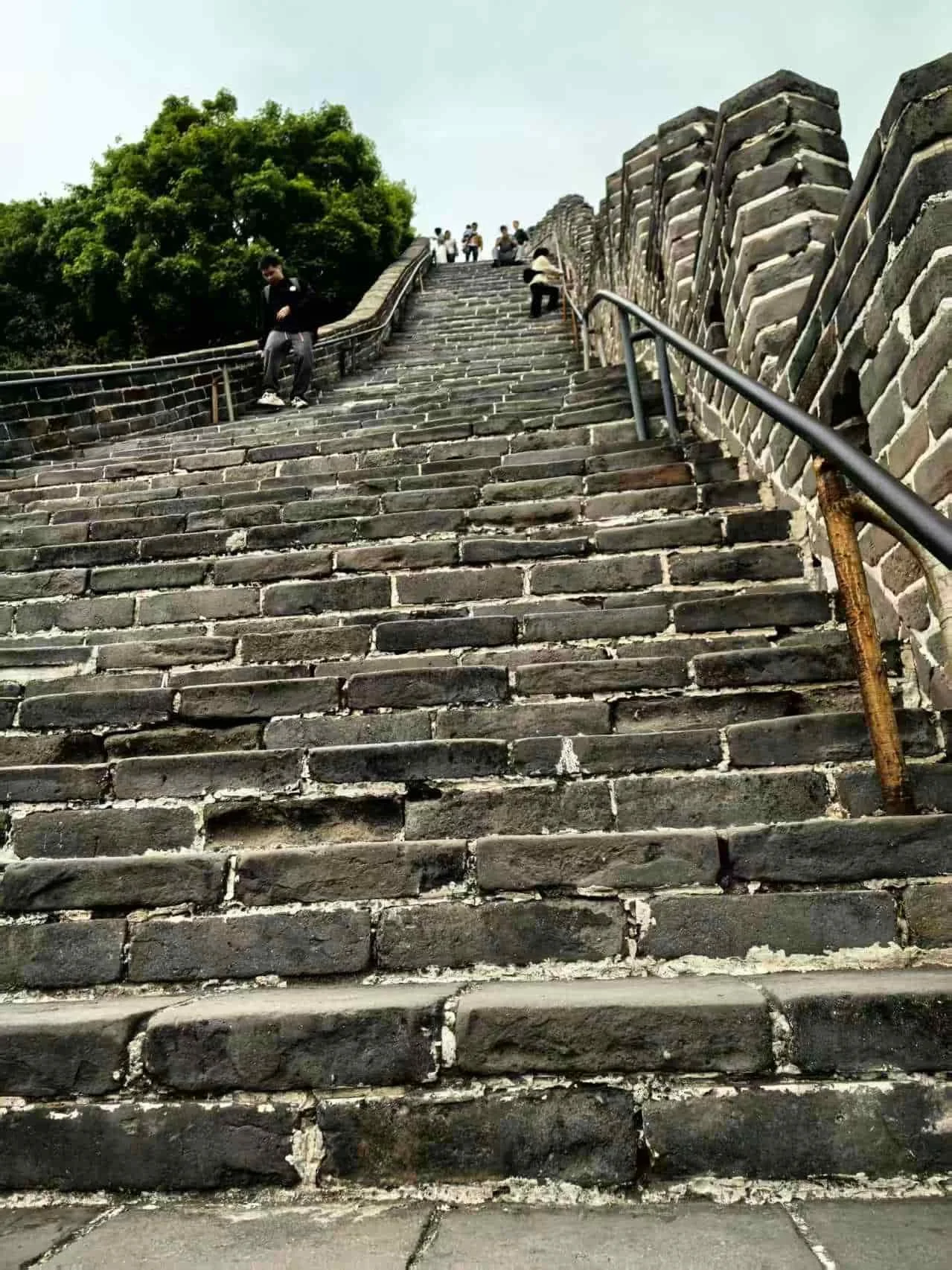 Image 4 of 8
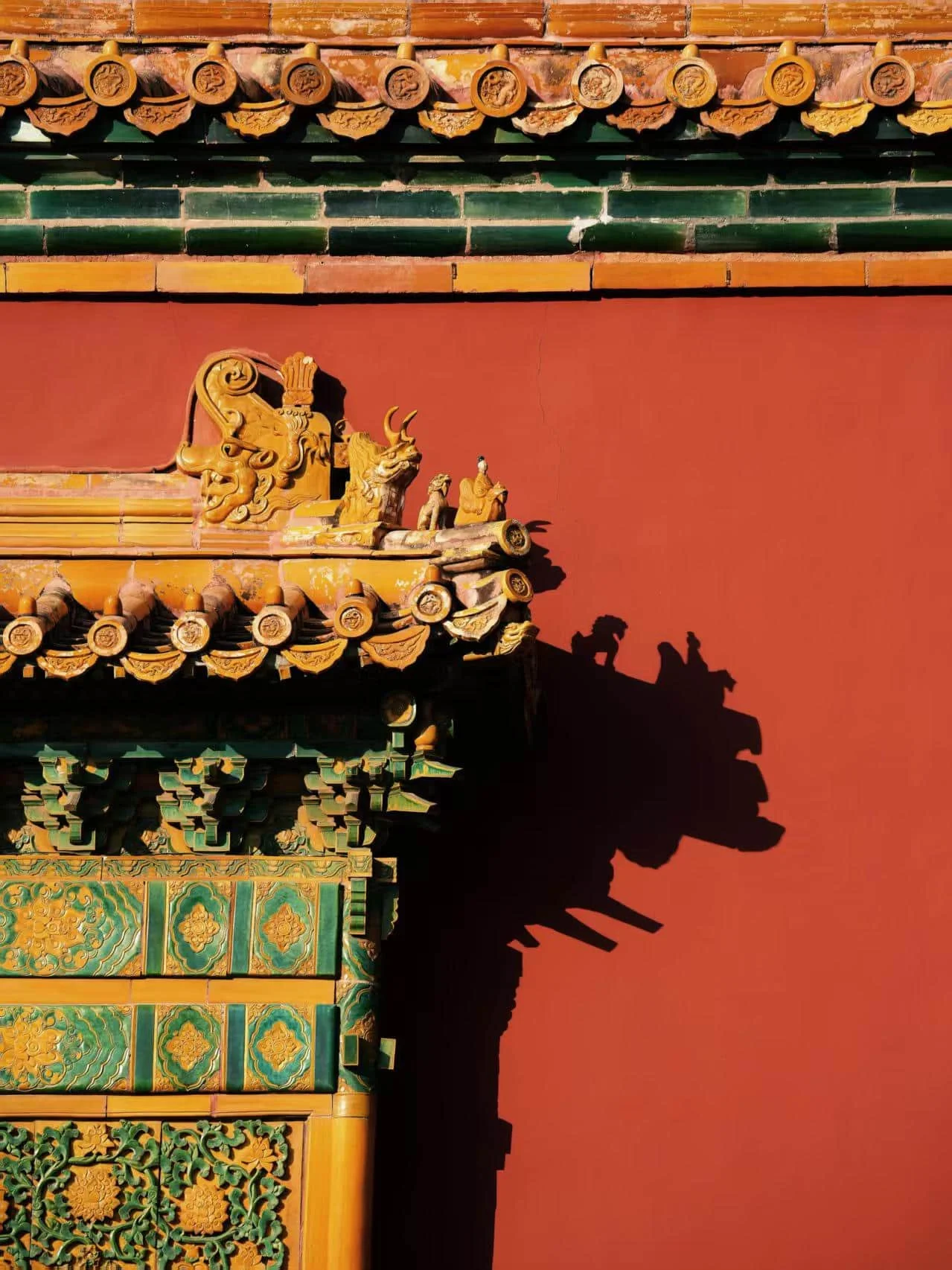 Image 5 of 8
 Image 6 of 8
 Image 7 of 8
 Image 8 of 8
2-Day Beijing Itinerary
Two Days in Beijing — The Essentials, Done Right
Two days in Beijing is enough to see its two most iconic landmarks — the Forbidden City and the Great Wall — but only if you plan wisely. This compact itinerary is designed for travelers with limited time who refuse to settle for a rushed, surface-level experience. We skip the tourist traps, time each visit to avoid the worst crowds, and pair every landmark with the stories and context that make it unforgettable.
Day 1 takes you deep into 500 years of imperial history inside the world's largest palace complex. Day 2 gets you out of the city and onto the Great Wall at Mutianyu — a less-crowded, more photogenic section where you can actually enjoy the experience instead of fighting through tour-bus crowds. Both days end with authentic local food experiences that most visitors never find.
Why this 2-day tour works:
→ Strategic timing — We visit the Forbidden City in the afternoon when morning crowds thin out
→ Mutianyu, not Badaling — Fewer tourists, better views, same magnificent wall
→ No forced shopping stops — Zero jade factories, tea ceremonies, or silk showrooms
→ Expert storytelling — Your guide brings 600-year-old walls to life, not just recites dates
→ Authentic meals included — From imperial-style dishes to village farmhouse cooking
→ Door-to-door service — Hotel pickup and drop-off every day
Day 1: The Forbidden City — Walk Where Emperors Ruled
🌅 Morning — Tiananmen Square & Meridian Gate
Your guide meets you at your hotel at 9:00 AM (or 1:00 PM for the afternoon departure option) and drives you to the heart of Beijing. We begin at Tiananmen Square, the world's largest public plaza — 440,000 square meters that can hold over one million people. Your guide will point out the key monuments: the Monument to the People's Heroes, the Great Hall of the People, and the National Museum of China. But more importantly, they'll explain why this square has been the stage for so many pivotal moments in Chinese history — from the May Fourth Movement of 1919 to the founding of the People's Republic in 1949.
From the square, we cross through the Meridian Gate (午门, Wumen) — the massive U-shaped gate that served as the main entrance to the imperial palace. This is where emperors reviewed their troops, announced the calendar, and held grand ceremonies. Look up at the five phoenix towers atop the gate — only the emperor was permitted to walk through the central archway.
🏛️ Mid-Day — Inside the Forbidden City (3 Hours)
The Forbidden City (故宫博物院) is not just one building — it's 980 buildings, 9,999 rooms, and 720,000 square meters of palaces, halls, courtyards, and gardens, surrounded by a 52-meter-wide moat and 10-meter-high walls. For nearly 500 years (1420–1912), ordinary Chinese were forbidden to enter on pain of death. Today, you can walk where 24 emperors of the Ming and Qing dynasties lived, ruled, and died.
Your guide will lead you along the central axis — the imperial processional route — stopping at the three great halls of the Outer Court:
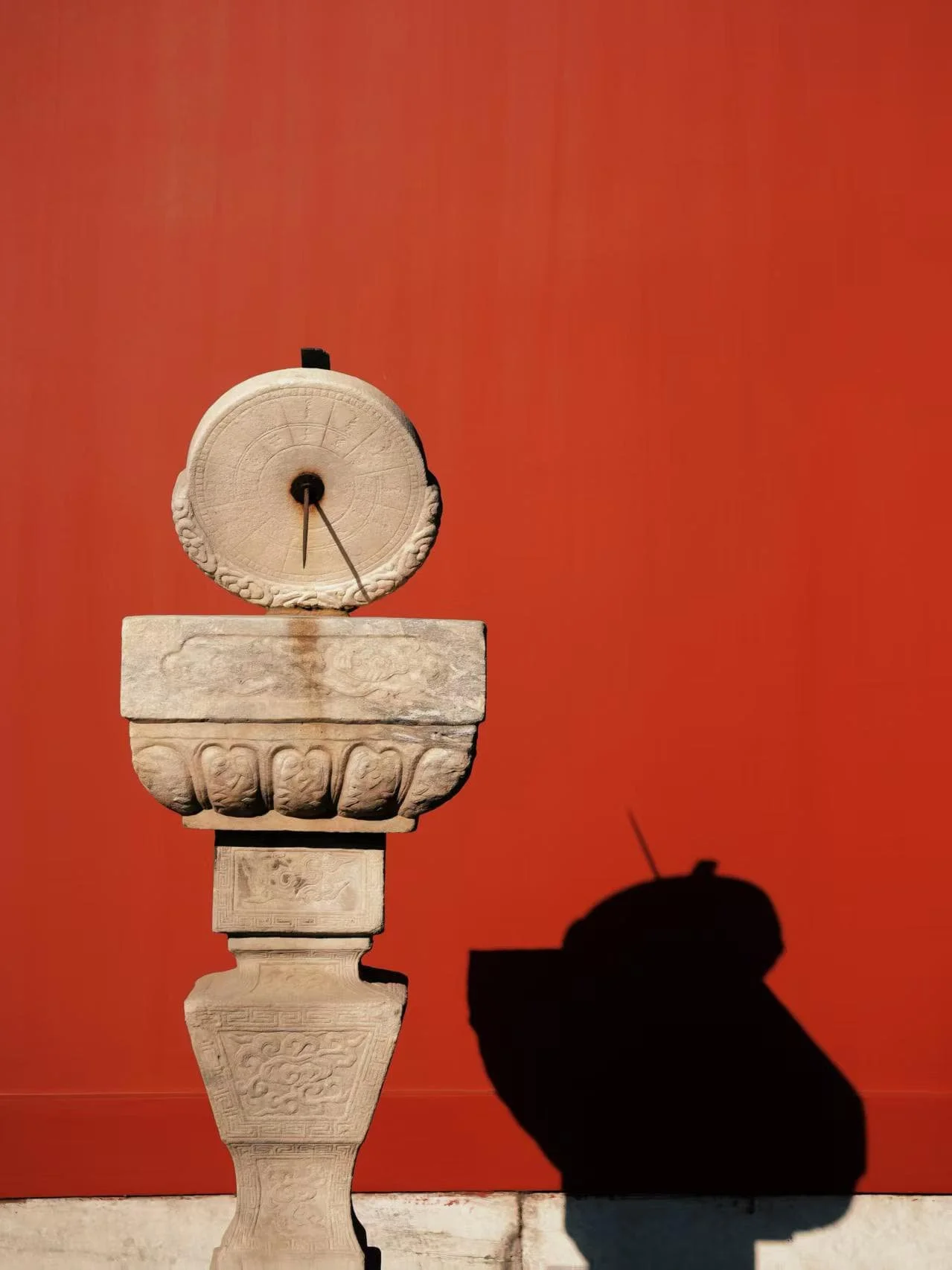
The Hall of Supreme Harmony (太和殿) is the largest wooden structure in China and the most important building in the entire complex. This is where emperors held coronations, celebrated the Lunar New Year, and received tribute from foreign envoys. The golden dragon throne inside sits beneath a coffered ceiling with a coiling golden dragon holding a pearl — the "Mirror of the Emperor," which was said to fall and strike down anyone who usurped the throne. Your guide will point out the sundial and grain measure flanking the hall — symbols of the emperor's power to measure both time and justice.
The Hall of Central Harmony (中和殿) is smaller and more intimate — this was the emperor's "backstage" where he rehearsed speeches and rested before grand ceremonies. The square layout and lack of a throne give it a contemplative feel, and on quiet days you can almost imagine the emperor composing himself before facing thousands of officials.
The Hall of Preserving Harmony (保和殿) hosted the final round of the imperial examination — the most grueling academic test in human history. Scholars who passed would become the most powerful officials in the empire; those who failed might spend their entire lives trying again. Behind this hall, don't miss the immense marble ramp carved with clouds and dragons — the largest stone carving in the Forbidden City, weighing over 200 tons. It was dragged here on ice roads during winter, a feat of engineering that took 20,000 laborers.
Continuing north into the Inner Court, you'll enter the private world of the imperial family. The Palace of Heavenly Purity (乾清宫) was the emperor's residence and the site of secret royal succession — the name of the crown prince was hidden in a box behind a plaque reading "Openly Just and Fair," revealed only after the emperor's death. The Palace of Earthly Tranquility (坤宁宫) was the empress's domain, later converted into a shamanic shrine for Manchu rituals after the Qing conquest.
💡 Insider moment: Most tour groups rush through the central axis and miss the eastern and western palaces. If time allows, your guide will take you to the Clock Gallery (钟表馆) — a stunning collection of 18th-century European and Chinese timepieces gifted to the Qianlong Emperor, including a mechanical robot that writes Chinese calligraphy. The Treasure Gallery (珍宝馆) displays imperial crowns, jade carvings, and gold ritual vessels that will take your breath away.
🌇 Afternoon — Exit via Jingshan Park
We exit the Forbidden City through the Gate of Divine Prowess (神武门) and climb the steps to Jingshan Park directly across the street. This small hill — artificial, built from the soil excavated to create the Forbidden City's moat — offers the single best view of the entire palace complex. From the pavilion at the top, you can see all 980 buildings laid out in perfect symmetry along the north-south axis, stretching south to Tiananmen Square and north to the Drum and Bell Towers. On a clear day, you can even spot the Olympic Tower in the distance. This is the photo you came to Beijing for.
Your guide will also share the park's darker history — this is where the last Ming emperor, Chongzhen, hanged himself from a locust tree in 1644 as rebel forces breached the city walls, ending the 276-year dynasty. A marker still stands near the spot.
🍜 Evening — Peking Duck Dinner
After a full day of walking, you've earned a proper Beijing dinner. Your guide will take you to a renowned Peking duck restaurant — not the one in every guidebook, but one where locals actually eat. Watch as the chef carves the whole roast duck tableside, separating the crispy skin from the tender meat with precise, practiced strokes. The traditional way to eat it: spread sweet bean sauce on a paper-thin pancake, add a slice of duck skin, cucumber, scallion, and a drizzle of hoisin — then roll it up and bite in. The contrast of textures (shatteringly crisp skin, soft meat, fresh crunch) and flavors (rich, sweet, savory) is one of China's great culinary experiences.
Day 2: The Great Wall — 600 Years of Stone and Sky
🌅 Early Morning — Drive to Mutianyu (7:30 AM)
We leave your hotel early to beat the crowds and the midday heat. The drive to the Mutianyu section (慕田峪长城) takes about 90 minutes through Beijing's northern suburbs and into the forested Yan Mountains. Your guide will use the drive time to share the Great Wall's dramatic history — how it was built, rebuilt, and abandoned over 2,000 years; how it was never actually a single wall but a network of walls, trenches, and signal towers; and how the section you'll visit today was built during the Ming Dynasty (1368–1644) to protect the capital from Mongol and Manchu invasions.
Why Mutianyu instead of the famous Badaling? Mutianyu receives 60% fewer visitors than Badaling, the wall is in better condition, the surrounding forest is stunning (especially in autumn when the leaves turn gold and crimson), and — crucially — there are no tour-bus parking lots jammed with flag-waving groups. You'll actually be able to hear yourself think.
🧱 Mid-Day — Hiking the Wall (3–4 Hours)
You'll have 3 to 4 hours on the wall — enough time to truly absorb the experience rather than snapping a quick photo and leaving. Options for ascending:
Cable car — A comfortable 3-minute ride to Platform 14, ideal for those who want to save energy for the wall itself
Chairlift — An open-air ride with panoramic views of the mountains, arriving near Platform 6
Walk up — About 30–40 minutes of stone steps through the forest; challenging but rewarding
Once on top, the wall stretches in both directions along the mountain ridgeline like a stone dragon. Your guide will lead you toward the less-visited eastern sections, where the wall narrows and the crowds disappear entirely. Along the way, they'll point out the watchtowers — each one a self-contained fortification where soldiers slept, stored weapons, and lit signal fires to warn of approaching enemies. A message could travel from the Great Wall to Beijing in just a few hours using this system of fire and smoke signals — faster than a man on horseback.
For the adventurous, push on toward Tower 20 — the highest point on the Mutianyu section. The climb is steep and the wall here is unrestored (you're walking on stones that Ming Dynasty soldiers placed 600 years ago), but the view from the top is breathtaking: the wall snaking over endless green mountains, with not another tourist in sight.
💡 Insider moment: Before leaving, we'll find a quiet watchtower and take a moment of silence. Close your eyes and listen — the wind through the crenellations sounds almost exactly as it did 600 years ago, when a lone sentry stood in this same spot, watching the northern horizon for the dust clouds of approaching cavalry.
Descending is half the fun: the toboggan slide (旱地雪橇) is a stainless-steel track that winds down the mountainside. You control your own speed with a brake lever — slow and scenic, or fast and thrilling. It's wildly popular with both kids and adults, and genuinely one of the most entertaining ways to descend from any monument in the world.
🍜 Afternoon — Farmhouse Lunch
After the hike, we'll stop at a local village restaurant at the foot of the mountains. This isn't a tourist restaurant — it's where the farmers and wall maintenance workers eat. Expect home-style dishes made with vegetables from the owner's garden: stir-fried eggs with wild mountain garlic, braised eggplant in garlic sauce, hand-pulled noodles with fresh tomato sauce, and if you're lucky, the owner's homemade baijiu (Chinese rice liquor) — a clear, potent spirit that warms you from the inside out. Simple, hearty, and absolutely authentic.
🌇 Return to Beijing (3:00–4:30 PM)
On the drive back, most guests nap — the Great Wall has a way of exhausting you in the best possible way. We'll drop you at your hotel, or if you still have energy, at Qianmen Street (前门大街) — a restored pedestrian shopping street lined with century-old shops selling everything from handmade silk shoes to traditional Chinese medicine. It's also home to some of Beijing's oldest restaurants, including the original Quanjude Peking duck shop (founded 1864) and Duyichu (founded 1742), famous for its steamed dumplings (shaomai, 烧麦) that supposedly impressed the Qianlong Emperor himself.
What's Included
Professional English-speaking guide — Licensed, experienced, and passionate about sharing Beijing's stories
Hotel pickup and drop-off — Both days, within Beijing's central districts
All entrance fees — Forbidden City, Jingshan Park, Mutianyu Great Wall
Transportation — Air-conditioned vehicle with driver for all transfers
Peking duck dinner (Day 1) — At a renowned local restaurant
Farmhouse lunch (Day 2) — Authentic village cooking near the Great Wall
Mutianyu cable car or chairlift — One-way ascent ticket included
Bottled water — Provided throughout both days
What's Not Included
Accommodation — This is a 2-day tour without overnight arrangements; we can recommend hotels if needed
International/domestic flights to/from Beijing
Breakfast — Not included (your hotel breakfast is recommended)
Mutianyu toboggan slide — Descending option available for a small fee (approx. ¥60)
Personal expenses — Souvenirs, additional snacks, drinks beyond provided water
Tips/gratuities — For guide and driver (optional but appreciated; 10-15% of tour price is customary)
Travel insurance — Highly recommended
Practical Information
Walking Intensity: Moderate to High
Day 1 involves approximately 5–7 km of walking inside the Forbidden City (mostly flat stone surfaces, some steps). Day 2 requires 3–5 km on the Great Wall (uneven stone steps, steep sections). The wall hike can be adjusted based on your fitness level — cable car and shorter routes are available.
What to Wear & Bring
ItemWhyComfortable walking shoesEssential for both the Forbidden City and Great Wall — sneakers or light hiking shoesLayers of clothingBeijing's temperature can swing 10–15°C between morning and afternoonSun protectionSunscreen, hat, and sunglasses — the Great Wall has virtually no shadeSmall daypackFor water, snacks, camera, and an extra layerPassportRequired for Forbidden City entry — no exceptionsCash (small bills)For toboggan, snacks, and tips — ¥200–300 is usually sufficient
Best Time to Visit Beijing
Spring (April–May): Mild temperatures (15–25°C), blossoming flowers, occasional dust storms
Autumn (September–October): Best time! Cool, crisp air (10–20°C), clear skies, golden foliage on the mountains around the Great Wall
Summer (June–August): Hot and humid (28–35°C) — start early and bring plenty of water
Winter (December–February): Cold (below 0°C) but stunning — the wall dusted with snow is a photographer's dream, and crowds are minimal
Family-Friendly Notes
Suitable for children aged 6+. The Forbidden City's vast courtyards give kids room to explore, and the Great Wall's toboggan slide is a highlight for young travelers. We can adjust the pace and add child-friendly meal options on request.
Important Notes
⚠️ Forbidden City tickets are released 7 days in advance and sell out quickly, especially on weekends and holidays. We strongly recommend booking this tour at least 10 days ahead to secure your entry time slot. During Chinese national holidays (Golden Week in October, Chinese New Year), the Forbidden City can reach its 80,000 daily visitor cap — book early!
📱 WeChat Pay and Alipay are accepted almost everywhere in Beijing. Cash is still useful for small vendors and the Great Wall toboggan. Credit cards are accepted at larger restaurants and shops.
Frequently Asked Questions
Q: Is two days really enough for Beijing?
A: Two days covers the two absolute must-sees — the Forbidden City and the Great Wall — with depth and context. If you have more time, consider our 3-day, 4-day, or 5-day itineraries which add the Temple of Heaven, Summer Palace, hutong neighborhoods, and more.
Q: Why Mutianyu instead of Badaling?
A: Badaling is closer to Beijing but receives 10 million visitors per year and is often packed wall-to-wall with tour groups. Mutianyu is equally magnificent, better preserved, surrounded by beautiful forest, and receives far fewer visitors. The experience is simply better.
Q: How fit do I need to be for the Great Wall?
A: You need to be comfortable walking on uneven stone steps for 2–3 hours. The cable car eliminates the steep climb up, and you can turn back at any point. If you have mobility concerns, let us know and we'll customize the route.
Q: What if it rains?
A: The Forbidden City is mostly outdoor — we'll provide umbrellas. The Great Wall can be visited in light rain (the misty mountains are actually quite beautiful), but in heavy rain we may offer an alternative such as the Summer Palace or the National Museum.
Q: Can I do this tour if I arrive in Beijing on Day 1 morning?
A: Yes, if your flight lands before 8:00 AM, we can pick you up at the airport and start the tour directly. Just let us know your flight details when booking.
Two days is just the beginning of Beijing — but it's a beginning you'll never forget. Book your 2-day Forbidden City & Great Wall tour today.
Two Days in Beijing — The Essentials, Done Right
Two days in Beijing is enough to see its two most iconic landmarks — the Forbidden City and the Great Wall — but only if you plan wisely. This compact itinerary is designed for travelers with limited time who refuse to settle for a rushed, surface-level experience. We skip the tourist traps, time each visit to avoid the worst crowds, and pair every landmark with the stories and context that make it unforgettable.
Day 1 takes you deep into 500 years of imperial history inside the world's largest palace complex. Day 2 gets you out of the city and onto the Great Wall at Mutianyu — a less-crowded, more photogenic section where you can actually enjoy the experience instead of fighting through tour-bus crowds. Both days end with authentic local food experiences that most visitors never find.
Why this 2-day tour works:
→ Strategic timing — We visit the Forbidden City in the afternoon when morning crowds thin out
→ Mutianyu, not Badaling — Fewer tourists, better views, same magnificent wall
→ No forced shopping stops — Zero jade factories, tea ceremonies, or silk showrooms
→ Expert storytelling — Your guide brings 600-year-old walls to life, not just recites dates
→ Authentic meals included — From imperial-style dishes to village farmhouse cooking
→ Door-to-door service — Hotel pickup and drop-off every day
Day 1: The Forbidden City — Walk Where Emperors Ruled
🌅 Morning — Tiananmen Square & Meridian Gate
Your guide meets you at your hotel at 9:00 AM (or 1:00 PM for the afternoon departure option) and drives you to the heart of Beijing. We begin at Tiananmen Square, the world's largest public plaza — 440,000 square meters that can hold over one million people. Your guide will point out the key monuments: the Monument to the People's Heroes, the Great Hall of the People, and the National Museum of China. But more importantly, they'll explain why this square has been the stage for so many pivotal moments in Chinese history — from the May Fourth Movement of 1919 to the founding of the People's Republic in 1949.
From the square, we cross through the Meridian Gate (午门, Wumen) — the massive U-shaped gate that served as the main entrance to the imperial palace. This is where emperors reviewed their troops, announced the calendar, and held grand ceremonies. Look up at the five phoenix towers atop the gate — only the emperor was permitted to walk through the central archway.
🏛️ Mid-Day — Inside the Forbidden City (3 Hours)
The Forbidden City (故宫博物院) is not just one building — it's 980 buildings, 9,999 rooms, and 720,000 square meters of palaces, halls, courtyards, and gardens, surrounded by a 52-meter-wide moat and 10-meter-high walls. For nearly 500 years (1420–1912), ordinary Chinese were forbidden to enter on pain of death. Today, you can walk where 24 emperors of the Ming and Qing dynasties lived, ruled, and died.
Your guide will lead you along the central axis — the imperial processional route — stopping at the three great halls of the Outer Court:
The Hall of Supreme Harmony (太和殿) is the largest wooden structure in China and the most important building in the entire complex. This is where emperors held coronations, celebrated the Lunar New Year, and received tribute from foreign envoys. The golden dragon throne inside sits beneath a coffered ceiling with a coiling golden dragon holding a pearl — the "Mirror of the Emperor," which was said to fall and strike down anyone who usurped the throne. Your guide will point out the sundial and grain measure flanking the hall — symbols of the emperor's power to measure both time and justice.
The Hall of Central Harmony (中和殿) is smaller and more intimate — this was the emperor's "backstage" where he rehearsed speeches and rested before grand ceremonies. The square layout and lack of a throne give it a contemplative feel, and on quiet days you can almost imagine the emperor composing himself before facing thousands of officials.
The Hall of Preserving Harmony (保和殿) hosted the final round of the imperial examination — the most grueling academic test in human history. Scholars who passed would become the most powerful officials in the empire; those who failed might spend their entire lives trying again. Behind this hall, don't miss the immense marble ramp carved with clouds and dragons — the largest stone carving in the Forbidden City, weighing over 200 tons. It was dragged here on ice roads during winter, a feat of engineering that took 20,000 laborers.
Continuing north into the Inner Court, you'll enter the private world of the imperial family. The Palace of Heavenly Purity (乾清宫) was the emperor's residence and the site of secret royal succession — the name of the crown prince was hidden in a box behind a plaque reading "Openly Just and Fair," revealed only after the emperor's death. The Palace of Earthly Tranquility (坤宁宫) was the empress's domain, later converted into a shamanic shrine for Manchu rituals after the Qing conquest.
💡 Insider moment: Most tour groups rush through the central axis and miss the eastern and western palaces. If time allows, your guide will take you to the Clock Gallery (钟表馆) — a stunning collection of 18th-century European and Chinese timepieces gifted to the Qianlong Emperor, including a mechanical robot that writes Chinese calligraphy. The Treasure Gallery (珍宝馆) displays imperial crowns, jade carvings, and gold ritual vessels that will take your breath away.
🌇 Afternoon — Exit via Jingshan Park
We exit the Forbidden City through the Gate of Divine Prowess (神武门) and climb the steps to Jingshan Park directly across the street. This small hill — artificial, built from the soil excavated to create the Forbidden City's moat — offers the single best view of the entire palace complex. From the pavilion at the top, you can see all 980 buildings laid out in perfect symmetry along the north-south axis, stretching south to Tiananmen Square and north to the Drum and Bell Towers. On a clear day, you can even spot the Olympic Tower in the distance. This is the photo you came to Beijing for.
Your guide will also share the park's darker history — this is where the last Ming emperor, Chongzhen, hanged himself from a locust tree in 1644 as rebel forces breached the city walls, ending the 276-year dynasty. A marker still stands near the spot.
🍜 Evening — Peking Duck Dinner
After a full day of walking, you've earned a proper Beijing dinner. Your guide will take you to a renowned Peking duck restaurant — not the one in every guidebook, but one where locals actually eat. Watch as the chef carves the whole roast duck tableside, separating the crispy skin from the tender meat with precise, practiced strokes. The traditional way to eat it: spread sweet bean sauce on a paper-thin pancake, add a slice of duck skin, cucumber, scallion, and a drizzle of hoisin — then roll it up and bite in. The contrast of textures (shatteringly crisp skin, soft meat, fresh crunch) and flavors (rich, sweet, savory) is one of China's great culinary experiences.
Day 2: The Great Wall — 600 Years of Stone and Sky
🌅 Early Morning — Drive to Mutianyu (7:30 AM)
We leave your hotel early to beat the crowds and the midday heat. The drive to the Mutianyu section (慕田峪长城) takes about 90 minutes through Beijing's northern suburbs and into the forested Yan Mountains. Your guide will use the drive time to share the Great Wall's dramatic history — how it was built, rebuilt, and abandoned over 2,000 years; how it was never actually a single wall but a network of walls, trenches, and signal towers; and how the section you'll visit today was built during the Ming Dynasty (1368–1644) to protect the capital from Mongol and Manchu invasions.
Why Mutianyu instead of the famous Badaling? Mutianyu receives 60% fewer visitors than Badaling, the wall is in better condition, the surrounding forest is stunning (especially in autumn when the leaves turn gold and crimson), and — crucially — there are no tour-bus parking lots jammed with flag-waving groups. You'll actually be able to hear yourself think.
🧱 Mid-Day — Hiking the Wall (3–4 Hours)
You'll have 3 to 4 hours on the wall — enough time to truly absorb the experience rather than snapping a quick photo and leaving. Options for ascending:
Cable car — A comfortable 3-minute ride to Platform 14, ideal for those who want to save energy for the wall itself
Chairlift — An open-air ride with panoramic views of the mountains, arriving near Platform 6
Walk up — About 30–40 minutes of stone steps through the forest; challenging but rewarding
Once on top, the wall stretches in both directions along the mountain ridgeline like a stone dragon. Your guide will lead you toward the less-visited eastern sections, where the wall narrows and the crowds disappear entirely. Along the way, they'll point out the watchtowers — each one a self-contained fortification where soldiers slept, stored weapons, and lit signal fires to warn of approaching enemies. A message could travel from the Great Wall to Beijing in just a few hours using this system of fire and smoke signals — faster than a man on horseback.
For the adventurous, push on toward Tower 20 — the highest point on the Mutianyu section. The climb is steep and the wall here is unrestored (you're walking on stones that Ming Dynasty soldiers placed 600 years ago), but the view from the top is breathtaking: the wall snaking over endless green mountains, with not another tourist in sight.
💡 Insider moment: Before leaving, we'll find a quiet watchtower and take a moment of silence. Close your eyes and listen — the wind through the crenellations sounds almost exactly as it did 600 years ago, when a lone sentry stood in this same spot, watching the northern horizon for the dust clouds of approaching cavalry.
Descending is half the fun: the toboggan slide (旱地雪橇) is a stainless-steel track that winds down the mountainside. You control your own speed with a brake lever — slow and scenic, or fast and thrilling. It's wildly popular with both kids and adults, and genuinely one of the most entertaining ways to descend from any monument in the world.
🍜 Afternoon — Farmhouse Lunch
After the hike, we'll stop at a local village restaurant at the foot of the mountains. This isn't a tourist restaurant — it's where the farmers and wall maintenance workers eat. Expect home-style dishes made with vegetables from the owner's garden: stir-fried eggs with wild mountain garlic, braised eggplant in garlic sauce, hand-pulled noodles with fresh tomato sauce, and if you're lucky, the owner's homemade baijiu (Chinese rice liquor) — a clear, potent spirit that warms you from the inside out. Simple, hearty, and absolutely authentic.
🌇 Return to Beijing (3:00–4:30 PM)
On the drive back, most guests nap — the Great Wall has a way of exhausting you in the best possible way. We'll drop you at your hotel, or if you still have energy, at Qianmen Street (前门大街) — a restored pedestrian shopping street lined with century-old shops selling everything from handmade silk shoes to traditional Chinese medicine. It's also home to some of Beijing's oldest restaurants, including the original Quanjude Peking duck shop (founded 1864) and Duyichu (founded 1742), famous for its steamed dumplings (shaomai, 烧麦) that supposedly impressed the Qianlong Emperor himself.
What's Included
Professional English-speaking guide — Licensed, experienced, and passionate about sharing Beijing's stories
Hotel pickup and drop-off — Both days, within Beijing's central districts
All entrance fees — Forbidden City, Jingshan Park, Mutianyu Great Wall
Transportation — Air-conditioned vehicle with driver for all transfers
Peking duck dinner (Day 1) — At a renowned local restaurant
Farmhouse lunch (Day 2) — Authentic village cooking near the Great Wall
Mutianyu cable car or chairlift — One-way ascent ticket included
Bottled water — Provided throughout both days
What's Not Included
Accommodation — This is a 2-day tour without overnight arrangements; we can recommend hotels if needed
International/domestic flights to/from Beijing
Breakfast — Not included (your hotel breakfast is recommended)
Mutianyu toboggan slide — Descending option available for a small fee (approx. ¥60)
Personal expenses — Souvenirs, additional snacks, drinks beyond provided water
Tips/gratuities — For guide and driver (optional but appreciated; 10-15% of tour price is customary)
Travel insurance — Highly recommended
Practical Information
Walking Intensity: Moderate to High
Day 1 involves approximately 5–7 km of walking inside the Forbidden City (mostly flat stone surfaces, some steps). Day 2 requires 3–5 km on the Great Wall (uneven stone steps, steep sections). The wall hike can be adjusted based on your fitness level — cable car and shorter routes are available.
What to Wear & Bring
ItemWhyComfortable walking shoesEssential for both the Forbidden City and Great Wall — sneakers or light hiking shoesLayers of clothingBeijing's temperature can swing 10–15°C between morning and afternoonSun protectionSunscreen, hat, and sunglasses — the Great Wall has virtually no shadeSmall daypackFor water, snacks, camera, and an extra layerPassportRequired for Forbidden City entry — no exceptionsCash (small bills)For toboggan, snacks, and tips — ¥200–300 is usually sufficient
Best Time to Visit Beijing
Spring (April–May): Mild temperatures (15–25°C), blossoming flowers, occasional dust storms
Autumn (September–October): Best time! Cool, crisp air (10–20°C), clear skies, golden foliage on the mountains around the Great Wall
Summer (June–August): Hot and humid (28–35°C) — start early and bring plenty of water
Winter (December–February): Cold (below 0°C) but stunning — the wall dusted with snow is a photographer's dream, and crowds are minimal
Family-Friendly Notes
Suitable for children aged 6+. The Forbidden City's vast courtyards give kids room to explore, and the Great Wall's toboggan slide is a highlight for young travelers. We can adjust the pace and add child-friendly meal options on request.
Important Notes
⚠️ Forbidden City tickets are released 7 days in advance and sell out quickly, especially on weekends and holidays. We strongly recommend booking this tour at least 10 days ahead to secure your entry time slot. During Chinese national holidays (Golden Week in October, Chinese New Year), the Forbidden City can reach its 80,000 daily visitor cap — book early!
📱 WeChat Pay and Alipay are accepted almost everywhere in Beijing. Cash is still useful for small vendors and the Great Wall toboggan. Credit cards are accepted at larger restaurants and shops.
Frequently Asked Questions
Q: Is two days really enough for Beijing?
A: Two days covers the two absolute must-sees — the Forbidden City and the Great Wall — with depth and context. If you have more time, consider our 3-day, 4-day, or 5-day itineraries which add the Temple of Heaven, Summer Palace, hutong neighborhoods, and more.
Q: Why Mutianyu instead of Badaling?
A: Badaling is closer to Beijing but receives 10 million visitors per year and is often packed wall-to-wall with tour groups. Mutianyu is equally magnificent, better preserved, surrounded by beautiful forest, and receives far fewer visitors. The experience is simply better.
Q: How fit do I need to be for the Great Wall?
A: You need to be comfortable walking on uneven stone steps for 2–3 hours. The cable car eliminates the steep climb up, and you can turn back at any point. If you have mobility concerns, let us know and we'll customize the route.
Q: What if it rains?
A: The Forbidden City is mostly outdoor — we'll provide umbrellas. The Great Wall can be visited in light rain (the misty mountains are actually quite beautiful), but in heavy rain we may offer an alternative such as the Summer Palace or the National Museum.
Q: Can I do this tour if I arrive in Beijing on Day 1 morning?
A: Yes, if your flight lands before 8:00 AM, we can pick you up at the airport and start the tour directly. Just let us know your flight details when booking.
Two days is just the beginning of Beijing — but it's a beginning you'll never forget. Book your 2-day Forbidden City & Great Wall tour today.