 Image 1 of 6
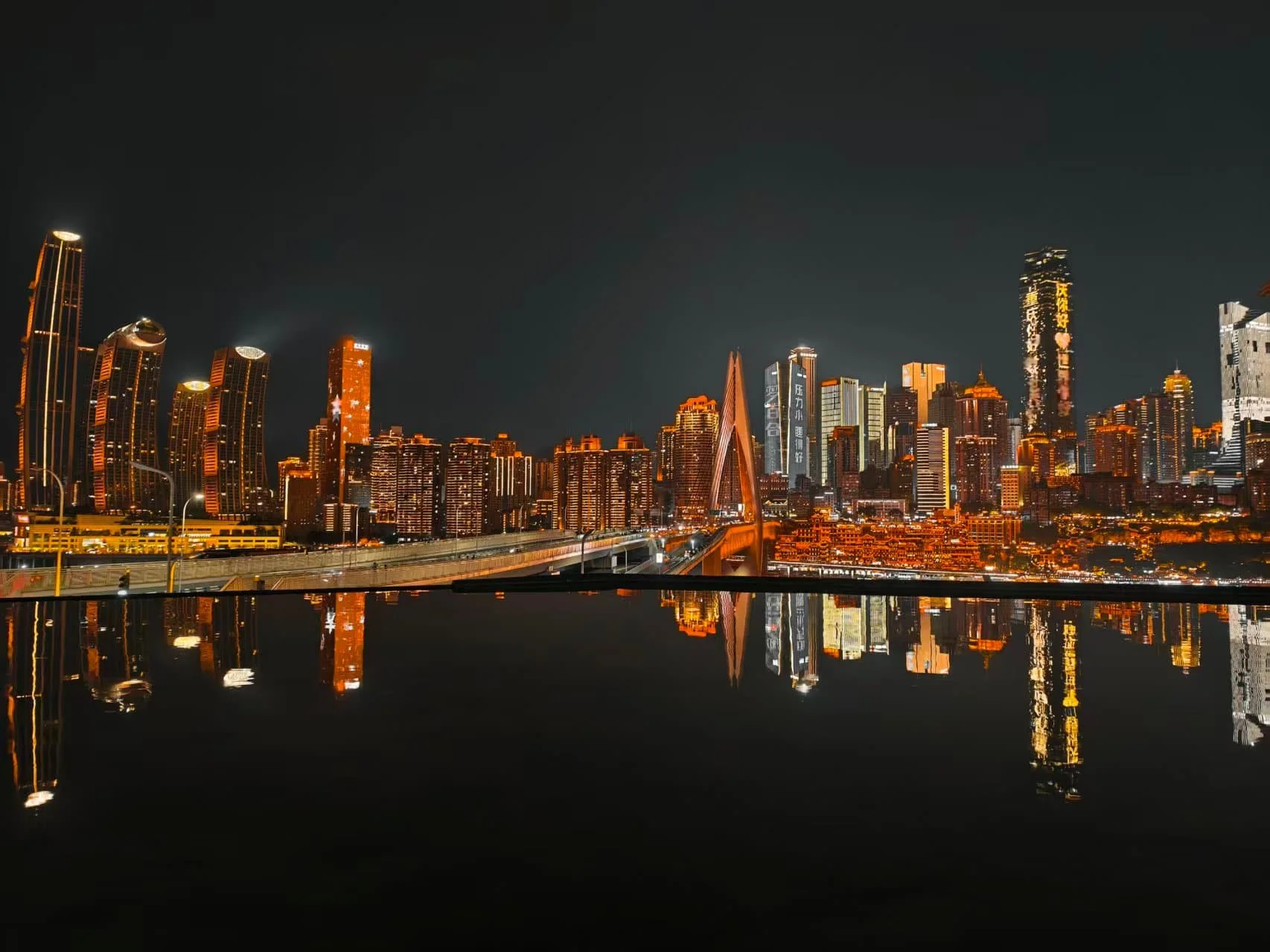 Image 2 of 6
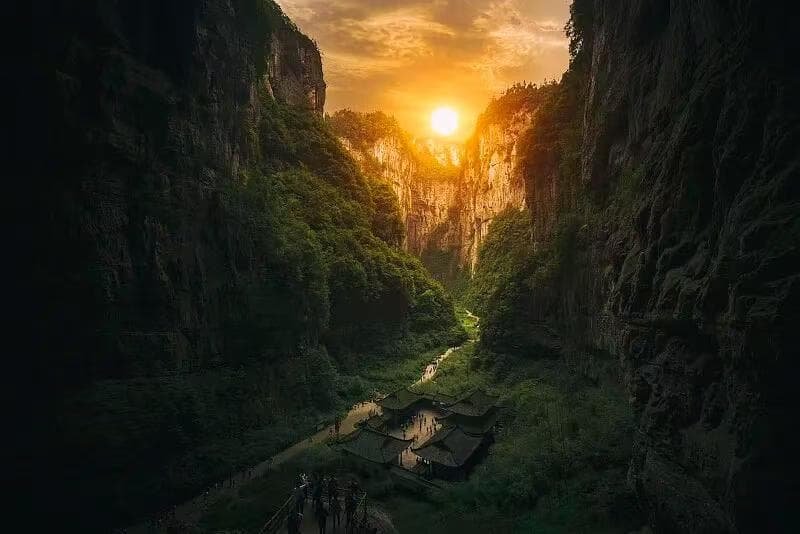 Image 3 of 6
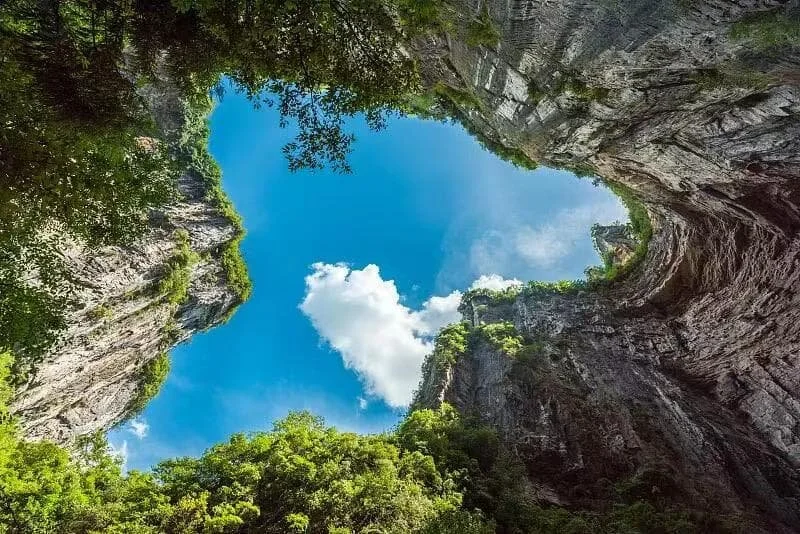 Image 4 of 6
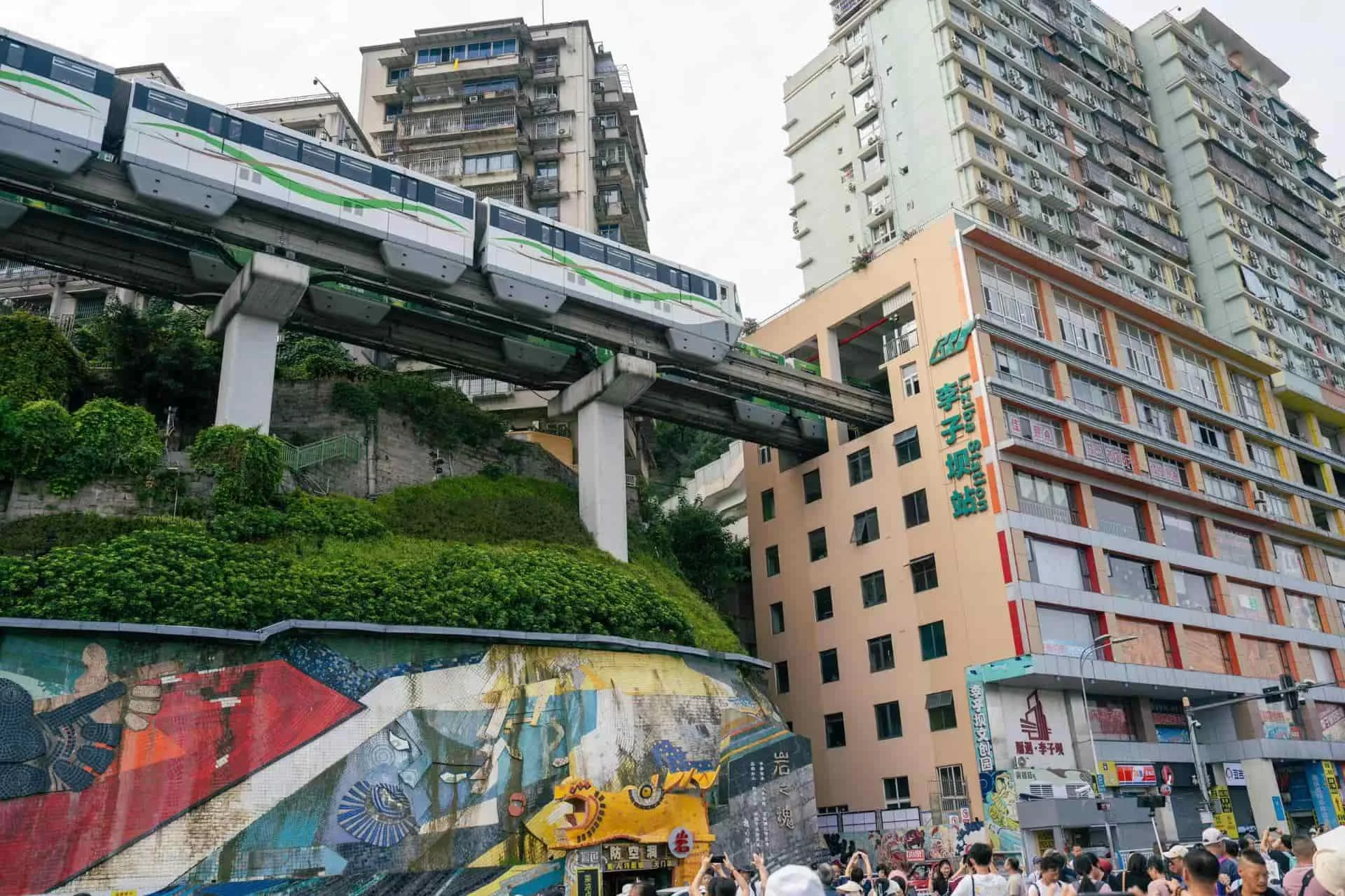 Image 5 of 6
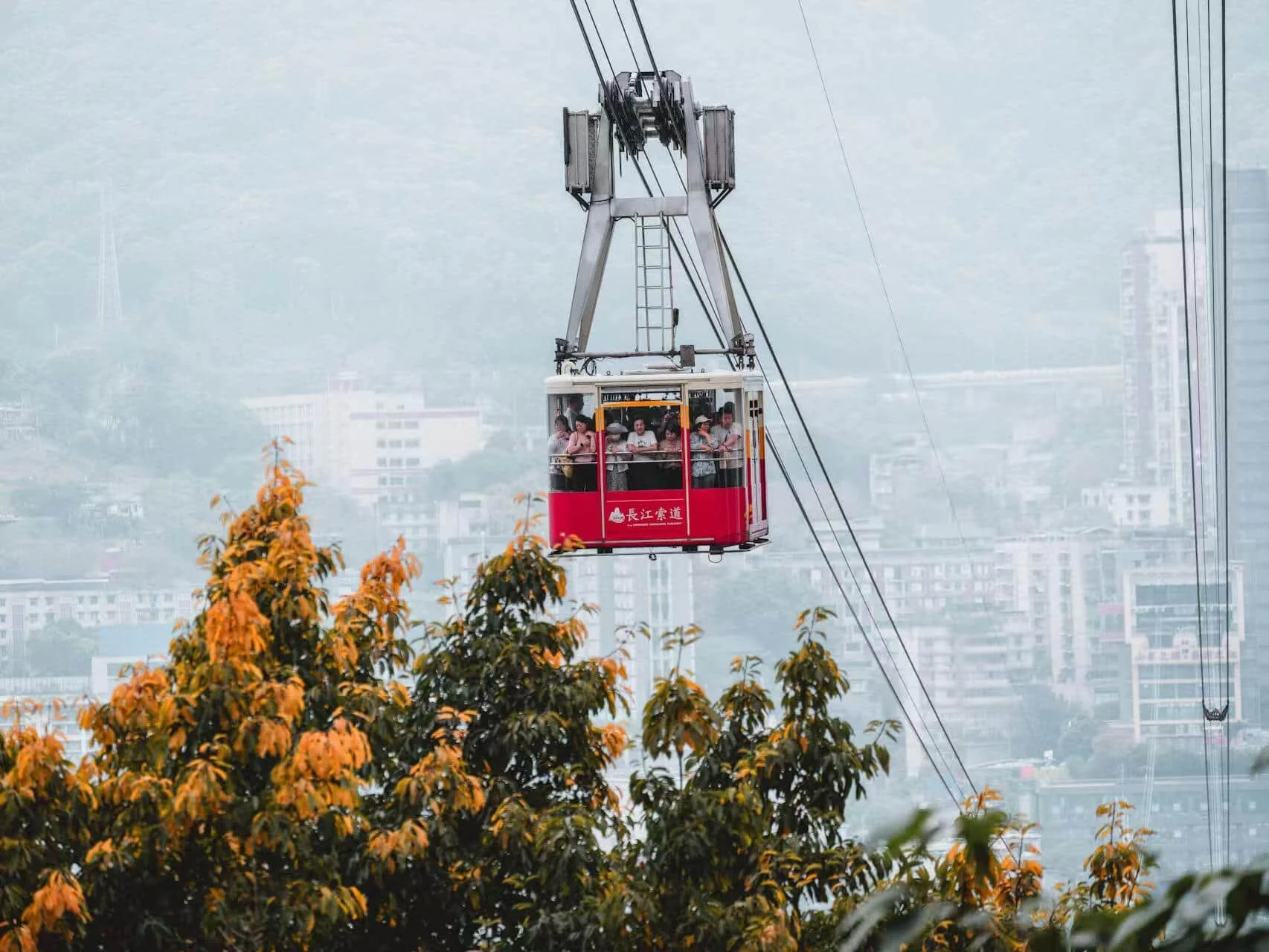 Image 6 of 6
One-Day Chongqing Tour – Three Options
One-Day Chongqing Private Tour — Choose Your Adventure
Chongqing is a city that refuses to be ordinary. Built across mountains and rivers, its streets stack vertically like a sci-fi cityscape, its hotpot restaurants glow neon into the night, and its UNESCO World Heritage sites sit just a few hours beyond the city limits. With only one day, you need to choose wisely — and that's exactly why we offer three distinct options, each crafted to deliver an unforgettable experience in a single day.
Every option includes a private English-speaking guide and a private vehicle with driver. No crowded buses. No rigid schedules. Your guide picks you up at your hotel, sets the pace to match your energy, and makes sure you see the very best of whichever Chongqing you choose to discover.
💡 Not sure which option to pick?
• Option 1 (City Tour) — First time in Chongqing? Want the iconic skyline, hotpot, and Instagram-famous sights? This is your pick.
• Option 2 (Wulong Karst) — Nature lover? Want to see the real-life Transformers filming location? Head to Wulong.
• Option 3 (Dazu Rock Carvings) — History and art enthusiast? UNESCO heritage Buddhist sculptures dating back 1,300 years await.
Option 1 Chongqing City Highlights One-Day Tour
The ultimate introduction to the "Mountain City." This tour packs Chongqing's most iconic sights into one electrifying day — from the soaring Yangtze River Cableway to the neon-lit magic of Hongya Cave at night. You'll experience the city the way locals do: walking its vertical streets, tasting its legendary street food, and understanding why 32 million people proudly call this extraordinary place home.
Morning — River, History & Urban Wonders
Yangtze River Cableway (长江索道)
Start your day with Chongqing's most iconic experience: a glass-walled cable car gliding across the mighty Yangtze River. In just 4 minutes, you'll soar above container ships and riverfront skyscrapers, taking in your first sweeping panorama of this vertical city. On clear mornings, the view stretches to the mountains beyond — on foggy days, the city emerges from the mist like a living ink-wash painting. Either way, it's unforgettable.
Longmenhao Old Street (龙门浩老街)
Step off the cableway on the south bank and wander into this beautifully restored historic quarter. Stone-paved alleys wind past traditional Sichuan courtyard homes, quiet teahouses, and small galleries. Your guide will share tales of Chongqing's past as a wartime capital and bustling river port — a time when this neighborhood hummed with merchants, soldiers, and spies. Pause for a cup of Gaiwan tea on a rooftop terrace with a stunning view across the river to the city skyline.
Liziba Light Rail Station (李子坝轻轨站)
Prepare for one of China's most surreal urban sights. At Liziba, the city's monorail passes directly through the 6th to 8th floors of a 19-story residential building. Stand on the viewing platform across the street as the train emerges from the wall — it's an engineering marvel that perfectly captures Chongqing's spirit of building a city where no city should exist. Your guide will explain the creative urban planning behind this design and why the residents barely notice the trains anymore.
Midday — Jiefangbei & Local Lunch
Jiefangbei Pedestrian Street (解放碑)
Walk to the commercial heart of Chongqing, centered around the People's Liberation Monument — a 27.5-meter tower built in 1947 to commemorate China's victory in the Anti-Japanese War. Today, it stands surrounded by luxury malls and buzzing with 24-hour energy. It's the Times Square of southwestern China, but with street vendors selling spicy skewers instead of hot dogs.
Lunch Break
Your guide will recommend the best local restaurant near Jiefangbei. Options include authentic Chongqing hotpot (the city's pride and joy), Xiaomian (Chongqing's beloved spicy noodles), or Jianghu cuisine — bold, fiery dishes born from the city's river-boat culture. Don't worry about the spice level — your guide can help you order dishes that match your tolerance.
Afternoon & Evening — Hongya Cave & Bridge Panorama
Hongya Cave (洪崖洞)
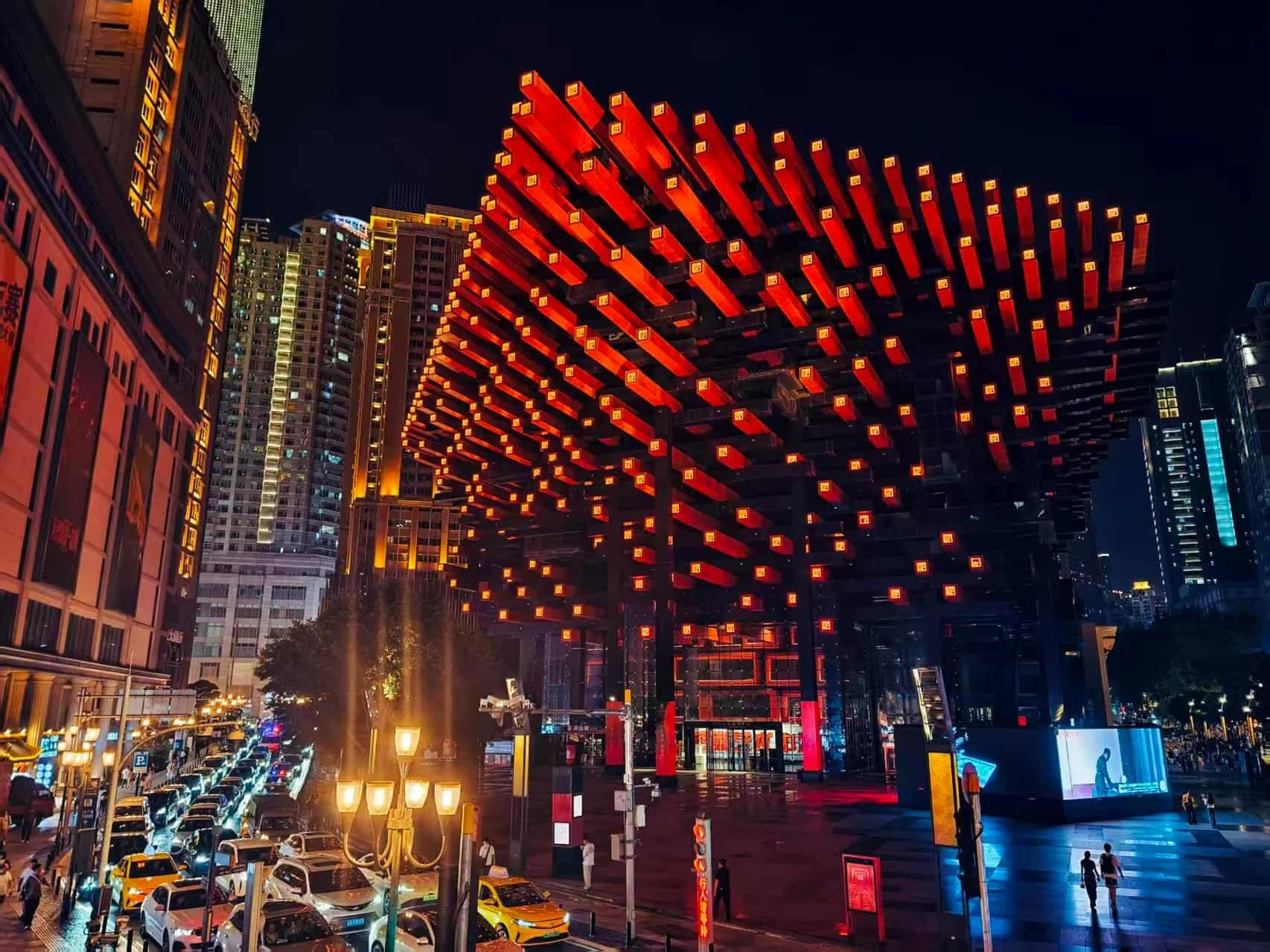
Explore this 11-story complex of stilted wooden architecture (Diaojiaolou) built into the cliff face above the Jialing River. Each level reveals something different: ground-floor snack stalls with sizzling street food, middle floors with local crafts and souvenir shops, upper levels with atmospheric teahouses and riverside restaurants. The building's design is inspired by traditional Bayu culture, and its layered structure is a physical embodiment of Chongqing's vertical personality.
Qiansimen Bridge (千厮门大桥)
As the sun sets, walk across this elegant cable-stayed bridge for the single most photographed view in all of Chongqing. Looking back, the entire Hongya Cave facade glows golden against the dark sky, the Jialing River reflects the city lights below, and the skyline stretches in every direction. It's a view that rivals any cityscape in the world — and your guide knows exactly where to stand for the best photo.
End the tour at your hotel, or ask your guide to drop you at a local hotpot restaurant for dinner (highly recommended!).
Option 2 Wulong Karst UNESCO World Heritage Day Trip
Trade the city skyline for nature's cathedral. Just 2.5 hours from Chongqing lies Wulong Karst National Geology Park — a UNESCO World Heritage Site where three colossal natural stone bridges span a lush green canyon, and a tectonic fissure plunges 200 meters into the earth. This is the landscape that doubled as an alien world in Transformers: Age of Extinction, and once you stand beneath these million-year-old formations, you'll understand why Hollywood came here to film.
Morning — Journey to Wulong
Depart your Chongqing hotel at 8:00 AM in a private vehicle, heading southeast through rolling hills and terraced farmland. The drive itself is scenic — a gradual transition from dense urban sprawl to the lush green valleys of rural Chongqing municipality. Your guide will share the geological story of the region and point out interesting sights along the way. Arrive at Wulong around 10:30 AM.
Midday — Three Natural Bridges (天生三桥)
Descend into the canyon via a scenic walkway and prepare to be awestruck. The Three Natural Bridges are exactly what the name suggests: three massive limestone arches, each hundreds of feet tall, formed over millions of years by water carving through soluble rock. Walking beneath them feels like entering a natural cathedral — the scale is almost impossible to comprehend until you see the tiny human figures dwarfed by the stone arches above.
The three bridges each have their own character:
• Tianlong Bridge (天龙桥 — "Heavenly Dragon"): The largest, with a span of 76 meters and a height of 235 meters. Sunlight filters through the arch in dramatic beams on clear days.
• Qinglong Bridge (青龙桥 — "Azure Dragon"): The tallest, standing 281 meters high. A waterfall cascades near its base, creating a permanent rainbow on sunny afternoons.
• Heilong Bridge (黑龙桥 — "Black Dragon"): The most mysterious, with a dark, cave-like interior and underground streams. Look up to see the "sky hole" — a circular opening in the rock above that frames the sky like a natural skylight.
Hidden beneath Tianlong Bridge, you'll find a small Ming Dynasty-era village set — originally built as a backdrop for the film Curse of the Golden Flower (directed by Zhang Yimou). Its rammed-earth walls and tiled roofs create an otherworldly contrast against the natural stone backdrop. Your guide will explain how this film set was preserved after filming and became a permanent feature of the scenic area.
Afternoon — Longshuixia Fissure Gorge (龙水峡地缝)
After lunch at a local restaurant near the Three Bridges, head to the Longshuixia Fissure Gorge — a dramatic tectonic crack in the earth's surface, only a few meters wide in places but plunging over 200 meters deep. This is nature's answer to the Three Bridges: where they soar above, the gorge plunges below.
Wooden walkways cling to the canyon walls, leading you past roaring waterfalls, crystal-clear pools reflecting the narrow strip of sky above, and moss-covered rock faces that glisten with moisture. The air here is cool and misty — often 5-8°C cooler than the surface — a refreshing escape on hot summer days. The walk takes about 1.5 hours at a relaxed pace, with plenty of spots to pause and absorb the dramatic scenery.
This gorge is less crowded than the Three Bridges but equally stunning — many day-trippers skip it, which means you'll often have sections of the walkway almost entirely to yourself.
Late Afternoon — Return to Chongqing
Board your private vehicle for the return journey (approx. 2.5 hours). Arrive back at your Chongqing hotel around 6:30–7:00 PM, or be dropped at a restaurant if you'd like to end the day with a well-earned hotpot dinner.
Option 3 Dazu Rock Carvings UNESCO Heritage Day Trip
While most visitors to Chongqing focus on its urban spectacle, the Dazu Rock Carvings offer something entirely different: a thousand-year-old gallery of Buddhist, Confucian, and Taoist art carved directly into cliff faces. Designated a UNESCO World Heritage Site in 1999, these extraordinary sculptures — numbering over 50,000 individual figures — represent the pinnacle of Chinese grotto art and are arguably the most underappreciated UNESCO site in all of China.
Morning — Journey to Dazu
Depart your Chongqing hotel at 8:00 AM for the scenic 2-hour drive west to Dazu District. Your guide will use the drive time to introduce the fascinating history of the carvings — how they were created over a span of 400 years (650–1050 AD), how they differ from the earlier Mogao Caves and Longmen Grottoes, and why they represent a unique synthesis of Buddhist, Confucian, and Taoist philosophy found nowhere else in the world.
Midday — Baodingshan Rock Carvings (宝顶山石刻)
The Baodingshan site is the crown jewel of Dazu — a U-shaped cliff face over 500 meters long, densely carved with vivid scenes from Buddhist scripture and daily life. Unlike other Chinese grotto art, which tends toward the austere and formal, the Baodingshan carvings are strikingly human: figures laugh, cry, suffer, and celebrate with an emotional intensity that feels startlingly modern.
Must-see highlights include:
• The Thousand-Hand Avalokitesvara (千手观音): A breathtaking gilded sculpture with 1,007 hands radiating outward like a golden mandala. After a massive 8-year restoration completed in 2015, this statue gleams as brilliantly as it did 800 years ago. It is arguably the single most magnificent sculpture at Dazu.
• The Reclining Buddha (卧佛): At 31 meters long, this serene, half-closed-eye Buddha lies in peaceful nirvana. The scale and tranquility of the figure create an overwhelming sense of calm.
• The Wheel of Life (六道轮回图): A complex, symbolic carving depicting the Buddhist cycle of birth, death, and rebirth. Your guide will decode its intricate symbolism — demons, deities, and ordinary humans all caught in the eternal wheel.
• Everyday Life Scenes: Unique to Dazu, many carvings show ordinary people — farmers plowing fields, mothers nursing children, travelers on mountain paths — integrated into Buddhist narratives. This human touch is what makes Dazu so special compared to other grotto sites.
Afternoon — Beishan Rock Carvings (北山石刻)
After lunch, visit the Beishan site — older and more intimate than Baodingshan, with carvings dating primarily to the Tang and Five Dynasties periods (late 9th–10th centuries). Here, the sculptures are smaller and more refined, housed in niches along a quiet hillside path. The craftsmanship is extraordinary: delicate facial expressions, intricate jewelry on Buddhist figures, and flowing robes carved with a delicacy that seems impossible in stone.
Key highlights:
• Avalokitesvara with Sun and Moon: A graceful, slender bodhisattva holding the sun and moon — often called the "Oriental Venus" for its beauty.
• The Mindu Cave (心神车窟): An entire cave carved with a wheel of the mind, surrounded by detailed figures representing mental states.
• Beishan is significantly less visited than Baodingshan, giving you a quiet, almost meditative experience as you walk among these ancient artworks.
Late Afternoon — Return to Chongqing
Return to Chongqing city in the late afternoon (approx. 2 hours). Arrive at your hotel around 6:00 PM.
What's Included (All Options)
✔️ Private English-speaking guide (fully licensed, 5+ years experience)
✔️ Private air-conditioned vehicle with professional driver
✔️ All entrance fees:
Option 1: Yangtze River Cableway + Hongya Cave
Option 2: Three Natural Bridges + Longshuixia Fissure Gorge + scenic area shuttle buses
Option 3: Baodingshan Rock Carvings + Beishan Rock Carvings
✔️ Bottled water and local snacks during the tour
✔️ Hotel pickup and drop-off (any central Chongqing hotel)
✔️ Full itinerary flexibility — adjust pacing, skip stops, or add photo breaks as you wish
What's Not Included
✘ Meals (your guide will recommend the best local restaurants; budget approx. ¥60–120 per meal)
✘ Travel insurance (highly recommended)
✘ Gratuities (optional, at your discretion)
Practical Information
🚶 Walking Level:
• Option 1: Easy–Moderate. 2–3 hours of mostly flat city walking with some stairs at Hongya Cave.
• Option 2: Moderate. Approximately 400–500 steps (down into the canyon and back up). Well-paved paths with handrails.
• Option 3: Easy–Moderate. Gentle hillside walking on paved paths. Some steps at Beishan.
👟 What to Wear:
• Option 1: Comfortable walking shoes. Light layers — Chongqing can be humid year-round.
• Option 2: Sturdy shoes with good grip (canyon paths can be wet). Bring a light jacket — the gorge is noticeably cooler.
• Option 3: Comfortable walking shoes. Sun hat recommended in summer (limited shade at Baodingshan).
📅 Best Time to Visit:
• Option 1: Year-round. The city is photogenic in any weather — mist adds atmosphere, clear days open up panoramic views.
• Option 2: March–November. Avoid heavy rain days (canyon paths may close for safety). Autumn foliage in the canyon is spectacular.
• Option 3: Year-round. The carvings are sheltered under cliff overhangs, making this a great rainy-day option.
👨👩👧👦 Family Friendly:
• Option 1: Suitable for all ages, including young children.
• Option 2: Recommended for children aged 6+ who are comfortable with stairs. Not suitable for strollers.
• Option 3: Suitable for all ages. The storytelling aspect of the carvings captivates older children and teens.
🚄 Extending Your Trip:
Combining this tour with a Yangtze River cruise? We can arrange hotel pickup on your arrival day and adjust the itinerary to fit your schedule. Just let us know!
One day, three extraordinary Chongqing experiences. Choose your adventure and book your private tour today.
One-Day Chongqing Private Tour — Choose Your Adventure
Chongqing is a city that refuses to be ordinary. Built across mountains and rivers, its streets stack vertically like a sci-fi cityscape, its hotpot restaurants glow neon into the night, and its UNESCO World Heritage sites sit just a few hours beyond the city limits. With only one day, you need to choose wisely — and that's exactly why we offer three distinct options, each crafted to deliver an unforgettable experience in a single day.
Every option includes a private English-speaking guide and a private vehicle with driver. No crowded buses. No rigid schedules. Your guide picks you up at your hotel, sets the pace to match your energy, and makes sure you see the very best of whichever Chongqing you choose to discover.
💡 Not sure which option to pick?
• Option 1 (City Tour) — First time in Chongqing? Want the iconic skyline, hotpot, and Instagram-famous sights? This is your pick.
• Option 2 (Wulong Karst) — Nature lover? Want to see the real-life Transformers filming location? Head to Wulong.
• Option 3 (Dazu Rock Carvings) — History and art enthusiast? UNESCO heritage Buddhist sculptures dating back 1,300 years await.
Option 1 Chongqing City Highlights One-Day Tour
The ultimate introduction to the "Mountain City." This tour packs Chongqing's most iconic sights into one electrifying day — from the soaring Yangtze River Cableway to the neon-lit magic of Hongya Cave at night. You'll experience the city the way locals do: walking its vertical streets, tasting its legendary street food, and understanding why 32 million people proudly call this extraordinary place home.
Morning — River, History & Urban Wonders
Yangtze River Cableway (长江索道)
Start your day with Chongqing's most iconic experience: a glass-walled cable car gliding across the mighty Yangtze River. In just 4 minutes, you'll soar above container ships and riverfront skyscrapers, taking in your first sweeping panorama of this vertical city. On clear mornings, the view stretches to the mountains beyond — on foggy days, the city emerges from the mist like a living ink-wash painting. Either way, it's unforgettable.
Longmenhao Old Street (龙门浩老街)
Step off the cableway on the south bank and wander into this beautifully restored historic quarter. Stone-paved alleys wind past traditional Sichuan courtyard homes, quiet teahouses, and small galleries. Your guide will share tales of Chongqing's past as a wartime capital and bustling river port — a time when this neighborhood hummed with merchants, soldiers, and spies. Pause for a cup of Gaiwan tea on a rooftop terrace with a stunning view across the river to the city skyline.
Liziba Light Rail Station (李子坝轻轨站)
Prepare for one of China's most surreal urban sights. At Liziba, the city's monorail passes directly through the 6th to 8th floors of a 19-story residential building. Stand on the viewing platform across the street as the train emerges from the wall — it's an engineering marvel that perfectly captures Chongqing's spirit of building a city where no city should exist. Your guide will explain the creative urban planning behind this design and why the residents barely notice the trains anymore.
Midday — Jiefangbei & Local Lunch
Jiefangbei Pedestrian Street (解放碑)
Walk to the commercial heart of Chongqing, centered around the People's Liberation Monument — a 27.5-meter tower built in 1947 to commemorate China's victory in the Anti-Japanese War. Today, it stands surrounded by luxury malls and buzzing with 24-hour energy. It's the Times Square of southwestern China, but with street vendors selling spicy skewers instead of hot dogs.
Lunch Break
Your guide will recommend the best local restaurant near Jiefangbei. Options include authentic Chongqing hotpot (the city's pride and joy), Xiaomian (Chongqing's beloved spicy noodles), or Jianghu cuisine — bold, fiery dishes born from the city's river-boat culture. Don't worry about the spice level — your guide can help you order dishes that match your tolerance.
Afternoon & Evening — Hongya Cave & Bridge Panorama
Hongya Cave (洪崖洞)
Explore this 11-story complex of stilted wooden architecture (Diaojiaolou) built into the cliff face above the Jialing River. Each level reveals something different: ground-floor snack stalls with sizzling street food, middle floors with local crafts and souvenir shops, upper levels with atmospheric teahouses and riverside restaurants. The building's design is inspired by traditional Bayu culture, and its layered structure is a physical embodiment of Chongqing's vertical personality.
Qiansimen Bridge (千厮门大桥)
As the sun sets, walk across this elegant cable-stayed bridge for the single most photographed view in all of Chongqing. Looking back, the entire Hongya Cave facade glows golden against the dark sky, the Jialing River reflects the city lights below, and the skyline stretches in every direction. It's a view that rivals any cityscape in the world — and your guide knows exactly where to stand for the best photo.
End the tour at your hotel, or ask your guide to drop you at a local hotpot restaurant for dinner (highly recommended!).
Option 2 Wulong Karst UNESCO World Heritage Day Trip
Trade the city skyline for nature's cathedral. Just 2.5 hours from Chongqing lies Wulong Karst National Geology Park — a UNESCO World Heritage Site where three colossal natural stone bridges span a lush green canyon, and a tectonic fissure plunges 200 meters into the earth. This is the landscape that doubled as an alien world in Transformers: Age of Extinction, and once you stand beneath these million-year-old formations, you'll understand why Hollywood came here to film.
Morning — Journey to Wulong
Depart your Chongqing hotel at 8:00 AM in a private vehicle, heading southeast through rolling hills and terraced farmland. The drive itself is scenic — a gradual transition from dense urban sprawl to the lush green valleys of rural Chongqing municipality. Your guide will share the geological story of the region and point out interesting sights along the way. Arrive at Wulong around 10:30 AM.
Midday — Three Natural Bridges (天生三桥)
Descend into the canyon via a scenic walkway and prepare to be awestruck. The Three Natural Bridges are exactly what the name suggests: three massive limestone arches, each hundreds of feet tall, formed over millions of years by water carving through soluble rock. Walking beneath them feels like entering a natural cathedral — the scale is almost impossible to comprehend until you see the tiny human figures dwarfed by the stone arches above.
The three bridges each have their own character:
• Tianlong Bridge (天龙桥 — "Heavenly Dragon"): The largest, with a span of 76 meters and a height of 235 meters. Sunlight filters through the arch in dramatic beams on clear days.
• Qinglong Bridge (青龙桥 — "Azure Dragon"): The tallest, standing 281 meters high. A waterfall cascades near its base, creating a permanent rainbow on sunny afternoons.
• Heilong Bridge (黑龙桥 — "Black Dragon"): The most mysterious, with a dark, cave-like interior and underground streams. Look up to see the "sky hole" — a circular opening in the rock above that frames the sky like a natural skylight.
Hidden beneath Tianlong Bridge, you'll find a small Ming Dynasty-era village set — originally built as a backdrop for the film Curse of the Golden Flower (directed by Zhang Yimou). Its rammed-earth walls and tiled roofs create an otherworldly contrast against the natural stone backdrop. Your guide will explain how this film set was preserved after filming and became a permanent feature of the scenic area.
Afternoon — Longshuixia Fissure Gorge (龙水峡地缝)
After lunch at a local restaurant near the Three Bridges, head to the Longshuixia Fissure Gorge — a dramatic tectonic crack in the earth's surface, only a few meters wide in places but plunging over 200 meters deep. This is nature's answer to the Three Bridges: where they soar above, the gorge plunges below.
Wooden walkways cling to the canyon walls, leading you past roaring waterfalls, crystal-clear pools reflecting the narrow strip of sky above, and moss-covered rock faces that glisten with moisture. The air here is cool and misty — often 5-8°C cooler than the surface — a refreshing escape on hot summer days. The walk takes about 1.5 hours at a relaxed pace, with plenty of spots to pause and absorb the dramatic scenery.
This gorge is less crowded than the Three Bridges but equally stunning — many day-trippers skip it, which means you'll often have sections of the walkway almost entirely to yourself.
Late Afternoon — Return to Chongqing
Board your private vehicle for the return journey (approx. 2.5 hours). Arrive back at your Chongqing hotel around 6:30–7:00 PM, or be dropped at a restaurant if you'd like to end the day with a well-earned hotpot dinner.
Option 3 Dazu Rock Carvings UNESCO Heritage Day Trip
While most visitors to Chongqing focus on its urban spectacle, the Dazu Rock Carvings offer something entirely different: a thousand-year-old gallery of Buddhist, Confucian, and Taoist art carved directly into cliff faces. Designated a UNESCO World Heritage Site in 1999, these extraordinary sculptures — numbering over 50,000 individual figures — represent the pinnacle of Chinese grotto art and are arguably the most underappreciated UNESCO site in all of China.
Morning — Journey to Dazu
Depart your Chongqing hotel at 8:00 AM for the scenic 2-hour drive west to Dazu District. Your guide will use the drive time to introduce the fascinating history of the carvings — how they were created over a span of 400 years (650–1050 AD), how they differ from the earlier Mogao Caves and Longmen Grottoes, and why they represent a unique synthesis of Buddhist, Confucian, and Taoist philosophy found nowhere else in the world.
Midday — Baodingshan Rock Carvings (宝顶山石刻)
The Baodingshan site is the crown jewel of Dazu — a U-shaped cliff face over 500 meters long, densely carved with vivid scenes from Buddhist scripture and daily life. Unlike other Chinese grotto art, which tends toward the austere and formal, the Baodingshan carvings are strikingly human: figures laugh, cry, suffer, and celebrate with an emotional intensity that feels startlingly modern.
Must-see highlights include:
• The Thousand-Hand Avalokitesvara (千手观音): A breathtaking gilded sculpture with 1,007 hands radiating outward like a golden mandala. After a massive 8-year restoration completed in 2015, this statue gleams as brilliantly as it did 800 years ago. It is arguably the single most magnificent sculpture at Dazu.
• The Reclining Buddha (卧佛): At 31 meters long, this serene, half-closed-eye Buddha lies in peaceful nirvana. The scale and tranquility of the figure create an overwhelming sense of calm.
• The Wheel of Life (六道轮回图): A complex, symbolic carving depicting the Buddhist cycle of birth, death, and rebirth. Your guide will decode its intricate symbolism — demons, deities, and ordinary humans all caught in the eternal wheel.
• Everyday Life Scenes: Unique to Dazu, many carvings show ordinary people — farmers plowing fields, mothers nursing children, travelers on mountain paths — integrated into Buddhist narratives. This human touch is what makes Dazu so special compared to other grotto sites.
Afternoon — Beishan Rock Carvings (北山石刻)
After lunch, visit the Beishan site — older and more intimate than Baodingshan, with carvings dating primarily to the Tang and Five Dynasties periods (late 9th–10th centuries). Here, the sculptures are smaller and more refined, housed in niches along a quiet hillside path. The craftsmanship is extraordinary: delicate facial expressions, intricate jewelry on Buddhist figures, and flowing robes carved with a delicacy that seems impossible in stone.
Key highlights:
• Avalokitesvara with Sun and Moon: A graceful, slender bodhisattva holding the sun and moon — often called the "Oriental Venus" for its beauty.
• The Mindu Cave (心神车窟): An entire cave carved with a wheel of the mind, surrounded by detailed figures representing mental states.
• Beishan is significantly less visited than Baodingshan, giving you a quiet, almost meditative experience as you walk among these ancient artworks.
Late Afternoon — Return to Chongqing
Return to Chongqing city in the late afternoon (approx. 2 hours). Arrive at your hotel around 6:00 PM.
What's Included (All Options)
✔️ Private English-speaking guide (fully licensed, 5+ years experience)
✔️ Private air-conditioned vehicle with professional driver
✔️ All entrance fees:
Option 1: Yangtze River Cableway + Hongya Cave
Option 2: Three Natural Bridges + Longshuixia Fissure Gorge + scenic area shuttle buses
Option 3: Baodingshan Rock Carvings + Beishan Rock Carvings
✔️ Bottled water and local snacks during the tour
✔️ Hotel pickup and drop-off (any central Chongqing hotel)
✔️ Full itinerary flexibility — adjust pacing, skip stops, or add photo breaks as you wish
What's Not Included
✘ Meals (your guide will recommend the best local restaurants; budget approx. ¥60–120 per meal)
✘ Travel insurance (highly recommended)
✘ Gratuities (optional, at your discretion)
Practical Information
🚶 Walking Level:
• Option 1: Easy–Moderate. 2–3 hours of mostly flat city walking with some stairs at Hongya Cave.
• Option 2: Moderate. Approximately 400–500 steps (down into the canyon and back up). Well-paved paths with handrails.
• Option 3: Easy–Moderate. Gentle hillside walking on paved paths. Some steps at Beishan.
👟 What to Wear:
• Option 1: Comfortable walking shoes. Light layers — Chongqing can be humid year-round.
• Option 2: Sturdy shoes with good grip (canyon paths can be wet). Bring a light jacket — the gorge is noticeably cooler.
• Option 3: Comfortable walking shoes. Sun hat recommended in summer (limited shade at Baodingshan).
📅 Best Time to Visit:
• Option 1: Year-round. The city is photogenic in any weather — mist adds atmosphere, clear days open up panoramic views.
• Option 2: March–November. Avoid heavy rain days (canyon paths may close for safety). Autumn foliage in the canyon is spectacular.
• Option 3: Year-round. The carvings are sheltered under cliff overhangs, making this a great rainy-day option.
👨👩👧👦 Family Friendly:
• Option 1: Suitable for all ages, including young children.
• Option 2: Recommended for children aged 6+ who are comfortable with stairs. Not suitable for strollers.
• Option 3: Suitable for all ages. The storytelling aspect of the carvings captivates older children and teens.
🚄 Extending Your Trip:
Combining this tour with a Yangtze River cruise? We can arrange hotel pickup on your arrival day and adjust the itinerary to fit your schedule. Just let us know!
One day, three extraordinary Chongqing experiences. Choose your adventure and book your private tour today.